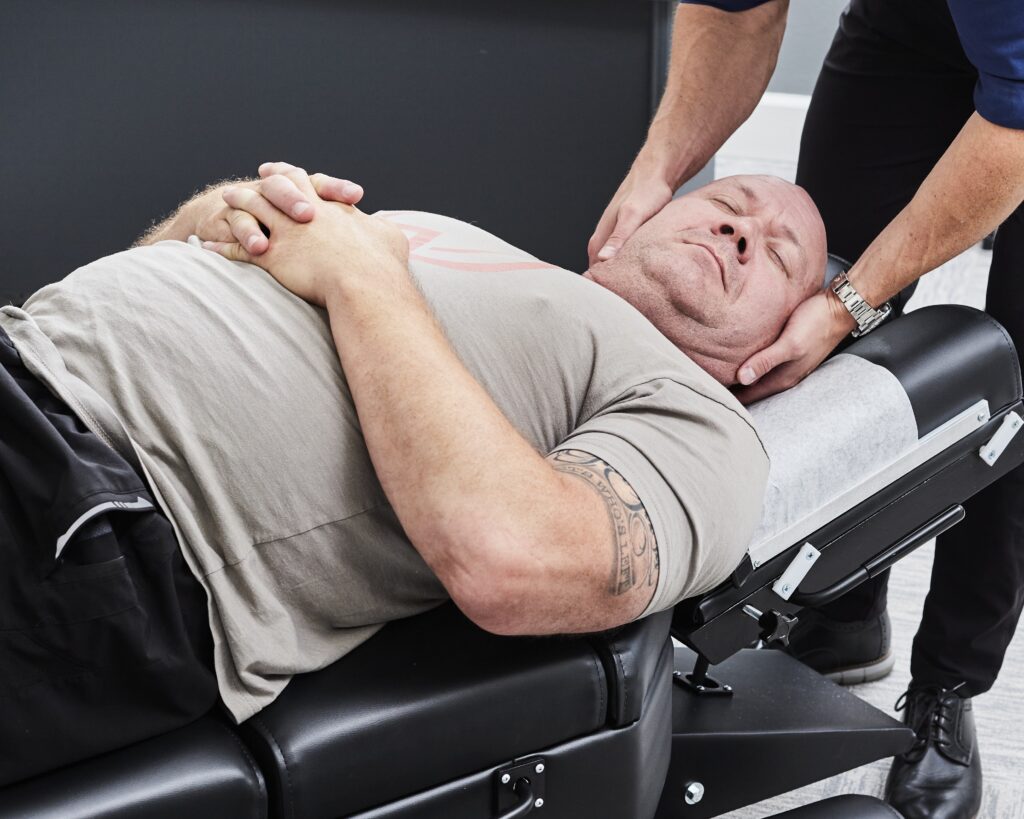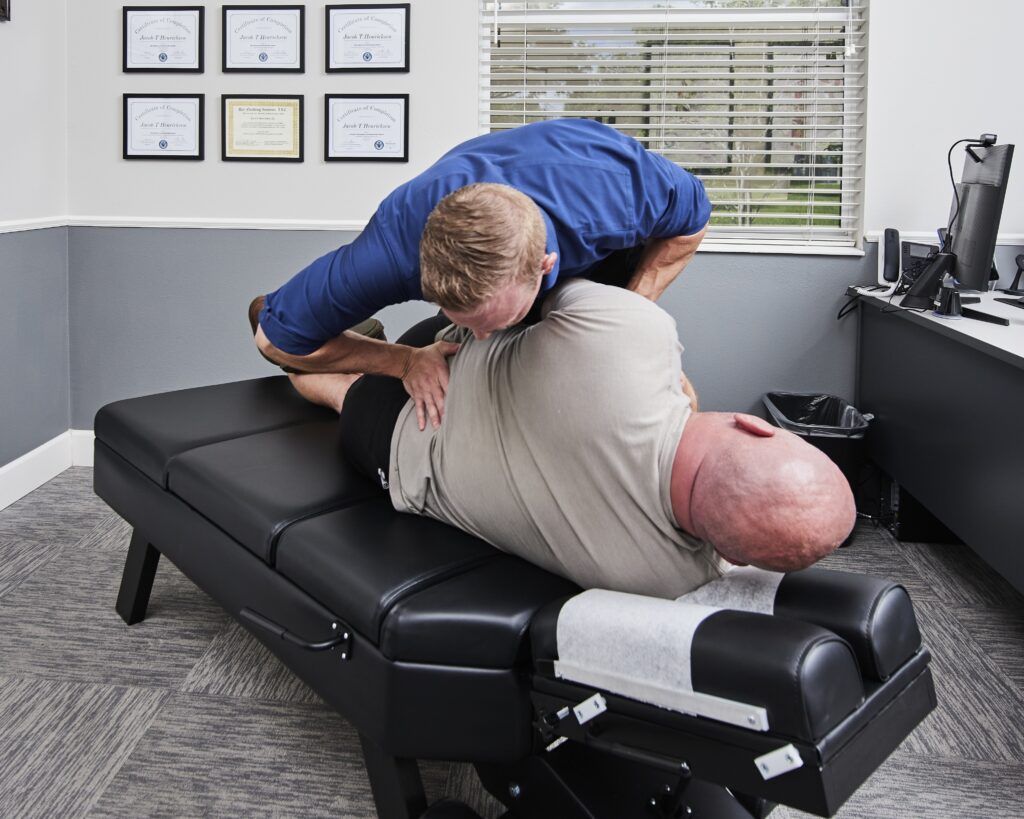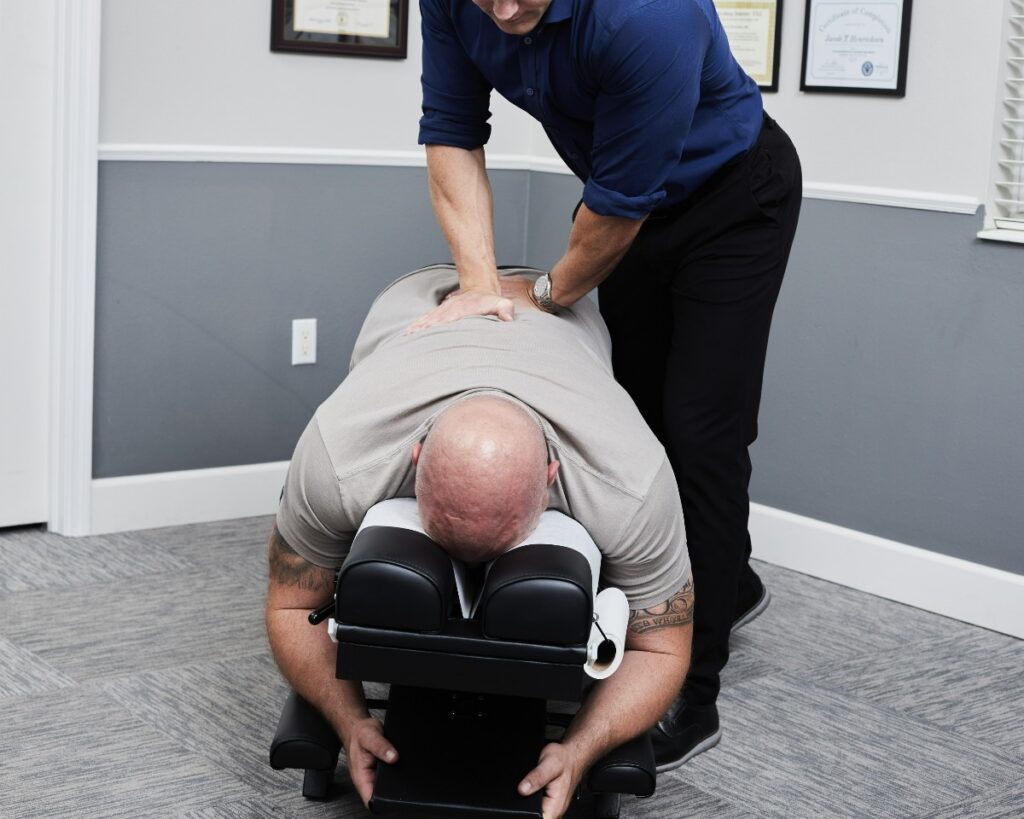

If you're dealing with neck pain, you might be surprised to learn that natural remedies can offer significant relief. Essential oils and herbal solutions have gained attention for their soothing properties, but figuring out which ones work best for you can be tricky. Consider how simple adjustments to your routine might also play a role in alleviating discomfort. As you explore these options, you'll discover that the path to relief is often more holistic than you might expect, leaving you wondering what specific remedies could fit seamlessly into your life.
Understanding Neck Pain Causes
Neck pain can stem from a variety of causes, and understanding these can help you find the right relief. One common cause is muscle strain, often resulting from overuse or awkward sleeping positions. If you've spent hours hunched over a computer or cradling your phone, you might've noticed stiffness creeping in. This strain can lead to inflammation, making your neck feel sore and tight.
Another factor is poor ergonomics in your workspace. If your desk setup doesn't support good body mechanics, you're likely to experience discomfort. You might find yourself leaning forward or twisting your neck unnaturally, which can contribute to chronic pain.
Alongside this, stress and tension can play a significant role. When you're stressed, you may unknowingly tighten your neck muscles, exacerbating any existing pain.
In some cases, injuries from accidents or falls can lead to more severe neck issues. Whiplash, for instance, is a common injury resulting from sudden movement, causing significant pain and mobility limitations.
Additionally, age-related changes like degenerative disc disease can contribute to chronic neck pain. As you age, the discs in your spine can wear down, leading to discomfort.
Identifying the underlying cause of your neck pain is essential. Once you pinpoint the source, you can explore natural remedies tailored to your situation, whether it's stretching, heat therapy, or mindfulness techniques. Understanding these triggers can empower you to take steps toward lasting relief.
Importance of Good Posture
Good posture is essential for maintaining your spine health and preventing neck pain.
When you sit or stand correctly, you reduce the strain on your neck and shoulders, making daily activities more comfortable.
Impact on Spine Health
Maintaining proper posture throughout your day can considerably impact your spine health. When you sit, stand, or move with good posture, you help align your spine, reducing strain on the muscles, ligaments, and discs. This alignment not only decreases the risk of neck pain but also contributes to overall spinal health.
Here are some key benefits of good posture:
- Reduces strain on your neck and back muscles.
- Prevents fatigue by improving body mechanics, allowing you to work longer without discomfort.
- Enhances breathing by opening up the chest and diaphragm.
- Boosts confidence and mood, as standing tall can influence your self-perception.
- Improves circulation, ensuring your body gets the nutrients it needs.
Incorporating good posture into your daily routine can be a game-changer for your spine.
Whether you're at your desk, walking, or engaging in physical activities, being mindful of your posture will pay off in the long run.
Ergonomics in Daily Life
Ergonomics plays an essential role in your daily life, influencing your comfort and efficiency. You mightn't realize it, but the way you sit, stand, and move can greatly impact your neck and spine health. Good posture isn't just about looking confident; it's about aligning your body to minimize strain on your muscles and joints.
When you're at your desk, make sure your computer screen is at eye level. This helps you avoid craning your neck forward, which can lead to pain over time. Use a chair that supports your lower back, and keep your feet flat on the floor.
If you're on the phone often, try using a headset instead of cradling the phone between your shoulder and ear.
In daily activities, be mindful of how you carry items. Use both hands for heavy bags, and distribute weight evenly to prevent muscle strain. Remember to take regular breaks to stretch and move around.
Gentle Stretching Exercises
Gentle stretching exercises can be a highly effective way to relieve neck pain and improve flexibility. Incorporating these stretches into your daily routine can help alleviate tension, increase blood flow, and enhance your overall range of motion.
The key is to perform them slowly and mindfully, never forcing your body into uncomfortable positions.
Here are some gentle neck stretches you can try:
- Neck Tilt: Sit up straight and gently tilt your head to one side, bringing your ear toward your shoulder. Hold for 15-30 seconds and switch sides.
- Chin Tucks: While sitting or standing, gently tuck your chin toward your chest. This helps strengthen the neck muscles. Hold for a few seconds and repeat.
- Shoulder Rolls: Roll your shoulders forward in a circular motion, then reverse the direction. This helps to release tension in your upper back and neck.
- Side Rotation: Sit or stand with your back straight. Slowly turn your head to one side as far as comfortable, hold for a few seconds, and then repeat on the other side.
- Forward Stretch: While seated, interlace your fingers behind your head and gently pull down while looking slightly upward. This stretch targets the back of your neck.
Heat and Cold Therapy
When it comes to relieving neck pain, heat and cold therapy can be game-changers.
Heat therapy helps relax tight muscles and improve blood flow, while cold therapy reduces inflammation and numbs pain.
You can even combine both techniques for maximum relief, tailoring your approach to your specific needs.
Benefits of Heat Therapy
Heat therapy offers several benefits for relieving neck pain, making it a popular choice among those seeking comfort. By applying heat, you can relax tense muscles and improve blood circulation in the affected area. This increased blood flow helps deliver essential nutrients and oxygen, promoting faster healing.
Here are some key benefits of using heat therapy for neck pain:
- Muscle Relaxation: Heat soothes tight muscles, easing discomfort and promoting relaxation.
- Pain Relief: The warmth can block pain signals sent to your brain, providing a soothing effect.
- Improved Flexibility: Heat increases the elasticity of your muscles and connective tissues, helping you regain mobility.
- Stress Reduction: The comforting sensation of warmth can help reduce stress and anxiety, enhancing overall well-being.
- Ease of Use: Heat therapy is simple to administer, whether you use a heating pad, warm towel, or hot water bottle.
Incorporating heat therapy into your routine can effectively alleviate neck pain.
Just make sure you monitor the temperature to prevent burns, and limit your sessions to 15-20 minutes for ideal safety and comfort.
Cold Therapy Techniques
Cold therapy is another effective technique for managing neck pain, providing a contrasting approach to heat therapy. Applying cold compresses can help reduce inflammation and numb sharp pain, making it a go-to option for acute injuries or flare-ups. When you use cold therapy, you constrict blood vessels, which minimizes swelling.
To get started, wrap ice packs or frozen vegetables in a thin towel to protect your skin. Apply the cold pack to the affected area for 15-20 minutes at a time. Make sure to take breaks between applications to avoid frostbite. You can repeat this process several times a day, especially in the first 48 hours after an injury.
If you don't have an ice pack handy, consider a cold gel pack or even a bag of ice. Just remember that anything cold should always have a barrier to prevent direct contact with your skin.
Another option is a cold shower; letting cool water flow over your neck can provide relief.
Incorporating cold therapy into your routine can help you manage neck pain effectively, allowing you to enjoy a more comfortable day-to-day life.
Combining Heat and Cold
Using both heat and cold therapy can enhance your neck pain relief strategy. By alternating between these two methods, you can maximize the benefits and address various symptoms effectively.
Heat helps to relax and loosen tight muscles, while cold therapy reduces inflammation and numbs sharp pain.
Here's how to combine heat and cold therapy effectively:
- Start with cold: Apply a cold compress for 15-20 minutes to reduce swelling and numb the area.
- Follow with heat: After the cold treatment, use a heating pad or warm towel for another 15-20 minutes to loosen muscles and improve blood flow.
- Repeat as needed: You can alternate heat and cold treatments several times a day based on your comfort level.
- Listen to your body: Pay attention to how each method affects your pain and adjust the duration accordingly.
- Be cautious: Always place a barrier, like a cloth, between your skin and the heat or cold source to prevent burns or frostbite.
This combination can provide extensive relief, making your neck pain more manageable and improving your overall comfort.
Essential Oils for Relief
Many people find essential oils to be a soothing solution for neck pain relief. These concentrated plant extracts can help reduce inflammation, alleviate tension, and promote relaxation. If you're looking for a natural way to ease your discomfort, consider incorporating essential oils into your self-care routine.
One popular option is lavender oil. Known for its calming properties, lavender can help reduce stress and tension in the neck area. Simply dilute a few drops in a carrier oil, like coconut or jojoba oil, and gently massage it onto your sore muscles.
You might also try peppermint oil. Its cooling sensation can provide immediate relief while improving circulation. Again, mix it with a carrier oil before applying.
Another excellent choice is eucalyptus oil. This oil has anti-inflammatory properties that can assist in reducing pain and stiffness. You can inhale its aroma by adding a few drops to a diffuser or applying it topically after dilution.
Frankincense oil is also worth considering. It's known for its ability to support joint health and reduce inflammation, making it a great addition to your neck pain relief arsenal.
When using essential oils, remember to do a patch test first to check for any allergic reactions. You can also combine different oils for a more potent blend.
Using essential oils for neck pain relief not only addresses your discomfort but also enhances your overall well-being, allowing you to feel more relaxed and rejuvenated.
Herbal Remedies to Consider
When it comes to finding relief from neck pain, herbal remedies can be a powerful ally. Many people turn to herbs for their natural anti-inflammatory and analgesic properties. Incorporating these herbs into your routine can offer you some much-needed comfort.
Here are five herbal remedies you might consider:
- Turmeric: Known for its active compound curcumin, turmeric can help reduce inflammation and pain. You can take it in capsule form or add it to your meals.
- Ginger: This popular root has anti-inflammatory properties that can be effective for muscle pain relief. Try making ginger tea or adding it to your dishes.
- Willow Bark: Often referred to as nature's aspirin, willow bark can alleviate pain similar to how aspirin works. You can find it in tea or supplement form.
- Peppermint: This herb works as a natural muscle relaxant. You can use peppermint oil for topical application or drink peppermint tea for soothing relief.
- Boswellia: Also known as Indian frankincense, boswellia has powerful anti-inflammatory properties. You can take it as a supplement or in topical ointments.
Always consult with a healthcare professional before trying any new herbal remedy, especially if you're on medication or have existing health concerns.
With the right herbs, you can find a natural way to ease your neck pain and enhance your overall well-being.
Mindfulness and Relaxation Techniques
Mindfulness and relaxation techniques can markedly alleviate neck pain by reducing stress and promoting muscle relaxation. When you practice mindfulness, you're training your mind to focus on the present moment. This can help you detach from the worries and anxieties that often contribute to muscle tension in your neck.
Simple exercises like deep breathing can be incredibly effective. Take a moment to sit comfortably, close your eyes, and inhale deeply through your nose. Hold that breath for a few seconds, then exhale slowly through your mouth. This practice can lower your heart rate and create a sense of calm that benefits your neck.
Incorporating gentle stretches into your routine can also enhance relaxation. Try slowly tilting your head from side to side, holding each stretch for 15-30 seconds. This not only eases tension but also increases flexibility.
Visualization techniques can further aid in relaxation. Picture a serene landscape or a peaceful scene, allowing your mind to drift away from stress.
Guided meditation apps or videos can provide structured sessions that help you stay focused. You'll find that dedicating just a few minutes each day to these practices can lead to a noticeable reduction in neck pain.
Finally, don't underestimate the power of a warm bath or soothing music. These activities can create a comforting environment that fosters relaxation. By integrating mindfulness and relaxation techniques into your daily routine, you're taking proactive steps toward alleviating neck pain naturally.
Ergonomic Adjustments at Work
Creating a comfortable workspace can greatly impact your neck pain. When you make ergonomic adjustments, you're not just enhancing your comfort; you're also preventing further strain.
Start by evaluating your desk setup and guarantee everything is positioned correctly to support your neck and back.
Here are five key adjustments you can make:
- Monitor Height: Your computer screen should be at eye level. If you have to look down or tilt your head to see it, adjust the height or use a stand.
- Chair Support: Use a chair that supports your lower back. Ensure that your feet rest flat on the ground and your knees are at a 90-degree angle.
- Keyboard and Mouse Position: Keep your keyboard and mouse close enough so you don't have to stretch. Your elbows should remain close to your body and form a right angle.
- Frequent Breaks: Set a timer to remind yourself to take short breaks. Stand up, stretch, or walk around every hour to reduce tension.
- Phone Usage: If you use your phone frequently, consider using a headset to avoid cradling the device between your neck and shoulder.
Lifestyle Changes for Prevention
Making simple lifestyle changes can greatly reduce your risk of developing neck pain. Start by paying attention to your posture throughout the day. Whether you're sitting at your desk, using your phone, or standing, keep your shoulders back and your head aligned with your spine. This small adjustment can prevent strain on your neck.
Next, incorporate regular exercise into your routine. Activities like yoga or Pilates not only strengthen your neck and upper back muscles but also improve flexibility. Aim for at least 30 minutes of physical activity most days of the week.
Stretching is equally important; take breaks every hour to stretch your neck and shoulders, easing any tension that may build up.
Hydration plays a crucial role in muscle health, so make sure you're drinking enough water daily. Dehydrated muscles can become stiff and more prone to injury.
Additionally, evaluate your sleep habits. Invest in a supportive pillow that maintains your neck's natural curve, and try to sleep on your back or side rather than your stomach.
Finally, limit your screen time when possible. If you must use devices, hold them at eye level to prevent your neck from bending.
Conclusion
Incorporating natural remedies for neck pain relief can greatly improve your comfort and well-being. By understanding the causes of your pain, maintaining good posture, and using essential oils or herbal solutions, you can find effective relief. Don't forget to include gentle stretching, heat and cold therapy, and mindfulness techniques in your routine. With some simple lifestyle adjustments, you can prevent future discomfort and enjoy a more pain-free life. Take charge of your neck health today!