
If you're grappling with neck pain, exploring natural relief options over the next 30 days could be a game-changer for your comfort and mobility. You might find that simple changes, like incorporating stretching or specific herbal remedies, greatly ease tension and inflammation. Plus, understanding the importance of posture and engaging in mindfulness practices can set a solid foundation for long-term wellness. Curious about how to structure your month for the best results? There are several strategies you can implement, and a few might surprise you.
Understanding Neck Pain
Neck pain affects millions of people, and understanding its causes can help you find effective relief. Your neck is a complex structure made up of bones, muscles, ligaments, and nerves, so it's no surprise that various factors can contribute to discomfort.
One common cause is poor posture, especially if you spend long hours hunched over a computer or looking down at your phone. This habit puts extra strain on your neck, leading to muscle fatigue and pain.
Another factor to take into account is injury. Whiplash from car accidents or sports injuries can result in significant neck pain, and the effects may linger long after the initial trauma.
Even minor injuries, like sleeping in an awkward position, can cause stiffness and soreness.
You should also be aware of underlying medical conditions. Arthritis, for example, can affect the joints in your neck, resulting in chronic pain and decreased mobility.
Disc issues, such as herniation, can also press on nerves and lead to discomfort that radiates down your arms.
Stress plays a role, too. When you're stressed, you might unconsciously tense your neck and shoulder muscles, resulting in pain.
Paying attention to your body and recognizing when you're holding tension can help mitigate this issue.
Importance of Natural Relief
When it comes to managing neck pain, natural relief options offer significant benefits that go beyond just temporary comfort.
By choosing these remedies, you can prioritize long-term health and make essential lifestyle changes that promote overall wellness.
Embracing a natural approach not only eases your pain but also empowers you to take control of your health journey.
Benefits of Natural Remedies
Many people find that natural remedies offer effective relief from neck pain without the side effects often associated with pharmaceuticals. By choosing natural options, you can tap into the power of nature while promoting overall well-being.
Here are some key benefits of using natural remedies for neck pain:
- Reduced Risk of Side Effects: Unlike prescription medications, natural remedies generally have fewer adverse effects, making them safer for long-term use.
- Holistic Approach: Natural remedies often address underlying issues, promoting not just neck pain relief but also improved overall health and wellness.
- Customization: You can tailor natural treatments to fit your specific needs, whether through herbal supplements, essential oils, or physical therapies.
Incorporating these remedies into your daily routine can lead to lasting improvements in neck pain management.
Plus, you'll find that many natural options are easy to access and integrate into your lifestyle.
So, exploring these alternatives could be a game changer in your journey toward relief.
Long-Term Health Considerations
Sustained relief from neck pain through natural remedies can greatly enhance your long-term health. When you find effective solutions, you're not just addressing symptoms; you're supporting your body's overall well-being. Natural methods, such as stretching, yoga, and herbal treatments, can promote better posture and strengthen muscles, reducing the likelihood of future pain.
Choosing natural remedies often means fewer side effects compared to pharmaceutical options. Long-term reliance on medications can lead to dependency or other health issues, whereas natural approaches encourage your body to heal and adapt. This not only improves your neck health but also contributes to better quality of life overall.
Additionally, natural remedies often encourage a holistic view of health. You may start paying more attention to your diet, exercise, and stress management, creating a positive feedback loop that benefits your entire body. By focusing on natural pain relief, you're likely to develop healthier habits that support your long-term health goals.
Incorporating these practices into your daily routine can lead to a more resilient body and mind, allowing you to enjoy life without the constant burden of neck pain. Prioritizing natural relief is a step toward a healthier future.
Integrating Lifestyle Changes
Integrating lifestyle changes is essential for achieving lasting natural relief from neck pain. By making small adjustments to your daily routine, you can greatly reduce discomfort and promote overall well-being.
These changes don't have to be overwhelming; even subtle shifts can lead to remarkable improvements in how you feel.
Consider incorporating these strategies into your life:
- Posture Awareness: Maintain a neutral spine when sitting or standing to alleviate strain on your neck.
- Exercise Regularly: Engage in gentle stretching and strengthening exercises to improve flexibility and support neck health.
- Stress Management: Practice relaxation techniques like yoga or meditation to help ease tension in your neck muscles.
Stretching Techniques
When it comes to easing neck pain, incorporating stretching techniques into your routine can make a world of difference. The right stretches help alleviate tension, improve flexibility, and promote better posture. You don't need to spend hours on stretching; just a few minutes each day can yield significant relief.
Start with simple neck stretches. Gently tilt your head toward one shoulder, holding for 15-30 seconds. You should feel the stretch along the opposite side of your neck. Repeat on the other side.
Next, try forward and backward neck stretches. Lower your chin to your chest and hold for another 15-30 seconds. Then, tilt your head back, looking up at the ceiling for the same duration. These stretches help counteract the effects of poor posture from sitting at desks or looking at screens.
Incorporating upper trapezius stretches can also be beneficial. Sit or stand comfortably, and using one hand, gently pull your head toward your shoulder. Hold for 15-30 seconds, then switch sides.
Don't forget to breathe deeply while stretching, as this can enhance relaxation and increase blood flow to the area.
Finally, consider incorporating upper back stretches. Interlace your fingers and extend your arms in front of you, rounding your upper back. Hold for 15-30 seconds.
Strengthening Exercises
Strengthening your neck muscles can be a game changer for reducing pain and preventing future issues. By building strength, you create better support for your cervical spine, which can lead to improved posture and less strain on your neck.
Here are some effective exercises you can easily incorporate into your daily routine:
- Neck Isometrics: Press your forehead into your hands without moving your neck. Hold for 5-10 seconds and repeat for all sides—front, back, and sides. This builds strength without excessive movement.
- Chin Tucks: Sit or stand up straight and gently tuck your chin toward your chest. Hold for 5 seconds and repeat 10 times. This exercise helps align your spine and strengthens the muscles at the back of your neck.
- Shoulder Shrugs: Raise your shoulders toward your ears and hold for a few seconds, then release. Repeat this 10-15 times. This works the trapezius muscles and can alleviate tension.
As you progress, you can increase the number of repetitions or add light weights to these exercises. Consistency is key; aim for at least three times a week.
Remember, it's important to listen to your body—if any movement causes pain, stop immediately. Combining these strengthening exercises with stretching techniques will provide a well-rounded approach to managing neck pain naturally.
Heat Therapy
When you experience neck pain, heat therapy can be a simple yet effective way to find relief.
This method offers various benefits and comes in different forms, such as heating pads or warm towels.
However, it's important to keep safety precautions in mind to guarantee you're using heat therapy effectively.
Benefits of Heat Therapy
Heat therapy offers a soothing escape from neck pain, providing both relief and relaxation. By applying heat to your neck, you can experience a variety of benefits that not only ease discomfort but also promote overall well-being. Here's what you can expect:
- Increased Blood Flow: Heat helps to dilate blood vessels, enhancing circulation. This increase in blood flow brings more oxygen and nutrients to the affected area, speeding up the healing process.
- Muscle Relaxation: The soothing warmth eases tight muscles, reducing stiffness and promoting greater flexibility. When your muscles are relaxed, you can move more freely and comfortably.
- Pain Relief: Heat therapy can effectively dull pain signals sent to your brain, providing immediate relief and making daily activities more manageable.
Incorporating heat therapy into your routine can be a game-changer.
Whether you're unwinding after a long day or preparing for a challenging task, this natural remedy can help alleviate neck pain, making you feel better both physically and mentally.
Types of Heat Applications
While many people turn to heat therapy for neck pain relief, the methods of application can vary widely. You have several options to choose from, each with its own benefits.
One popular method is using a heating pad. You can easily adjust the temperature and apply it directly to the affected area for targeted relief.
Another option is a warm towel. Simply soak a towel in hot water, wring it out, and wrap it around your neck. This method provides soothing warmth and can be particularly comforting.
If you prefer a more immersive experience, consider a warm bath or shower. The heat from the water can help relax tight muscles and improve blood circulation.
For those on the go, a microwaveable heat pack offers convenience and portability, allowing you to apply heat wherever you are.
Lastly, some people find relief with hot stone therapy. You can use smooth, heated stones placed on specific areas of your neck to help ease tension.
Each method has its unique advantages, so experiment to find which application works best for you. Remember to listen to your body and adjust the heat as needed.
Safety Precautions to Consider
Using heat therapy can be an effective way to relieve neck pain, but it's important to keep safety in mind. Improper use of heat can lead to burns or worsen your condition.
Here are some key safety precautions to bear in mind:
- Limit Application Time: Don't apply heat for more than 20 minutes at a time. Give your skin a break to avoid burns.
- Check Temperature: Always test the heat source before applying it to your neck. It should be warm, not hot, to prevent skin damage.
- Avoid Open Skin: If you have cuts, sores, or rashes on your neck, avoid using heat therapy as it can irritate these areas further.
Cold Therapy
Cold therapy, often a go-to for soothing neck pain, offers quick relief by reducing inflammation and numbing sharp discomfort. When you apply cold to your neck, it constricts blood vessels, helping to minimize swelling and pain. This method is particularly effective right after an injury or flare-up, as it can help you regain mobility faster.
To get started, you'll need a cold pack or a simple bag of frozen vegetables wrapped in a thin towel. Never apply ice directly to your skin, as this can lead to frostbite. Start with short intervals of about 15 to 20 minutes, giving your skin a break between applications to prevent irritation. Repeat this process several times a day, especially during the initial 48 hours after you've experienced pain.
Cold therapy isn't just for acute injuries; it can also help when you're feeling chronic neck discomfort. If you've had a long day at your desk or feel tension building up in your neck, a cold compress can provide instant relief.
Just remember to listen to your body. If the cold feels uncomfortable or if your pain worsens, it's best to stop and consult a healthcare professional.
Incorporating cold therapy into your pain management routine can be a simple yet effective way to alleviate discomfort. With the right application, you can experience a notable difference in your neck pain and overall well-being.
Essential Oils
Exploring the world of essential oils can lead to effective relief for neck pain. These natural extracts, derived from plants, can help reduce inflammation, relax muscles, and alleviate discomfort. By incorporating essential oils into your daily routine, you might find a holistic approach to managing your neck pain.
Here are a few essential oils you might want to try:
- Peppermint Oil: Known for its cooling effect, peppermint oil can enhance blood circulation and relieve muscle tension.
- Lavender Oil: Renowned for its calming properties, lavender oil can reduce stress and promote relaxation, making it easier for you to manage pain.
- Eucalyptus Oil: This oil has anti-inflammatory properties that may help soothe sore muscles and joints.
To use essential oils for neck pain, consider diffusing them in your living space or adding a few drops to a warm bath. You can also create a soothing massage oil by combining essential oils with a carrier oil, like coconut or jojoba oil.
Gently massaging the mixture into your neck can provide targeted relief and help ease tightness.
Always perform a patch test before applying new oils directly to your skin, and consult a healthcare professional if you have any concerns.
Herbal Remedies
When it comes to herbal remedies for neck pain, you've got some powerful options.
From turmeric to ginger, these herbs can provide relief when used correctly.
Let's explore the top choices and how you can apply them effectively.
Top Herbal Choices
For centuries, various herbs have offered natural relief for neck pain, providing a holistic approach to wellness.
If you're seeking alternatives to conventional treatments, consider incorporating these top herbal choices into your routine. They may help alleviate discomfort and promote healing in a gentle way.
- Turmeric: Known for its anti-inflammatory properties, turmeric can reduce pain and swelling. Adding it to your diet or taking it as a supplement might provide relief.
- Ginger: This powerful herb not only aids digestion but also has anti-inflammatory qualities. You can enjoy it as a tea or in your meals to help soothe neck pain.
- Willow Bark: Often referred to as nature's aspirin, willow bark is used for its pain-relieving effects. It can be consumed in tea or supplement form to help ease discomfort.
Application Methods Explained
Understanding how to effectively apply herbal remedies can greatly enhance their benefits for neck pain relief. You'll want to choose the right method based on the specific herb and its form.
For topical applications, oils infused with herbs like arnica or peppermint can be massaged directly into your neck. Use gentle circular motions to encourage absorption and improve circulation.
If you prefer a poultice, crush fresh herbs like ginger or turmeric, mix with a little water, and apply it to the affected area. Cover it with a cloth for about 30 minutes to allow the herbal compounds to penetrate your skin.
For those who enjoy teas, brewing a strong infusion of anti-inflammatory herbs like chamomile or willow bark can provide relief when sipped throughout the day. Make sure you strain the tea well and drink it warm for the best effect.
Lastly, consider using essential oils in a diffuser or diluted in a carrier oil for aromatherapy. This method can reduce stress and tension in your neck muscles, complementing other topical treatments.
Experiment with these application methods to find what works best for you!
Mindfulness and Meditation
Many people find that incorporating mindfulness and meditation into their daily routine can greatly alleviate neck pain. By focusing on the present moment, you can reduce stress and tension that often contribute to discomfort.
When you practice mindfulness, you become more aware of how your body feels, allowing you to identify and release areas of tightness in your neck and shoulders.
Here are a few benefits of mindfulness and meditation that can help with neck pain:
- Enhanced relaxation: Mindfulness helps you unwind, reducing the muscle tension that can lead to pain.
- Improved focus: Regular meditation can sharpen your mental clarity, making it easier to identify habits that may be aggravating your neck.
- Emotional balance: Reducing stress through mindfulness can help you cope better with pain, leading to an overall sense of well-being.
To get started, find a quiet space where you can sit comfortably. Close your eyes and take deep breaths, focusing on inhaling and exhaling.
If your mind wanders, gently bring your attention back to your breath. You can also incorporate neck stretches into your routine while maintaining a mindful state, paying attention to how each movement feels.
Posture Correction
Good posture plays an essential role in preventing neck pain and maintaining overall health.
By recognizing your posture habits and incorporating specific exercises, you can greatly improve your alignment.
Let's explore how making these changes can help relieve your neck discomfort.
Importance of Good Posture
How often do you find yourself slouching at your desk or while using your phone?
Poor posture can lead to more than just an unsightly appearance; it can contribute to neck pain, headaches, and even long-term spinal issues. Embracing good posture is vital for your overall health and well-being.
Here are a few reasons why good posture matters:
- Reduces Strain: Proper alignment minimizes the stress on your neck and back muscles, allowing them to function efficiently.
- Enhances Breathing: Standing or sitting up straight opens up your chest, making it easier to breathe deeply and fully.
- Boosts Confidence: Good posture not only impacts your physical health but can also improve your self-esteem and how others perceive you.
Exercises for Posture Improvement
Improving your posture isn't just about being aware of how you sit or stand; incorporating specific exercises into your routine can make a significant difference.
Start with wall angels. Stand with your back against a wall, feet slightly away, and try to keep your lower back flat. Raise your arms to form a "W" shape, then slowly slide them up to create a "Y." Repeat this 10 times.
Next, try chin tucks. Sit or stand tall, gently tuck your chin toward your neck, and hold for five seconds. This helps strengthen the neck muscles supporting your head. Perform this exercise 10-15 times daily.
Another effective move is the cat-cow stretch. Get on your hands and knees and alternate between arching your back (cat) and dropping your belly (cow). This stretches and strengthens your spine while promoting flexibility. Aim for 10 repetitions.
Finally, don't underestimate the importance of core-strengthening exercises like planks. A strong core supports your spine, helping you maintain good posture.
Incorporate these exercises into your daily routine, and you'll notice an improvement not only in your posture but also in your overall neck health.
Ergonomic Adjustments
For many people, making ergonomic adjustments can greatly alleviate neck pain over time. By optimizing your workspace and daily habits, you can create an environment that supports your neck and spine. Here are some key adjustments you should consider:
- Monitor Height: Your computer monitor should be at eye level, allowing you to keep your head straight and your neck relaxed. This prevents unnecessary strain from looking down or craning your neck upward.
- Chair Support: Invest in an ergonomic chair that supports your lower back and promotes good posture. Guarantee it has adjustable features so you can find the right height and angle that keeps your spine aligned.
- Keyboard and Mouse Placement: Your keyboard and mouse should be positioned so your elbows can rest comfortably at your sides. Avoid reaching too far or lifting your arms excessively, as this can lead to tension in your neck and shoulders.
To further enhance your ergonomic setup, take regular breaks to stretch and reposition yourself. Changing your posture frequently can help prevent stiffness and discomfort.
Remember, small adjustments can lead to significant relief over time. By incorporating these ergonomic strategies into your daily routine, you'll not only reduce neck pain but also improve your overall well-being.
Prioritizing your workspace ergonomics is a proactive step toward a healthier, pain-free life.
Sleep Positioning
Your sleep position plays an essential role in neck pain relief, and choosing the right pillow can make all the difference.
You want to guarantee your spine stays aligned while you sleep, so consider how your pillow supports your neck and head.
A well-chosen pillow can help you wake up feeling refreshed instead of sore.
Optimal Pillow Choice
Choosing the right pillow can greatly enhance your sleep quality and alleviate neck pain. Your pillow plays an essential role in supporting your head and neck, especially depending on your sleep position.
When selecting a pillow, consider the following factors to find the perfect fit:
- Loft Level: The height of your pillow should correspond to your sleep position. Side sleepers often need a thicker pillow, while back and stomach sleepers benefit from thinner options.
- Material: Memory foam, latex, or down pillows all provide different levels of support and comfort. Choose a material that suits your personal preference and offers adequate support for your neck.
- Firmness: A pillow that's too firm or too soft can exacerbate neck pain. Experiment with different firmness levels to find what feels best for you.
Alignment With Spine
Proper alignment with your spine during sleep is essential for preventing neck pain and promoting overall comfort. How you position yourself in bed can greatly impact your spinal health. When you lie down, aim to keep your head, neck, and back in a straight line. This alignment helps reduce strain on your neck and prevents discomfort.
If you're a back sleeper, choose a pillow that supports the natural curve of your neck without elevating your head too much. For side sleepers, opt for a firmer pillow that fills the gap between your shoulder and head, ensuring your spine remains straight.
Stomach sleeping is often discouraged, as it can twist your neck and lead to pain. If you can't break this habit, try placing a thin pillow under your stomach to help maintain spinal alignment.
Additionally, consider your mattress. A medium-firm mattress usually offers the best support, contouring to your body while keeping your spine aligned.
Yoga for Neck Pain
Yoga offers a holistic approach to alleviating neck pain by combining gentle stretching, strengthening, and relaxation techniques. When you practice yoga, you're not just targeting the neck; you're also addressing the surrounding muscles that contribute to tension and discomfort.
By incorporating specific poses into your routine, you can promote better posture and enhance your overall well-being.
Here are a few reasons why yoga can be beneficial for neck pain:
- Increased Flexibility: Regular yoga practice helps improve flexibility, allowing your neck to move more freely and reducing stiffness.
- Strengthening Muscles: Certain poses strengthen the muscles around your neck, providing better support and stability.
- Stress Relief: Yoga encourages relaxation, which can help alleviate tension caused by stress, a common contributor to neck pain.
Incorporating poses like Child's Pose, Cat-Cow Stretch, and Neck Rolls into your daily routine can dramatically enhance neck mobility and reduce discomfort.
You don't need to be an expert yogi; even just a few minutes a day can make a difference.
Be mindful of your breath as you move through each pose. This connection not only helps you deepen your stretches but also calms your mind.
Remember to listen to your body—if something feels painful, ease off. With consistent practice, you'll likely find that your neck pain diminishes, leaving you feeling more relaxed and aligned.
Foam Rolling
Foam rolling can be a game-changer for relieving neck pain by helping to release tension and improve blood flow.
You can easily incorporate specific techniques into your routine to target those tight areas, and finding the right frequency and duration is key for ideal results.
Let's explore how foam rolling can enhance your neck pain relief strategy.
Benefits of Foam Rolling
While many people seek relief from neck pain through traditional methods, foam rolling offers a compelling alternative that can enhance your recovery. This simple yet effective technique helps you release tension in your muscles, improve circulation, and promote overall flexibility.
It's an easy addition to your daily routine that can yield significant benefits.
Here are a few key advantages of incorporating foam rolling into your neck pain relief strategy:
- Muscle Recovery: Foam rolling aids in breaking up muscle knots and alleviating tightness, which can contribute to neck discomfort.
- Improved Range of Motion: Regularly using a foam roller can help to increase your flexibility, making it easier for you to move your head and shoulders without pain.
- Enhanced Blood Flow: By increasing circulation in the affected areas, foam rolling can help accelerate healing and reduce inflammation.
Incorporating foam rolling into your wellness routine could be a game-changer for managing neck pain.
It's a low-cost, convenient solution that empowers you to take charge of your recovery, putting you on the path to a pain-free lifestyle.
Techniques for Neck Relief
Many people often overlook the benefits of specific foam rolling techniques when it comes to relieving neck pain. Foam rolling can effectively release tension in the muscles surrounding your neck, helping you feel more relaxed and mobile.
To start, sit comfortably and place the foam roller horizontally behind your neck. Gently lean back onto it, letting your head rest on the roller. Slowly roll your head from side to side, targeting tight spots. This motion helps release knots and improves blood flow to the area.
Next, try a seated position. With the foam roller placed vertically along your spine, lean your head back toward the roller. Hold for a few seconds, breathing deeply. This technique stretches the neck while relaxing the upper back, which often contributes to neck pain.
You can also roll out your traps and shoulders. Position the roller diagonally under one shoulder and gently roll your body over it, focusing on tight areas. Remember to switch sides to guarantee balanced relief.
Incorporating these foam rolling techniques into your routine can greatly alleviate neck tension, allowing you to move more freely and comfortably.
Frequency and Duration Recommendations
To effectively relieve neck pain through foam rolling, aim to incorporate this practice into your routine about three to four times a week. This frequency allows your muscles to recover while consistently addressing tension and discomfort in your neck. Each session should last around 10 to 15 minutes, focusing on the areas that feel tight or sore.
When foam rolling, keep these tips in mind to maximize your benefits:
- Target key areas: Focus on your upper back, shoulders, and the sides of your neck for the best results.
- Use gentle pressure: Start with lighter pressure and gradually increase as your muscles loosen up.
- Listen to your body: If you feel pain or discomfort, adjust your technique or take a break.
Incorporating foam rolling into your weekly routine not only aids in pain relief but can enhance your overall mobility and flexibility.
Remember, consistency is key. By committing to this practice, you'll likely notice improvements in your neck pain and a greater sense of well-being.
Acupuncture Benefits
When considering natural remedies for neck pain relief, acupuncture stands out as a surprisingly effective option. This ancient practice, rooted in Traditional Chinese Medicine, involves inserting fine needles at specific points on your body. Many people find that acupuncture not only alleviates their neck pain but also promotes overall relaxation and well-being.
One of the key benefits of acupuncture is its ability to release endorphins, the body's natural painkillers. By stimulating these endorphins, acupuncture helps reduce your perception of pain. You might notice a significant decrease in discomfort after just a few sessions.
Additionally, acupuncture can improve blood circulation, which aids in healing and reduces inflammation in the neck area.
Another advantage is its minimal side effects compared to conventional pain medications. You won't have to worry about the risks associated with long-term drug use, making acupuncture a safer alternative for many. Many practitioners also tailor treatments to your individual needs, enhancing the effectiveness of each session.
Moreover, acupuncture promotes relaxation, which might be especially beneficial if your neck pain stems from stress or tension. As you unwind during your appointments, you may find that your overall quality of life improves, allowing you to engage more fully in daily activities.
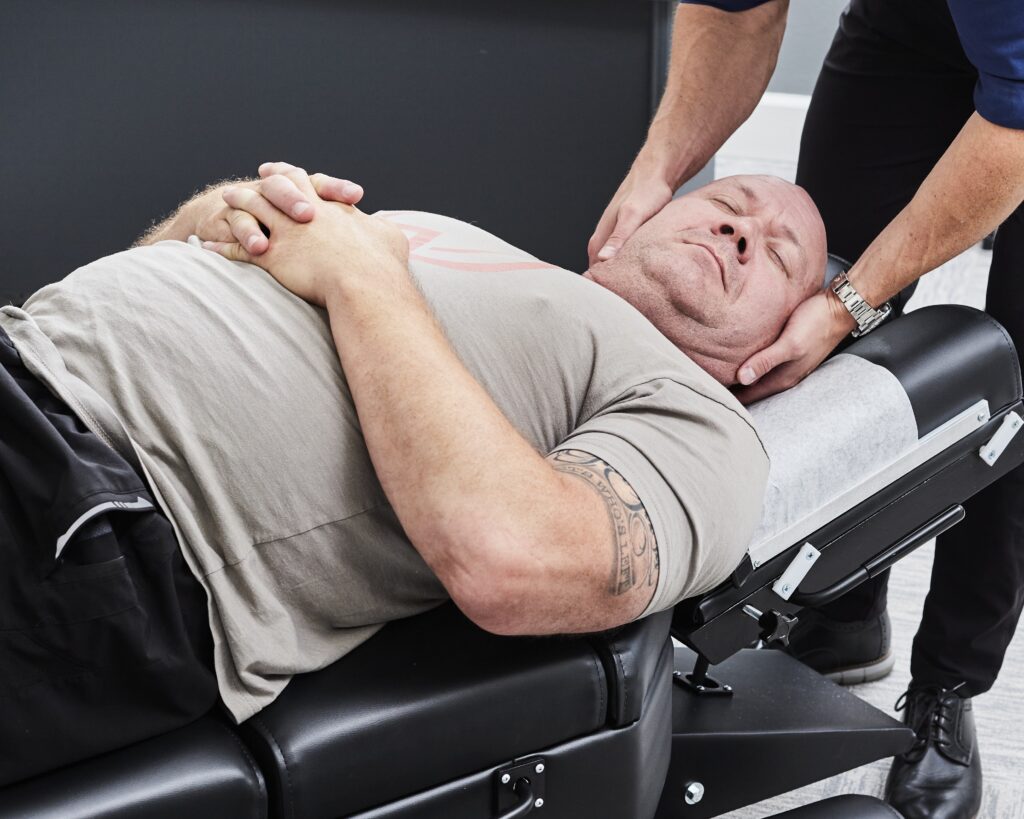
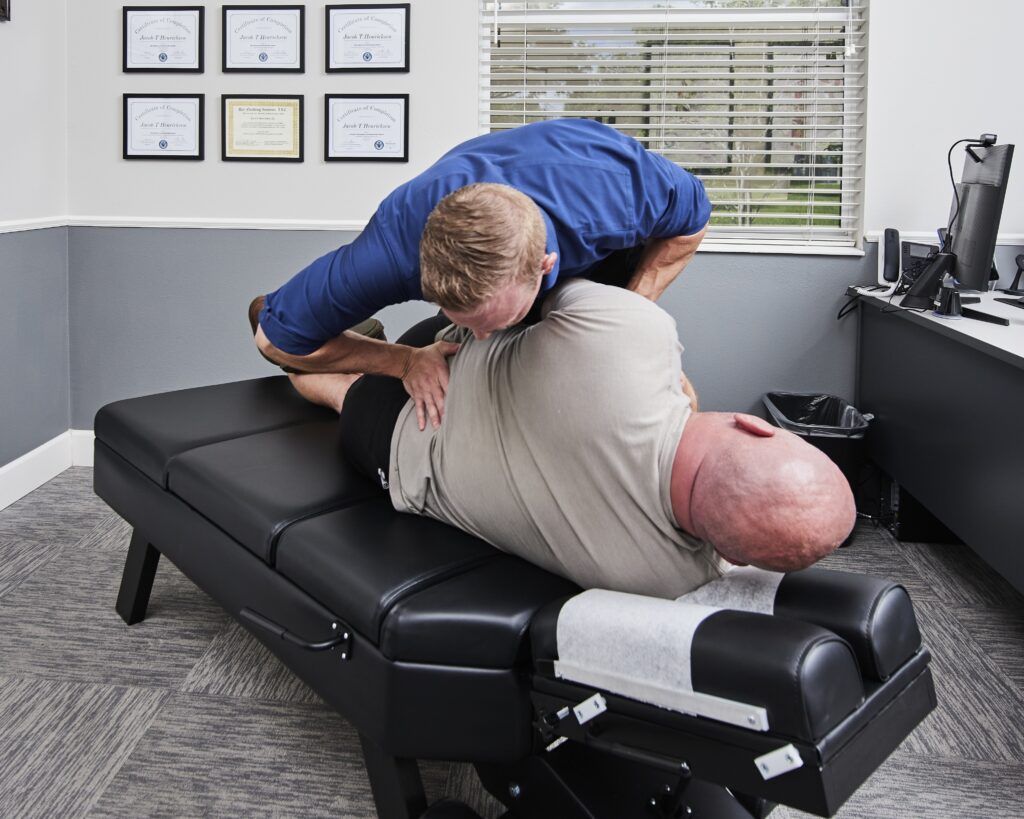
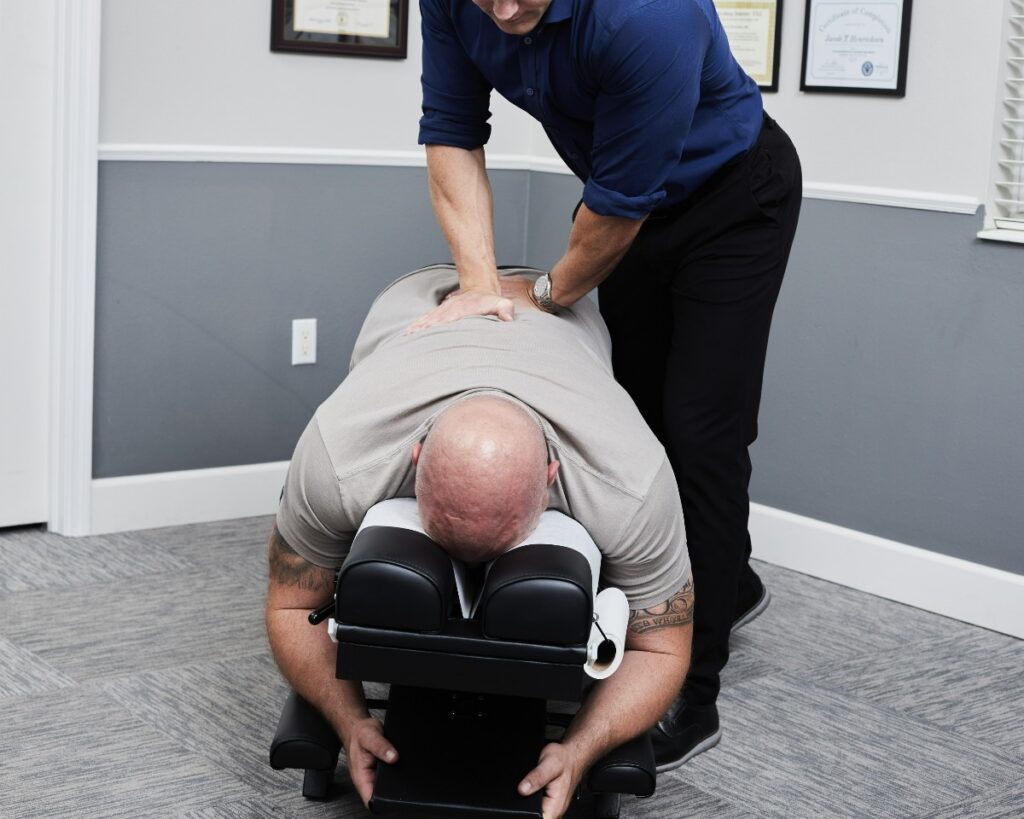
Chiropractic Care
Chiropractic care offers a range of benefits for relieving neck pain, from adjustments that realign your spine to specific techniques tailored to your needs.
When considering this option, it's important to choose a chiropractor wisely to guarantee you receive effective treatment.
Understanding these aspects can help you make informed decisions for your neck pain relief journey.
Benefits of Chiropractic Adjustments
Many people find relief from neck pain through chiropractic adjustments, a hands-on treatment that targets misalignments in the spine. By realigning your vertebrae, these adjustments can help restore proper function and alleviate discomfort.
Here are some key benefits you can expect:
- Improved Mobility: Regular adjustments can enhance your range of motion, making it easier to turn your head and engage in daily activities without pain.
- Pain Relief: Chiropractic care can reduce inflammation and tension in the muscles surrounding your neck, providing a natural way to ease discomfort without relying on medications.
- Enhanced Posture: By addressing spinal misalignments, chiropractic adjustments can contribute to better posture, which in turn can prevent future neck pain and related issues.
When you choose chiropractic adjustments, you're opting for a holistic approach to your health.
You'll not only address your current neck pain but also work towards long-term wellness by supporting your spine's structural integrity. This proactive care can lead to a healthier lifestyle and a more active, pain-free life.
Techniques for Neck Pain
Understanding the various techniques available for neck pain relief can enhance the benefits you gain from chiropractic adjustments. One effective method is spinal manipulation, where your chiropractor applies controlled force to your spine, realigning vertebrae and relieving pressure on nerves. This technique can improve your range of motion and reduce discomfort.
Another approach is soft tissue therapy, which focuses on the muscles, tendons, and ligaments in your neck. Your chiropractor may use their hands to knead and stretch these areas, promoting blood flow and reducing tension. This can be particularly beneficial if muscle tightness is contributing to your pain.
In addition, exercises tailored specifically for your neck can strengthen supportive muscles and improve flexibility. Your chiropractor may suggest simple stretches or resistance exercises you can do at home.
Lastly, ergonomic adjustments at your workspace can prevent further strain. Whether you're sitting at a desk or using your phone, maintaining proper posture is essential for long-term relief.
Choosing a Chiropractor Wisely
When you're looking for a chiropractor, it's important to take into account several factors to ensure you receive the best care possible. You want someone who understands your specific needs and can help relieve your neck pain effectively. Here are some key points to keep in mind:
- Qualifications and Experience: Verify the chiropractor is licensed and has experience in treating neck pain. Look for additional certifications that indicate specialized training.
- Treatment Techniques: Different chiropractors use various techniques. Research their methods to see if they align with your preferences. Whether you prefer manual adjustments or more gentle approaches, find a chiropractor who matches your comfort level.
- Patient Reviews: Check online reviews and testimonials. Hearing from other patients can give you insights into their experiences, the chiropractor's approach, and the overall atmosphere of the clinic.
Taking the time to evaluate these factors can make a significant difference in your recovery journey. A good chiropractor won't only alleviate your neck pain but also guide you on maintaining a healthy spine in the long run.
Massage Therapy
How can massage therapy help alleviate neck pain? This therapeutic technique targets muscle tension and promotes relaxation, making it a valuable option for neck pain relief.
When you receive a massage, the therapist applies pressure to specific areas, which helps to release tight muscles and improve blood circulation. This increased blood flow brings essential nutrients to the affected area, aiding recovery and reducing inflammation.
You might also find that massage therapy helps decrease stress and anxiety, which can exacerbate neck pain. By promoting relaxation, it allows your body to better cope with pain and discomfort. Techniques such as Swedish, deep tissue, or trigger point massage can be particularly effective in addressing the underlying causes of your neck pain.
Regular sessions can build cumulative benefits, so consider incorporating massage into your routine. You don't have to wait until the pain becomes unbearable; proactive treatment can help maintain flexibility and prevent future issues.
When choosing a massage therapist, look for someone with experience in treating neck pain. It's also essential to communicate your specific concerns and preferences, ensuring they tailor the session to your needs.
Finally, remember that while massage therapy can be incredibly effective, it's best used in conjunction with other treatments, such as stretching and strengthening exercises. By combining these approaches, you can create a thorough plan for managing your neck pain and improving your overall well-being.
Hydration and Diet
Staying hydrated is essential for your overall health and can play a key role in managing neck pain.
Incorporating anti-inflammatory foods into your diet helps reduce swelling and discomfort.
Importance of Hydration
Hydration plays an essential role in maintaining overall health and can greatly impact neck pain relief. When you're well-hydrated, your muscles and joints function more effectively, reducing stiffness and discomfort. If you're experiencing neck pain, it's vital to guarantee you're drinking enough water throughout the day.
Here are a few key reasons why staying hydrated matters for your neck health:
- Supports Muscle Function: Proper hydration helps your muscles contract and relax efficiently, minimizing tension in the neck area.
- Improves Blood Circulation: Staying hydrated promotes better blood flow, which delivers essential nutrients to your muscles and aids in recovery.
- Reduces Inflammation: Sufficient water intake can help flush out toxins and reduce inflammation, which can contribute to neck pain.
To reap these benefits, aim to drink at least eight 8-ounce glasses of water daily, adjusting based on your activity level and climate.
Keep a water bottle handy to remind yourself to sip throughout the day. By prioritizing hydration, you can take a significant step toward alleviating neck pain and enhancing your overall well-being.
Anti-Inflammatory Foods
Incorporating anti-inflammatory foods into your diet can considerably enhance your efforts to relieve neck pain. These foods help reduce inflammation and promote healing, which is essential when you're dealing with discomfort. Start by adding fruits and vegetables rich in antioxidants, like berries, spinach, and kale. They fight free radicals and support overall health.
Don't forget about healthy fats! Incorporate sources like avocados, olive oil, and fatty fish like salmon. Omega-3 fatty acids are particularly powerful in reducing inflammation. Nuts and seeds are great snacks that provide both nutrients and anti-inflammatory properties.
Spices like turmeric and ginger can also be beneficial. Turmeric contains curcumin, a compound known for its anti-inflammatory effects. Adding these spices to your meals can make a noticeable difference.
Finally, stay hydrated by drinking plenty of water and herbal teas. Proper hydration supports digestion and nutrient absorption, enhancing the effectiveness of your anti-inflammatory diet.
Breathing Exercises
Breathing exercises can play an essential role in alleviating neck pain by promoting relaxation and reducing tension in the muscles. When you focus on your breath, you're not just calming your mind; you're also easing the tightness that can cause discomfort in your neck.
Here are some benefits of incorporating breathing exercises into your routine:
- Increases oxygen flow to muscles
- Lowers stress levels
- Enhances overall body awareness
To get started, find a quiet space where you can sit or lie down comfortably. Begin by taking a deep breath in through your nose, allowing your abdomen to expand. Hold that breath for a count of four.
Then, slowly exhale through your mouth, feeling your muscles relax as the tension releases. Repeat this process for five to ten minutes.
Another effective technique is diaphragmatic breathing. This method encourages full oxygen exchange and helps you engage your diaphragm.
Place one hand on your chest and the other on your abdomen. As you breathe in, aim to raise your abdomen while keeping your chest relatively still. This promotes relaxation in your neck and shoulders, helping to alleviate pain.
Incorporating these breathing exercises into your daily routine can make a significant difference. Not only will they help with your neck pain, but they'll also improve your overall well-being.
Daily Movement Breaks
Movement is essential for maintaining a healthy body and can considerably alleviate neck pain. Taking daily movement breaks throughout your day can prevent stiffness and keep your muscles engaged.
Whether you're working at a desk, cooking, or running errands, incorporating small bursts of movement can make a big difference. Set a timer to remind yourself to stand up and stretch every hour. Simple neck stretches, shoulder rolls, and gentle twists can help release tension.
Pay attention to your posture as you move. Keeping your head aligned with your spine reduces strain on your neck and encourages better overall alignment.
You can also incorporate walking into your daily routine. A quick five-minute walk around your home or office can stimulate circulation and give your neck a break from static positions. If you can, try to step outside for some fresh air and natural light. Nature can provide an additional boost to your mood and well-being.
Consider adding yoga or tai chi to your movement breaks. These practices focus on gentle, flowing movements that promote flexibility and strength. They also encourage mindful breathing, which can enhance your overall relaxation.
Stress Management Strategies
Managing stress is vital for alleviating neck pain, as tension often manifests in the muscles around your neck. When you're stressed, your body tightens up, which can lead to discomfort and stiffness.
By implementing effective stress management strategies, you can greatly reduce this tension and improve your overall well-being. Here are a few techniques to evaluate:
- Mindful Breathing: Taking a few moments to focus on your breath can help calm your mind and relax your body. Inhale deeply, hold for a second, and exhale slowly. Repeat this for a few minutes.
- Progressive Muscle Relaxation: This technique involves tensing and then relaxing each muscle group in your body. Start from your toes and work your way up to your neck, consciously releasing tension along the way.
- Regular Exercise: Physical activity is a powerful stress reliever. Aim for at least 30 minutes of moderate exercise most days of the week. Activities like walking, swimming, or yoga can greatly help.
Incorporating these strategies into your daily routine can make a notable difference in managing stress. Not only will you feel more relaxed, but you'll also notice a decrease in neck pain.
Warm-Up Routines
Before engaging in any physical activity, warming up your body is essential for preventing neck pain and enhancing your performance. A proper warm-up routine prepares your muscles and joints, increasing blood flow and flexibility. This proactive approach can greatly reduce the risk of injury, particularly in the neck area.
Start your warm-up with gentle movements to loosen your neck. Try simple neck rolls—tilting your head to one side, then the other, and rolling it forward and backward. Spend about 30 seconds on this exercise to ease any tension.
Next, perform shoulder shrugs by raising your shoulders toward your ears and then relaxing them down. Repeat this for about 15-20 repetitions to release tightness in your upper back and neck.
Incorporate some dynamic stretches, like arm circles and torso twists, to engage your upper body further. These movements help activate the muscles surrounding your neck, ensuring they're ready for more vigorous activity. You can also include chin tucks, where you gently draw your chin towards your chest, creating a subtle double chin. Hold for a few seconds and then release.
Finally, don't forget to include light cardiovascular activity, like brisk walking or jogging in place, for 5-10 minutes. This boosts your heart rate and warms up your entire body.
Neck Support Devices
Neck support devices can provide essential relief for those suffering from neck pain. These tools help stabilize your neck, reduce strain, and promote better posture.
Whether you're at home, at work, or on the go, finding the right neck support can make a significant difference in your comfort levels.
Here are a few types of neck support devices you might consider:
- Cervical collars: These are designed to immobilize the neck and reduce pain by limiting movement. They can be especially helpful during flare-ups.
- Neck pillows: Ergonomically shaped pillows can help maintain proper alignment while you sleep, promoting relaxation and reducing tension.
- Heat wraps: These provide soothing warmth to your neck muscles, enhancing blood flow and easing stiffness.
When selecting a neck support device, think about your personal needs and lifestyle. If you work long hours at a desk, a supportive neck pillow can help maintain proper posture.
For travel, a portable neck pillow can make a world of difference during long commutes.
Additionally, always pay attention to how your body feels with each device. While some people find relief quickly, others might need to try a few options before discovering what works best for them.
Remember, neck support devices are just one piece of the puzzle. Combining them with other natural relief methods can lead to even better results.
Don't hesitate to consult with a healthcare professional to find the best solution tailored to your unique situation.
Reducing Screen Time
Finding the right neck support devices can help alleviate some pain, but addressing how much time you spend in front of screens is equally important for long-term relief. Excessive screen time can lead to poor posture, which puts extra strain on your neck. To combat this, start by keeping track of how many hours you spend on your devices daily. You might be surprised at the total!
Once you know your screen time, set realistic goals to reduce it. Consider limiting your usage to specific blocks of time, like only using your phone or computer for work or leisure in designated hours. Taking regular breaks is essential; try the 20-20-20 rule—every 20 minutes, look at something 20 feet away for 20 seconds. This not only helps your eyes but can also give your neck a much-needed rest.
You can also adjust your workspace ergonomically. Position your screen at eye level and use a chair that offers good lumbar support. This setup encourages better posture and reduces the strain on your neck. If you're using your phone, try to hold it at eye level instead of looking down, which can exacerbate neck pain.
Finally, consider incorporating activities that encourage neck mobility, like stretching or yoga. By consciously reducing your screen time and improving your posture, you'll not only relieve neck pain but also promote overall well-being.
Lifestyle Modifications
Making lifestyle modifications can greatly impact your neck pain relief journey. By making simple yet effective changes to your daily routines, you can alleviate discomfort and promote overall well-being. Start by incorporating the following practices into your lifestyle:
- Posture Awareness: Keep an eye on your posture, especially when sitting or standing for long periods. Proper alignment can reduce strain on your neck.
- Regular Breaks: Take frequent breaks during long tasks, especially when working at a desk or using your phone. Allow your neck and shoulders to relax and reset.
- Strengthening Exercises: Engage in exercises specifically aimed at strengthening your neck and upper back. This can improve stability and reduce tension.
In addition to these practices, pay attention to your sleeping habits. Verify your pillow supports your neck properly, and consider switching to a firmer mattress if needed.
You might also want to evaluate your daily activities and find ways to reduce repetitive motions that could lead to strain.
Finally, be mindful of stress levels in your life. Stress can lead to muscle tension, which often exacerbates neck pain. Consider incorporating relaxation techniques such as deep breathing, yoga, or meditation.
Tracking Progress
As you implement lifestyle modifications for neck pain relief, tracking your progress becomes essential to understanding what works best for you. Keeping a detailed record helps you identify patterns, triggers, and successful strategies.
Start by maintaining a daily journal where you note down your pain levels, activities, and any modifications you make to your routine. This can include changes in posture, exercises, or relaxation techniques.
You might also want to track any pain relief methods you try, like stretches or natural remedies. Each time you notice a change in your pain level, jot it down. Take note of what you did that day and how your body responded. This information is invaluable when evaluating the effectiveness of your efforts.
Consider using a simple scale, like 1 to 10, to rate your pain daily. This numerical approach provides a clear visual representation of your progress over time. If you'd prefer a more creative outlet, try charting your progress with graphs or charts. Visual aids can motivate you and make it easier to see improvements.
Don't forget to include your emotional state in your tracking. Stress and anxiety can affect neck pain, so noting your mood can help you correlate it with physical symptoms.
Regularly reviewing your entries allows you to adjust your strategies based on what you learn. By actively tracking your progress, you empower yourself to make informed choices, enhancing your overall journey toward neck pain relief.
Setting Realistic Goals
Setting realistic goals for neck pain relief is essential to maintaining motivation and ensuring progress. When you set achievable targets, you're more likely to stay committed and see improvement over time. It's important to focus on specific, measurable, and time-bound objectives that suit your lifestyle and needs.
Here are a few tips to help you frame your goals effectively:
- Start with small, manageable steps.
- Track your progress regularly.
- Adjust your goals as needed based on your experiences.
Begin by identifying what you want to achieve. Is it reducing pain, increasing mobility, or improving strength? Once you've defined your primary objective, break it down into smaller milestones. For example, if your goal is to reduce pain, aim for a specific percentage of pain relief within two weeks. This gives you a clear target to work towards.
Next, establish a timeline. Setting deadlines helps create urgency and keeps you focused. You might decide to practice neck stretches daily for 15 minutes over the next month.
Remember to assess your progress weekly, which allows you to celebrate small victories and adjust your approach if necessary.
Lastly, be flexible. If a particular goal isn't working out, don't hesitate to tweak it. Life is unpredictable, and your goals should reflect that.
Seeking Professional Help
When neck pain persists despite your best efforts, seeking professional help can be an essential step toward recovery. You might've tried various home remedies or over-the-counter treatments, but sometimes, expert guidance is necessary to address underlying issues. A healthcare professional, such as a chiropractor, physical therapist, or physician, can provide the insights and treatments you need to alleviate your pain effectively.
During your visit, be prepared to discuss your symptoms in detail. Explain when the pain started, what activities aggravate it, and any other relevant health conditions. This information helps the professional tailor their approach to your specific situation. They might perform physical examinations, imaging tests, or even recommend blood tests to rule out serious conditions.
Once a diagnosis is made, your provider can create a customized treatment plan. This may include manual therapy, targeted exercises, or modalities like ultrasound or electrical stimulation. If necessary, they might also refer you to a specialist for further evaluation.
Don't hesitate to ask questions about your condition and treatment options. Understanding the plan can empower you and make you feel more in control of your recovery journey.
Trust that professional help can lead you toward effective pain relief and improved mobility. Remember, seeking help isn't a sign of weakness; it's a proactive step toward regaining your quality of life.
Community Support
Community support plays an essential role in your journey toward neck pain relief. When you're tackling discomfort, having a network of people who understand your struggles can make all the difference. Connecting with others can provide you with emotional encouragement and practical advice that may help ease your symptoms.
Here are a few ways community support can assist you:
- Shared Experiences: Engaging with others who've faced similar challenges can help you feel less isolated. Hearing their stories can motivate you and provide new insights on coping mechanisms.
- Resource Sharing: Your community can be a treasure trove of information. Members often share recommendations for local practitioners, workshops, or natural remedies that have worked for them.
- Accountability: Surrounding yourself with supportive individuals can encourage you to stick to your pain relief plan. Whether it's a friend joining you for stretching exercises or a group meeting to discuss progress, having that support can be invaluable.
Consider joining local support groups, online forums, or social media communities focused on neck pain relief. These platforms enable you to connect with others, exchange tips, and celebrate victories together.
Long-term Wellness Strategies
How can you guarantee lasting relief from neck pain? The answer lies in adopting long-term wellness strategies that address not just the symptoms but the underlying causes of discomfort.
Start by incorporating regular exercise into your routine. Strengthening your neck and upper back muscles will improve posture and reduce strain. Aim for activities like yoga or Pilates, which promote flexibility and core strength.
Next, pay attention to your workspace. Ergonomic adjustments, such as a supportive chair and a monitor at eye level, can prevent unnecessary neck strain. Remember to take frequent breaks if you spend long hours at a desk. Simple stretches throughout the day can also alleviate tension.
Nutrition plays an essential role in your overall wellness. A balanced diet rich in anti-inflammatory foods, such as fatty fish, leafy greens, and nuts, can help reduce neck pain. Staying hydrated is equally important, so drink plenty of water to maintain the elasticity of your spinal discs.
Don't underestimate the power of mindfulness and stress management. Practices like meditation or deep breathing can help you manage stress, which often contributes to muscle tension. Consider integrating these practices into your daily routine.
Lastly, consider regular check-ins with professionals like chiropractors or physical therapists. They can help you develop a personalized plan and keep your neck health in check.
Conclusion
In just 30 days, you can greatly improve your neck pain through natural relief options. By incorporating stretching, strengthening exercises, and therapies like heat, you'll be on your way to greater comfort and mobility. Remember to set realistic goals and seek professional help when needed. Lean on community support for encouragement, and embrace long-term wellness strategies to maintain your progress. With dedication and a holistic approach, you can reclaim your neck health and enjoy life more fully.