
As a local chiropractor, I understand that experiencing muscle strain or back pain can be incredibly challenging. These issues can significantly disrupt your daily life and impact your overall well-being. Thankfully, there are effective strategies to help manage and alleviate this discomfort.
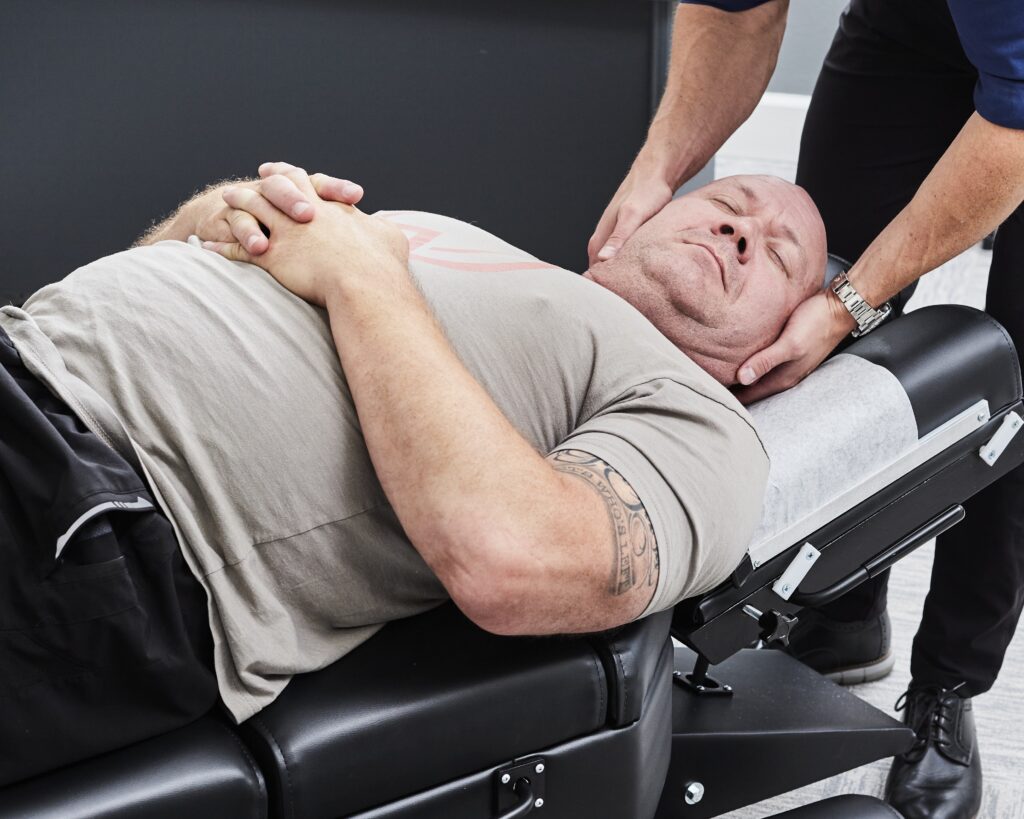
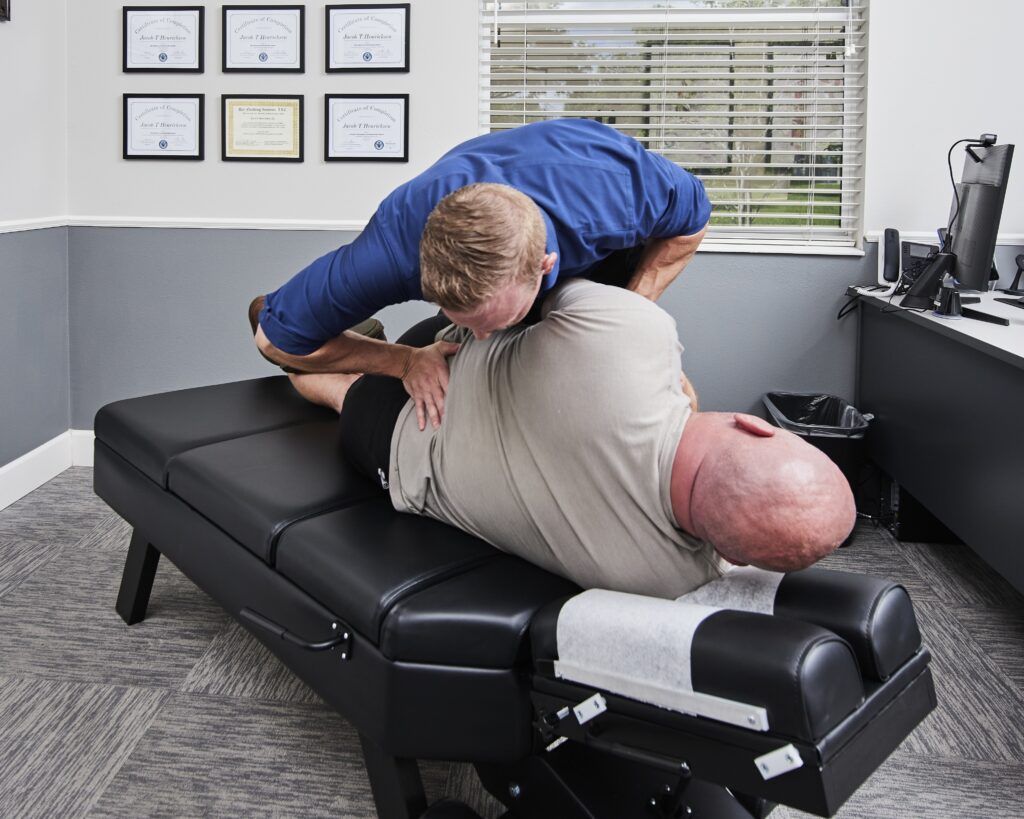
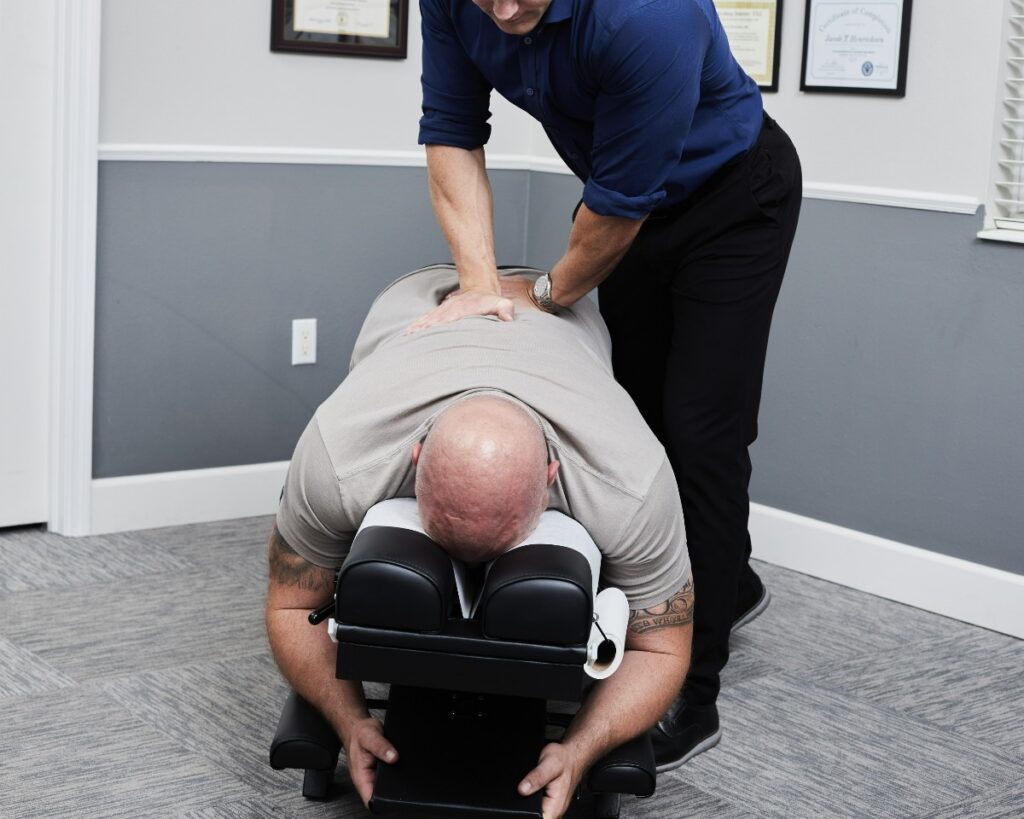
In my practice, I focus on a combination of immediate relief techniques and long-term solutions that promote natural healing. Many of my patients find that chiropractic care plays a vital role in their recovery journey. By addressing the underlying causes of pain through spinal adjustments and other holistic approaches, we can work together to restore your comfort and strength.
If you’re unfamiliar with chiropractic care, let me guide you through some key methods that may help you regain your mobility and enhance your quality of life. It’s time to explore the benefits of natural healing and take a proactive step toward a pain-free future.
Understanding Muscle Strain and Back Pain
As your local chiropractor, I want to help you understand what happens in your body when you experience muscle strain or back pain. Muscle strain occurs when your muscle fibers stretch or tear, often due to excessive force or overuse. This injury can lead to inflammation, stiffness, and discomfort, making even the simplest tasks feel overwhelming.
Back pain, in particular, often stems from issues with the muscles, ligaments, or discs in your spine, which can significantly impact your mobility and overall well-being. It’s crucial to recognize the symptoms of these conditions. You might experience sharp or dull pain, muscle spasms, or even difficulty standing up straight. Your body is trying to communicate with you, and ignoring these warning signs can lead to more serious problems down the line.
I encourage you to listen to your body and consider incorporating gentle stretching and practicing proper posture to help alleviate some discomfort. Additionally, understanding the difference between acute and chronic pain can inform your approach to treatment. Acute pain is typically short-term and often a result of a specific injury, while chronic pain persists over time and may require a more comprehensive approach.
Common Causes of Muscle Strain
As a local chiropractor, I want to take a moment to educate you about muscle strain and how it can affect your daily life. Muscle strains often occur due to improper lifting techniques or when you push yourself too hard during physical activities.
It’s important to understand that even routine tasks, like bending to pick something up or reaching for an item on a high shelf, can lead to injury if you’re not mindful of your body mechanics.
To help prevent muscle strains, I encourage you to pay attention to your posture and use proper techniques when lifting heavy objects. Engaging your core, bending at the knees, and avoiding twisting your body can make a significant difference.
Additionally, listening to your body and knowing your limits is crucial. Pushing through fatigue or discomfort may lead to injury.
By being aware of these common causes and taking proactive steps, you can help protect yourself from muscle strains. Chiropractic care can also play a vital role in your recovery and overall well-being by promoting proper alignment and function of your musculoskeletal system.
If you have any questions or concerns about muscle strain or how chiropractic care can help, feel free to reach out. Your health is our priority!
Improper Lifting Techniques
As a local chiropractor, I want to emphasize the importance of using proper lifting techniques to prevent muscle strain and back pain. Many people are unaware that bending at the waist rather than using your knees can place significant stress on your lower back. It’s essential to keep your back straight and engage your legs to lift heavy objects safely.
I often see patients who’ve developed back pain from twisting their bodies while carrying loads. To minimize the risk of injury, always face the object you’re lifting and keep it close to your body. This approach helps maintain your balance and control, reducing the likelihood of strain.
If you’re ever in doubt about your lifting technique, don’t hesitate to ask for help or consider using assistive devices like dollies or lifting straps.
Prioritizing these proper techniques is crucial not only for avoiding injuries but also for maintaining a healthy back. Remember, taking care of your body is a vital aspect of natural healing, and I’m here to support you on that journey.
Overexertion During Activities
As a chiropractor, I want to share some important insights about overexertion during physical activities. This often occurs when you push your body beyond its natural limits, which can lead to muscle strain and discomfort.
Whether you’re engaging in sports, lifting heavy objects, or even performing everyday tasks like gardening, it’s crucial to pay attention to your body’s signals. Many people may feel invincible, but ignoring signs of distress can lead to injuries that may require more intensive treatment.
Common indicators of overexertion include sudden pain, stiffness, or swelling in the affected areas. To avoid these issues, it’s vital to listen to your body and recognize when you need to take a break.
I recommend gradually increasing your activity levels and incorporating proper warm-ups to prepare your muscles for the demands ahead. Staying well-hydrated and maintaining good form during your activities can also significantly reduce the risk of strain.
Remember, pacing yourself is key to avoiding painful setbacks.
At our chiropractic practice, we prioritize your well-being and aim to help you stay active and injury-free. By understanding how to care for your body and recognizing the signs of overexertion, you can enjoy a healthier, more active lifestyle.
Let’s work together to ensure you move comfortably and confidently!
Symptoms to Watch For
As a local chiropractor, I want to help you understand the signs of muscle strain, especially when it comes to back pain. If you start to feel a sudden, sharp pain in your lower back—particularly when lifting or twisting—this could be a warning sign. The pain may vary, sometimes presenting as a dull ache and, at other times, a more intense stabbing sensation.
Another common indicator is stiffness in your back, which can make simple movements or bending over quite challenging. You may also notice swelling or bruising in the area, which points to inflammation that needs attention. Muscle spasms can also occur, leading to involuntary contractions that exacerbate your discomfort.
If you struggle to stand up straight or find it difficult to perform daily activities without pain, these are important signals to heed. Moreover, if you experience any radiating pain that travels down your legs, it could indicate nerve involvement, which we take seriously in chiropractic care.
Immediate Relief Techniques
As a local chiropractor, I want to help you understand how to find immediate relief when you’re experiencing muscle strain or back pain.
It’s important to take action quickly, and there are several natural techniques that can be very effective.
First, applying ice to the affected area can significantly reduce inflammation and numb the pain.
This is a simple and accessible method that many people overlook.
Next, consider incorporating gentle stretching exercises into your routine.
These movements can help to alleviate tension in your muscles and improve flexibility, promoting a faster recovery.
Additionally, over-the-counter pain relief options can provide temporary relief, but it’s always best to explore natural healing methods whenever possible.
By utilizing these techniques, you can ease your discomfort and get back to your daily activities more quickly.
Ice Therapy Application
As a local chiropractor, I want to share with you an effective natural remedy for muscle strain: ice therapy. While experiencing muscle strain can be quite uncomfortable, applying ice can significantly help reduce your discomfort.
To begin, take a clean cloth or towel and fill it with ice, or you can opt for a cold pack if you have one on hand. Place it gently on the affected area for 15 to 20 minutes. This process not only helps to numb the pain but also reduces inflammation, promoting faster healing.
It’s important to remember to take breaks between icing sessions to protect your skin from damage. You can repeat this ice application every few hours during the first 48 hours following your injury. Additionally, elevating the strained muscle while you ice it can enhance your relief even further.
Just a friendly reminder: always use a barrier between the ice and your skin to prevent frostbite. Incorporating ice therapy into your recovery plan can be a game-changer in managing your pain naturally.
If you have any questions about this technique or other natural healing methods, feel free to ask during your visit!
Gentle Stretching Exercises
As a chiropractor, I often emphasize the importance of gentle stretching exercises to my patients who may be unfamiliar with the benefits of chiropractic care and natural healing. These exercises can provide immediate relief for muscle strain and back pain, while also enhancing flexibility and alleviating tension throughout the body.
To begin, I recommend simple neck rolls. Gently tilt your head from side to side; this can help release tightness that often accumulates in the neck area.
Following that, the cat-cow stretch is a great option. Position yourself on all fours and alternate between arching your back and dropping your belly. This movement is effective in warming up your spine and easing discomfort.
Another beneficial stretch is the seated forward bend. While sitting, reach for your toes to feel a lovely stretch in your lower back and hamstrings.
It’s important to hold each stretch for 15 to 30 seconds, and remember to breathe deeply throughout the process. Always pay attention to your body’s signals—if you experience any pain, it’s wise to ease off.
Incorporating regular gentle stretching into your routine can significantly enhance your mobility and comfort over time. I encourage you to adopt these practices as part of your overall wellness journey, as they complement the chiropractic care I provide.
Over-the-Counter Pain Relief
If you’re experiencing muscle strain or back pain, I want to share some insights about how you can find relief. Many people turn to over-the-counter pain medications, and while options like nonsteroidal anti-inflammatory drugs (NSAIDs) such as ibuprofen or naproxen can help reduce inflammation and alleviate pain, it’s important to understand that they aren’t the only solution.
Acetaminophen is another alternative for pain relief; it’s often easier on the stomach but won’t tackle inflammation directly. However, relying solely on these medications may not address the underlying issues causing your discomfort. Always make sure to follow the recommended dosages on the packaging to avoid any side effects.
In addition to oral medications, there are also topical treatments, such as creams or patches with menthol or capsaicin, that can offer localized relief. These methods can be effective for temporary pain management, but I encourage you to consider a more holistic approach.
As a chiropractor, I emphasize the body’s natural ability to heal itself. Chiropractic care focuses on aligning the spine and improving overall function, which can significantly help with pain relief and promote long-term wellness.
If your pain continues, I recommend consulting with a healthcare professional who can create a comprehensive treatment plan tailored to your specific needs. Remember, prioritizing your well-being and staying active is key to recovery and maintaining a healthy lifestyle!
Long-Term Treatment Options
As a local chiropractor, I want to share with you some effective long-term treatment options that can significantly improve your quality of life when dealing with muscle strain and back pain.
It’s important to understand that managing pain effectively and preventing future issues often requires a holistic approach. Here are three considerations to help you on your journey to better health:
1. Chiropractic Care: Many people are unaware of the benefits of regular chiropractic adjustments.
These adjustments can help alleviate pain, enhance mobility, and promote proper spinal alignment. By addressing the root causes of discomfort, chiropractic care can provide lasting relief and support your body’s natural healing processes.
2. Physical Therapy: Collaborating with a skilled physical therapist can be invaluable.
They can create a customized rehabilitation plan tailored to your unique needs, focusing on exercises that strengthen your muscles and improve flexibility. This partnership can empower you to manage pain and prevent future injuries.
3. Lifestyle Modifications: Embracing healthy habits is essential for long-term wellness.
Simple changes, such as maintaining a balanced diet, staying active, and ensuring proper ergonomics at work, can significantly reduce the strain on your back. I encourage you to adopt these habits, as they play a critical role in supporting your overall health and well-being.
If you’re looking for natural and holistic solutions to your back pain, I’m here to help guide you on this path to recovery.
Together, we can explore these options and find what works best for you.
The Importance of Stretching and Strengthening
As a local chiropractor, I want to emphasize the vital role that stretching and strengthening play in your recovery from muscle strain and back pain. Many individuals often seek pain relief, but understanding how these practices can enhance your healing journey is crucial.
By incorporating stretching and strengthening into your daily routine, not only can you alleviate existing discomfort, but you can also significantly reduce the risk of future injuries.
Stretching is essential as it increases your flexibility and range of motion, allowing your muscles to perform optimally. It also promotes better blood circulation, which is key to accelerating the healing process.
Strengthening exercises, on the other hand, are instrumental in building support around your spine and core. A strong core enhances stability and reduces the strain on your back during everyday activities, which can help prevent the return of pain.
You don’t have to be an expert in fitness to benefit from these practices. Simple stretches and bodyweight exercises can be incredibly effective.
It’s important to listen to your body, progress at your own pace, and ensure that you include both stretching and strengthening in your routine for a more comprehensive recovery.
Embracing these methods won’t only enhance your physical health but also empower you to take control of your overall well-being.
Ergonomic Adjustments for Daily Life
As a local chiropractor, I want to share some valuable insights on how making simple ergonomic adjustments in your daily life can significantly alleviate muscle strain and back pain. Many patients are unaware of how their posture and workspace setup can impact their overall well-being, but by making a few changes, you can create a more comfortable and supportive environment.
Here are three essential adjustments to consider:
- Chair Height: It’s crucial to ensure that your chair is set to a height where your feet rest flat on the floor and your knees form a right angle. This proper alignment not only promotes comfort but also helps reduce strain on your spine, which is vital for maintaining good health.
- Screen Position: Adjusting your computer screen to eye level, and keeping it about an arm’s length away, can make a significant difference. This alignment helps prevent neck strain and encourages better posture, which is key in supporting your spine and overall health.
- Keyboard and Mouse: Position your keyboard and mouse close to your body, ensuring your elbows are bent at approximately 90 degrees. By minimizing unnecessary reaching, you can maintain a relaxed posture, which reduces tension in your muscles and joints.
Incorporating these ergonomic adjustments into your daily routine can lead to a more comfortable experience and diminish the risk of muscle strain and back pain.
As you become more aware of these practices, you’ll be taking proactive steps toward better health and wellness. If you have any questions or need further guidance, feel free to reach out—I’m here to help!
When to Seek Professional Help
As a local chiropractor, I want to emphasize the importance of listening to your body, especially when it comes to muscle strain or back pain.
Even with the right ergonomic adjustments in your workspace, you might still find yourself dealing with persistent discomfort. If your pain lasts more than a few days, it may be time to consider seeking professional help.
It’s crucial to assess the intensity of your pain. If it becomes debilitating or interferes with your daily activities, please don’t hesitate to contact a healthcare provider.
As a chiropractor, I can help you explore natural healing options that may alleviate your discomfort.
Keep an eye out for additional warning signs as well. If you notice swelling, bruising, or a diminished range of motion, it’s wise to consult with a professional like me.
Furthermore, if your pain radiates down your legs or is accompanied by sensations like numbness, tingling, or weakness, it’s important to seek immediate medical attention. These symptoms may suggest nerve involvement, which we can address through targeted chiropractic care.
Preventative Measures for a Healthy Back
As your local chiropractor, I want to share some essential preventative measures to help you maintain a healthy back. Incorporating these simple practices into your daily routine can significantly reduce your risk of experiencing back pain.
Here are three key strategies to consider:
- Strengthen Your Core: Engaging in exercises that target your abdominal and back muscles is crucial. A strong core acts as a supportive foundation for your spine, helping to prevent discomfort and injury.
- Practice Good Posture: It’s vital to be mindful of your posture throughout your day. Whether you’re sitting at a desk, standing, or lifting objects, remember to keep your shoulders back and your spine aligned. This awareness can greatly minimize strain on your back.
- Stay Active: Regular physical activity is an important aspect of maintaining flexibility and strength in your back. Aim for at least 30 minutes of moderate exercise on most days. This could include walking, swimming, or any activity that gets you moving and keeps your muscles engaged.
Conclusion
As a local chiropractor, I want to share some insights on how to effectively manage muscle strain and back pain, which will benefit both your immediate comfort and long-term well-being. Initially, applying ice to the affected area, engaging in gentle stretching, and considering over-the-counter pain relief can provide you with swift relief. However, for sustained healing, it’s important to focus on strengthening your core muscles, practicing good posture, and making ergonomic adjustments in your daily activities.
I encourage you to explore the benefits of chiropractic care as a natural approach to healing. Regular adjustments can help realign your spine, improve your mobility, and alleviate pain. If your symptoms persist, don’t hesitate to reach out for professional assistance. Staying active and integrating these practices into your routine can lead to a healthier, pain-free back, allowing you to enjoy life to the fullest. Remember, I’m here to guide you on this journey to better health!