
Managing back pain sustainably is not just about finding quick relief; it’s about gaining a deeper understanding of your body and making meaningful, long-term changes. As your local chiropractor, I want to guide you through various approaches, including exercise, nutrition, and mindfulness, to discover what works best for your individual needs. Each step you take can lead to a significant reduction in discomfort and an improved quality of life.
So, how do you embark on this journey to a healthier back? Let’s explore essential strategies together. By integrating chiropractic care into your routine, you can enhance your body’s natural healing abilities, allowing you to regain freedom from pain. Remember, this is about more than just treating symptoms; it’s about nurturing your overall well-being.
Understanding the Causes of Back Pain
As a chiropractor, I understand that back pain is a frequent concern for many individuals. It’s important to recognize that various factors can contribute to this discomfort, and by understanding them, you can take steps toward effective relief.
One of the primary causes of back pain is poor posture. When you slouch or remain seated for extended periods, it places unnecessary strain on your spine. This can lead to misalignments that result in pain.
Additionally, improper lifting techniques, especially when handling heavy objects, can strain your muscles and exacerbate discomfort.
A sedentary lifestyle is another culprit that can weaken your core muscles, leaving your back vulnerable to pain. It’s crucial to engage in regular physical activity to strengthen these muscles and support your spine.
Moreover, conditions such as herniated discs, arthritis, or spinal stenosis can complicate back pain. These issues can create additional pressure on your spinal nerves and lead to significant discomfort.
It’s also worth noting that stress and emotional factors can manifest physically, causing tension that can intensify your back pain.
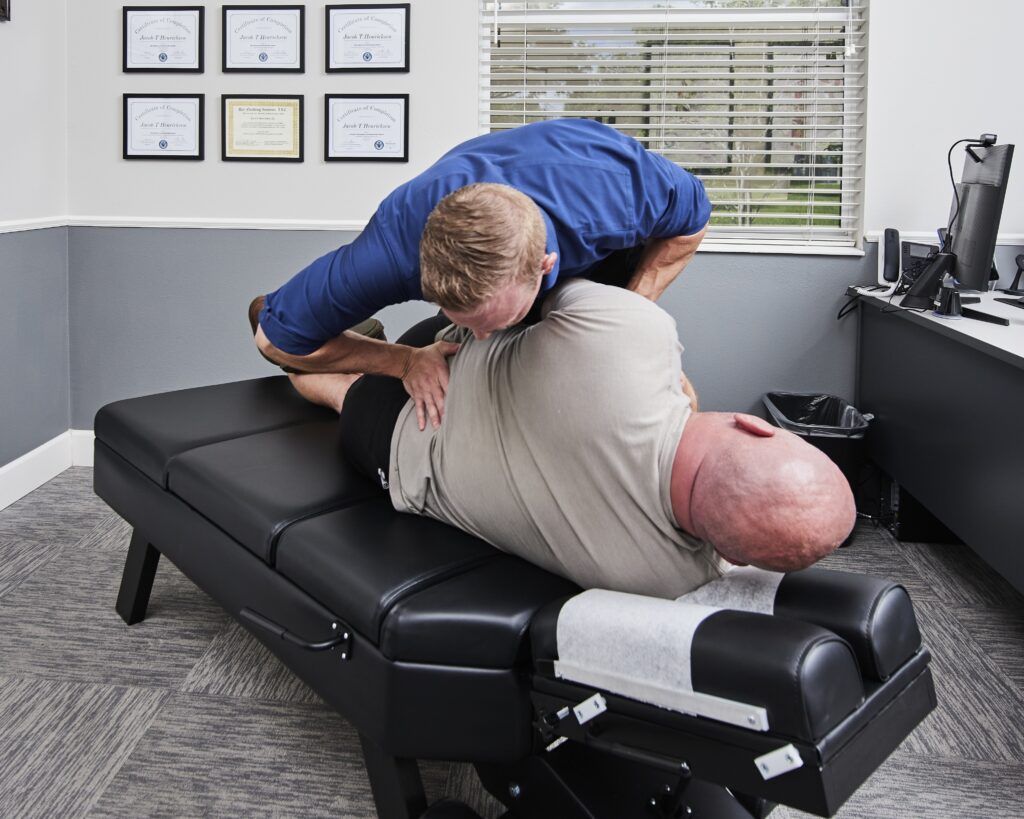
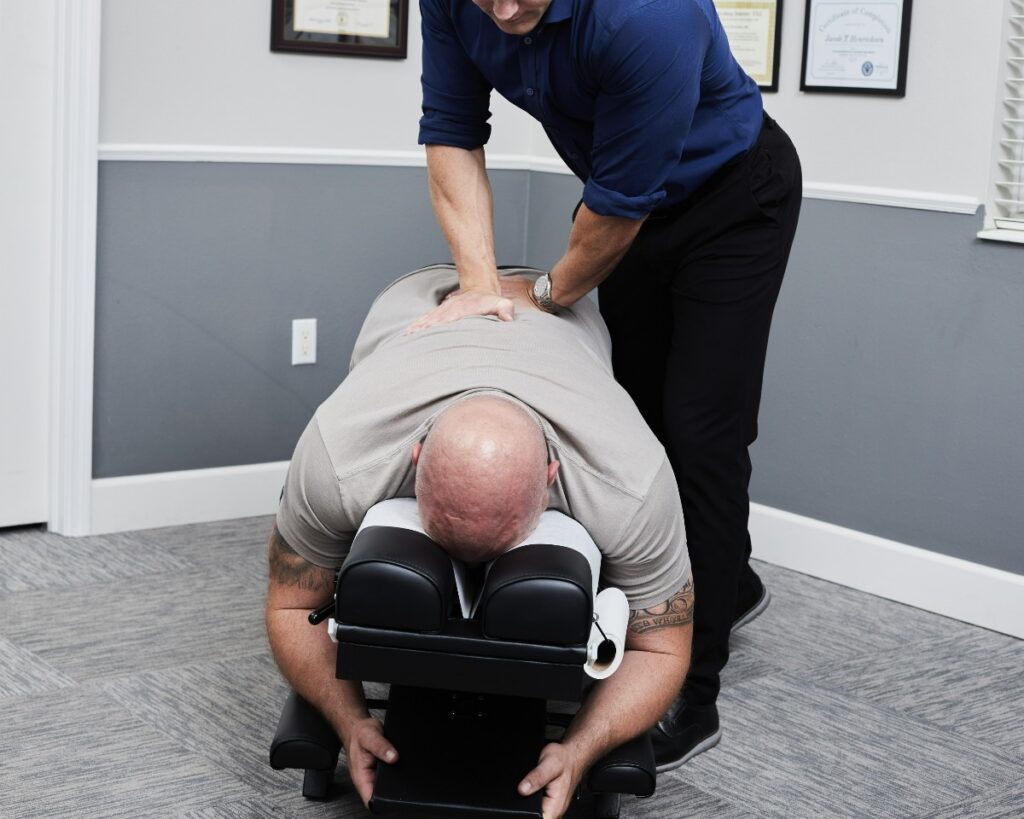
As a chiropractor, I focus on natural healing methods that address these underlying causes, helping you achieve long-lasting relief and improved overall health.
If you’re experiencing back pain, I encourage you to explore chiropractic care as a holistic approach to healing and well-being.
The Importance of Regular Exercise
As a local chiropractor, I want to emphasize the critical role that regular exercise plays in both preventing and alleviating back pain. Engaging in consistent physical activity not only strengthens your muscles but also enhances flexibility and improves posture, which can significantly reduce the strain on your back.
Here are three key benefits of regular exercise that I recommend for effective back pain management:
- Enhances Mobility: Staying active helps maintain the flexibility of your joints and minimizes stiffness, allowing you to move with greater ease and comfort.
- Boosts Strength: By strengthening your muscles, you provide better support for your spine and ensure that weight is distributed more evenly throughout your body, which alleviates pressure on your back.
- Improves Mood: Regular exercise triggers the release of endorphins, the body’s natural painkillers, which can elevate your mood and lower your perception of pain.
I encourage you to incorporate a consistent exercise routine into your lifestyle. Activities such as walking, swimming, or yoga can be particularly beneficial for maintaining a healthy and pain-free back.
Strengthening Core Muscles
As a local chiropractor, I want to emphasize the importance of strengthening your core muscles for not only maintaining stability but also for preventing back pain.
A strong core plays a crucial role in supporting your spine, which is vital for your overall health. When your core is robust, it allows you to engage in everyday activities with greater ease and comfort.
Allow me to share some effective core exercises that can significantly improve your back health and contribute to your overall well-being.
Importance of Core Stability
As a local chiropractor, I want to emphasize the importance of core stability in managing back pain. A strong and stable core is vital for supporting your spine and maintaining proper posture.
When your core muscles are well-developed, they create a solid foundation for your entire body. This foundational stability significantly reduces unnecessary strain on your back, helping to prevent injuries and alleviate discomfort.
Let me share three key benefits of focusing on core stability:
- Improved Posture: Developing a strong core allows you to sit and stand with better alignment, which decreases the likelihood of slouching and experiencing back pain.
- Enhanced Balance: Core stability plays a crucial role in improving your balance. This can help prevent falls and the injuries that often accompany them, especially as we age.
- Increased Functional Strength: A well-supported core makes everyday tasks—like bending and lifting—easier and more efficient, allowing you to move with confidence.
By prioritizing core stability, you can significantly enhance your overall back health.
If you’re interested in learning more about how chiropractic care can support your journey to a stronger core and a healthier back, don’t hesitate to reach out!
Effective Core Exercises
As a chiropractor dedicated to promoting natural healing, I understand that starting a new exercise routine can feel daunting for many people. However, incorporating effective core exercises into your daily life is a fantastic way to enhance your back health and overall stability.
I recommend beginning with planks. Start by holding the position for 20-30 seconds, and as you grow stronger, you can gradually increase the duration. Side planks are also excellent for targeting your obliques, while bridges work wonders for strengthening your lower back and glutes.
Additionally, bird-dogs are a great exercise for improving coordination and balance, and it’s essential to engage your core throughout these movements.
For another effective option, consider the dead bug exercise, which promotes core stability and challenges your coordination at the same time. I suggest aiming for 2-3 sets of each exercise, 2-3 times a week.
Remember, consistency is crucial, and always listen to your body as you progress. As your core becomes stronger, you may notice a reduction in back pain and an improvement in your daily activities.
Your journey towards better health is important, and I’m here to support you every step of the way!
Maintaining Proper Ergonomics
As a local chiropractor, I want to share some important insights on how you can effectively manage back pain through proper ergonomics in your daily life. By making simple adjustments to your work environment and habits, you can significantly alleviate strain on your back.
Here are three essential ergonomic tips to consider:
- Chair Height: It’s vital to have a chair that supports your lower back while allowing your feet to rest flat on the floor. Ensure that the height of your chair is adjusted so that your knees are at a 90-degree angle. This will help maintain proper posture and reduce discomfort.
- Screen Position: Positioning your computer screen correctly is key to preventing neck strain. Ideally, your screen should be at eye level and about an arm’s length away. This alignment encourages a neutral neck position and helps prevent slouching, which can exacerbate back pain.
- Lifting Techniques: Many people lift heavy objects incorrectly, which can lead to injury. Remember to bend at your knees rather than your waist when lifting. Keep the object close to your body and use the strength of your legs to lift. This technique helps to minimize strain on your back and reduces the risk of injury.
By incorporating these ergonomic practices into your daily routine, you can take significant steps towards relieving back pain and enhancing your overall well-being.
If you have any questions or need further guidance, feel free to reach out. Your health is our priority!
Practicing Mindfulness and Stress Reduction
As a local chiropractor, I want to share how practicing mindfulness and stress reduction can significantly help in managing your back pain. Being mindful means paying attention to your body’s signals, which can help you identify tension and discomfort before it worsens. I recommend setting aside a few minutes each day for deep breathing exercises or meditation. Focus on your breath, letting go of any distracting thoughts without judgment.
In addition to these practices, incorporating gentle yoga or stretching into your daily routine can be incredibly beneficial. These movements help release tension in your back, promoting relaxation and overall well-being. You don’t need to be an expert; simply listen to your body and move at a pace that feels comfortable for you.
Another helpful tool is journaling. Writing down your thoughts and feelings can help you process stressors and emotions that might be contributing to your pain. By cultivating a calmer state of mind, you can lessen the physical impact of stress on your body.
Exploring Holistic Therapies
As your local chiropractor, I want to emphasize the benefits of exploring holistic therapies for managing your back pain.
Many patients are unaware that options such as mindfulness practices, meditation, acupuncture, and herbal remedies can provide significant relief.
These therapies not only target the pain itself but also contribute to your overall well-being.
Mindfulness and Meditation Practices
As a local chiropractor, I want to emphasize that while many treatments for back pain often focus solely on physical interventions, integrating mindfulness and meditation practices can provide a well-rounded approach that nurtures both your mind and body.
By becoming more aware of your thoughts and emotions, you can significantly reduce stress and enhance your overall well-being. Here are three simple mindfulness practices that I recommend to my patients looking to manage their back pain more effectively:
- Deep Breathing: Take a few moments each day to concentrate on your breath. Inhale deeply through your nose, hold that breath for a second, and then exhale slowly through your mouth. This simple practice can help calm your nervous system and promote relaxation.
- Body Scan: Find a comfortable position, either lying down or sitting, and mentally check in with each part of your body. Pay attention to areas of tension and consciously encourage relaxation in those regions. This awareness can help you identify where you may be holding stress in your body.
- Guided Meditation: Consider using an app or an online resource to explore guided meditations specifically designed for pain relief and relaxation. These meditations can provide useful tools for managing discomfort while also fostering a sense of peace and tranquility.
Incorporating these mindfulness practices into your daily routine can complement your chiropractic care and help you manage back pain in a more holistic and sustainable manner.
Acupuncture for Pain Relief
As a local chiropractor, I want to introduce you to the benefits of acupuncture as a natural approach to pain relief that complements chiropractic care. This ancient practice involves the insertion of fine needles at specific points on the body, which helps stimulate energy flow and promotes healing.
Many of my patients have found that acupuncture not only alleviates issues like back pain but also enhances their overall sense of well-being.
After acupuncture sessions, individuals often report reduced tension and improved mobility, making it an excellent addition to other pain management strategies we may employ in the clinic.
Before you begin, it’s essential to consult with a licensed acupuncturist who can assess your unique needs and concerns. They’ll customize the treatments to fit your specific situation, ensuring a personalized healing experience.
With regular acupuncture sessions, many discover a natural way to manage pain while improving their quality of life—embracing a holistic approach to health that works harmoniously with chiropractic care.
Herbal Remedies and Oils
As your local chiropractor, I want to share how holistic therapies, particularly herbal remedies and essential oils, can be valuable additions to your wellness routine for managing back pain.
These natural options not only help alleviate discomfort but also promote relaxation, allowing for a more comprehensive approach to your health.
Here are three remedies I often recommend to my patients:
- Turmeric: This golden spice is renowned for its anti-inflammatory properties. You can incorporate turmeric into your diet by adding it to meals or taking it as a supplement. It may help in reducing pain and supporting your overall wellness.
- Peppermint Oil: When mixed with a carrier oil, peppermint oil can be massaged onto sore areas of your back. Its cooling effect can relieve tension and enhance circulation, making it a great adjunct to your chiropractic care.
- Ginger: Known for its potent anti-inflammatory benefits, ginger can be enjoyed as a tea or taken as a supplement. It may help ease back pain and support your body’s natural healing processes.
Remember, while these remedies can be effective, it’s essential to consult with a healthcare professional before starting any new treatments.
My goal is to help you find the best holistic solutions that work in harmony with your chiropractic care.
The Role of Nutrition in Back Health
As a local chiropractor, I want to emphasize the vital role that nutrition plays in maintaining a healthy back. The foods you choose to eat can either enhance your body’s ability to manage pain and inflammation or contribute to discomfort.
Incorporating a diet rich in anti-inflammatory foods—such as colorful fruits, fresh vegetables, whole grains, and fatty fish—can make a significant difference in reducing swelling and alleviating pain. For example, omega-3 fatty acids, found in salmon and walnuts, are particularly beneficial for joint health and can help keep your back strong and flexible.
Conversely, it’s important to be aware that processed foods and those high in sugar can trigger inflammation, potentially worsening your back pain. Staying properly hydrated is also crucial; drinking enough water helps transport nutrients throughout your body and keeps your spinal discs healthy and well-lubricated.
Moreover, maintaining a healthy weight through balanced nutrition can significantly reduce stress on your spine. By making conscious food choices, you can create a supportive environment for your back, allowing you to engage in a more active and pain-free lifestyle.
Always remember that what you eat has a direct impact on how you feel, so prioritize your nutrition to promote better back health. Together with chiropractic care, a mindful approach to your diet can lead to a stronger, healthier you.
Developing a Personalized Pain Management Plan
As a local chiropractor dedicated to helping you understand and manage back pain, I want to emphasize the importance of creating a personalized pain management plan that speaks to your unique situation. The first step in this process is to assess your current pain levels and identify what specific activities or movements may be triggering your discomfort. By understanding these factors, we can pinpoint effective strategies that work for you.
Here are some essential components to consider for your personalized plan:
- Activity Modification: It’s crucial to recognize which daily activities may be contributing to your pain. Together, we can explore alternative approaches or modifications to these activities that can help reduce your discomfort and improve your overall quality of life.
- Pain Relief Techniques: There are several natural methods we can utilize to alleviate your pain effectively. Techniques such as heat therapy, cold packs, and certain over-the-counter medications can be beneficial. Additionally, I can introduce you to chiropractic adjustments, which may help relieve tension and improve your spine’s alignment.
- Mindfulness Practices: Don’t forget the mind-body connection! Incorporating stress-reduction techniques, like meditation or deep breathing exercises, can play a significant role in managing your pain. Stress often exacerbates physical discomfort, so these practices can be an essential part of your healing journey.
The Benefits of Physical Therapy
As a local chiropractor, I want to help you understand that chiropractic care goes beyond just treating injuries; it plays a crucial role in managing back pain even before it becomes a significant issue.
By incorporating chiropractic adjustments and therapies into your wellness routine, you can significantly enhance your flexibility, strength, and posture, all of which are essential for preventing back pain.
During your visits, I’ll work with you to develop a personalized plan that includes specific exercises tailored to your unique needs. This targeted approach not only helps alleviate discomfort but also educates you on proper body mechanics, which is key to minimizing the risk of injury during everyday activities.
Chiropractic care also promotes overall physical health by improving your endurance and relieving muscle tension. Many patients report noticeable improvements in their pain levels and mobility, allowing them to remain active and fully engaged in their lives.
By taking a proactive stance with chiropractic care, you can achieve long-term relief from back pain and establish a more sustainable method for managing your health.
Let’s work together to empower you on your journey to wellness!
Staying Informed and Empowered
As a local chiropractor, I want to help you understand your body and the factors that contribute to back pain, empowering you to make informed decisions about your health. Staying informed about back pain management can significantly enhance your recovery journey.
Here are three effective ways to stay informed and empowered in your health journey:
- Educate Yourself: Take the time to read articles, books, and research studies focused on the causes of back pain and various treatment options. Knowledge is your ally in understanding how chiropractic care can help alleviate pain and promote healing.
- Engage with Professionals: Regular consultations with healthcare providers, such as myself, can provide you with personalized advice and tailored treatment plans. As a chiropractor, I focus on natural healing methods that support your body’s innate ability to recover.
- Join Support Groups: Connecting with others who are experiencing similar issues can be incredibly beneficial. Support groups provide a platform for sharing experiences, tips, and encouragement, which can boost your morale and give you new insights into managing your back pain effectively.
By taking these steps, you can empower yourself on your journey to better health and well-being.
Conclusion
As your local chiropractor, I want to help you understand the underlying causes of your back pain and how we can work together to manage it naturally. Incorporating regular exercise, focusing on core strengthening, and maintaining proper ergonomics are key components of your recovery journey. It’s essential not to overlook the role of mindfulness and nutrition in alleviating pain.
Creating a personalized pain management plan is crucial, and I encourage you to consider seeking professional support, like physical therapy, to complement our chiropractic care. Remember, staying informed about your condition and connecting with a supportive community can empower you to manage your back pain effectively and sustainably. Together, we can navigate this path towards better health and well-being.