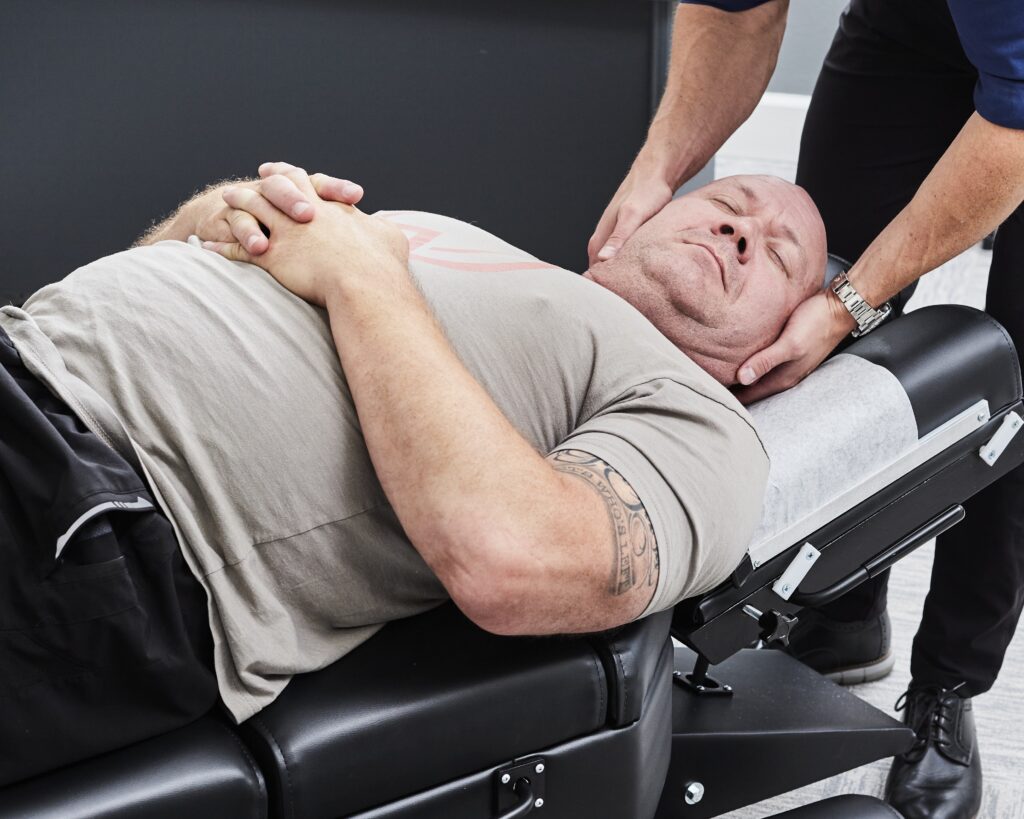
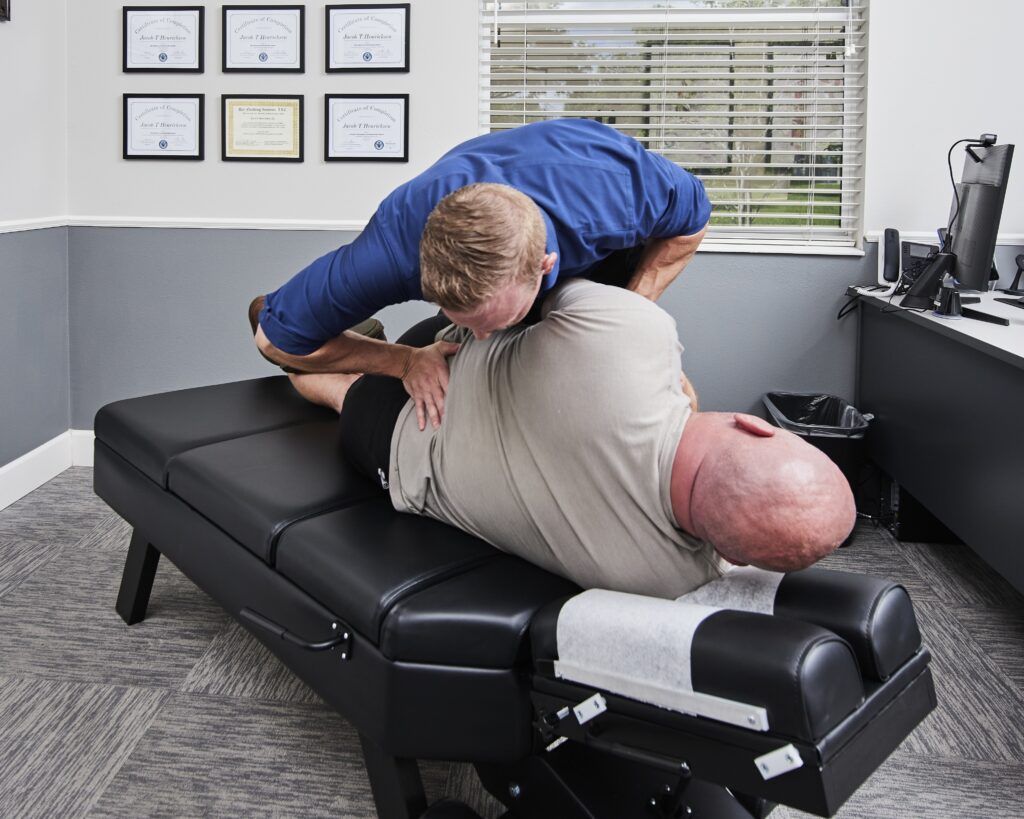
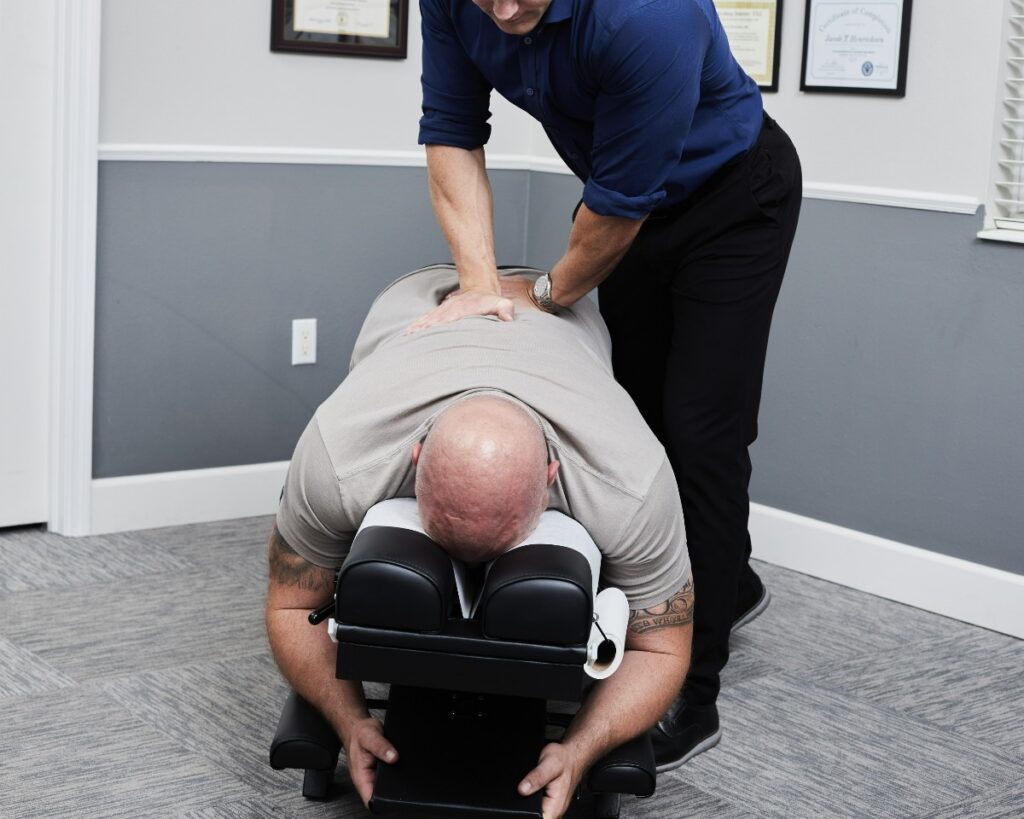
As a local chiropractor, I understand how debilitating back pain can be and how it can disrupt your daily activities. Many people find that traditional treatments alone may not provide the relief they seek. That’s where integrating various therapies can make a significant difference. By combining chiropractic care with other natural healing methods like acupuncture and mindfulness practices, you can address not just the symptoms but also the underlying causes of your pain.
Chiropractic care focuses on the alignment of your spine and overall musculoskeletal health, which can greatly contribute to reducing pain and improving function. When paired with acupuncture, which stimulates specific points on the body to promote healing and relieve pain, and mindfulness techniques that help manage stress and enhance your overall well-being, you may find a more comprehensive approach to recovery.
Creating a personalized treatment plan tailored to your unique needs is essential. During your initial consultation, we will discuss your specific symptoms, lifestyle, and health goals to develop a holistic approach that works for you. Together, we can explore how these therapies can provide a more effective path to relief and help you regain control of your life.
Understanding the Causes of Back Pain
As a local chiropractor, I want to help you understand the causes of back pain so you can take proactive steps to prevent it. Many people experience back pain due to factors such as poor posture, muscle strain, or injuries that can arise from everyday activities.
For instance, sitting for extended periods or lifting heavy objects without proper technique can lead to discomfort and strain on your back.
It’s also important to recognize that stress can significantly impact your back health. When we’re stressed, our muscles tend to tighten, making them more susceptible to pain. Additionally, as we age, changes like degenerative discs can contribute to chronic back issues.
By being aware of these factors, you can make informed decisions in your daily life that promote better back health. Incorporating regular exercise into your routine can strengthen your back muscles and enhance your flexibility.
Mindful attention to your posture—whether you’re sitting or standing—can help alleviate unnecessary strain. If you’re carrying extra weight, losing those pounds can also relieve pressure on your spine.
Understanding these causes empowers you to take control of your back health. Seeking chiropractic care can further assist in addressing these issues naturally and effectively.
Together, we can work towards reducing your risk of experiencing back pain and improving your overall well-being.
The Role of Chiropractic Care in Pain Management
As a local chiropractor, I want to take a moment to explain how chiropractic care can be a vital part of your pain management journey, particularly if you’re dealing with back issues. When you come to our clinic, my primary focus will be on your spine and its alignment, which plays a crucial role in your overall health and well-being.
Through gentle hands-on adjustments, I work to restore proper function to your spine, which can significantly reduce tension and alleviate pain. Many of my patients find that not only does chiropractic treatment help relieve their discomfort, but it also enhances their mobility and posture.
By encouraging your body’s natural healing processes, we can work together to improve your quality of life.
In addition to adjustments, I’ll provide you with personalized guidance on exercises and stretches that are tailored to your specific needs. This holistic approach not only supports your recovery but also empowers you to take an active role in your health.
Integrating chiropractic care into your pain management plan can be a highly effective strategy. By addressing the underlying causes of your back pain, you increase the likelihood of achieving long-lasting relief.
I encourage you to explore this natural approach to healing, as it can beautifully complement other therapies you may be considering for comprehensive back pain relief. Your journey to wellness is important, and I’m here to support you every step of the way.
Benefits of Acupuncture for Back Pain Relief
As a local chiropractor, I want to introduce you to an alternative method for managing back pain that you may not be familiar with: acupuncture. This ancient practice involves the insertion of thin needles into specific points on the body, which can effectively stimulate your body’s natural healing processes.
Many of my patients have found that acupuncture helps reduce inflammation and improve blood circulation, leading to noticeable decreases in pain levels. It also encourages the production of endorphins, your body’s natural painkillers, allowing you to feel more at ease throughout your day.
What’s remarkable is that some individuals experience immediate relief after just one session! For others, ongoing treatments can lead to sustained improvements over time.
Acupuncture takes a holistic approach, addressing not just the symptoms, but also the underlying issues that may be contributing to your pain. This comprehensive method can provide you with the relief and healing you’re seeking.
Mindfulness and Its Impact on Pain Perception
As a local chiropractor, I want to share how mindfulness can significantly change your experience with pain.
By redirecting your focus and increasing your awareness, mindfulness practices can help you manage discomfort more effectively. Techniques like mindfulness meditation allow you to rewire your brain’s response to pain, a concept rooted in neuroplasticity.
This means that with regular practice, you can’t only alleviate conditions such as back pain but also improve your overall sense of well-being.
Embracing mindfulness can be a valuable addition to your chiropractic care and natural healing journey.
Mindfulness Meditation Techniques
As a local chiropractor, I want to share with you an effective approach to managing pain perception, especially for those of you dealing with back pain. One practice that has gained recognition in recent years is mindfulness meditation. This technique can be a valuable addition to your pain management toolkit, allowing you to develop a deeper awareness of your body and its sensations.
To get started, I recommend trying some simple mindfulness techniques, such as focusing on your breath. Find a comfortable position, close your eyes, and take slow, deep breaths. As various thoughts come to mind, gently acknowledge them and redirect your focus back to your breathing.
If you find it helpful, guided meditations can also provide support and keep you centered during your practice.
With consistent practice, you’ll learn to observe your pain without judgment, which can help reduce its intensity over time. This mindful approach fosters resilience against discomfort, empowering you to respond thoughtfully rather than react impulsively to your pain.
Ultimately, this can lead to a greater sense of control over your back pain, complementing the chiropractic care you receive and promoting your overall well-being.
Neuroplasticity and Pain Response
As a local chiropractor, I want to share how practicing mindfulness can be a powerful tool in managing your pain and enhancing your overall well-being.
Mindfulness doesn’t just help you cope with discomfort in the moment; it can also transform the way your brain processes pain over time. By focusing on the present moment, you can create new neural pathways in your brain that change how you experience pain. This concept, known as neuroplasticity, allows your brain to interpret pain signals in a different way, often reducing their intensity.
When you regularly practice mindfulness techniques, you’re training your mind to respond to pain sensations with less anxiety and fear. This shift in perspective can lead to a noticeable decrease in how much pain you perceive and can significantly improve your quality of life.
As your chiropractor, I encourage you to embrace mindfulness as part of your healing journey. It empowers you to take control of your pain, builds resilience, and enhances your mental well-being, all of which are crucial components of a holistic approach to health.
Combining Traditional and Alternative Approaches
As your local chiropractor, I want to help you understand how combining traditional treatments with alternative therapies can significantly enhance your experience in managing back pain. Many individuals tend to rely solely on conventional methods, like physical therapy or medications, which primarily focus on alleviating symptoms.
While these approaches are effective for symptom management, integrating alternative therapies such as acupuncture, yoga, or mindfulness can lead to a more holistic healing process.
For instance, acupuncture can be a valuable tool in reducing muscle tension and improving circulation, aiding in your recovery. Meanwhile, yoga not only enhances flexibility but also strengthens your core muscles, which is essential for spinal health.
Incorporating mindfulness techniques can further help you manage pain perception and reduce stress, allowing you to approach your healing journey with a clearer mindset.
By blending these diverse approaches, we can work together to target not only the pain but also the underlying issues that may be contributing to your discomfort. This comprehensive strategy fosters your body’s natural healing abilities and encourages a more balanced pathway to recovery.
Ultimately, embracing both traditional chiropractic care and alternative therapies can lead to a more effective and fulfilling journey toward back pain relief. I’m here to guide you through this process, ensuring you have the support and knowledge to make informed decisions about your health.
Creating a Personalized Treatment Plan
As your local chiropractor, I want to help you understand how to create a personalized treatment plan for your back pain. The first step is to evaluate what specifically triggers your pain. Each individual is unique, and by identifying these triggers, we can tailor a plan that suits you best.
In chiropractic care, we often combine various treatment modalities to find the most effective approach for your situation. This might include spinal adjustments, physical therapy exercises, and lifestyle recommendations.
It’s important to remember that healing is a journey, and monitoring your progress regularly is key to ensuring that your treatment plan remains effective.
I encourage you to communicate openly with me about what works and what doesn’t, so we can make any necessary adjustments along the way.
Together, we can help you find relief and improve your overall well-being through natural healing methods.
Assessing Pain Triggers
As a local chiropractor, I want to help you understand how to identify the triggers of your back pain so you can create a personalized treatment plan that works for you. One of the most effective ways to begin this process is by keeping a detailed pain diary. Write down when your pain occurs, how intense it feels, and any specific activities or movements that might lead up to it.
It’s also important to pay attention to your posture during daily tasks. Certain positions can contribute to discomfort, so take note of how you sit, stand, and move throughout your day.
Additionally, your emotional state can play a significant role in how you experience pain; stress can often make it worse.
Don’t forget to assess your physical activity levels as well. Both too much and too little exercise can lead to back pain, so finding the right balance is key.
Finally, I encourage you to consult with healthcare professionals, including chiropractors like myself, who can provide insights into potential underlying causes of your pain.
Combining Treatment Modalities
As your local chiropractor, I want to help you understand how we can effectively address your back pain by combining various treatment modalities tailored just for you.
Your journey begins with a consultation, where we can discuss a range of options, including chiropractic adjustments, physical therapy, and acupuncture. Each of these methods targets different aspects of your pain and can work synergistically to promote healing.
In addition to these treatments, I encourage incorporating lifestyle changes such as regular exercise and proper ergonomics into your daily routine. These adjustments can significantly enhance your results and overall well-being.
Don’t overlook the benefits of complementary treatments like mindfulness or yoga, which can support your mental and physical health during your recovery.
Together, we can create a personalized treatment plan that integrates these modalities, increasing your chances of achieving lasting relief from pain.
It’s important to stay proactive and open to adjustments in your regimen as you progress on this journey towards a pain-free life.
I’m here to guide you every step of the way!
Monitoring Progress Regularly
As you begin your journey toward relief from back pain, it’s important to regularly monitor your progress to help us fine-tune your personalized chiropractic treatment plan.
I encourage you to keep a journal where you can record your pain levels, daily activities, and any treatments you’ve tried. This practice will help us identify patterns and determine what approaches are most effective for you.
Regular check-ins with me are crucial; during these visits, we can assess your progress together and make any necessary adjustments to your plan.
Please feel free to share any concerns or changes you’ve noticed in your condition. Setting specific and achievable goals is also a great way to keep you motivated and give us a clear benchmark for improvement.
Remember, your treatment plan isn’t static; it should evolve as you do.
Lifestyle Changes to Support Pain Relief and Prevention
As a local chiropractor, I understand that managing back pain can feel daunting. However, I want to share with you some lifestyle changes that can significantly aid in your pain relief and prevention journey. Here are four essential adjustments you can incorporate into your daily routine:
- Stay Active: Engaging in regular low-impact exercises, such as walking or swimming, is crucial. These activities not only help strengthen your back but also enhance your flexibility, making it easier to move without discomfort.
- Maintain Good Posture: It’s important to pay attention to your posture throughout the day. Consider using ergonomic furniture and practicing proper lifting techniques. This approach can significantly reduce the strain on your back and help alleviate pain.
- Eat a Balanced Diet: The foods you choose to eat can greatly impact your body’s ability to heal. Focus on incorporating anti-inflammatory foods into your diet, such as a variety of fruits, vegetables, and whole grains. These foods can help reduce pain and support your recovery.
- Manage Stress: Stress can be a hidden contributor to muscle tension and pain. I encourage you to explore relaxation techniques such as yoga or meditation. These practices can help alleviate stress and create a more peaceful state of mind, which is beneficial for your overall health.
By making these lifestyle changes, you can take proactive steps towards alleviating your back pain and enhancing your quality of life.
Conclusion
As a local chiropractor, I want to share how incorporating a variety of therapies can significantly improve your approach to relieving back pain. By combining chiropractic care with acupuncture and mindfulness practices, we can go beyond just alleviating your symptoms; we can work together to address the underlying causes of your discomfort.
It’s important to understand that creating a personalized treatment plan tailored to your unique needs is essential for long-term success. Alongside our therapies, making certain lifestyle changes can greatly enhance your recovery journey. I encourage you to empower yourself with knowledge and tools to take charge of your well-being.
Embracing this holistic approach not only promotes lasting relief from pain but also contributes to your overall health and vitality. If you’re new to chiropractic care and natural healing, I’m here to guide you every step of the way on your path to improved well-being.