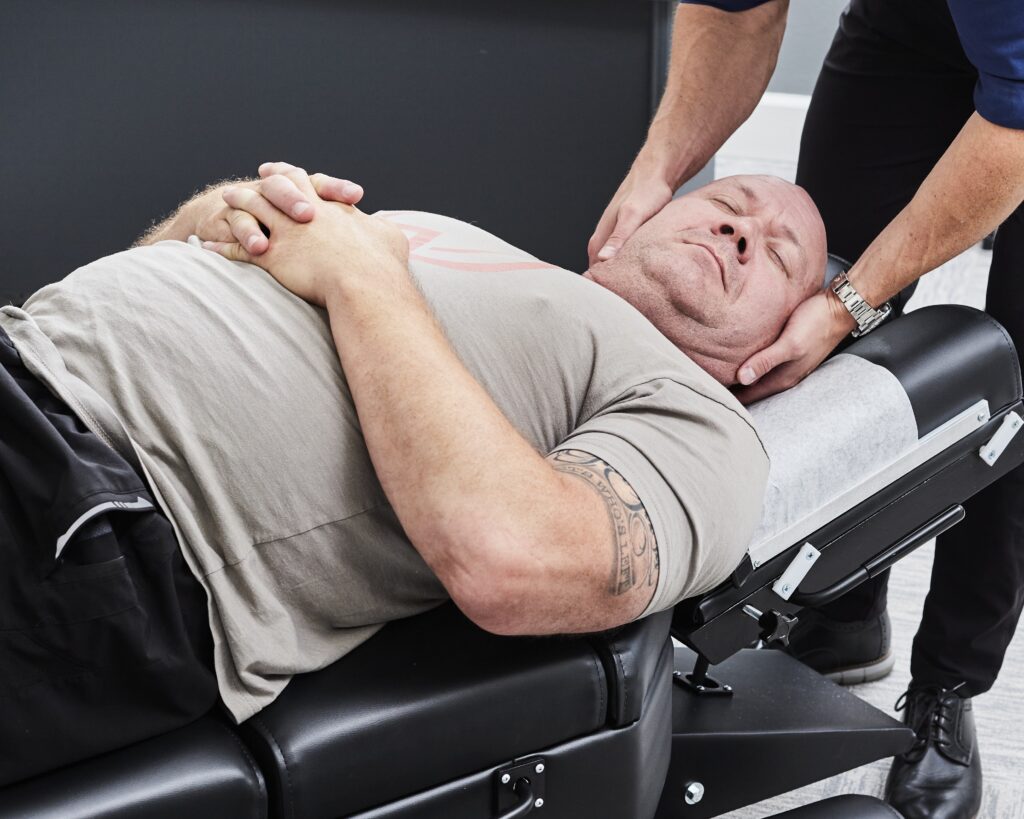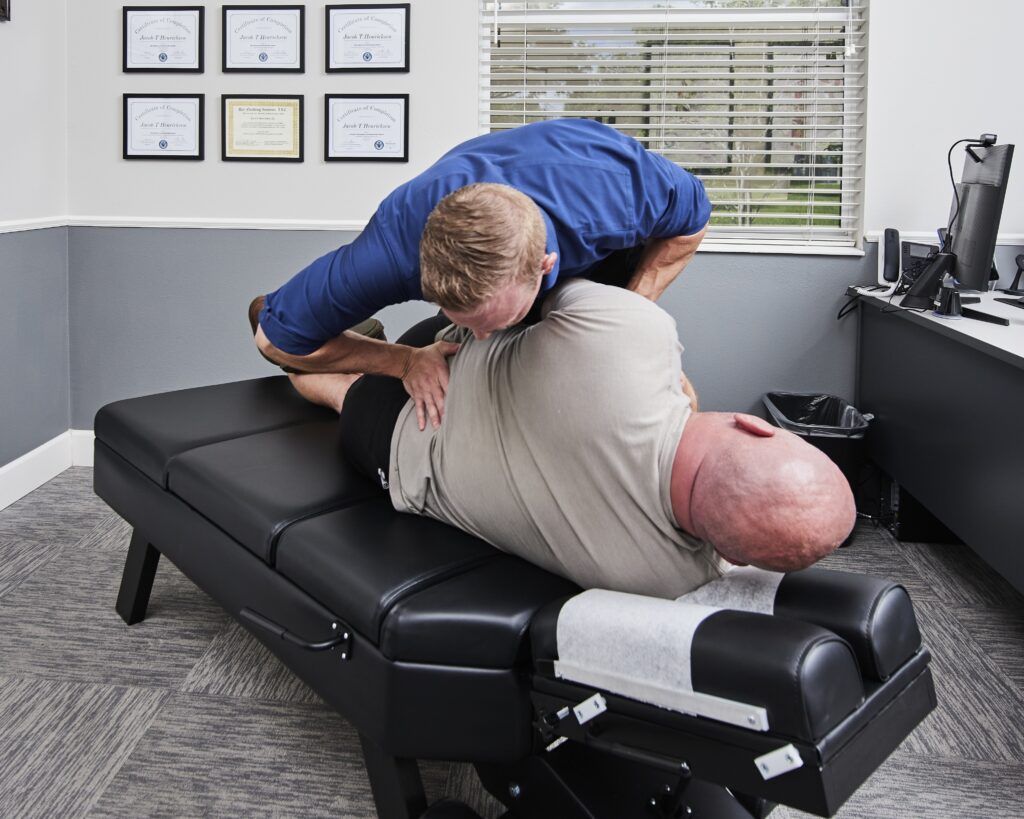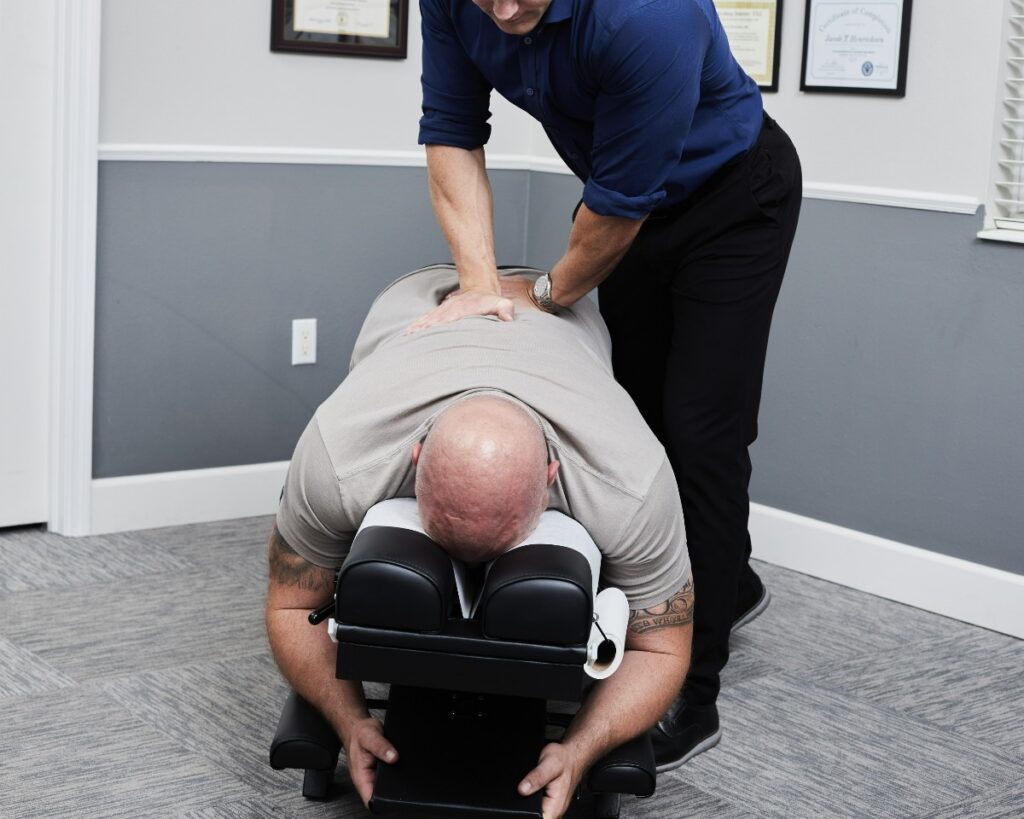

As your local chiropractor, I want to emphasize just how crucial your posture is to your overall health. Many people underestimate the impact that alignment has on everything from managing pain to maintaining energy levels throughout the day. When your posture is poor, it can lead to discomfort and restrict your ability to engage in daily activities. Conversely, good posture can significantly boost your confidence and enhance your well-being.
I encourage you to consider making small adjustments in your daily routine and workspace. These changes can lead to profound benefits for your health. For instance, being mindful of your sitting posture, using ergonomic furniture, and taking regular breaks to stretch can all contribute to improved alignment.
What steps can you take today to start transforming your posture? Remember, small changes can lead to a healthier tomorrow, and I'm here to help guide you through the process of naturally improving your posture and overall health.
Understanding Posture and Health
As a local chiropractor, I want to emphasize the importance of understanding how posture impacts your overall health. Good posture is more than just standing tall; it's about properly aligning your body to support its natural structure. When you sit or stand correctly, your muscles and joints can function efficiently, which reduces strain and fatigue. Many people don't realize that poor posture can lead to discomfort and even chronic pain over time.
When you slouch or hunch, you compress your organs, which can negatively affect your digestion and circulation. This may leave you feeling sluggish or even short of breath. In contrast, maintaining proper posture promotes deeper breathing and better oxygen flow, which can enhance your energy levels. You may notice that when you improve your posture, you can concentrate better and feel more alert throughout the day.
Moreover, good posture can also reflect confidence. When you stand or sit with a straight back and relaxed shoulders, you project a positive image to those around you. This can influence your self-perception, boosting your self-esteem and improving your mood.
Incorporating mindfulness about your posture into your daily routine can lead to significant health benefits. If you find yourself sitting for long periods, be sure to take breaks to adjust your posture. Simple exercises—like stretching or strengthening your core—can also help you maintain proper alignment.
By prioritizing your posture, you're not only enhancing your physical health but also nurturing your mental and emotional well-being. So, I encourage you to take a moment to check in with your body and make those necessary adjustments for a healthier you.
Common Posture Problems
As a local chiropractor, I want to shed light on some common posture problems that you may not even be aware of. Issues like slouching shoulders, forward head posture, and lower back pain can significantly impact your daily life and overall well-being.
These problems often develop from habits, such as hunching over your phone or computer for extended periods.
Understanding and recognizing these posture issues is the crucial first step towards enhancing your health. Through chiropractic care, we can work together to address these concerns, realign your spine, and help you develop better habits that promote a healthier posture.
Slouching Shoulders Impact
As a local chiropractor, I want to emphasize the importance of maintaining proper posture and the impact that slouching shoulders can have on your overall health. When you hunch forward, it creates unnecessary strain on your neck, back, and shoulders. This tension can lead to discomfort and may even develop into chronic pain over time.
You may find that you tire more easily or experience limitations in your daily activities due to a restricted range of motion.
Moreover, slouching can significantly affect your breathing. When your shoulders hunch inward, your chest compresses, which restricts your lungs from fully expanding. This can result in shallow breathing, reducing the oxygen flow to your body and potentially leaving you feeling fatigued or anxious.
Your mental well-being is also closely tied to your posture. When you adopt a slouched position, it can negatively impact your mood and self-confidence. On the contrary, standing tall with your shoulders back can enhance your self-esteem and project a more positive image to those around you.
I encourage you to be mindful of your posture throughout the day, particularly while sitting at your desk or using your phone. Incorporating simple exercises designed to strengthen your back and shoulder muscles can be beneficial in counteracting the effects of slouching.
Forward Head Posture
As a local chiropractor, I want to help you understand a common issue that many of us face today: forward head posture. In our digital age, it's easy to find ourselves leaning forward while using our phones or computers, which can create an imbalance in our neck and spine.
This posture causes your head to shift forward of your shoulders, resulting in added strain on the muscles and ligaments in your neck. If you frequently adopt this posture, you may start to experience discomfort, tension headaches, or even reduced mobility in your neck.
You might find it difficult to turn your head or feel a persistent ache in your upper back. But don't worry—there are proactive steps you can take to address forward head posture.
First and foremost, be mindful of your posture throughout the day. Align your ears over your shoulders and consider making simple adjustments to your workspace to ensure that your screen is at eye level.
Additionally, incorporating stretching and strengthening exercises for your neck and upper back can be incredibly beneficial.
As a chiropractor, I emphasize the importance of small changes in your daily routine. These adjustments can lead to significant improvements in your posture and overall health.
Lower Back Pain
As a local chiropractor, I often see patients who struggle with lower back pain, a common issue that frequently arises from poor posture habits. Many times, this discomfort is a result of prolonged sitting or improper lifting techniques, which can lead to misalignment of the spine.
When you're seated for extended periods, especially at a desk without proper lumbar support, it's easy for your spine to become misaligned, causing discomfort. Similarly, if you lift heavy objects without bending your knees, you're putting unnecessary stress on your lower back.
To help you alleviate and prevent lower back pain, I'd like to share three essential posture tips:
- Sit correctly: Ensure that your chair provides adequate support for your lower back. Your feet should be flat on the floor, and your knees should form a right angle. This alignment helps to maintain the natural curve of your spine.
- Stand tall: When you stand, distribute your weight evenly across both feet. Keep your shoulders back and your head aligned with your spine to avoid leaning or slouching, which can exacerbate back pain.
- Lift wisely: Always bend at your knees when lifting heavy objects, and keep the item close to your body. Engage your core muscles and use your legs to perform the lift, rather than putting strain on your back.
By applying these simple yet effective posture practices, you can significantly reduce your risk of experiencing lower back pain.
Effects of Poor Posture
As a local chiropractor, I want to take a moment to educate you about the impact of poor posture on your overall health. Many people may not realize that the way you hold your body throughout the day can lead to a variety of physical and mental health challenges.
When you slouch or hunch over, it places unnecessary strain on your spine and compresses vital organs. This compression can lead to decreased lung capacity, making it harder for your body to take in oxygen efficiently, and can also negatively affect your digestion. It's common for patients to experience a drop in energy levels as their bodies work harder to function under these conditions.
Furthermore, the effects of poor posture extend beyond physical discomfort. Research indicates that adopting a slouched position can contribute to feelings of sadness and anxiety. You may find it more difficult to concentrate or feel less confident in social interactions. This link between your posture and mood underscores the importance of maintaining proper alignment, as it can significantly influence how you feel both mentally and emotionally.
Additionally, many individuals experience chronic pain as a result of poor posture, particularly in the neck, shoulders, and back. This pain can interfere with your productivity at work and diminish your enjoyment of daily activities. Over time, if these issues aren't addressed, they can escalate and may require more extensive treatment or therapy.
As your chiropractor, I encourage you to be mindful of your posture and consider how it may be affecting your health. Simple adjustments to your sitting or standing habits can lead to significant improvements in both your physical and mental well-being. Together, we can work towards achieving better posture and a healthier lifestyle.
Benefits of Good Posture
As a local chiropractor, I'm passionate about helping you understand how good posture can significantly enhance your health. When you maintain proper alignment and stand tall, you're not just exuding confidence; you're actively promoting your overall well-being. Good posture plays a crucial role in both your physical and mental health, making it vital to be mindful of how you carry yourself throughout the day.
Here are three essential benefits of practicing good posture that I want you to consider:
1. Reduced Pain: One of the most significant advantages of proper alignment is the relief it brings from muscle and ligament strain. By sitting or standing correctly, you can distribute your weight evenly, which significantly reduces back and neck pain.
As a chiropractor, I often see patients who experience pain due to poor posture, and with adjustments and guidance, we can help alleviate that discomfort.
2. Improved Breathing: Proper spinal alignment allows for optimal lung expansion. When your spine is straight, your lungs have the room they need to operate efficiently.
This means you can enjoy deeper breaths, which increases the oxygen flow to both your body and brain. Enhanced oxygenation can lead to improved energy levels and focus, allowing you to perform your daily activities with more vigor.
3. Enhanced Confidence: Believe it or not, your posture can influence your mental state just as much as your physical health. Standing tall can elevate your confidence and self-esteem, making you more assertive in various social and professional scenarios.
This boost in confidence can have a ripple effect on your interactions and overall life satisfaction.
Incorporating good posture into your daily routine can yield these transformative benefits. You won't only feel better physically, but you'll also project an image of health and confidence that can positively impact your life.
Assessing Your Posture
As your local chiropractor, I want to help you understand the importance of good posture and how to assess your current alignment. Improving your posture is essential not only for your physical appearance but also for your overall health and well-being.
Let's take a moment to evaluate where you currently stand. Start by finding a full-length mirror where you can observe your posture. Stand up straight with your feet shoulder-width apart, allowing your arms to hang naturally at your sides. Take a good look at your head position—ideally, it should be aligned with your spine, not jutting forward. Your ears should line up nicely with your shoulders for optimal alignment.
Next, let's focus on your shoulders. Are they evenly relaxed, or does one seem higher than the other? Many people struggle with rounded shoulders, which can lead to discomfort and tension in the upper back and neck areas.
It's also important to examine the natural curve of your back. Ideally, your lower back should have a gentle inward curve, avoiding an excessive arch or a flat back, as this supports your spine effectively.
Now, shift your attention to your hips. Your pelvis should be in a neutral position, not tilted forward or backward. You can check this by placing your hands on your hips to feel for any unevenness.
Lastly, assess your knees and feet—ensure they're aligned with your hips and pointing straight ahead. Once you've completed this self-assessment, take note of any areas that may require improvement.
It can be beneficial to take photos from various angles so you can have a clearer perspective on your posture. This foundational evaluation is the first step towards making conscious adjustments, which can lead to enhanced posture and overall health.
As your chiropractor, I'm here to guide you through this journey and provide support through chiropractic care and natural healing methods, helping you achieve the best version of yourself.
Tips for Better Sitting
As a local chiropractor dedicated to your well-being, I want to share some essential tips for improving your sitting posture, which can significantly impact your overall health.
First, it's crucial to invest in an ergonomic chair that offers adequate support for your back. This type of chair helps maintain proper spinal alignment and reduces the risk of discomfort.
Next, ensure that your feet are flat on the floor while sitting. This simple adjustment can enhance your stability and provide comfort, allowing you to sit for longer periods without strain.
Lastly, be mindful of your screen placement. Positioning your monitor at eye level is vital in minimizing the strain on your neck and eyes, which can lead to headaches and discomfort over time.
By implementing these practices, you can create a healthier sitting environment that supports your spine and overall well-being.
Ergonomic Chair Selection
As your local chiropractor, I want to help you understand the importance of selecting the right ergonomic chair for your daily sitting needs. A well-designed chair can significantly enhance your comfort and promote better posture, especially if you find yourself sitting for extended periods.
Here are some essential features to consider when choosing an ergonomic chair:
- Adjustability: It's crucial to find a chair that allows you to adjust the height, armrests, and backrest. This customizability ensures that the chair fits your unique body shape, which can help reduce strain and discomfort.
- Lumbar Support: A chair that offers proper lumbar support is vital for maintaining the natural curve of your spine. This feature is essential in preventing lower back pain and encouraging healthy posture, which are key factors in overall spinal health.
- Seat Cushioning: Opt for a chair that has sufficient cushioning to provide comfort while still being supportive. A firm seat helps distribute your weight evenly, minimizing pressure points that can lead to discomfort during long hours of sitting.
As you shop for an ergonomic chair, keep these features in mind.
Remember, investing in the right chair isn't just about comfort; it's an investment in your health. A well-chosen chair can help you feel more comfortable and focused throughout your day, enhancing your productivity and overall well-being.
Feet Flat on Floor
As a local chiropractor, I want to emphasize the importance of selecting the right ergonomic chair as your first step toward improving your posture and overall well-being. One of the simplest yet most effective adjustments you can make is to ensure that your feet are flat on the floor while seated. This small change can significantly enhance your comfort and support your spinal alignment.
When your feet are flat on the ground, your knees will naturally form a 90-degree angle. This position helps distribute your weight evenly, reducing strain on your legs and lower back. If you find that your feet are dangling or resting on the chair's base, it may lead to unnecessary discomfort. In such cases, a footrest can be a great solution to achieve that flat-footed position.
It's also essential to sit back fully in your chair, avoiding any slouching. Maintaining a straight back and relaxed shoulders is key to supporting your spine. Engaging your core muscles can provide additional stability and support as you sit.
Remember, it's vital to take regular breaks throughout your day. Stand up, stretch, and walk around. This movement not only promotes better circulation but also helps reset your posture.
Screen at Eye Level
As a local chiropractor, I want to emphasize the importance of positioning your screen at eye level to support your overall spinal health and prevent discomfort. Many people are unaware that how we set up our workstations can significantly impact our posture and well-being.
Here are some practical tips to help you achieve the ideal screen height and maintain good posture while sitting:
- Utilize a Monitor Stand: Elevating your monitor is crucial. A monitor stand or even a stack of books can help bring your screen up to eye level. Ideally, your screen should be positioned about an arm's length away from you to reduce strain on your neck and eyes.
- Adjust Your Chair Properly: Your chair should be adjusted so that your elbows form a 90-degree angle when you're typing. This allows for better alignment of your spine. Ensure that your feet are flat on the floor, which will help you maintain stability and support as you work.
- Invest in Laptop Stands: If you primarily use a laptop, consider investing in a laptop stand. This accessory lifts the screen to eye level, allowing you to maintain proper posture. Pair it with an external keyboard and mouse to enhance your ergonomic setup.
By implementing these adjustments, you can create a more comfortable workspace that supports your spine and overall health.
Standing With Confidence
Standing with confidence isn't merely a matter of how you hold your body; it encompasses a deeper sense of self-assurance that can significantly influence how others perceive you. As a chiropractor, I often emphasize the importance of posture for not only physical health but also mental well-being. When you stand tall with your shoulders back and your head held high, you not only empower yourself, but you also convey strength and determination to those around you. This confident posture can enhance your approachability and trustworthiness, positively impacting your personal and professional relationships.
To achieve this confident stance, it's essential to align your ears, shoulders, and hips in a straight line. Distributing your weight evenly on both feet and engaging your legs are key components of good posture. Keep your chin parallel to the ground and be mindful to avoid slouching. A helpful visualization is to imagine a string gently pulling you upward from the crown of your head; this mental cue can assist you in maintaining an upright posture with ease.
I encourage you to practice standing in this way in front of a mirror. Observe how your body feels and how your facial expressions shift when you adopt a confident stance. Many of my patients find that they naturally smile more and feel more relaxed. Over time, embodying this posture can become second nature, enhancing your overall presence and well-being.
In social or professional situations, take a moment to ground yourself before entering the room. Deep breathing and reflecting on your strengths can help you project confidence, making it easier to engage with others and communicate your ideas effectively.
Strengthening Core Muscles
As a local chiropractor, I want to emphasize the importance of your core muscles in supporting your overall health and well-being. These muscles are crucial for maintaining proper posture and stability in your daily activities.
By focusing on strengthening your core, you can improve your body alignment, reduce the risk of injury, and enhance the way you move throughout your day.
Let's delve into some effective exercises and practical tips that can help you engage your core muscles consistently. Not only will this support your spinal health, but it will also contribute to a more active and fulfilling lifestyle.
Importance of Core Strength
As a local chiropractor, I want to emphasize the importance of core strength for your overall health and well-being. A strong core is vital for maintaining proper posture and ensuring stability throughout your body. When your core muscles are well-developed, they provide essential support for your spine, enhance your balance, and significantly reduce the risk of injury.
Here are three key reasons why I encourage you to prioritize core strength:
- Enhanced Posture: A well-conditioned core plays a crucial role in aligning your spine. This alignment allows you to sit and stand upright comfortably, alleviating strain on your back and neck. By focusing on your core strength, you can maintain good posture throughout your daily activities, which can lead to less discomfort and improved overall health.
- Improved Balance: Strong core muscles act as stabilizers for your body, greatly enhancing your balance during various activities. Whether you're walking, running, or simply standing, a robust core helps you feel more stable and confident. This is particularly beneficial as we age, as balance becomes increasingly important to prevent falls and injuries.
- Injury Prevention: A strong core supports not only your spine but also your pelvic region. This support can significantly reduce the risk of injuries related to muscle strains or improper lifting techniques. If you engage in physical activities or sports, strengthening your core is essential for keeping your body safe and functioning optimally.
By investing time in strengthening your core, you'll experience improvements in your posture, performance, and a noticeable reduction in the risk of injury.
As your chiropractor, I encourage you to make core strength a priority in your wellness routine. The benefits you gain will extend far beyond the gym and positively impact your overall health.
Let's work together to build a strong foundation for your well-being!
Exercises for Core Stability
As a local chiropractor, I want to emphasize the importance of strengthening your core muscles for achieving stability and enhancing your overall body function. A robust core is vital for supporting your spine, improving balance, and promoting better posture, which can significantly benefit your chiropractic care and overall health.
To begin your journey toward core stability, I recommend starting with the plank exercise. Position yourself face down, supporting your weight on your forearms and toes. Maintain a straight line from your head to your heels, and aim to hold this position for 20-30 seconds. As your strength improves, gradually increase the duration to enhance your core stability further.
Next, let's incorporate bridges into your routine. Lie on your back with your knees bent and feet flat on the floor. Lift your hips toward the ceiling while squeezing your glutes at the top of the movement. Hold for a moment before lowering back down. Try to complete 10-15 repetitions of this exercise, as it effectively targets the muscles that support your lower back.
Another great exercise to consider is the bird-dog. Start in a tabletop position on your hands and knees. Extend your right arm forward while simultaneously stretching your left leg back. Hold this position for a few seconds before switching sides. The bird-dog exercise promotes balance and coordination, which are crucial for spinal health and overall stability.
Lastly, I encourage you to try Russian twists. Sit on the floor with your knees bent, leaning back slightly to engage your core. With your hands together, twist your torso to the right, then to the left. This movement targets your oblique muscles and helps enhance your core strength, contributing to better spinal alignment.
Incorporating these exercises into your daily routine can greatly improve your stability and posture, supporting the natural healing process that chiropractic care promotes. Remember, a strong core is fundamental for maintaining a healthy spine and overall well-being.
Tips for Daily Engagement
As a local chiropractor, I want to emphasize the importance of integrating core stability exercises into your daily routine—not just during workouts, but throughout your everyday activities.
Proper core engagement can significantly enhance your strength and posture, leading to better overall health. Here are three practical ways to help you engage your core throughout the day:
- Mindful Sitting: When you're seated, it's crucial to maintain a straight back and relaxed shoulders. To engage your core, gently pull your belly button towards your spine. This simple adjustment not only improves your posture but also activates the core muscles that support your spine.
- Active Standing: When you stand, aim to distribute your weight evenly across both feet. A slight bend in your knees while tightening your core can create a more stable posture and help prevent slouching. This is important for avoiding strain on your back and maintaining overall spinal health.
- Movement Awareness: As you go about your day—walking, climbing stairs, or performing household tasks—be mindful of activating your core. Picture a string pulling you up from the top of your head, which helps keep your body aligned. This awareness can promote better movement patterns and reduce the risk of injury.
By incorporating these simple techniques into your daily life, you can support your chiropractic care and enhance your body's natural healing abilities.
Ergonomic Workstation Setup
As a local chiropractor, I want to emphasize the importance of creating an ergonomic workstation setup for your overall health and well-being. Proper posture is crucial for preventing discomfort and musculoskeletal issues, especially during long hours of work.
To begin, let's focus on your chair. It's vital that your feet rest flat on the floor or on a footrest, with your knees positioned at or slightly below hip level. This helps to align your spine properly. Ensure your chair offers adequate support for your lower back; if necessary, consider using a lumbar roll to enhance this support.
Next, pay attention to the positioning of your desk and monitor. Ideally, your monitor should be about an arm's length away, with the top of the screen at or just below eye level. This positioning encourages a neutral neck position, which is essential for avoiding strain. If you work with a laptop, I recommend using a separate keyboard and mouse to keep your wrists straight and your shoulders relaxed.
When setting up your keyboard and mouse, place them close enough to maintain your elbows at your sides, forming a 90-degree angle. Your wrists should remain in a neutral position—neither bent up nor down. A wrist rest can offer additional support and help reduce strain during your workday.
Lighting is also an important factor to consider. Adjust your monitor to minimize glare from windows or overhead lights, and use task lighting as needed to decrease eye strain.
Organizing your workspace is key; keep frequently used items within easy reach to avoid unnecessary stretching, which can lead to discomfort.
Lastly, I encourage you to choose a chair with adjustable features, allowing you to customize your setup to better suit your individual needs. By implementing these ergonomic strategies, you can create a workstation that not only promotes better posture but also enhances your overall comfort and productivity while working.
Incorporating Movement Throughout the Day
As a local chiropractor, I want to emphasize the importance of incorporating movement into your daily routine for maintaining good posture and overall health. Many patients are unaware that prolonged sitting can lead to muscle stiffness and discomfort.
It's essential to stay active throughout the day to support your spinal health. Here are three simple strategies to help you move more:
1. Take Regular Breaks: I recommend setting a timer to remind yourself to stand up and stretch every 30 to 60 minutes. During these breaks, take a moment to walk around your workspace or perform a few light stretches.
This practice can alleviate tension in your muscles and improve circulation, both of which are crucial for spinal health.
2. Use a Standing Desk: If you have the option, consider alternating between sitting and standing while you work. Standing desks can be a great way to mix up your position and reduce strain on your back.
It's important to shift your weight and change your stance regularly to keep your muscles engaged and support a healthy spine.
3. Incorporate Walking Meetings: When it comes to meetings, try suggesting walking meetings instead of gathering in a conference room. This not only encourages movement but can also enhance creativity and boost productivity.
Plus, enjoying the fresh air can help improve your focus and mental clarity.
By integrating these simple movements into your day, you can support your body's natural healing processes and promote better overall health.
As always, if you have concerns about your posture or any discomfort, feel free to reach out for personalized advice and care.
Conclusion
As a local chiropractor, I want to emphasize the importance of posture in enhancing your overall health and well-being. Many people don't realize that simple adjustments to your posture can lead to significant improvements in your daily life. By making small changes—such as optimizing your workstation setup, standing with confidence, and actively engaging your core—you can experience remarkable benefits.
It's crucial to take a moment to evaluate your posture throughout the day and incorporate movement into your routine. Not only will this help alleviate pain and discomfort, but it can also increase your energy levels and boost your confidence. Remember, good posture isn't just about standing tall; it's about supporting your body in a way that promotes natural healing and wellness.
I encourage you to start today. By prioritizing your posture and making these adjustments, you'll reap the numerous advantages of feeling better and moving more freely. If you have any questions or need guidance on improving your posture, I'm here to help you on your journey to better health!