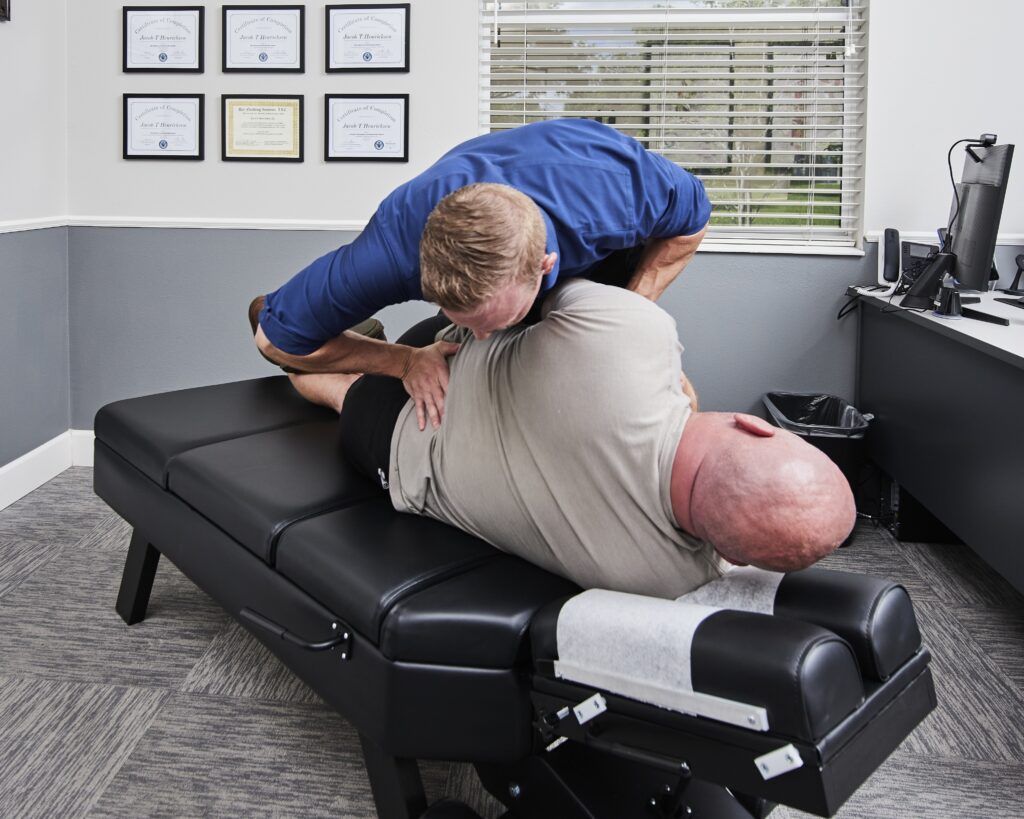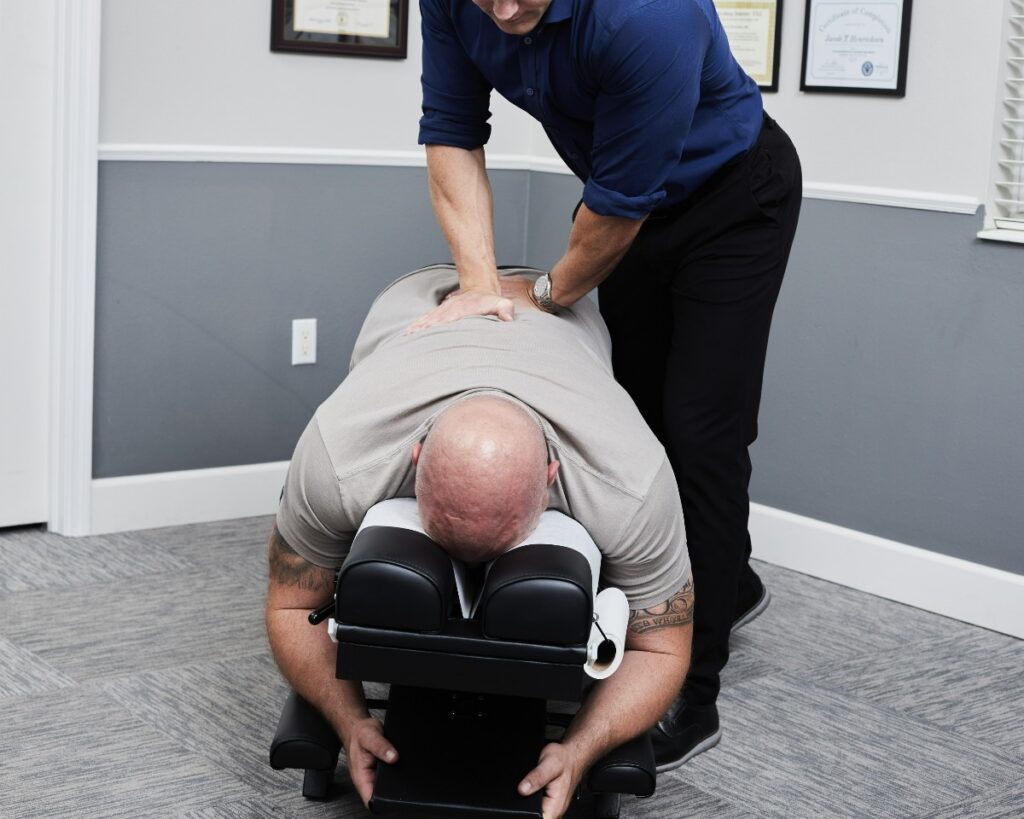

As a local chiropractor, I want to share with you that improving your posture goes beyond simply sitting up straight. It involves creating a supportive environment and adopting simple habits that can make a significant difference in your spinal health. Many individuals often overlook how their daily routines may contribute to discomfort and strain in their bodies. By implementing a few strategic adjustments, you can enhance your overall well-being and alleviate pain effectively.
Are you curious about the specific changes you can make to achieve lasting relief? Let’s dive into some essential steps that can help you on your journey to better posture and reduced discomfort. Remember, chiropractic care is here to support you in understanding your body and how to nurture it naturally!
Understanding Posture and Its Impact on Health
As your local chiropractor, I want to share with you the importance of posture and its significant impact on your overall health. Many people may not realize that poor posture affects more than just how you look; it can also jeopardize your well-being.
Our bodies are designed for alignment, and when that alignment is compromised, it can lead to discomfort and pain. Misalignment places undue stress on your muscles, ligaments, and joints, which over time can result in chronic issues. This tension can radiate beyond your back, affecting your neck, shoulders, and even your digestive system.
Maintaining good posture is essential for promoting proper spinal alignment. This alignment reduces strain on your body and enhances your overall health and wellness. When you sit or stand upright, your body functions more efficiently—improving circulation and increasing lung capacity.
You’ll likely notice that you feel more energized and focused throughout the day. Making simple adjustments can have a profound effect on your posture. For example, try to keep your shoulders back and align your head with your spine.
These small changes can lead to significant improvements in your health. I encourage you to prioritize your posture as a vital aspect of your well-being. By being mindful and making conscious efforts to improve your alignment, you can cultivate lasting changes that enhance your quality of life.
Together, we can work towards a healthier, more aligned you.
Common Causes of Poor Posture
As a local chiropractor, I often see patients who aren’t aware of how everyday habits can negatively impact their posture. Poor posture can develop from seemingly harmless routines that we engage in daily. For instance, many individuals tend to slouch while working at their desks, lean forward to check their phones, or stand with their weight shifted to one side.
These common habits can create muscle imbalances and lead to strain, making it increasingly difficult to maintain a healthy, upright posture. It’s important to recognize that prolonged periods of inactivity, such as sitting for hours without movement, can weaken your core muscles, which play a crucial role in supporting your spine.
Furthermore, stress can also have a significant effect on your posture; it often leads to tension in the shoulders and neck, which can exacerbate alignment issues. Additionally, everyday choices, like carrying heavy bags on one shoulder or wearing shoes that don’t fit properly, can further contribute to poor posture.
The Role of Ergonomics in Posture Improvement
As a local chiropractor, I want to emphasize the crucial role ergonomics plays in improving your posture and overall health.
It’s important to pay attention to how you set up your workspace. By creating an environment that supports proper alignment, you can significantly reduce strain on your body, which often leads to discomfort and pain.
When you take the time to make these ergonomic adjustments, you may experience remarkable improvements in your comfort and overall well-being.
Workplace Setup Essentials
As a chiropractor, I often see the impact of poor workspace ergonomics on my patients’ posture and overall health.
Creating an ergonomic workspace is crucial for maintaining good posture and minimizing discomfort, especially during those long hours of work. By tailoring your setup to meet your individual needs, you can prevent pain and enhance your productivity.
Here are four key elements to consider for your workspace:
- Chair: Prioritize a chair that provides excellent lumbar support and is adjustable in height. This will help keep your spine aligned and reduce strain on your back.
- Desk Height: Ensure that your desk is at elbow height while seated. This position helps maintain a neutral wrist alignment and can prevent repetitive strain injuries.
- Monitor Position: Your monitor should be positioned at eye level and about an arm’s length away. This setup can significantly reduce neck strain and help maintain proper spinal alignment.
- Keyboard and Mouse: Keep your keyboard and mouse within easy reach to avoid unnecessary stretching. Your wrists should remain straight while typing to avoid discomfort and potential injury.
Remember, your workspace can greatly affect your physical health. By making these adjustments, you can help protect your spine and overall well-being.
If you’re experiencing discomfort, don’t hesitate to reach out for guidance on how to improve your workspace setup or for any chiropractic care you may need.
Benefits of Proper Alignment
As a local chiropractor, I want to emphasize the importance of proper alignment in your workspace for your overall health and well-being. When you make it a priority to maintain good alignment, you can significantly improve your posture, which in turn reduces strain on your muscles and joints. This means you can work comfortably for longer periods without the nagging discomfort that often leads to back, neck, and shoulder pain.
It’s fascinating how small adjustments can yield big results. By focusing on ergonomics—such as the height of your chair, the positioning of your monitor, and the placement of your keyboard—you can create an environment that truly supports your body’s natural alignment.
This isn’t just about preventing discomfort; it’s about enhancing your circulation and reducing fatigue, allowing you to stay energized and engaged throughout your day.
Taking a proactive approach to your workspace can lead to improved productivity and focus, which are essential for your performance at work.
Simple Adjustments for Better Posture at Your Desk
As a chiropractor, I often see the impact that poor desk posture can have on our bodies. It’s essential to understand that just a few simple adjustments to your workspace can significantly improve your posture and alleviate discomfort.
These changes not only enhance your physical well-being but can also boost your productivity. Here’s how you can get started:
- Adjust your chair height: Ensure that your feet are flat on the floor, and your knees are either level with or slightly lower than your hips. This position helps distribute your weight evenly and supports your spine’s natural alignment.
- Position your monitor: The top of your computer screen should be at eye level. This adjustment helps prevent neck strain and encourages you to sit up straight rather than slouching forward, which can lead to chronic pain over time.
- Use lumbar support: Incorporating a cushion or a rolled-up towel to support the natural curve of your lower back can be incredibly beneficial. This simple addition helps maintain proper spinal alignment and prevents discomfort during long hours of sitting.
- Keep your keyboard and mouse close: Make sure these tools are at a comfortable height. Keeping them within easy reach can help you avoid unnecessary stretching, which often results in shoulder tension and discomfort.
By making these adjustments to your workspace, you can transform your work experience and significantly enhance your overall health.
Stretching Exercises to Counteract Poor Posture
As a local chiropractor, I want to emphasize the importance of stretching in combating poor posture and maintaining proper alignment in your body. Many people are unaware that incorporating effective stretching techniques into your daily routine can alleviate tension and enhance your flexibility.
Let me guide you through creating a simple yet impactful stretching routine that can easily fit into your day-to-day life. By understanding the mechanics of your body and how poor posture can lead to discomfort and misalignment, we can work together to develop a personalized approach to your health.
Stretching not only helps relieve tight muscles but also promotes better alignment, which is crucial for overall wellness. I encourage you to take a few moments each day to engage in these stretching exercises. They can significantly improve your posture and contribute to your long-term health.
Importance of Stretching
As a local chiropractor, I want to share the benefits of incorporating stretching into your daily routine, especially for those of you who may be new to chiropractic care and natural healing.
Stretching isn’t just a form of exercise; it’s a vital practice that can significantly improve your overall well-being and help combat poor posture and the aches that often accompany it. Here’s why I encourage you to make stretching a priority in your life:
- Relieves Tension: Many of my patients come to me with tight muscles that contribute to discomfort and pain. Regular stretching can help ease that tension, promoting relaxation in your muscles and reducing discomfort.
- Enhances Mobility: One of the key benefits of stretching is improved flexibility. This means you can move more freely and comfortably, making everyday activities easier and more enjoyable.
- Boosts Mood: Did you know that stretching can positively impact your emotional health? Engaging in regular stretching routines releases endorphins—your body’s natural mood lifters—helping you feel better both physically and mentally.
- Prevents Injury: Stretching plays an essential role in maintaining muscle elasticity. By keeping your muscles flexible, you lower your risk of injuries when performing daily tasks or engaging in physical activities.
By making stretching a consistent part of your routine, you can transform how you feel, stand taller, and live with less pain.
It’s a simple yet powerful practice that shouldn’t be overlooked. If you have any questions about how stretching can be integrated into your wellness plan, feel free to ask during your next visit!
Effective Stretching Techniques
As a local chiropractor, I want to share with you some effective stretching techniques that can greatly improve your posture and overall well-being. Many people underestimate the importance of incorporating these simple yet powerful stretches into their daily routine.
Let’s start with neck stretches. Gently tilting your head to one side and holding for about 15 seconds can help alleviate tension and improve mobility in this area.
Next, consider shoulder rolls; by rolling your shoulders forward and backward, you can release built-up tension that often accumulates from sitting or standing for long periods.
For your chest, I recommend a simple stretch: clasp your hands behind your back, straighten your arms, and lift them slightly. This will help open up your chest and counteract the slumped posture many of us adopt throughout the day.
Don’t overlook your hips, either! A standing quadriceps stretch, where you pull your heel toward your glutes, can be incredibly beneficial for maintaining hip flexibility.
Finally, let’s focus on your back with a seated forward bend. While sitting, reach for your toes and feel the stretch along your spine.
By making these stretches a regular part of your routine, you’ll not only improve your flexibility and reduce muscle tension but also promote better alignment.
This can make it much easier to maintain a healthy posture throughout the day, allowing you to feel your best. Remember, taking care of your body is an essential part of natural healing and chiropractic care.
Daily Stretching Routine
Incorporating a daily stretching routine can significantly improve your posture and help alleviate the discomfort often associated with prolonged periods of sitting or standing.
As a chiropractor, I often see the benefits of stretching in my patients, and I encourage you to dedicate just a few minutes each day to these practices. You’ll likely notice substantial improvements in how your body feels.
Here are four essential stretches that I recommend including in your routine:
- Chest Opener: Stand up straight and clasp your hands behind your back. Gently lift your arms to open up your chest, which can help relieve tightness and improve your posture.
- Cat-Cow Stretch: Position yourself on all fours. Alternate between arching your back (like a cat) and rounding it (like a cow). This movement promotes spinal flexibility and helps to alleviate tension in your back.
- Neck Stretch: Gently tilt your head to one side, holding for a few breaths. This stretch can help relieve neck tension, which is common in our daily lives, especially if you spend long hours at a desk.
- Hamstring Stretch: Sit down with your legs extended in front of you. Reach for your toes and feel the stretch in your hamstrings and lower back. This stretch is particularly beneficial after long periods of sitting.
Making stretching a regular part of your day can have profound effects on your overall well-being.
Your body will thank you for it! If you have any questions about how these stretches can complement your chiropractic care, feel free to ask during your next visit.
Strengthening Exercises for Postural Support
As a local chiropractor, I want to emphasize the importance of strengthening exercises for enhancing your postural support. These exercises play a crucial role in building the muscles that help keep your spine aligned, ultimately reducing the risk of discomfort and pain.
It’s vital to incorporate movements that target your core, back, and shoulders to establish a solid foundation for your posture. For example, planks are excellent for engaging your entire core, while bridges specifically strengthen your lower back and glutes—key areas that support your spine.
Additionally, exercises such as rows and reverse flys are fantastic for enhancing upper back strength and improving shoulder stability. Even simple activities like wall sits can significantly boost your leg strength, which is essential for maintaining overall posture.
I recommend aiming for at least two to three sessions each week, with each exercise performed for about 10 to 15 repetitions. It’s important to focus on maintaining proper form throughout to prevent injury.
Mindfulness Techniques to Maintain Good Posture
As a chiropractor dedicated to helping you achieve optimal health, I want to emphasize the importance of maintaining good posture throughout your day. Practicing mindfulness can significantly enhance your awareness of your body and its alignment, which in turn can help prevent discomfort and promote better posture.
Here are some simple yet effective techniques you can integrate into your daily routine:
- Check-in moments: I recommend setting reminders to pause and assess your posture regularly. Ask yourself: Are your shoulders relaxed? Is your spine in a neutral position? This awareness is crucial for making adjustments.
- Deep breathing: Incorporate deep breathing exercises into your day. Focus on expanding your chest and lengthening your spine with each breath. This practice helps to release tension in your body and encourages a more upright posture.
- Body scanning: Take a moment to close your eyes and mentally scan your body from head to toe. Pay attention to areas that feel tight or uncomfortable, and consciously relax those muscles. This technique promotes relaxation and awareness of your posture.
- Visual cues: Utilize sticky notes or other reminders in your workspace to prompt you to check and maintain good posture. These visual cues can serve as helpful reminders to stay mindful of your alignment throughout the day.
By incorporating these mindfulness practices into your routine, you’ll not only see improvements in your posture but also experience benefits to your overall well-being.
Incorporating Movement Throughout Your Day
As a local chiropractor, I want to emphasize the importance of incorporating movement into your daily routine to support your posture and overall health. Many of us spend long hours sitting at a desk or during our commutes, which can lead to discomfort and misalignment in our bodies.
One simple way to counteract this is by setting a timer to remind yourself to stand up and stretch every hour. These stretches can alleviate tension and promote better blood circulation, helping you feel more energized throughout the day.
When you’re on a call, consider pacing around your space or using a headset, allowing you to keep your hands free while staying active. Small adjustments in your daily habits can have a significant impact on your well-being. For instance, opting for the stairs over the elevator or parking a little farther from your destination can increase your daily movement without requiring a major lifestyle change.
During breaks, instead of scrolling through your phone, take a few minutes to go for a quick walk. Even short bursts of activity can help mitigate the negative effects of prolonged sitting. Remember, every little bit counts!
When to Seek Professional Help for Posture Issues
As a local chiropractor, I want to help you understand the importance of recognizing when it’s time to seek professional help for posture issues, especially if you’ve started incorporating more movement into your daily routine.
If you’re experiencing persistent discomfort or if you’ve noticed that your posture isn’t getting any better, it’s crucial to take action. Here are four key signs that suggest you should consult with a chiropractor:
- Chronic Pain: If you’re dealing with ongoing pain in your back, neck, or shoulders, please don’t overlook it. This discomfort could be a sign of underlying issues that need attention.
- Limited Mobility: If you find it difficult to move freely or are experiencing stiffness, it may indicate that your posture is negatively impacting your overall function. A chiropractor can help restore your mobility through targeted adjustments and exercises.
- Frequent Headaches: Regular headaches can often be linked to poor posture. Consulting with a professional can help pinpoint the source of your headaches and provide relief through natural healing techniques.
- Fatigue: If you frequently feel tired or fatigued, it might be due to poor posture draining your energy. A chiropractor can help you improve your posture, which may boost your overall energy levels.
Don’t hesitate to reach out for help. Your body deserves the best care, and addressing these issues early on can lead to significant improvements in your health and well-being.
We’re here to support you on your journey to better posture and overall wellness!
Conclusion
As your local chiropractor, I want to share some valuable insights on how you can improve your posture and alleviate pain through simple adjustments in your daily routine. Many people are unaware that small changes in your workspace and habits can lead to significant benefits for your body.
First, it’s essential to incorporate regular stretching and strengthening exercises into your day. These activities can help support your spine and improve your overall posture. Additionally, practicing mindfulness techniques can keep you aware of how you hold your body throughout the day, allowing you to make conscious adjustments as needed.
Don’t forget the importance of movement! Regularly getting up and moving around can help counteract the effects of prolonged sitting, which is a common issue in our modern lifestyles. Always listen to your body; if something feels off, it’s a sign that you may need to adjust your position or take a break.
If you continue to experience persistent pain or discomfort, I encourage you to seek professional guidance. Chiropractic care can provide you with personalized strategies to enhance your posture and alleviate pain naturally. By taking these proactive steps, you can create a healthier and more comfortable lifestyle for yourself. Remember, your well-being is worth the effort!