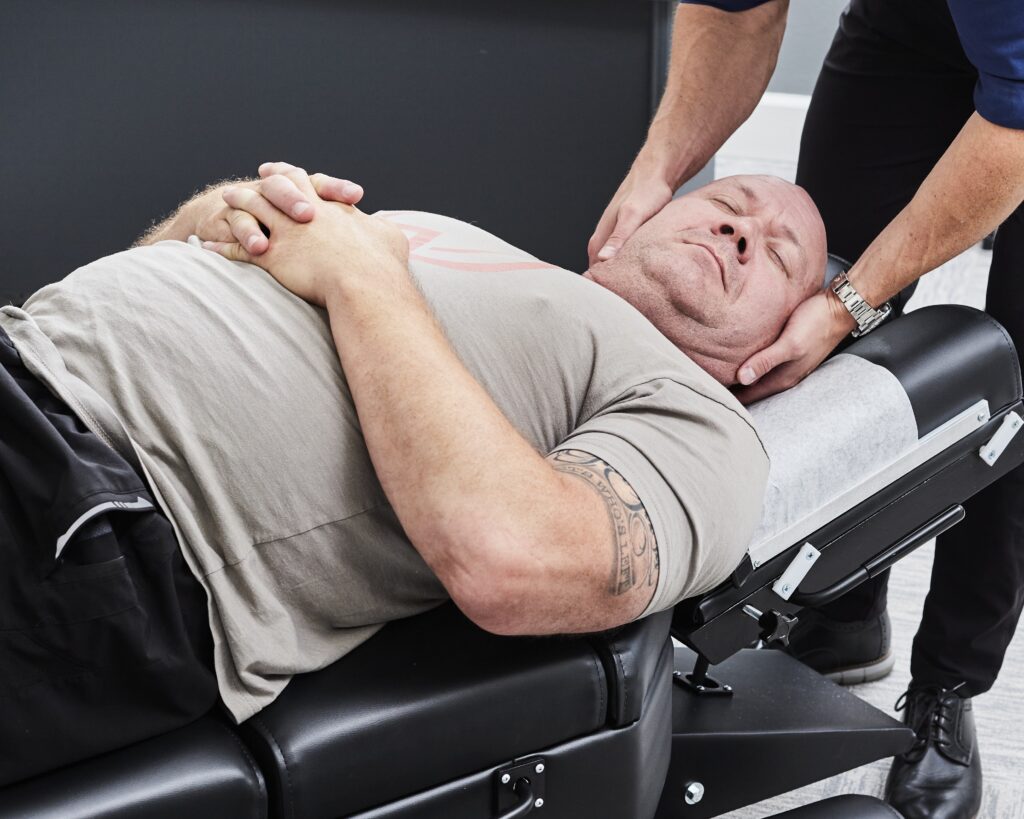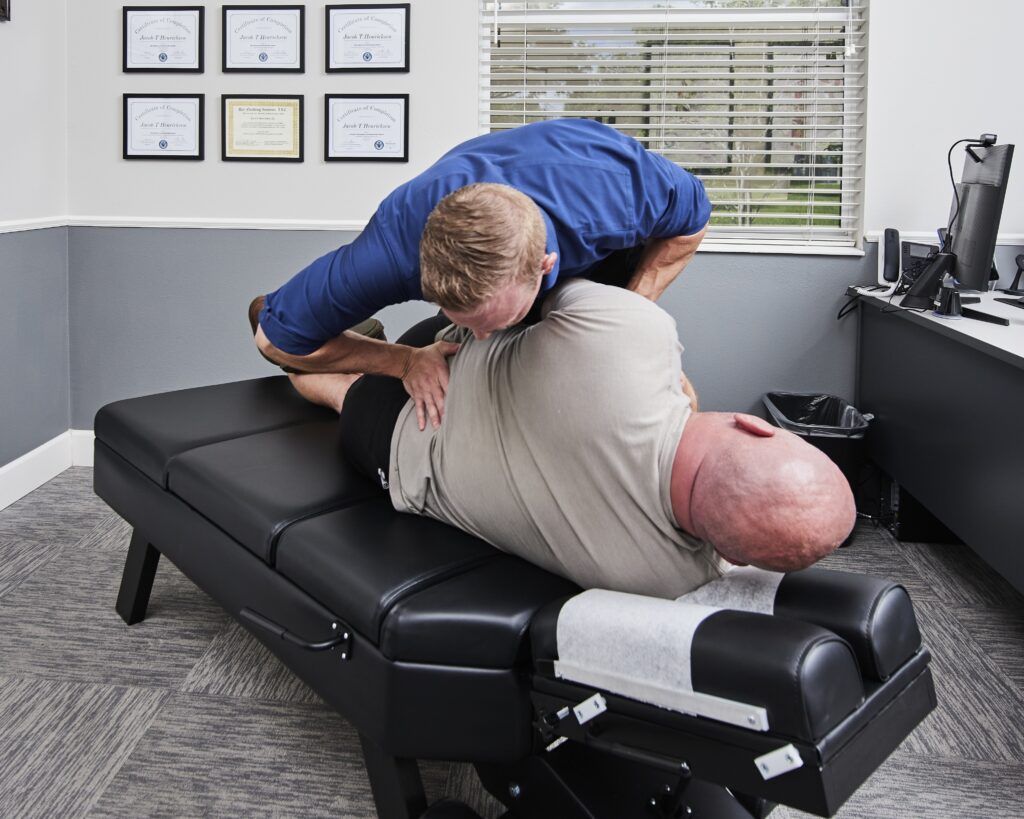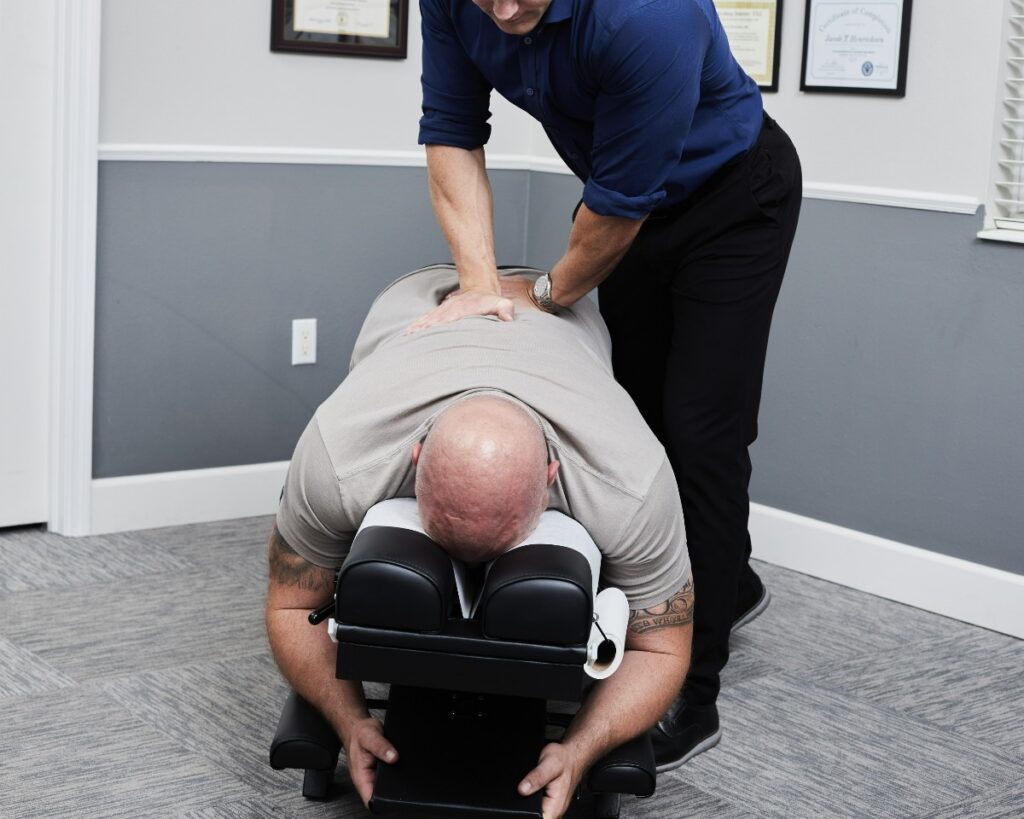

As a local chiropractor dedicated to your health and well-being, I want to emphasize the importance of improving your posture and alleviating back pain naturally. Many of you may not be aware of how your daily habits can significantly impact your comfort and overall quality of life. Poor posture can lead to a range of issues, including chronic pain and reduced mobility, which can be detrimental to your daily activities.
I encourage you to consider the ways in which you can take control of your posture and overall spinal health. By incorporating effective exercises, practicing mindfulness, and making ergonomic adjustments in your environment, you can begin your journey toward better alignment and pain relief.
So, what are some of the best strategies to help you improve your posture? Let’s explore some simple yet effective techniques that I can guide you through, ensuring you feel supported on your path to a healthier, pain-free life. Your well-being is my priority, and together, we can achieve lasting results through natural healing methods.
Understanding the Importance of Posture
As a local chiropractor, I want to emphasize the often-overlooked significance of posture in achieving and maintaining your overall health. Many individuals underestimate how crucial posture is, but it plays a vital role in your body’s well-being.
When you practice good posture, you help align your spine, which alleviates unnecessary strain on your muscles and ligaments. By sitting or standing correctly, you can significantly reduce the likelihood of experiencing discomfort or pain in areas such as your back, neck, and shoulders.
Moreover, maintaining proper posture can have a positive impact on your breathing. When your body is aligned, your lungs can expand fully, which enhances oxygen flow throughout your body. This can lead to increased energy levels and improved overall function.
As your chiropractor, I’m here to guide you in understanding how proper posture not only supports your skeletal structure but also contributes to your overall health and well-being. Together, we can work on developing habits that foster better posture and, consequently, a healthier you.
Common Causes of Poor Posture
As a chiropractor dedicated to your health, I want to help you understand the various factors that contribute to poor posture, so we can work together towards improvement. One of the most significant contributors is prolonged sitting—whether it’s hunched over a computer at work or lounging on the couch at home. This habit can lead to muscle imbalances and weakness in the long run, affecting your overall spinal health.
Another common issue is carrying heavy bags on one shoulder. This uneven load can place extra stress on your spine, which can worsen your posture over time.
Don’t underestimate the impact of your footwear, either; shoes without proper arch support can cause you to unconsciously adjust your stance, leading to further alignment problems.
Stress is another underlying factor that many people overlook. It can create tension in your shoulders and neck, making it difficult to maintain proper alignment.
Additionally, a sedentary lifestyle can weaken the muscles that support your spine, contributing to poor posture.
By understanding these factors, we can take proactive steps to address them. Together, we can implement strategies to improve your posture and promote a healthier back, enhancing your overall well-being.
The Connection Between Posture and Back Pain
As your local chiropractor, I want to emphasize the crucial role that posture plays in maintaining a healthy back.
Many of you may not realize that poor posture, such as slouching or sitting incorrectly, can lead to muscle imbalances and place excess strain on your spine.
By understanding the connection between your posture, ergonomics, and back pain, you can make informed choices that promote better spinal health.
I encourage you to pay attention to how you sit, stand, and move throughout your day, as these habits can significantly impact your overall well-being.
Together, we can work towards a more balanced and pain-free life through natural healing methods.
Poor Posture Consequences
As a local chiropractor, I want to share some important insights about the impact of posture on your health. Many people may not realize that slouching or hunching over can lead to more than just an unattractive appearance; it can significantly contribute to back pain and other discomforts.
Your spine is designed to function optimally when it’s properly aligned, and when it isn’t, the consequences can be serious. When your posture is poor, it can result in muscle tension that makes even the simplest daily tasks feel challenging.
Additionally, improper posture places undue stress on your ligaments and spinal discs, which can increase your risk of injuries. Over time, these issues can develop into chronic pain, affecting not just your back, but your overall well-being.
Understanding the connection between your posture and discomfort is the first step toward taking control of your health. By improving your alignment, you can alleviate pain and enhance your quality of life.
Muscle Imbalance Factors
As a local chiropractor, I want to take a moment to explain how muscle imbalances can significantly contribute to back pain, an issue many of my patients face.
Often, these imbalances are rooted in our daily habits and postures. When certain muscles become tight and overactive, they can cause others to weaken and underperform, resulting in an unbalanced body. For example, tight hip flexors can pull your pelvis forward, which places additional strain on your lower back. On the other hand, if your abdominal muscles are weak, they may not provide the necessary support for your spine.
This muscle imbalance not only disrupts your posture but also heightens your risk of injury.
As part of your journey towards better health, I encourage you to focus on strengthening those weaker muscles while also stretching those that are tight. By incorporating targeted exercises into your routine, you can help restore balance, improve your posture, and ultimately alleviate back pain.
Taking proactive steps now can lead to lasting relief and a healthier spine. Remember, it’s never too late to start taking care of your body.
If you have any questions or need guidance on specific exercises, feel free to reach out. Together, we can work towards a pain-free and healthier you!
Ergonomics and Alignment
As a chiropractor, I often see how muscle imbalances can arise from poor ergonomics and alignment in your everyday activities.
When you sit or stand incorrectly, your body compensates in ways that can lead to tension in certain muscles while others become weaker. Over time, this imbalance can result in chronic back pain.
To enhance your posture, I encourage you to assess your workspace setup. Ensure that your chair provides support for your lower back, and position your computer screen at eye level to avoid straining your neck.
When you’re standing, aim to distribute your weight evenly on both feet. These simple adjustments can significantly improve how your body feels.
Moreover, it’s essential to take regular breaks to stretch and reset your alignment. This practice can help alleviate discomfort and promote a healthier posture.
By prioritizing proper ergonomics, you can’t only reduce your back pain but also enhance your overall well-being.
Effective Exercises for Posture Improvement
As a local chiropractor, I want to help you understand the importance of posture and how it can significantly impact your overall health. Incorporating specific exercises into your routine is a vital step toward improving your posture and alleviating back pain.
Let’s start with planks. This exercise is fantastic for strengthening your core, which plays a crucial role in supporting your spine. I recommend starting with 30 seconds to a minute, and as you become more comfortable, gradually increase your duration.
Next, consider trying wall angels. Stand against a wall and move your arms up and down while keeping your back flat. This exercise helps open up your shoulders and chest, which is essential for maintaining good posture.
Another beneficial exercise is the bird-dog. Get on all fours and extend one arm and the opposite leg. This movement enhances balance and core stability, both of which are vital for proper alignment.
Lastly, don’t overlook the bridge exercise. This one is excellent for activating your glutes and lower back. Aim for three sets of 10-15 repetitions to get the most benefit.
By consistently practicing these exercises, you’ll be strengthening the muscles that support good posture. This, in turn, can alleviate back pain and improve your overall alignment.
Stretching Techniques to Alleviate Tension
As a local chiropractor, I want to emphasize the importance of stretching techniques in alleviating tension and improving your overall posture. Many of my patients have found that incorporating regular stretching into their daily routine can significantly enhance flexibility and relieve tightness in their bodies, making it easier to maintain proper alignment.
Here are four effective stretches that I recommend:
- Neck Stretch: To alleviate neck tension, gently tilt your head toward one shoulder, holding the position for 15-30 seconds on each side. This simple stretch can help release tightness that often contributes to discomfort.
- Shoulder Rolls: To promote shoulder mobility, roll your shoulders in a circular motion—first forward for 10 repetitions, and then backward for another 10. This exercise can help reduce stiffness and improve range of motion.
- Cat-Cow Stretch: While on all fours, alternate between arching your back like a cat and dropping your belly while lifting your head, flowing through this for 10 breaths. This dynamic stretch enhances spinal flexibility and can be particularly beneficial for those with back tension.
- Hamstring Stretch: For lower back relief, sit with one leg extended in front of you, and gently reach toward your toes. Hold this position for 15-30 seconds. This stretch targets the hamstrings, which can influence lower back tightness.
By incorporating these stretching techniques into your daily routine, you can support better posture and reduce discomfort over time.
Mindfulness Practices for Better Body Awareness
As a local chiropractor, I want to emphasize the importance of body awareness for supporting better posture and overall physical health.
One effective way to enhance this awareness is through mindfulness practices. Techniques such as body scan meditation, focused breathing, and mindful movement can help you connect with your body, allowing you to identify areas of tension and discomfort.
By incorporating these mindfulness practices into your daily routine, you can cultivate a greater sense of presence and attentiveness to your body’s needs.
This heightened awareness not only promotes better posture but also contributes to your overall well-being.
Body Scan Meditation
As a chiropractor, I often see how many individuals neglect the significance of body awareness in their overall health. One powerful method to enhance your physical understanding is through body scan meditation. This technique can help you tune into your body, promoting relaxation and alleviating discomfort, which is crucial for optimal spinal health.
Here’s how you can begin incorporating this practice into your routine:
- Find a Comfortable Position: Whether lying down or sitting, choose a quiet space free from distractions. This will allow your body to settle and prepare for the meditation.
- Close Your Eyes: Take a moment to focus on your breath. Deep, intentional breathing helps signal your body to relax, which can complement the adjustments we make in chiropractic care.
- Scan Your Body: Start at your toes and gradually move upward. Pay attention to any sensations, tightness, or areas of discomfort you may notice. This awareness can provide insights into where you might be holding tension, which could be affecting your posture and overall well-being.
- Acknowledge and Release: As you identify these sensations, accept them without judgment. Allow yourself to let go of any tension you feel, which can support the healing process we aim for in chiropractic adjustments.
Breathing Techniques
As a chiropractor, I want to share with you the importance of breathing techniques in enhancing your body awareness and promoting relaxation. Focusing on your breath is a powerful way to tune into your body’s signals, helping you recognize areas of tension and improve your posture, which is crucial for your overall health.
Let’s start with a simple yet effective technique: deep, diaphragmatic breathing. Begin by inhaling deeply through your nose, allowing your abdomen to expand fully. Then, exhale slowly through your mouth. This method not only calms your nervous system but also encourages mindfulness, which is essential for maintaining a balanced body.
I recommend practicing this breathing technique for just a few minutes each day. Pay attention to how it affects your body awareness. As you breathe, visualize releasing tension in your back and shoulders.
Over time, incorporating these practices can lead to improved posture and reduced back pain, helping you feel more comfortable and aligned.
Mindful Movement Practices
As a local chiropractor, I want to emphasize the importance of connecting with your body through mindful movement practices, especially if you’re dealing with discomfort or pain.
These techniques can complement chiropractic care by enhancing your body’s awareness and promoting overall well-being. By incorporating mindful movement into your routine, you can improve your posture, flexibility, and ultimately, your quality of life.
Here are four effective techniques I recommend:
- Yoga: This practice focuses on gentle stretches and poses that help align your body while building strength. It’s a fantastic way to relieve tension and promote flexibility.
- Tai Chi: Known for its slow and flowing movements, Tai Chi helps cultivate balance and coordination. It’s a gentle way to enhance your body’s stability while reducing stress.
- Qigong: This practice involves dynamic movements that emphasize breath and energy flow, which can significantly reduce tension in your body. It’s about harmonizing your mind and body for improved health.
- Walking Meditation: This technique encourages you to walk slowly and mindfully, paying attention to each step and the sensations in your body. It’s a simple yet powerful way to enhance your awareness and connect with your physical self.
Integrating these mindful movement practices into your daily routine can greatly enhance the benefits of chiropractic care, fostering greater body awareness and contributing to long-term relief from back pain.
Ergonomic Adjustments for Work and Home
As a local chiropractor, I want to help you understand the importance of maintaining a healthy posture and how making ergonomic adjustments in your work and home environments can significantly reduce back pain.
Let’s start with your workspace. It’s crucial that your chair provides adequate support for your lower back. Make sure your feet are flat on the floor, which helps promote proper alignment. Adjusting your desk height so that your elbows form a 90-degree angle while typing is another important step. Positioning your computer screen at eye level is essential to avoid unnecessary neck strain.
Now, let’s talk about your home environment. Pay attention to your seating arrangements. It’s best to use firm chairs that encourage good posture instead of slouching on soft couches. When you’re watching TV or reading, use cushions or lumbar rolls to support your back and maintain a healthy position.
Additionally, it’s important to keep frequently used items within easy reach. This helps prevent twisting and bending, which can lead to discomfort.
By implementing these simple adjustments, you can create a more comfortable environment that not only helps you maintain better posture but also alleviates back pain. By prioritizing these changes, you’re taking significant steps toward a healthier, more productive lifestyle.
The Role of Strengthening Core Muscles
As a local chiropractor, I want to emphasize the importance of strengthening your core muscles for not only enhancing your posture but also for alleviating back pain.
These core muscles play a crucial role in supporting your spine and maintaining balance, which makes daily activities safer and more manageable.
Let’s discuss some effective exercises that can help you develop a stronger core, ultimately contributing to your overall health and well-being.
Understanding how to care for your body naturally can lead to lasting improvements and a more active lifestyle.
Core Muscle Importance
As a local chiropractor, I want to emphasize the critical role of a strong core in promoting overall health and wellness. Your core serves as the foundation for your entire body, providing essential support to your spine and helping you maintain proper posture.
By prioritizing core strength, you can experience numerous benefits that enhance your quality of life. Here are four key reasons why core muscles are essential:
- Stability: A robust core stabilizes your body, which is crucial for maintaining balance and coordination in your daily activities.
- Injury Prevention: By strengthening your core, you can significantly reduce the risk of injuries, particularly in the back and joints, allowing you to stay active and mobile.
- Improved Performance: Whether you’re engaging in exercise or simply performing everyday tasks, a strong core boosts your efficiency and power, making movements smoother and more effective.
- Posture Support: A well-developed core enables you to sit and stand with better posture, minimizing strain on your spine and helping to alleviate discomfort.
At our practice, we believe that focusing on your core isn’t just about aesthetics; it’s a vital step towards a healthier, pain-free life.
Exercises for Strengthening
As a local chiropractor, I often see patients who may not fully appreciate the vital role that core exercises play in maintaining a healthy spine and overall well-being.
Strengthening your core is essential, as it stabilizes your spine and can significantly reduce the risk of back pain. Simple yet effective exercises, such as planks, bridges, and bird-dogs, require no special equipment and can easily be included in your daily routine.
I encourage you to engage your core during everyday activities, whether you’re standing, sitting, or even walking. This practice not only builds awareness but also strengthens your core muscles over time.
In addition, exploring Pilates or yoga can be incredibly beneficial. Both disciplines focus on enhancing core stability while also improving flexibility, which is crucial for maintaining a healthy spine.
Remember, consistency is key. I recommend you aim to perform core-strengthening exercises at least three times a week.
By prioritizing your core strength, you can expect to see improvements in your posture, a reduction in back pain, and enhanced physical performance in your daily life.
Together, we can work towards a healthier, pain-free lifestyle through the power of natural healing and chiropractic care.
Daily Habits to Foster Good Posture
As a local chiropractor, I want to share some essential habits that can help you maintain good posture throughout your day.
These simple adjustments can make a significant difference in your spinal health and overall well-being. Here are four daily practices I recommend:
- Optimize Your Workspace: It’s crucial to create an ergonomic environment. Adjust your chair and desk so that your feet are comfortably flat on the ground, and your computer screen is at eye level. This helps prevent unnecessary strain on your neck and back.
- Incorporate Regular Breaks: Make it a point to stand up and stretch every hour. Movement is vital for relieving tension and resetting your posture. Even a few minutes of walking or stretching can significantly impact your spinal alignment.
- Practice Body Awareness: Take a moment throughout the day to check in with your body. Focus on tucking your chin, rolling your shoulders back, and engaging your core muscles. Being mindful of your posture can prevent the development of poor habits that may lead to discomfort.
- Choose Supportive Footwear: The shoes you wear play a significant role in your posture. Opt for footwear that provides good arch support. This can help maintain proper alignment and reduce strain on your back, contributing to better overall posture.
By integrating these habits into your daily routine, you can foster better posture and support your spine’s health.
If you have any questions about how chiropractic care can further enhance your well-being, feel free to reach out!
When to Seek Professional Help
As a local chiropractor, I often encounter patients who are unsure when to seek professional help for back pain or posture issues. If your discomfort lingers for more than a few days or seems to worsen despite your self-care efforts, it’s a clear indication that it’s time to consult with a healthcare professional like myself.
Be on the lookout for red flags such as numbness, tingling, or weakness in your legs—these could suggest that your nerves are involved and need immediate attention.
Additionally, if your back pain interferes with your daily activities or disrupts your sleep, please don’t hesitate to reach out for assistance.
If you have experienced back pain following an injury or trauma, it’s crucial to seek help right away to rule out any serious conditions. Remember, being cautious is key to your well-being.
As a chiropractor, I specialize in natural healing methods and can provide personalized guidance to address your specific needs.
During your visit, I’ll assess your posture, identify any underlying issues, and recommend effective treatments tailored just for you.
It’s important not to ignore persistent pain—taking proactive steps can prevent further complications and empower you to take charge of your health. Your journey to relief and wellness is just a consultation away!
Conclusion
As a local chiropractor, I want to emphasize the importance of posture in maintaining a healthy spine and alleviating back pain naturally. By focusing on your posture and integrating exercises, stretching, and ergonomic adjustments into your daily routine, you can significantly improve your well-being and reduce discomfort.
Strengthening your core is essential; it provides the support your spine needs. I encourage you to stay mindful of your movements throughout the day, whether you’re sitting at a desk or lifting objects. Making simple changes in your workspace can also promote better posture and reduce strain on your back.
If you find that you’re still experiencing discomfort despite these efforts, please don’t hesitate to reach out for professional help. Chiropractic care can provide targeted support and guidance tailored to your specific needs. Remember, prioritizing your spinal health is key to leading a pain-free and active life!