
When you're dealing with back pain, a one-size-fits-all approach often doesn't cut it. Personalized plans can target your specific needs by considering your medical history, daily habits, and the nature of your discomfort. This tailored strategy might include specialized exercises, ergonomic changes, and effective pain management techniques. But how exactly does this customization lead to tangible relief? Understanding the components of these plans can reveal insights that may change your perspective on managing back pain effectively.
Understanding Back Pain
Back pain can sneak up on you, often leaving you puzzled about its origins. It might start as a dull ache or a sharp stab, but whatever form it takes, understanding the underlying causes is essential. You may find that your back pain stems from various factors, including poor posture, muscle strain, or even an injury from an activity you thought was harmless.
Your daily habits play a significant role in your back health. If you spend hours hunched over a computer, you're likely straining your back muscles and spine. Similarly, if you neglect regular exercise, those muscles can weaken, increasing your risk for pain.
Sometimes, the issue can be more complex, like herniated discs or degenerative conditions, which require a deeper understanding of your body. It's also important to recognize that stress can contribute to back pain. When you're anxious or tense, your body tenses up, leading to discomfort and pain. You mightn't even connect your stress levels to your back issues, but they can be intricately linked.
Moreover, your age and overall health play a part in your back pain. As you age, the spine changes, and the risk of conditions that cause discomfort increases. By paying attention to these factors, you can gain insight into your back pain and take proactive steps to manage it effectively.
Understanding the root causes of your back pain empowers you to seek the right solutions.
The Importance of Personalization
Personalization is key when it comes to managing back pain effectively. Each person's experience with back pain is unique, influenced by factors like lifestyle, physical condition, and personal preferences. A one-size-fits-all approach simply won't cut it. By tailoring your plan to your specific needs, you're more likely to find relief and improve your overall quality of life.
When you embrace personalization, you start to focus on what works best for you. This could mean identifying specific exercises that strengthen your core, choosing the right type of physical therapy, or even selecting appropriate pain management techniques. It's about recognizing that your body reacts differently than someone else's, so it's vital to listen to it.
Furthermore, personalized plans encourage you to set realistic goals based on your unique situation. You're more motivated to stick with a program that takes your individual challenges into account. As you celebrate your progress, whether it's increased flexibility or reduced pain levels, you'll find that staying committed becomes much easier.
Additionally, personalized plans often incorporate your feedback, allowing for adjustments along the way. This dynamic approach guarantees that as your condition evolves, your plan does too. You're not stuck in a rigid framework; instead, you have the flexibility to adapt as needed.
Components of a Personalized Plan
Creating an effective personalized plan for back pain involves several key components that address your unique needs.
First, evaluating your medical history and current condition is essential. This includes understanding any previous injuries, surgeries, or chronic issues that could affect your back pain. You'll want to work closely with a healthcare professional to gather this information.
Next, it's important to identify your lifestyle factors. Consider your daily activities, work environment, and exercise habits. These elements can considerably influence your back pain and need to be factored into your plan.
If you spend long hours sitting at a desk, for example, you may need strategies to improve your posture and ergonomics.
Another critical component is setting realistic goals. Think about what you want to achieve with your personalized plan. Whether it's reducing pain, increasing mobility, or enhancing overall wellness, having clear goals will help guide your approach and keep you motivated.
Moreover, incorporating nutrition and hydration into your plan can support your overall health and healing process. A balanced diet rich in anti-inflammatory foods can make a difference in how you feel.
Finally, regular check-ins and adjustments are necessary to guarantee your plan continues to meet your needs. As your condition evolves, so should your approach to managing back pain.
Targeted Exercises for Relief
Incorporating targeted exercises into your personalized plan can greatly enhance your journey toward back pain relief. These exercises focus on strengthening the muscles that support your spine, improving flexibility, and promoting better posture. When you engage in movements specifically designed to address your pain, you're not just masking the issue; you're tackling it head-on.
Start by consulting with a healthcare professional to identify the root cause of your back pain. Once you have that information, you can select exercises tailored to your needs. For instance, if you experience stiffness in your lower back, gentle stretches like the cat-cow pose or child's pose can help improve flexibility. If your pain stems from weak core muscles, consider incorporating planks or bridges into your routine. These exercises target the abdominal and back muscles, providing much-needed support for your spine.
Consistency is key. Aim to perform these targeted exercises several times a week, gradually increasing the intensity as your strength and flexibility improve. Remember to listen to your body; if an exercise causes pain, stop immediately and consult your healthcare provider.
In addition to easing your current discomfort, targeted exercises can help prevent future episodes of back pain. By building a strong foundation around your spine, you're less likely to suffer from injuries or strains that can lead to chronic pain.
Embrace this proactive approach, and you'll be well on your way to achieving lasting relief.
Lifestyle Adjustments That Help
To effectively manage your back pain, consider making some key lifestyle adjustments.
Setting up an ergonomic workstation, incorporating regular stretching and strengthening exercises, and maintaining proper posture can considerably improve your comfort and mobility.
These changes not only help relieve pain but also promote long-term health for your back.
Ergonomic Workstation Setup
An ergonomic workstation setup is vital for preventing and alleviating back pain, especially for those who spend long hours at a desk. Start by adjusting your chair to support your lower back. Your feet should rest flat on the floor, or on a footrest, with your knees at a 90-degree angle. The backrest should conform to the curve of your spine, promoting good posture.
Next, position your computer monitor at eye level, about an arm's length away. This helps reduce neck strain and encourages you to sit up straight. Keep your keyboard and mouse close enough so you don't have to reach; your elbows should be at a 90-degree angle, too.
Lighting is also important. Confirm your workspace is well-lit to avoid straining your eyes, which could lead to tension in your neck and back.
Finally, consider using a standing desk or alternating between sitting and standing throughout the day to keep your body engaged and reduce stiffness. Implementing these ergonomic adjustments can greatly improve your comfort and productivity, making it easier to maintain a healthy posture while you work.
Stretching and Strengthening Exercises
While many people focus on ergonomic setups to combat back pain, integrating stretching and strengthening exercises into your daily routine can greatly enhance your overall well-being.
Stretching helps increase flexibility and blood flow to your muscles, reducing tension and stiffness. Simple stretches like toe touches, cat-cow poses, and seated spinal twists can easily be done at home or during breaks at work. Aim for at least 10 minutes of stretching each day.
In addition to stretching, incorporating strengthening exercises is vital. Focus on your core, as strong abdominal and back muscles provide support for your spine. Exercises like planks, bridges, and bird-dogs can effectively build this strength. Start with low repetitions and gradually increase as you become more comfortable.
Remember to listen to your body. If you feel pain while performing any exercise, it's a sign to stop and reassess.
Consistency is key; aim for a balanced routine that includes both stretching and strengthening exercises at least three times a week. This commitment can greatly reduce your back pain and improve your overall posture, leading to a healthier, more active lifestyle.
Proper Posture Awareness
Maintaining proper posture throughout your day can greatly alleviate back pain and promote overall spinal health.
It's vital to be mindful of how you sit, stand, and move. Poor posture can lead to muscle strain and discomfort, making awareness a significant component of your daily routine.
Here are some tips to improve your posture:
- Sit Properly: Keep your feet flat on the floor, your knees at a 90-degree angle, and your back straight against the chair.
- Stand Tall: Distribute your weight evenly on both feet and keep your shoulders back and relaxed.
- Use Support: When sitting for long periods, consider using lumbar support or cushions to maintain the natural curve of your spine.
- Take Breaks: Stand up, stretch, and walk around every 30 minutes to prevent stiffness and promote circulation.
Specialized Therapies Explained
Many individuals suffering from back pain find that specialized therapies can provide significant relief tailored to their unique needs. These therapies often address the root causes of pain rather than just masking symptoms. When you explore specialized treatments, you'll discover a variety of options designed to suit your specific condition.
One popular approach is physical therapy, where a trained therapist guides you through exercises that strengthen your back muscles, improve flexibility, and enhance overall posture. This hands-on approach can be essential for developing a personalized exercise regime that fits your lifestyle.
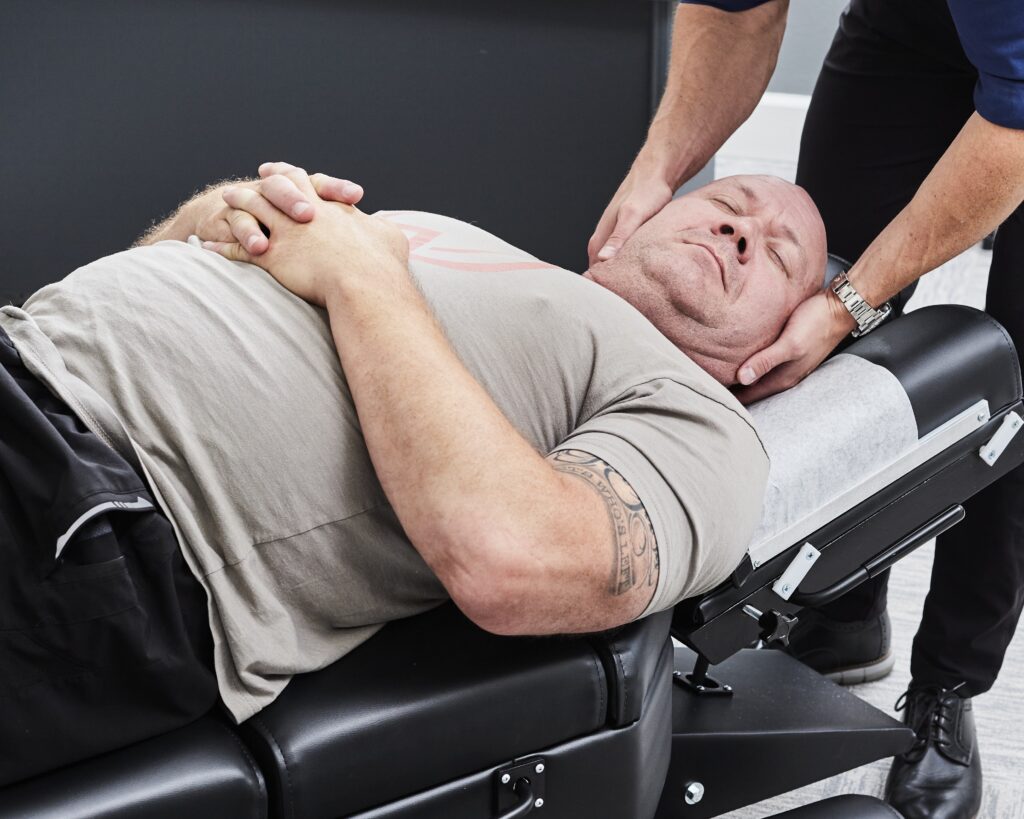
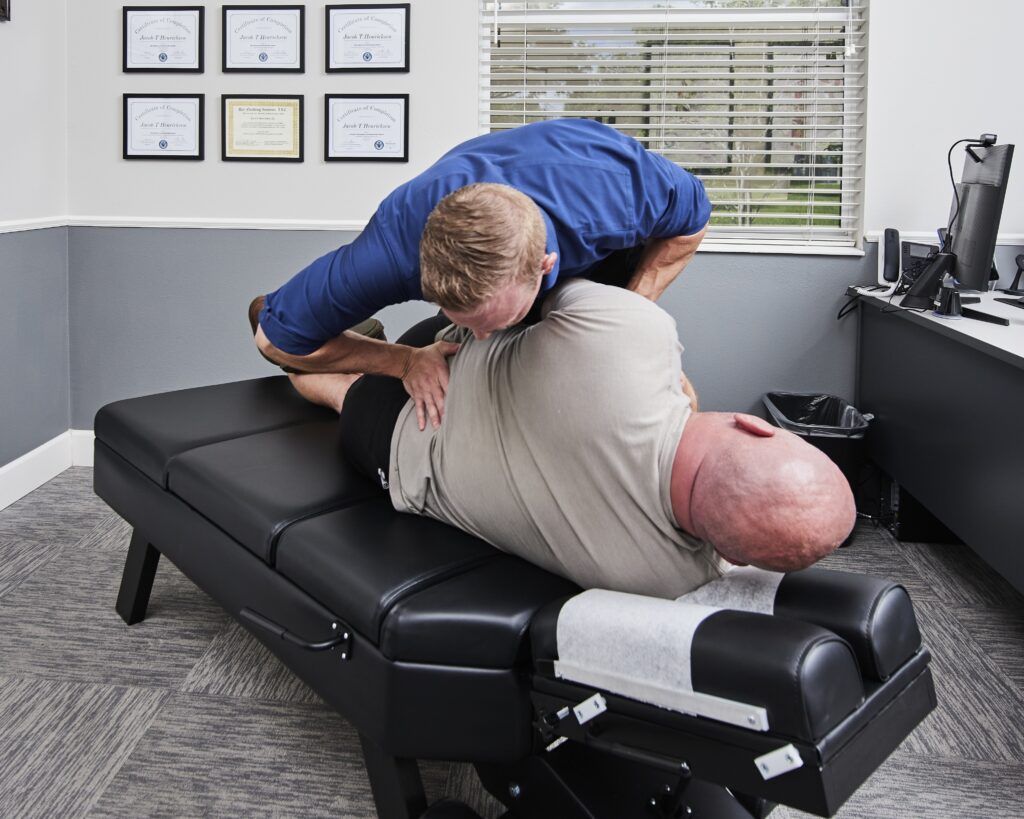
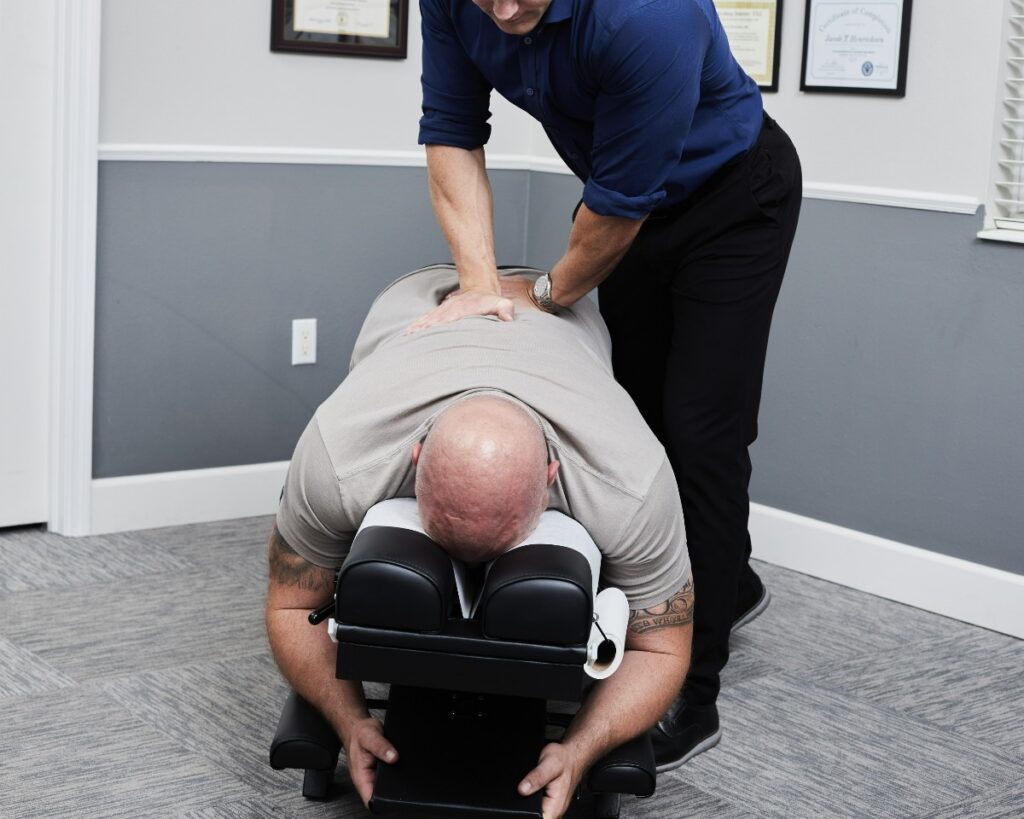
Chiropractic care is another effective option. Chiropractors use spinal manipulation to align your spine, helping to relieve pressure on nerves and reduce pain. Many people experience immediate relief from adjustments, making this a favored choice for back pain.
Acupuncture, an ancient practice, involves inserting thin needles into specific points on your body. It's believed to stimulate your body's natural healing processes and can be particularly beneficial for chronic pain. If you're open to alternative therapies, this might be worth considering.
Massage therapy also plays a significant role in pain relief. By targeting tense muscles, a skilled massage therapist can help reduce discomfort and promote relaxation.
Ultimately, the key is to find a specialized therapy that resonates with you. By working closely with healthcare professionals, you can develop a thorough treatment plan that effectively addresses your back pain.
Case Studies and Success Stories
Let's explore some inspiring case studies that showcase real-life transformations from back pain.
These stories highlight how tailored treatment plans can lead to remarkable outcomes for diverse patients.
You'll see firsthand the impact personalized approaches can have on everyday lives.
Real-Life Transformations
Transforming your life is possible, as evidenced by countless individuals who've tackled back pain head-on. Their journeys showcase how personalized plans have made a significant difference in their daily lives. You might be surprised to learn how tailored approaches can lead to remarkable transformations.
Here are a few inspiring examples:
- John, a 45-year-old construction worker, found relief through targeted exercises and ergonomic adjustments, allowing him to return to work pain-free.
- Lisa, a busy mom of three, used a personalized stretching routine to alleviate chronic pain, enabling her to enjoy activities with her kids again.
- Mark, an office employee, discovered the importance of posture correction and strength training, which helped him eliminate his debilitating back pain and improve productivity.
- Sarah, a yoga enthusiast, integrated specific poses recommended by her therapist, leading to significant pain reduction and deeper relaxation.
These real-life transformations prove that with the right plan, you can take control of your back pain.
Tailored Treatment Outcomes
Personalized treatment plans not only inspire change; they also yield tangible outcomes that can markedly improve your quality of life.
Take Sarah, for instance. After suffering from chronic back pain for years, she sought a tailored program that considered her lifestyle, profession, and physical condition. Within weeks, she noticed significant improvements. Targeted exercises and ergonomic adjustments in her workspace helped her regain mobility and reduce discomfort.
Then there's Mark, an avid runner who faced debilitating pain that sidelined him from his passion. A customized plan focused on strengthening core muscles and enhancing flexibility enabled him to return to running. His treatment included specific stretches and strength-training routines that perfectly matched his needs.
Today, he runs longer distances without pain.
These case studies underline the importance of individualized approaches. You're not just a number; your unique circumstances shape your treatment. When plans are designed with you in mind, the outcomes can be life-changing.
You'll not only alleviate pain but also rediscover activities you love. With the right personalized plan, you can reclaim control and enhance your overall well-being, just like Sarah and Mark.
Diverse Patient Experiences
Many people find that sharing their experiences with back pain can offer hope and guidance to others facing similar challenges.
You might be surprised at how diverse these experiences can be, with each person's story highlighting unique paths to recovery.
Consider the following case studies:
- Emily: After years of chronic pain, she embraced a personalized plan combining physical therapy and mindfulness, leading to significant improvements in her daily life.
- Mike: He struggled with herniated discs but found relief through a tailored exercise regimen that focused on core strengthening and flexibility.
- Samantha: With her customized nutrition plan, she discovered that reducing inflammation helped alleviate her back pain, transforming her overall well-being.
- James: By integrating cognitive behavioral therapy with his physical treatments, he not only managed his pain but also rebuilt his confidence.
These diverse patient experiences illustrate that personalized plans can address individual needs effectively, inspiring you to explore options that may work for your back pain.
Conclusion
To sum up, personalized plans are key to effectively relieving back pain. By addressing your unique needs through targeted exercises, lifestyle adjustments, and specialized therapies, you can take control of your pain management. Remember, everyone's journey is different, and what works for one person may not work for another. Stay committed to your plan, track your progress, and celebrate your victories, no matter how small. With the right approach, you can enhance your flexibility and enjoy a better quality of life.