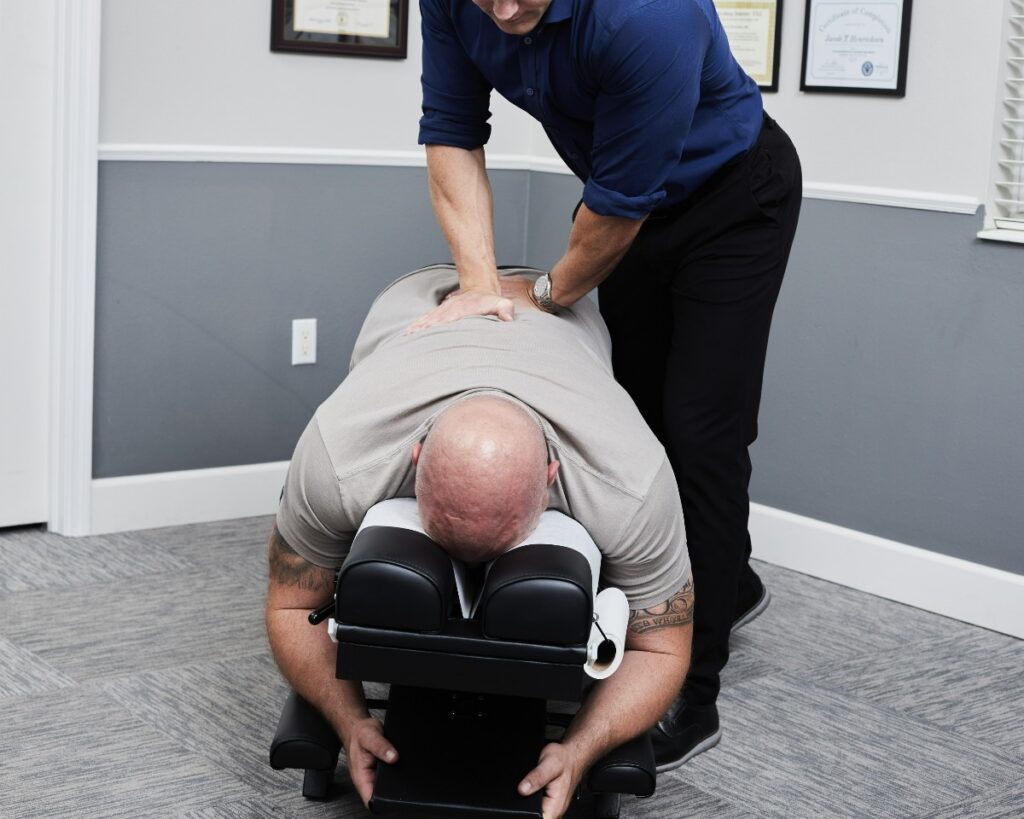

When navigating the challenges of ADHD in children, it's important to understand how chiropractic care can make a positive impact. As a chiropractor, I focus on assessing each child's unique needs and creating personalized care plans that not only address their symptoms but also support their overall well-being. Chiropractic adjustments can help improve nervous system function, which may lead to better focus and behavior in children with ADHD.
Moreover, my role extends beyond just spinal adjustments; I collaborate with families and educators to establish effective strategies that promote a holistic approach to managing ADHD. While the benefits of chiropractic care might not always be immediately evident, the long-term advantages for a child's health and development can be significant. So, what specific chiropractic strategies can truly enhance a child's experience with ADHD? Let's explore how natural healing can support your child's journey.
Understanding ADHD in Children
Understanding ADHD in children is crucial for anyone looking to support their well-being, including those of us in the chiropractic field. As a chiropractor, I often emphasize the importance of holistic health, which includes understanding conditions like ADHD.
Children with ADHD frequently exhibit core characteristics such as difficulties with attention, hyperactivity, and impulsivity. These behaviors can manifest in various ways, such as challenges in focusing on tasks, excessive talking, or acting without thinking. It's vital to recognize that these aren't just typical childhood behaviors; they're symptoms of a neurodevelopmental disorder that can greatly affect a child's daily life.
In my practice, I've seen how children with ADHD may struggle to follow instructions or complete homework. Their minds often wander during class, making it difficult for them to absorb information. It's important to remember that this isn't a reflection of willpower or laziness; rather, their brains process information differently. This difference can lead to frustration for both the child and their caregivers.
Hyperactivity is another significant aspect of ADHD that I come across. You may observe that your child seems to have an abundance of energy, fidgeting or frequently needing to get up and move around. While many children can sit still and concentrate, those with ADHD often find it challenging, which can disrupt their learning and social interactions.
Impulsivity is also a common challenge. You might notice your child interrupting others or making quick decisions without fully considering the consequences. This impulsivity can hinder their ability to build strong relationships with peers and adults, which is an essential part of their development.
As a chiropractor, I believe in a holistic approach to health. Understanding ADHD can help us create tailored strategies that support your child's nervous system and overall well-being. By addressing physical and emotional health, we can work together to help your child thrive.
Role of Pediatric Care
In pediatric chiropractic care for children with ADHD, comprehensive health assessments are crucial for understanding each child's individual needs.
By collecting detailed information, we can collaborate with your child's healthcare team to develop personalized treatment plans that target their specific challenges.
This natural approach ensures that your child receives optimal support, focusing on their overall well-being and development.
Through gentle adjustments and holistic techniques, we aim to enhance their health and improve their quality of life.
Comprehensive Health Assessments
Conducting thorough health assessments is crucial for effectively managing conditions like ADHD in children through chiropractic care. These assessments go beyond merely evaluating symptoms; they provide a holistic view of your child's overall health and well-being.
As a chiropractor, I take the time to evaluate not just the physical aspects but also how your child's nervous system is functioning, which can significantly influence ADHD symptoms.
During these evaluations, I'll review your child's medical history, observe their behavior, and assess their developmental milestones. By gathering this comprehensive information, I can better understand your child's unique needs and identify any underlying issues that may be contributing to their challenges, such as stress or tension in the body.
You will have the opportunity to discuss any concerns you may have about your child's health, ensuring that we consider every relevant detail.
Additionally, regular assessments allow us to monitor your child's progress over time. This ongoing evaluation helps us see how well our chiropractic interventions are working, so we can adjust our strategies as needed.
It's important to keep in mind that every child is different; what works for one may not work for another. Through personalized care and consistent monitoring, we can support your child's journey towards optimal health and well-being naturally.
#
Tailored Treatment Plans
Tailored treatment plans are essential for effectively addressing the unique needs of children with ADHD, and as a local chiropractor, I want to share how chiropractic care can play a significant role in this process. When you consult with a chiropractor, we take the time to assess your child's specific symptoms, strengths, and challenges. This individualized approach ensures that the treatment aligns with your child's unique situation, maximizing their chances for success.
Chiropractic care often includes a combination of spinal adjustments, lifestyle recommendations, and exercises tailored to your child's needs. Regular follow-ups are crucial, as they allow us to monitor your child's progress and make any necessary adjustments to the treatment plan.
It's important to recognize that what works for one child may not be effective for another, which is why a personalized strategy is critical in chiropractic care.
Additionally, involving parents, educators, and other caregivers in the treatment process can significantly enhance your child's support system, helping them thrive both at home and in school. By actively participating in these tailored chiropractic treatment plans, you can empower your child to manage their ADHD more effectively and improve their overall well-being.
Early Diagnosis Benefits
As a local chiropractor, I want to emphasize the importance of early diagnosis, not just for ADHD but for overall health and wellness.
When we identify symptoms early, whether they're related to ADHD or other health concerns, we can implement tailored natural treatment strategies that align with your child's individual needs.
This proactive approach can lead to more effective symptom management and support your child's overall development.
By addressing these issues holistically, we can help enhance their well-being and facilitate a healthier, more balanced life.
Identifying Symptoms Early
Recognizing the signs of ADHD in children is crucial for their overall development and well-being, and as a chiropractor, I believe in a holistic approach to health that encompasses both physical and mental well-being.
Early identification of these symptoms can help address challenges before they worsen, significantly improving your child's chances of thriving in school and social settings.
You may notice behaviors such as impulsivity, trouble focusing, or excessive restlessness. These signs can appear in various environments, so it's important to pay attention to how your child interacts with others and responds to guidance.
By identifying these symptoms early, you can seek support not just from pediatric healthcare professionals, but also from alternative care providers like chiropractors.
We can offer insights into how spinal health and overall physical wellness may impact your child's behavior and focus. Early intervention through chiropractic care can lead to better academic performance and more harmonious relationships with family and peers.
Embracing a natural approach to healing can make a remarkable difference in your child's life.
Tailored Treatment Strategies
How can a proactive approach to treatment make a difference for children with ADHD? As a local chiropractor, I believe that tailoring treatment strategies to each child's unique needs can significantly enhance their overall well-being and development.
Early intervention allows us to create individualized care plans that address specific symptoms and challenges associated with ADHD.
For example, if your child experiences impulsivity, chiropractic adjustments can help improve their nervous system function, potentially leading to better self-regulation. Additionally, we can incorporate natural therapies such as nutritional counseling and exercise recommendations to support their overall health and wellness.
Involving teachers and caregivers in the treatment process is equally important. By educating them on how chiropractic care can complement traditional approaches, we can foster a supportive environment that enhances your child's learning and social experiences.
Regular check-ins allow us to assess your child's progress and make necessary adjustments to their treatment plan, ensuring that it remains aligned with their evolving needs.
Ultimately, a tailored chiropractic approach means that we aren't just addressing symptoms; we're empowering your child to thrive both academically and socially.
## Tailored Treatment Plans
Creating customized wellness plans for children with ADHD is crucial in addressing their individual challenges and strengths. Each child experiences ADHD in their own way, which means that a generic approach simply won't suffice. By collaborating closely with pediatric care providers, including chiropractors, you can ensure that your child's wellness plan is specifically designed to meet their unique needs.
First, it's important to consider their specific symptoms. Some children may primarily struggle with inattention, while others might display more hyperactive or impulsive behaviors. This understanding allows us to focus on holistic strategies that best support your child's overall well-being. Chiropractic care, combined with lifestyle modifications and nutritional guidance, can play an integral role in helping manage these symptoms.
Next, involve your child in the process. When children understand their wellness plan and why it's tailored for them, they're more likely to engage with and take responsibility for their own health journey. Encourage open dialogue about how they feel regarding their treatment and any changes they observe in their body or behavior.
Additionally, it's essential to regularly reassess the plan. As your child grows and develops, their needs will change. Scheduling regular check-ins with your chiropractor allows for ongoing evaluation of their progress and necessary adjustments to their care plan.
Finally, team up with teachers and other caregivers. Sharing insights from their experiences can help create a comprehensive support system that goes beyond just chiropractic care. Ensuring that everyone involved in your child's life is aligned can foster a consistent and effective approach to managing ADHD.
Behavioral Therapy Approaches
As a local chiropractor, I want to share how various behavioral therapy approaches can complement our chiropractic care in managing ADHD symptoms effectively. While chiropractic focuses on physical health and alignment, addressing behavioral aspects is crucial for overall well-being. These strategies emphasize changing negative behaviors and reinforcing positive ones, guiding your child toward better self-control and organization.
One effective method is Cognitive Behavioral Therapy (CBT). This approach helps children understand the link between their thoughts, feelings, and actions. By learning to recognize and challenge unhelpful thoughts, they can develop healthier responses to challenges, which can enhance the benefits of chiropractic adjustments.
Parent-Child Interaction Therapy (PCIT) is another valuable approach that I often recommend. It involves coaching you, the parent, on how to improve interactions with your child. By learning techniques to reinforce positive behavior—such as praise and rewards—you can foster a supportive environment that enhances both chiropractic care and your child's ability to follow rules.
In addition, social skills training can be beneficial for children with ADHD. This therapy teaches essential skills for interacting with peers, such as taking turns, listening, and sharing. By improving social interactions, children can feel more confident and less isolated, which complements the holistic approach of chiropractic care.
Finally, incorporating behavioral strategies into daily routines can significantly impact your child's organization and focus. Setting clear expectations, creating a structured environment, and using visual aids like charts can help them stay on track.
Medication Management Options
While chiropractic care and natural healing approaches can significantly aid in managing various health conditions, it's essential to understand that medication management may also be part of a comprehensive treatment plan. As a local chiropractor, I want to educate you about the different options available for managing your health.
In the realm of medication, there are generally two categories: stimulants and non-stimulants, each with its distinct advantages and potential side effects. Stimulant medications are commonly prescribed and work by enhancing specific neurotransmitter levels in the brain, which can improve focus and decrease impulsivity. On the other hand, non-stimulant medications may serve as effective alternatives for individuals who don't respond well to stimulants or who experience unpleasant side effects.
When exploring medication management options, consider the following points:
- Consult a healthcare professional: Always seek guidance from a qualified practitioner who understands your health needs and can provide insight into both chiropractic care and medication.
- Monitor your body's response: Pay attention to any changes in your health or well-being after starting medication, as this information can be valuable for your overall treatment plan.
- Be open to adjustments: Everyone's body reacts differently to medication, so it may be necessary to adjust dosages based on your individual response.
- Integrate therapies: Chiropractic care often works best when combined with other treatments, including behavioral therapies and lifestyle modifications.
- Regular check-ins: Schedule follow-up appointments to evaluate the effectiveness of any medication and ensure a holistic approach to your health.
Family Support Strategies
Navigating the complexities of ADHD can be challenging for both children and their families, but there are natural healing approaches that can support your child's well-being. As a local chiropractor, I believe that creating a balanced and structured environment at home is crucial.
Just like a well-aligned spine supports overall health, establishing consistent routines can help children with ADHD feel more secure and focused. Consider setting clear expectations for daily activities and utilizing visual schedules or charts to reinforce these routines.
Effective communication within the family is essential. Encourage open conversations with your child about their feelings and experiences. This not only helps them articulate their challenges but also allows them to celebrate their successes, no matter how small. Such dialogue fosters understanding, making them feel less isolated in their experiences.
Incorporating positive reinforcement can also play a vital role in motivating your child. Acknowledging their efforts and achievements, whether through praise or small incentives, not only enhances their confidence but also encourages behaviors that align with their goals.
Engaging the whole family in the support process strengthens your child's network. Participating in family activities promotes a sense of belonging and helps your child develop essential social skills. Make time for family outings, game nights, or even wellness activities that everyone can enjoy together.
Finally, educating yourself and your family about ADHD and its implications can greatly enhance your support efforts. Understanding the condition allows you to respond more effectively to your child's needs.
Consider sharing resources, attending workshops, or joining support groups focused on ADHD and natural healing approaches. The more informed you are, the better equipped you'll be to nurture your child's development. With these strategies and a focus on holistic health, you can create an environment that empowers your child to thrive despite the challenges of ADHD.
Monitoring Progress and Adjustments
Monitoring your child's progress with ADHD is crucial for making effective adjustments to their care plan, and as a chiropractor, I believe in a holistic approach to health.
Regularly evaluating how your child responds to various treatments, including chiropractic care, can help identify what's beneficial and what might need to be reconsidered. This ongoing assessment allows for collaboration with healthcare professionals to ensure your child receives comprehensive support.
Here are some strategies to help you effectively monitor your child's progress:
- Keep a health journal: Document your child's physical symptoms, mood fluctuations, and any changes in their daily activities. This log can provide valuable insights into their overall well-being over time, especially in relation to chiropractic adjustments.
- Set specific wellness goals: Work with your child to establish clear, achievable health goals. These could include improvements in posture, reduced physical discomfort, or enhanced focus during activities. Tracking these goals can help you measure progress in both physical and mental health.
- Conduct regular check-ins: Schedule routine discussions with teachers, therapists, and your chiropractor to discuss your child's holistic development. Their observations can highlight areas that require more attention and can complement the care you're providing at home.
- Utilize visual progress charts: Implement charts to visually track behavior and physical health changes. This can motivate your child and help them recognize their progress, reinforcing positive habits.
- Be flexible and adjust as needed: Stay open to modifying your child's care plan based on your observations and feedback from healthcare providers. Flexibility is essential in discovering the most effective approach for your child's unique needs.
Conclusion
In summary, chiropractic care plays a crucial role in supporting children with ADHD. By focusing on the spine and nervous system, chiropractors can help improve communication between the brain and body, which may enhance overall function and well-being. Through gentle adjustments and holistic approaches, we address specific challenges that children with ADHD face and encourage the development of essential skills.
Involving your family and educators in this process creates a supportive environment that fosters your child's growth. Regular assessments allow us to monitor progress and adapt treatments to ensure they remain effective. With the right chiropractic support, your child can reach their full potential, leading to a brighter and more focused future. Embracing natural healing methods can be a valuable part of your child's journey toward wellness.