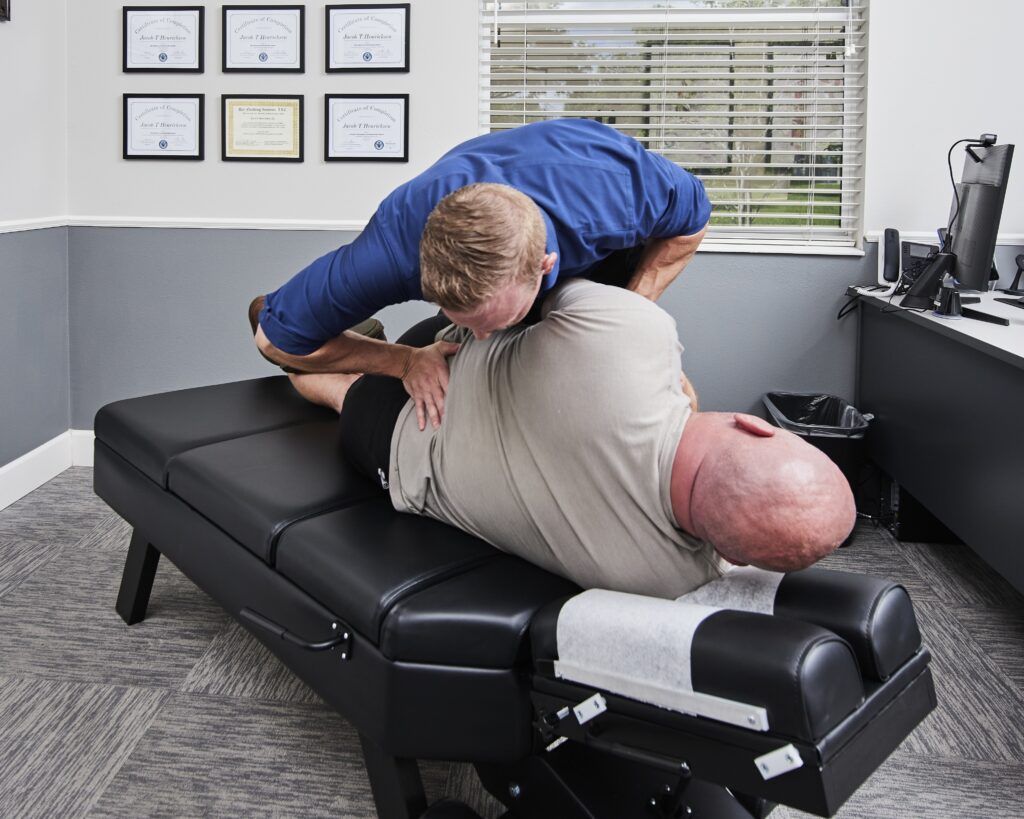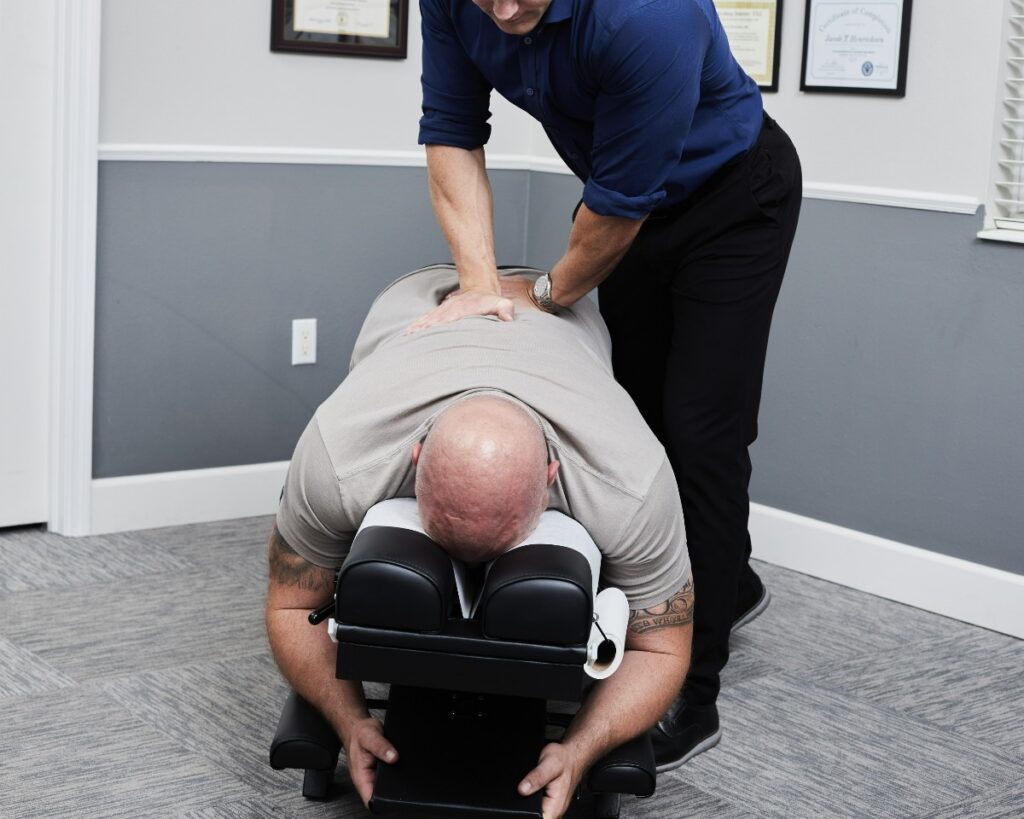

As a local Chiropractor, I understand the frustration that comes with chronic migraines. Many of my patients often wonder if genuine relief is attainable. After years of observing and treating those suffering from this debilitating condition, I can share that a combination of traditional chiropractic care and alternative methods can significantly improve your quality of life.
By closely tracking migraine triggers and implementing simple lifestyle adjustments, I have seen countless individuals gain valuable insights that reshape their approach to managing migraines. But what specific strategies can lead to this newfound control? The answers may be more nuanced than you think, and they could transform your understanding of migraine management.
Chiropractic care focuses on the alignment of the spine and the nervous system, which can play a vital role in reducing the frequency and intensity of migraines. Techniques such as spinal adjustments, soft tissue therapy, and personalized exercise plans can help alleviate tension and improve overall body function. Additionally, I often educate my patients about the importance of hydration, proper nutrition, and stress management as essential components of an effective migraine relief strategy.
If you're ready to explore a holistic approach to managing your migraines, I invite you to consider the potential benefits of chiropractic care and natural healing. Together, we can work towards finding the relief you deserve.
Understanding Chronic Migraines
As a local chiropractor, I want to help you understand chronic migraines, which are far more than just a simple headache; they're a challenging condition that can significantly impact your daily life. If you've ever suffered from one, you understand how it can hinder your ability to work, engage with friends, or even manage everyday tasks.
It's crucial to recognize that chronic migraines aren't just occasional episodes; they can occur on 15 or more days each month, persisting for hours or even days.
You may experience a variety of symptoms alongside these migraines, such as intense throbbing or pulsing pain, often localized to one side of the head. Nausea, vomiting, and heightened sensitivity to light or sound can also accompany your migraines.
It's important to note that these symptoms can differ from person to person, and triggers that affect one individual may have no impact on another.
Common triggers include stress, hormonal fluctuations, specific foods, and environmental factors such as bright lights or strong smells. Identifying your personal triggers is essential for managing your condition effectively. A helpful strategy is to keep a migraine diary, which allows you to track patterns and pinpoint what might be exacerbating your pain.
Additionally, it's worth noting that chronic migraines can also lead to emotional challenges. You may find yourself feeling frustrated, anxious, or even depressed due to the unpredictable nature of these attacks. Understanding that these feelings are common can offer some relief.
As a chiropractor, I believe in the power of natural healing and holistic approaches. By understanding the complex nature of chronic migraines, you can take proactive steps toward finding the right treatment and support.
Chiropractic care may provide relief by addressing spinal alignment issues, reducing stress, and promoting overall wellness. Together, we can work towards better management of your migraines and ultimately help you find some relief from the pain.
My Journey Begins
After years of witnessing patients struggle with debilitating migraines, I understand the urgent need for individuals to take control of their health journey. I've seen countless clients endure sleepless nights, miss important events, and live with the constant anxiety of when the next attack will occur. It's a challenging situation, but it's important to remember that there's hope.
When it comes to migraines, knowledge is power. I encourage my patients to research various aspects of their condition. There are numerous articles, forums, and personal stories that can provide insight into potential triggers and symptoms. Understanding these factors can be empowering and is often the first step toward taking charge of your health.
Keeping a migraine diary can be a valuable tool in identifying patterns. I advise my patients to track their migraines, noting the foods they consume, their stress levels, and even changes in the weather. This awareness can lead to significant breakthroughs in managing their condition, allowing them to understand their bodies better than ever before.
Support is crucial in this journey. I always tell my patients the importance of surrounding themselves with encouraging friends and family. Connecting with online communities can also be beneficial, as hearing others share their struggles and triumphs can be incredibly motivating.
Every small victory is worth celebrating. Whether it's a day without pain or effectively managing a headache with less stress, these moments are significant milestones. It's essential to embrace the idea that healing is a journey, often requiring time and patience, but with the right approach, relief is attainable.
As a chiropractor, I'm dedicated to guiding my patients through this process, helping them find natural healing methods and reclaim their lives. This journey is just the beginning, and together, we can work toward finding effective solutions that support your health and well-being.
Exploring Traditional Treatments
When navigating the path to migraine relief, considering traditional treatments—including the benefits of chiropractic care—can provide you with valuable insights and hope. Many individuals find relief through simple over-the-counter medications like ibuprofen or acetaminophen for mild to moderate migraine pain.
However, if these options fall short, I encourage you to explore holistic approaches alongside consulting your doctor about prescription options, such as triptans, which target migraine symptoms directly.
As a chiropractor, I emphasize the importance of preventive measures in managing migraines. In addition to medication, I often recommend daily habits that promote spinal health and overall well-being.
Depending on your unique health history and migraine patterns, I may suggest incorporating gentle chiropractic adjustments, which can help alleviate tension in your neck and spine, potentially reducing migraine frequency and severity.
Keeping a migraine diary is another invaluable tool. By tracking your symptoms, triggers, and the treatments you have tried, you and I can work together to identify patterns and make informed adjustments to your care plan.
This collaborative approach can lead to more effective strategies tailored specifically to you.
Don't underestimate the impact of lifestyle modifications on your migraine experience. Regular sleep, staying well-hydrated, and maintaining a balanced diet can significantly reduce the frequency of your migraines.
Additionally, I encourage you to explore stress management techniques, such as yoga or meditation, which can complement chiropractic care and may provide further relief.
In your journey toward relief, remember that traditional treatments, alongside chiropractic care, can serve as solid foundations.
Together, we can enhance your understanding of migraines and work towards a more manageable and fulfilling life.
Discovering Alternative Therapies
As a local chiropractor dedicated to your well-being, I want to introduce you to the potential benefits of alternative therapies for managing chronic migraines.
Chiropractic care, alongside techniques such as acupuncture, herbal remedies, and mindfulness practices, can provide a holistic approach to pain relief. Chiropractic adjustments focus on realigning the spine and improving nervous system function, which may help alleviate migraine symptoms.
By addressing underlying issues in your musculoskeletal system, we can work together to enhance your overall health and reduce the frequency and intensity of your migraines.
Additionally, incorporating herbal remedies and mindfulness techniques into your routine can complement chiropractic care, offering you a well-rounded strategy to find the comfort you've been searching for.
Let's explore these options further and see how they can help you manage your pain effectively.
Acupuncture Benefits Explored
As a local chiropractor, I want to share with you some insights on how acupuncture can be a valuable part of your wellness journey, particularly if you're struggling with chronic migraines.
While you may not be familiar with this approach, acupuncture is a natural therapy that has been shown to significantly reduce both the frequency and intensity of migraine episodes.
By targeting specific points on the body, acupuncture works to alleviate tension, enhance blood circulation, and foster a state of relaxation.
Many of my patients have found that regular acupuncture sessions lead to fewer migraine occurrences and a notable decrease in pain levels over time.
What I find particularly beneficial about acupuncture is its holistic approach.
It doesn't just mask the symptoms; it also focuses on correcting underlying imbalances within your body.
This can lead to an improved overall sense of well-being, which is essential for managing stress and anxiety—two common triggers for migraines.
Another advantage of acupuncture is its minimal side effects compared to many traditional medications.
While some may experience mild soreness at the needle sites, the overwhelming majority report feeling relaxed and revitalized after their sessions.
If you're looking for relief from migraines, incorporating acupuncture into your overall wellness plan could be just what you need.
It's worth considering as a complementary therapy, especially if you're open to exploring natural healing methods.
I recommend consulting with a licensed acupuncturist who can tailor a treatment plan to your specific needs and expectations.
Your journey to better health may just begin with a conversation about acupuncture!
Herbal Remedies That Help
As a local chiropractor dedicated to promoting natural healing, I often encounter patients seeking relief from migraines who are curious about herbal remedies.
These options can effectively complement our chiropractic treatments, such as adjustments and acupuncture, to create a holistic approach to your overall health.
If you're exploring ways to manage your migraines, here are four herbal remedies you might consider:
- Feverfew: This traditional herb has a long history of use in preventing migraines. It's believed to help reduce inflammation and prevent the release of certain brain chemicals that may trigger pain.
- Butterbur: Studies indicate that butterbur may significantly reduce the frequency of migraines. However, it's crucial to choose a PA-free version, as some types can be detrimental to liver health.
- Ginger: Renowned for its anti-inflammatory qualities, ginger can also help ease nausea that often accompanies migraines. You can enjoy it as a tea or take it in supplement form for convenience.
- Peppermint: This soothing herb can provide relief from migraine tension. Applying diluted peppermint oil to your temples may help alleviate discomfort and promote improved blood circulation.
Before incorporating any herbal remedies into your routine, I strongly encourage you to consult with a healthcare professional.
They can assist you with the appropriate dosages and check for any potential interactions with other medications you might be using.
Mindfulness and Meditation Techniques
As your local chiropractor, I want to share how incorporating mindfulness and meditation techniques into your daily routine can significantly aid in managing chronic migraines. These practices encourage you to focus on the present moment, which can help reduce stress and anxiety—two common triggers for migraines.
By spending just a few minutes each day on mindfulness or meditation, you can create a mental environment that may lessen the frequency and severity of your headaches.
To get started, consider simple breathing exercises. Find a comfortable position, close your eyes, and take slow, deep breaths. Pay attention to the feeling of your breath as it flows in and out of your body. If your thoughts drift, gently redirect your focus back to your breathing.
Guided meditations can also be beneficial and are easily accessible via various apps or online platforms.
Another technique I recommend is progressive muscle relaxation. This method involves tensing and then relaxing each muscle group in your body, increasing your awareness of any physical tension that might contribute to your migraines.
As part of your holistic approach to wellness, combining these mindfulness practices with chiropractic care can help you achieve better overall health and potentially reduce your migraine symptoms.
Lifestyle Changes That Helped
As a local chiropractor dedicated to promoting natural healing and overall wellness, I want to share how simple lifestyle changes can significantly improve your migraine management.
By making mindful adjustments to your diet, incorporating effective stress management techniques, and enhancing your sleep routine, you may discover relief from those debilitating headaches that disrupt your daily life.
Let's delve into how these changes can positively impact your health and well-being.
Embracing a holistic approach to your lifestyle not only supports your chiropractic care but also empowers you to take control of your migraines.
Dietary Adjustments Made
When it comes to managing chronic migraines, I often emphasize the importance of dietary adjustments as a key component of a holistic approach to health. Many people are unaware of how significantly food choices can influence headache triggers.
Here are four dietary modifications I recommend to my patients that may help alleviate migraine symptoms:
- Hydration: It's crucial to prioritize hydration. Drinking plenty of water throughout the day can have a profound impact on migraine frequency. Dehydration is a common trigger, so staying well-hydrated is essential for overall wellness.
- Identifying and Eliminating Triggers: Keeping a food diary can be very beneficial. By tracking what you eat, you can identify common migraine triggers such as aged cheeses, processed meats, and artificial sweeteners. This awareness empowers you to make informed choices that support your health and well-being.
- Regular Meals: I encourage my patients to eat smaller, more frequent meals rather than skipping meals altogether. This helps maintain stable blood sugar levels, which is key in reducing the likelihood of migraines.
- Increased Magnesium Intake: Incorporating magnesium-rich foods into your diet, such as spinach, nuts, and whole grains, can also be beneficial. Research suggests that magnesium may play a role in migraine prevention, and many patients report positive outcomes when they enhance their magnesium intake.
By making these dietary adjustments, you may find relief from chronic migraines and improve your overall health.
As a chiropractor, I believe in treating the whole person, and nutrition plays an integral role in achieving wellness.
#
Stress Management Techniques
As a local chiropractor, I often see patients who struggle with chronic migraines, and one common factor I encounter is stress. It's remarkable how much stress can influence the frequency and intensity of headaches. By integrating effective stress management techniques into your daily life, you can significantly alleviate stress, which may help in managing your migraines.
I recommend starting with mindfulness meditation. Even dedicating just a few minutes each day can help ground you and foster relaxation. Focusing on your breath is a simple yet powerful way to quiet your mind and reduce anxiety.
Alongside this, deep breathing exercises can be incredibly beneficial. When you feel stress building, take a moment to inhale deeply through your nose, hold it for a few seconds, and then exhale slowly through your mouth. This can help calm your nervous system and create a sense of peace.
Engaging in physical activity is another excellent way to relieve stress. Find activities that you genuinely enjoy—whether it's walking, yoga, or even dancing. Exercise not only releases endorphins, which are natural mood lifters, but it also serves as a natural tension reducer for your body.
Lastly, I encourage you to consider the role of time management in reducing stress. Organizing your tasks and responsibilities can help you regain a sense of control, which can lower feelings of being overwhelmed.
Sleep Routine Improvements
As a local chiropractor dedicated to promoting holistic health, I want to emphasize the importance of a consistent sleep routine, especially for those who struggle with chronic migraines. Prioritizing your sleep can create a more conducive environment for your body to heal and may significantly reduce the frequency and intensity of your migraines.
Here are some recommendations to enhance your sleep routine:
- Establish a Sleep Schedule: Aim to go to bed and wake up at the same time each day, including weekends. This consistency helps regulate your body's internal clock, which is crucial for overall health.
- Create a Calming Sleep Environment: Your bedroom should be a sanctuary for rest. Keep it dark, quiet, and cool to promote optimal sleep. You might consider using blackout curtains to eliminate light and a white noise machine to drown out any disruptive sounds.
- Limit Exposure to Screens: It's advisable to unplug from electronic devices at least an hour before bedtime. The blue light from screens can disrupt your natural sleep cycle, making it harder for your body to transition into restorative sleep.
- Establish a Relaxing Wind-Down Routine: Engage in soothing activities in the hour leading up to sleep, such as reading a book or practicing gentle stretches. This helps signal your body that it's time to unwind, setting the stage for a restful night.
By incorporating these practices into your daily life, you can enhance your sleep quality, which in turn may support your overall wellbeing and help manage chronic migraines more effectively.
As always, if you have any questions or need further guidance, feel free to reach out to me. Together, we can work towards a healthier, more balanced lifestyle.
The Role of Nutrition
As a local chiropractor, I want to shed light on the crucial role nutrition plays in managing chronic migraines, which can often serve as hidden triggers for many individuals. By being mindful of your diet, you can significantly reduce both the frequency and severity of these headaches.
First, it's important to identify any specific food triggers that might be contributing to your migraines. Common offenders include aged cheeses, processed meats, alcohol, and beverages high in caffeine. Keeping a food diary can be an effective way to notice patterns and pinpoint which foods may be causing issues for you.
Incorporating a balanced diet rich in whole foods is another key strategy for relief. Focus on consuming a variety of fruits, vegetables, whole grains, and lean proteins. For instance, omega-3 fatty acids—found in fatty fish and flaxseeds—possess anti-inflammatory properties that could help lessen the occurrence of migraines.
Additionally, staying well-hydrated is vital, as dehydration is a well-documented trigger. Aim to drink at least eight glasses of water a day, adjusting this amount based on your activity level and the climate you're in.
Another nutrient to consider is magnesium. Research indicates that low levels of magnesium can be linked to migraines, so incorporating foods like spinach, almonds, and avocados into your diet can be quite beneficial.
Furthermore, B vitamins, especially riboflavin (B2), have been shown to help reduce the frequency of migraines in some individuals.
Lastly, it's crucial not to skip meals. Regular meal times help maintain stable blood sugar levels, which can prevent migraines from occurring.
## Stress Management Techniques
As a local chiropractor, I often see patients who struggle with chronic migraines, and I want to stress the importance of effective stress management techniques as part of your overall wellness journey.
Stress can significantly contribute to the onset and intensity of migraines, so incorporating these strategies into your daily life can be incredibly beneficial. Here are four techniques I recommend:
- Mindfulness Meditation: I encourage you to dedicate a few minutes each day to mindfulness meditation. This practice helps you tune into your thoughts and feelings, creating awareness and promoting relaxation. Start by focusing on your breath and gently letting go of distractions. Many of my patients have found that this practice can help alleviate anxiety, which can be a trigger for migraines.
- Physical Activity: Regular physical activity is a fantastic way to relieve stress. Whether you prefer a brisk walk, yoga, or even dancing, find an activity that brings you joy. Aim for at least 30 minutes of movement each day. Exercise not only boosts your mood but also releases endorphins, which can help mitigate pain and improve your overall sense of well-being.
- Deep Breathing Exercises: When stress starts to build, take a moment to practice deep breathing. Inhale slowly through your nose, filling your lungs completely, and then exhale gently through your mouth. This simple yet effective technique can help calm your nervous system and reduce stress levels, which may, in turn, lessen the frequency of your migraines.
- Time Management: Many of my patients find that organizing their tasks can significantly reduce stress. Break larger projects into smaller, manageable steps, and prioritize your responsibilities. This approach can help prevent feelings of overwhelm and give you a greater sense of control over your day.
By integrating these techniques into your routine, you can empower yourself to manage stress more effectively and potentially reduce the impact of chronic migraines.
Importance of Sleep Hygiene
As a local chiropractor dedicated to your overall well-being, I want to emphasize the crucial role that quality sleep plays in managing chronic migraines.
Establishing a consistent sleep routine can significantly enhance your healing process. By creating a calming sleep environment and reducing screen time before bed, you're setting the stage for restorative rest.
Let's delve into how these simple adjustments can lead to relief from your migraines and support your journey towards better health naturally.
Establishing a Sleep Routine
As a chiropractor dedicated to helping patients manage their health naturally, I understand that establishing a consistent sleep routine can significantly benefit those suffering from chronic migraines. A regular sleep schedule not only aids in regulating your body's internal clock but also enhances your ability to fall asleep and wake up feeling rejuvenated.
Here are some essential steps to help you create an effective sleep routine:
- Set a fixed bedtime and wake-up time: It's important to go to bed and wake up at the same time every day, including weekends. This consistency strengthens your body's natural sleep-wake cycle, which can be especially helpful in minimizing migraine triggers.
- Limit naps: If you find yourself needing a nap, aim to keep it short—around 20 to 30 minutes—and try to avoid napping too late in the day. Late naps can disrupt your nighttime sleep, which is crucial for overall wellness.
- Wind down before bed: Create a calming pre-sleep ritual that works for you, such as reading a book or practicing gentle stretches. This signals to your body that it's time to relax and prepare for restorative sleep.
- Avoid stimulants and screens: Reduce your intake of caffeine and limit screen time at least an hour before bedtime. The blue light emitted from screens can interfere with your sleep quality, making it harder to fall asleep.
By implementing these steps into your nightly routine, you may find relief from migraine symptoms and enhance your overall health.
Creating a Sleep Environment
Creating a sleep environment that promotes rest is crucial, especially for those suffering from chronic migraines. As a chiropractor, I often emphasize the importance of proper sleep for overall health.
To start, ensure your bedroom is dark, quiet, and cool. Light can interfere with your sleep cycle, so consider installing blackout curtains or using a comfortable sleep mask. Additionally, incorporating earplugs or a white noise machine can help mask disruptive sounds, allowing you to fall asleep more easily and stay asleep longer.
Your choice of mattress and pillows significantly impacts your comfort and spinal alignment. It's essential to select options that provide adequate support for your body. If your current bedding is worn out or doesn't feel comfortable, it may be time to invest in new, supportive options.
Keeping your bedding clean is equally important, as allergens can trigger migraines and disrupt your sleep.
Scent can also play a role in relaxation and sleep quality. I recommend considering the use of essential oils like lavender or chamomile, known for their calming effects. However, it's important to be cautious with scents, as some may trigger migraines instead.
Lastly, maintaining a clutter-free bedroom can lead to reduced stress levels and foster a sense of calm. By creating a sleep environment tailored to your needs, you can enhance your sleep quality, which is vital in managing chronic migraines.
Prioritizing these aspects of your life not only supports your chiropractic care but can also lead you to the relief you're seeking.
Limiting Screen Time
As a local chiropractor, I want to emphasize the importance of maintaining good sleep hygiene, particularly for those of you who may experience chronic migraines. One often overlooked factor is the impact of digital distractions on your sleep quality. The blue light emitted from screens can interfere with melatonin production, making it challenging to fall asleep and stay asleep.
To enhance your overall well-being and improve your sleep, I encourage you to consider limiting your screen time, especially in the evening. Here are some strategies to help:
- Establish a Cutoff Time: Choose a specific time each night to stop using all screens—aim for at least one hour before you plan to go to bed. This allows your body to start winding down.
- Develop a Wind-Down Routine: Instead of turning to screens, engage in relaxing activities such as reading a book, practicing mindfulness, or enjoying gentle stretches. This signals to your body that it's time to transition into sleep mode.
- Utilize Blue Light Filters: If you need to use your devices at night, consider enabling blue light filters. Many smartphones and tablets have this feature, which can help reduce the negative effects of blue light on your sleep.
- Remove Devices from the Bedroom: Charge your phone or tablet in another room to avoid the temptation of scrolling or checking notifications right before bed. This simple change can significantly improve your sleep environment.
By implementing these practices, you may find not only your sleep improves but also your overall health and well-being.
Tracking Triggers and Patterns
As a local chiropractor, I often encounter patients who struggle with migraines and are looking for ways to manage their pain naturally. One effective approach is to track your triggers and patterns, which can provide valuable insights into your condition. I encourage you to start keeping a detailed headache diary. In this diary, record when your migraines occur, their intensity, and how long they last. Be sure to include notes on what you've eaten, your sleep patterns, and any stressors you faced that day.
Over time, this practice can reveal connections between your lifestyle choices and your migraine episodes. It's important to pay attention to common migraine triggers. Many patients find that certain foods—like aged cheeses or processed meats—can lead to headaches. Additionally, factors such as changes in weather or hormonal fluctuations often play a role. You may also notice that lack of sleep or high stress levels frequently coincide with the onset of your migraines.
Don't overlook environmental factors as well. Bright lights, strong odors, or loud noises can exacerbate your migraines. By gathering this information, you'll gain a clearer understanding of your unique triggers, empowering you to make informed decisions about your daily activities and environment.
Once you identify these patterns, you can take proactive steps to reduce your exposure to potential triggers. For example, if you discover that dehydration is linked to your migraines, make it a priority to stay well-hydrated throughout the day.
Tracking your triggers isn't just about identifying what causes pain; it's about taking charge of your health. With this knowledge, you can create a more manageable lifestyle, leading to fewer migraines and an overall enhanced quality of life. As your chiropractor, I'm here to support you on this journey toward natural healing and improved well-being.
Staying Hopeful and Motivated
Identifying your migraine triggers is just one part of the journey toward relief, and as a chiropractor, I want to emphasize the importance of staying hopeful and motivated throughout this process. It can be disheartening, especially when you encounter setbacks, but a positive mindset can significantly enhance your recovery journey.
Here are some ways to keep your spirits high:
- Set Realistic Goals: Start by breaking down your wellness journey into smaller, achievable milestones. Celebrate each success, no matter how small it may appear. This approach not only keeps you motivated but also helps you remain focused on your overall health.
- Surround Yourself with Support: Connect with friends, family, or local support groups who understand the challenges of dealing with migraines. Sharing your experiences can alleviate feelings of isolation and provide encouragement during tough times.
- Educate Yourself: Knowledge is a powerful tool in managing your health. Take the time to learn about migraines, various treatment options, and natural coping strategies, including chiropractic care. The more informed you are, the more empowered you'll feel to take control of your condition.
- Practice Self-Care: Prioritize your well-being by incorporating relaxation techniques, regular physical activity, and a nutritious diet into your routine. As a chiropractor, I can help you understand how maintaining a healthy spine and nervous system can reduce stress and improve your overall outlook.
Remember, the journey to relief isn't just about identifying triggers; it's about embracing a holistic approach to health and staying motivated along the way.
I'm here to support you in this process!
Conclusion
As a local chiropractor, I want to share with you that finding relief from chronic migraines can truly be achieved through a holistic approach. Many people are not aware that understanding your triggers is a crucial first step. By identifying what contributes to your migraines, we can tailor a treatment plan that addresses your specific needs.
In our practice, we explore both traditional chiropractic adjustments and alternative therapies that focus on natural healing. These methods can significantly reduce the intensity and frequency of migraines. In addition to chiropractic care, incorporating essential lifestyle changes is paramount.
Prioritizing stress management techniques, such as mindfulness and relaxation exercises, can help alleviate tension that may contribute to your headaches. Additionally, maintaining good sleep hygiene is vital for overall well-being and can make a substantial difference in managing migraines.
It's important to remember that patience and hope play a role in this journey. You are not alone in your struggle, and with consistent care and dedication, you can regain control over your life. Together, we can work towards reducing the frequency of your migraines and enhancing your quality of life.