
You might not realize how much spinal alignment affects your overall well-being. Adjustments can notably improve your spinal health by addressing misalignments that arise from daily activities and stressors. These techniques not only relieve discomfort but also enhance your body's ability to function at its best. Understanding how these adjustments work and their long-term benefits could change the way you think about your health. But what specific techniques are most effective, and how can they lead to lasting improvements in your life?
Understanding Spinal Alignment
Understanding spinal alignment is essential for maintaining overall health and well-being. Your spine's alignment directly impacts your body's function, mobility, and comfort. When your spine is properly aligned, it supports your nervous system and allows for ideal communication between your brain and body. This means that every movement you make is more efficient and less likely to cause strain or injury.
You mightn't realize it, but everyday activities can affect your spinal alignment. Poor posture, prolonged sitting, or repetitive motions can lead to misalignments that create discomfort and limit your range of motion. By recognizing these habits, you can take proactive steps to improve your spinal health.
To maintain proper alignment, focus on your posture while sitting, standing, and moving. Keep your shoulders back, your chin up, and your core engaged. Regular stretching and strengthening exercises can also contribute to better spinal alignment, providing the support your spine needs to function effectively.
Additionally, being aware of how you lift heavy objects can prevent unnecessary strain on your back. Always lift with your legs, not your back, and avoid twisting your spine while carrying weight.
Incorporating ergonomic furniture into your workspace can help you maintain better alignment throughout your day. By prioritizing spinal health, you're investing in your overall well-being and quality of life. Your body will thank you for making these simple adjustments to keep your spine aligned and functioning ideally.
Benefits of Spinal Adjustments
How can spinal adjustments enhance your overall health? When your spine is aligned properly, it allows your nervous system to function effectively. This means that your body can communicate more efficiently, leading to improved overall health. You might notice a reduction in pain, increased mobility, and even enhanced immune function after receiving spinal adjustments.
One of the primary benefits is pain relief. Whether you experience chronic back pain, headaches, or neck discomfort, spinal adjustments can help alleviate these issues. By correcting misalignments, adjustments relieve pressure on nerves, which can reduce inflammation and tension in surrounding muscles.
Additionally, spinal adjustments can enhance your posture. Many people develop poor posture due to daily habits, which can lead to discomfort and long-term health issues. By correcting spinal misalignments, adjustments promote better posture, helping you stand and sit more comfortably.
You'll also find that spinal adjustments can improve your athletic performance. With a well-aligned spine, your body moves more efficiently, allowing for better coordination and strength. This means you can enjoy your favorite activities without the nagging pain that often accompanies physical exertion.
Lastly, regular spinal adjustments can contribute to your emotional well-being. When your body feels good, it can positively affect your mood and mental health. You might experience reduced anxiety and stress, leading to a more balanced life.
Techniques for Effective Adjustments
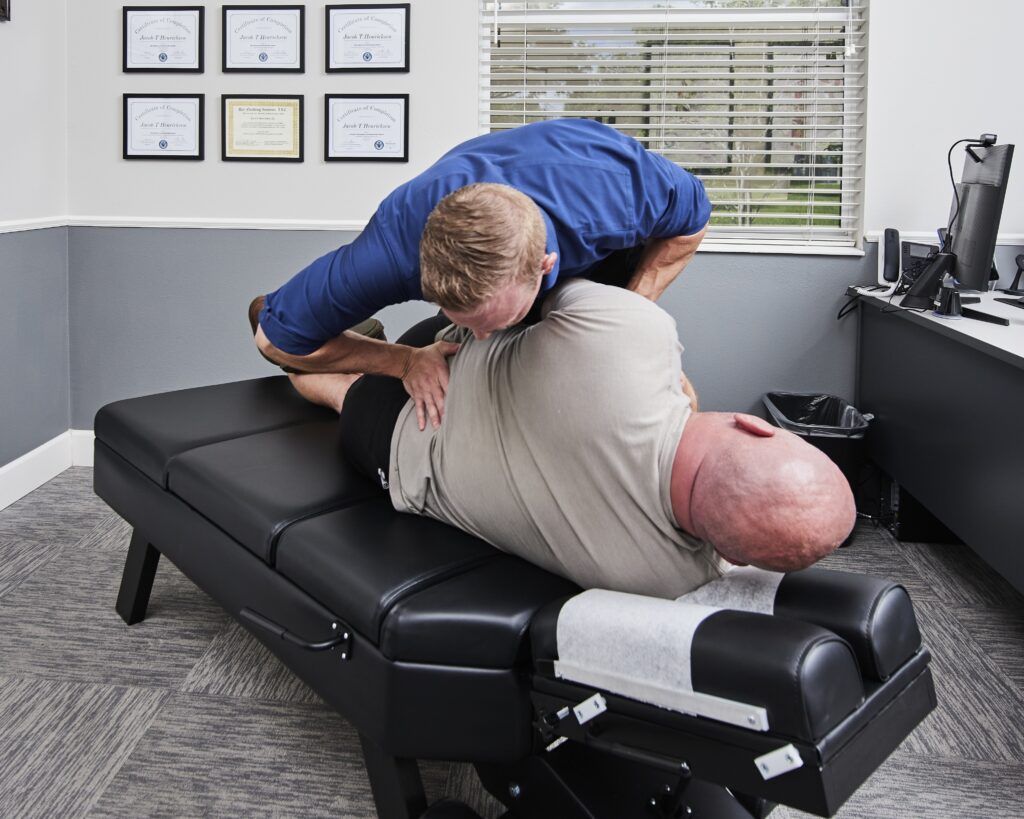
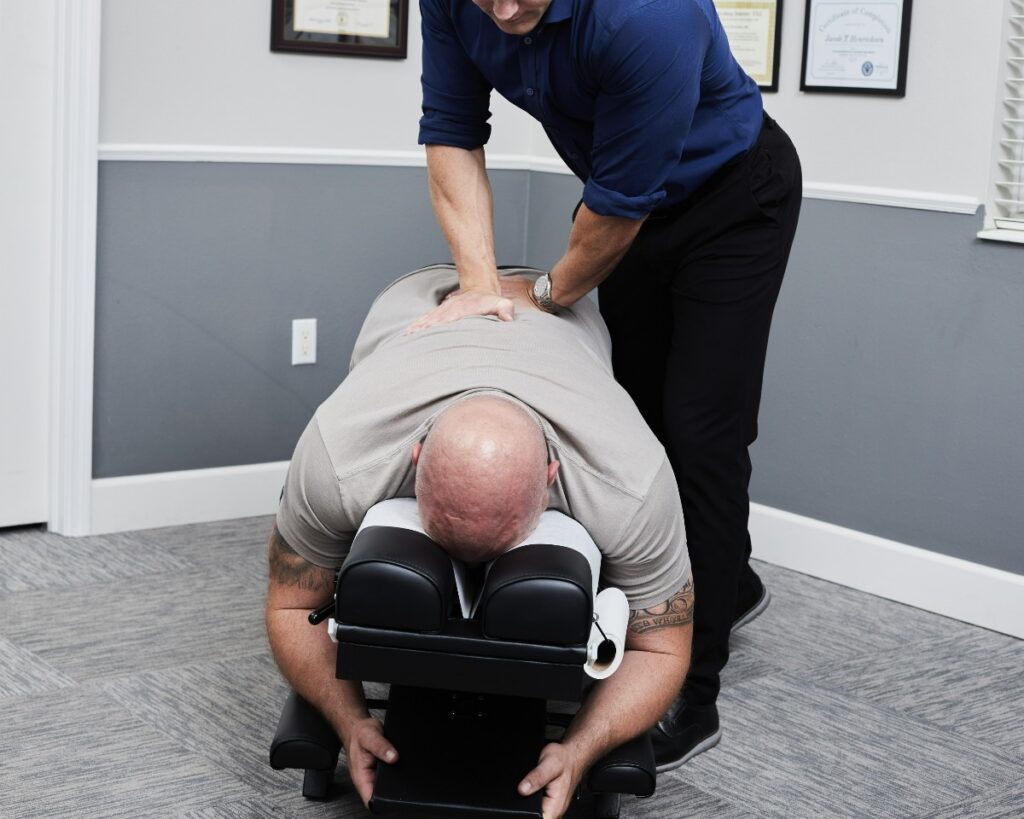
After experiencing the benefits of spinal adjustments, it's important to know the techniques that make these adjustments effective. One widely used technique is the Diversified technique, which focuses on high-velocity, low-amplitude thrusts. This method helps realign the vertebrae by applying quick, targeted pressure to specific areas of the spine, promoting immediate relief and improved function.
Another effective approach is the Gonstead technique. This method emphasizes thorough analysis and precise adjustments, often using X-rays to identify misalignments. By locating the exact vertebra needing adjustment, you can achieve more targeted results, ensuring your spine is aligned properly.
You might also encounter the Activator method, which utilizes a handheld device to deliver a gentle impulse to the spine. This technique is great for those who prefer a less forceful approach. The Activator's precision allows for specific adjustments without the need for manual thrusts, making it a popular choice for many patients.
Soft tissue techniques, like myofascial release or trigger point therapy, can also be integrated into your adjustment sessions. These methods help relax tight muscles surrounding the spine, enhancing the effectiveness of your adjustments.
Finally, remember that your chiropractor may use a combination of these techniques tailored to your individual needs. Staying open to different methods can help you achieve ideal spinal health.
Common Issues Addressed
Many patients seek spinal adjustments to address a variety of common issues that can disrupt daily life.
These adjustments can help restore balance and alleviate discomfort, allowing you to enjoy your daily activities without the burden of pain.
Here are three common issues that adjustments can effectively address:
1. Back Pain: One of the most frequent complaints, back pain can stem from poor posture, muscle strain, or injuries.
Adjustments work to realign the spine, relieving pressure on nerves and reducing inflammation.
2. Neck Pain: Many people experience neck pain due to stress, long hours at a desk, or improper sleeping positions.
Adjustments target the cervical spine, helping to improve mobility and decrease muscle tension, leading to a more comfortable range of motion.
3. Headaches: Tension headaches and migraines can often be linked to spinal misalignment.
Long-term Health Implications
Maintaining proper spinal alignment isn't just about addressing immediate discomfort; it also plays a vital role in your long-term health. When your spine is aligned correctly, it supports peak nerve function, allowing your body to communicate effectively. This connection is essential for overall health, as misalignments can lead to chronic pain, fatigue, and even systemic issues.
Over time, poor spinal alignment can contribute to the development of conditions like arthritis and degenerative disc disease. By prioritizing adjustments, you're not only alleviating current aches but also preventing potential long-term complications.
Think about it: every time you maintain proper alignment, you're helping to guarantee that your joints and muscles function harmoniously. This proactive approach can lead to improved mobility and reduced risk of injury as you age.
Furthermore, spinal health influences your immune system. A misaligned spine can hinder your body's ability to fend off illness, making you more susceptible to infections. By investing in your spinal alignment, you're promoting a robust immune response, which can enhance your overall quality of life.
Lastly, when your spine is aligned, you're likely to experience better sleep and increased energy levels. This improvement can create a positive feedback loop, encouraging you to stay active and engaged in your daily life.
Conclusion
To sum up, embracing spinal adjustments can greatly enhance your overall well-being. By correcting misalignments, these adjustments not only alleviate discomfort but also improve your mobility and posture. Whether you're dealing with chronic pain or simply looking to maintain better spinal health, regular adjustments can lead to lasting benefits. Investing in your spinal alignment today can pave the way for a healthier, more energized tomorrow. So why wait? Start your journey towards better health now!