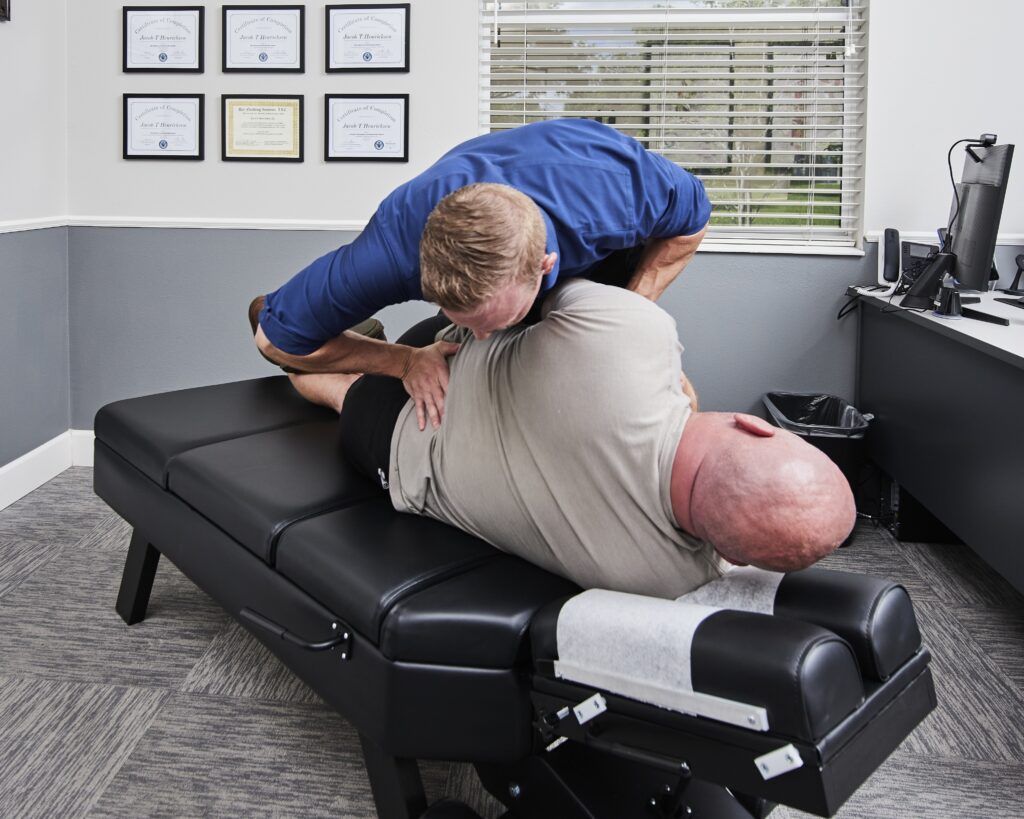
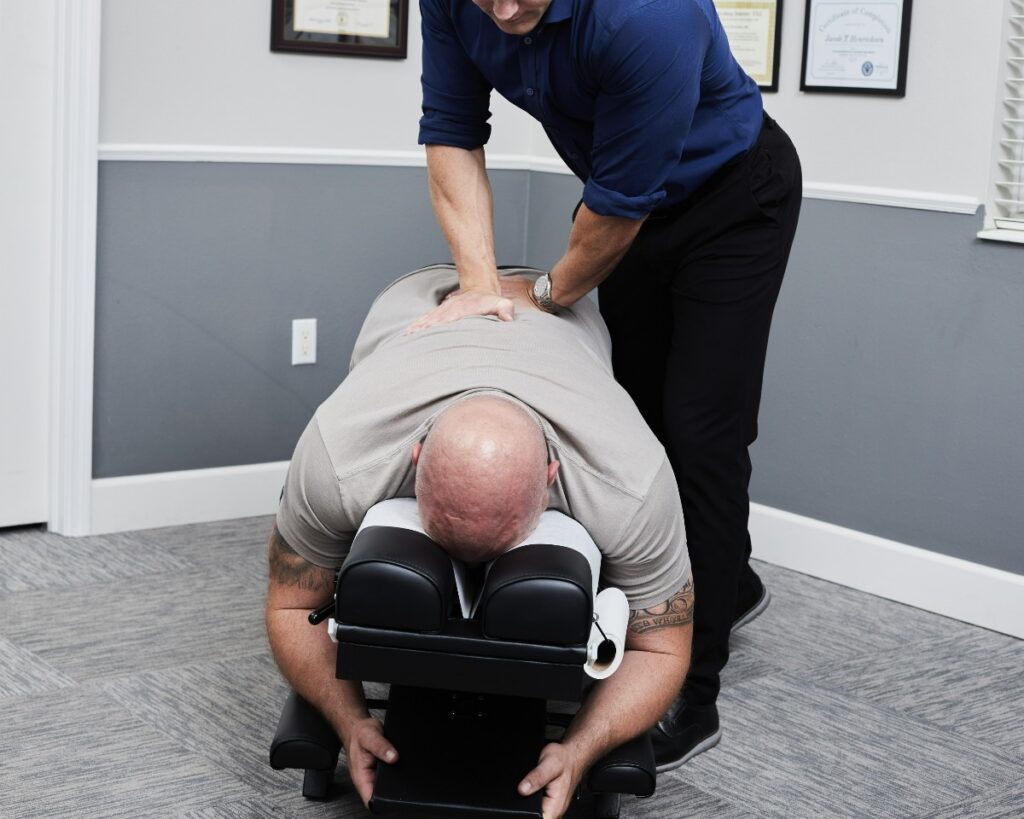
As a local chiropractor, I often find it intriguing to share with my patients the rich history of lower back pain recovery techniques. It’s important to understand how these methods have transformed over the centuries. For instance, in ancient times, people relied on herbal remedies to alleviate discomfort. Fast forward to the 19th century, and we see the emergence of chiropractic care, which introduced a new perspective on pain management focused on spinal health.
Today, we have the advantage of blending these traditional practices with modern technologies, creating a holistic approach to recovery. By combining techniques like spinal adjustments with innovative therapies, we can offer effective solutions tailored to each individual’s needs. Understanding this evolution not only highlights the effectiveness of chiropractic care but also reassures you that you’re receiving treatment rooted in a long-standing tradition of healing. Let’s explore how these methods can provide you with relief and promote your overall well-being.
Ancient Remedies: Healing Practices of Early Civilizations
As a local chiropractor dedicated to your well-being, I want to share some insights about ancient remedies that can be beneficial for lower back pain relief. While modern medicine has made great advancements, many individuals still find value in the time-tested practices of early civilizations.
These remedies often blend natural elements with a holistic perspective on health, which aligns closely with the principles of chiropractic care.
One ancient technique you may have heard of is acupuncture, a practice originating from Chinese culture thousands of years ago. It involves the insertion of fine needles at specific points in the body to stimulate energy flow and alleviate pain. Many patients report positive outcomes when integrating acupuncture into their pain management routines.
Moreover, gentle movement practices such as yoga and tai chi have long been recognized for their benefits in strengthening the core and enhancing flexibility. These activities can significantly reduce strain on your back, making them excellent complements to chiropractic adjustments.
Herbal poultices and warm compresses made from natural ingredients have also been used throughout history to soothe discomfort. Incorporating these soothing methods can enhance your recovery process and provide additional comfort alongside chiropractic treatments.
The Role of Herbal Medicine in Lower Back Pain Management
As a local chiropractor, I want to share some insights about managing lower back pain, particularly through the use of herbal medicine.
Many of my patients have found traditional remedies to be quite effective, but it’s equally important to consider modern applications and their safety for your health.
By exploring these herbal solutions alongside chiropractic care, we can uncover new ways to alleviate your discomfort and enhance your overall well-being.
My goal is to help you understand how natural healing methods can complement the adjustments and therapies I provide, leading to a more holistic approach to pain management.
Traditional Herbal Remedies
As a local chiropractor, I want to share some insights on managing lower back pain through natural healing methods, specifically traditional herbal remedies. Many people may not realize that there are effective alternatives to conventional treatments that can help alleviate discomfort and promote healing.
For centuries, various herbs have been used to address pain and inflammation. For example, turmeric, which contains curcumin, is well-known for its powerful anti-inflammatory properties. Incorporating turmeric into your diet or using it as a supplement can be beneficial.
Ginger is another remarkable herb that may help reduce pain and stiffness associated with lower back issues. You might also come across willow bark, often referred to as nature’s aspirin. This herb can provide relief that’s comparable to some over-the-counter pain medications.
Another great option is devil’s claw, which is highly regarded for its effectiveness in treating musculoskeletal pain, making it a valuable addition to your pain management strategy.
Furthermore, don’t overlook the benefits of topical applications, such as essential oils like peppermint or eucalyptus. These oils can provide soothing relief to aching muscles when applied to the affected area.
Before starting any herbal regimen, it’s crucial to consult with a healthcare professional, like myself, to ensure that the approach is safe and tailored to your specific needs.
Modern Applications Today
As your local chiropractor, I want to share how herbal medicine can play a significant role in your health, particularly when it comes to managing lower back pain. Many people aren’t aware that certain herbal remedies, such as turmeric and ginger, possess powerful anti-inflammatory properties. These can help alleviate pain and enhance mobility.
In my practice, I often integrate these herbs into a comprehensive treatment plan that complements traditional chiropractic care. For instance, topical applications like arnica gel can offer localized relief, making them a great addition to your recovery routine.
It’s important to personalize your approach to healing. In addition to herbal remedies, I encourage you to incorporate lifestyle changes such as regular exercise and stretching into your daily regimen.
Safety and Efficacy
As a chiropractor, I understand that many of you are looking for ways to alleviate lower back pain. While conventional treatments have their place, it’s important to explore all your options, including herbal medicine. This approach can complement your recovery process and may offer benefits worth considering. However, it’s essential to assess the safety and effectiveness of these remedies.
Here are some things to keep in mind:
- Natural Ingredients: Herbal remedies are typically made from plant-based compounds, which may lead to fewer side effects compared to traditional medications. This can be particularly appealing for those seeking a more natural approach to healing.
- Anti-inflammatory Properties: Several herbs are known for their anti-inflammatory effects, which can help reduce pain and discomfort associated with lower back issues.
- Individual Response: Each person’s body is unique, and responses to herbal treatments can vary. It may take some experimentation to discover which herbal remedy works best for you.
- Consultation Recommended: Before starting any herbal treatment, I strongly encourage you to consult with a healthcare professional. This is especially important to ensure that any chosen remedy is safe and appropriate for your specific health needs.
Traditional Chinese Medicine: Acupuncture and Beyond
As a local Chiropractor, I want to introduce you to the holistic approach we take in managing lower back pain, which includes techniques that complement chiropractic care.
One such method is acupuncture, a practice rooted in Traditional Chinese Medicine (TCM). Acupuncture involves the insertion of fine needles at specific points on the body. This technique can help relieve tension and promote healing by stimulating the flow of Qi, or energy, within your body.
In addition to acupuncture, we often recommend herbal remedies known in TCM for their anti-inflammatory properties. These natural herbs can assist in alleviating symptoms and addressing the root causes of your discomfort, supporting your overall wellness.
Moreover, practices such as Tai Chi and Qigong can enhance your recovery. These gentle movements, paired with breath control, improve your flexibility and strength while significantly reducing stress levels.
We also emphasize the importance of a balanced diet in your healing process. Proper nutrition nourishes your body, aiding in recovery and overall health.
By integrating these practices into your routine, you’re not just finding relief from lower back pain; you’re also building a healthier connection with your body that promotes long-term wellness.
Let’s work together to explore these options for a more natural and comprehensive approach to healing.
The Influence of Greek and Roman Medicine on Pain Relief
As a local chiropractor, I want to share how ancient Greek and Roman medicine has shaped our understanding of pain relief and healing today. Their holistic approach to health is something we incorporate into our practice, focusing on treating the whole person rather than just addressing symptoms.
Here are some key aspects of their approach that are relevant to chiropractic care:
- Herbal Remedies: Just like ancient practitioners, we recognize the power of nature. For instance, willow bark, which contains salicin—a precursor to modern aspirin—illustrates how natural substances can aid in pain relief.
- Physical Therapies: We employ techniques such as chiropractic adjustments, massage, and specific exercises to enhance circulation and promote healing. These methods have been valued since ancient times for their effectiveness in alleviating discomfort.
- Mind-Body Connection: The Greeks and Romans understood that mental well-being significantly influences physical health. In our practice, we encourage relaxation techniques and stress management to help reduce pain and improve overall wellness.
- Diet and Lifestyle: Just as they emphasized nutrition, we believe that a balanced diet and a healthy lifestyle are vital for supporting recovery and maintaining optimal health. This holistic perspective is essential in chiropractic care.
The Emergence of Chiropractic Care in the 19th Century
As your local chiropractor, I want to share with you the fascinating history of chiropractic care, which emerged in the 19th century as a groundbreaking approach to pain management.
This practice emphasizes the critical role of the spine in maintaining overall health and well-being.
By understanding the foundational principles of chiropractic care, you can appreciate how early methods paved the way for the effective treatments we use today.
Our focus isn’t just on alleviating pain but also on promoting your body’s natural ability to heal itself.
Learning about the impact of chiropractic care on pain relief can offer you valuable insights into your own recovery journey.
I invite you to explore how these techniques can be beneficial in restoring balance and enhancing your quality of life.
Founding Principles of Chiropractic
As your local chiropractor, I want to share with you the foundational principles of chiropractic care, which emerged in the late 19th century as a holistic response to the growing demand for alternative health and wellness solutions.
Understanding these principles can help you appreciate the philosophy and benefits of chiropractic care:
- Spinal Alignment and Health: The alignment of your spine plays a crucial role in your overall health. When your spine is misaligned, it can impact various bodily functions.
- Nervous System Function: A well-functioning nervous system is essential for achieving optimal wellness. It controls everything in your body, and chiropractic adjustments help ensure it operates smoothly.
- Manual Adjustments for Balance: Through skilled manual adjustments, we can restore balance to your body, alleviate pain, and enhance your overall well-being.
- Prevention Over Treatment: At the heart of chiropractic care is the belief in prevention. Maintaining your health through regular chiropractic visits is far more effective than waiting to treat illness.
I hope this gives you a clearer understanding of chiropractic care and how it can support your journey toward better health!
Early Techniques and Practices
As we look back at the evolution of health practices, it’s fascinating to see how chiropractic care emerged in the 19th century. Early practitioners, including the influential Daniel David Palmer, discovered that misalignments in the spine could lead to a variety of health issues. This understanding led to the development of techniques that focus on adjusting the vertebrae to restore balance and enhance overall bodily function.
In my practice, I utilize manual adjustments, which involve applying precise, controlled force to realign the spine. This hands-on approach is designed to help alleviate pain and discomfort without the need for medication, making it a natural option for many individuals.
The emergence of chiropractic care has been a significant development in the field of health, as it emphasizes the vital connection between spinal health and overall wellness.
I encourage those who may be new to chiropractic care to consider how these techniques can support your health journey. By prioritizing spinal alignment, we can work together to improve your well-being and help you feel your best.
Impact on Pain Management
As a local chiropractor, I want to share with you how spinal health can significantly impact pain management. In the 19th century, the emergence of chiropractic care revolutionized the way we approach conditions like lower back pain. Instead of relying solely on medications, chiropractic care offers a natural healing method that focuses on spinal manipulation to alleviate discomfort.
Let me highlight some key aspects of chiropractic care that I believe you’ll find particularly interesting:
- We prioritize natural healing, which means we aim to treat pain without the use of pharmaceuticals.
- Our approach emphasizes the importance of spinal alignment and how it relates to your overall health and well-being.
- Patient education is a fundamental part of our recovery processes. We strive to empower you with knowledge about your body and the healing journey.
- We’ve developed specific techniques tailored to address various spinal conditions, ensuring that you receive personalized care.
These elements underscore the role of chiropractic care as a vital option in pain management. By choosing this path, you’ll not only find relief but also open the door to a more holistic approach to health.
I’m here to guide you on this journey towards better spinal health and overall wellness.
The Development of Physical Therapy Techniques
Many individuals turn to medication or rest in search of relief from lower back pain, but I want to introduce you to the benefits of chiropractic care as a natural and effective alternative for recovery. Chiropractic techniques emphasize the importance of spinal alignment, muscle strengthening, and improved flexibility, all of which can contribute to alleviating discomfort.
As a chiropractor, I take the time to assess your individual needs, customizing treatment plans that target the root causes of your pain. Over the years, our approach has shifted from merely addressing symptoms to promoting active healing.
By incorporating methods such as spinal adjustments, therapeutic exercises, and even lifestyle modifications, we encourage you to take an active role in your recovery journey.
Education is a cornerstone of chiropractic care; I strive to empower you with insights about your body and effective pain management techniques. By engaging in your treatment, you not only work towards relieving your current pain but also lay the groundwork for preventing future issues.
Chiropractic care has evolved into a vital part of lower back pain recovery, providing a holistic pathway to lasting relief and improved well-being.
The Impact of Technology on Pain Management
As a local chiropractor, I want to share how the exciting advancements in technology are transforming pain management, especially for conditions like lower back pain.
These modern tools and techniques can significantly enhance your recovery journey and provide you with effective ways to manage your discomfort. Here are some key innovations that can benefit your chiropractic care:
- Telehealth Consultations: With the ability to access expert advice from the comfort of your home, you can easily stay engaged with your treatment plan. This convenience allows for regular check-ins and adjustments to your care without the need for frequent in-office visits.
- Wearable Devices: These gadgets can help you monitor your movement and posture throughout the day. By identifying what activities may trigger your pain, you can make informed adjustments to your daily routine, ultimately contributing to your healing process.
- Apps for Pain Management: There are numerous mobile applications designed to help you track your pain levels, set reminders for necessary exercises, and receive personalized tips tailored to your condition. Utilizing these tools can empower you to take an active role in your recovery.
- Virtual Reality Therapy: This innovative approach provides immersive experiences that can divert your attention from pain while promoting movement and rehabilitation. Engaging in virtual reality exercises can make your recovery both effective and enjoyable.
By leveraging these technological advancements, you can enhance your chiropractic care and experience a more comprehensive approach to managing your lower back pain.
Together, we can navigate your path to better health and well-being.
The Rise of Medication: From Opioids to Non-Pharmaceuticals
As your local chiropractor, I want to take a moment to talk about the ongoing challenges related to pain management, particularly the opioid epidemic. Many of you may have heard about its profound effects on how we approach treating pain, especially lower back pain.
However, I’m excited to share that there are now effective non-pharmaceutical options available that prioritize your well-being and safety.
Chiropractic care focuses on natural healing methods that promote overall wellness without the risks associated with medications. By understanding these innovative approaches, you can make informed decisions about your recovery journey.
It’s my goal to educate you on how chiropractic adjustments, along with other natural therapies, can provide relief and support your body’s innate ability to heal itself.
Let’s explore these options together for a healthier, pain-free future.
Opioid Epidemic Impact
As the opioid epidemic continues to influence how we approach pain management, many individuals are searching for safer, more natural alternatives to powerful medications.
If you’re navigating lower back pain, know that you’re not alone in this journey; many are looking for effective solutions without the risks associated with opioids.
As a local chiropractor, I want to share some holistic alternatives that can help you manage your pain:
- Chiropractic care: Gentle adjustments can realign the spine, improve mobility, and reduce pain by addressing the root cause of discomfort.
- Physical therapy: Customized exercise programs can enhance strength and flexibility, promoting overall wellness.
- Mindfulness and meditation: These techniques can train your mind to better cope with pain, improving your overall experience.
- Acupuncture: This ancient practice can stimulate specific points in the body to help alleviate discomfort and promote healing.
- Over-the-counter medications: While not a long-term solution, non-steroidal anti-inflammatory drugs (NSAIDs) can provide temporary relief for mild pain.
Exploring these options can lead you toward a more balanced and effective approach to pain management without relying on opioids.
Let’s work together to find the best path for your health and well-being.
Advancements in Pain Management
As a local chiropractor, I want to share with you how advancements in pain management are changing the way we approach your health.
With the ongoing opioid crisis, there’s been a significant shift towards non-pharmaceutical solutions, and I believe you’ll find that treatments like chiropractic care, physical therapy, acupuncture, and mindfulness are becoming increasingly effective alternatives.
These holistic approaches not only help alleviate pain but also enhance your overall well-being. By focusing on treatments that promote mobility and strength, we can work together to improve your quality of life without the risks associated with opioid medications.
In my practice, I often utilize non-invasive techniques such as spinal manipulation, which can relieve pressure on nerves and improve your body’s function.
Additionally, modalities like biofeedback can help you gain greater awareness and control over your body’s responses, providing personalized care tailored to your specific needs.
As research continues to evolve, we’re also exploring innovative options such as nerve stimulation and natural supplements that may aid in pain relief.
Embracing these advancements in chiropractic care and natural healing empowers you to manage your lower back pain more safely and effectively.
I encourage you to consider these options as part of your journey towards better health.
Holistic Approaches: Integrating Mind and Body
As a local chiropractor, I want to share how integrating mind and body techniques can significantly enhance your recovery from lower back pain. Many people aren’t aware that addressing both the physical and mental aspects of pain can lead to a more holistic and effective healing process.
Here are some methods I encourage you to explore:
- Mindfulness Meditation: This practice can help you manage your perception of pain and reduce stress levels, making it easier to cope with discomfort.
- Yoga: Gentle yoga stretches aren’t only beneficial for improving flexibility but also for strengthening your core muscles, which provide vital support to your back.
- Breathwork: Engaging in controlled breathing exercises can help to relax tense muscles and promote emotional well-being, which is essential for a comprehensive healing approach.
- Visualization: Imagining yourself in a pain-free state can have a positive impact on your mindset and assist you in managing pain more effectively.
These techniques encourage self-awareness and empower you to take an active role in your recovery from lower back pain.
By addressing both the physical and emotional components of your condition, you’ll find a more balanced approach that can lead to lasting relief.
As your chiropractor, I’m here to guide you through these practices and support you on your journey to wellness.
Current Trends in Lower Back Pain Recovery Techniques
As a local chiropractor, I want to share with you some exciting emerging trends in lower back pain recovery that are transforming how we approach healing and rehabilitation. Many patients are discovering the benefits of personalized treatment plans that blend traditional chiropractic methods with innovative therapies.
One key area we focus on is movement-based therapies, such as Pilates and yoga, which can significantly enhance your flexibility and strength.
Technology is also playing a pivotal role in recovery. Tools like virtual reality and biofeedback are becoming popular, allowing you to visualize your progress and better manage pain.
Additionally, we’re increasingly incorporating mindfulness and cognitive-behavioral strategies into our treatment plans. This approach not only addresses the physical aspects of your pain but also supports your mental well-being.
As you explore these options, I encourage you to work closely with your chiropractor to create a tailored program that meets your specific needs.
Staying informed about these trends in chiropractic care and natural healing can empower you to make informed choices that will support your recovery journey and improve your overall quality of life.
Conclusion
As a local chiropractor, I want to take a moment to educate you about the rich history of lower back pain recovery techniques and how they can benefit you today. Ancient practices like herbal remedies and acupuncture have laid the foundation for many modern approaches to pain relief. Chiropractic care, in particular, has emerged as a key player in promoting natural healing and restoring balance to the body.
It’s important to understand that each method—whether it’s chiropractic adjustments, mindfulness practices, or other holistic approaches—plays a vital role in managing pain effectively. By integrating traditional wisdom with contemporary techniques, we can enhance your recovery journey and support your overall well-being.
I encourage you to explore the diverse options available to you. Together, we can find the best combination of treatments that resonate with your unique needs and preferences, helping you achieve a healthier, pain-free life.