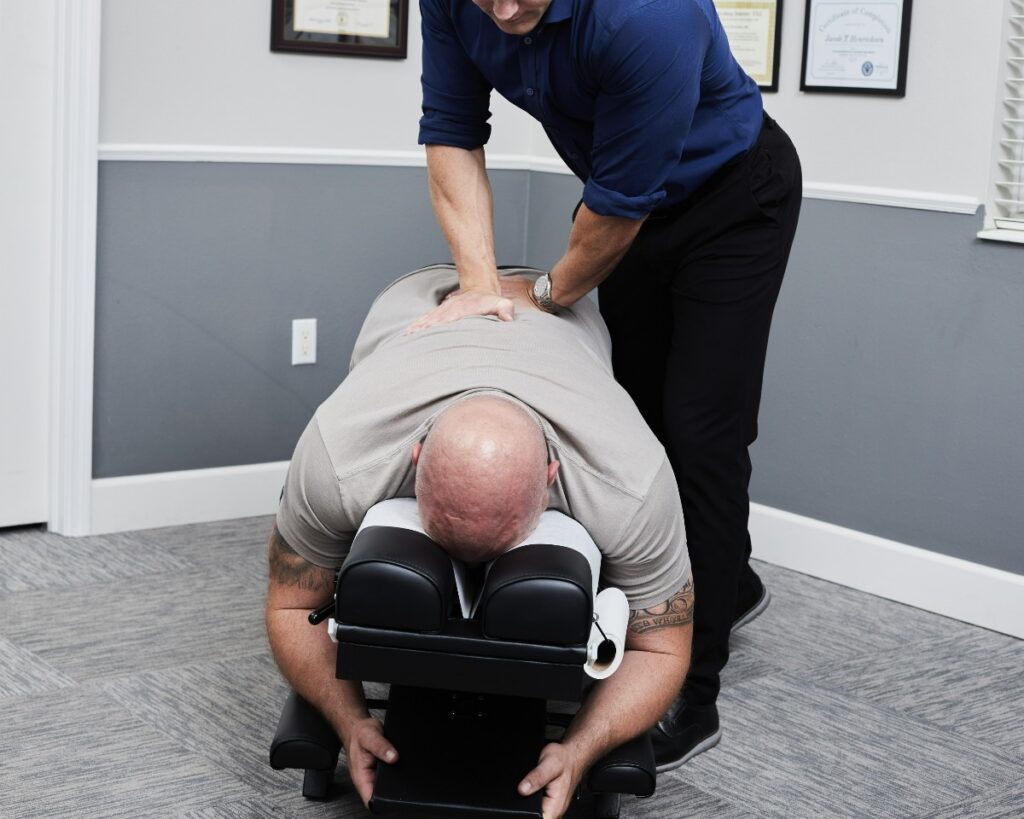

You might be surprised to learn how diverse the approaches to chronic back pain relief have been throughout history. From the herbal remedies of ancient Egyptians to the sophisticated techniques of Traditional Chinese Medicine, these practices reveal a fascinating evolution in understanding pain. Each era brought its unique perspectives, blending traditional beliefs with emerging scientific knowledge. As you explore these historical insights, you may find that some age-old remedies have surprising relevance today, prompting questions about what we can learn from the past. So, what lessons might still resonate with modern approaches?
Ancient Egyptian Remedies
Ancient Egyptians had a wealth of remedies for chronic back pain that might surprise you. They didn't just rely on magic and mythology; they also used practical approaches based on their understanding of the human body.
For instance, you might find it interesting that they often employed a combination of herbal treatments and manual therapies. One popular herb was willow bark, which contains salicin, a compound similar to aspirin. If you were in ancient Egypt, you'd likely brew willow bark into a tea or create a poultice to apply directly to painful areas. This natural remedy could help alleviate inflammation and reduce pain.
Additionally, the Egyptians practiced massage techniques that you can still find in modern therapies. They believed that manipulating the body could relieve tension and improve circulation. You'd lay on a mat while a skilled practitioner kneaded your back, using oils infused with various herbs to enhance the experience.
Furthermore, the Egyptians recognized the importance of posture and physical activity. They encouraged gentle stretching and exercises to strengthen the back, which can be incredibly beneficial for chronic pain relief.
Lastly, they often turned to heat therapy, using heated stones or warm compresses to soothe sore muscles. You might find that the warmth penetrates deeply, providing comfort and relaxation.
Greek and Roman Techniques
Building on the foundations laid by the Egyptians, Greek and Roman techniques for managing chronic back pain incorporated both philosophy and practical methods.
You'd find that these ancient cultures emphasized the balance between body and mind. Philosophers like Hippocrates believed that understanding the body's natural processes was essential for healing. He introduced the idea that lifestyle, including diet and exercise, played a significant role in pain management.
When it came to practical methods, the Greeks utilized various forms of massage and manipulation. You might've experienced techniques similar to what we now call chiropractic adjustments. They believed in the power of touch to realign the body and relieve pain.
Hot and cold treatments were also popular. You could soak in hot baths infused with herbs or apply cold compresses to affected areas, both aimed at reducing inflammation and improving blood flow.
The Romans built on these ideas by creating elaborate public baths, where you could relax and receive treatments. They incorporated steam rooms and therapeutic massages into their wellness routines.
Additionally, Roman physicians often prescribed exercises tailored to strengthen the back and improve flexibility, recognizing that movement was crucial for recovery.
Traditional Chinese Medicine
When it comes to managing chronic back pain, Traditional Chinese Medicine offers unique approaches that might surprise you.
You'll find that acupuncture techniques can provide relief by targeting specific points in your body, while herbal remedies can support your overall healing.
Let's explore how these methods can help you regain your comfort and mobility.
Acupuncture Techniques and Benefits
Acupuncture, a key component of Traditional Chinese Medicine, offers a holistic approach to relieving chronic back pain. This ancient technique involves inserting thin needles at specific points on your body to stimulate energy flow, or "Qi." By targeting these acupuncture points, you can alleviate tension, reduce inflammation, and promote healing in your back.
When you try acupuncture, you'll typically start with a consultation where the practitioner assesses your condition. They'll identify the underlying causes of your pain and tailor a treatment plan just for you. Each session usually lasts about 30 to 60 minutes, during which you may feel a slight tingling or warmth at the needle sites.
Many people report significant pain relief after just a few sessions, and some even experience improvements in overall well-being, including reduced stress and better sleep.
Acupuncture not only addresses the physical aspects of your back pain but also the emotional components, helping you achieve a balanced state of health.
If you're looking for a natural, non-invasive method to manage your chronic back pain, consider giving acupuncture a try. It could be the key to revealing a pain-free life.
Herbal Remedies for Pain
In the domain of Traditional Chinese Medicine, herbal remedies play an essential role in alleviating pain, including chronic back pain. You may find various herbs that have been used for centuries to ease discomfort and promote healing.
For instance, Dong Quai, often called "female ginseng," helps improve circulation and reduce inflammation. It's beneficial if you're dealing with pain related to menstrual issues or hormonal imbalances.
Another powerful herb is Turmeric, known for its active compound curcumin, which possesses anti-inflammatory properties. Incorporating it into your diet or taking it as a supplement may help diminish pain and swelling.
Additionally, you might consider using Ginger, which not only aids digestion but also has analgesic effects that can provide relief from back pain.
Lastly, Boswellia is another notable herb in this area. It's often used to improve joint function and reduce pain, making it a great option for chronic back pain sufferers.
Always consult a healthcare professional before starting any herbal regimen to guarantee it's appropriate for your specific needs. By exploring these herbal remedies, you could find a natural approach to ease your chronic pain and improve your overall well-being.
Medieval Approaches to Pain
During medieval times, people relied heavily on herbal remedies and various physical therapies to ease their pain.
You might also find it interesting that spiritual and religious beliefs played a significant role in how they approached suffering.
Understanding these perspectives can shed light on the evolving nature of pain relief through the ages.
Herbal Remedies and Treatments
Throughout history, herbal remedies have played a vital role in alleviating chronic back pain, especially during medieval times when natural treatments were the primary option.
You'd find that various herbs were commonly used to relieve discomfort and promote healing. For instance, willow bark, rich in salicin, acted as a natural painkiller, providing relief much like modern-day aspirin.
Another popular remedy was St. John's Wort, known for its anti-inflammatory properties. You might've come across poultices made from this herb, which were applied directly to the affected area, helping to soothe muscle aches.
Additionally, you could have utilized ginger, renowned for its warming effects, to ease stiffness and improve circulation. Herbal teas made from chamomile or peppermint were also common, as they not only calmed the mind but also helped reduce muscle tension.
Medieval practitioners often combined these herbs into tinctures or salves, allowing for a personalized approach to treatment.
While these remedies may seem primitive compared to today's medicine, they laid the groundwork for understanding natural healing and offered hope to those suffering from chronic back pain.
Physical Therapies of the Era
Many medieval practitioners recognized the significance of physical therapies in managing chronic back pain. You'd find them employing various hands-on techniques, such as massage and manipulation, to alleviate discomfort.
These practitioners understood that manipulating the body could improve circulation and relieve tension, which, in turn, provided some relief from pain.
Hot and cold treatments were also common. You might've experienced the soothing effects of heated cloths or poultices applied to your back, helping to reduce inflammation.
Cold compresses, on the other hand, could numb pain temporarily, offering a brief respite from your suffering.
Stretching exercises were part of your routine as well. Practitioners often encouraged gentle movements to help increase flexibility and strengthen your back muscles.
They recognized that keeping your body active could prevent stiffness and maintain mobility.
Moreover, you'd likely encounter the use of traction devices, designed to stretch your spine and relieve pressure.
These methods, albeit rudimentary, reflected a growing understanding of the musculoskeletal system.
In these ways, medieval physical therapies laid the groundwork for more advanced approaches, demonstrating that even in earlier times, the pursuit of back pain relief was a significant focus.
Spiritual and Religious Beliefs
In medieval times, spiritual and religious beliefs played an essential role in how you understood and coped with chronic back pain. You often viewed pain as a test of faith or a punishment for sins. This perspective influenced both your emotional and physical approaches to managing discomfort.
Here are three key ways spirituality impacted your experience:
- Prayers and Rituals: You regularly prayed or performed rituals, hoping for divine intervention to alleviate your pain. Special masses or offerings were common to seek healing.
- Saints and Relics: You might've turned to specific saints associated with healing, such as Saint Roch or Saint Apollonia. Visiting their shrines or carrying relics was believed to provide relief.
- Confession and Penance: You often sought forgiveness through confession, believing that spiritual cleansing could ease your physical suffering. Penance became a way to reconcile your pain with your faith.
In this context, your chronic back pain wasn't just a physical ailment; it was a spiritual journey. The intertwining of faith and health shaped your understanding and coping mechanisms during these challenging times.
Renaissance Discoveries
During the Renaissance, groundbreaking discoveries transformed the understanding of the human body, paving the way for advancements in treating chronic back pain. You'd find that this period marked a significant shift from superstition to a more scientific approach to medicine. Scholars like Andreas Vesalius challenged traditional beliefs by emphasizing the importance of anatomical studies. By dissecting human bodies, they uncovered the complexities of musculoskeletal structures, which directly impacted how you'd view back pain.
Vesalius's detailed anatomical drawings provided invaluable insights into spinal alignment and muscle function. You'd start to grasp that improper posture or muscle strain could lead to chronic discomfort.
Additionally, the Renaissance saw the revival of ancient texts and knowledge, which allowed physicians to better understand the interconnection between the body's systems. This knowledge encouraged a more holistic approach to treatment.
Furthermore, as the study of anatomy progressed, physicians began experimenting with various forms of physical therapy. Techniques such as massage and manipulation became more widely accepted, offering you alternative ways to alleviate pain without relying solely on herbs or mystical cures.
The emphasis on observation and evidence-based practices during this time laid the groundwork for future innovations in pain management.
18th and 19th Century Treatments
As the 18th and 19th centuries rolled around, treatments for chronic back pain started to evolve considerably, shedding light on more effective methods. You'd find a mix of traditional remedies and emerging scientific practices during this time.
Here are three notable approaches that gained traction:
- Massage Therapy: Practitioners began to recognize the benefits of manual manipulation. Massaging sore muscles helped alleviate pain and improved circulation, providing much-needed relief for those suffering from chronic back issues.
- Hydrotherapy: The use of water, whether through baths or compresses, became popular. People believed that different water temperatures could soothe pain and promote healing. Spas and thermal baths emerged as important venues for this form of treatment.
- Traction Devices: Innovators developed various traction devices aimed at stretching the spine. These devices aimed to relieve pressure on the vertebrae and alleviate discomfort, offering a more mechanical approach to back pain relief.
Despite these advancements, some treatments remained rudimentary, often relying on anecdotal evidence rather than scientific backing.
However, the 18th and 19th centuries marked a significant turning point. You could see how societal attitudes shifted towards a more systematic understanding of health and wellness.
Early 20th Century Innovations
The early 20th century witnessed remarkable innovations in the treatment of chronic back pain, building on the foundations laid in previous centuries. You'd find that this era introduced a blend of scientific advancements and holistic approaches, revolutionizing pain management. Physicians began to focus more on the underlying causes of back pain rather than just alleviating symptoms.
One significant breakthrough was the development of physical therapy techniques, highlighting the importance of exercise and rehabilitation. You might encounter practitioners advocating for tailored exercises aimed at strengthening core muscles and improving posture, which were seen as essential to preventing and alleviating pain.
Additionally, chiropractic care gained popularity during this time. Chiropractors proposed that spinal alignment could alleviate pain and restore health, leading many to seek their services for chronic back issues. You'd likely appreciate how this approach emphasized the body's ability to heal itself, aligning with the era's growing interest in natural remedies.
Another significant advancement was the introduction of more effective pain relief medications. Aspirin, for instance, became widely available and was celebrated for its analgesic properties. You'd notice how this provided an accessible option for many suffering from chronic pain.
As you explore this period, it's clear that the early 20th century laid essential groundwork for understanding and managing chronic back pain. With a blend of physical therapies, chiropractic practices, and pharmaceutical options, you'd see a more holistic approach emerging, setting the stage for future innovations in pain relief.
Modern Perspectives on History
Understanding chronic back pain relief today involves looking back at how historical treatments have shaped modern practices. You might be surprised by the evolution of methods used to alleviate pain and how they've influenced current approaches.
Here are three key historical insights that still resonate in today's treatment landscape:
- Ancient Remedies: From acupuncture in China to herbal treatments in traditional medicine, ancient cultures laid the groundwork for holistic approaches to pain relief that many still embrace today.
- The Rise of Chiropractic Care: In the late 19th century, chiropractic care emerged as a significant alternative to conventional medicine. Its emphasis on spinal alignment continues to inform many modern therapeutic practices.
- Physical Therapy Developments: The early 20th century saw the formalization of physical therapy as a profession. Techniques developed during this time still play a vital role in rehabilitation and pain management today.
Conclusion
As you explore the rich history of chronic back pain relief, you'll see how various cultures have shaped our understanding of pain management. From ancient herbal remedies to modern scientific approaches, each era contributed valuable insights and techniques. This journey highlights the importance of blending traditional practices with contemporary advancements, ultimately empowering you to find effective solutions for your own back pain. Embrace this knowledge as you seek relief and enhance your well-being.