
As a chiropractor, I want to share with you that chronic back pain is not just about the discomfort you feel; it has deep roots in our history that can help us understand its complexities. Over the ages, different cultures have faced unique challenges that influenced how they dealt with physical strain. For instance, ancient civilizations had their own ways of managing pain, often tied to their beliefs and daily activities.
Fast forward to the Industrial Revolution, where the nature of work shifted dramatically, introducing new physical demands on the body. This historical perspective is crucial because it informs our current understanding of back pain and the methods we use to manage it today.
By exploring these historical contexts, we can appreciate how chronic back pain has evolved and how our approach to healing has changed. If you’re curious about how chiropractic care can play a role in your healing journey, let’s delve into how natural and holistic practices can help alleviate your discomfort and improve your overall well-being.
Ancient Perspectives on Back Pain
Throughout history, people have sought to understand the causes of back pain, and this quest for knowledge has shaped how we approach healing today. In ancient civilizations, there was a fascinating blend of practical methods and philosophical beliefs about discomfort.
For instance, the ancient Egyptians viewed health as a balance of bodily fluids, suggesting that imbalances could lead to conditions like back pain. Similarly, Greek physicians such as Hippocrates emphasized the importance of diet and exercise, advocating for a holistic approach to physical well-being to prevent issues like discomfort in the back.
If you were living in ancient China, you might’ve turned to acupuncture, a practice focused on aligning your body’s energy flow to alleviate pain. These early insights into health and wellness laid the groundwork for many modern healing practices, including chiropractic care, highlighting the intricate relationship between the body and mind.
As your local chiropractor, I want to emphasize that while ancient methods may seem primitive by today’s standards, they reflect a timeless human desire to understand and care for our bodies.
Each culture has contributed to the evolving narrative of back pain, influencing how we view and treat it now. By combining these historical perspectives with contemporary chiropractic techniques, we can work together to address your back pain naturally and effectively.
Let’s explore how we can support your body’s healing journey.
The Influence of Superstition and Religion
As a local chiropractor, I want to take a moment to discuss how various beliefs, including superstition and religion, can influence our perceptions of chronic back pain. Many individuals may interpret their discomfort through a spiritual lens, viewing it as a test or even a punishment.
While these beliefs can provide some comfort, it’s important to understand that there are effective, evidence-based approaches to relieve pain.
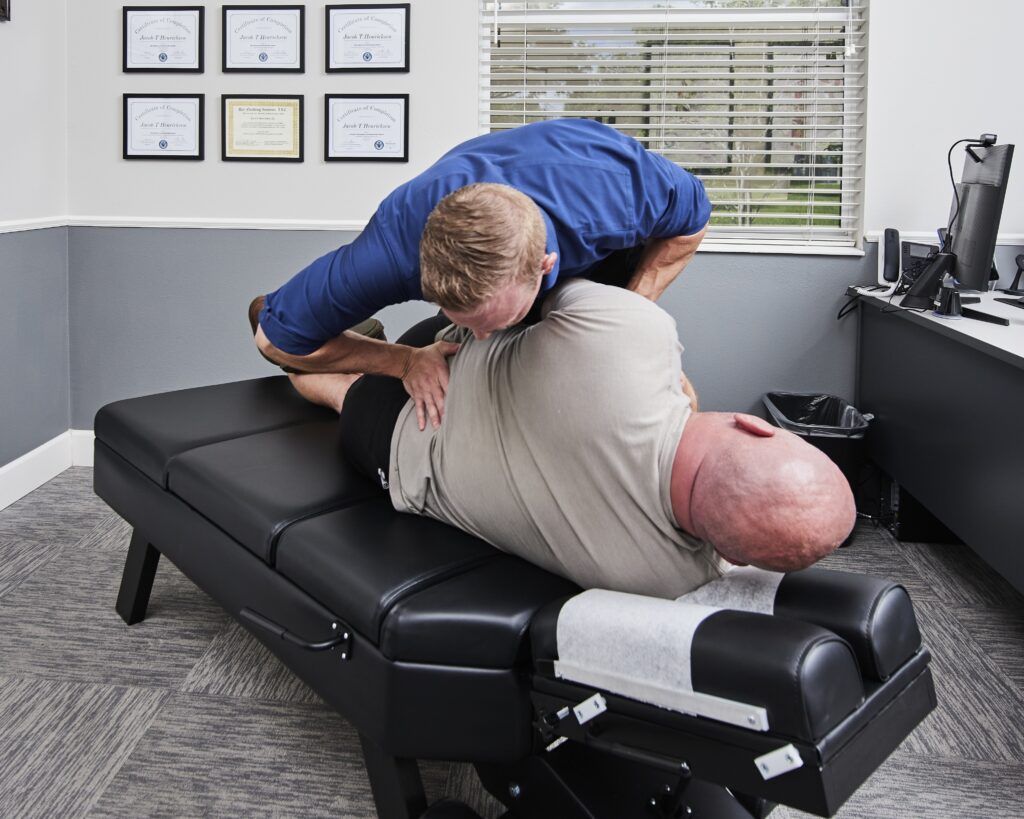
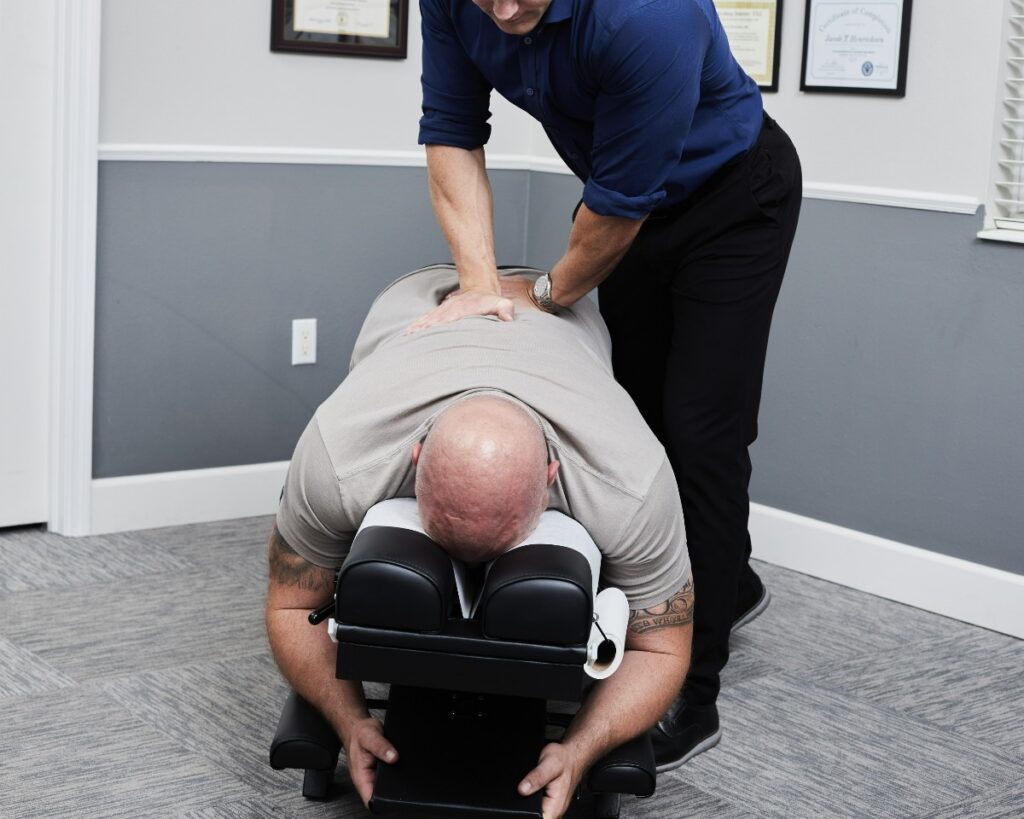
In chiropractic care, we focus on the body’s natural ability to heal itself. Our techniques aim to restore proper alignment and function to the spine, which can alleviate pain and improve overall well-being.
Unlike some healing practices that may promise relief based solely on spiritual interpretations, chiropractic treatment is grounded in science and involves thorough assessments to tailor care for each individual.
If you’re struggling with chronic back pain, I encourage you to explore chiropractic care as a natural healing option. It’s not just about managing symptoms; it’s about understanding the root causes of your pain and providing a holistic approach to your health.
Let’s work together to find the best path to your recovery.
Spiritual Explanations for Pain
As a local chiropractor, I often encounter patients who wonder why chronic back pain can sometimes be linked to more than just physical issues.
It’s important to understand that many people seek explanations for their suffering beyond just the biological or mechanical aspects. For some, attributing pain to spiritual causes can provide a sense of comfort and purpose. This perspective allows individuals to consider that their pain might hold deeper lessons or serve a higher purpose in their lives.
Many believe that experiencing chronic pain can serve as a test of one’s resilience and faith, potentially strengthening their resolve in the face of adversity. Additionally, some people recognize that unresolved emotional or spiritual conflicts may contribute to their discomfort, indicating that healing goes beyond just the physical body.
As your chiropractor, I encourage you to explore these dimensions of your health. Acknowledging the spiritual aspects of your pain can empower you to seek a deeper understanding and connection within yourself.
In my practice, I strive to integrate both traditional chiropractic methods and holistic approaches to healing. By addressing both the physical and the potential emotional or spiritual factors, we can create a more comprehensive treatment plan that may lead you to new pathways for healing that you mightn’t have considered before.
Together, we can work toward a more balanced and enriched approach to your health and well-being.
Superstitions and Healing Practices
As a local chiropractor, I often see patients who are exploring various methods to cope with chronic back pain. Many people turn to superstitions and healing practices, believing that these rituals can aid in their recovery. While I respect the comfort that wearing specific amulets or performing rituals can bring, I want to emphasize the importance of evidence-based approaches to healing.
Some individuals find solace in aligning their energy with the universe or seeking divine intervention through prayer. It’s understandable to seek hope and support during difficult times. Additionally, folk remedies, such as herbal concoctions or salt baths, often have deep-rooted traditions and can foster a sense of community.
However, as a chiropractor, I focus on providing treatments that are grounded in scientific research to address the underlying causes of pain. Chiropractic care involves hands-on techniques to adjust the spine and improve overall function, which can significantly alleviate discomfort.
While these superstitions and practices may offer emotional support, I encourage you to consider combining them with natural healing methods like chiropractic adjustments, exercises, and proper posture. Ultimately, the goal is to help you feel better through a holistic approach that integrates both traditional wisdom and modern science.
Your journey to recovery can be enriched by understanding and utilizing the best of both worlds.
The Role of Physical Labor in Historical Societies
As a chiropractor, I want to highlight the significant role that physical labor has played throughout history, and how it continues to affect our bodies today. For centuries, people engaged in demanding work—whether it was farming, construction, or crafts—which not only contributed to the economy but also took a toll on their physical health.
Imagine your ancestors rising early to tend to their fields or lifting heavy materials for construction. These daily tasks required immense strength and endurance, leading to physical development, but they also came with a risk of chronic pain and discomfort. Many of us can relate to the strain that repetitive motions and heavy lifting can place on our bodies, especially when it comes to back pain, which can linger for years if not addressed properly.
Traditionally, people relied on natural remedies to alleviate their pain, as access to modern medical interventions was limited. As we reflect on these historical practices, it’s important to recognize that physical labor has profoundly influenced our health and well-being.
In today’s world, understanding the impact of our daily activities on our bodies is crucial. Chiropractic care offers a holistic approach to healing, focusing on alignment and function to help you manage pain and improve your overall quality of life.
Medical Practices in Ancient Civilizations
As your local chiropractor, I want to share with you how ancient civilizations laid the foundation for many natural healing techniques that we still use today in chiropractic care.
These early societies understood the vital connection between physical ailments, such as chronic back pain, and holistic approaches to overall health. They utilized a variety of methods to address pain and promote wellness, some of which resonate with our chiropractic philosophy.
- Herbal Remedies: Just like ancient healers used plants such as willow bark for pain relief, we can appreciate the role of natural remedies in supporting our bodies.
- Acupuncture: The ancient practice of acupuncture, where needles are inserted at specific points to relieve pain, is an example of how focused interventions can help alleviate discomfort—similar to how we target misalignments in the spine.
- Massage Therapy: Techniques used to manipulate the body and ease tension have long been recognized for their benefits. In chiropractic care, we often incorporate soft tissue work to enhance recovery.
- Surgical Procedures: While early surgeries were performed with rudimentary tools, we now focus on non-invasive methods to relieve pressure on the spine and support optimal function.
- Spiritual Healing: Many cultures believed in the mind-body connection, incorporating rituals and prayers into healing. We understand that mental and emotional health plays a significant role in physical well-being.
These historical practices highlight the early understanding of health and healing, which continues to influence our approach to chiropractic care today.
The Renaissance and Shifts in Medical Understanding
During the Renaissance, a fascinating transformation in medical understanding laid the groundwork for the evidence-based practices we see in modern healthcare today. It was a time when physicians began to question the ancient texts that had long guided medical thought and instead sought knowledge through direct observation and dissection. This shift was crucial for gaining a clearer understanding of human anatomy, which is vital for addressing conditions like chronic back pain.
One of the key developments during this period was the invention of the printing press, which allowed for the rapid spread of new medical ideas, making them accessible to a broader audience. For instance, groundbreaking works such as Andreas Vesalius’s “De humani corporis fabrica” challenged longstanding misconceptions about the human body.
This emphasis on empirical evidence also led to a greater appreciation of the connection between the mind and body, highlighting how emotional and psychological factors can significantly influence physical health.
As a chiropractor, I draw on this rich history of inquiry and understanding to help my patients achieve optimal health. By focusing on natural healing methods and the body’s innate ability to heal itself, we can work together to address not just the symptoms of back pain, but also the underlying issues that may be contributing to it.
Understanding the historical context of medical practices can empower you to take charge of your health journey, embracing the holistic approach that chiropractic care offers.
Industrial Revolution: Ergonomics and Back Pain
As a local Chiropractor, I want to shed light on how the Industrial Revolution significantly impacted the health of workers, particularly concerning chronic back pain. During this transformative period, many individuals found themselves in new work environments that posed unique challenges to their physical well-being.
Here are some critical factors that contributed to the rise of back pain among laborers during this time:
- Long Working Hours: Many workers endured extended shifts without adequate breaks, which placed immense strain on their muscles and joints. This lack of rest can lead to chronic discomfort and pain over time.
- Repetitive Motions: The nature of factory work often involved repetitive tasks that required the same movements day in and day out. This repetition can result in overuse injuries, particularly in the back and neck areas.
- Lack of Ergonomic Tools: Unfortunately, the equipment available during the Industrial Revolution wasn’t designed with worker comfort or efficiency in mind. This oversight meant that many laborers were subjected to unnecessary physical stress, contributing to their pain and discomfort.
- Heavy Lifting: Many jobs required workers to lift heavy objects without proper techniques or training. This practice can lead to acute injuries and chronic pain if not addressed.
- Poor Workspaces: Often, work environments lacked proper seating and standing arrangements, making it difficult for workers to maintain good posture throughout their shifts. Maintaining proper posture is crucial in preventing back pain and other musculoskeletal issues.
Understanding these historical factors can help you appreciate the lasting impact of industrial advancements on health, particularly regarding chronic back pain.
As a Chiropractor, I’m here to support you in finding natural ways to alleviate pain and improve your overall health through spinal adjustments and personalized care.
Let’s work together to create a healthier future!
The Emergence of Psychological Factors
As a local chiropractor, I want to help you understand that while physical factors like heavy lifting and poor ergonomics are significant contributors to chronic back pain, we must also consider the psychological aspects that can worsen these issues.
Stress, anxiety, and depression can greatly influence your experience of pain, creating a cycle that often intensifies your discomfort. When you’re feeling anxious or down, your sensitivity to pain can increase, making it more challenging to manage.
Negative thought patterns can hinder your recovery as well. If you believe that your pain will never improve, you’re less likely to participate in activities that might promote healing and well-being.
Additionally, the fear of re-injury can keep you from moving, which can further weaken your back and prolong your pain.
It’s essential to recognize these psychological factors in order to effectively manage your chronic pain. By addressing your mental health alongside your physical treatment, you can break this cycle and take back control over your body and overall well-being.
At our practice, we focus on a holistic approach that combines physical adjustments with support for your mental health, guiding you on the path to recovery and a healthier, more active life.
Modern Research and Technological Advances
As a local chiropractor, I want to share how modern research and technology are revolutionizing our approach to chronic back pain.
With advancements in imaging techniques, we can gain a clearer understanding of your spine and its alignment, allowing for more precise diagnoses. Additionally, developments in biomechanics help us understand how your body moves and responds to different treatments.
Wearable technology is also playing a significant role in pain management, providing real-time feedback about your posture and activity levels. This empowers you to take an active role in your health journey.
By integrating these innovations into our chiropractic care, we can enhance your healing process and help you achieve lasting relief from pain.
Let’s work together to explore these natural healing options and improve your quality of life.
Imaging Techniques Advancements
As a local chiropractor, I want to share how advancements in imaging techniques have transformed our approach to diagnosing and understanding chronic back pain.
These innovative tools allow us to visualize your spine and its surrounding structures with remarkable clarity, leading to more accurate assessments of your condition. This progress enables us to identify specific issues that may be causing your pain, which in turn helps us develop targeted treatment strategies that focus on natural healing.
Here are some key imaging advancements that play a vital role in our practice:
- MRI (Magnetic Resonance Imaging): This technique provides detailed images of soft tissues, such as discs and nerves, which helps us understand the underlying causes of your discomfort.
- CT (Computed Tomography) Scans: These scans offer cross-sectional images that give us a clearer view of your bone structures, allowing us to assess any abnormalities that may affect your spine.
- Ultrasound: This technology allows us to visualize muscles and ligaments in real-time, helping us evaluate any soft tissue injuries or conditions that may contribute to your pain.
- X-rays: While primarily used for identifying fractures and alignment issues, X-rays can also help us understand the overall structure of your spine.
- Functional Imaging: This advanced imaging technique assesses changes in neural activity related to pain perception, giving us insights into how your body processes pain.
By incorporating these tools into our practice, we enhance our understanding of your condition and improve our ability to manage chronic back pain through natural healing methods.
Together, we can create a personalized treatment plan that addresses the root causes of your pain and promotes long-term wellness.
Biomechanics and Pain Research
As a local chiropractor, I want to emphasize the importance of understanding the biomechanics of your body, especially when it comes to managing chronic back pain. Many people aren’t aware of how their movement patterns, posture, and muscle function can significantly contribute to discomfort.
Recent research has shed light on how spinal alignment directly affects pain perception, and I’m here to help you navigate these connections.
You might be surprised to learn that even small adjustments in your biomechanics can lead to noticeable improvements in your comfort levels. For example, using improper lifting techniques or sitting for extended periods can put unnecessary strain on your back over time.
Through advanced imaging and motion analysis, we can observe these interactions in real-time and tailor our approach to your unique needs.
As your chiropractor, I’ll work with you to develop effective strategies for pain relief, including personalized physical therapy and exercise regimens.
By understanding the mechanics of your body, you can empower yourself with knowledge and take proactive steps towards more effective pain management solutions.
Together, we can enhance your overall well-being and help you live a more comfortable life.
Wearable Technology Innovations
As your local chiropractor, I want to introduce you to an exciting development in the world of health and wellness: wearable technology.
While many people associate fitness trackers with counting steps or monitoring heart rates, these innovative devices have advanced significantly and can play a crucial role in managing chronic back pain.
If you’re experiencing persistent discomfort, here are some ways that wearable technology can support your healing journey:
- Posture correction: Many of these devices come equipped with alerts to notify you when you’re slouching or maintaining poor posture, helping you develop better habits that can alleviate strain on your back.
- Pain tracking: Wearables can log your pain levels throughout the day, providing valuable data that can help us identify specific triggers and patterns related to your discomfort.
- Activity reminders: These devices can gently remind you to move and stretch, which can be particularly beneficial in reducing stiffness and promoting better mobility.
- Therapeutic heat: Some advanced wearables offer targeted heat therapy, which can provide soothing relief and support muscle relaxation in the affected areas.
- Data-sharing: With your consent, you can share your health data with me or other healthcare providers, enabling us to create a more tailored and effective treatment plan for your back pain.
I encourage you to explore these advancements in wearable technology as a complementary tool to enhance your back pain management strategy.
Together, we can work towards a healthier, pain-free life!
Current Treatment Approaches and Their Roots
As your local chiropractor, I want to help you understand the various treatment options available for chronic back pain, especially those that focus on natural healing. Chiropractic care is a holistic approach that emphasizes spinal alignment and overall body balance—a practice that has its roots in ancient cultures. By correcting misalignments in the spine, we can improve your body’s function and alleviate pain.
In addition to chiropractic adjustments, physical therapy is often beneficial. This involves tailored exercises and manual techniques that have been used for centuries to aid in rehabilitation and recovery. It’s all about finding the right exercises that fit your specific needs to strengthen your back and improve mobility.
You may also hear about medications like NSAIDs and muscle relaxants, which can provide temporary relief. However, these treatments often have origins in traditional herbal remedies. At our clinic, we prioritize natural methods to minimize reliance on medications whenever possible.
Moreover, mindfulness and cognitive-behavioral therapy have become increasingly popular for addressing the psychological aspects of pain. These practices recognize the mind-body connection and can complement the physical adjustments we make in chiropractic care.
Don’t overlook emerging treatments such as acupuncture and electrical stimulation. These techniques combine time-honored practices with modern science, offering a comprehensive approach to pain relief.
As we work together, I encourage you to consider an individualized treatment plan tailored specifically to your unique situation. My goal is to help you navigate these options and find the best path toward healing and relief from chronic back pain.
Conclusion
As your local chiropractor, I want to share some insights into the historical context of chronic back pain and how it relates to our modern understanding of care. Throughout history, beliefs about back pain have evolved from ancient explanations to our current knowledge shaped by extensive research. It’s fascinating to see how factors like physical labor, ergonomics, and even psychological influences have played a role in the way we experience and manage back pain today.
By understanding these historical influences, you can appreciate the importance of a holistic approach to your back pain. Chiropractic care focuses not only on the physical aspects of your spine and muscles but also considers the emotional and psychological components that can impact your overall well-being. When we combine effective physical treatments with emotional support, we can create a more comprehensive plan for managing your pain.
I encourage you to embrace both the physical care that chiropractic offers and the emotional support you may need. This combined approach can lead to more effective pain management and ultimately improve your quality of life. Let’s work together to find the best path forward for your health and well-being!