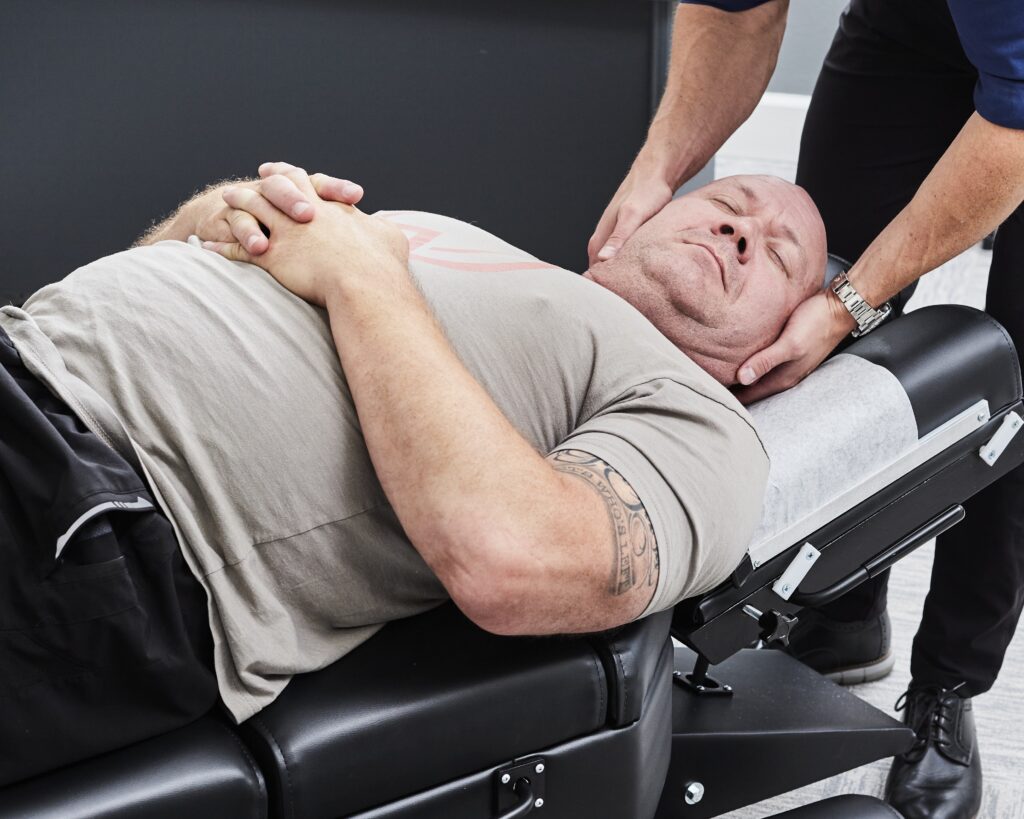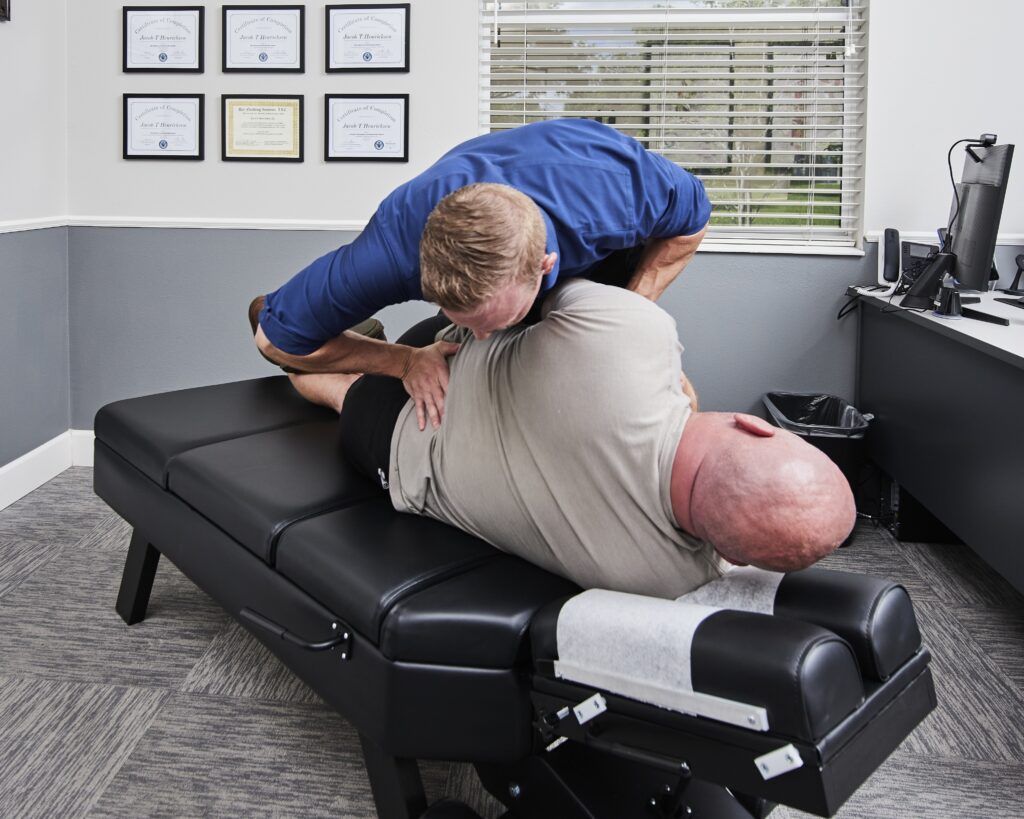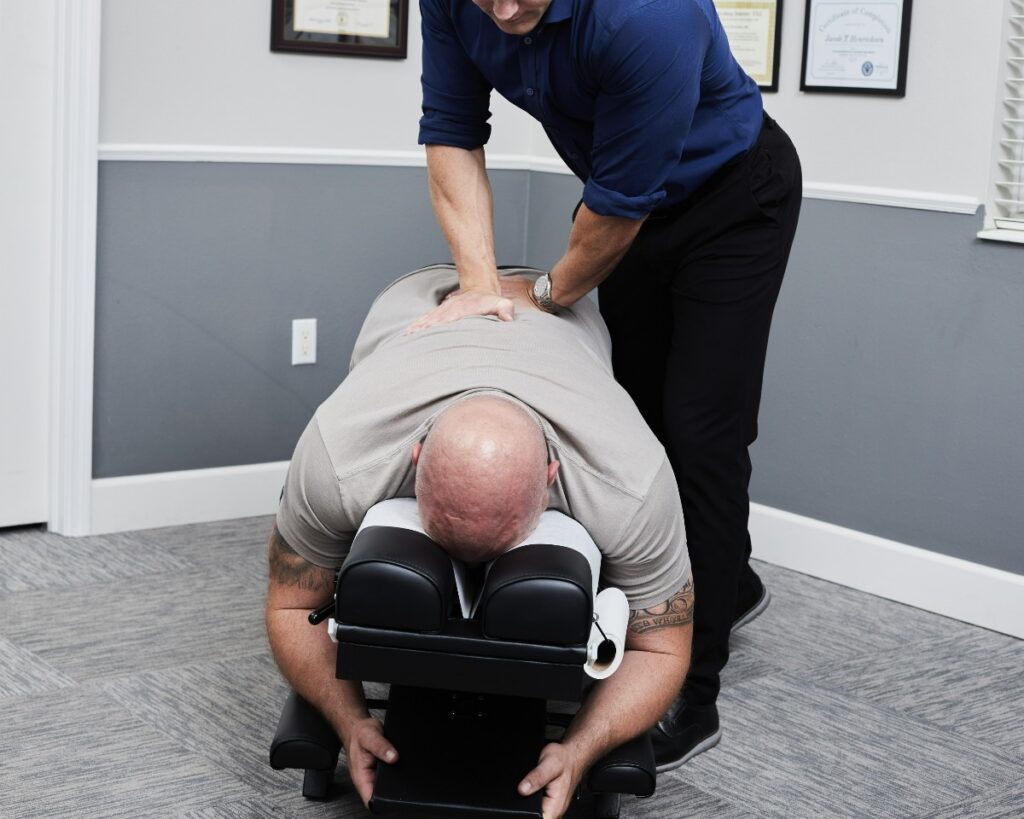

As a local chiropractor, I understand that navigating a neck injury can feel daunting. It's essential to approach your recovery with the right techniques, and I want to share some gentle methods that have proven effective in my practice. Gentle techniques, such as light stretching and mindfulness practices, can significantly enhance your healing process. These approaches not only promote flexibility in your neck but also foster a positive mindset, both of which are crucial for your recovery journey.
You may be curious about how specific exercises and supportive measures can truly make a difference. By incorporating these gentle techniques into your routine, you can establish a solid foundation for a more effective recovery, ultimately leading to an improved quality of life. What might surprise you is just how much of an impact these simple practices can have on your overall well-being. Remember, your recovery is a journey, and I'm here to guide you through it with natural healing methods that respect your body's needs.
Understanding Neck Injuries
As a local chiropractor, I want to help you understand neck injuries and how they can impact your daily life. These injuries can occur unexpectedly, whether from a car accident, a fall, or even during sports activities. The effects can leave you experiencing pain and restricted mobility, making it essential to understand the nature of neck injuries for effective recovery.
Neck injuries can vary widely, from mild strains to more serious conditions like whiplash or herniated discs. A strain generally happens when the muscles or ligaments in your neck are overstretched, leading to discomfort and stiffness. You may notice tightness or pain that makes it difficult to turn your head.
On the other hand, whiplash occurs due to a sudden jerking motion, which can damage soft tissues in your neck and might result in chronic pain if not treated appropriately.
It's crucial to recognize the symptoms of a neck injury. You might experience headaches, numbness, or tingling in your arms, which could point to nerve involvement. It's important to pay close attention to these signs and seek medical advice promptly.
As a chiropractor, I often use diagnostic tools like X-rays or MRIs to identify the specific issue affecting your neck. This helps me provide tailored treatment recommendations that can facilitate your healing process.
Importance of Gentle Recovery
As a local chiropractor, I want to emphasize the importance of gentle movements when you're recovering from a neck injury.
Understanding the mind-body connection is key to enhancing your recovery and supporting your long-term wellness. By embracing a gentle approach, you not only help prevent further injury but also allow your body to heal more effectively.
Gentle movements can be incredibly beneficial, and I encourage you to integrate them into your recovery routine.
Benefits of Gentle Movements
As your local chiropractor, I want to emphasize the importance of gentle movements in your recovery from neck injuries. These movements can significantly aid in restoring mobility and alleviating pain, all while ensuring we avoid putting unnecessary strain on your neck.
Here are some key benefits of incorporating gentle movements into your recovery plan:
- Improved Flexibility: Gentle stretching exercises are vital for maintaining and enhancing your neck's flexibility, which can make everyday tasks much more manageable.
- Pain Reduction: Engaging in light movements can help relieve stiffness and discomfort, allowing you to better manage any pain you may be experiencing.
- Enhanced Blood Flow: Gentle exercises boost circulation to the affected area, which is crucial for healing as it helps deliver essential nutrients and oxygen to your tissues.
- Muscle Strengthening: Participating in low-impact activities can aid in rebuilding strength in your neck muscles. This not only supports better posture but also reduces the likelihood of future injuries.
Incorporating these gentle movements into your recovery plan is a natural and effective way to promote healing and regain functionality.
As always, I'm here to guide you through this process and ensure you're on the path to recovery.
Mind-Body Connection
As a local chiropractor, I want to share with you the significance of the mind-body connection in your recovery from neck injuries. It's essential to understand that your mental state can have a profound impact on your physical healing. Dealing with pain or discomfort can understandably lead to feelings of frustration or anxiety. However, cultivating a positive mindset can significantly enhance your recovery process.
Incorporating gentle recovery techniques such as mindfulness and meditation into your routine can help you tune into your body's sensations without judgment. By becoming more aware of how your body feels, you can identify which movements promote healing and which may aggravate your pain. This heightened awareness gives you a sense of control, allowing you to make informed decisions that support your healing journey.
Moreover, engaging in stress reduction techniques can significantly lower muscle tension and encourage relaxation, both of which are vital for recovery. When you're in a calm state, your body can focus its energy on healing rather than holding onto tension.
Additionally, visualizing a healthy and pain-free neck can serve as a powerful mental tool, helping to steer your body toward that state of well-being.
As your chiropractor, I encourage you to embrace these concepts in conjunction with your chiropractic care. Together, we can work towards restoring your neck health and overall well-being through both physical adjustments and a positive mental approach to healing.
Long-Term Healing Process
As a local chiropractor dedicated to the well-being of our community, I want to share some important insights on achieving a successful long-term recovery from a neck injury.
The journey to healing isn't just about alleviating pain; it's about nurturing your body back to health through gentle and mindful practices. Here are four fundamental steps I recommend for your recovery:
- Tune Into Your Body: Your body is a remarkable communicator. If you're experiencing discomfort in your neck, it's crucial to listen to those signals. Ignoring pain can lead to further complications, so always trust your instincts when something feels off.
- Embrace Gentle Stretching: Incorporating light stretching into your daily routine can significantly benefit your recovery. These exercises should focus on promoting flexibility without overexerting your muscles. Gentle movements can help maintain your neck's range of motion while reducing discomfort.
- Prioritize Good Posture: Maintaining proper posture throughout your daily activities is essential. Whether you're sitting, standing, or sleeping, being mindful of your alignment can prevent additional strain on your neck, allowing it to heal more effectively.
- Consult with a Professional: Seeking guidance from healthcare professionals, especially those who specialize in neck injuries, can be invaluable. A chiropractor can provide personalized assessments and tailored recovery plans that support your healing journey.
We focus on natural healing techniques that align with your body's needs.
By following these steps, you can foster a healthier recovery process and ultimately regain your strength and well-being.
Gentle Stretching Exercises
As a local chiropractor, I want to emphasize the importance of incorporating gentle stretching exercises into your recovery routine to alleviate neck pain and enhance mobility. These exercises play a vital role in maintaining flexibility, reducing tension, and promoting healing in the affected area.
It's essential to start with simple movements that are easy on your neck while still providing a gentle stretch.
Let's begin with neck tilts. Find a comfortable seated or standing position with your back straight. Slowly tilt your head to one side, bringing your ear toward your shoulder. Hold this position for 15-30 seconds, and you should feel a nice stretch along the side of your neck. Return to the center and repeat on the other side. Aim to perform this stretch three to five times on each side.
Next, I recommend trying neck rotations. From a comfortable position, gently turn your head to the right, aligning your chin with your shoulder. Hold for 15-30 seconds, then return to the center and repeat on the left side. This exercise is beneficial for improving your range of motion and alleviating stiffness.
Finally, let's incorporate shoulder rolls into your routine. While sitting or standing with your arms relaxed at your sides, roll your shoulders forward in a circular motion for 10 repetitions, then switch directions and roll them backward for another 10. This simple yet effective movement helps release tension in both your neck and shoulders.
Always listen to your body during these exercises. If you experience any pain while stretching, it's crucial to stop immediately.
As your neck begins to heal, you can gradually increase the intensity of your stretches, but ensure you stay within a comfortable range. By regularly practicing these gentle stretches, you can make significant strides in your recovery journey and improve your overall well-being.
Mindfulness and Relaxation Techniques
As a local chiropractor, I want to share how mindfulness and relaxation techniques can significantly support your recovery from a neck injury. Many patients may not realize the power of incorporating simple practices into their healing journey.
Breathing exercises, for example, can help you release tension in your neck and improve oxygen flow to your muscles. Guided imagery can create a mental space for relaxation, allowing your body to heal more effectively.
Additionally, progressive muscle relaxation helps you become aware of tension in your body and encourages you to let it go.
These techniques not only enhance your physical well-being but also bolster your mental resilience during the recovery process. By addressing both the physical and mental aspects of healing, we can work together to promote a more holistic approach to your recovery.
Breathing Exercises Benefits
As a local chiropractor, I want to share with you the remarkable benefits of incorporating breathing exercises into your recovery from neck injuries. Many of my patients find that these exercises not only promote mindfulness and relaxation but also play a crucial role in healing.
By focusing on your breath, you can cultivate a state of calm that aids in alleviating pain and tension in your neck and shoulders. Here are four significant advantages of adding breathing exercises to your recovery routine:
- Reduces Stress: Engaging in deep breathing activates your body's natural relaxation response. This helps lower stress levels, which in turn reduces muscle tension around your neck, allowing for a more comfortable recovery.
- Enhances Focus: Mindful breathing practices can sharpen your concentration. This heightened awareness helps you remain present and attentive, making your recovery process more effective.
- Promotes Pain Relief: By controlling your breath, you can enhance oxygen flow to your muscles and tissues. This increase in oxygen not only facilitates healing but also helps to manage and reduce discomfort associated with your neck injury.
- Improves Sleep Quality: Incorporating breathing exercises into your bedtime routine can significantly help you unwind. Improved sleep quality is essential for recovery, as it allows your body to heal and rejuvenate.
I encourage you to consider these breathing exercises as a complementary tool alongside your chiropractic care. They can greatly enhance your journey toward recovery and overall well-being.
Guided Imagery Practices
As a local chiropractor dedicated to supporting your recovery from neck injuries, I want to introduce you to the transformative power of guided imagery practices. These techniques can be an invaluable complement to your chiropractic care, helping you visualize calming scenes that promote relaxation and healing in your body.
To get started, find a comfortable and quiet space where you can sit or lie down. Close your eyes and take a few deep, soothing breaths. Now, imagine a peaceful landscape—a tranquil beach with gentle waves or a serene forest filled with the sounds of nature. Engage all your senses; visualize the colors, hear the sounds, and even imagine the scents of this calming environment.
As you immerse yourself in this imagery, picture a warm, healing light surrounding your neck. This light eases any discomfort and encourages relaxation throughout your body.
Incorporating affirmations into your guided imagery practice can further enhance its effectiveness. Silently repeat positive affirmations such as, "My neck is strong and healing," or "I am relaxed and at peace." These affirmations help reinforce positive thoughts and foster a healing mindset, which is essential in your recovery journey.
You can practice guided imagery daily or whenever you feel stressed or experience pain. Over time, many of my patients notice a significant shift in how their bodies respond to discomfort, making it easier to manage recovery.
Embrace this gentle technique alongside your chiropractic care, and witness how it enhances your healing journey. Together, we can support your neck's recovery and improve your overall well-being.
Progressive Muscle Relaxation
As your local chiropractor, I'm here to help you understand effective techniques for managing neck pain and promoting relaxation naturally. One method that I often recommend to my patients is Progressive Muscle Relaxation (PMR). This technique involves a systematic approach to tensing and then relaxing different muscle groups throughout your body, which can help you identify and release tension that may be contributing to your discomfort.
Here's how you can practice PMR effectively at home:
- Find a Quiet Space: Start by choosing a peaceful environment where you can focus without interruptions.
- Focus on Your Breathing: Before you begin, take deep, slow breaths to help ground yourself and prepare for the relaxation process.
- Tense and Relax: Begin with your toes. Tense the muscles for about five seconds, then relax them completely. Gradually work your way through your body—moving from your feet to your calves, thighs, and so on—until you reach your neck and shoulders.
- Repeat as Needed: Feel free to repeat this process as often as necessary, paying special attention to any areas where you feel tightness or discomfort.
Incorporating PMR into your routine can be a powerful tool to help manage stress and alleviate neck pain.
If you have any questions or want to learn more about how chiropractic care complements these practices, don't hesitate to reach out. Your journey to natural healing is important to me!
Heat and Cold Therapy
As a local chiropractor, I want to share some valuable insights about heat and cold therapy, especially if you're experiencing neck pain. Understanding when and how to use these therapies can significantly enhance your recovery process.
Heat therapy is a fantastic way to relax tight muscles and improve blood circulation in the affected area. If you're feeling discomfort, consider using a warm compress or a heating pad. Applying heat for 15 to 20 minutes can help loosen up your muscles, making it easier for you to move and feel more comfortable.
On the flip side, cold therapy is effective for managing inflammation and numbing sharp pain. Ice packs or a cool compress can be beneficial for targeting any swollen or painful areas. Just remember to wrap the ice pack in a cloth to protect your skin from frostbite. Applying cold for 10 to 15 minutes will help reduce swelling, particularly during the early stages of your recovery.
It's crucial to be attuned to your body's signals while using these therapies. If you start to feel increased pain or discomfort, it's important to stop and reassess your approach. You might find that alternating between heat and cold works well for you; just be cautious not to exceed the recommended application times.
By incorporating both heat and cold therapy into your routine, you should notice a decrease in pain and an improvement in neck mobility. This balanced approach not only aids in the healing process but also complements the chiropractic care I provide, leading to a more effective and holistic recovery experience.
If you ever have questions or need guidance, don't hesitate to reach out—I'm here to help you on your journey to better health!
The Role of Massage
As a local chiropractor, I want to emphasize the importance of incorporating massage therapy into your recovery plan after utilizing heat and cold therapy for neck pain.
Massage can significantly enhance your healing process by alleviating muscle tension, improving circulation, and promoting relaxation—all essential elements for recovery.
Here are four key benefits of massage that you should consider during your neck injury recovery:
- Reduces Muscle Tension: Massage effectively targets tight muscles in the neck, helping to release tension and alleviate pressure on surrounding nerves, which can result in reduced pain.
- Improves Blood Flow: Enhanced circulation from massage brings vital nutrients to the injured area, which promotes healing and can help reduce inflammation.
- Increases Range of Motion: Regular massage therapy can help restore flexibility in your neck, making it easier for you to move without discomfort and enhancing your overall mobility.
- Promotes Relaxation: The soothing effects of massage can significantly reduce stress levels, which can influence pain perception and muscle tension in your neck.
To maximize the benefits of your massage sessions, I recommend seeking a qualified massage therapist who's experience working with neck injuries.
It's important to communicate your specific concerns and areas of discomfort so they can tailor the session to your individual needs.
Whether you prefer deep tissue, Swedish, or trigger point therapy, integrating massage into your recovery plan can greatly support your healing journey.
As always, I encourage you to consult with a healthcare professional, such as myself, before starting any new treatment.
We can work together to ensure that your chosen therapies align with your recovery goals and overall health.
Supportive Devices and Ergonomics
As a local chiropractor, I want to emphasize the importance of incorporating supportive devices and proper ergonomics during your recovery from a neck injury. These elements can significantly impact your healing journey. Supportive devices, such as cervical collars, neck pillows, and ergonomic chairs, play a crucial role in providing the stability and comfort your neck needs as it heals.
Cervical collars are particularly beneficial as they help immobilize the neck, reducing strain and allowing for essential healing time. It's important to choose a collar that fits properly—if it's too tight or too loose, it can lead to additional discomfort.
When considering ergonomics, your workspace is vital. Ensure your computer monitor is at eye level to avoid straining your neck while you work. If you find yourself sitting for extended periods, I highly recommend investing in an ergonomic chair that supports your spine and neck appropriately. Adjust your chair so that your feet rest flat on the ground and your knees are at a 90-degree angle, which promotes better posture.
Additionally, your sleeping position can greatly influence your recovery. A supportive pillow that cradles your neck can enhance your comfort during the night. I often recommend contour pillows, as they align your head and neck with your spine, which is essential for restful sleep.
As you go about your daily activities, be conscious of your posture. Keeping your shoulders back and your head aligned with your spine can significantly reduce stress on your neck.
By combining the right supportive devices with proper ergonomic practices, you're creating an environment conducive to healing and minimizing the risk of further injury.
Nutrition for Recovery
As a local chiropractor, I want to emphasize how crucial nutrition is in your recovery from a neck injury. While supportive devices and proper ergonomics are important, the food you consume plays a significant role in your healing journey. The right nutrients can't only reduce inflammation but also support tissue repair and enhance your overall health.
Here are four essential dietary components to consider as you work towards recovery:
- Protein: Focus on incorporating lean sources such as chicken, fish, beans, and nuts into your meals. Protein is vital for repairing damaged tissues and muscles, which is especially important after a neck injury.
- Omega-3 Fatty Acids: Adding foods like fatty fish, flaxseeds, and walnuts to your diet can be beneficial. Omega-3 fatty acids are known for their anti-inflammatory properties, which can help alleviate swelling and pain in the affected area.
- Antioxidants: Make sure to include a variety of colorful fruits and vegetables, such as berries, spinach, and bell peppers. Antioxidants help combat oxidative stress and play a key role in promoting healing by protecting your cells from damage.
- Hydration: It's essential not to overlook the importance of water! Staying properly hydrated supports all bodily functions and aids in transporting nutrients to where they're needed most for effective recovery.
By being mindful of your nutrition, you're taking proactive steps toward healing your neck and improving your overall well-being.
If you have any questions or need further guidance on your recovery journey, feel free to reach out!
When to Seek Professional Help
As a local chiropractor, I want to emphasize the importance of recognizing when to seek professional help for a neck injury. Your recovery journey is vital, and understanding the signs can make all the difference. If you're experiencing persistent pain that doesn't seem to improve with rest or gentle home care, it's a clear signal to reach out for professional guidance.
Symptoms such as numbness, tingling, or weakness in your arms or hands should never be ignored, as they may suggest nerve involvement. These signs indicate that your body needs a deeper evaluation.
If you suddenly experience headaches or dizziness, it's crucial to seek immediate medical attention. These symptoms could point to a more serious issue that requires prompt care.
Additionally, if you find your mobility is severely restricted and have difficulty turning your head, it's time for a thorough chiropractic assessment.
Don't hesitate to address symptoms that worsen over time. If daily activities like driving or lifting are becoming challenging, reaching out for professional help can be beneficial. Early intervention in chiropractic care can prevent further complications and promote a smoother recovery process.
If your neck injury resulted from an accident or a fall, it's imperative to get checked out, even if you feel fine at first. Sometimes, injuries can manifest later, and a timely chiropractic assessment can help uncover any underlying issues.
Lastly, if you're feeling uncertain about your recovery progress or if your pain is affecting your mental well-being, please don't hesitate to seek help. A chiropractor can provide tailored treatment options and support, helping you regain your functionality and overall health.
Always trust your instincts—when in doubt, reaching out to a professional is the best course of action. Your health and well-being are worth it!
Conclusion
As a local chiropractor, I want to share how incorporating gentle techniques into your neck injury recovery can significantly enhance your healing journey. Many patients find that by practicing mindful movements and utilizing relaxation strategies, they can effectively promote flexibility and alleviate discomfort.
It's important to remember that patience is essential during this process. Pay attention to what your body is telling you, and allow yourself the necessary time to heal. In addition to these practices, seeking professional support from a chiropractor can provide tailored guidance and adjustments that facilitate recovery.
With the right approach, not only will you recover from your neck injury, but you'll also establish a stronger foundation for long-term neck health. Embrace this journey with an open mind, and you'll discover the relief and renewed strength that comes from natural healing. I'm here to support you every step of the way!