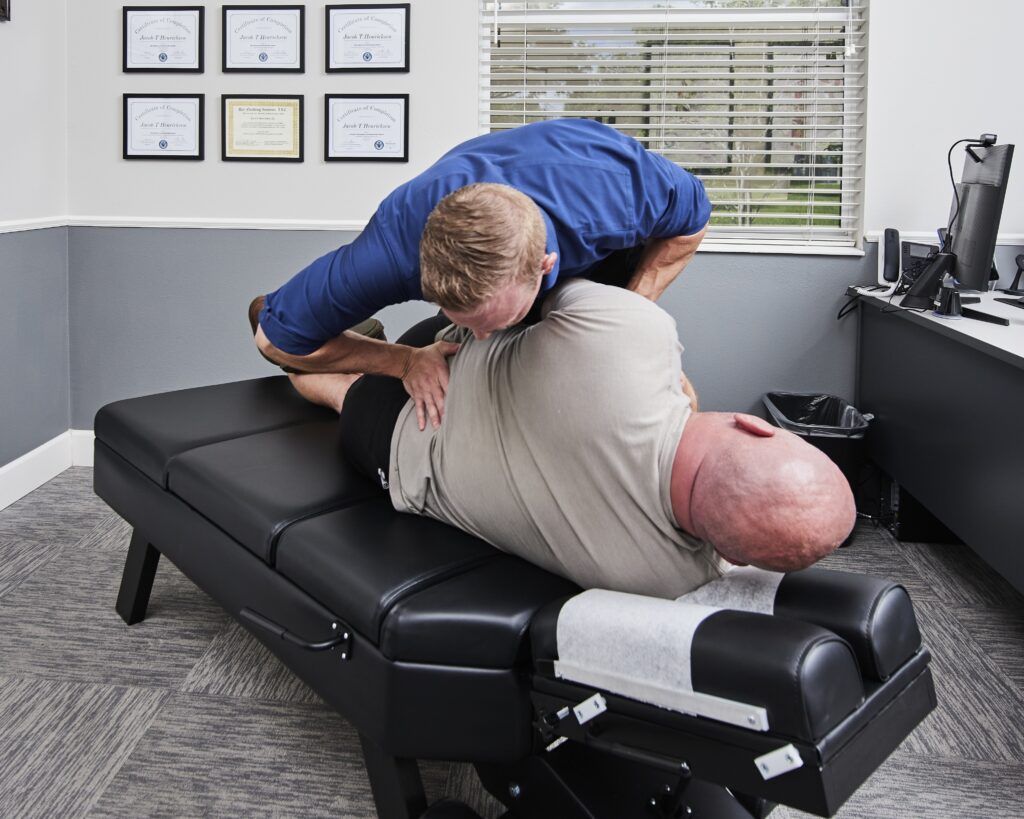
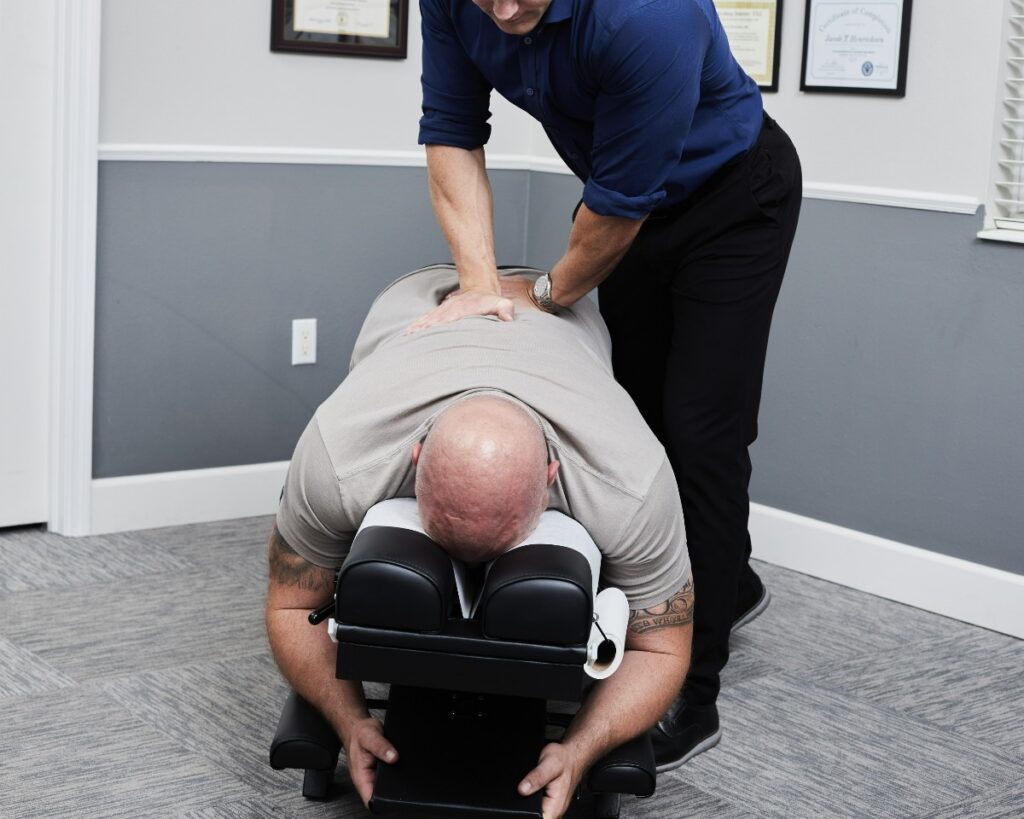
As a local chiropractor, I understand that managing pain can feel overwhelming with so many options out there. However, I want to emphasize the benefits of incorporating natural strategies into your pain management routine. These methods not only help alleviate discomfort but also enhance your overall wellness.
At my practice, we often discuss the importance of mindfulness techniques, regular physical activity, and dietary adjustments as foundational elements of pain management. These strategies can support your body's natural healing processes. Additionally, modalities like acupuncture and heat therapy can be incredibly effective in addressing specific pain issues.
I encourage you to explore these natural approaches and see which resonate with your unique situation. Remember, pain management is a personal journey, and I'm here to guide you in finding the solutions that work best for you. If you have any questions or need further information about chiropractic care and natural healing, don't hesitate to reach out!
Mindfulness and Meditation
As a chiropractor, I often share how mindfulness and meditation can play a vital role in managing pain alongside traditional chiropractic care. By focusing your attention and cultivating awareness of the present moment, these practices can significantly alter your perception of pain. Instead of simply reacting to discomfort, you learn to observe it without judgment, which helps create a mental space that can diminish the hold pain has on your life.
During meditation, you practice deep breathing and relaxation techniques that help lower stress levels—something that can often exacerbate pain. As your body begins to relax, you may discover that your pain feels more manageable. This approach isn't about numbing the sensation; it's about changing your relationship with it. By fostering a non-reactive mindset, you can respond to pain with greater calmness and clarity.
Incorporating regular mindfulness practice can also enhance your ability to concentrate. This means that when pain does arise, you'll be better equipped to remain grounded rather than being swept away by anxiety or frustration. You might find that your pain no longer defines your experience, allowing you to engage in your daily activities with greater ease.
Incorporating mindfulness and meditation into your routine doesn't have to consume a lot of your time. Just a few minutes a day can yield positive results. Ultimately, by embracing these techniques alongside chiropractic care, you empower yourself to manage pain more effectively, transforming your experience of discomfort and enhancing your overall quality of life.
Physical Activity and Exercise
As a local chiropractor, I want to emphasize the importance of physical activity and exercise in effectively managing pain. Engaging in regular movement can significantly alleviate discomfort by triggering the release of endorphins, which are your body's natural pain-relievers.
You may be surprised to learn that even light exercises can yield substantial benefits in reducing your pain levels. Activities such as brisk walking, swimming, or gentle yoga can greatly improve your pain management strategy.
You don't have to dive into an intense workout routine to experience these advantages. I recommend starting small—aim for at least 150 minutes of moderate aerobic activity each week, which you can break down into manageable sessions. You could even incorporate short bursts of activity throughout your day. This approach allows you to gradually build strength and flexibility without feeling overwhelmed.
In addition to aerobic exercises, incorporating strength training into your routine is crucial. Strength training not only helps to stabilize your joints but also plays a vital role in preventing further injuries, especially when managing chronic pain.
Focus on exercises that target major muscle groups, and always prioritize proper form to avoid any unnecessary strain.
Stretching should also be a key component of your routine. Regular stretching can enhance your range of motion and reduce stiffness, leading to noticeable relief from discomfort. Even dedicating just a few minutes each day to stretching can make a real difference.
It's essential to listen to your body and adjust your activity levels as needed. If you experience increased pain, don't hesitate to modify your routine accordingly.
Consistency is crucial, so finding a balanced approach that works for you is key. By maintaining an active lifestyle, you'll not only manage your pain more effectively but also enhance your overall well-being.
As your chiropractor, I'm here to support you on your journey to better health through natural healing methods.
Dietary Adjustments
As a local chiropractor, I want to share how making dietary adjustments can significantly help in managing pain and improving your overall health. Many people may not realize that what you eat can directly influence inflammation and, consequently, your pain levels. By focusing on specific foods and nutrients, you can enhance your well-being and find relief from discomfort.
Here are four dietary adjustments I encourage you to consider:
- Increase Omega-3 Fatty Acids: Incorporating foods rich in omega-3s, such as fatty fish like salmon and mackerel, as well as walnuts and flaxseeds, can be beneficial. These foods have anti-inflammatory properties that may help reduce chronic pain. By adding them to your meals, you might experience noticeable relief.
- Limit Processed Foods: It's important to be mindful of processed foods, which often contain unhealthy fats, sugars, and additives that can trigger inflammation in your body. By cutting back on items like packaged snacks and sugary drinks, you may find that your pain levels decrease over time.
- Focus on Antioxidant-Rich Foods: Eating a variety of fruits and vegetables—especially those rich in antioxidants, such as berries, leafy greens, and citrus fruits—can be a game changer. Antioxidants help combat oxidative stress, which is often linked to pain and inflammation. Including these foods in your diet can support your body's natural healing processes.
- Stay Hydrated: Don't underestimate the power of hydration. Dehydration can lead to muscle cramps and worsen pain. Make it a priority to drink plenty of water throughout the day to ensure your body is functioning at its best.
By incorporating these dietary adjustments alongside your chiropractic care, you can take significant steps toward managing your pain naturally and improving your quality of life.
Herbal Remedies
As your local chiropractor, I want to share some valuable insights on how herbal remedies can complement our chiropractic care approach to pain management. While we focus on spinal adjustments and alignment to alleviate discomfort, incorporating natural solutions like herbs can further enhance your healing journey.
Herbs have been utilized for centuries to help with pain relief and inflammation reduction. One standout herb is turmeric, which contains curcumin, a powerful anti-inflammatory compound. You can easily add turmeric to your meals, or if you prefer, consider taking it in supplement form.
Another great option is ginger. It's well-regarded for its pain-relieving properties and can be enjoyed as a soothing ginger tea or added to your favorite dishes for an extra kick.
For those of you who may be experiencing chronic pain, willow bark is worth considering. This ancient remedy contains salicin, a compound that the body converts into salicylic acid, similar to what you'd find in aspirin. Willow bark is available in several forms, including teas and capsules, making it easy to incorporate into your routine.
If muscle pain is a concern, I recommend trying arnica. This herb can be applied topically in gel or cream form, providing localized relief right where you need it.
Additionally, boswellia is another herb known for its effectiveness in reducing joint pain and inflammation, which can be particularly beneficial if you're dealing with arthritis or similar conditions.
Before you start any new herbal regimen, I encourage you to consult with a healthcare professional, especially if you're on medications. It's important to ensure that these natural remedies are safe and appropriate for your situation.
Acupuncture and Acupressure
As a local chiropractor, I want to share how acupuncture and acupressure can complement your journey to better health and pain management.
These natural healing methods focus on stimulating specific points in your body, encouraging healing and alleviating discomfort, making them a perfect addition to your chiropractic care routine. By integrating these techniques, you may experience notable improvements in your overall well-being.
Here are four key benefits of incorporating acupuncture and acupressure into your wellness plan:
1. Pain Relief: Both acupuncture and acupressure are proven to be effective in managing chronic pain, including conditions like back pain, arthritis, and migraines.
By targeting specific points, you may notice a significant reduction in pain intensity, allowing you to engage more fully in your daily activities.
2. Stress Reduction: These practices stimulate the release of endorphins, which are your body's natural painkillers.
This can lead to a greater sense of relaxation and reduced stress levels, contributing to an overall improvement in your emotional and physical health.
3. Improved Circulation: Acupuncture and acupressure enhance blood flow throughout your body, which can speed up the healing process.
Increased circulation means that more oxygen and nutrients reach your muscles and tissues, helping them recover more effectively from injury or strain.
4. Enhanced Energy: Many of my patients report feeling more energized after receiving acupuncture or acupressure.
By balancing your body's energy pathways, these techniques can help alleviate fatigue and increase your vitality, making it easier to tackle your day-to-day tasks.
If you're looking to take control of your health and well-being, I encourage you to consider adding acupuncture and acupressure to your pain management strategy.
Consulting with a trained practitioner can help you understand how these methods can work in harmony with chiropractic care to achieve the best possible results for your health.
Heat and Cold Therapy
As your local chiropractor, I want to share with you the incredible benefits of heat and cold therapy in managing pain. These natural techniques can be valuable additions to your pain relief toolkit.
Heat therapy is excellent for relaxing tight muscles and enhancing blood circulation, which can promote healing. On the other hand, cold therapy is effective in reducing inflammation and numbing sharp pain, particularly after an injury.
Understanding how and when to use these therapies can significantly improve your comfort and recovery. Let's delve into the advantages of each method and how you can apply them to support your healing journey.
Benefits of Heat Therapy
As your local chiropractor, I want to share with you the incredible benefits of heat therapy for managing pain. Many of my patients have found heat therapy to be a valuable tool in their pain relief journey, and I believe it can help you too.
When you apply heat to a sore or affected area, it can lead to several positive effects that promote comfort and healing. Here are four key benefits of heat therapy that I encourage you to consider:
- Increases blood flow: The warmth from heat therapy helps to dilate blood vessels, which enhances circulation. This increased blood flow delivers vital oxygen and nutrients to the affected area, supporting recovery and healing.
- Reduces muscle tension: Heat has a wonderful ability to relax tight muscles, easing stiffness and discomfort. This can be especially beneficial after a long day at work or following an intense workout. By using heat therapy, you can help your muscles unwind and feel more at ease.
- Alleviates pain: One of the remarkable effects of heat therapy is its ability to block pain signals to the brain. This can significantly lower your perception of pain, making it particularly useful for managing chronic conditions like arthritis or lower back pain.
- Promotes relaxation: Beyond physical benefits, heat therapy can create a soothing experience that reduces stress and promotes an overall sense of well-being. This mental relaxation can further assist in managing pain, allowing you to feel more comfortable and at ease throughout your day.
By incorporating heat therapy into your pain management routine, you can experience effective relief that enhances your quality of life.
As your chiropractor, I'm here to guide you in exploring natural healing methods to help you stay active and enjoy life to the fullest.
Cold Therapy Techniques
As a local chiropractor, I want to share with you the benefits of cold therapy techniques, especially when used in conjunction with heat therapy. Many of my patients find these methods incredibly effective for managing pain and reducing inflammation.
When you apply cold, it helps constrict blood vessels, which in turn reduces swelling and can numb sharp pain. This is particularly beneficial after experiencing injuries such as sprains or strains.
There are several ways to apply cold therapy. You can use cold packs, ice wrapped in a towel, or even a bag of frozen vegetables if that's what you have on hand. It's recommended to apply your chosen cold source to the affected area for about 15 to 20 minutes at a time. Just remember to take breaks in between sessions to protect your skin from damage.
Another method that I often recommend is contrast therapy, which involves alternating between cold and heat. This technique can stimulate circulation and promote healing. For instance, you might start with cold for about 10 minutes, then switch to heat for another 10 minutes.
Always listen to your body during these treatments. If anything feels too harsh, it's important to adjust the duration or intensity.
For those of you dealing with chronic pain, incorporating cold therapy can be an excellent way to manage flare-ups. However, it's crucial to consult with your healthcare provider—like me—to ensure that these techniques are appropriate for your specific condition.
With the right application of cold therapy, you can add a powerful tool to your pain management toolkit.
Sleep and Relaxation Techniques
As a local chiropractor, I want to share some effective sleep and relaxation techniques that can significantly alleviate pain and enhance your overall well-being.
By incorporating these strategies into your daily routine, you can create a more restful environment and address the stress that often contributes to discomfort.
Here are four techniques that can help you sleep better and relax more effectively:
1. Establish a Sleep Schedule: It's important to go to bed and wake up at the same time every day. This consistency helps regulate your body's internal clock, making it easier to fall asleep and wake up feeling refreshed.
A regular sleep routine can also support spinal health and overall body function.
2. Practice Deep Breathing: Take a few minutes each day to focus on your breath. Deeply inhale through your nose, hold for a moment, and then exhale slowly through your mouth.
This technique calms your nervous system, reduces tension, and can enhance the effectiveness of chiropractic adjustments by promoting relaxation in your body.
3. Create a Relaxation Routine: Spend time winding down before bed with activities that promote relaxation. Reading, listening to soothing music, or practicing gentle yoga can signal to your body that it's time to unwind.
A consistent relaxation routine can help prepare your muscles and joints for a restorative night's sleep.
4. Limit Screen Time: I recommend reducing your exposure to screens at least an hour before bed. The blue light emitted by devices can interfere with your body's ability to produce melatonin, the hormone responsible for regulating sleep.
By minimizing screen time, you're not only improving your sleep quality, but also supporting your body's natural healing processes.
Incorporating these techniques into your lifestyle can complement the chiropractic care you receive and lead to improved overall health and pain relief.
Conclusion
As your local chiropractor, I want to share with you five natural strategies that can significantly improve your approach to pain management. By incorporating mindfulness into your daily routine, you can cultivate a greater awareness of your body and its sensations, which is essential for understanding your pain. Staying active is crucial; gentle exercises and stretches can help maintain mobility and reduce discomfort.
Adjusting your diet can also play a vital role in pain relief. Foods rich in anti-inflammatory properties can aid in reducing pain levels. Additionally, exploring herbal remedies may provide you with natural options to complement your pain management plan.
Techniques such as acupuncture and heat therapy are valuable adjuncts to chiropractic care. These methods can help alleviate pain and promote healing by addressing the body's energy flow and increasing blood circulation, respectively.
Lastly, never underestimate the importance of sleep and relaxation. Quality rest is foundational for overall health and can greatly affect your pain levels. Remember, these natural methods work best when combined, creating a holistic approach to your well-being. I'm here to help guide you through this journey toward relief and improved quality of life.