
As a local chiropractor, I often see patients who are struggling with back pain, and I want to share an important insight: your posture may be contributing to your discomfort. Many people are unaware that simple adjustments to their posture can lead to significant improvements in how they feel throughout the day.
By recognizing common posture mistakes and incorporating effective techniques, you can begin to alleviate that nagging pain. It’s all about understanding your body and making mindful changes.
Let’s take a closer look at how even small adjustments can lead to greater comfort and enhanced well-being in your daily life. Have you considered the posture habits that might be affecting your health? Together, we can explore ways to optimize your posture for a more pain-free experience.
Understanding the Importance of Posture
As a local chiropractor, I want to share with you the vital role good posture plays in your overall health and well-being. Think of proper posture as a sturdy foundation for your body. When you maintain the right alignment, you’re not only helping to prevent back pain but also enhancing essential functions like breathing, digestion, and circulation.
Many people don’t realize that slouching can create muscle imbalances and lead to fatigue, which can affect your daily life. By standing tall and aligning your spine correctly, you can help distribute your body weight evenly, which reduces unnecessary strain on your muscles and ligaments.
In your everyday activities, whether you’re sitting at a desk for long hours or lifting heavy objects, being mindful of your posture is crucial. Engaging your core and keeping your shoulders back can relieve excess pressure on your back, promoting better alignment.
I encourage you to incorporate posture-focused exercises into your routine. These exercises can strengthen the muscles that support your spine and improve your overall posture.
Common Posture Mistakes That Contribute to Back Pain
As a local chiropractor, I want to help you understand how common posture mistakes can significantly contribute to back pain. One of the most prevalent issues I see is slouching. When you slouch, you place extra pressure on your spine, leading to discomfort. Leaning forward or rounding your shoulders creates an imbalance that can worsen your pain over time.
Another mistake many people make is sitting for long periods without proper support. If your chair doesn’t offer lumbar support, your back can easily become strained. Additionally, crossing your legs while sitting can misalign your pelvis and spine, which can intensify your discomfort.
It’s also important to pay attention to your standing posture. Shifting your weight to one leg can lead to muscle imbalances that cause pain over time. Furthermore, if you find yourself looking down at your phone or computer screen for extended periods, this can lead to neck strain, which often translates into back pain.
Recognizing these posture mistakes is the first step toward finding relief. I encourage you to be mindful of your posture throughout the day, as small adjustments can make a significant difference in your overall well-being.
If you’re experiencing ongoing pain, don’t hesitate to reach out for a consultation to explore how chiropractic care can help you achieve a healthier posture and alleviate discomfort.
Ergonomic Adjustments for Your Workspace
As a local chiropractor, I want to emphasize the importance of ergonomic adjustments to your workspace in order to alleviate back pain and promote overall health.
One of the first steps you can take is to adjust your chair height. Ensure that your feet are resting flat on the floor, and that your knees form a right angle. This simple change can help maintain proper posture and reduce strain on your back.
Additionally, it’s crucial to position your monitor at eye level. This adjustment can significantly decrease the strain on your neck and back, allowing for a more comfortable and supportive working environment.
Chair Height Optimization
As a local chiropractor, I want to emphasize the importance of chair height in promoting your overall comfort and productivity, especially if you’re spending long hours at a desk.
Proper chair height can play a significant role in maintaining good posture and minimizing discomfort, particularly in your back. Here are some essential tips to help you optimize your chair height for better health:
- Keep your feet flat on the floor: It’s vital that your feet are comfortably resting on the ground. This helps prevent unnecessary strain on your legs and supports proper alignment of your spine.
- Ensure your knees are at a right angle: Your knees should either be level with or slightly lower than your hips. This position encourages healthy circulation and reduces the risk of developing any musculoskeletal issues.
- Align your elbows with desk level: When you’re typing, make sure your elbows are bent at a 90-degree angle. This positioning helps reduce tension in your shoulders and neck, allowing for a more relaxed and efficient work posture.
By taking these steps to adjust your chair height, you can create a more comfortable workspace that supports your natural posture.
Prioritizing your chair height is a simple yet effective strategy for maintaining a healthy back and enhancing your focus throughout the day.
Monitor Positioning Strategies
As a local chiropractor, I want to share an important aspect of your workspace that can greatly influence your overall comfort and well-being—monitor positioning. Many individuals overlook how crucial it’s to set up your monitor correctly, but it can have a significant impact on your posture and productivity.
To promote better ergonomics, I recommend positioning your monitor at eye level and about an arm’s length away from where you sit. This simple adjustment can help minimize neck strain and encourage a neutral spine alignment, which is essential for your overall health. If your monitor isn’t height-adjustable, don’t worry! You can use a stand or even a stack of books to elevate it.
Ideally, the top of your screen should align with your line of sight when you’re comfortably seated. Additionally, tilting your monitor slightly back—about 10 to 20 degrees—can help reduce glare and enhance visibility, making it easier for your eyes to focus.
It’s also important to ensure the brightness of your screen matches the lighting in your room, as this can help prevent eye strain.
By implementing these straightforward adjustments, you can significantly improve your posture and reduce discomfort while working. Remember, a well-positioned monitor isn’t just about aesthetics; it’s about supporting your body’s natural alignment and promoting long-term health.
If you have any questions or want to learn more about how chiropractic care can help you, feel free to reach out!
Tips for Maintaining Good Posture While Sitting
As a local chiropractor, I often emphasize the importance of choosing the right chair and setting up your desk properly to maintain good posture while sitting.
For optimal spinal health, it’s crucial to select a chair that provides adequate support for your lower back. This support will help you maintain the natural curve of your spine and reduce the risk of discomfort or injury.
Additionally, your desk should be at a height that allows your elbows to rest comfortably at your sides while typing or working.
These adjustments may seem small, but they can significantly impact your overall comfort and well-being.
By ensuring that your workspace is ergonomically designed, you can help prevent issues such as back pain, neck strain, and other musculoskeletal problems.
Chair Selection Matters
As a local chiropractor, I want to emphasize the impact that your choice of chair can have on your posture and overall comfort. Selecting the right chair is crucial for maintaining a healthy spine and reducing discomfort while sitting.
Here are some key factors to consider when choosing a chair:
- Adjustability: It’s important to find a chair that allows for adjustments in height, backrest, and armrests. This flexibility enables you to customize the chair to fit your body perfectly, promoting better posture.
- Lumbar Support: I highly recommend selecting a chair with built-in lumbar support. This feature helps maintain the natural curve of your lower back, which is essential for proper alignment and can significantly alleviate strain.
- Seat Depth and Width: Make sure the chair’s seat is deep and wide enough for you to sit comfortably without feeling constricted. A well-sized seat can help prevent discomfort and promote better circulation.
By choosing the right chair, you can enhance your sitting posture and minimize the risk of back pain.
Desk Ergonomics Essentials
As a local chiropractor, I want to emphasize the importance of maintaining good posture while you work at your desk, as it plays a crucial role in preventing back pain and promoting overall health.
Let’s start with your chair: it should be adjusted so that your feet are flat on the floor and your knees form a 90-degree angle. This positioning helps support your spine and reduce strain.
Next, your back should be comfortably supported by the chair’s lumbar support. This feature is essential for maintaining the natural curve of your lower back.
Your computer monitor should be at eye level to avoid tilting your neck, which can lead to discomfort over time.
It’s also vital to keep your keyboard and mouse within easy reach, allowing your elbows to remain close to your body and your wrists in a neutral position. This setup reduces the risk of repetitive strain injuries.
Don’t forget to take regular breaks. Stand up, stretch, and move around to alleviate muscle tension and improve circulation.
Lastly, make it a habit to check in with your posture throughout the day. Simply being aware of how you sit can make a significant difference in your comfort and well-being.
Incorporating these ergonomic principles into your daily routine can greatly enhance your body’s alignment and reduce pain, making your work environment healthier and more productive.
Standing Tall: Posture Tips for Daily Life
As a local chiropractor, I often see how many people underestimate the importance of good posture in their daily lives. Standing tall can significantly alleviate back pain and enhance your overall well-being.
By being conscious of your posture throughout the day, you can truly transform how you feel physically and mentally. Here are some straightforward tips to help you maintain a strong, upright position:
- Start by positioning your feet shoulder-width apart, ensuring that your weight is evenly distributed across both feet. This foundational stance is crucial for balance.
- Engage your core muscles; they play a vital role in supporting your spine and helping you maintain an upright posture. Strong core muscles act as a natural brace for your back.
- Relax your shoulders and allow them to fall back naturally, steering clear of the tendency to hunch forward. This simple adjustment can make a world of difference in how your body feels.
Incorporating these easy tips into your daily routine can lead to a more comfortable, pain-free experience in your activities.
Remember, standing tall isn’t just about aesthetics; it’s about promoting your health and supporting your body over time. Make posture a priority, and you’ll start to notice the positive effects on your overall well-being!
If you have any questions about how chiropractic care can further enhance your posture and health, feel free to reach out.
Exercises to Strengthen Your Core and Support Your Spine
As a local chiropractor, I want to emphasize the importance of strengthening your core to support your spine and prevent back pain. Many patients may not realize how integral a strong core is to overall spinal health. I encourage you to incorporate exercises such as planks, bridges, and bird-dogs into your routine.
Let’s start with planks. To perform this exercise, lie face down and then lift your body off the ground, balancing on your forearms and toes. It’s crucial to hold this position for 20-30 seconds while focusing on maintaining a straight line from your head to your heels. This helps engage your core muscles effectively.
Next, we’ve bridges. Start by lying on your back with your knees bent and feet flat on the floor. Lift your hips towards the ceiling, squeezing your glutes at the top of the movement. This not only strengthens your core but also activates the muscles around your pelvis. Hold for a few seconds before gently lowering back down.
Lastly, I recommend the bird-dog exercise. Get on all fours and extend one arm forward while simultaneously extending the opposite leg back. It’s important to keep your hips level throughout this exercise. Hold briefly, then switch sides. This movement enhances balance and coordination while engaging your core.
I suggest aiming for 2-3 sets of 10-15 repetitions for each exercise. Remember, maintaining proper form is key to maximizing the benefits and minimizing the risk of injury.
A stronger core not only improves your posture but also helps alleviate discomfort in your back. By incorporating these exercises into your routine, you’re taking a proactive step towards better spinal health and overall well-being.
Incorporating Mindfulness and Awareness Into Your Posture
As your local chiropractor, I often encourage my patients to be mindful of their posture throughout the day. Many people aren’t aware of how their posture can impact their overall health and contribute to back pain.
By incorporating mindfulness into your daily routine, you can significantly improve how you carry yourself and alleviate discomfort. Here are a few techniques that can help you develop a greater awareness of your body:
- Take regular breaks: I recommend setting reminders to stand up and stretch every so often. This allows your body to reset and can prevent stiffness from prolonged sitting.
- Practice deep breathing: Deep breathing not only helps you relax but also promotes better spinal alignment. When you breathe deeply, it encourages your body to settle into a more natural posture.
- Engage your senses: Pay attention to how your body feels in various positions. If you notice tension or discomfort, make small adjustments to your posture to find relief.
By being mindful of your posture and incorporating these practices into your daily routine, you can support your spine and overall well-being.
If you have any questions or need personalized guidance, don’t hesitate to reach out during your next visit!
Seeking Professional Help: When to Consult a Specialist
As a local chiropractor, I want to emphasize the importance of being mindful of your posture as a foundational step in managing back pain. However, if you find that your discomfort persists despite your best efforts, it may be time to seek professional help.
Look out for signs such as chronic discomfort, pain that radiates down your legs, or difficulty in carrying out daily activities. These could be indicators of underlying issues that warrant a professional assessment.
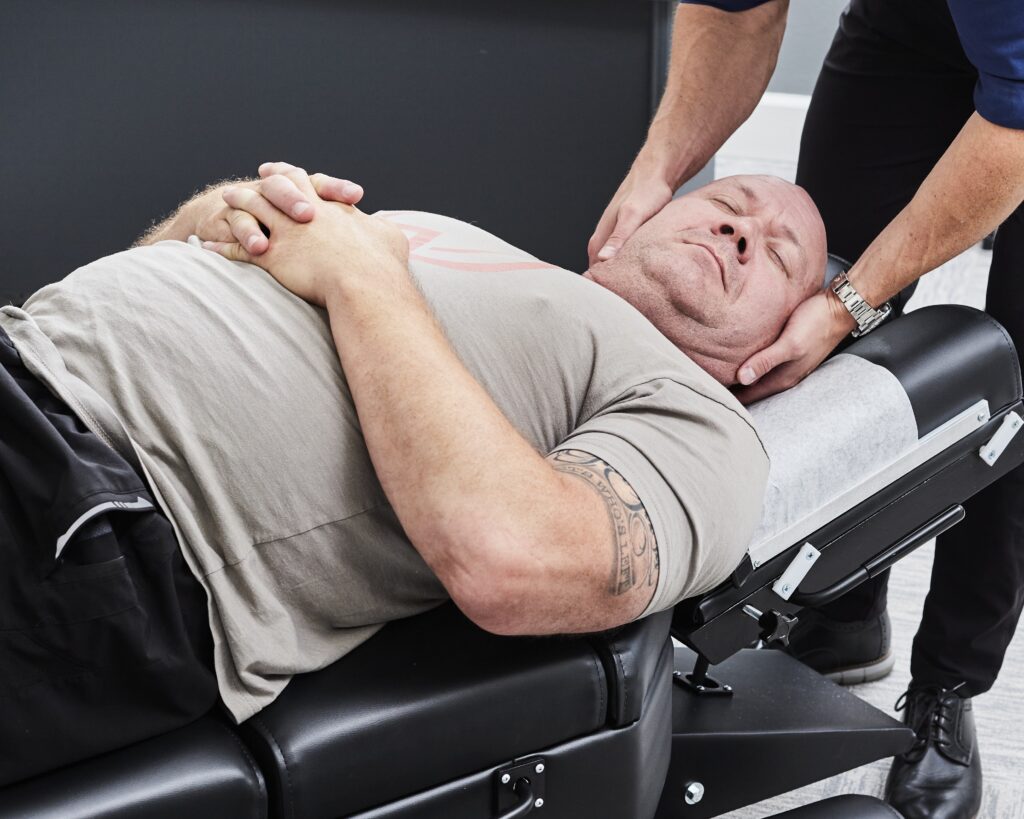
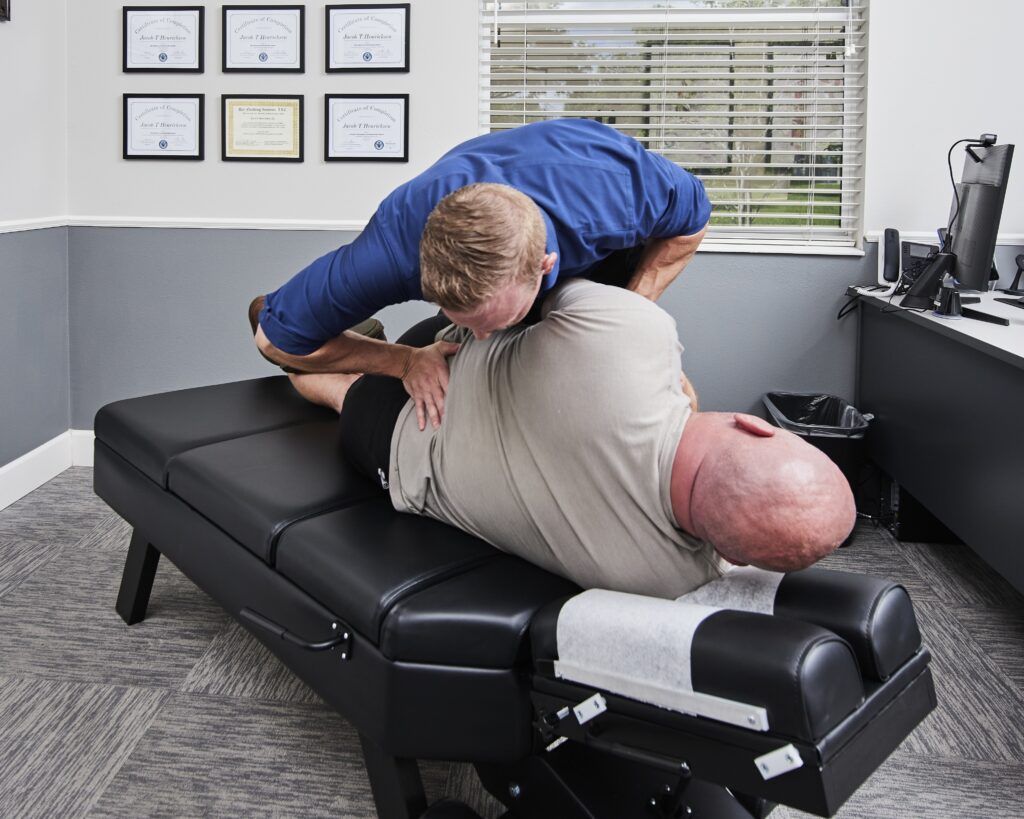
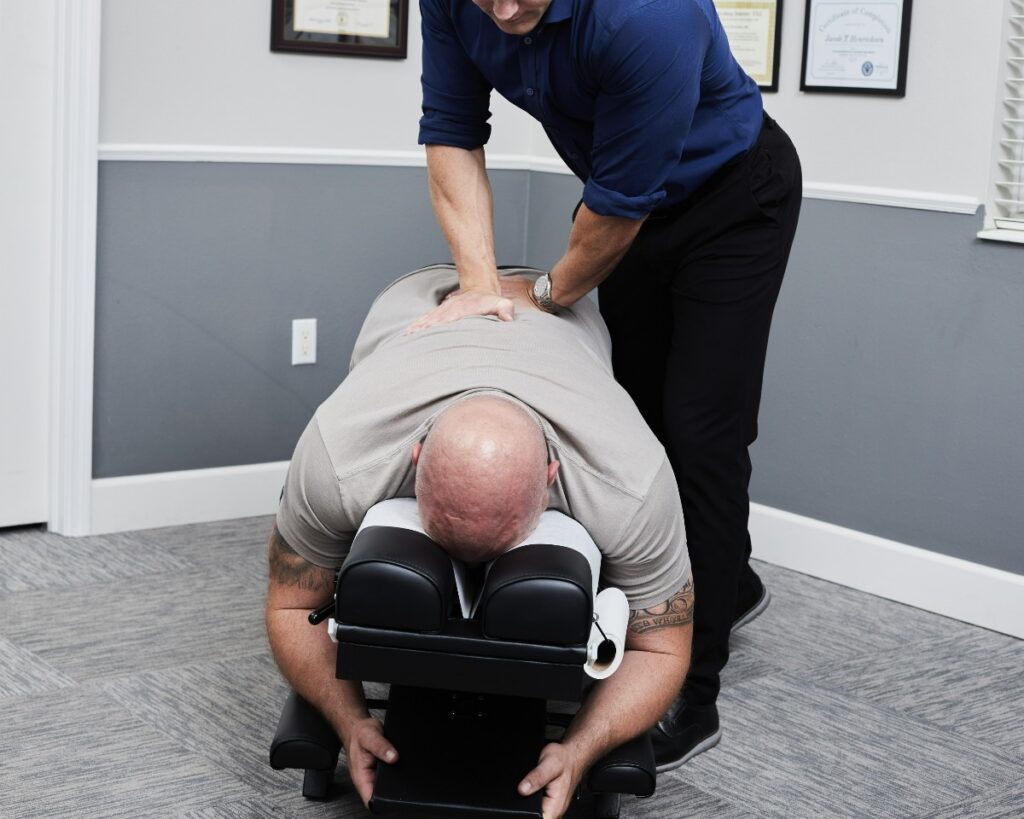
In my practice, I focus on providing tailored chiropractic care that includes spinal adjustments to realign your spine and relieve pressure on your nerves. This can greatly improve your posture and alleviate pain.
Additionally, I often recommend specific exercises and stretches to strengthen your back and support your overall health.
It’s important to listen to your body; ignoring persistent pain can lead to more severe issues down the line. By seeking chiropractic care sooner rather than later, you can enhance your recovery process and improve your overall well-being.
Conclusion
As a local chiropractor, I want to emphasize that improving your posture goes beyond simply looking good; it’s crucial for alleviating back pain and promoting your overall health. Many people are unaware that small changes in your workspace, being mindful of your body alignment, and integrating core-strengthening exercises can lead to significant improvements in your comfort and well-being.
I encourage you to be consistent with these adjustments. It may feel challenging at first, but with time, you’ll likely notice a positive shift in how you feel. If your pain continues, please don’t hesitate to reach out for personalized care. My goal is to help you find relief through natural healing methods tailored to your unique needs. Start taking steps today towards a healthier, pain-free back!