As a local chiropractor, I often encounter patients who are eager to understand how they can recover from sports injuries more effectively, especially through natural methods. It’s important to know that recovery isn’t solely about taking time off; it’s a holistic process that involves several key factors. Your body’s healing journey can be significantly influenced by what you eat, how you move, and your mental state. By nurturing these aspects, you can create an optimal environment for healing.
So, what specific strategies can you implement to enhance your recovery? Let’s delve into these vital components together.
First, nutrition plays a crucial role in healing. Consuming a balanced diet rich in vitamins and minerals can support tissue repair and reduce inflammation. Incorporating whole foods, lean proteins, healthy fats, and plenty of fruits and vegetables can make a big difference.
Next, movement is essential. Gentle exercises, as guided by a chiropractor, can help maintain mobility and promote circulation, which is vital for recovery. Engaging in appropriate stretches and strengthening exercises can also prevent stiffness and support your overall rehabilitation.
Finally, don’t underestimate the power of mental well-being. Stress management techniques, such as mindfulness or meditation, can improve your outlook and potentially speed up your healing process.
If you have any questions about how chiropractic care can further support your recovery or would like personalized recommendations, feel free to reach out. Together, we can develop a comprehensive plan tailored to your needs, helping you get back to your favorite activities as quickly and safely as possible.
The Role of Nutrition in Injury Recovery
As a local chiropractor dedicated to your overall health and wellness, I want to emphasize how crucial nutrition is in your recovery from a sports injury. The right foods can significantly influence your healing journey, aiding in tissue repair, minimizing inflammation, and replenishing your energy levels.
It’s important to focus on a well-rounded diet that includes adequate amounts of protein, healthy fats, and carbohydrates. For instance, protein-rich foods such as lean meats, fish, and legumes are vital in helping your body rebuild damaged muscles and tissues.
Incorporating healthy fats from sources like avocados, nuts, and olive oil can also play a role in reducing inflammation, which is essential for recovery.
Carbohydrates shouldn’t be overlooked; they’re your body’s primary energy source during the healing process. Whole grains, fruits, and vegetables not only provide the necessary energy but also deliver essential vitamins and minerals that support your immune system, helping you to recover more effectively.
Additionally, staying hydrated can’t be overstated. Water is essential for transporting nutrients throughout your body and flushing out toxins that may impede your recovery.
By prioritizing these nutritional aspects, you’re taking an active role in your healing process, paving the way for a smoother and more effective recovery.
Effective Physical Therapy Techniques
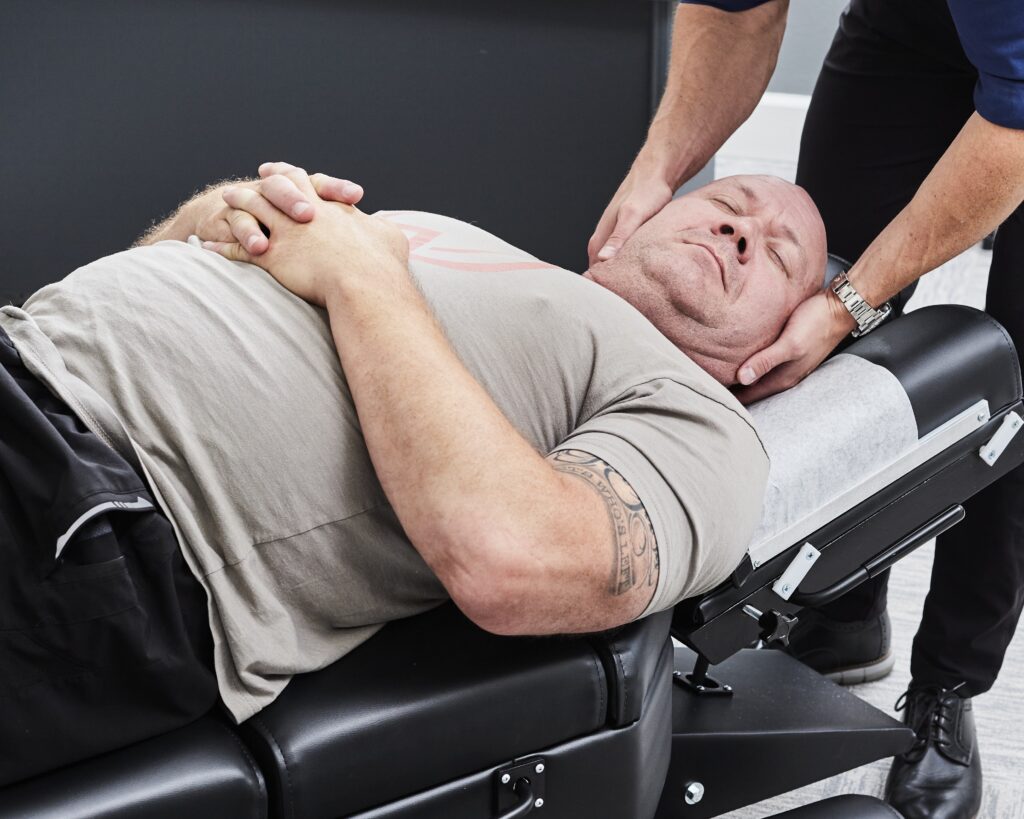
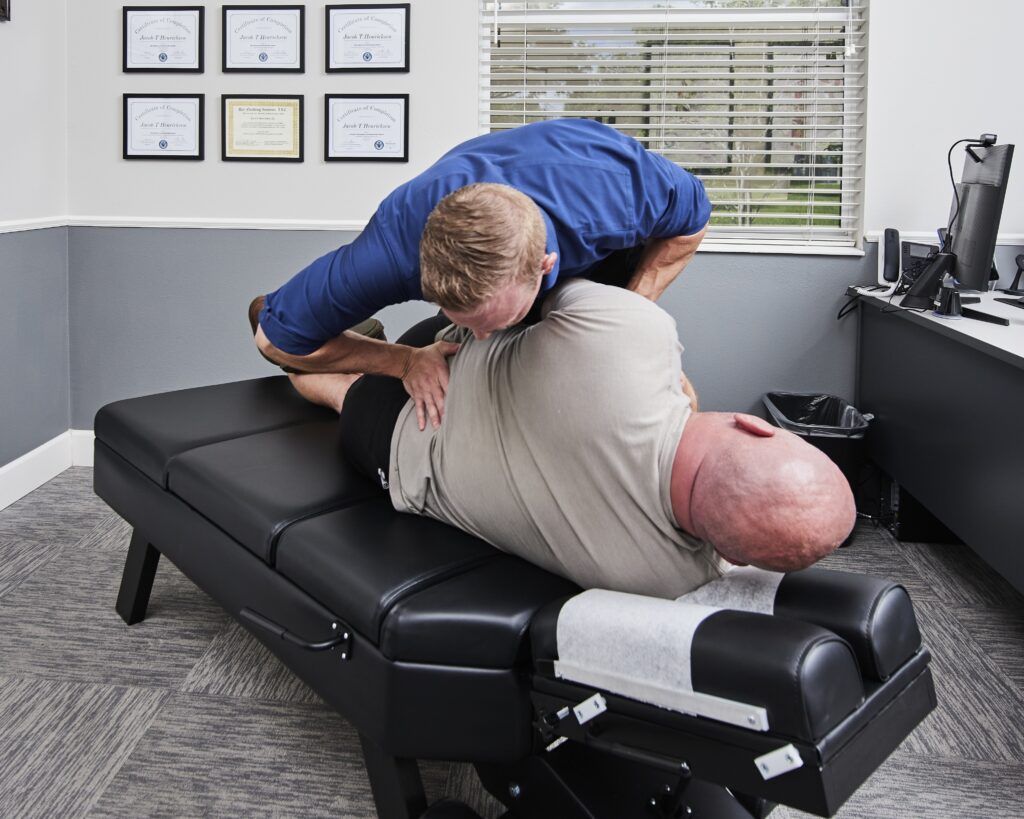
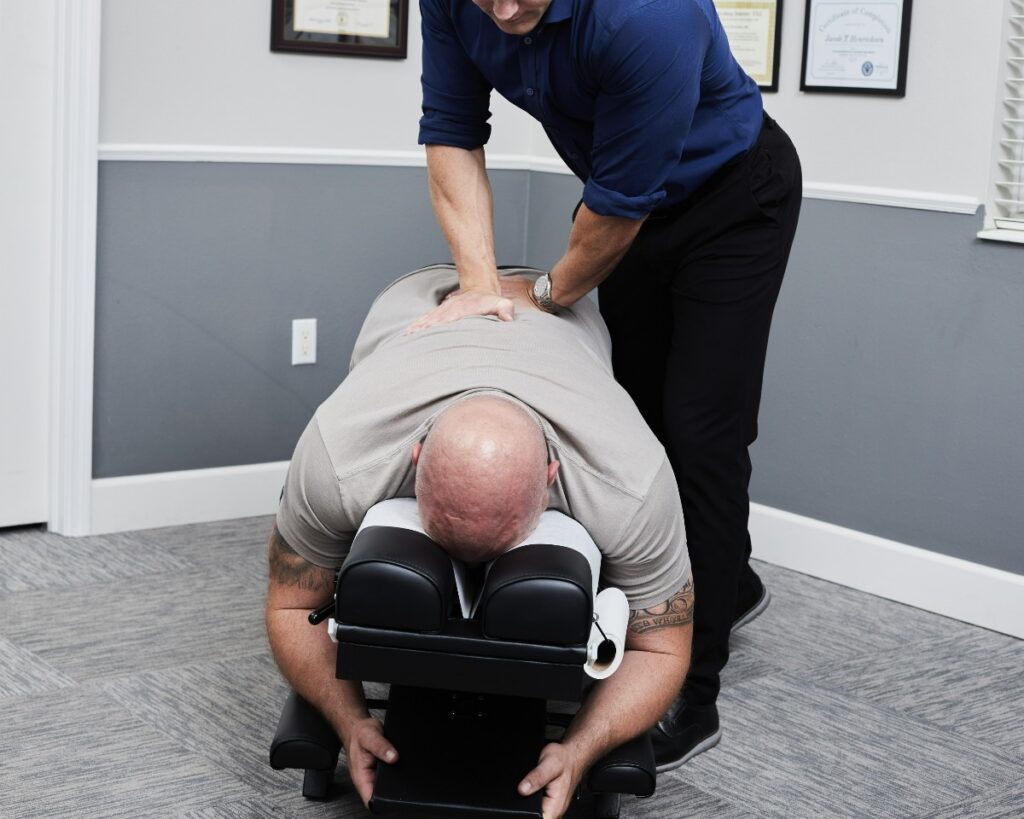
As a local chiropractor, I want to share how effective chiropractic techniques can play a vital role in your recovery from sports injuries. Our approach focuses on restoring movement, strength, and overall function through natural healing methods. One of the key techniques we use is spinal manipulation, which involves hands-on adjustments to alleviate pain and enhance mobility.
In addition to spinal adjustments, we emphasize the importance of stretching exercises to improve flexibility and targeted strengthening exercises to support specific muscle groups, ultimately helping to prevent future injuries.
Functional training, which mimics everyday movements, is also a crucial part of our approach. It helps improve coordination and balance, allowing you to regain your confidence in physical activities.
We may incorporate modalities such as ultrasound or electrical stimulation, which can aid in reducing inflammation and speeding up the healing process. Setting realistic recovery goals is essential, and we work together to ensure you stay motivated and progress at a comfortable pace.
Open communication is key throughout your treatment. If you experience any discomfort or have concerns during your sessions, please share them with us.
Consistency in attending your chiropractic sessions and following your personalized exercise routine will significantly enhance your recovery, helping you return to your favorite activities sooner and stronger than ever before.
Herbal Remedies for Healing
As a local chiropractor, I often see patients who rely primarily on conventional treatments for their sports injuries. However, I want to share how incorporating herbal remedies into your recovery routine can significantly enhance the healing process and reduce inflammation.
For example, arnica is a well-known herb that many athletes use for bruising and swelling. When applied topically, it can offer quick relief and support your body’s natural healing mechanisms.
Another powerful herb is turmeric, celebrated for its anti-inflammatory properties. You can easily integrate turmeric into your diet, either as a supplement or by adding it to your meals.
Don’t overlook ginger, which is also beneficial for reducing pain and improving circulation, both of which are crucial for recovery. Additionally, a calming chamomile tea can help you relax and promote better sleep—key components in the healing journey.
I also recommend comfrey, which can be applied topically to support tissue repair. However, it’s wise to consult with a healthcare professional before using it to ensure it’s appropriate for your situation.
As you explore these natural options, remember that they can complement your chiropractic care and expedite your return to sports.
Always discuss any herbal remedies with your doctor to ensure they’re safe for you. Embracing these holistic approaches can be a valuable part of your healing journey.
The Power of Mindfulness and Meditation
As a local chiropractor, I want to share how mindfulness and meditation can significantly enhance your recovery from sports injuries.
By integrating stress reduction techniques into your healing journey, you can cultivate a calmer mindset that promotes healing in your body.
Furthermore, visualization practices can be particularly beneficial; by mentally picturing your recovery, you’ll find the process becomes more attainable and encouraging.
Embracing these natural healing methods can complement your chiropractic care and support your overall wellness.
Stress Reduction Techniques
As your local chiropractor, I want to emphasize the importance of incorporating stress reduction techniques into your recovery process from sports injuries. Techniques such as mindfulness and meditation can significantly enhance your healing journey.
Managing stress is crucial, as it can hinder your recovery. By focusing on the present moment, you can reduce anxiety and encourage relaxation, allowing your body to heal more effectively.
I encourage you to start with just a few minutes of meditation each day. Focus on your breath or repeat a calming mantra to help center your thoughts.
Additionally, you might find value in mindfulness exercises, such as being fully aware of your surroundings during a leisurely walk. Practicing these techniques consistently can lead to improved mental well-being, greater resilience, and a more positive outlook on your recovery.
Remember, a calm mind not only supports your emotional health but also contributes to a healthier body.
Visualization for Healing
As a local chiropractor, I want to introduce you to the concept of visualization as a powerful ally in your recovery from sports injuries. Many people may not realize how effective this technique can be, especially when paired with mindfulness and meditation practices.
By visualizing your healing journey, you create a mental roadmap for your recovery. Imagine your body working diligently to repair itself. Focus on the injured area and visualize it becoming strong and healthy again. This mental exercise can be incredibly beneficial in promoting healing.
Incorporating mindfulness into your daily routine can also enhance your recovery. By staying present and reducing stress and anxiety, you create an optimal environment for healing. I recommend setting aside time each day to meditate and visualize positive outcomes for your body.
This practice not only strengthens your mental resilience but also complements the physical treatments we provide in chiropractic care. By tapping into the mind-body connection, you harness the power of belief to support your healing process.
Trust in your visualization, and you may be surprised by how it transforms your recovery journey. Remember, chiropractic care and natural healing work hand-in-hand with your mental practices to help you return to optimal health.
Restorative Practices: Sleep and Hydration
As a local chiropractor, I want to emphasize how essential quality sleep and proper hydration are in your recovery process, especially if you’re dealing with sports injuries.
Many people don’t realize that sleep is critical for your body to repair itself after any physical strain. When you rest, your body goes into a healing mode, allowing muscles, tissues, and even bones to recover effectively.
Alongside sleep, hydration plays a vital role in muscle recovery and can significantly reduce feelings of fatigue. Staying properly hydrated ensures that your muscles function optimally and helps prevent cramping, which can prolong your recovery time.
By prioritizing these restorative practices—adequate sleep and sufficient hydration—you can enhance your overall recovery journey and support your body in healing naturally.
If you have questions about how chiropractic care can complement these practices, I’m here to help guide you on your path to wellness.
Importance of Quality Sleep
As a local chiropractor, I want to emphasize the crucial role that quality sleep plays in your recovery, especially when dealing with sports injuries. Sleep isn’t merely a time for rest; it’s a vital period when your body engages in self-repair and rejuvenation.
During sleep, your body produces growth hormones that are essential for healing damaged tissues and muscles. If you’re not getting enough sleep, your recovery can significantly slow down, which is something we definitely want to avoid.
I recommend aiming for 7-9 hours of uninterrupted sleep each night to truly maximize these restorative benefits. Establishing a calming bedtime routine can help signal to your body that it’s time to wind down.
It’s best to steer clear of screens, caffeine, and heavy meals before bed, as these can disrupt your ability to fall asleep and stay asleep.
By prioritizing quality sleep, you’re not only enhancing your overall recovery but also reducing pain and feeling more energized for your next training session.
Hydration’s Role in Recovery
As a local chiropractor dedicated to educating my patients about holistic healing, I want to emphasize the importance of hydration in your recovery process, especially after experiencing a sports injury.
While many people often prioritize sleep for recovery, hydration is just as crucial. Water plays a vital role in your body’s healing mechanisms—it helps transport essential nutrients to damaged tissues, reduces inflammation, and assists in flushing out toxins.
By staying well-hydrated, you support optimal blood circulation, which is key for ensuring that your muscles and joints receive the necessary nutrients and oxygen to heal effectively.
I encourage you to develop a habit of drinking water consistently throughout the day—not just when you’re exercising. During intense training sessions, consider adding electrolytes to your hydration routine to replenish what you lose through sweat.
Pay attention to your body’s signals; if you find yourself feeling thirsty or if your urine appears dark, those are clear indicators that it’s time to hydrate.
By prioritizing hydration alongside adequate sleep, you can significantly enhance your recovery journey.
Integrating Movement and Rehabilitation Strategies
As a local chiropractor, I want to emphasize the importance of integrating movement and rehabilitation strategies for a successful recovery from sports injuries. This approach not only aids in regaining strength and mobility but also aligns with natural healing principles.
First and foremost, I recommend consulting with a qualified physical therapist or chiropractor who can create a personalized recovery program tailored to your unique needs. Gentle movements are key—they help promote blood flow and flexibility while ensuring that you’re not putting undue stress on your injury.
Incorporating exercises that enhance stability and strength is crucial. As you progress, we can gradually increase the intensity of these exercises. Functional movements that replicate the actions of your sport can make your transition back to activity smoother and more effective.
It’s vital to listen to your body during this process. If you experience pain, we can adjust your approach to ensure you aren’t exacerbating your injury. Techniques such as dynamic stretching and balance training can further enhance your overall performance and support your recovery.
Lastly, I can’t stress enough the importance of combining these rehabilitation strategies with proper nutrition and adequate rest. These elements are essential for healing and will help build a stronger foundation for your return to sports.
Conclusion
As a local chiropractor, I want to share some holistic strategies that can significantly enhance your recovery from sports injuries. It’s essential to focus on proper nutrition and staying hydrated, as these elements create a strong foundation for healing. Engaging in effective physical therapy, which may include chiropractic adjustments, can help restore function and alleviate pain.
Don’t underestimate the importance of mindfulness and restorative practices, such as ensuring you get quality sleep. Every small effort you make—whether it’s preparing a nutritious meal or taking a few moments for meditation—contributes to your overall recovery.
Embrace this journey towards healing with an open mind. By incorporating these natural methods, not only will you recover, but you may also emerge stronger and more resilient than before. Together, we can work towards your optimal health through chiropractic care and natural healing practices.