You might not realize how much your posture affects your daily life, from your comfort to your confidence. Professional care can help you identify and correct these issues, but it's not just about a quick fix. Engaging with experts like chiropractors and physical therapists can lead to a deeper understanding of your body's needs. They'll guide you through tailored programs designed to enhance your posture and overall well-being. So, what specific steps can you take to start this transformative journey?
Importance of Good Posture
Good posture plays an essential role in your overall health and well-being. When you maintain proper alignment of your body, you're not just looking confident; you're also reducing strain on your muscles and joints. This alignment allows your body to function effectively, which can lead to increased energy levels and improved productivity throughout your day.
Having good posture can also enhance your breathing. When you sit or stand up straight, your lungs have more room to expand, allowing you to take deeper, more effective breaths. This can improve oxygen flow and boost your mood, helping you feel more alert and focused.
Additionally, maintaining good posture can prevent discomfort and pain in your back, neck, and shoulders, making daily activities more enjoyable.
Moreover, good posture positively impacts your digestion. Sitting or standing properly allows your internal organs to function efficiently, which can help prevent issues like acid reflux or bloating. You might even notice that you feel lighter and more agile when you're in alignment.
Finally, let's not forget about the psychological benefits of good posture. Standing tall can increase your confidence and influence how others perceive you. When you project self-assurance, it can enhance your interactions in both personal and professional settings.
Common Posture Problems
Many people experience common posture problems that can undermine the benefits of proper alignment. You might find yourself slouching at your desk, leaning forward when walking, or habitually tilting your head down while using your phone. These habits can lead to various issues, including pain and discomfort.
One prevalent problem is forward head posture. This occurs when your head juts forward, often due to prolonged screen time. It places extra strain on your neck and upper back, leading to tension and headaches. You may not even realize you're doing it until you start feeling the associated discomfort.
Another issue is rounded shoulders, which can develop from sitting for long periods or poor lifting techniques. Rounded shoulders can restrict your breathing and lead to muscle imbalances, making it harder to maintain good posture. If you notice your shoulders creeping forward, it's a sign to adjust your habits.
Additionally, excessive lumbar lordosis, or an exaggerated curve in your lower back, can result from prolonged sitting or weak core muscles. This can cause lower back pain and affect your overall balance.
If you find yourself dealing with these common posture problems, it's crucial to recognize them early. Simple adjustments in your daily routine, like taking breaks, practicing stretches, and being mindful of your alignment, can make a significant difference.
Being proactive about your posture will help you enjoy its numerous benefits and enhance your overall well-being.
Role of Chiropractic Care
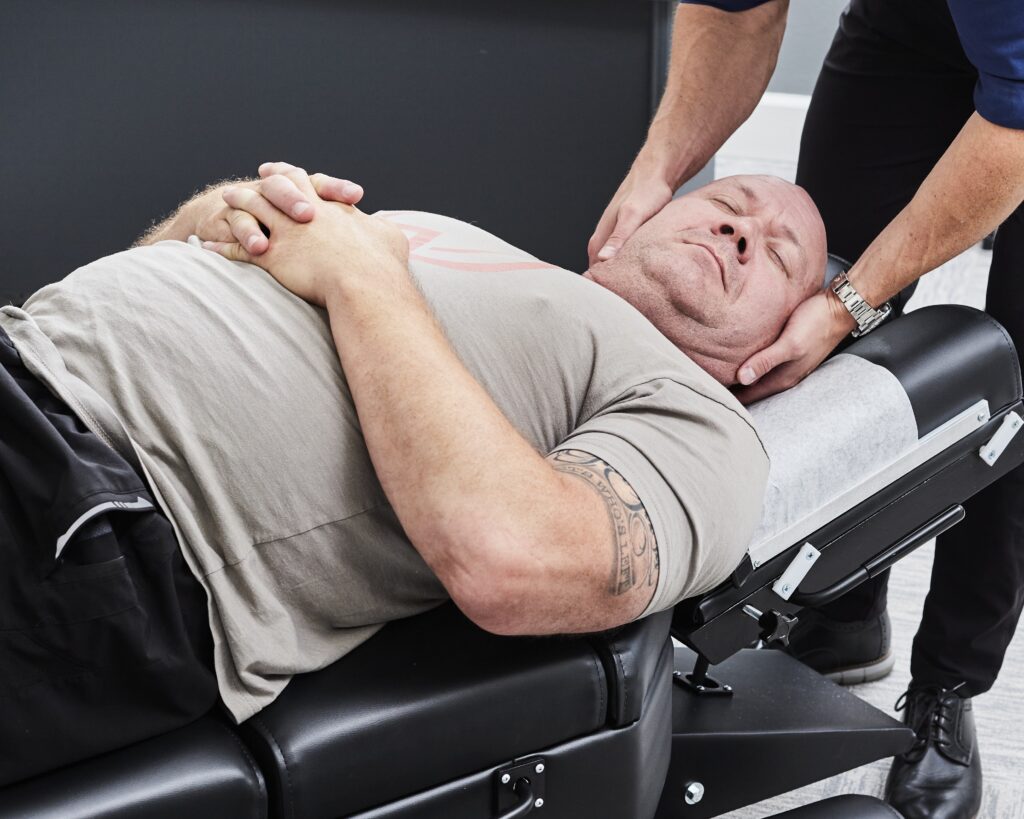
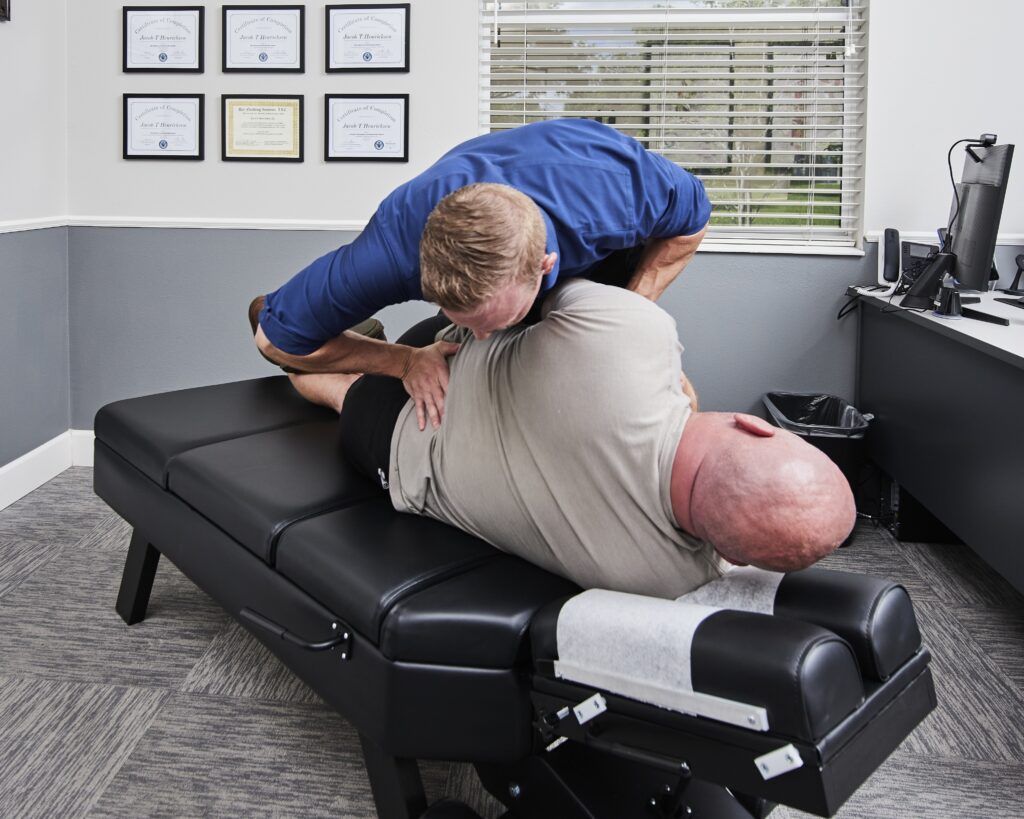
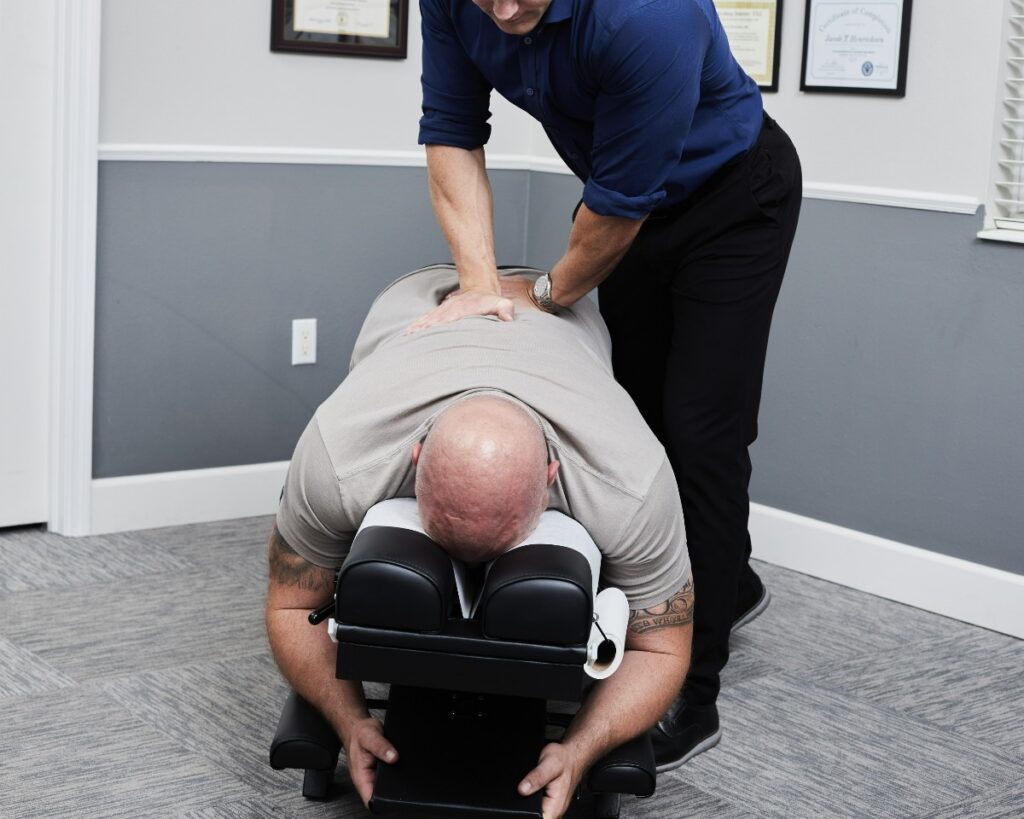
Chiropractic care plays an essential role in enhancing your posture and addressing common alignment issues. By focusing on the spine and its connection to the nervous system, a chiropractor can help you achieve better posture, reduce pain, and improve overall well-being.
Here's how chiropractic care can benefit you:
- Spinal Adjustments: These targeted adjustments realign your spine, correcting misalignments that may be causing discomfort or poor posture. A properly aligned spine supports your body's natural posture and reduces strain on your muscles.
- Muscle Strengthening: Chiropractors often provide exercises that strengthen the muscles surrounding your spine. By reinforcing these muscles, you'll be better able to maintain proper posture throughout your daily activities, whether you're sitting at a desk or engaging in physical exercise.
- Education and Awareness: Your chiropractor can teach you about ergonomics and body mechanics. Understanding how to position yourself correctly while working or engaging in recreational activities can prevent future posture-related issues. With this knowledge, you'll be more aware of your body's alignment and how to maintain it.
Incorporating chiropractic care into your routine can make a significant difference in your posture and overall health.
By addressing the root causes of alignment issues, you'll be on your way to feeling more confident and comfortable in your body.
Don't wait; take the first step toward better posture today!
Benefits of Physical Therapy
While chiropractic care is a valuable tool for improving posture, physical therapy also offers significant benefits in this area. Engaging in physical therapy can help you address underlying issues that might be contributing to poor posture. A trained physical therapist will assess your specific needs and create a personalized plan to strengthen weak muscles and stretch tight ones. This targeted approach not only improves your posture but also enhances your overall body mechanics.
You'll learn proper body alignment and movement patterns that can reduce strain on your muscles and joints. By correcting these patterns, you'll likely experience reduced pain and discomfort, making everyday activities more enjoyable. Additionally, physical therapy can help you become more aware of your posture throughout the day, encouraging you to make conscious adjustments.
Another vital benefit is the education you'll receive from your therapist. They'll equip you with knowledge about posture-related issues, helping you understand how your daily habits impact your body. You'll gain insights into ergonomic adjustments you can make at work or home, further supporting your journey toward better posture.
Finally, physical therapy promotes long-term wellness. By addressing posture now, you can prevent future complications, such as chronic pain or injury. Committing to physical therapy is an investment in your health, leading to improved posture, enhanced mobility, and a better quality of life.
Tailored Exercise Programs
To enhance your posture, you need a tailored exercise program that fits your unique needs.
By starting with a personalized fitness assessment, you can identify your strengths and weaknesses.
This approach allows you to focus on targeted strengthening exercises that will make a real difference.
Personalized Fitness Assessments
Understanding your unique body mechanics is essential for enhancing your posture, and personalized fitness assessments provide the roadmap to achieving that. These assessments evaluate your movement patterns, strengths, and weaknesses, allowing you to target areas needing improvement.
By having a clear understanding of your body, you can make informed decisions about your fitness journey.
Here are three key components of personalized fitness assessments:
- Postural Analysis: A thorough evaluation of your posture helps identify misalignments or imbalances that could be affecting your overall well-being.
- Functional Movement Screening: This screening assesses how well you move in everyday activities, pinpointing any limitations that could hinder your posture and performance.
- Goal Setting: Based on your assessment results, you can set realistic and achievable goals tailored to your specific needs, ensuring your fitness program aligns with your posture enhancement objectives.
Targeted Strengthening Exercises
Targeted strengthening exercises can greatly improve your posture by focusing on specific muscle groups that support proper alignment. When you engage in these exercises, you're not just working out; you're actively correcting imbalances that may contribute to poor posture.
Start by identifying which muscle groups need attention. Common areas often include the core, back, and shoulders. Incorporating exercises like planks, rows, and shoulder presses helps strengthen these key areas. For instance, planks engage your core, promoting stability and alignment, while rows bolster upper back muscles, counteracting the tendency to slouch.
It's also vital to maintain a balanced routine. You should alternate between strengthening exercises for different muscle groups, making sure one area doesn't overpower another. Consistency is key; aim for at least two to three sessions per week.
As you progress, you'll notice improvements not just in your posture but also in your overall strength and stability.
Lifestyle Changes for Better Posture
Making simple lifestyle changes can greatly improve your posture and overall well-being. You mightn't realize it, but your daily habits play a significant role in how you carry yourself. By being mindful of your environment and making a few adjustments, you can enhance your posture without much effort.
Here are three effective changes you can incorporate into your routine:
- Evaluate Your Workspace: If you spend long hours at a desk, make certain your chair and computer setup support good posture. Your monitor should be at eye level, and your feet should rest flat on the floor. Using an ergonomic chair can also make a big difference.
- Stay Active: Incorporate movement into your day. Take short breaks every hour to stand up, stretch, or walk around. This not only relieves muscle tension but also encourages proper alignment. Consider adding activities like yoga or Pilates to your weekly routine, as they focus on core strength and flexibility.
- Mind Your Body Mechanics: Be conscious of how you sit, stand, and lift. When sitting, keep your back straight and avoid slouching. When lifting heavy objects, bend at your knees, not your waist, to protect your spine.
Finding the Right Professional
When it comes to improving your posture, seeking help from the right professional can make all the difference. You want someone who understands your specific needs and can tailor a plan that works for you. Start by identifying the type of expert you need—physical therapists, chiropractors, or even personal trainers specializing in posture correction are all viable options.
Next, do your research. Look for professionals with credentials, experience, and positive reviews. You might want to ask for recommendations from friends or family who've successfully improved their posture.
Once you've narrowed down your options, don't hesitate to schedule consultations. This will give you a chance to gauge their approach and see if it resonates with you.
During your first meeting, pay attention to how they assess your posture. A good professional will evaluate your alignment, movement patterns, and any discomfort you might be experiencing. They should be able to explain their methods clearly and answer any questions you have.
Also, consider their communication style. You'll want someone who listens to you and makes you feel comfortable discussing your concerns.
Finally, check their availability and whether they use techniques that complement your lifestyle. Finding the right professional is about building a partnership that empowers you to take charge of your posture improvement journey.
Make sure you feel confident in your choice, as this partnership will ultimately be key to your success.
Conclusion
Enhancing your posture with professional care can truly transform your life. By working with skilled chiropractors or physical therapists, you'll tackle misalignments and learn effective exercises tailored just for you. With their guidance, you can adopt lifestyle changes that promote better posture every day. Remember, investing in your posture isn't just about looking good; it's about feeling confident and reducing discomfort. So, take that step today and embrace a healthier, more aligned you!