
You might not realize how much your posture affects your daily life, from your physical comfort to your mental focus. Professional adjustments can play a vital role in correcting misalignments and alleviating discomfort, but understanding their full benefits is essential. Many people overlook the simple changes they can make with the help of specialists. So, what should you consider when exploring these adjustments, and how can they transform your approach to health and productivity?
Understanding Posture and Its Importance
In today's fast-paced world, understanding posture is essential for maintaining overall health and well-being. Your posture affects how you feel, move, and even breathe. When you stand, sit, or walk with proper alignment, you're not only reducing strain on your muscles and joints but also boosting your confidence and energy levels. Good posture allows your body to function at its best, enhancing your performance in daily activities.
Think about how often you're hunched over a computer or leaning forward while texting. These habits can lead to discomfort and fatigue over time. By being aware of your posture, you can make simple adjustments that greatly impact your health. For instance, when sitting, keep your back straight and shoulders relaxed, with your feet flat on the ground. This position supports your spine and prevents unnecessary stress on your body.
Moreover, understanding posture also extends to your emotional well-being. When you adopt an upright posture, it can elevate your mood and help you feel more alert. This connection between body and mind is powerful; by simply changing how you hold yourself, you can influence how you feel internally.
Incorporating posture awareness into your daily routine is a small but effective step toward improving your overall quality of life. Whether you're at work, home, or on the go, taking a moment to check in on your posture can lead to long-term benefits, ensuring you remain healthy and engaged in everything you do.
Common Causes of Poor Posture
You mightn't realize it, but a sedentary lifestyle can have a significant impact on your posture.
Poor ergonomics at work and muscle imbalances often contribute to slouching and discomfort.
Let's explore how these factors play a role in your daily habits.
Sedentary Lifestyle Effects
Sitting for extended periods can greatly contribute to poor posture, often leading to discomfort and long-term health issues. When you spend hours slouched in a chair, your muscles weaken, and your spine loses its natural alignment. This slump can cause not just back pain, but also neck and shoulder tension, which can affect your daily activities and overall well-being.
In a sedentary lifestyle, you might notice that you're less aware of your posture. As you get lost in work or entertainment, you might hunch over or lean forward, straining your muscles. Over time, this can create a cycle of poor posture that's tough to break. Your body adapts to these positions, making it even harder to sit up straight.
If you don't take breaks to stretch and move around, these effects only worsen. Prolonged sitting can also lead to reduced flexibility and a higher risk of injury.
Improper Ergonomics at Work
Many workers unknowingly create an environment that fosters poor posture due to improper ergonomics. When you sit at your desk for hours, the setup of your workspace can notably impact your posture. If your chair isn't adjustable, or if your computer screen's height isn't aligned with your eye level, you might find yourself slouching or leaning forward. This misalignment can lead to muscle strain and discomfort over time.
Your keyboard and mouse placement also plays a vital role. If they're too far away or positioned awkwardly, you might reach out excessively, causing tension in your shoulders and back. Additionally, using a phone without proper support can lead to "text neck," where you tilt your head down for extended periods.
Another common issue is the lack of breaks. Without standing up or stretching regularly, your muscles can become fatigued and stiff, further contributing to poor posture.
To combat these problems, take a moment to assess your workspace. Make adjustments, like using an ergonomic chair, positioning your screen at eye level, and incorporating regular movement into your day. A few simple changes can help you maintain better posture and reduce discomfort.
Muscle Weakness and Imbalance
Poor posture often stems from muscle weakness and imbalances that develop over time, especially when a workspace isn't ergonomically designed.
You may not realize it, but the way you sit, stand, or move can lead to significant discomfort and health issues. Muscle weaknesses in your core and back can cause your body to compensate in unhealthy ways, making good posture feel nearly impossible.
Here are three emotional impacts of poor posture due to muscle weakness and imbalances:
- Chronic Pain: You might find yourself dealing with persistent neck, shoulder, or back pain that just won't go away, affecting your daily activities and overall mood.
- Fatigue: Slouching or leaning can increase fatigue, making you feel drained even after a full night's sleep, which affects your focus and productivity.
- Reduced Confidence: Poor posture can create a perception of low confidence, impacting how others perceive you in both personal and professional situations.
Addressing these weaknesses and imbalances through targeted exercises and professional adjustments can transform your posture, enhancing your overall well-being and confidence.
Benefits of Professional Adjustments
Professional adjustments offer a range of benefits that can greatly enhance your overall well-being. When you seek out a professional for adjustments, you're not just addressing your posture; you're investing in your physical health and comfort.
One of the most immediate benefits you'll notice is reduced pain and discomfort. Regular adjustments can alleviate tension in your muscles and joints, helping you move more freely throughout the day.
You might also experience improved flexibility and range of motion. By addressing misalignments, adjustments can help your body function more efficiently, allowing you to engage in daily activities with ease. This increased mobility can even boost your performance in sports and fitness routines, making your workouts more effective and enjoyable.
Moreover, professional adjustments can lead to better circulation and a stronger immune system. When your spine is aligned correctly, blood flow improves, delivering essential nutrients throughout your body. This can enhance your overall vigor, leaving you feeling more energetic and focused.
Additionally, many people find that regular adjustments contribute to better mental clarity and reduced stress levels. By relieving physical tension, you create a more relaxed state of mind, which can improve your mood and overall outlook.
Types of Professional Adjustments
When it comes to posture adjustments, various techniques can cater to your specific needs. Understanding these methods can empower you to make informed decisions about your posture health.
Here are three common types of professional adjustments that can markedly improve your posture and overall well-being:
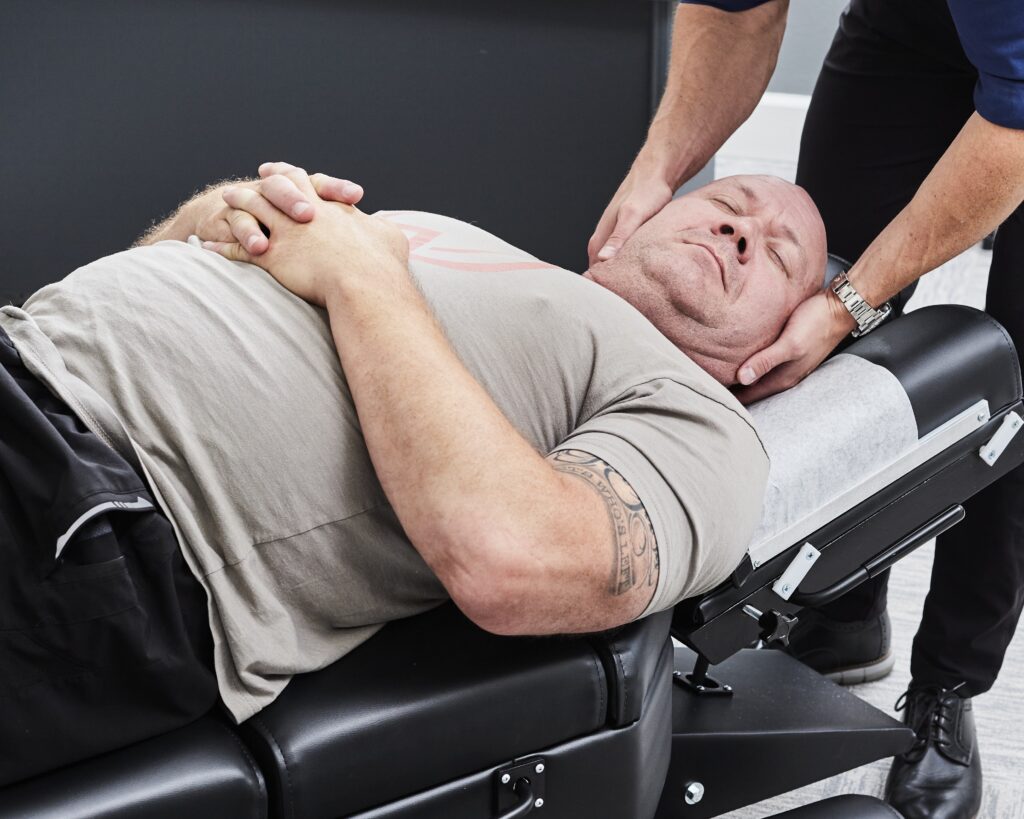
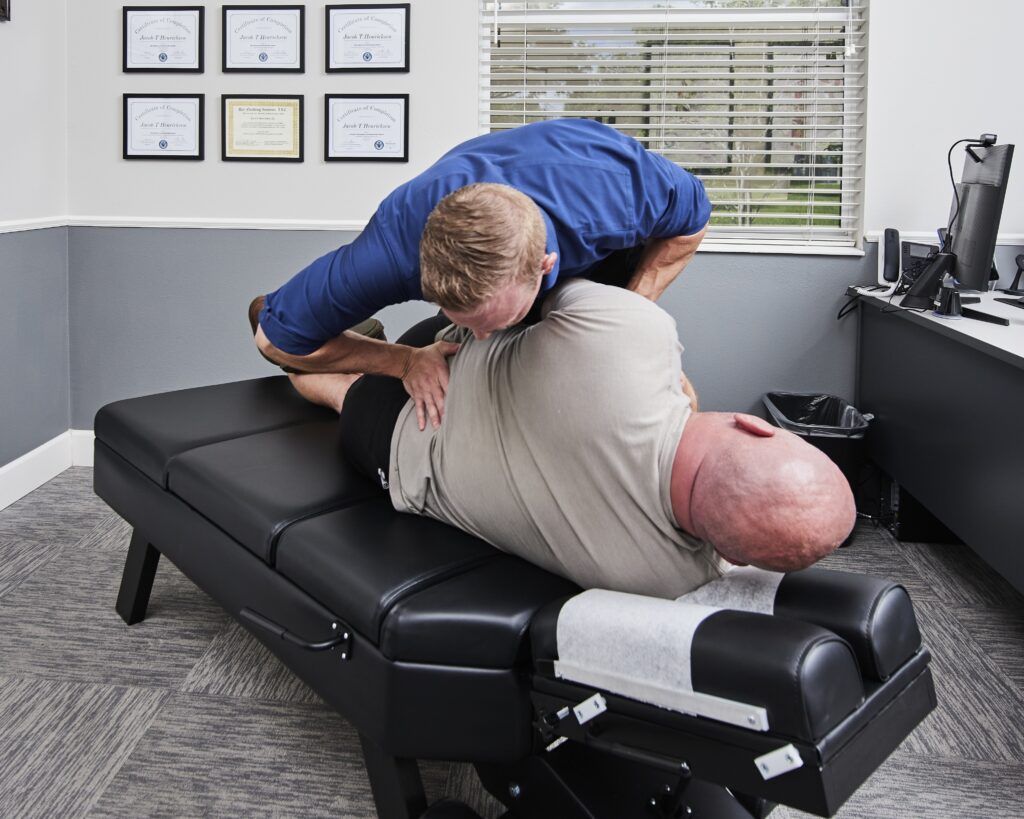
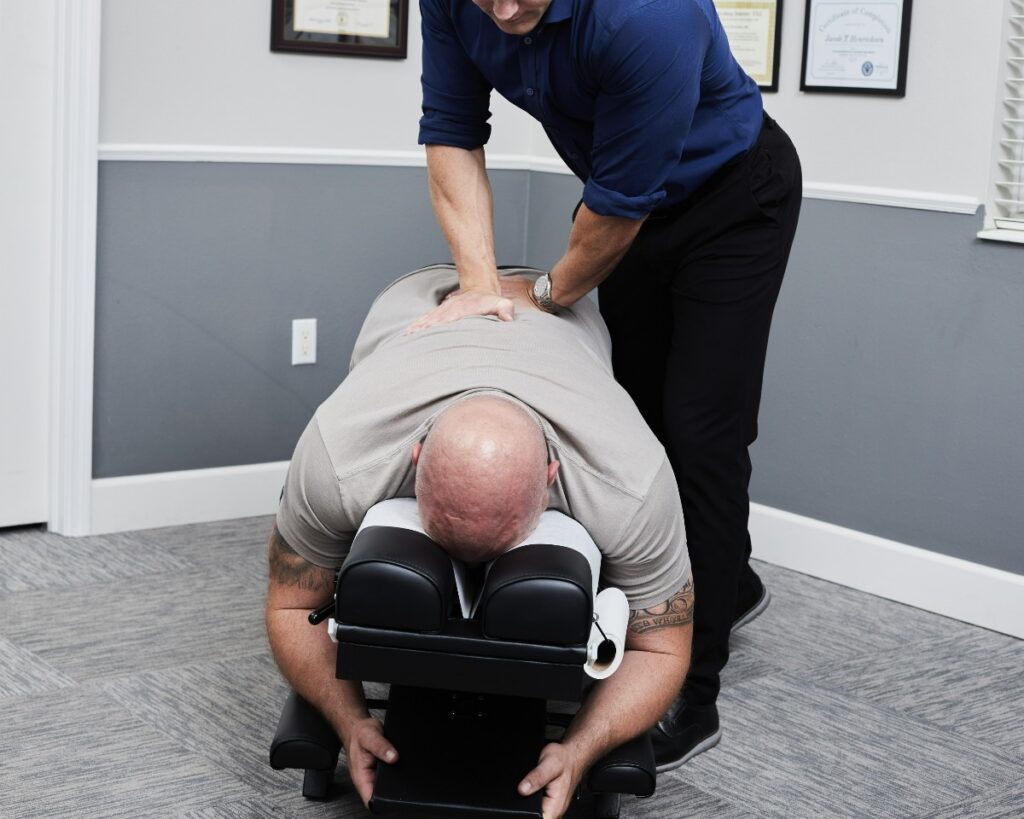
- Chiropractic Adjustments: Chiropractors use hands-on manipulation of the spine and joints to realign your body. This method not only alleviates pain but also enhances your range of motion, helping you stand taller and feel more confident.
- Physical Therapy: A physical therapist will assess your posture and develop a personalized exercise program. Through targeted stretches and strengthening exercises, you can address muscle imbalances and improve your posture over time. This approach not only helps with alignment but also reduces the risk of future injuries.
- Massage Therapy: While not a traditional adjustment, massage therapy plays a vital role in posture improvement. By relieving muscle tension and promoting relaxation, massage helps to reset your body's natural alignment. You'll often leave a session feeling lighter and more balanced, which can enhance your posture.
Each of these professional adjustments can lead you toward better posture and a healthier life.
How to Choose a Specialist
Choosing the right specialist for posture adjustments can feel overwhelming, but it's important for achieving ideal results. Start by identifying your specific needs. Are you dealing with pain, discomfort, or just looking to enhance your overall posture? Knowing this will help you narrow down your options.
Next, look for qualifications and experience. Check if the specialist has relevant certifications, such as chiropractic, physical therapy, or osteopathy. A good specialist should have a solid educational background and experience in treating posture-related issues. Don't hesitate to ask about their approach and techniques to guarantee they align with your preferences.
Read reviews and testimonials from previous clients. This will give you insight into their effectiveness and patient satisfaction. A well-reviewed specialist is often a good indicator of quality care.
Additionally, consider the location and availability of the specialist. Choosing someone conveniently located can make regular visits easier, which is key for maintaining progress. It's also important to confirm their schedule aligns with yours.
Finally, trust your instincts. During your first consultation, pay attention to how comfortable you feel with the specialist. Good communication and a supportive atmosphere are crucial for a successful experience. If you feel at ease and heard, you're more likely to stick with the treatment plan.
Tips for Maintaining Good Posture
Maintaining good posture is key to preventing discomfort and enhancing your overall well-being. You mightn't realize it, but your posture affects everything from your mood to your productivity.
Here are some practical tips to help you stand tall and feel your best:
1. Be Mindful of Your Sitting Position
When you sit, keep your back straight and shoulders relaxed. Your feet should be flat on the floor, and your knees should be at a right angle. If you spend long hours at a desk, consider a chair that supports your lower back.
2. Take Regular Breaks
Don't forget to take breaks! Stand up, stretch, or walk around every hour. This keeps your muscles engaged and helps prevent stiffness. A quick stretch can work wonders for your posture and overall energy levels.
3. Strengthen Your Core
A strong core supports your spine. Incorporate exercises like planks or bridges into your routine to build strength. When your core is engaged, you're more likely to maintain proper posture throughout the day.
Conclusion
Incorporating professional adjustments into your routine can transform your posture and overall well-being. By understanding the importance of good posture and seeking help from specialists, you can address issues causing discomfort and stress. Remember, maintaining good posture is a continuous effort, so stay proactive in your approach. With the right guidance and commitment, you'll not only enhance your alignment but also boost your confidence and productivity in daily activities. Start your journey to better posture today!