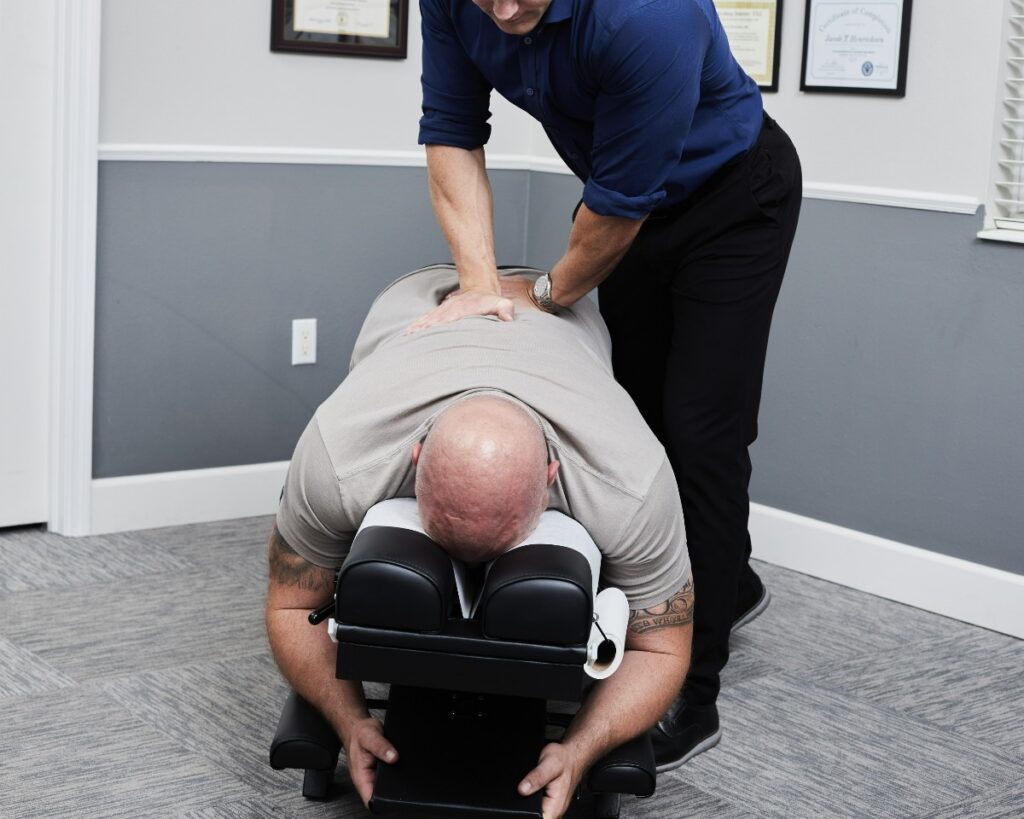
When considering effective chiropractic care for young children, it's crucial to establish a foundation of trust and comfort. This can be achieved through gentle, age-appropriate communication that resonates with their level of understanding, alongside creating a welcoming atmosphere that alleviates their fears. Engaging not only the child but also their caregivers can significantly enhance the overall experience and promote a sense of security. So, what specific techniques can elevate this relationship and support optimal development? Let's explore practical strategies that can transform your approach to chiropractic care for your little ones.
For instance, utilizing playful language and visual aids can help explain the process in a way that feels safe and non-threatening. It's also important to involve parents in the conversation, allowing them to ask questions and express any concerns they may have. This collaborative approach not only empowers caregivers but also reinforces the child's comfort level during visits. By focusing on gentle adjustments and natural healing methods, we can support the healthy growth and development of children while fostering a positive experience with chiropractic care.
Understanding Child Development
Understanding child development is essential for providing effective chiropractic care. When you comprehend the stages of physical, emotional, and cognitive growth, you can customize your approach to meet each young patient's specific needs. Children aren't just small adults; their developmental phases significantly influence how they perceive their bodies, health, and the healing process.
Start by familiarizing yourself with key developmental milestones. Infants focus on attachment and trust, while toddlers begin to explore their independence. Preschoolers often engage in imaginative play, and school-aged children are eager to learn about their bodies and overall health. Recognizing these stages aids in your communication and helps you select the most appropriate chiropractic interventions.
Consider the emotional aspects of development as well. Children may express fear, anxiety, or even joy differently depending on their age. Your ability to interpret these emotions enables you to foster a supportive environment, making the chiropractic experience less daunting. Use simple language and visual aids to help children understand what's happening, whether it's a routine adjustment or a more complex technique.
Don't overlook the influence of the family unit. Parents play a crucial role in a child's development and can provide valuable insights into their behavior and needs. Engaging with families helps you understand the context in which a child is growing, allowing for a more comprehensive approach to care and natural healing.
Building Trust With Young Patients
To build trust with young patients in chiropractic care, it's essential to create a welcoming and comfortable environment where they feel safe.
Using age-appropriate language is key; it allows you to connect with them in a way that makes understanding their needs easier.
Incorporating playful elements into our interactions can further enhance their sense of security, encouraging them to open up about how they feel.
This approach not only helps them feel more at ease but also educates them about the benefits of natural healing and chiropractic care in a way that resonates with their age and experiences.
Establishing a Comfortable Environment
Creating a welcoming atmosphere is essential for building trust with new chiropractic patients, especially children. When kids feel comfortable in your office, they're more likely to open up and engage in their care.
Start by ensuring that the waiting area is inviting for young patients. Incorporate colorful decorations, toys, and books that spark their imagination, helping to distract them from any nervousness they may have about their visit.
When you greet your young patients, kneel down to their level. Making eye contact and speaking in a gentle tone can help ease their fears. Throughout their visit, maintain a warm demeanor, using smiles and positive body language to convey that they're in a safe and caring environment.
In the treatment room, encourage children to explore the space. Allowing them to touch equipment—like the chiropractic tools—can help demystify the process and alleviate anxiety. Incorporate familiar items, such as stuffed animals or colorful charts, that resonate with them and help explain the concepts of chiropractic care.
It is also crucial to make sure their caregivers feel involved in the process. Engaging parents in discussions about their child's care can enhance the child's sense of security.
Using Age-Appropriate Language
Hey there! When we talk about communication, it's not only about using words.
It's also super important to pay attention to how we express ourselves without speaking. A friendly smile, a thumbs-up, or a gentle nod can make a big difference in helping you feel comfortable and understood when you come in for your chiropractic care.
We want to make sure you know that you're valued and cared for as we work together on your healing journey!
Engaging Through Playfulness
Engaging with young patients through playfulness is an effective way to build trust and understanding when it comes to chiropractic care. Many kids can feel nervous about visiting a chiropractor, but by incorporating playful elements, we can create a welcoming and relaxed environment.
Utilizing toys, games, or simple activities like drawing can help them express their feelings and alleviate any fears they may have. This not only makes the experience more enjoyable but also fosters a meaningful connection.
It's important to match your energy and enthusiasm with theirs. If they're curious about the chiropractic tools, such as the adjustment table or a model of the spine, allow them to explore and ask questions. This hands-on experience demystifies what we're doing and helps them feel more involved in their care.
Storytelling is another wonderful technique we can use. We can create a fun narrative around their visit, perhaps featuring a superhero who keeps their body strong and healthy with the help of chiropractic adjustments.
This can transform their visit from something intimidating into an exciting adventure toward better health and wellness.
Age-Appropriate Communication
When talking to families about chiropractic care, it's important to use simple and clear language so everyone understands what we do.
Using fun examples can keep kids interested and make learning about their health exciting!
Let's look at how these friendly approaches can improve your conversations and help you feel more comfortable with the benefits of chiropractic and natural healing for your little ones.
Simple Language Use
Using simple language is very important when talking to patients who are new to chiropractic care. Many people may not know all the technical terms, so it's best to use words that are easy to understand. For example, instead of saying "spinal adjustment," you can say "a gentle touch on your back." This helps make the treatment less scary.
When explaining what we do or how you might feel, keep it simple and short. Instead of saying, "You need to follow the treatment plan," you could say, "Let's work together to help you feel better!" This helps you feel more involved and less anxious.
Always watch how you respond; if you look confused, I'll break it down even more. Using a friendly voice and simple words can make you feel safe and comfortable. It's also good to repeat important points since it helps you remember them better. I can also use pictures or demonstrations to make things clearer.
Finally, I like to ask questions that let you share your thoughts. Instead of saying, "Are you in pain?" I might ask, "What does your back feel like?" This encourages you to talk about how you feel and what's bothering you.
Using simple language helps you understand better and builds a good connection during your visits.
Engaging Playful Techniques
Incorporating playful techniques can make discussing chiropractic care and natural healing with patients more effective and enjoyable. When you engage individuals through interactive methods, you create a relaxed atmosphere that encourages open dialogue.
Utilize models, visual aids, or even simple illustrations to spark interest. For instance, if you're explaining spinal health, use a model of the spine to demonstrate its alignment and the impact of good posture. This not only captures their attention but also makes the information relatable.
You can also turn questions into engaging activities. Invite them to "discover" the answers by exploring brochures or interactive charts about chiropractic benefits. This transforms the educational process into a fun adventure, making it easier for them to grasp essential concepts.
Remember, people enjoy stories, so weave your insights into an imaginative narrative about the journey to wellness.
Another effective approach is to use role-play scenarios. Encourage them to visualize a chiropractic session or a day in the life of someone practicing self-care. This helps them process their thoughts and feelings about chiropractic care while promoting meaningful conversations.
Finally, don't underestimate the power of humor. Light-hearted jokes or playful anecdotes can create a friendly atmosphere and make your interaction memorable.
Creating a Child-Friendly Environment
Creating a child-friendly environment in our chiropractic office is essential for helping young patients feel comfortable and secure during their visits. When we design a space that caters to children, it reduces anxiety and fosters trust in the healing process.
To achieve this, we use bright colors and playful decorations throughout our office. You'll find artwork featuring friendly animals and fun characters, which helps create a warm and welcoming atmosphere for kids.
The layout of our office is also thoughtfully designed. Our waiting area includes comfortable seating and child-sized furniture, making it easy for children to engage with their surroundings. We offer a variety of age-appropriate toys and books, allowing kids to play and explore while they wait. This not only distracts them but also encourages social interaction with other young patients.
In addition to a fun atmosphere, we incorporate sensory elements to help soothe anxious children. We use soft lighting and calming sounds, and we even provide tactile experiences, such as textured toys.
We've designated quiet areas where kids can retreat if they feel overwhelmed. We also bring a bit of nature indoors with plants and images of outdoor scenes to enhance the calming effect.
Finally, our staff is trained to interact with children in a friendly and approachable manner. Their warm behavior sets a positive tone for the entire environment.
Engaging Parents in Care
As a local chiropractor, I want to emphasize the importance of engaging parents in their child's chiropractic care. It's crucial to create a supportive healing environment, and involving parents in the care process can greatly enhance their child's experience. When parents are actively involved, they not only feel empowered but also become integral participants in their child's health journey.
Open communication is key. I encourage parents to share their thoughts about their child's needs and the proposed treatment plan. This level of transparency builds trust and confidence in the care being provided. I welcome questions and concerns, as addressing these issues shows that I value their input and am committed to their child's well-being.
To further support parents, I provide educational resources that explain the benefits of chiropractic care for children. Understanding the positive impact of this natural healing approach can motivate parents to stay engaged in their child's treatment.
I also believe in a collaborative approach when it comes to setting goals for their child's care. By discussing what parents hope to achieve through chiropractic treatments and how they can support their child at home, we reinforce our partnership in this journey.
Additionally, I recommend scheduling follow-up discussions to review progress and celebrate milestones. Recognizing improvements, no matter how small, keeps parents motivated and involved in their child's care.
Utilizing Play Therapy Techniques
As a local chiropractor, I understand that many parents may feel apprehensive about bringing their young children in for chiropractic care. That's why I want to share how we can turn this experience into something enjoyable and less intimidating for your little ones through play therapy techniques.
When children come into our office, we strive to create a welcoming atmosphere that helps ease their anxiety. By incorporating play into our practice, we can connect with them on a level they understand and enjoy. For example, we use toys and props that relate to the chiropractic process. A fun way to introduce children to what we do is by using a toy chiropractor that demonstrates adjustments on a doll. This visual approach helps demystify the treatment and can spark their curiosity.
We also encourage children to participate by acting out scenarios, allowing them to take charge of the situation and feel empowered. This not only makes them more comfortable but also turns their visit into an engaging experience.
In addition to role-playing, we incorporate games into our sessions. Activities like a scavenger hunt for specific items around the office can serve as a great distraction while we explain the procedures in a friendly manner. Using playful language—like calling our tools "magic wands"—further reduces fear and promotes cooperation.
Storytelling is another powerful tool we use. We often share imaginative tales about superheroes who visit the chiropractor and gain strength and health. This narrative approach helps children relate positively to the treatment and view it as a fun adventure rather than a daunting chore.
By utilizing these play therapy techniques, we aren't just addressing your child's physical needs; we're also nurturing their emotional well-being. Our goal is to make each visit a pleasant experience, ensuring that children leave our office feeling excited about their health journey.
Your child's comfort and happiness are our top priorities, and we look forward to making their chiropractic experience a positive one!
Managing Pain and Discomfort
As a local chiropractor, I want to emphasize the importance of pain management in chiropractic care, especially for our young patients. Understanding how to address pain and discomfort effectively can greatly enhance a child's comfort level and willingness to engage in their treatment.
When working with children, creating a supportive and nurturing environment is essential. Open communication is key; I always take time to explain the treatment process in simple, relatable terms, ensuring both the child and their caregiver know what to expect. This transparency helps alleviate any anxiety they may have.
There are several techniques we can use to manage pain. For instance, distraction methods such as toys or fun stories can work wonders in shifting a child's focus away from discomfort. Additionally, I incorporate gentle touch and soothing words to create a calming atmosphere, which is crucial during treatment.
I also pay close attention to the child's body language and verbal cues; these signals can provide insight into how they're feeling throughout the process.
In some cases, I may recommend age-appropriate pain relief techniques like heat or cold therapy, which can be very effective in soothing discomfort. Gentle stretches are another method I use to help relieve tension and promote relaxation. Every child is unique, so I tailor my approach based on their individual needs and responses.
After each session, I make it a point to check in with the child and their caregiver to discuss any ongoing discomfort. This feedback is invaluable as it helps me refine my approach and enhance the overall experience for future visits.
Promoting Preventive Care Practices
As a local chiropractor passionate about promoting the health of our young community, I want to share how preventive care practices can lay the groundwork for a lifetime of wellness. Many families may not yet be familiar with the benefits of chiropractic care and natural healing, and I believe it's essential to start educating them about these vital aspects.
Regular chiropractic check-ups are just as important for children as they're for adults. These visits ensure that children are developing properly and provide opportunities for early detection of any potential issues. By working together, we can help ensure that your child is on the right path to optimal health.
In addition to chiropractic care, nutrition plays a pivotal role in a child's development. I encourage parents to focus on providing balanced diets that include plenty of fruits, vegetables, whole grains, and lean proteins. Teaching children about healthy eating habits can significantly strengthen their immune systems and support their overall growth.
It's also advisable to limit processed foods and sugary drinks, which can contribute to various health challenges down the line.
Physical activity is another cornerstone of preventive care. Children should aim for at least 60 minutes of active play each day. This not only helps in building strong bones and muscles but also reduces the risk of obesity. I recommend that families engage in physical activities together, fostering a love for movement and establishing lifelong healthy habits.
Lastly, we can't overlook the importance of mental health. I urge parents to cultivate a nurturing environment that supports their children's emotional well-being. Being aware of the signs of stress and anxiety in children is crucial, and I'm here to provide guidance on how to address these issues proactively.
Together, we can empower our children to lead healthier lives through preventive care and natural healing practices. Let's work as a community to ensure our young ones have the best possible start in life!
Conclusion
Incorporating effective chiropractic care techniques for young children is essential for fostering a positive healthcare experience. By understanding child development and building trust, we can create a welcoming environment that encourages open communication. Engaging parents and utilizing gentle adjustments can significantly ease discomfort and promote a sense of well-being. Remember, regular chiropractic check-ups and education on the benefits of natural healing lay the foundation for lifelong wellness. By implementing these strategies, we can help young patients thrive and feel secure on their journey toward optimal health.