
If you're struggling with back pain, you might be looking for effective, non-invasive solutions that can provide relief without resorting to medication or surgery. Options like physical therapy, chiropractic adjustments, and acupuncture could offer pathways to improved comfort and mobility. Each method has unique benefits that may align with your specific needs and lifestyle. Before you decide which approach to take, it's crucial to understand the underlying causes of your discomfort and how these solutions can work together to enhance your overall well-being. What you discover next might surprise you.
Understanding Back Pain Causes
Back pain can stem from various causes, making it vital to understand what might be triggering your discomfort. Identifying the root of your pain can help you take the right steps toward relief.
One common cause is muscle strain, often resulting from lifting heavy objects, sudden movements, or poor posture. If you've been sitting for long periods, your muscles might tense up, leading to pain that can radiate through your lower back.
Another factor to take into account is the condition of your spine. Conditions like herniated discs or degenerative disc disease can cause significant discomfort. A herniated disc occurs when the soft tissue between your vertebrae bulges out, pressing on nearby nerves. This can lead to sharp pain, numbness, or weakness in your legs.
Additionally, arthritis—particularly osteoarthritis—can affect your lower back, causing stiffness and pain as the cartilage wears down.
Your lifestyle choices also play an important role in back pain. Being overweight can put extra stress on your back, while a lack of physical activity can weaken the muscles that support your spine.
Stress and anxiety can contribute to muscle tension, exacerbating your discomfort. Finally, age is a factor; as you get older, your body's structure changes, often leading to increased back issues.
Benefits of Physical Therapy
Finding relief from back pain often involves exploring various treatment options, and physical therapy is one of the most effective methods available. It focuses on improving your mobility, strength, and overall function, all while addressing the specific issues causing your discomfort. By working with a trained physical therapist, you'll receive a personalized treatment plan tailored to your unique needs.
One significant benefit of physical therapy is that it empowers you with knowledge and techniques to manage your pain. You'll learn proper body mechanics and exercises that strengthen the muscles supporting your spine, reducing the risk of future injuries.
Furthermore, physical therapists can help you correct posture and movement patterns that may contribute to your back pain.
Physical therapy also promotes healing by increasing blood flow to affected areas, which can accelerate recovery. You might find that the pain relief you experience isn't just temporary; many patients report lasting benefits after completing their therapy.
Additionally, physical therapy can be a cost-effective solution compared to other invasive treatments.
Lastly, the supportive environment of physical therapy encourages you to stay motivated and engaged in your recovery journey. Your therapist will monitor your progress, making adjustments to your program as needed, ensuring you're always on the right track.
Chiropractic Adjustments
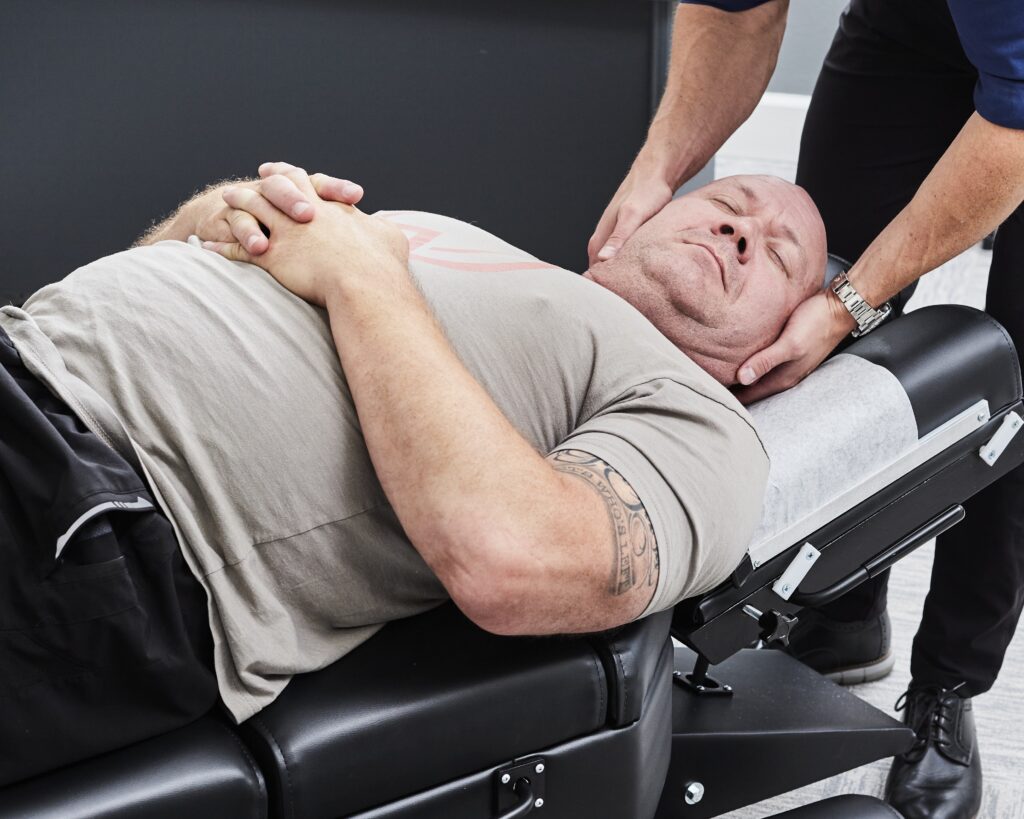
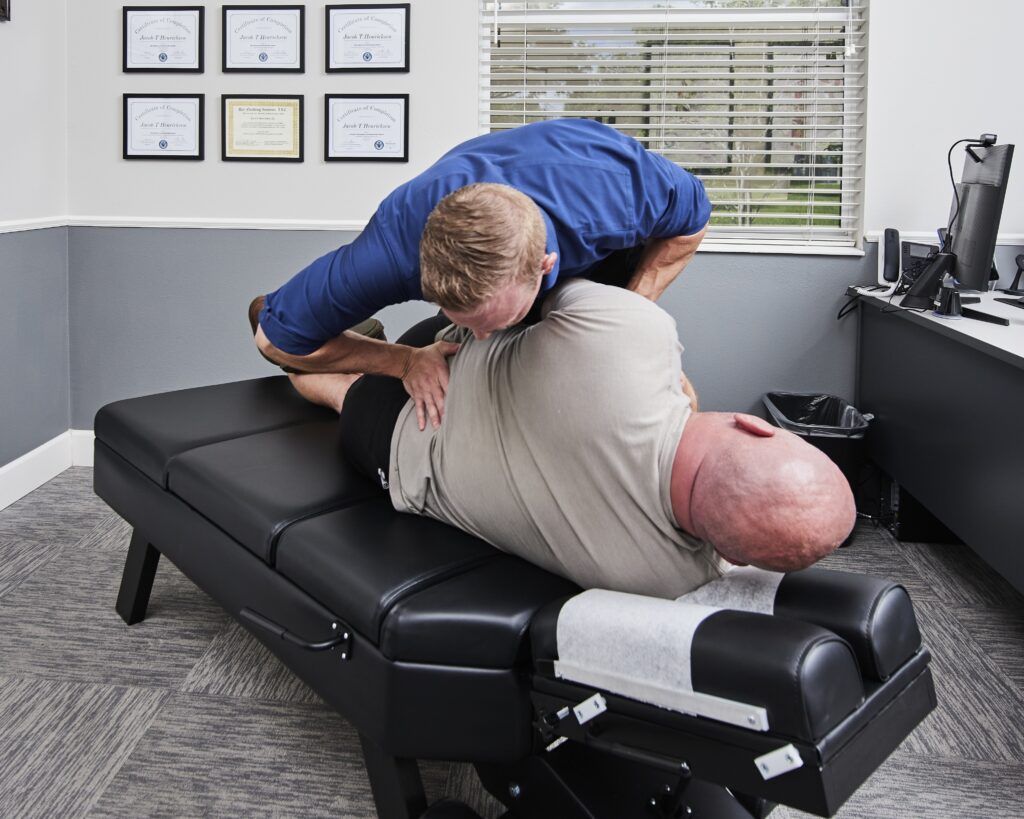
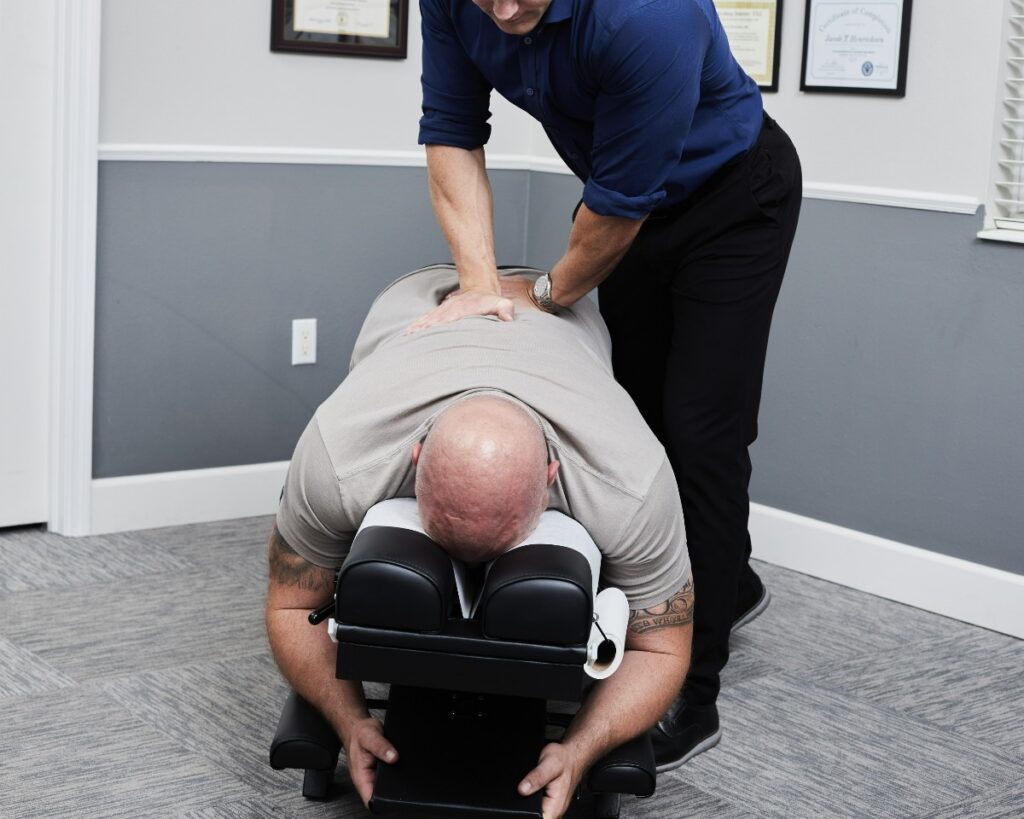
Chiropractic adjustments can provide significant relief for your back pain by realigning your spine and improving overall function.
You'll discover various techniques used in practice, each tailored to your specific needs.
Understanding these benefits can help you make an informed decision about incorporating chiropractic care into your pain relief journey.
Benefits of Chiropractic Adjustments
When you're dealing with persistent pain, chiropractic adjustments can offer significant relief. These adjustments focus on realigning your spine, which helps restore proper function and mobility. By addressing misalignments, you can experience reduced nerve irritation, leading to decreased pain and improved overall well-being.
One of the key benefits of chiropractic care is its ability to enhance your body's natural healing process. Adjustments stimulate blood flow and promote the release of endorphins, your body's natural painkillers, which can help you feel better without relying on medication.
You might also notice improved posture and flexibility, making daily activities more comfortable. Additionally, chiropractic adjustments can alleviate tension in your muscles, providing a sense of relaxation and ease.
This relief can enhance your sleep quality, allowing you to wake up refreshed and ready for the day. Regular visits can also help you prevent future injuries, as maintaining spinal health is essential for overall body function.
Ultimately, incorporating chiropractic adjustments into your wellness routine can lead to a healthier, pain-free lifestyle, empowering you to engage in the activities you love without discomfort.
Techniques Used in Practice
Many effective techniques are used in chiropractic practice to address back pain and promote overall wellness. One of the most common methods is spinal manipulation, which helps restore proper alignment and mobility to the spine. This technique can relieve pressure on nerves, reduce inflammation, and improve range of motion.
Chiropractors may also utilize other techniques to enhance your treatment experience. Here are a few key methods you might encounter during your sessions:
- Soft Tissue Therapy: This involves working on muscles and fascia to alleviate tension and improve blood flow.
- Exercise Rehabilitation: Customized exercise programs strengthen the muscles surrounding your spine, helping to prevent future injuries.
- Postural Training: Learning proper body mechanics can help you maintain a healthy spine and reduce strain during daily activities.
- Lifestyle Counseling: Chiropractors often provide advice on nutrition, stress management, and sleep hygiene to support your overall health.
Yoga for Back Health
Yoga can be a powerful tool for enhancing back health and relieving pain. By incorporating specific poses into your routine, you can strengthen your back muscles, improve flexibility, and promote better posture. This holistic practice not only addresses physical issues but also helps reduce stress, which can contribute to muscle tension and discomfort.
Start with gentle stretches such as Child's Pose or Cat-Cow. These movements warm up your spine and increase mobility. Focus on your breath, allowing each inhalation to create space in your body and each exhalation to release tension.
As you progress, you might incorporate poses like Downward-Facing Dog and Cobra, which can strengthen your back and core, providing better support for your spine.
Remember to listen to your body. If a pose causes discomfort, don't push through it. Modifications are available for many yoga poses, and using props like blocks or straps can help you achieve proper alignment. Practicing regularly, even for just 10 to 15 minutes a day, can lead to noticeable improvements in your back health over time.
Additionally, consider joining a class or following online tutorials to guarantee you're practicing safely and effectively. Engaging with a community can also offer motivation and guidance.
With patience and consistency, yoga can transform your back health, allowing you to move freely and live more comfortably.
Acupuncture Techniques
Acupuncture, a time-tested practice rooted in Traditional Chinese Medicine, offers effective techniques for alleviating back pain. This holistic approach targets specific points along your body's energy pathways, known as meridians, to restore balance and promote healing. By stimulating these points, you can expect to experience reduced pain and improved mobility.
During an acupuncture session, a trained practitioner will insert fine needles into targeted areas of your back, which may stimulate the release of endorphins, the body's natural painkillers.
Here are some techniques that you might encounter during treatment:
- Ahshi Points: These are tender points in the body that may not correspond directly to specific meridians but are vital for pain relief.
- Distal Acupuncture: This technique involves targeting points away from the pain site, which can enhance the overall therapeutic effect.
- Electroacupuncture: By applying a mild electrical current to the needles, this method can increase stimulation and effectiveness in pain relief.
- Cupping: While not acupuncture per se, this technique often complements it by enhancing blood flow and alleviating muscle tension.
Each session can vary in length and frequency, depending on your individual needs and pain severity.
It's important to communicate openly with your practitioner about your experience, as this will help tailor the treatment to maximize your relief.
Embrace the potential of acupuncture; it may just be the non-invasive solution you've been searching for.
Massage Therapy Options
After exploring acupuncture techniques, it's clear that holistic approaches can greatly aid in back pain relief. One of the most effective and popular options is massage therapy. You might be surprised by how much a good massage can alleviate tension, reduce pain, and promote relaxation.
When considering massage therapy, you've got various techniques to choose from. Swedish massage, for example, focuses on long, flowing strokes that help increase circulation and relieve muscle tension.
If you're dealing with chronic pain, deep tissue massage could be more beneficial, as it targets deeper layers of muscle and connective tissue. Another option is trigger point therapy, which zeroes in on specific tight areas, releasing knots and easing pain you didn't even know you had.
If you prefer a gentler approach, consider a relaxing aromatherapy massage, where essential oils enhance your experience and promote overall well-being.
It's essential to find a licensed massage therapist experienced in treating back pain. They'll assess your individual needs and tailor the session to address your specific issues.
Don't hesitate to communicate your pain levels and areas of discomfort; this feedback helps them adjust techniques for maximum effectiveness.
Regular massage sessions can't only relieve existing pain but also prevent future flare-ups. So, if you're looking for a non-invasive way to tackle your back pain, massage therapy may just be the answer you need. Give it a try and experience the relief firsthand!
Ergonomics and Posture
When it comes to back pain relief, paying attention to ergonomics and posture can make a significant difference in your daily life.
Poor posture and improper ergonomic setups can exacerbate back pain, making it essential to evaluate how you sit, stand, and move throughout the day.
By making some simple adjustments, you can alleviate discomfort and promote a healthier spine.
Here are a few tips to enhance your ergonomics and posture:
- Choose the Right Chair: Opt for a chair that supports the natural curve of your spine. Adjust it so your feet rest flat on the floor.
- Monitor Your Desk Height: Confirm your desk is at a height where your elbows are at a 90-degree angle when typing. Your computer screen should be at eye level to avoid straining your neck.
- Practice Good Standing Posture: When standing, distribute your weight evenly on both feet. Keep your shoulders back and avoid locking your knees.
- Take Regular Breaks: Every hour, stand up, stretch, or walk around for a few minutes. This helps relieve tension and improves circulation.
Strengthening Exercises
Strengthening exercises play an essential role in alleviating back pain and improving overall spinal health. When you focus on building strength in your core, back, and surrounding muscles, you create a solid foundation that supports your spine. This stability not only helps reduce pain but also prevents future issues from arising.
To start, you can incorporate exercises like planks, bridges, and pelvic tilts into your routine. Planks target your core, offering sustained support for your spine. Aim to hold a plank position for 20-30 seconds, gradually increasing the duration as you gain strength.
Bridges help strengthen your glutes and lower back, which are vital for proper posture. By lying on your back with your knees bent, lift your hips toward the ceiling, squeezing your glutes at the top of the movement.
Don't forget about the benefits of gentle stretching as you strengthen. Yoga poses, like the cat-cow stretch or child's pose, can improve your flexibility while allowing your muscles to recover.
Consistency is key, so try to perform these exercises three to four times a week. Start with a few repetitions and gradually increase as your strength improves.
If you experience any pain during these exercises, it's important to stop and consult with a healthcare professional.
Lifestyle Changes for Relief
Making small adjustments to your posture and incorporating regular physical activity can greatly improve your back pain.
By focusing on ergonomic habits in your daily routine, you'll set yourself up for better spinal health.
Let's explore how these lifestyle changes can lead to lasting relief.
Ergonomic Posture Adjustments
Maintaining an ergonomic posture throughout your daily activities can greatly alleviate back pain. By making simple adjustments to your workspace and daily habits, you can support your spine and reduce discomfort.
Here are some key strategies to take into account:
- Desk Setup: Verify your computer screen is at eye level, and your chair supports your lower back. Your feet should rest flat on the ground.
- Sitting Position: Keep your back straight and shoulders relaxed. Avoid slumping or leaning forward, which can strain your back.
- Lifting Techniques: When lifting objects, bend your knees and keep the load close to your body. This technique prevents unnecessary pressure on your back.
- Movement Breaks: Take regular breaks to stand, stretch, or walk. This helps reduce stiffness and encourages better posture throughout the day.
Regular Physical Activity
Engaging in regular physical activity can be a game changer for managing back pain. When you stay active, you strengthen the muscles that support your spine, promoting better posture and flexibility. This, in turn, reduces the strain on your back and helps alleviate pain.
You don't need to run marathons or hit the gym daily; simple activities like walking, swimming, or cycling can make a significant difference. Aim for at least 30 minutes of moderate exercise most days of the week. Incorporating strength training exercises targeting your core, back, and legs can also enhance stability and support.
Don't forget about stretching! Incorporating flexibility exercises into your routine can help relieve tension and improve your range of motion. Consider yoga or Pilates, which focus on both strength and flexibility while promoting relaxation.
Listen to your body. If certain movements trigger pain, adjust your routine accordingly. Consistency is key, so find activities you enjoy to help keep you motivated.
Conclusion
Incorporating these non-invasive solutions can greatly enhance your back health and overall well-being. By understanding your pain and exploring options like physical therapy, chiropractic care, yoga, acupuncture, and massage, you can find relief tailored to your needs. Don't forget the importance of good ergonomics and strengthening exercises in your daily routine. With some lifestyle adjustments, you can take charge of your back pain and enjoy a more active, pain-free life.