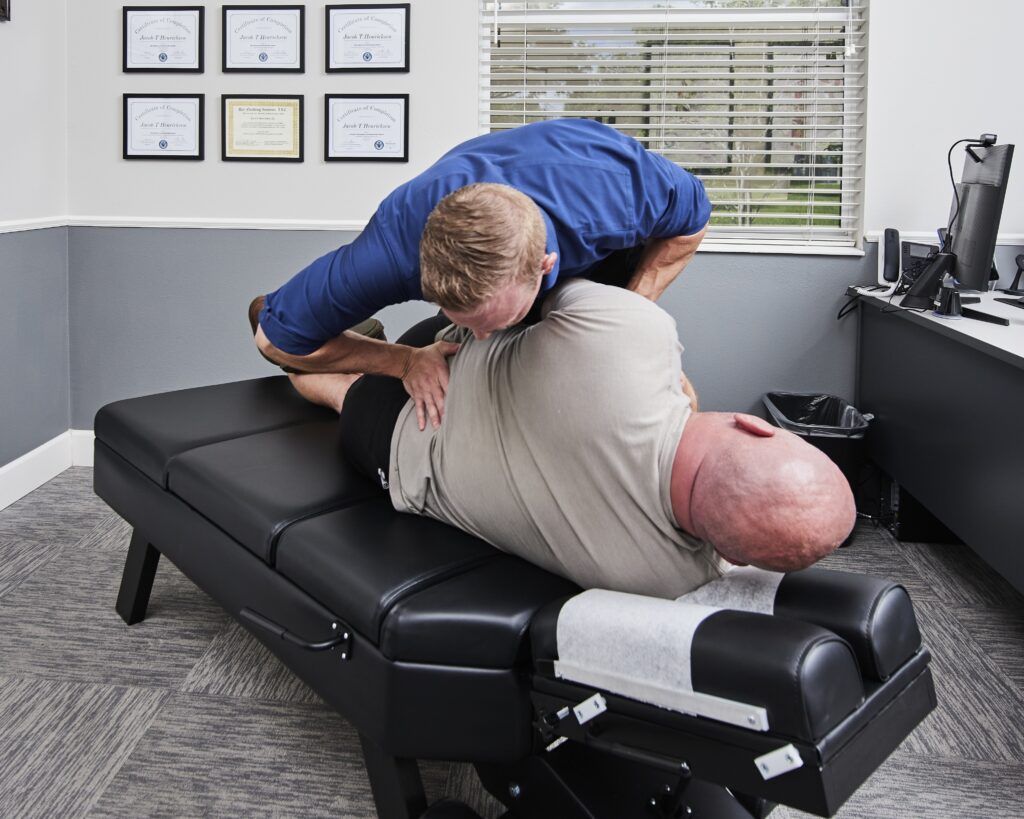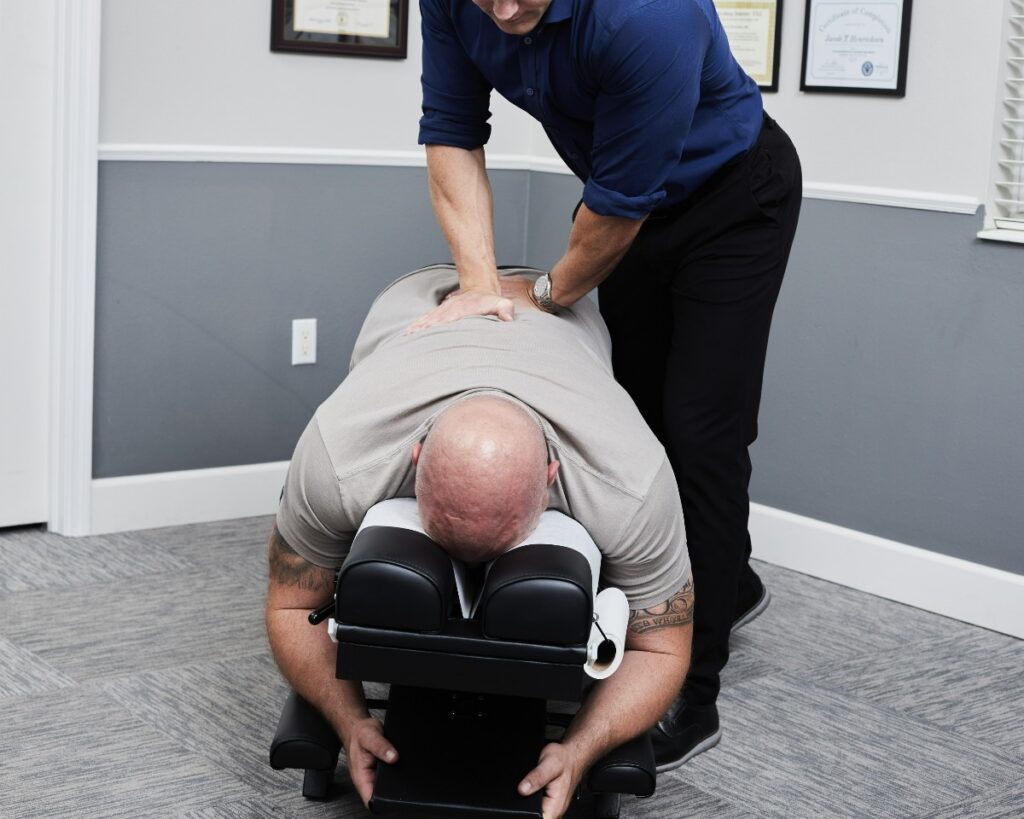

If you're tired of relying on over-the-counter medications for headache relief, consider how chiropractic adjustments might change your approach. These adjustments don't just mask the pain; they aim to address the root causes, potentially transforming your overall well-being. By restoring spinal alignment and enhancing nervous system function, you could see a notable decrease in headache frequency and intensity. But that's just the beginning—there are additional techniques and lifestyle changes that can complement this treatment. Curious about the other methods that can further enhance your relief?
Understanding Headaches
Headaches can be a frustrating experience, often disrupting your daily life and activities. Understanding the different types of headaches is essential in managing them effectively.
You might find yourself dealing with tension headaches, which are the most common. These often feel like a tight band around your head, resulting from stress, fatigue, or poor posture.
Another type you could experience is a migraine. Migraines can be debilitating, characterized by intense pain, often accompanied by nausea or sensitivity to light and sound. If you've ever experienced an aura before a migraine, you know how unsettling that can be.
Cluster headaches are another severe type, occurring in cyclical patterns, usually affecting one side of your head. They're less common but can be extremely painful.
It's also important to recognize that headaches can stem from various triggers. You might notice that certain foods, lack of sleep, or even dehydration can provoke a headache. Keeping a headache diary can help you identify these triggers. By tracking when headaches occur and what might've caused them, you can start to make connections that will inform your future choices.
Lastly, don't overlook the importance of lifestyle factors. Regular exercise, adequate hydration, and good sleep hygiene can play significant roles in reducing the frequency and intensity of headaches.
Knowing what type of headache you're dealing with and understanding your personal triggers empowers you to take control of your health and find effective strategies for relief.
Benefits of Natural Relief
When you choose natural headache relief, you're not just easing your pain; you're also boosting your overall well-being.
This approach can help reduce your dependence on medication, leading to fewer side effects and more control over your health.
Plus, it enhances your body's functionality, allowing you to feel more energetic and balanced in your daily life.
Improved Overall Well-being
Natural headache relief can greatly enhance your overall well-being, offering benefits that extend far beyond just alleviating pain. When you seek natural methods to manage headaches, you're not just targeting the discomfort; you're also fostering a healthier lifestyle.
By embracing techniques like chiropractic adjustments, you may experience improved neck and spine alignment, which can lead to better posture and reduced muscle tension. As a result, you might notice a boost in your energy levels and a greater ability to concentrate on daily tasks.
You'll likely find that your mood improves, too, as chronic pain can often lead to irritability and stress. With fewer headaches, you may also enjoy more quality time with family and friends, enhancing your social interactions and relationships.
Additionally, using natural relief methods can encourage you to adopt other healthy habits, such as regular exercise and a balanced diet. These lifestyle changes contribute to a more resilient body and mind.
Ultimately, when you take control of your headache management naturally, you're investing in your overall health, leading to a happier, more fulfilling life.
Reduced Medication Dependence
Relying on natural headache relief can greatly reduce your dependence on medication. When you choose natural methods, you're not only addressing the symptoms but also tackling the underlying causes of your headaches. This holistic approach helps you break free from the cycle of relying on painkillers that often come with unwanted side effects.
By incorporating techniques like chiropractic adjustments, acupuncture, and stress management, you can find effective relief without the need for over-the-counter or prescription drugs. These methods can enhance your body's natural healing processes, allowing you to manage pain more effectively.
As you reduce your medication intake, you'll likely notice an increase in your overall energy and mental clarity, as your body won't be burdened by the side effects of pharmaceuticals.
Many people find that natural relief options not only provide better long-term results but also empower them to take control of their health. You'll gain a sense of autonomy in managing your headaches, reducing anxiety around pain episodes and the need for immediate medication.
Embracing natural relief can transform your approach to headaches, leading to a healthier, more balanced lifestyle.
Enhanced Body Functionality
Choosing natural headache relief not only alleviates pain but also enhances your body's overall functionality. When you opt for methods like chiropractic adjustments, you're not just targeting the headache; you're promoting better alignment and improving your nervous system's efficiency. This can lead to increased energy levels and improved mental clarity, allowing you to tackle daily tasks more effectively.
By reducing tension and restoring balance in your body, natural relief can enhance your physical performance. You may notice an improvement in your range of motion and flexibility, making it easier to engage in activities you enjoy.
Plus, when your body functions efficiently, you might find that you recover from physical exertion more quickly.
Moreover, addressing the root causes of your headaches naturally can lead to fewer occurrences over time. This proactive approach gives your body the tools it needs to function at its best, reducing the likelihood of chronic pain and discomfort.
In short, embracing natural headache relief not only helps you feel better in the moment but also supports your long-term health and wellness. You'll enjoy a vibrant life free from the shackles of persistent headache pain.
Chiropractic Adjustments
Chiropractic adjustments can be a game-changer for headache relief.
You'll discover various techniques that target the root causes of your pain, helping to restore balance and improve overall wellness.
Understanding how often you might need these adjustments will also play a key role in your journey to feeling better.
Benefits of Chiropractic Care
When it comes to finding relief from headaches, many people turn to chiropractic adjustments as a natural solution. You'll discover that chiropractic care offers numerous benefits beyond just alleviating pain.
One notable advantage is its ability to improve spinal alignment. Misalignments, or subluxations, can lead to tension and discomfort, which often trigger headaches. By correcting these issues, chiropractors help restore proper function to your nervous system, reducing headache frequency and intensity.
Another key benefit is the focus on holistic health. Chiropractors take a thorough approach, addressing not only your symptoms but also the underlying causes. This means you're not just masking the pain; you're working towards long-term relief.
Plus, chiropractic care promotes better blood circulation, which can enhance oxygen flow to your brain, further reducing headache occurrences.
Additionally, many patients report improved overall well-being after chiropractic adjustments. You may experience reduced stress levels, better sleep quality, and increased energy.
These positive changes can greatly impact your life, making it easier to enjoy daily activities without the burden of headaches. Embracing chiropractic care can lead to a healthier, happier you, free from the limitations headaches often impose.
Techniques for Headache Relief
Many people find relief from headaches through various chiropractic techniques designed specifically to target pain and tension. One of the most common methods is spinal manipulation. By adjusting the vertebrae in your neck and upper back, chiropractors can alleviate pressure on nerves and improve blood flow, which often reduces headache symptoms.
Another effective technique is soft tissue therapy. This involves applying pressure to tight muscles and fascia around your neck and shoulders to release tension. You might also experience myofascial release, where targeted pressure is applied to specific areas to relieve tightness and improve mobility.
Chiropractors may incorporate stretching and strengthening exercises into your treatment plan. These exercises can help improve posture and reduce the likelihood of future headaches. Additionally, techniques like trigger point therapy may be used to address specific knots in your muscles that contribute to headache pain.
Finally, your chiropractor might suggest lifestyle changes, including ergonomic adjustments at your workspace or stress management techniques, to complement your treatment.
Frequency of Adjustments Needed
Determining the right frequency of chiropractic adjustments can greatly impact your headache relief journey. Each person's needs are unique, influenced by the type, severity, and frequency of your headaches.
Initially, you might benefit from more frequent visits, perhaps two to three times a week. This allows your chiropractor to assess your progress and make necessary adjustments to your treatment plan.
As you start to feel better, your chiropractor may recommend reducing the frequency to once a week or even bi-weekly. This gradual decrease helps maintain the benefits of the adjustments while allowing your body to adapt.
It's important to communicate openly with your chiropractor about how you're feeling. If you notice a return of your headache symptoms, don't hesitate to reach out; it might be time to revisit more regular adjustments.
Ultimately, the goal is to find a balance that works for you. Adjustments should complement your overall wellness routine, which may also include lifestyle changes, stress management, and proper hydration.
Acupuncture Techniques
Acupuncture techniques offer a holistic approach to alleviating headaches by targeting specific pressure points throughout the body. This ancient practice involves inserting thin needles into key areas, promoting the flow of energy, or "qi," and helping to restore balance. You might find that these targeted points help relieve tension, reduce pain, and improve overall well-being.
When you visit an acupuncturist, they'll likely begin by evaluating your headache's nature and frequency. Based on your symptoms, they'll choose specific points to stimulate. Commonly used points for headaches include those on the head, neck, and hands. For instance, points like LI4 (located between the thumb and index finger) can effectively relieve tension headaches.
During your session, you'll lie comfortably while the practitioner inserts the needles. You may experience a slight prick or sensation, but this usually fades quickly. Many people find the experience relaxing, with some even dozing off during treatment.
The needles typically stay in place for about 20 to 30 minutes, allowing ample time for your body to respond. After a series of sessions, you might notice a significant decrease in headache frequency and intensity.
Acupuncture can also enhance your body's natural ability to cope with stress, which is often a contributing factor to headaches. Integrating acupuncture into your headache relief strategy can lead to a more balanced, pain-free life, enhancing your overall health and well-being.
Massage Therapy Approaches
Finding relief from headaches through massage therapy can be an effective and soothing option. When you experience tension or migraines, the right massage techniques can help alleviate pain and promote relaxation. By focusing on the areas where you hold tension, you can release tight muscles and improve blood flow, leading to a reduction in headache symptoms.
One popular approach is the use of Swedish massage. This technique involves long, gentle strokes that help ease muscle tension and promote relaxation. If you're dealing with specific pain points, deep tissue massage might be more beneficial. This method targets deeper layers of muscle and connective tissue, helping to release chronic tension that could be contributing to your headaches.
Another effective technique is trigger point therapy. By applying pressure to specific points in the neck, shoulders, and scalp, you can alleviate referred pain that often contributes to headaches. You might also consider a head and neck massage focusing on acupressure points, which can help release built-up tension and stimulate circulation.
Don't forget about self-massage techniques, too. Using your fingers to apply pressure to the base of your skull or temples can provide immediate relief.
Regular massage sessions, whether from a professional or through self-care, can greatly reduce the frequency and intensity of your headaches.
Incorporating massage therapy into your routine can be a simple yet powerful way to manage headache pain naturally. So, give it a try and see how much better you can feel!
Lifestyle Modifications
Have you ever considered how your daily habits might be contributing to your headaches? Many people overlook the impact of their lifestyle choices on their overall well-being, especially when it comes to headaches. Simple modifications can make a significant difference in how often and how intensely you experience these discomforts.
First, assess your sleep patterns. Are you getting enough rest? Aim for 7-9 hours of quality sleep each night. Poor sleep can trigger headaches, so create a calming bedtime routine and stick to a consistent sleep schedule.
Next, pay attention to your hydration levels. Dehydration is a common headache trigger. Make it a point to drink water throughout the day, especially if you're active or in a hot environment.
Also, evaluate your stress levels. Chronic stress can lead to tension headaches. Incorporate stress-reduction techniques into your daily routine, such as deep breathing exercises, yoga, or meditation. Taking regular breaks during work can also help alleviate tension.
Finally, consider your screen time. Prolonged exposure to screens can strain your eyes and contribute to headaches. Make it a habit to take breaks every 20 minutes, looking away from your screen for at least 20 seconds.
Nutritional Considerations
Your diet plays a significant role in either triggering or alleviating headaches. Certain foods can cause headaches, while others can help reduce their frequency and intensity. To effectively manage your headaches, pay close attention to what you eat and drink.
First, consider common headache triggers like aged cheeses, processed meats, and foods containing MSG or artificial sweeteners. These ingredients can lead to increased headache occurrences, so it's wise to limit or avoid them.
Keep a food diary to identify any specific culprits that might be causing your discomfort.
On the flip side, incorporating magnesium-rich foods into your diet can be beneficial. Foods like spinach, almonds, and black beans are excellent sources of magnesium, which may help relax blood vessels and prevent headaches.
Staying well-hydrated is also essential; dehydration is a common headache trigger. Aim to drink plenty of water throughout the day and consider increasing your intake if you're active or in hot weather.
Additionally, omega-3 fatty acids found in fish like salmon and walnuts can have anti-inflammatory effects, possibly reducing headache occurrences.
Don't forget about the importance of regular meals. Skipping meals can lead to blood sugar drops, which may trigger headaches.
Creating a Headache Relief Plan
Creating a personalized headache relief plan can make a significant difference in managing your discomfort. A well-structured plan helps you identify triggers, implement effective strategies, and monitor your progress.
Start by keeping a headache diary. Note when your headaches occur, their intensity, and any potential triggers, such as stress, certain foods, or lack of sleep. This data will empower you to make informed adjustments.
Next, consider incorporating natural relief methods into your routine. These can be gentle yet effective ways to alleviate pain without relying solely on medication. Here are five strategies to include in your headache relief plan:
- Hydration: Drink plenty of water throughout the day to avoid dehydration, a common headache trigger.
- Dietary Adjustments: Identify and eliminate any food sensitivities. Regular meals can help maintain stable blood sugar levels.
- Relaxation Techniques: Practice deep breathing, meditation, or yoga to reduce stress and tension.
- Sleep Hygiene: Establish a regular sleep schedule and create a calming bedtime routine to improve sleep quality.
- Physical Activity: Engage in regular exercise to improve circulation and reduce tension, which can help prevent headaches.
Finally, review your plan regularly. Adjust it based on what works best for you, and don't hesitate to consult a healthcare professional if you need additional guidance.
With a tailored headache relief plan, you can take control of your discomfort and enhance your overall well-being.
Conclusion
Incorporating natural headache relief techniques into your routine can make a significant difference in your well-being. By utilizing chiropractic adjustments, acupuncture, and massage therapy, you can tackle the root causes of your headaches rather than just the symptoms. Additionally, making lifestyle changes and paying attention to your nutrition can further enhance your relief efforts. Take the time to create a personalized headache relief plan, and you'll likely find yourself experiencing fewer headaches and enjoying life more fully.