
If you're struggling with frequent migraines, you might be surprised to learn how spinal adjustments could provide effective relief. These adjustments target misalignments in your spine, which can impact nerve function and muscle tension. By improving communication between your brain and body, chiropractic care may help reduce the intensity and frequency of your migraine episodes. However, the benefits extend beyond just pain relief—there's more to explore about how this approach can transform your overall well-being. What else might spinal adjustments reveal about your health?
Understanding Migraines
Understanding migraines starts with recognizing their complex nature. You may think of a migraine as just a bad headache, but it's much more than that. Migraines can involve a range of symptoms, including intense throbbing pain, sensitivity to light and sound, nausea, and even visual disturbances like aura. These symptoms can greatly affect your daily life, making it essential to understand what triggers them.
Everyone's experience with migraines is unique. You might find that certain foods, stress, hormonal changes, or lack of sleep can set off an attack. Keeping a migraine diary can help you identify these patterns and understand your specific triggers. By tracking when and how often your migraines occur, you can start to see connections between your lifestyle choices and their onset.
It's also important to note that migraines aren't just physical; they can have emotional and psychological components. Anxiety and depression often coexist with migraines, further complicating your experience. Recognizing the interplay between your emotional state and migraine frequency can provide valuable insights into managing them more effectively.
Finally, don't underestimate the role of hydration and diet. Staying properly hydrated and maintaining balanced nutrition can help reduce the frequency of your migraines.
The Role of Spinal Adjustments
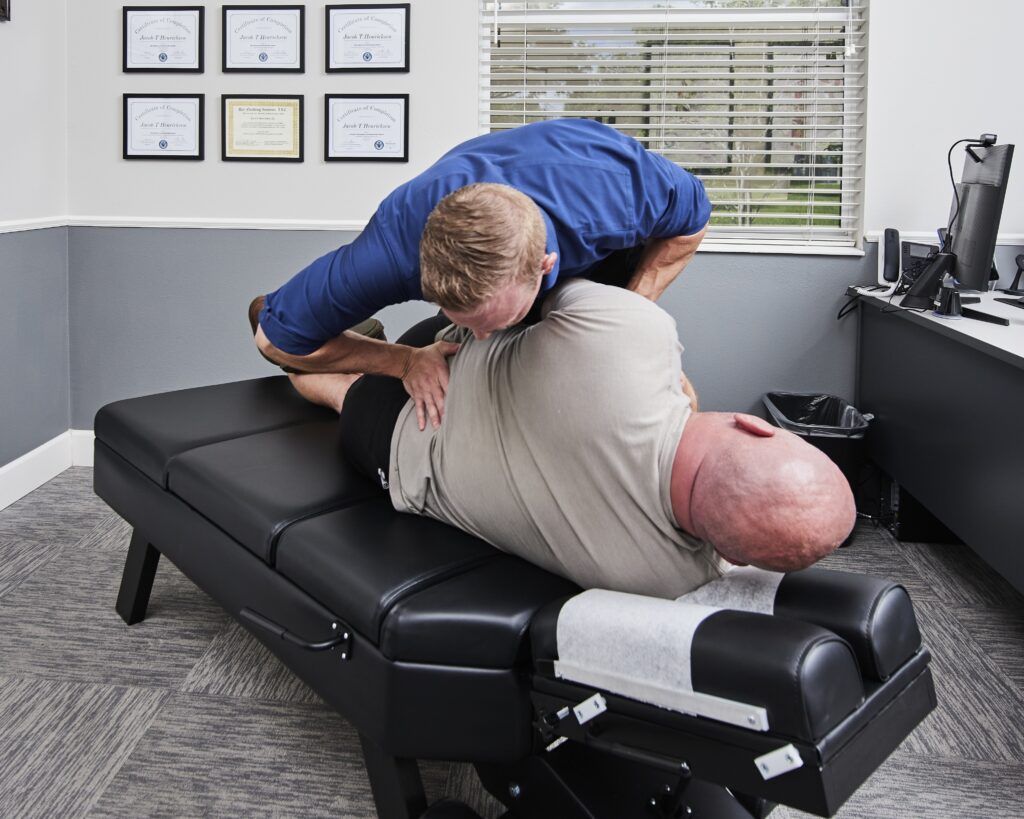
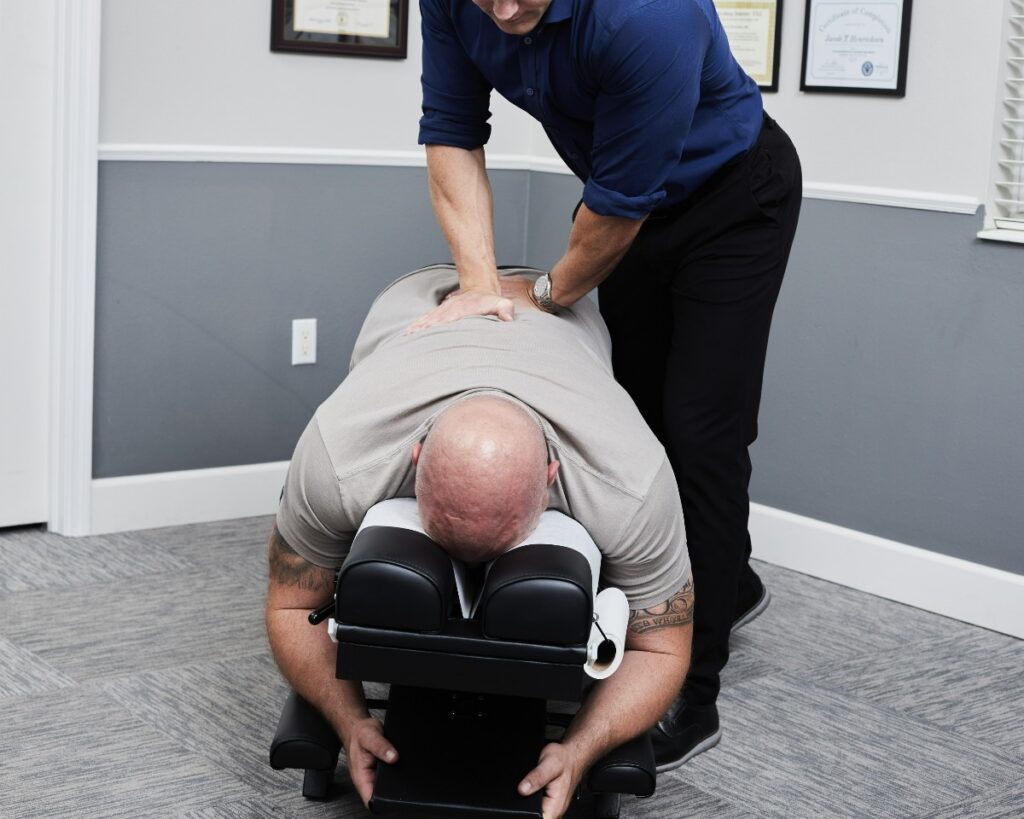
Spinal adjustments can play a significant role in managing migraines, especially for those who experience tension or cervical spine issues. By realigning the vertebrae in your neck and back, these adjustments can relieve pressure on nerves and improve overall spinal function. This can lead to reduced muscle tension, which often contributes to the onset of migraines.
When you receive spinal adjustments, your chiropractor can identify specific areas of misalignment that may be affecting your nervous system. Realigning these areas helps restore proper communication between your brain and body. This is vital since miscommunication can exacerbate migraine symptoms. As your body begins to heal and function more efficiently, you may notice fewer headaches and a decrease in the severity of those you do experience.
Additionally, spinal adjustments can enhance blood flow to the brain, providing essential nutrients and oxygen. Improved circulation can help alleviate some of the triggers associated with migraines.
You might also find that regular adjustments promote better posture, reducing the strain on your neck and shoulders, which are common sources of tension headaches.
Incorporating spinal adjustments into your migraine management plan not only targets the physical aspects of your condition but also contributes to an overall sense of well-being. If you're seeking relief, consider working with a chiropractor to explore how spinal adjustments can be a valuable tool in your journey toward better migraine management.
How Misalignments Trigger Migraines
Often, misalignments in your spine can be the hidden culprits behind migraine attacks. When your vertebrae shift out of their proper positions, they can create tension in the surrounding muscles and nerves. This tension may lead to inflammation and irritation, which can trigger the severe headaches and other symptoms associated with migraines.
Your central nervous system relies on a well-aligned spine to function effectively. When misalignments occur, they can disrupt nerve signals and affect blood flow to the brain. This disruption may result in increased sensitivity to light, sound, and other migraine triggers. You mightn't even realize that the pain you're experiencing stems from a misalignment in your spine.
Moreover, these misalignments can lead to muscle tension in your neck and shoulders. This tension can create additional pressure on your head and exacerbate migraine symptoms. If you often find yourself with neck stiffness or discomfort, it could be a sign that your spinal alignment is off.
Understanding this connection between spinal health and migraines is vital. By addressing these misalignments, you can potentially reduce the frequency and intensity of your migraine attacks.
It's important to listen to your body and recognize that structural issues in your spine might be at play. Taking proactive steps to maintain proper alignment can help you manage and even prevent migraines, allowing you to enjoy life with greater comfort and ease.
Benefits of Chiropractic Care
Chiropractic care offers a proactive approach to alleviating the discomfort caused by misalignments in your spine, which can be significant contributors to migraine symptoms. By addressing these misalignments, chiropractors can help restore proper spinal function, reducing tension and improving overall health. This approach not only targets the immediate pain but also works to prevent future episodes.
One of the key benefits of chiropractic care is the emphasis on individualized treatment plans. Your chiropractor will assess your unique situation, considering factors like your migraine triggers, lifestyle, and overall health. This personalized approach allows for more effective relief tailored specifically to your needs.
Chiropractic adjustments can enhance your body's natural healing abilities. By improving spinal alignment, these adjustments can stimulate blood flow and promote nerve function, which may help reduce the frequency and intensity of your migraines. You'll likely find that regular adjustments contribute to an overall sense of well-being, alleviating stress and tension.
Additionally, chiropractic care often includes complementary therapies, such as massage or nutritional guidance, which can further support your recovery. These strategies can help you manage stress better and adopt healthier habits, both of which are essential for migraine prevention.
Finally, many patients report a heightened sense of relaxation and improved sleep quality after chiropractic sessions, both of which can be instrumental in reducing migraine occurrences. Embracing chiropractic care as part of your wellness routine can lead to a more balanced, healthier life, helping you regain control over your migraines.
Research Supporting Spinal Adjustments
Research has shown that spinal adjustments can effectively reduce migraine frequency and intensity.
You'll find various scientific studies that explain how these adjustments work on a physiological level.
Understanding the mechanism of action can help you appreciate the benefits of incorporating chiropractic care into your migraine management plan.
Scientific Studies Overview
Numerous scientific studies have explored the effectiveness of spinal adjustments in alleviating migraine symptoms. Research indicates that many individuals experience a significant reduction in the frequency and intensity of their migraines following chiropractic care.
For instance, a study published in the "Journal of Manipulative and Physiological Therapeutics" found that patients receiving spinal manipulation reported a notable decrease in the number of migraine days per month compared to those who didn't receive adjustments.
Another analysis demonstrated that patients experienced improvements in their overall quality of life, including better sleep and reduced medication use. These findings suggest that spinal adjustments may not only reduce migraine symptoms but also enhance overall well-being.
Moreover, a systematic review highlighted the importance of spinal manipulation as a complementary treatment, emphasizing its potential when combined with traditional medical approaches.
Although individual responses to treatment may vary, the cumulative evidence supports the role of spinal adjustments in migraine management.
Mechanism of Action
Spinal adjustments may reduce migraine symptoms by addressing underlying musculoskeletal issues that contribute to headache pain. When you receive a spinal adjustment, the chiropractor focuses on aligning your spine and improving the function of your nervous system. This alignment can decrease tension in the muscles surrounding the spine, which often leads to less pressure on nerves and reduced pain perception.
Research shows that misalignments in the cervical spine can directly affect the blood flow and nerve function in your head. By correcting these misalignments, spinal adjustments may enhance circulation and decrease inflammation, both of which can alleviate migraine symptoms.
Additionally, spinal adjustments can help restore proper motion in your neck, making it easier for your body to manage stress and tension, common migraine triggers.
Some studies have indicated that patients receiving regular chiropractic care experience fewer migraines and reduced intensity of headache pain. This suggests that ongoing treatment may provide cumulative benefits.
What to Expect During Treatment
When you begin treatment for migraine relief through spinal adjustments, expect a personalized approach tailored to your specific needs. Your chiropractor will first conduct a thorough assessment, including your medical history and a physical examination, to identify the root causes of your migraines. This initial consultation is essential for developing an effective treatment plan.
During the first few sessions, you'll likely experience a variety of techniques aimed at addressing spinal misalignments and improving overall function. Here's what you can expect:
- Spinal Assessment: Your chiropractor will evaluate your spine's alignment and mobility, identifying any areas that may contribute to your migraines.
- Customized Treatment Plan: Based on your assessment, you'll receive a tailored plan that may include spinal adjustments, exercises, and lifestyle recommendations.
- Adjustment Techniques: You might experience different types of spinal adjustments, such as manual manipulation or instrument-assisted techniques, designed to relieve tension and restore balance.
- Progress Monitoring: Your chiropractor will regularly check in on your progress, making necessary adjustments to your treatment plan to guarantee ideal results.
Throughout your treatment, communication is key. Don't hesitate to share any feedback or concerns you have. This collaborative approach helps guarantee that your experience is effective and comfortable as you work toward alleviating your migraines.
Complementary Therapies for Relief
When managing your migraines, you might want to contemplate complementary therapies like acupuncture and herbal remedies.
These options can provide additional relief and work alongside your spinal adjustments.
Exploring these therapies could enhance your overall wellness and help reduce the frequency and severity of your migraines.
Acupuncture for Migraine Relief
Acupuncture often provides a valuable alternative for those seeking migraine relief. This ancient practice targets specific points on your body to stimulate healing and reduce pain. Many people find that acupuncture helps alleviate migraine symptoms and even lessen the frequency of attacks.
If you're considering acupuncture for your migraines, here are some potential benefits to keep in mind:
- Pain Reduction: Acupuncture may help lower the intensity of your headaches.
- Stress Relief: The treatment can promote relaxation, which is vital since stress often triggers migraines.
- Improved Sleep: Better sleep quality can contribute to fewer migraines overall.
- Personalized Treatment: An acupuncturist tailors each session to your specific needs, focusing on your unique symptoms.
While research is ongoing, many individuals report positive results. It's important to consult with a qualified practitioner to guarantee safe and effective treatment.
Herbal Remedies and Supplements
Exploring herbal remedies and supplements can offer additional avenues for migraine relief, especially for those who prefer natural approaches. Various herbs like feverfew and butterbur have shown promise in reducing the frequency and severity of migraine attacks.
Feverfew may help prevent migraines by inhibiting inflammation and blood vessel constriction, while butterbur has been clinically demonstrated to reduce migraine frequency.
Additionally, magnesium supplements may provide relief for some sufferers. Research indicates that magnesium deficiency could be linked to migraines, so ensuring adequate intake might help in managing your symptoms.
Coenzyme Q10 is another supplement worth considering, as studies suggest it can lower the number of migraine days experienced.
It's essential to remember that while these remedies can be beneficial, they're not a one-size-fits-all solution. Always consult with your healthcare provider before adding any herbal remedies or supplements to your regimen, especially if you're taking other medications.
They can help you determine the right doses and avoid potential interactions. Combining these natural approaches with spinal adjustments might enhance your overall migraine management strategy, providing you with a holistic pathway to relief.
Patient Success Stories
Many patients have found considerable relief from migraines through spinal adjustments, sharing their transformative experiences. You might be surprised to learn how effective these treatments can be. Countless individuals have taken control of their lives again, often reporting improvements after just a few sessions.
Here are some inspiring stories:
- One patient, Sarah, experienced almost daily migraines for years. After starting spinal adjustments, she noted a 75% reduction in her headache frequency within a month.
- John, a long-time migraine sufferer, was amazed to find that his symptoms improved considerably after focusing on his neck alignment. He now enjoys participating in activities that were once unbearable.
- Emily, who'd tried numerous medications without success, discovered that spinal adjustments not only eased her migraines but also improved her overall well-being.
- Mark shares that he felt an immediate difference after his first adjustment. He's now able to work without the constant fear of a migraine interrupting his day.
These stories highlight the potential for spinal adjustments to make a real difference in your life.
If you've been battling migraines and haven't found a solution, consider exploring this option. Patients like you have discovered newfound hope and relief, and it could be your turn to experience the benefits.
Don't let migraines control your life any longer—there's a chance for positive change waiting for you.
Finding a Qualified Chiropractor
Finding the right chiropractor can be a game-changer in your quest for migraine relief. With so many options available, it's crucial to know what to look for when selecting a qualified professional. Start by researching chiropractors in your area. Look for those who've experience specifically with migraine treatment and spinal adjustments.
Check their credentials. A licensed chiropractor should have completed an accredited program and hold a valid state license. You can usually find this information on their website or by contacting their office. Don't hesitate to ask about their approach to treating migraines—some practitioners may use specialized techniques that suit your needs better than others.
Next, read reviews and testimonials from other patients. These can provide valuable insights into the chiropractor's effectiveness and patient care. Look for feedback related to migraine relief specifically, as this will help you gauge their success in treating similar conditions.
It's also a good idea to schedule a consultation. This initial meeting allows you to discuss your migraine history and treatment goals. Observe how the chiropractor listens and responds to your concerns. A good chiropractor will create a tailored treatment plan and explain how spinal adjustments can help alleviate your migraines.
Finally, consider logistics like location, office hours, and insurance acceptance. Finding a chiropractor who fits your lifestyle will make it easier to stay committed to your treatment plan. Taking these steps can lead you to the right chiropractor, paving the way for effective migraine relief.
Conclusion
To sum up, if you're struggling with migraines, consider exploring spinal adjustments as a potential relief option. By addressing misalignments in your spine, you can enhance communication between your brain and body, reduce tension, and improve overall function. With the support of chiropractic care and possibly complementary therapies, you can experience fewer and less intense migraine episodes. Don't hesitate to seek out a qualified chiropractor who can guide you on your journey to effective migraine relief.