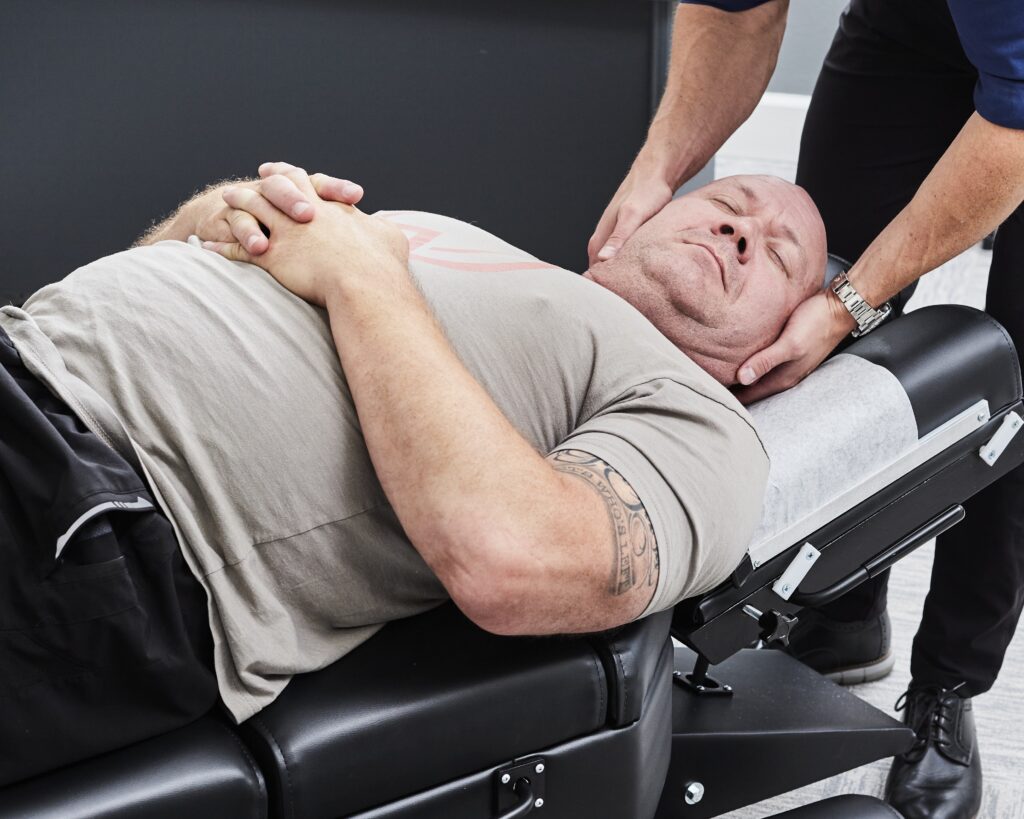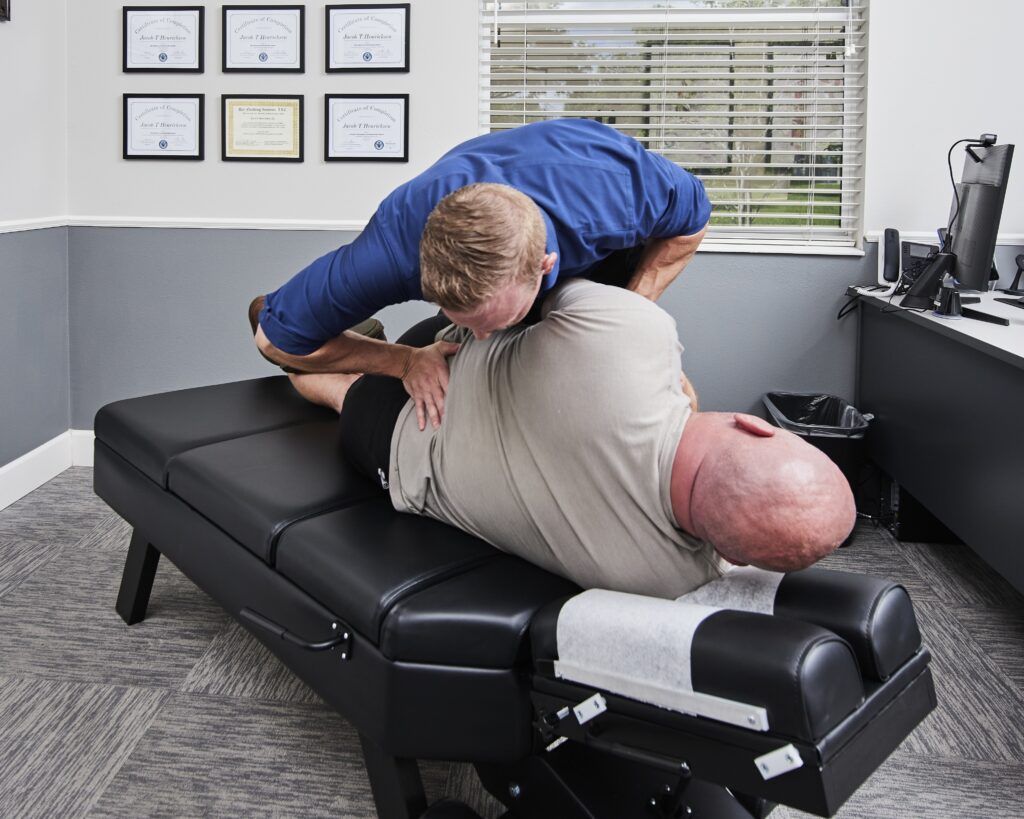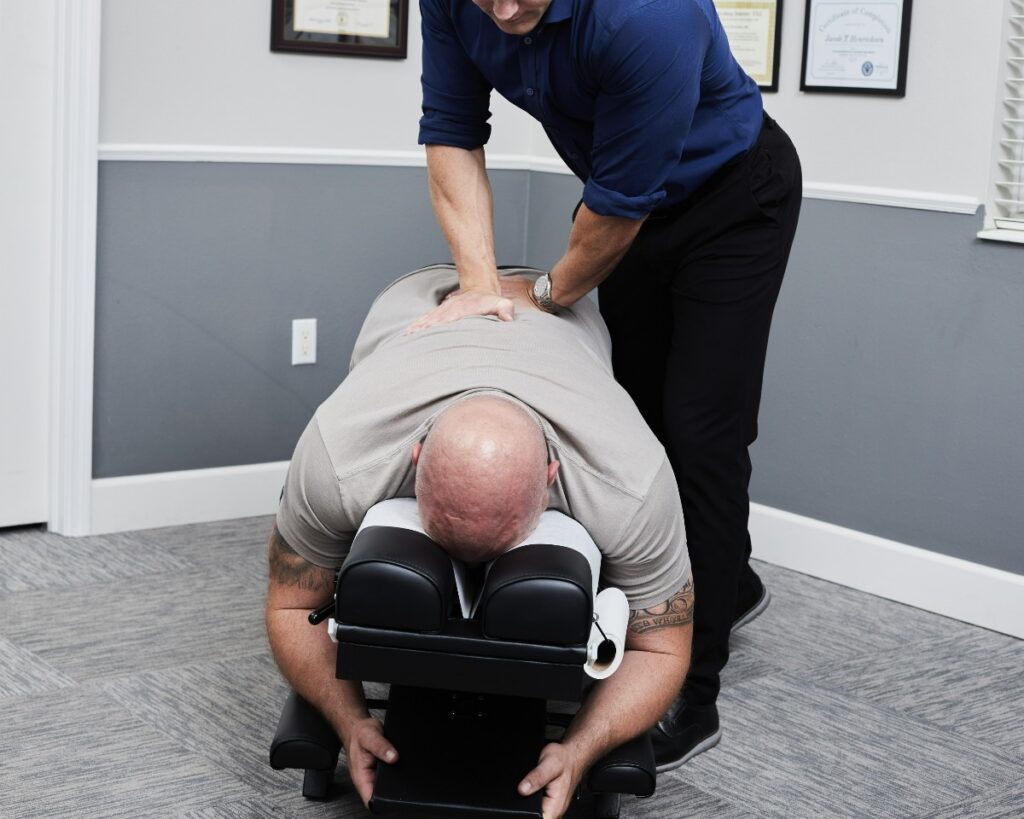

As a local chiropractor, I want to highlight the significant impact that joint flexibility has on your everyday life. From enhancing your workout performance to making simple movements like bending down more comfortable, flexibility plays a crucial role. Many people are unaware of how important proper warm-ups, dynamic stretching, and practices such as yoga are for improving mobility.
It's not solely about being flexible; there are essential lifestyle habits that can greatly support your journey toward better joint health. If you're interested in learning how these elements work together to enhance your overall well-being, I encourage you to explore some effective strategies that could truly transform your daily routine. Understanding these concepts can help you appreciate the benefits of chiropractic care and natural healing in achieving optimal flexibility and mobility.
Understanding Joint Flexibility
As a local chiropractor, I want to emphasize the importance of understanding joint flexibility for your overall mobility and injury prevention. When your joints are flexible, you can move more freely and efficiently, whether you're exercising, completing daily tasks, or simply enjoying life. Flexibility refers to the range of motion around a joint, and it can vary significantly based on factors such as age, genetics, and activity level.
You may have noticed that some days you feel more limber than others. This variability in joint flexibility is normal; it can change depending on your daily routine and lifestyle choices. One of the best ways to improve your flexibility over time is to incorporate stretching and mobility exercises into your daily regimen.
It's essential to listen to your body's signals. If you're experiencing tightness or discomfort in your joints, it may indicate that you need to focus on enhancing your flexibility. This isn't merely about feeling good—it's about ensuring your body functions optimally. Improved flexibility allows you to perform movements more effectively, significantly reducing the risk of strains and sprains.
I encourage you to make small adjustments in your routine that can lead to significant improvements. For example, consider incorporating dynamic stretches before your workouts to prepare your joints for movement. This practice not only enhances your flexibility but also primes your body for physical activity, making your workouts more effective.
Consistency is key when it comes to flexibility training. By staying committed, you'll notice gradual improvements in your range of motion. As you become more flexible, you'll enhance your overall mobility and improve your performance in both sports and everyday activities.
At our chiropractic practice, we focus on natural healing methods that promote joint health and flexibility. Let's guide you on this journey to better mobility and overall wellness!
Importance of Warm-Up Exercises
As a local chiropractor, I want to emphasize the critical role that warm-up exercises play in maintaining joint flexibility and preventing injuries.
Incorporating effective warm-up techniques into your routine can significantly enhance your physical performance and prepare your body for more intense activities, whether it's sports or everyday tasks.
It's also crucial to be aware of some common warm-up mistakes that many people make, as these can hinder your progress and even lead to injuries.
By understanding the importance of proper warm-up exercises, you can better support your body's natural healing processes and overall well-being.
Benefits of Warm-Ups
As a local chiropractor, I want to emphasize the importance of a proper warm-up before engaging in physical activity. Warm-ups aren't just a routine; they play a crucial role in enhancing your overall performance while significantly lowering your risk of injury. By gradually elevating your heart rate and increasing blood flow to your muscles, you're effectively preparing your body for the demands of exercise. This preparation not only enhances your physical readiness but also helps sharpen your mental focus, putting you in the right mindset for your workout.
In addition to preparing your body, warm-ups are essential for improving joint flexibility, which is crucial for achieving a full range of motion during any physical activity. As your muscles become more pliable, you'll likely notice enhancements in your agility and coordination. These improvements can lead to better performance in activities like running, weightlifting, or playing sports.
Moreover, taking the time to warm up can help prevent muscle strains and joint injuries. When you engage in a proper warm-up, you're signaling to your body that it's time to move, which can help avoid those sudden, jerky motions that often lead to injuries.
I can't stress enough the importance of not skipping this vital step. By incorporating a warm-up into your routine, you set yourself up for success, ensuring that you remain active and healthy for the long haul.
Effective Warm-Up Techniques
As a local chiropractor, I believe that incorporating effective warm-up techniques into your exercise routine is crucial for enhancing performance and ensuring your safety. A proper warm-up not only prepares your body for physical activity but also helps prevent injuries, which is something I often emphasize in my practice.
To start, engage in light aerobic activities such as brisk walking or gentle jogging. This step is essential as it elevates your heart rate and increases your core temperature. Aim for about 5 to 10 minutes in this initial phase to get your blood flowing effectively.
Once you've warmed up your body, it's time to transition to dynamic stretching. Unlike static stretches, dynamic movements allow you to enhance your range of motion without putting undue strain on your muscles. Incorporate exercises such as leg swings, arm circles, and torso twists, paying particular attention to the muscle groups you'll be using during your workout.
Additionally, I recommend including sport-specific drills in your warm-up. These movements mimic the activities you'll be performing and are beneficial for preparing your joints and muscles for the specific demands of your workout. For instance, if you plan to go for a run, consider adding short sprints or high knees; if you're lifting weights, performing lighter sets of your intended exercises can be very effective.
Remember, a thoughtful warm-up routine not only enhances your performance but also aligns with the principles of natural healing, reducing the risk of injury and promoting overall well-being.
If you have any questions about how to best prepare your body for exercise, feel free to reach out!
Common Warm-Up Mistakes
As a local chiropractor, I want to emphasize the crucial role that warming up plays in your overall health and fitness routine. Many individuals underestimate the significance of a proper warm-up, which can lead to mistakes that not only hinder performance but also increase the risk of injury.
One common error I see is jumping straight into intense workouts without allowing your body to adjust. This sudden shift can put unnecessary strain on your muscles and joints. Instead, I recommend starting with light aerobic exercises to gradually elevate your heart rate and prepare your body for more strenuous activity.
Another mistake is neglecting to perform warm-ups that are specific to your planned workout. For example, if you're going to run, it's essential to incorporate dynamic stretches that target your legs and hips. Failing to do so can leave your muscles feeling tight and less responsive, which can impact your performance.
Additionally, many people rush through their warm-up or only spend a few minutes on it. It's important to dedicate at least 10 to 15 minutes to this essential preparation phase. This time allows your body to transition effectively into your workout, reducing the likelihood of injury.
Lastly, I want to remind you to avoid static stretching before your main workout. Engaging in static stretches can temporarily weaken your muscles, so it's best to reserve those for after your exercise session.
Effective Stretching Techniques
As a local chiropractor, I want to emphasize the importance of effective stretching techniques for enhancing joint flexibility and overall mobility. Many patients may not realize how crucial these practices are for their health and well-being. By incorporating these techniques into your daily routine, you can significantly improve your range of motion, which is vital for maintaining an active lifestyle.
Let's start with dynamic stretching. This involves moving different parts of your body through their full range of motion, which not only warms up your muscles but also prepares your joints for more intense physical activity. Simple exercises like leg swings, arm circles, or torso twists can get your blood flowing and help loosen up your joints before you engage in more strenuous activities.
Once you've warmed up, it's time to transition to static stretching. Here, you'll want to hold each stretch for about 15-30 seconds, focusing on the specific muscle groups you aim to improve. For example, if you want to target your hamstrings, sit on the ground and gently reach for your toes. To stretch your shoulders, clasp your hands behind your back and gently pull your arms upward.
Remember to breathe deeply and allow your body to relax into each stretch; this approach not only helps reduce muscle tension but also promotes increased flexibility.
For those interested in advancing their flexibility even further, I recommend incorporating PNF (Proprioceptive Neuromuscular Facilitation) stretching into your routine. This technique is particularly effective; it involves stretching the muscle to its limit, then contracting it for a few seconds before relaxing and stretching again. Many find that PNF stretching yields better results than static stretching alone, making it a valuable addition for anyone serious about improving their flexibility.
Finally, I can't stress enough that consistency is key. Aim to stretch at least three times a week, focusing on different muscle groups during each session. Always listen to your body and avoid pushing yourself too hard; the goal is gradual progress.
Strengthening Muscles for Flexibility
As a local chiropractor, I want to share the importance of strengthening your muscles to enhance your joint flexibility.
Strong muscles are vital as they provide the necessary support for your joints, allowing for a greater range of motion. Incorporating specific exercises into your routine can significantly benefit your overall flexibility.
Additionally, it's crucial to prioritize proper recovery and muscle care, as these elements play an important role in maintaining your flexibility.
Importance of Strong Muscles
As a chiropractor, I want to emphasize the critical role that strong muscles play in maintaining not just flexibility, but overall joint health. When your muscles are robust, they provide essential support and stabilization for your joints during movement. This means that strong muscles can help absorb shock and significantly reduce the risk of injury, allowing you to move more freely and confidently in your daily activities.
This is particularly important during dynamic activities such as running, dancing, or participating in sports, where your joints face various stresses.
Furthermore, strong muscles are vital in supporting your ligaments and tendons, ensuring they function optimally. Weak muscles can lead to increased vulnerability in your joints, making them more susceptible to strains and sprains. By focusing on muscle strengthening, you're not only enhancing your flexibility but also promoting the health and longevity of your joints.
In addition to this, strong muscles contribute to improved posture, which in turn can enhance your range of motion. Proper alignment of your body reduces unnecessary stress on your joints, making movements smoother and more efficient.
By prioritizing muscle strength, you're laying the foundation for a more agile, flexible body. As you consider your health journey, remember that investing in strength training is a key step toward achieving better joint flexibility and overall physical performance.
I encourage you to embrace strength-building exercises, as they'll yield significant benefits for your flexibility and overall well-being. Together, we can work towards a healthier, more active lifestyle.
Key Exercises for Flexibility
As a chiropractor dedicated to your overall health and well-being, I want to share how specific exercises can significantly improve your flexibility while also strengthening your muscles.
It's important to understand that enhancing flexibility isn't just about stretching; it's about integrating movements that support your body's natural alignment and function.
Let's begin with lunges. These are fantastic for stretching your hip flexors and quadriceps while also engaging key muscle groups like your glutes and hamstrings.
I recommend incorporating both forward and side lunges into your routine to maximize benefits for your lower body.
Next, the downward dog pose is a staple in yoga that I often suggest. This pose not only stretches your hamstrings, calves, and shoulders but also helps to strengthen your arms and back.
It's a great way to promote spinal health and alignment.
I also encourage squats as part of your exercise regimen. They're excellent for building lower body strength and improving flexibility in your hips and thighs.
When performed correctly, squats can enhance joint mobility, which is essential for overall movement and stability.
Another effective exercise is the butterfly stretch. By sitting on the floor and bringing the soles of your feet together while gently pressing your knees toward the ground, you can improve flexibility in your inner thighs.
This position also engages your core, promoting better posture and spinal alignment.
Lastly, consider incorporating resistance band exercises into your routine. These bands provide gentle resistance, allowing you to stretch while also building strength.
This combination is beneficial for maintaining healthy muscles and joints.
By integrating these exercises into your daily routine, you'll not only enhance your flexibility but also build strong support for your body, which can lead to improved joint health and overall well-being.
Recovery and Muscle Care
As a local chiropractor, I want to emphasize the critical role that recovery plays in enhancing flexibility and promoting overall muscle health. After you challenge your body through workouts or stretching, your muscles need time to repair and grow stronger. Ignoring this crucial phase can lead to tightness and a reduction in flexibility, which can negatively impact your daily activities and overall well-being.
To help you optimize your recovery and support your muscle care, I encourage you to consider the following effective strategies:
- Hydration: It's essential to drink plenty of water. Proper hydration keeps your muscles functioning optimally and helps flush out toxins that can accumulate during physical activity.
- Nutrition: A balanced diet is key. Focus on consuming foods that are rich in protein, vitamins, and minerals to aid in muscle repair and recovery. This won't only support your muscles but also enhance your overall health.
- Active Recovery: Incorporating low-impact activities such as walking or gentle yoga can be very beneficial. These activities promote blood flow and encourage recovery without placing additional strain on your muscles.
- Rest: Never underestimate the power of a good night's sleep. Adequate rest is essential for your body to heal and recuperate fully.
By integrating these approaches into your routine, you can enhance your flexibility and strengthen your muscles effectively.
Remember, recovery isn't merely about taking time off; it's an active process that allows your body to perform at its best. By prioritizing muscle care and embracing these natural healing methods, you'll be setting the stage for lasting gains in flexibility and overall health.
If you have any questions or need personalized guidance on your recovery plan, don't hesitate to reach out. We're here to support you on your journey to better health!
Incorporating Yoga and Pilates
As a chiropractor, I often emphasize the importance of maintaining joint flexibility and promoting overall well-being through natural methods. One of the most effective ways to achieve this is by incorporating yoga and Pilates into your routine. These practices focus on controlled movements and stretching, which can significantly enhance your flexibility and mobility over time.
Yoga is particularly beneficial as it offers a variety of poses that target specific joints and muscle groups, allowing for simultaneous development of strength and flexibility. For instance, poses like Downward Dog and Pigeon are excellent for stretching the hips, hamstrings, and shoulders. Additionally, yoga encourages deep breathing, which can help alleviate tension and improve the functioning of your body as a whole.
I recommend starting with a few sessions each week, paying close attention to your breath and body alignment.
On the other hand, Pilates integrates strength training with flexibility work, which is essential for joint stability. By focusing on core strength, Pilates supports your joints and reduces the risk of injury. Exercises such as the Swan and the Spine Stretch not only expand your range of motion but also fortify the muscles surrounding your joints, providing additional support that can lead to improved flexibility over time.
To maximize the benefits of these practices, consider joining a local class or following online tutorials that cater to your skill level. It's important to listen to your body and make modifications when necessary to avoid overextension or strain.
Lifestyle Habits for Improved Mobility
As a local chiropractor, I want to emphasize that maintaining joint flexibility and mobility goes beyond just your yoga or Pilates classes; your daily habits play a crucial role too.
By making some simple adjustments to your everyday routine, you can greatly enhance your overall mobility and support the health of your joints. Here are some key habits I encourage you to consider incorporating into your lifestyle:
- Stay Hydrated: It's vital to drink plenty of water throughout the day. Proper hydration ensures that the synovial fluid in your joints remains well-lubricated, which can help to reduce stiffness and improve your overall flexibility.
- Move Regularly: Prolonged periods of sitting can lead to tightness in your muscles and joints. I recommend incorporating short breaks for stretching or light movement during your day, especially if you find yourself at a desk for long stretches. This can significantly help in maintaining your mobility.
- Maintain a Balanced Diet: Your nutrition plays a significant part in joint health. Focus on a diet rich in anti-inflammatory foods like fruits, vegetables, nuts, and fish. Specifically, omega-3 fatty acids are known for their ability to help reduce joint stiffness and swelling, making them a valuable addition to your meals.
- Prioritize Sleep: Quality sleep is essential for your body's recovery and repair processes. Aim for 7-9 hours of restful sleep each night, as this gives your joints the best opportunity to rejuvenate and maintain their flexibility.
By integrating these habits into your daily life, you can support your body's natural healing processes and improve your mobility, ultimately enhancing your quality of life.
If you have any questions or would like to learn more about how chiropractic care can help with your mobility, feel free to reach out!
Conclusion
As a local chiropractor, I want to share some insights on how to improve your joint flexibility through natural healing practices. Achieving better flexibility is all about your commitment to the right methods. Begin by ensuring you warm up effectively before any physical activity. Engaging in dynamic stretching can significantly enhance your range of motion.
Incorporating practices such as yoga and Pilates into your routine can also be incredibly beneficial. These disciplines not only promote flexibility but also strengthen your muscles and improve your overall posture.
Moreover, I cannot stress enough the role of nutrition and hydration in maintaining joint health. A well-balanced diet and adequate water intake are essential for keeping your joints lubricated and functioning optimally.
By integrating these strategies into your lifestyle, you'll not only experience an increase in flexibility but also lower your chances of injury. This will ultimately make your movements easier and more enjoyable. Remember, chiropractic care can further support your journey to better flexibility, helping you achieve a balanced and healthy body.