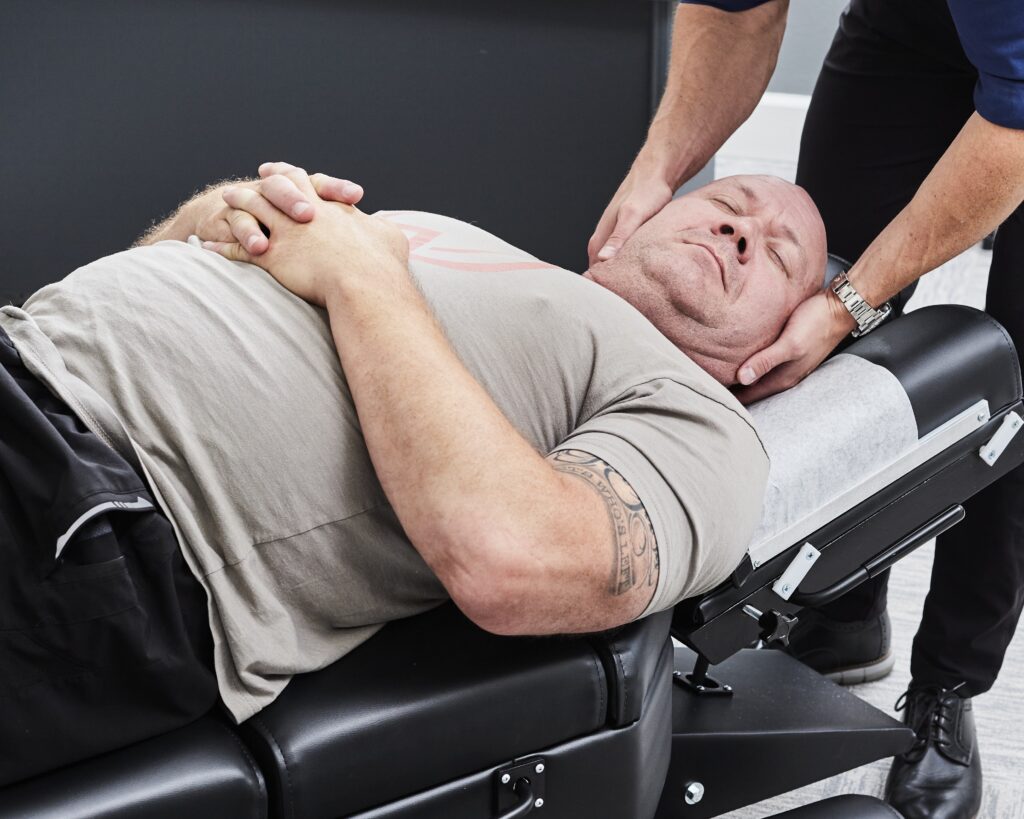
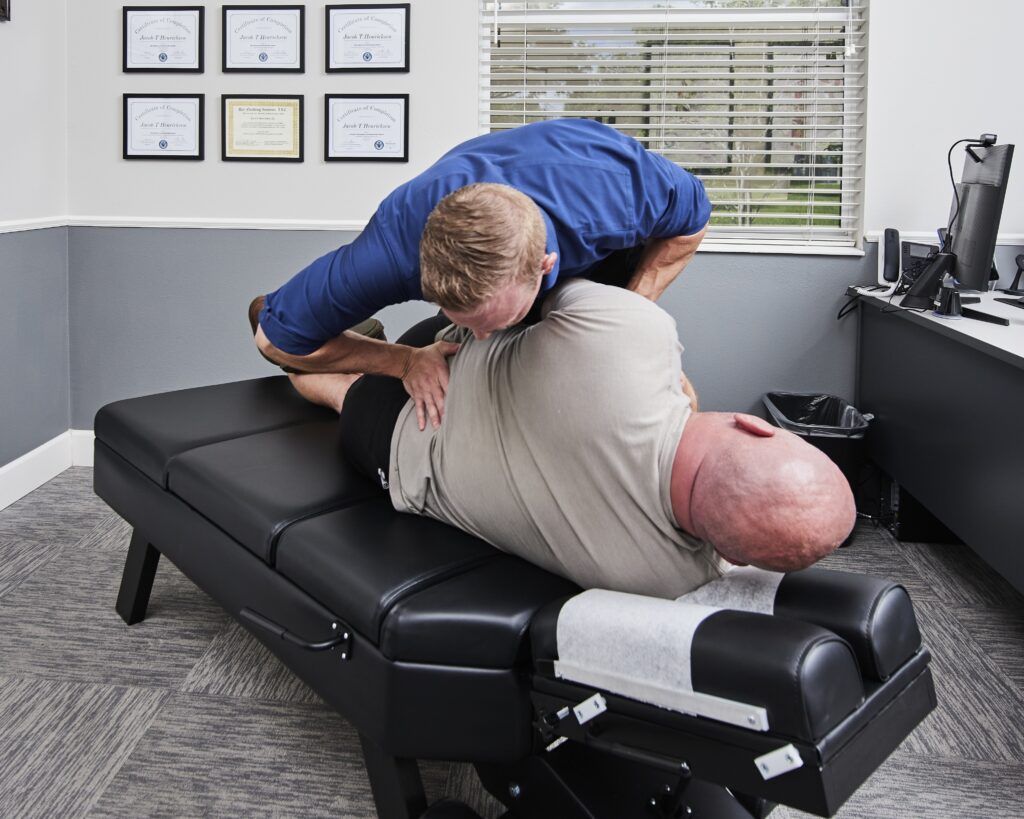
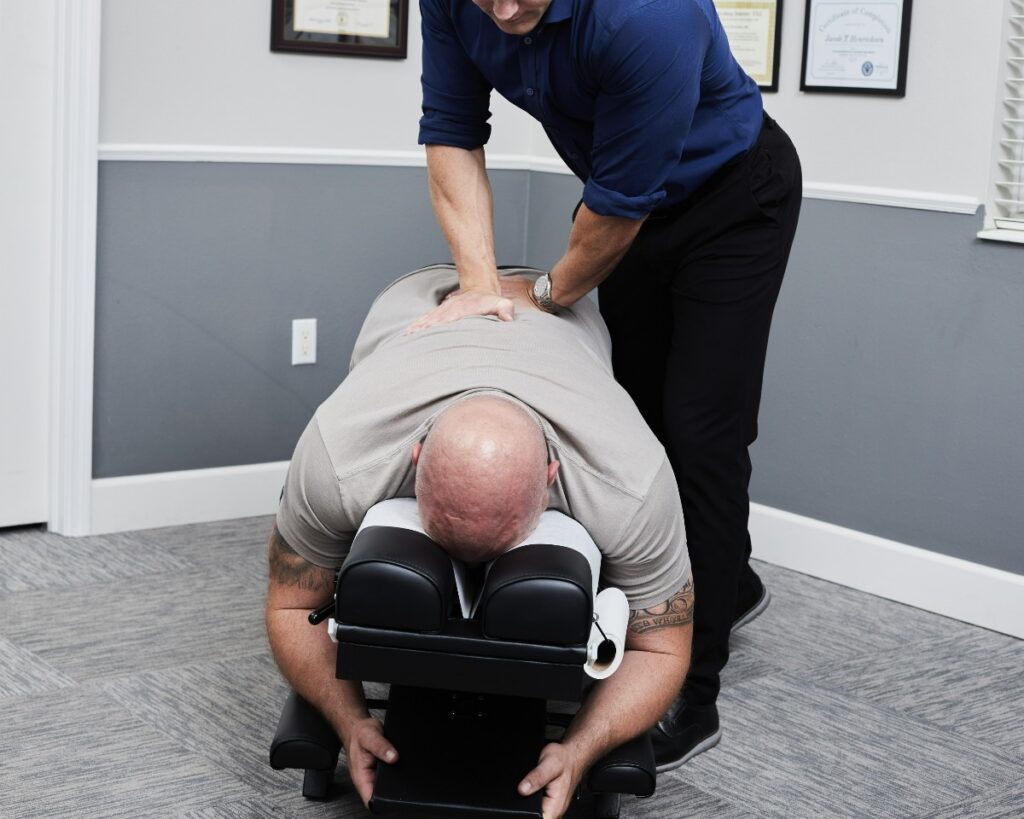
You might not realize it, but small adjustments can greatly transform your posture and enhance your overall wellbeing. By simply shifting how you sit, stand, or even breathe, you can alleviate discomfort and improve your body's function. These changes aren't just about looking good; they can boost your confidence, breathing, and even digestion. Curious about what specific adjustments can make a difference in your daily life? Understanding these insights could lead you to a healthier, more balanced existence.
Understanding Posture Basics
Good posture is essential for your overall health and well-being. It's not just about standing tall; it's about how you align your body in daily activities. When you maintain proper posture, you support your spine's natural curves, which helps prevent strain on your muscles and joints. Your body functions better when everything's in alignment, allowing you to move efficiently and reducing the risk of injury.
To understand posture basics, start by examining how you sit, stand, and walk. When sitting, your feet should be flat on the floor, and your back should be straight against the chair. Keep your shoulders relaxed and avoid leaning forward.
If you're standing, distribute your weight evenly on both feet, keeping your head aligned with your spine. Engaging your core muscles can also provide added support.
Walking with good posture means keeping your head up, shoulders back, and swinging your arms naturally. This not only improves your appearance but enhances your balance and stability.
Don't forget to take breaks from prolonged sitting or standing. Regular movement helps maintain flexibility and reduces tension in your muscles.
Common Posture Mistakes
You mightn't realize it, but slouching while sitting can seriously impact your posture and overall health.
Another common mistake is having your screen at the wrong height, which forces you to strain your neck and eyes.
Let's explore these issues and how you can correct them for better posture.
Slouching While Sitting
Slouching while sitting often leads to discomfort and long-term health issues, demonstrating how easily poor posture can undermine your well-being. When you hunch forward, you put unnecessary strain on your spine, neck, and shoulders. This strain can result in muscle fatigue, tension headaches, and even chronic pain.
You mightn't notice the effects right away, but over time, this poor posture can contribute to serious conditions like herniated discs or joint problems.
To combat slouching, focus on maintaining an upright position. Keep your back straight and shoulders relaxed but not tense. Your feet should rest flat on the floor, with your knees at a right angle.
Consider using a supportive chair that encourages good posture, or place a cushion behind your lower back for added support.
Additionally, take regular breaks to stand up, stretch, and reset your posture. These small adjustments can greatly improve your comfort and overall health.
Improper Screen Height
Poor sitting posture isn't just about slouching; it can also be affected by improper screen height. When your computer screen's too low or high, it forces you to crane your neck or hunch your shoulders, leading to discomfort and long-term issues.
You mightn't realize it, but the position of your screen plays a vital role in maintaining good posture. To correct this, adjust your screen so that the top is at or just below eye level. This way, you're looking slightly downward, which promotes a neutral neck position.
Make certain your screen's about an arm's length away to reduce eye strain. If you're using a laptop, consider investing in a stand or an external monitor to achieve the right height.
Don't forget about your chair, too. Make certain it supports your lower back and keeps your feet flat on the ground. A good ergonomic setup not only enhances your comfort but also helps you focus more effectively.
Benefits of Good Posture
Maintaining good posture offers a wide array of benefits that can enhance your overall well-being. First and foremost, it helps reduce the strain on your muscles and ligaments. When you sit or stand properly, you distribute your weight evenly, which minimizes discomfort and fatigue. This means you'll feel more energized throughout your day, whether you're working at a desk or engaging in physical activities.
Good posture also plays an essential role in improving your breathing. When your spine is aligned, your lungs have more space to expand, allowing for deeper, more efficient breaths. This can lead to increased oxygen flow to your brain and muscles, boosting your focus and performance in daily tasks.
Additionally, maintaining proper posture can enhance your confidence. Standing tall with your shoulders back not only makes you appear more self-assured but can also help you feel it internally. This shift in body language can positively influence your interactions and how others perceive you.
Moreover, good posture can contribute to better digestion. When your spine is aligned, it supports your internal organs, allowing them to function effectively. This can prevent issues like bloating or discomfort after meals.
Lastly, adopting good posture can help prevent long-term health issues, such as chronic pain or musculoskeletal disorders. By making it a habit, you're investing in a healthier, more active future.
Simple Adjustments to Try
Your posture can markedly improve with just a few simple adjustments. Start by being mindful of your sitting habits. If you work at a desk, make certain your chair supports your lower back, and your feet rest flat on the floor. Adjust your computer screen so it's at eye level; this way, you won't be straining your neck.
When you stand, distribute your weight evenly on both feet. Engage your core muscles to help maintain stability and avoid slouching. Imagine a string pulling you upward from the crown of your head—this visualization can help you align your spine more effectively.
In your daily routine, take note of how you carry your bag or backpack. Avoid slinging it over one shoulder; instead, switch sides regularly or use a backpack with both straps to distribute weight evenly. This helps prevent uneven tension on your back and shoulders.
Also, be conscious of your phone usage. Instead of looking down, raise your phone to eye level. This simple adjustment can reduce strain on your neck and upper back.
Finally, practice deep, diaphragmatic breathing throughout the day. This not only helps you relax but also encourages better posture by activating your core muscles.
Exercises for Better Alignment
To achieve better alignment, you should incorporate both stretching techniques and core-strengthening exercises into your routine.
Stretching helps release tension and improve flexibility, while a strong core supports proper posture.
Stretching Techniques for Alignment
Stretching techniques play an essential role in achieving better alignment and enhancing overall posture. By incorporating specific stretches into your routine, you can relieve tension, improve flexibility, and promote proper alignment in your body.
Start with neck stretches; gently tilt your head to one side, holding for 15-30 seconds, then switch sides. This helps release tightness and improve cervical alignment.
Next, focus on shoulder stretches. Stand or sit up straight, interlace your fingers, and raise your arms overhead while engaging your core. Hold for 20-30 seconds to open up the chest and improve shoulder alignment.
Don't forget about your hips! Perform a hip flexor stretch by kneeling on one knee, pushing your hips forward, and holding for 20-30 seconds. This will help counteract the effects of prolonged sitting and enhance pelvic alignment.
Finally, incorporate a standing forward bend to stretch your hamstrings and lower back. Stand tall, exhale, and slowly fold forward, letting your upper body hang. Hold for 15-30 seconds.
Consistently practicing these stretching techniques will lead to improved alignment, greater comfort, and a more confident posture.
Strengthening Core Muscles
In addition to stretching, strengthening your core muscles is essential for maintaining better alignment and overall posture.
A strong core supports your spine and helps stabilize your movements, reducing the risk of injury and discomfort. By incorporating specific exercises into your routine, you can enhance your core strength and improve your posture effectively.
Consider adding these exercises to your regimen:
- Planks: Hold a plank position to engage your entire core.
- Bridges: Lift your hips off the ground while lying on your back to strengthen your lower back and glutes.
- Russian Twists: Sit on the floor and twist your torso side to side, targeting your obliques.
- Bicycle Crunches: Lie on your back and pedal your legs while crunching your torso to work your abs.
- Supermans: Lie face down and lift your arms and legs simultaneously to strengthen your back.
Ergonomics in Daily Life
Ergonomics plays an essential role in our daily lives, influencing how we interact with our environments at home, work, and during leisure activities. By understanding and applying ergonomic principles, you can enhance your comfort and efficiency, ultimately promoting better posture and overall health.
At home, consider how you arrange your furniture and workspaces. Confirm that your chair supports your lower back while allowing your feet to rest flat on the floor. When working at a desk, keep your computer screen at eye level to prevent straining your neck. Small adjustments, like using a footrest or adjusting your chair height, can make a considerable difference.
In the workplace, ergonomic practices can reduce fatigue and increase productivity. Make certain your workstation is well-designed for your tasks. Use tools like ergonomic keyboards and mice, which can alleviate wrist strain.
Take regular breaks to stand, stretch, and move around, preventing stiffness and discomfort.
During leisure activities, pay attention to your posture while engaging in hobbies or using electronic devices. Whether you're reading, playing video games, or watching TV, make sure you're seated comfortably, with good support for your back.
Incorporating ergonomic practices into your daily routine not only improves your posture but also enhances your overall well-being. By making these simple adjustments and being mindful of how you interact with your environment, you can greatly impact your health and comfort in everyday life.
Mindfulness and Posture
Mindfulness can greatly enhance your posture by fostering awareness of how you hold your body throughout the day. When you're mindful, you're more likely to notice the small habits and patterns that contribute to poor posture. This heightened awareness allows you to make conscious adjustments, leading to improved alignment and reduced discomfort.
Here are some mindfulness practices that can help you maintain better posture:
- Check-in Regularly: Set reminders throughout your day to pause and assess your posture. Are your shoulders slumped? Is your back straight?
- Breathe Deeply: Take a moment to focus on your breath. Deep breathing helps relax tension, allowing your body to align naturally.
- Engage Your Core: Mindfully engage your core muscles. This support helps stabilize your spine and promotes a healthier posture.
- Visualize Alignment: Picture an imaginary string pulling your head upward. This mental image can guide you to stand tall and balanced.
- Practice Mindful Movement: When you walk or move, be conscious of how your body feels. Adjust your movements to encourage better alignment.
Long-Term Effects of Adjustments
Over time, consistent adjustments to your posture can lead to significant improvements in your overall health and well-being. You mightn't notice the changes immediately, but as you commit to better alignment, your body begins to respond positively. Improved posture can reduce strain on your muscles and joints, leading to less discomfort and pain. You'll likely find that activities you once struggled with become easier and more enjoyable.
Furthermore, good posture fosters better circulation and respiratory function. When your spine is aligned properly, your lungs have more room to expand, allowing for deeper breaths. This can enhance your energy levels, helping you feel more invigorated throughout the day. You'll notice that minor tasks, like standing or sitting for extended periods, become less taxing as your body adapts to its newfound balance.
In addition, maintaining good posture can contribute to greater confidence. With your head held high and shoulders back, you may feel more assertive and ready to take on challenges. This shift in mindset can influence various aspects of your life, from personal relationships to professional opportunities.
Lastly, the long-term effects of adjustments extend to your mental health. As you experience less pain and discomfort, your stress levels may decrease, leading to a more positive outlook on life.
Building a Posture Routine
Creating a posture routine is essential for maintaining the benefits of good alignment in your daily life. By investing a little time each day, you can strengthen your muscles, improve your posture, and enhance your overall well-being.
Here's how to build an effective routine that fits seamlessly into your day-to-day activities.
First, start by evaluating your current posture. You might find it helpful to take note of how you sit, stand, and move throughout the day.
Then, integrate specific exercises into your routine, focusing on strengthening your core, back, and shoulders. Aim to spend at least 10-15 minutes a day on these exercises.
Here are some key elements to include in your posture routine:
- Stretch regularly: Incorporate stretches that target tight muscles, especially in your neck, shoulders, and hips.
- Strength training: Engage in exercises like planks and rows to build strength in your back and core.
- Mindful reminders: Set reminders throughout the day to check in on your posture, whether you're sitting or standing.
- Ergonomic adjustments: Confirm your workspace promotes good posture; adjust your chair height and monitor level.
- Breathing exercises: Practice deep breathing to relax your body and release tension, which can help maintain good posture.
Conclusion
By making these simple adjustments and incorporating them into your daily routine, you can transform your posture and enhance your overall well-being. Remember to stay mindful of your alignment and practice exercises that promote balance and strength. As you build these habits, you'll likely notice a significant reduction in discomfort and an increase in confidence. Commit to this journey, and you'll reap the long-term benefits of improved posture, leading to a healthier and happier life.