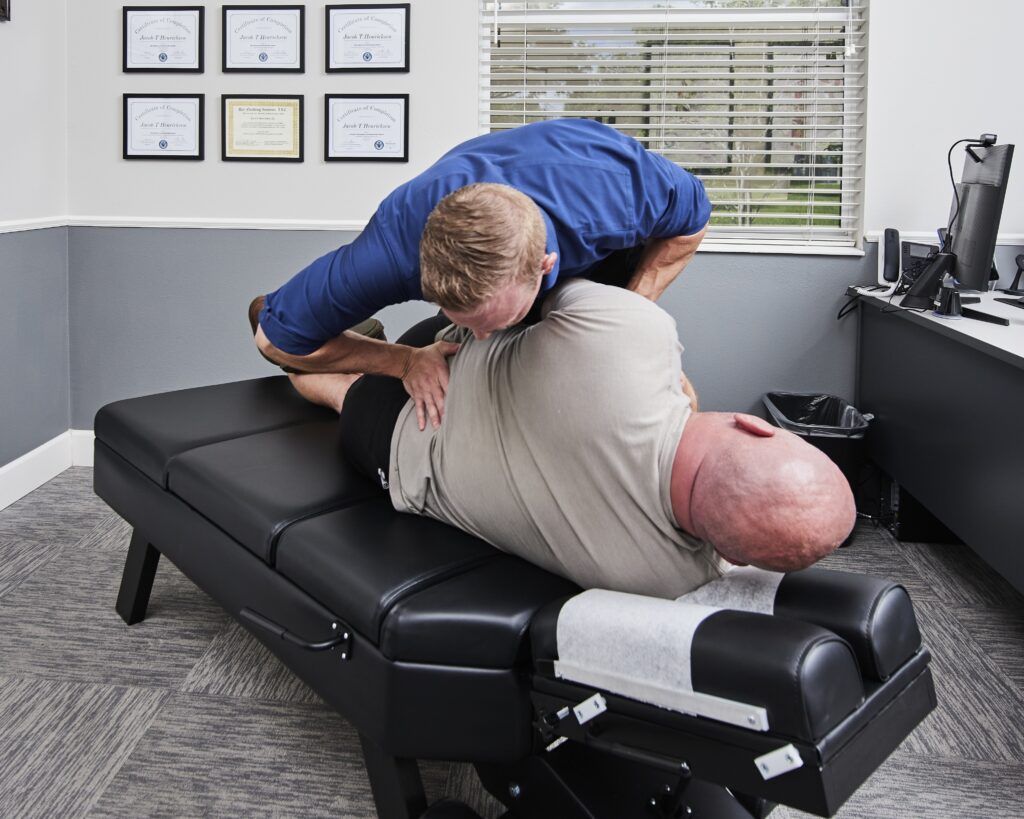
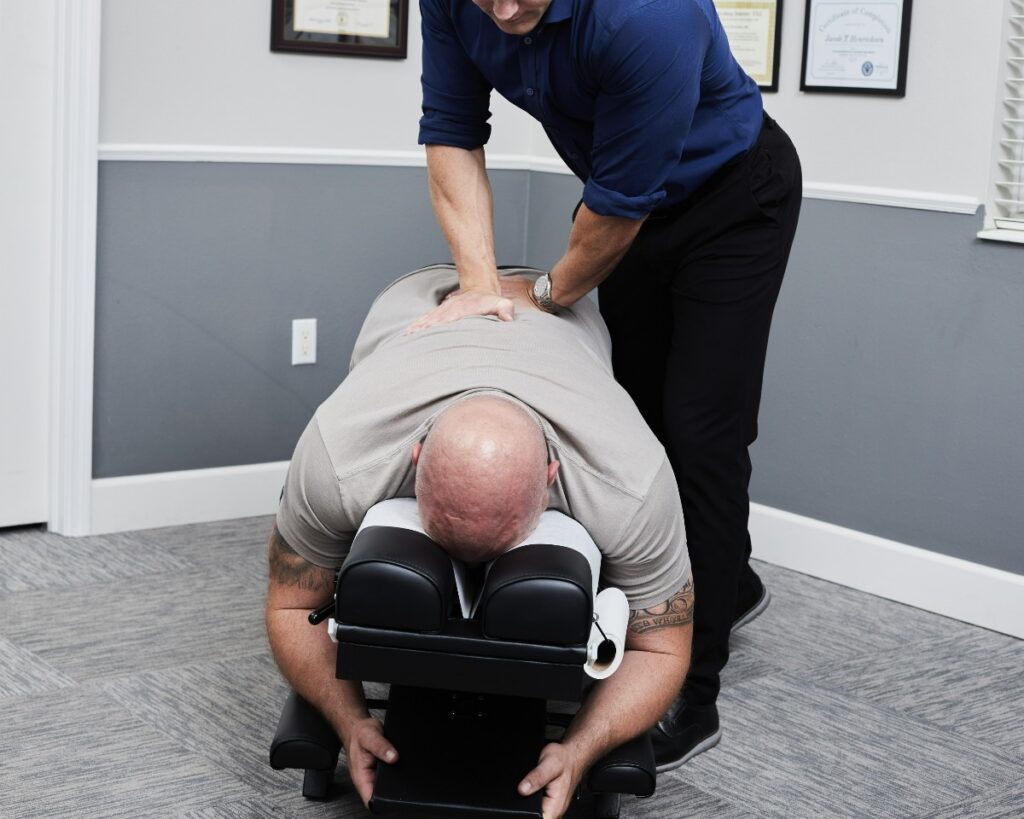
If you're dealing with chronic pain, you understand the profound effect it can have on your daily life. As a chiropractor, I want to emphasize that finding effective relief goes beyond just medication. It often requires a holistic approach that includes not only chiropractic adjustments but also alternative therapies and lifestyle changes. You may be surprised to discover how simple modifications, such as adopting specific dietary choices or engaging in certain techniques, can lead to significant improvements in your condition. Imagine being able to manage your pain more effectively while also boosting your overall well-being. The potential for relief and enhanced health may be more attainable than you realize, and I encourage you to explore these natural solutions with an open mind. Together, we can work towards a more pain-free life.
Understanding Chronic Pain
Chronic pain is more than just a temporary discomfort; it's a persistent condition that can significantly impact various aspects of your life. As a local chiropractor, I want to help you understand how chronic pain affects daily activities, work, social interactions, and even mental health. Gaining insight into chronic pain is key to managing it effectively and finding relief.
Unlike acute pain, which serves as a warning signal for an injury or illness, chronic pain sticks around long after the initial cause has been addressed. It can arise from a variety of sources, including past injuries, conditions like arthritis or fibromyalgia, or even nerve damage.
It's also important to recognize that emotional factors can contribute to chronic pain. Stress, anxiety, and depression can heighten your perception of pain, creating a challenging cycle that can be hard to escape. Remember, your pain isn't simply "in your head"; it's a complex combination of physical, emotional, and neurological elements.
Understanding the specific type of chronic pain you're experiencing can shed light on its origins and triggers. This pain might be localized, such as in the lower back, or widespread, impacting multiple areas of your body. You may notice that certain activities or emotional states exacerbate your pain.
I often encourage my patients to keep a pain diary; this can help track patterns and make it easier to discuss your experience during our visits.
As we work together in a chiropractic setting, understanding chronic pain is the first step toward regaining control over your life. By acknowledging the complexities involved, you can better navigate the path to relief and improved well-being through natural healing methods that chiropractic care offers. Let's explore these options together!
Medical Treatments Available
As a local chiropractor, I want to help you understand the various options available for managing chronic pain, particularly through chiropractic care and natural healing methods. Unlike traditional approaches that often rely heavily on prescription medications, chiropractic treatment focuses on aligning the spine and improving overall body function, which can significantly alleviate pain.
In addition to spinal adjustments, we also emphasize the importance of physical therapy and exercises tailored to your specific needs. These methods work to strengthen the muscles supporting your spine, enhance mobility, and promote healing without the need for invasive procedures.
Moreover, alternative therapies such as acupuncture, massage, and nutritional counseling can complement chiropractic care, offering a holistic approach to pain management. Each of these treatments provides unique benefits and can be customized to suit your individual health goals.
Let's explore these options together to find the best approach for your journey to better health and pain relief. Your well-being is our priority!
Prescription Medications Overview
As a local chiropractor, I want to help you understand the different options available for managing chronic pain, especially if you're new to chiropractic care and natural healing methods.
While there are various prescription medications that can provide relief, I believe in exploring holistic approaches that address the root causes of pain.
For severe pain, some people may be prescribed opioids. However, these powerful pain relievers can pose risks of dependency and come with side effects such as constipation and drowsiness. It's crucial to use them only under strict medical supervision.
Instead, I often recommend nonsteroidal anti-inflammatory drugs (NSAIDs) like ibuprofen or naproxen. These can effectively reduce inflammation and alleviate pain without the addictive potential of opioids. Acetaminophen is another option that can be used for mild to moderate pain, though it's less potent than NSAIDs.
In addition to these medications, there are alternative treatments that can greatly aid in managing chronic pain. Antidepressants and anticonvulsants may be prescribed for conditions such as fibromyalgia or neuropathic pain, as they can help modulate pain pathways in the brain.
Topical treatments, like lidocaine patches or capsaicin creams, can also provide localized relief.
However, I encourage you to consider chiropractic care as a natural healing method that can address the underlying issues contributing to your pain. Through adjustments and other therapies, we can work together to enhance your overall well-being.
It's essential to discuss your specific symptoms and medical history with a healthcare provider, just as you'd with me. This way, we can develop a comprehensive and personalized plan that effectively manages your pain while promoting a healthier lifestyle.
#
Physical Therapy Options
Chiropractic care offers a holistic approach to managing chronic pain and enhancing mobility. When you visit a licensed chiropractor, you'll receive personalized treatments designed specifically for your unique needs. These professionals will evaluate your condition and create a tailored plan that may include spinal adjustments, exercises, and other natural healing modalities.
One of the primary objectives of chiropractic care is to improve the function of your musculoskeletal system. Through targeted adjustments, you'll learn how to strengthen the areas surrounding your pain, which can lead to increased flexibility and stability over time.
Your chiropractor may also provide guidance on improving your posture and body mechanics, making daily activities more manageable and comfortable.
Education plays a crucial role in chiropractic treatment. You'll gain a deeper understanding of your condition, learning effective strategies to manage your pain and prevent future problems.
Your chiropractor can also recommend ergonomic changes to your workspace or daily habits to lessen strain on your body.
Regular visits to a chiropractor can offer you continuous support and encouragement, making it easier to adhere to your treatment plan. By actively engaging in your healing process, you empower yourself to take charge of your pain and enhance your overall well-being.
Alternative Therapies Exploration
As your local chiropractor, I want to share with you the various alternative therapies that can complement the chiropractic care you receive and help manage chronic pain more effectively. One such therapy is acupuncture. This ancient practice involves inserting thin needles into specific points on the body to stimulate healing and alleviate pain. Many of my patients have found significant relief from chronic conditions through acupuncture, and I encourage you to consider it as part of your pain management strategy.
Another beneficial option is massage therapy. Regular massage sessions can relieve muscle tension, improve circulation, and promote relaxation—all of which are essential for pain relief.
If you appreciate a holistic approach to health, you might also want to explore herbal remedies and supplements. For instance, herbs like turmeric and ginger are known for their anti-inflammatory properties and may help reduce pain.
I also recommend incorporating mindfulness and meditation techniques into your routine. These practices can help you manage pain by shifting your focus and reducing stress levels. Activities like yoga or tai chi are excellent choices as they combine gentle movement with mindfulness, promoting flexibility and strength while calming the mind.
Lastly, consider the potential benefits of biofeedback. This technique teaches you how to control certain physiological functions, equipping you with tools to manage pain more effectively.
## Physical Therapy Options
As a local chiropractor, I want to share some valuable insights about managing chronic pain through natural healing methods. Chiropractic care offers a range of effective options that can help you regain mobility and alleviate discomfort in your daily life.
One of the key approaches we use is manual therapy techniques, which involve hands-on manipulation of the spine and other joints to improve alignment and function.
Additionally, we provide exercise rehabilitation programs tailored to your individual needs, helping to strengthen your body and enhance flexibility.
We also utilize various modalities for pain management, such as heat and cold therapy, electrical stimulation, and ultrasound, which can further aid in your recovery process.
Each of these chiropractic strategies is designed to support your body's natural healing capabilities, allowing you to live a more comfortable and active life.
If you're new to chiropractic care, I encourage you to explore these options with us to find relief from chronic pain.
Manual Therapy Techniques
As a local chiropractor, I want to share with you how manual therapy techniques can be a valuable part of your journey toward alleviating chronic pain.
These hands-on approaches target the soft tissues and joints in your body, and they're specifically designed to improve mobility, reduce discomfort, and enhance your overall function.
By integrating these techniques into your pain management plan, you may experience significant relief.
Let's explore four popular manual therapy techniques that you might find beneficial:
- Massage Therapy: This technique involves the skilled manipulation of muscles and soft tissues to relieve tension and promote relaxation. Not only can it enhance circulation, but it may also significantly decrease your pain levels.
- Joint Mobilization: During this process, I gently move your joints to improve their range of motion and reduce stiffness. This can lead to better overall function and comfort in your daily activities.
- Myofascial Release: This technique focuses on the fascia, which is the connective tissue surrounding your muscles. By applying gentle, sustained pressure, we can help release tightness and restore natural movement to your body.
- Craniosacral Therapy: This gentle approach targets the craniosacral system, which plays a crucial role in your central nervous system. By releasing tension in this area, we can help alleviate pain and improve your overall functionality.
As you consider your options for pain relief, I encourage you to explore these natural healing methods that chiropractic care offers.
Together, we can work towards a healthier, more comfortable you!
Exercise Rehabilitation Programs
As a local chiropractor, I want to emphasize the importance of incorporating exercise rehabilitation programs into your chronic pain management plan. These programs can significantly enhance your recovery and improve your overall quality of life. They're specifically designed to help you regain strength, flexibility, and function, which is essential for your body's natural healing process.
When you work with me or another qualified physical therapist, we'll create a personalized exercise routine that caters to your unique needs and limitations. This tailored approach ensures that you aren't just performing exercises but engaging in activities that will truly benefit your recovery.
Regular physical activity is crucial in managing chronic pain. It can help reduce pain levels and prevent the risk of further injury. Through our sessions, you'll learn the proper techniques to safely perform exercises, ensuring that you don't exacerbate your condition. Activities such as stretching, strength training, and low-impact aerobic exercises are particularly effective in promoting healing.
Consistency is vital in this journey. Sticking to your exercise routine not only helps build physical endurance but also has a positive impact on your mood and energy levels. This can be incredibly beneficial in managing the stress that often accompanies chronic pain.
Throughout this process, it's essential to listen to your body. If you experience increased pain during your workouts, please communicate with me so we can adjust your program accordingly. Our goal is to empower you on your healing journey, not to push you beyond your limits.
With dedication and the right exercise rehabilitation program, you can take significant strides toward pain relief and improved daily living. Remember, natural healing through chiropractic care and exercise can pave the way to a healthier, happier you.
Modalities for Pain Management
As a local chiropractor, I want to share some valuable insights into how various modalities for pain management can enhance your recovery journey.
After you've established a solid foundation with exercise rehabilitation, it's important to explore additional therapies that can help target pain in different ways, ultimately improving your overall quality of life.
Here are some effective options to consider:
1. Manual Therapy: This hands-on approach involves specific movements and manipulations designed to reduce pain, improve mobility, and promote healing.
It's particularly effective for addressing muscle and joint issues that may be impacting your daily activities.
2. Electrical Stimulation: This technique utilizes electrical currents to alleviate pain by interrupting pain signals sent to the brain and encouraging muscle contraction.
It can be beneficial for a variety of conditions, including arthritis and back pain, helping to provide relief and enhance your recovery.
3. Ultrasound Therapy: By employing sound waves to generate heat within the tissues, ultrasound therapy boosts blood flow and supports the healing process.
It's especially helpful for soft tissue injuries and chronic pain conditions, making it a valuable addition to your pain management toolkit.
4. Heat and Cold Therapy: Alternating between heat and cold packs is a simple yet effective method for reducing inflammation, easing muscle tension, and alleviating pain.
This approach can be particularly useful for both acute injuries and chronic pain flare-ups, providing you with relief when you need it most.
Incorporating these modalities into your pain management plan can empower you with additional tools for achieving relief.
As your chiropractor, I'm here to guide you through these options and help you find the most effective treatments for your individual needs.
Your journey to better health and well-being starts with understanding and utilizing these natural healing methods.
Alternative Therapies to Consider
Chronic pain can be a significant hurdle in your daily life, but I want to share how alternative therapies, particularly chiropractic care, can be a valuable part of your journey toward relief. Many of my patients have found that combining chiropractic treatments with conventional medicine can lead to remarkable improvements in their overall well-being.
Chiropractic care focuses on spinal alignment and overall musculoskeletal health. By addressing these areas, we can help alleviate pain and improve your mobility. Regular adjustments can lead to long-term benefits, especially if your discomfort is related to posture or spinal issues.
We take a personalized approach to your care, ensuring that your treatment plan is tailored to your specific needs.
In addition to chiropractic adjustments, I also encourage exploring other complementary therapies. For instance, acupuncture is an ancient practice that involves inserting thin needles into specific points on the body. Many individuals have reported significant reductions in pain and an enhanced sense of well-being after acupuncture sessions.
Massage therapy is another excellent option to consider. This hands-on technique works to relax tight muscles, increase circulation, and release endorphins—your body's natural pain relievers. Whether you prefer deep tissue, Swedish, or other styles, massage can be a soothing way to support your recovery from chronic pain.
Herbal remedies and supplements can also play a role in your healing journey. Ingredients such as turmeric, ginger, and omega-3 fatty acids are known for their anti-inflammatory properties and may assist in pain management. However, it's essential to consult with a healthcare professional before introducing any new supplements into your routine.
Finally, I highly recommend incorporating mindfulness and meditation practices into your life. Techniques like guided imagery and deep breathing exercises can help you manage pain by promoting relaxation and clarity of mind. These practices can reduce stress levels and improve your overall pain experience.
Exploring these alternative therapies, including chiropractic care, may lead you to the relief you've been seeking. I'm here to guide you on this journey and help you discover the best path to wellness.
Lifestyle Changes for Relief
As a local chiropractor, I'm here to share how making simple lifestyle changes can significantly support your journey towards relief from chronic pain. Chiropractic care focuses on natural healing, and by incorporating healthier habits into your daily routine, you can experience a reduction in pain levels and an improvement in your overall well-being.
Here are four essential changes I recommend:
- Engage in Regular Exercise: Incorporating low-impact activities such as walking, swimming, or cycling into your routine can help strengthen your muscles and improve flexibility. Aim for at least 30 minutes of moderate exercise most days of the week. This not only supports your physical health but also complements the adjustments we make during your chiropractic sessions.
- Adopt a Balanced Diet: The foods you consume play a vital role in your body's ability to heal. A diet rich in whole grains, lean proteins, fruits, and vegetables can help reduce inflammation, which is often a contributor to pain. Don't forget the benefits of omega-3 fatty acids found in fish and walnuts, which can further support your recovery.
- Prioritize Quality Sleep: Adequate sleep is crucial for managing pain effectively. Establishing a calming bedtime routine, maintaining a comfortable sleep environment, and aiming for 7-9 hours of restorative sleep each night can make a big difference. If you find it difficult to fall asleep, consider relaxation techniques or natural sleep aids, which can enhance the benefits of chiropractic care.
- Stay Hydrated: Proper hydration is essential for overall health and can help alleviate pain symptoms. Aim to drink at least eight 8-ounce glasses of water daily, and increase your intake if you're active or live in a warmer climate. Staying well-hydrated supports your body's natural healing processes and complements the adjustments you receive in our office.
Mindfulness and Pain Management
As a local chiropractor, I want to share how mindfulness can be a valuable tool in managing pain and promoting your overall well-being. By focusing on the present moment, you can enhance your awareness of your body and its sensations, which allows you to address pain with greater clarity and understanding. Instead of falling into patterns of anxiety or frustration, mindfulness helps you observe your pain without judgment. This change in perspective can lighten the emotional burden that often accompanies chronic pain.
To begin incorporating mindfulness into your life, consider starting with simple techniques like deep breathing or body scans. Find a quiet place, close your eyes, and take slow, deep breaths. As you inhale and exhale, tune in to how your body feels. Pay attention to any areas of tension or discomfort, acknowledging them without the urge to change or fix them. This approach fosters a more compassionate relationship with your pain, which is essential in the healing process.
In addition to these techniques, you might explore mindfulness meditation or yoga. These practices not only promote breath awareness but also involve gentle movement, helping to release physical tension and strengthen the connection between your mind and body.
As you weave mindfulness into your daily routine, you may find that your pain levels decrease and your overall sense of well-being improves.
As your chiropractor, I encourage you to consider these mindfulness practices alongside your chiropractic care. Together, they can create a holistic approach to healing that supports your body's natural ability to thrive.
Nutrition's Role in Pain
As a local chiropractor dedicated to your overall health and well-being, I want to emphasize the significant role nutrition plays in managing pain. What you choose to eat can profoundly influence your body's inflammatory response, your energy levels, and your general health.
By adopting a balanced diet, you may find relief from some of the discomfort associated with chronic pain. Here are four essential nutritional strategies to consider:
- Incorporate Omega-3 Fatty Acids: Foods such as fatty fish, flaxseeds, and walnuts are excellent sources of Omega-3s. These healthy fats possess anti-inflammatory properties that can help reduce pain and stiffness, making them crucial for your diet.
- Choose Antioxidant-Rich Foods: Make it a habit to include a variety of fruits and vegetables in your meals, particularly berries, leafy greens, and nuts. These foods are rich in antioxidants, which can help combat oxidative stress—an element that often exacerbates pain conditions.
- Reduce Processed Sugars and Trans Fats: Be mindful of your consumption of highly processed foods. These can contribute to inflammation in your body. By cutting back on sugar and unhealthy fats, you can create a more favorable environment for pain management.
- Prioritize Hydration: Never underestimate the importance of staying hydrated. Adequate water intake supports numerous bodily functions, including the absorption of nutrients and the elimination of toxins, both of which can influence your pain levels.
By integrating these nutritional strategies into your lifestyle, you can complement the chiropractic care you receive and enhance your journey toward improved health and reduced pain.
Support Systems and Resources
As a local chiropractor, I understand that navigating chronic pain can be a challenging journey, but finding the right support systems and resources can truly make a difference. You don't have to face this alone; connecting with others who share similar experiences can provide both comfort and practical advice.
I encourage you to explore local support groups, whether in-person or online, where you can discuss your experiences and discover coping strategies from fellow chronic pain sufferers.
Incorporating chiropractic care into your pain management plan can be an effective approach. Chiropractors specialize in understanding how the spine and nervous system interact with the body's overall health. We can offer personalized treatment plans that focus on restoring functionality and reducing discomfort through adjustments, therapeutic exercises, and other natural healing techniques.
It's also important to consider a holistic approach to your well-being. This could involve collaborating with healthcare professionals such as physical therapists or pain management specialists who can complement chiropractic care with tailored strategies aimed at improving your quality of life.
Additionally, mental health support is vital; therapists trained in chronic pain management can help address the emotional and psychological components of your situation.
I recommend participating in educational workshops or webinars that focus on chronic pain management, where you can learn the latest techniques to better manage your condition. Online resources and forums dedicated to chronic pain can also be beneficial, providing tips, personal stories, and community support.
Lastly, don't overlook the importance of your family and friends. Sharing your experiences with them can lead to emotional support, assistance with daily tasks, or simply someone to talk to when you need it.
Building a robust support network can empower you to face the challenges of chronic pain with resilience and hope. Remember, you aren't alone on this journey, and as your chiropractor, I'm here to support you every step of the way.
Conclusion
As a local chiropractor, I want to emphasize the importance of a holistic approach in your journey to find relief from chronic pain. Chiropractic care is an integral part of this process, focusing on the alignment of your spine and the overall function of your nervous system. By incorporating medical treatments, physical therapy, and alternative therapies, you can discover a comprehensive plan that works best for your unique needs.
Lifestyle changes play a crucial role in your healing journey as well. Adopting a balanced diet and incorporating mindfulness practices can significantly enhance your well-being. I encourage you not to overlook the value of a strong support system—working closely with healthcare professionals, like myself, and relying on the support of loved ones can empower you to take control of your pain management.
Together, we can explore effective chiropractic techniques that can alleviate your discomfort and improve your quality of life. Remember, you hold the key to your healing, and I'm here to guide you every step of the way.