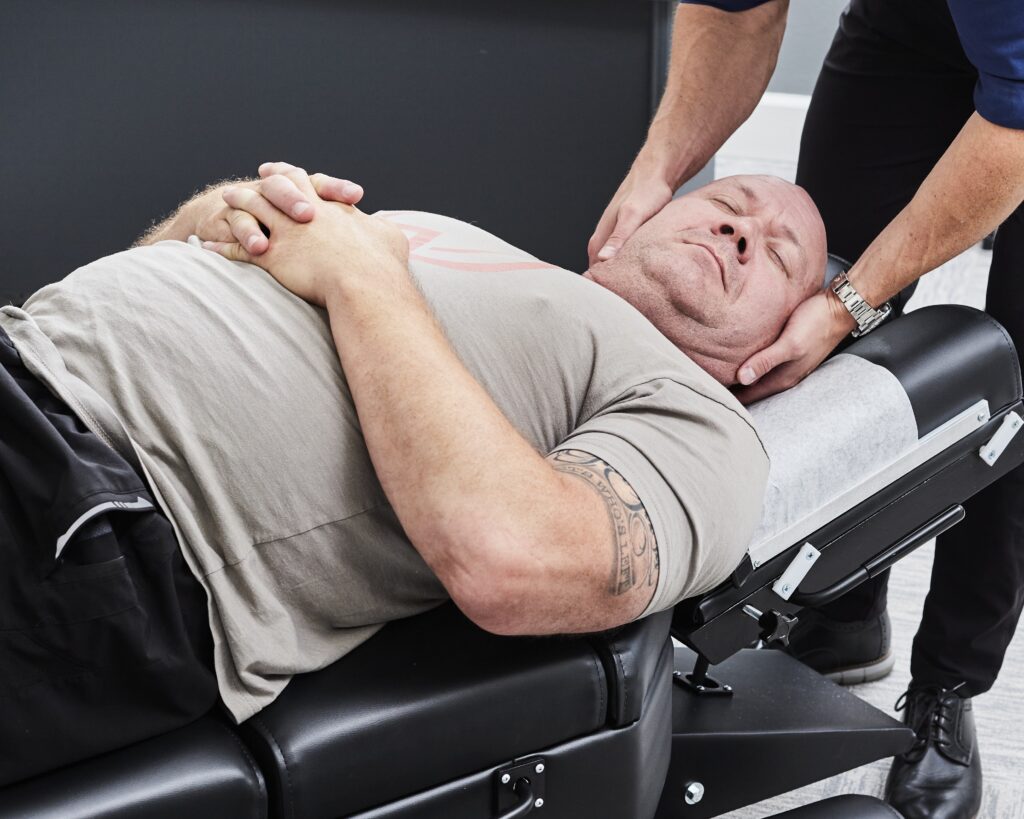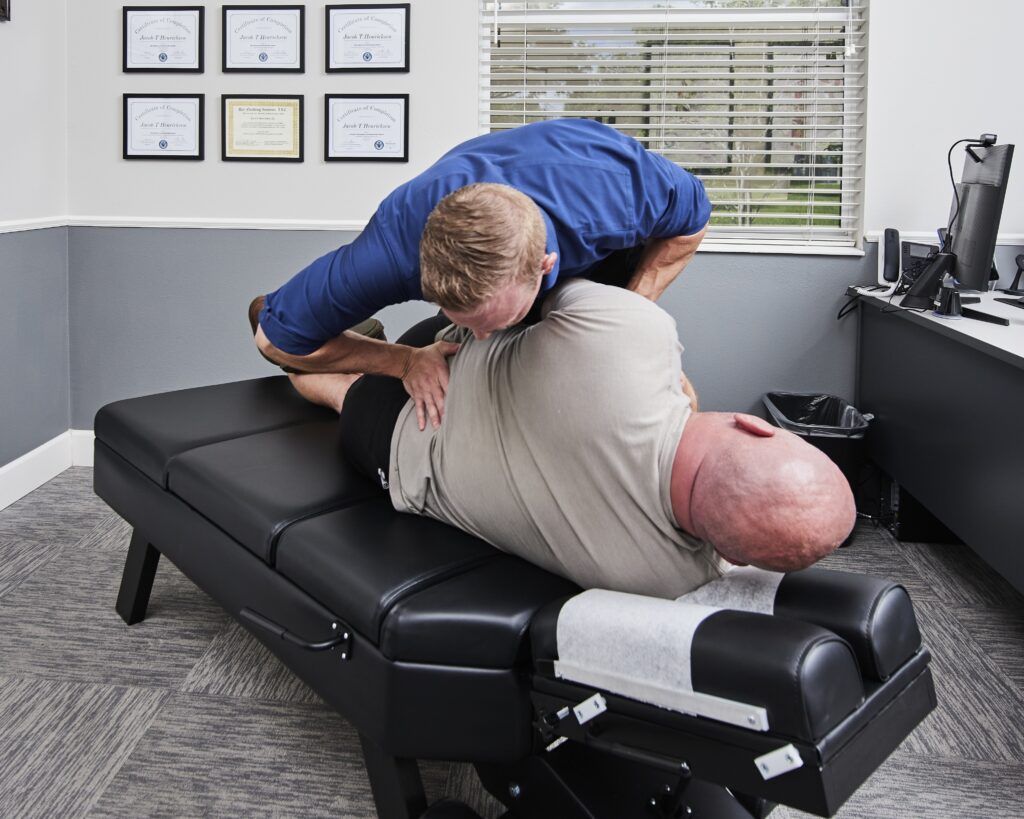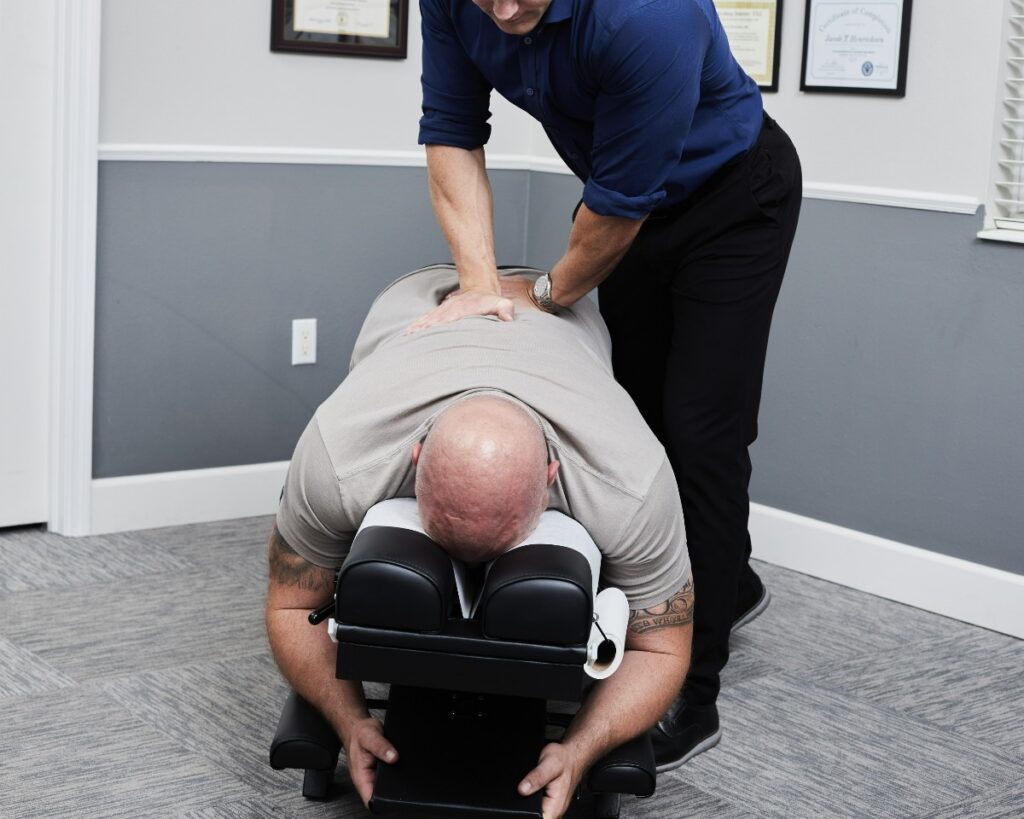

As a local chiropractor, I often see patients struggling with persistent upper back pain, and it's something that many of you may have experienced at some point. This discomfort is frequently linked to everyday habits that you might not even realize are contributing to the problem. Simple actions like slouching at your desk or gripping your phone too tightly can create tension that builds up over time, leading to pain that disrupts your daily activities.
But here's the good news: making some straightforward adjustments to your routine can significantly relieve that tension and improve your posture. It's essential to understand the underlying causes of your discomfort, as this is the first step toward achieving a more comfortable, pain-free life.
So, what can you do to start feeling better? By incorporating some mindful practices into your day and considering chiropractic care, you can address these issues at their source. Let's work together to find the right solutions for your unique situation, and help you regain your comfort and mobility.
Understanding Upper Back Pain
As a local chiropractor, I often see patients who struggle with upper back pain, which can feel like a heavy burden affecting your everyday life. You may find it difficult to reach for items, sit comfortably at your desk, or even get a good night's sleep. This discomfort can be frustrating and may even impact your mood and productivity. Understanding the nature of upper back pain is an essential step toward finding relief through natural healing.
Typically, upper back pain stems from the muscles, ligaments, or joints in that area. You might notice that specific movements or postures can worsen your pain. For example, slouching at your desk or hunching over your phone can lead to tightness and discomfort. Stress is another contributing factor; when you're under tension, your muscles may tighten up, intensifying that persistent ache.
It's crucial to listen to your body rather than dismissing these feelings. Ignoring the signals can lead to chronic pain issues down the line. I encourage you to pay attention to how you feel throughout the day. Take note of when your pain flares up and what activities seem to trigger it. This awareness can help you identify patterns and adjust your habits accordingly.
Remember, everyone's experience with upper back pain is unique. What provides relief for one person mightn't work for another. That's why I advocate for a personalized approach to treatment. This could involve incorporating stretching exercises, improving your posture, or taking regular breaks during long periods of sitting.
Common Causes of Discomfort
As a local chiropractor, I want to help you understand that upper back discomfort is frequently associated with poor posture and muscle strain.
Many individuals are unaware of how their daily activities—such as slouching at their desks or lifting heavy objects without proper technique—can lead to pain in this area.
By recognizing these habits, we can take the essential first step towards finding relief together.
Chiropractic care focuses on addressing these underlying issues naturally, helping to restore balance and function to your spine and muscles.
I encourage you to consider how your daily routines may be impacting your health, and I'm here to guide you on your journey to wellness.
Poor Posture Habits
As a local chiropractor, I want to help you understand the impact of poor posture habits on your overall health. Many people don't realize that slouching at your desk or hunching over your phone can lead to significant discomfort in your upper back.
These common habits can create unnecessary stress on your spine and the muscles surrounding it. When you lean forward or round your shoulders, you disrupt your body's natural alignment, which can lead to stiffness and tension.
Initially, you mightn't feel the effects, but over time, this misalignment can contribute to chronic pain. Sitting for long periods without the proper support only worsens the situation.
If you often find yourself craning your neck to view screens, it may be time to rethink your daily habits. I encourage you to make a conscious effort to maintain an upright posture with your shoulders back.
Position your computer screen at eye level and keep your phone at chest height to reduce strain. When standing, ensure that your weight is evenly distributed on both feet.
It's also important to take regular breaks to stretch and reset your posture throughout the day. By incorporating these practices, you can help promote better spinal health and overall well-being.
Muscle Strain Factors
As a local chiropractor, I want to share some insights about upper back discomfort that many of my patients experience. While poor posture is often a well-known culprit, it's essential to recognize that muscle strain factors also contribute significantly to your overall well-being.
By understanding these factors, you can take proactive steps toward finding relief and enhancing your health. Here are three common causes of muscle strain that I encourage you to be aware of:
1. Repetitive Movements: Many of us engage in repetitive motions, whether at work or during our favorite exercise routines. These repeated actions can lead to overuse injuries and strain your muscles.
I recommend being mindful of how frequently you perform these movements and incorporating breaks to give your muscles a chance to recover.
2. Heavy Lifting: Lifting heavy objects without using proper techniques can put significant strain on your upper back muscles.
It's crucial to use your legs to lift and maintain a stable posture. If you're dealing with heavy items, don't hesitate to ask for assistance—your back will thank you!
3. Lack of Flexibility: Tight muscles can make you more susceptible to strains.
Incorporating stretching and mobility exercises into your daily routine can enhance your flexibility, making it easier for your body to handle physical demands and reducing discomfort over time.
By being aware of these factors and making small adjustments to your daily habits, you can help prevent muscle strain and improve your overall health.
If you have any questions or would like guidance on specific exercises or techniques, feel free to reach out—I'm here to help you on your journey to better health!
The Impact of Poor Posture
As a local chiropractor, I often see patients who are unaware of the impact that poor posture can have on their health. Many of us develop habits like slouching or craning our necks without even realizing it.
Over time, these seemingly minor mistakes can lead to significant long-term health issues, not only affecting your upper back but also your overall well-being.
It's crucial to understand that posture plays a vital role in how our bodies function. When we maintain poor posture, we can experience discomfort and tension that can ripple throughout our entire system.
By recognizing these postural issues early on, you can take proactive steps to improve your alignment.
In my practice, I emphasize the importance of good posture and offer guidance on techniques to help you achieve it.
This not only alleviates discomfort but also supports your body's natural healing processes.
Together, we can work towards better posture and a healthier, pain-free life.
Common Posture Mistakes
As a local chiropractor dedicated to helping you achieve optimal health, I want to emphasize the importance of maintaining proper posture in your daily life. Neglecting good posture can lead to discomfort, especially in the upper back, and many of our everyday habits play a significant role in this.
Here are three common mistakes that you might be making that could affect your spinal health:
- Slouching While Sitting: It's all too tempting to sink into your chair, but this slouched position can put excessive stress on your spine, potentially leading to chronic pain. I encourage you to sit up straight, keep your shoulders back, and ensure your feet are flat on the floor. This simple adjustment can make a big difference in your comfort levels.
- Looking Down at Your Phone: Many of us are guilty of constantly looking down at our devices, which can lead to a condition often referred to as "tech neck." This posture strains the muscles in your upper back and neck, leading to discomfort and pain. To alleviate this strain, try holding your phone at eye level whenever possible. Your neck and back will thank you!
- Poor Desk Setup: If your workspace isn't ergonomically arranged, you might be unknowingly putting stress on your back. It's crucial to have your monitor at eye level and to use a chair that provides proper support for your lower back. An optimized desk setup can help prevent discomfort and promote better posture throughout your workday.
By being mindful of these common posture mistakes, you can take proactive steps to support your overall health and well-being.
If you're experiencing discomfort, don't hesitate to reach out to us for guidance on how chiropractic care can help restore balance and alleviate pain.
Long-term Health Consequences
As a local chiropractor, I want to emphasize the importance of your posture and its impact on your overall health. Many people don't realize that the way you sit, stand, and move can have profound long-term consequences for your body. When you slouch or hunch over for long periods, you're not just feeling uncomfortable in the moment; you may be laying the groundwork for chronic pain and other significant health issues down the line.
Poor posture can lead to spinal misalignment, which can result in persistent pain in your back, neck, and shoulders. These issues often don't resolve on their own and can become chronic if not addressed.
Additionally, slumping can compress your organs, leading to decreased lung capacity and circulation problems. This can leave you feeling fatigued and drained of energy.
It's also important to consider the impact of posture on your mental health. Research indicates that body language significantly influences mood, and poor posture can contribute to feelings of anxiety and depression.
Ignoring your posture can put you at risk for serious conditions such as herniated disks or arthritis, which may require medical intervention. That's why it's crucial to be aware of these potential consequences early on.
By making simple changes to your daily habits—like setting up an ergonomic workspace and practicing good posture—you can greatly reduce your risk of developing serious health problems.
Stretching and Strengthening Exercises
As a local chiropractor, I want to share how incorporating stretching and strengthening exercises into your daily routine can significantly enhance your upper back health and alleviate discomfort.
These exercises not only improve flexibility but also build the essential muscle strength needed to support your spine effectively.
Here are three beneficial exercises that you can easily start doing today:
- Cat-Cow Stretch: Begin by getting on your hands and knees. As you inhale, arch your back (this is the Cow position), lifting your head and tailbone towards the sky. Then, as you exhale, round your back (the Cat position), tucking your chin to your chest. Repeat this flow for 10-15 breaths. This movement is great for increasing flexibility and relieving tension in your back.
- Seated Rows with Resistance Band: To perform this exercise, sit with your legs extended and wrap a resistance band around your feet. Grasp the ends of the band and pull it towards your torso while squeezing your shoulder blades together. Slowly release back to the starting position. Aim for 2-3 sets of 10-15 repetitions. This exercise is excellent for strengthening the upper back muscles that support your posture.
- Thoracic Extension: For this exercise, either sit or stand with a foam roller placed vertically along your spine. Gently lean back over the roller, allowing your upper back to extend. Hold this position for 15-30 seconds. This stretch is particularly helpful for opening up the chest and counteracting the slouching that can come from long periods of sitting or poor posture.
By integrating these exercises into your routine, you can take proactive steps towards better spinal health and overall well-being.
If you have any questions about how these exercises may benefit you specifically, feel free to reach out!
Ergonomic Tips for Daily Life
As a local chiropractor, I'm here to help you understand the importance of ergonomic adjustments in your daily life, particularly when it comes to maintaining upper back health. One of the first steps you can take is to ensure that your chair provides proper support for your lower back. Look for a chair that allows your feet to rest flat on the floor. If your current chair doesn't offer the support you need, consider using a lumbar cushion to fill that gap.
Next, let's talk about your computer setup. It's crucial to position your computer screen at eye level. If your monitor is too low, you'll find yourself leaning forward, which can strain your neck and contribute to upper back discomfort. A simple solution is to use a monitor stand or adjust your chair height to ensure that your screen is at the appropriate level.
Additionally, keep your keyboard and mouse within easy reach so that your elbows remain at a 90-degree angle while you type, reducing unnecessary strain.
Posture plays a vital role in how you feel throughout the day. I encourage you to sit up straight with your shoulders relaxed—not slumped. It's a good idea to periodically check in with your posture and make adjustments as needed. This small habit can lead to significant improvements in how your back feels.
If you're frequently using the phone, consider using a headset instead of cradling the phone between your shoulder and ear. This simple change can greatly reduce the strain on your neck and upper back, enhancing your comfort during calls.
Lastly, remember to take regular breaks. Standing up, stretching, or walking around every hour can give your muscles a chance to relax and recover.
By incorporating these ergonomic tips into your daily routine, you can alleviate upper back pain and enhance your overall comfort at work and at home. Making these adjustments not only fosters a more supportive environment for your back but also helps you stay productive and pain-free.
If you have more questions about how chiropractic care can support your well-being, feel free to reach out.
Stress Management Techniques
As a local chiropractor dedicated to your overall well-being, I want to emphasize that even with the right ergonomic adjustments in your workspace, stress can still affect your upper back health.
It's crucial to incorporate effective stress management techniques that promote both mental clarity and physical wellness. Here are three strategies that I recommend you start using today:
1. Mindful Breathing: I encourage you to take a few minutes each day to focus on your breath.
Begin by inhaling deeply through your nose, holding it for a few seconds, and then exhaling slowly through your mouth. This practice is simple yet powerful; it can lower your heart rate and alleviate tension in your upper back, leading to a more relaxed state.
2. Regular Breaks: I recommend scheduling short, frequent breaks throughout your workday.
Stand up, stretch, or take a brief walk. These small pauses not only reduce physical strain on your body but also give your mind a chance to reset, making it easier to manage tasks without accumulating stress.
3. Physical Activity: It's essential to incorporate regular exercise into your routine.
Whether it's a brisk walk, yoga, or a workout at the gym, staying active releases endorphins that enhance your mood and help alleviate stress. Additionally, physical activity strengthens the muscles that support your upper back, contributing to better posture and overall health.
By integrating these practices into your daily life, you can support not only your upper back health but your overall well-being.
When to Seek Professional Help
As a local chiropractor, I want to help you understand when it's crucial to seek professional assistance for your upper back pain. Recognizing the right moment to consult a healthcare provider can significantly enhance your recovery journey.
If your discomfort lingers for more than a few weeks, it's essential to reach out for guidance. Chronic pain isn't something to overlook; it could signal a more serious issue that requires attention.
If you notice that your pain is becoming more intense or even debilitating, it's vital to seek help. Struggling with everyday activities—like lifting, twisting, or simply sitting comfortably—should prompt you to consult a professional.
Additionally, if you experience any numbness, tingling, or weakness in your arms or legs, these symptoms may indicate nerve involvement and warrant immediate evaluation.
Be mindful of other warning signs as well. Unexplained weight loss, fever, or persistent fatigue accompanying your upper back pain are red flags that could point to an underlying condition needing urgent attention. Addressing these symptoms promptly is crucial in preventing further complications.
If you've tried self-care measures like rest, ice, or over-the-counter medications without relief, a chiropractor can provide you with personalized treatment options.
We may focus on natural healing methods such as spinal adjustments, physical therapy, or other complementary therapies to effectively manage your pain. Remember, seeking professional help is a proactive step towards better health and wellness.
Prevention Strategies for Pain Relief
As a local chiropractor, I want to share some effective prevention strategies for upper back pain that can greatly improve your quality of life. Incorporating these healthy habits into your daily routine is essential for reducing discomfort and promoting overall well-being.
Here are three simple yet impactful strategies I encourage you to adopt:
1. Prioritize Good Posture: It's crucial to maintain proper alignment of your spine, whether you're seated at your desk or standing in line. I often remind my patients to be mindful of their posture; keep your shoulders back and your head in line with your spine.
If possible, invest in ergonomic furniture or tools that can provide support for your back, as this can make a significant difference in your daily comfort.
2. Engage in Regular Physical Activity: Staying active is one of the best ways to strengthen the muscles that support your spine. I recommend aiming for at least 30 minutes of moderate exercise most days of the week.
Consider activities such as walking, swimming, or practicing yoga. These exercises not only help to build strength and flexibility in your back but also reduce stress—another contributing factor to pain.
3. Incorporate Frequent Breaks: If your work involves long periods of sitting or repetitive tasks, it's essential to take regular breaks. I suggest standing up, stretching, and moving around at least once every hour.
This practice can relieve tension in your upper back and promote healthy blood flow, which helps lower the risk of muscle strain.
By integrating these strategies into your lifestyle, you can take proactive steps towards preventing upper back pain and enhancing your overall health.
If you have any questions or need personalized advice, feel free to reach out to me—I'm here to help you on your journey to better health!
Conclusion
As your local chiropractor, I want to share how incorporating specific strategies into your daily routine can truly transform your experience with upper back pain. It's essential to be mindful of your posture throughout the day—this simple awareness can significantly reduce discomfort. Additionally, engaging in regular exercise tailored to strengthen your back muscles can make a world of difference.
I also encourage you to consider ergonomic adjustments in your workspace and home environment. These changes can help create a more supportive setting for your body. If you find that your pain persists despite these efforts, please don't hesitate to reach out for professional help.
Remember, taking proactive steps today not only helps alleviate your current discomfort but also sets the foundation for a healthier, pain-free future. Your upper back truly deserves the best care, and I'm here to guide you on this journey toward wellness—let's get started together!