When you face a sports injury, it's essential to understand that your recovery isn't just about rest; it's a multifaceted journey. You'll need to reflect on early intervention, effective physical therapy, and even your nutrition. Each element plays an important role in getting you back to peak performance. But have you thought about how setting realistic goals and incorporating holistic practices can make a significant difference? As you navigate this path, you might find that the right strategies can transform your approach to recovery in ways you hadn't expected.
Understanding Sports Injuries
Sports injuries can occur during play or training, and understanding them is important for effective recovery. You need to recognize the various types of injuries to address them properly. Common injuries include sprains, strains, fractures, and tendonitis.
Sprains happen when ligaments stretch or tear, often in the ankle or knee. Strains involve muscles or tendons, leading to pain and swelling, usually from overexertion. Fractures are breaks in the bone, while tendonitis is inflammation of the tendons, commonly affecting the shoulders, elbows, or knees.
You should also be aware of the mechanisms behind these injuries. They often result from improper technique, inadequate warm-up, or overtraining. If you push your body beyond its limits without allowing time for recovery, you're more likely to sustain an injury.
It's essential to listen to your body, as it often signals when something's wrong. Ignoring these signals can lead to more severe issues.
Identifying the signs of an injury early can facilitate the appropriate response. Symptoms like pain, swelling, or limited mobility should prompt you to assess the situation carefully.
Remember, not all injuries manifest immediately, so remaining vigilant during your activities is important. In understanding the nature and causes of sports injuries, you empower yourself to take proactive measures.
This knowledge sets the foundation for a successful recovery and helps you return to your sport stronger and more resilient.
Importance of Early Intervention
Recognizing an injury early can greatly impact your recovery process. When you notice pain or discomfort, don't ignore it. Acting swiftly can prevent minor issues from escalating into serious conditions. Early intervention not only accelerates healing but also minimizes long-term damage that could sideline you for months.
You may feel tempted to push through the pain, especially if you're training for an event or game. However, this approach can lead to worsening the injury and a longer recovery time. By addressing the problem as soon as it arises, you allow your body to heal properly and get back to your sport quicker.
Seeking professional advice is essential. A healthcare provider can assess your injury, recommend appropriate treatments, and guide you on the best steps to take. They may suggest diagnostic imaging to determine the extent of the damage. This knowledge is invaluable for creating a tailored recovery plan that suits your specific needs.
Moreover, early intervention can reduce the risk of re-injury. Injuries that aren't properly treated can lead to compensatory movements that affect other areas of your body, causing new injuries down the line. By prioritizing treatment, you're not only focusing on recovery but also on preventing future issues.
In short, don't wait for your injury to worsen. Recognize the signs and take action. Your body will thank you, and you'll find yourself back in the game sooner than you think.
Physical Therapy Techniques
When recovering from a sports injury, you'll find that physical therapy techniques play an essential role in your rehabilitation.
You'll engage in manual therapy approaches, strengthening exercises, and various modalities for pain relief to get you back on your feet.
Let's explore how each of these techniques can aid your recovery journey.
Manual Therapy Approaches
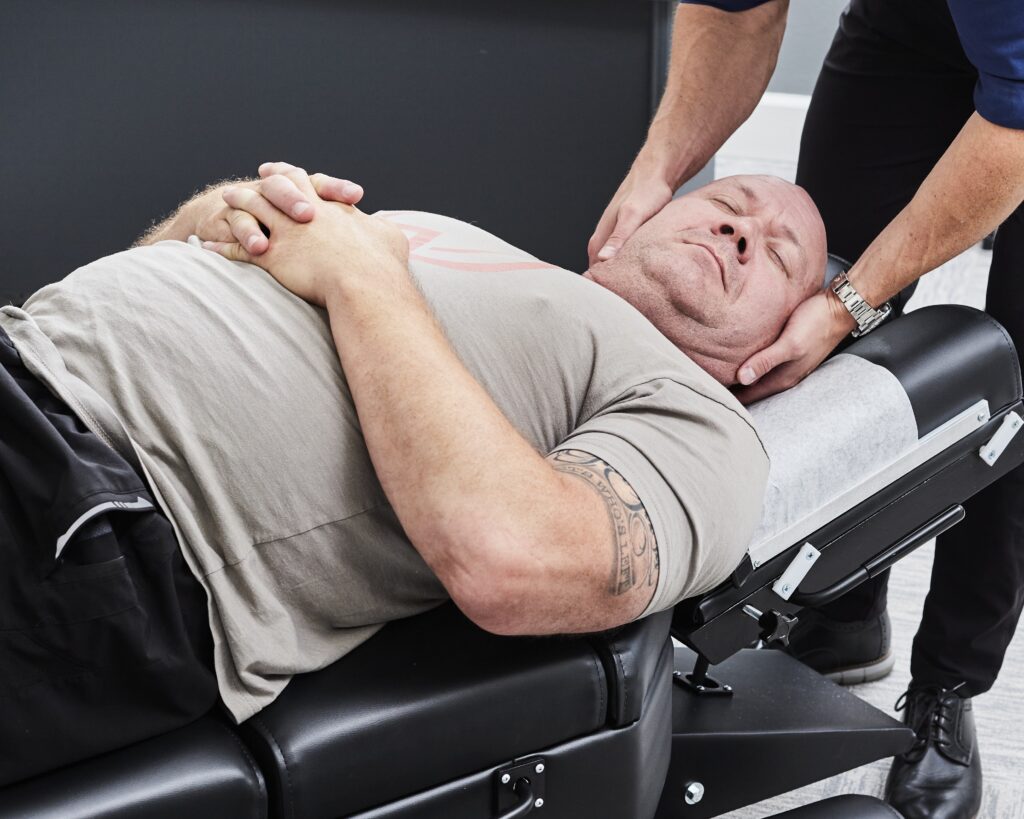
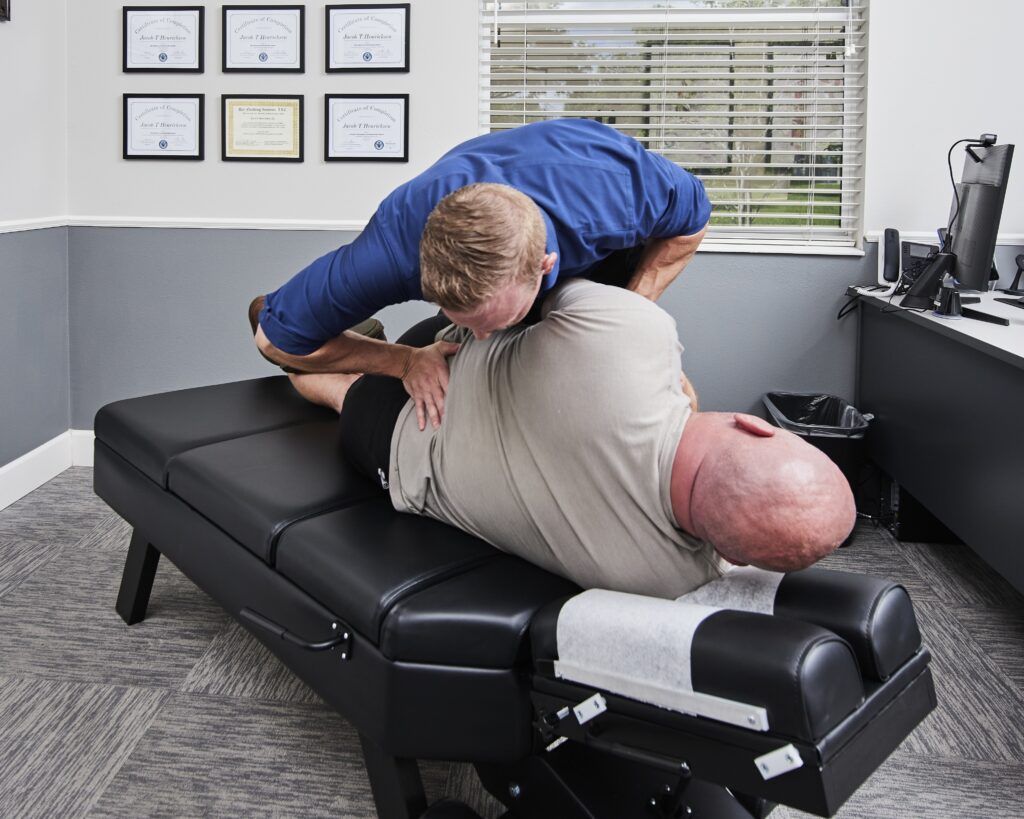
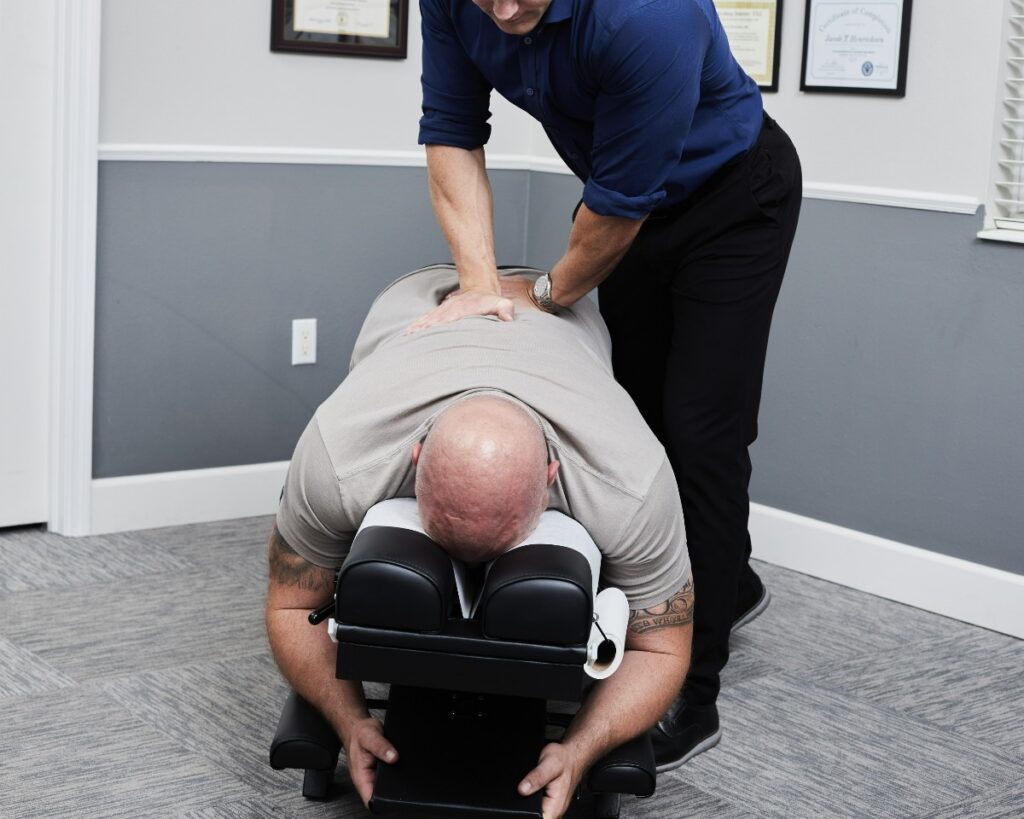
How can manual therapy approaches enhance your recovery from sports injuries? These hands-on techniques can notably alleviate pain, improve mobility, and promote healing. By targeting specific muscles, joints, and soft tissues, manual therapy helps release tension and restore proper function. Techniques such as joint mobilization, soft tissue manipulation, and myofascial release can be particularly beneficial.
When you engage in manual therapy, you're not just addressing the symptoms; you're also identifying the underlying issues contributing to your injury. This approach enhances blood flow to the injured area, which accelerates the healing process. You'll likely notice a reduction in pain and an increase in your range of motion after just a few sessions.
Moreover, manual therapy encourages your body to re-establish proper movement patterns, which can prevent future injuries. By working closely with a skilled therapist, you'll gain personalized treatment tailored to your specific needs.
Incorporating manual therapy into your recovery plan can make a considerable difference. So, don't hesitate to explore these techniques as part of your journey back to peak performance. You deserve a thorough approach to healing that empowers you to get back to the sports you love.
Strengthening Exercises
Incorporating strengthening exercises into your recovery plan is essential for regaining strength and stability after a sports injury. These exercises help rebuild the muscles surrounding the injured area, improve coordination, and enhance overall functionality.
Start with low-impact movements that allow you to maintain proper form while building strength. Consider bodyweight exercises like squats, lunges, and push-ups, as they help develop foundational strength without overloading your body.
As you progress, you can integrate resistance bands or light weights to further challenge your muscles. Focus on both concentric and eccentric movements, as they play a vital role in muscle development and injury prevention.
Consistency is key—aim to incorporate these exercises into your routine at least three times a week. Pay attention to your body's signals; if something feels off or painful, adjust your approach.
Gradually increase the intensity or complexity of the exercises as you gain confidence and strength.
Modalities for Pain Relief
After focusing on strengthening exercises, it's important to explore various modalities for pain relief that can complement your recovery process.
These techniques can help alleviate discomfort and promote healing, allowing you to get back to your sport faster.
One effective method is heat therapy. Applying heat can increase blood flow to the area, relax muscles, and reduce stiffness. You might try using a heating pad or warm towel for about 15-20 minutes.
Conversely, cold therapy can numb pain and reduce inflammation. Ice packs can be applied for 15-20 minutes to help manage acute pain.
Another useful modality is ultrasound therapy, which uses sound waves to penetrate deep tissues and promote healing. If your physical therapist recommends it, you might find it beneficial for chronic pain or soft tissue injuries.
Electrical stimulation, or TENS, is another option. It sends gentle electrical impulses to reduce pain perception.
Finally, manual therapy techniques like massage can relieve tension and improve circulation.
Discuss these options with your physical therapist to tailor a pain relief plan that suits your specific needs.
Combining these modalities with your strengthening exercises will enhance your recovery journey.
Innovative Rehabilitation Tools
When you're recovering from a sports injury, innovative rehabilitation tools can make a significant difference.
Cutting-edge recovery devices, virtual reality integration, and advancements in wearable technology offer new ways to enhance your healing process.
Let's explore how these tools can help you get back to your game faster and more effectively.
Cutting-Edge Recovery Devices
Cutting-edge recovery devices are revolutionizing the way athletes heal from injuries, enhancing rehabilitation with innovative technology. You'll find various devices designed to speed up recovery, reduce pain, and improve overall performance.
One such device is the electrical muscle stimulation (EMS) unit, which helps stimulate muscle contractions and increases blood flow. You can use it during your recovery to maintain muscle strength while minimizing strain on your injury.
Another exciting tool is the cryotherapy chamber, which exposes your body to extremely cold temperatures to reduce inflammation and accelerate healing. It's a quick and effective way to manage pain after intense workouts or injuries.
Additionally, pneumatic compression devices can aid in reducing swelling and improving circulation, making them ideal for post-injury recovery.
Wearable technology, like smart braces and recovery monitors, also plays an essential role in tracking your progress. These gadgets provide real-time feedback, letting you know when it's safe to push your limits.
Virtual Reality Integration
Virtual reality (VR) integration is transforming rehabilitation by offering immersive experiences that promote healing and recovery. When you engage with VR during your rehabilitation, you're not just going through the motions; you're stepping into a world designed to motivate and challenge you. This technology simulates real-life scenarios, making your exercises feel more like a game than a chore.
As you navigate through virtual environments, you can focus on specific movements needed for your recovery. Gamified elements encourage you to push your limits, helping you regain strength and coordination in a fun, engaging way.
Plus, VR allows you to track your progress in real-time, providing instant feedback that can enhance your performance. What's more, VR can reduce the perception of pain and anxiety, making your rehabilitation process more comfortable. You can immerse yourself in calming landscapes or participate in exciting activities that distract you from discomfort.
Wearable Technology Advancements
As you explore innovative ways to enhance your rehabilitation, wearable technology is revolutionizing the landscape of recovery. These advanced tools are designed to monitor your progress and provide real-time feedback, making it easier to stay on track. Devices like smartwatches, fitness trackers, and specialized sensors can measure your heart rate, movement, and muscle activity, giving you insights into your physical condition.
With data collected from these wearables, you can identify patterns and adjust your recovery plans accordingly. For instance, if you're not meeting your mobility goals, these devices can suggest specific exercises or stretches to improve your range of motion.
You'll also enjoy the convenience of tracking your progress without needing to visit a clinic constantly.
Moreover, many wearables integrate with mobile apps, allowing you to set reminders, log your workouts, and even connect with your healthcare provider for remote consultations. This level of connectivity guarantees that you remain engaged and accountable during your recovery journey.
Embracing wearable technology not only enhances your rehabilitation experience but also empowers you to take control of your recovery like never before. So, consider incorporating these innovative tools into your routine for a more effective path to healing.
Nutrition for Recovery
Nutrition plays an essential role in your recovery from sports injuries, and incorporating the right foods can greatly speed up the healing process. After an injury, your body needs specific nutrients to repair tissues, reduce inflammation, and regain strength. Focus on a balanced diet rich in protein, healthy fats, and complex carbohydrates.
Protein is vital for muscle repair and growth. Include lean meats, fish, eggs, legumes, and dairy products in your meals. Aim for about 1.2 to 2.0 grams of protein per kilogram of body weight daily, depending on the severity of your injury.
Healthy fats, like those found in avocados, nuts, and olive oil, can help reduce inflammation and promote healing.
Don't neglect carbohydrates; they're your body's primary energy source. Opt for whole grains, fruits, and vegetables to keep your energy levels up. These foods also provide essential vitamins and minerals that support overall health.
Hydration is another key component of recovery. Water helps transport nutrients to injured tissues and removes waste products. Make sure you're drinking enough fluids throughout the day, especially if you're undergoing physical therapy or engaging in light exercise.
Lastly, consider consulting a nutritionist or dietitian who specializes in sports injuries. They can help tailor an eating plan that meets your specific needs and recovery goals.
Mental Health and Healing
While focusing on nutrition is essential for physical recovery, don't overlook the impact of mental health on your healing process. Your mind plays a fundamental role in how quickly and effectively you bounce back from an injury. When you're sidelined, it's easy to feel frustrated, anxious, or even depressed. Acknowledging these feelings is the first step toward managing them.
Engaging in activities that promote mental well-being can greatly enhance your recovery. Consider incorporating mindfulness practices, such as meditation or deep breathing exercises, into your daily routine. These techniques can help you stay grounded and foster a positive mindset, which is critical when facing the challenges of rehabilitation.
Visualizing your recovery and imagining yourself back in action can also boost motivation and resilience.
Don't hesitate to reach out for support, whether it's from friends, family, or a mental health professional. Sharing your feelings can alleviate stress and provide a sense of connection, reminding you that you're not alone in this journey.
Setting small, achievable goals during your recovery can also help you maintain focus and feel a sense of accomplishment, even when progress seems slow.
Benefits of Rest and Sleep
Rest and sleep are crucial for your recovery after a sports injury.
They play an essential role in healing your body and boosting your immune function.
Essential Healing Process
An athlete's recovery hinges on the essential healing process that includes ample rest and quality sleep. When you're injured, your body needs time to repair itself. Skimping on rest can slow down your recovery, prolonging your time away from the sport you love.
It's during sleep that your body releases growth hormones, which play a significant role in healing tissues and muscles.
Prioritizing sleep isn't just about quantity; it's also about quality. Creating a sleep-friendly environment can dramatically improve your rest. Keep your bedroom cool, dark, and quiet to enhance your sleep quality.
Establishing a bedtime routine can signal your body that it's time to wind down, promoting deeper sleep cycles.
Additionally, don't underestimate the power of naps. Short, restorative naps can help you combat fatigue and boost your mental focus, which is vital for your overall recovery.
Incorporating rest days into your training schedule allows your body to recuperate and prevents overtraining.
Boosts Immune Function
During recovery, prioritizing rest and sleep greatly boosts your immune function. When you give your body the time it needs to rest, you're allowing your immune system to recharge and fight off infections more effectively. Sleep triggers the release of essential cytokines, proteins that play a key role in your body's immune response. Without enough sleep, your body's ability to produce these protective substances diminishes.
Additionally, during deep sleep, your body undergoes significant repair processes. This is when muscle growth, tissue repair, and protein synthesis occur, all necessary for getting back on your feet. By getting quality sleep, you're not only aiding in physical recovery but also strengthening your immune defenses against illnesses that could derail your progress.
You might feel tempted to push through fatigue, but remember, your body needs this downtime. Prioritize a consistent sleep schedule, and create a restful environment to enhance your sleep quality.
Holistic Healing Approaches
Healing isn't just about treating physical injuries; it encompasses a holistic approach that nurtures the body, mind, and spirit. When you're recovering from a sports injury, it's vital to reflect on all aspects of your well-being. Integrating holistic healing techniques can greatly enhance your recovery process.
Start by focusing on nutrition. Eating a balanced diet rich in vitamins and minerals supports tissue repair and boosts your immune system. Incorporate foods high in antioxidants, like fruits and vegetables, to reduce inflammation and promote healing.
Next, reflect on mindfulness practices. Techniques such as meditation or yoga can help you manage stress and anxiety, which often accompany injuries. These practices not only calm your mind but also improve your body awareness, enabling you to listen to your body's needs more effectively.
Additionally, don't overlook the importance of rest and sleep. Quality sleep is essential for recovery, allowing your body to repair itself. Create a comfortable sleep environment and establish a soothing bedtime routine to enhance your rest.
Lastly, explore alternative therapies like acupuncture or massage. These can alleviate pain and improve circulation, promoting quicker healing. Engaging with a professional in these fields can provide personalized care tailored to your specific needs.
Setting Realistic Recovery Goals
As you embrace holistic healing, it's important to set realistic recovery goals that align with your journey. Start by evaluating your current condition and understanding the nature of your injury. This will help you identify what's achievable in both the short and long term.
Break down your recovery process into smaller, manageable milestones. For instance, if you're recovering from a knee injury, your first goal might be to regain full range of motion before progressing to strength training. Write down these goals, and make sure they're specific, measurable, and time-bound. This clarity will keep you focused and motivated.
Communicate with your healthcare provider about your goals. They can provide valuable insights and help adjust your expectations based on your progress. Remember, recovery isn't always linear. You may hit setbacks, and that's completely normal. Adjust your goals as necessary, and don't be too hard on yourself.
Also, consider incorporating mental and emotional wellness into your recovery goals. Practices like mindfulness or meditation can greatly enhance your healing process. Acknowledge the importance of rest and give your body the time it needs to heal.
Lastly, celebrate your achievements, no matter how small. Each step you take toward recovery is a victory. By setting realistic goals, you'll create a structured path that not only fosters physical healing but also nurtures your overall well-being. Embrace the journey and trust the process.
Staying Motivated During Recovery
Maintaining motivation throughout your recovery can be challenging, especially when faced with setbacks. You might find yourself frustrated and questioning if you'll ever return to your previous level of performance. To combat these feelings, embrace a positive mindset. Focus on the small victories, like regaining range of motion or completing a successful rehabilitation session. Celebrate these milestones, as they're crucial steps toward your ultimate goal.
Surround yourself with a supportive network. Friends, family, and teammates can provide encouragement and accountability. Share your goals and progress with them; their support can keep you motivated during tough days. Consider joining a community or online group focused on injury recovery. Connecting with others who understand your struggles can provide invaluable insight and encouragement.
Establish a daily routine that incorporates your rehabilitation exercises. Consistency is key—set aside specific times for your recovery activities, and treat them as non-negotiable appointments. Mixing in activities you enjoy can also help. For instance, if you love reading or watching sports, indulge in those during your downtime to keep your spirits high.
Lastly, visualize your success. Picture yourself back in your sport, performing at your best. This mental imagery can reinforce your commitment to recovery and remind you why you're doing this.
Conclusion
Incorporating a multifaceted approach to your recovery from sports injuries is essential. By understanding your injury, seeking early intervention, and committing to physical therapy, you'll set yourself up for success. Don't underestimate the power of nutrition, rest, and holistic practices—they can make a significant difference. Stay focused on your realistic goals, and remember to keep your motivation high. With dedication and the right strategies, you'll be back in the game stronger than ever.