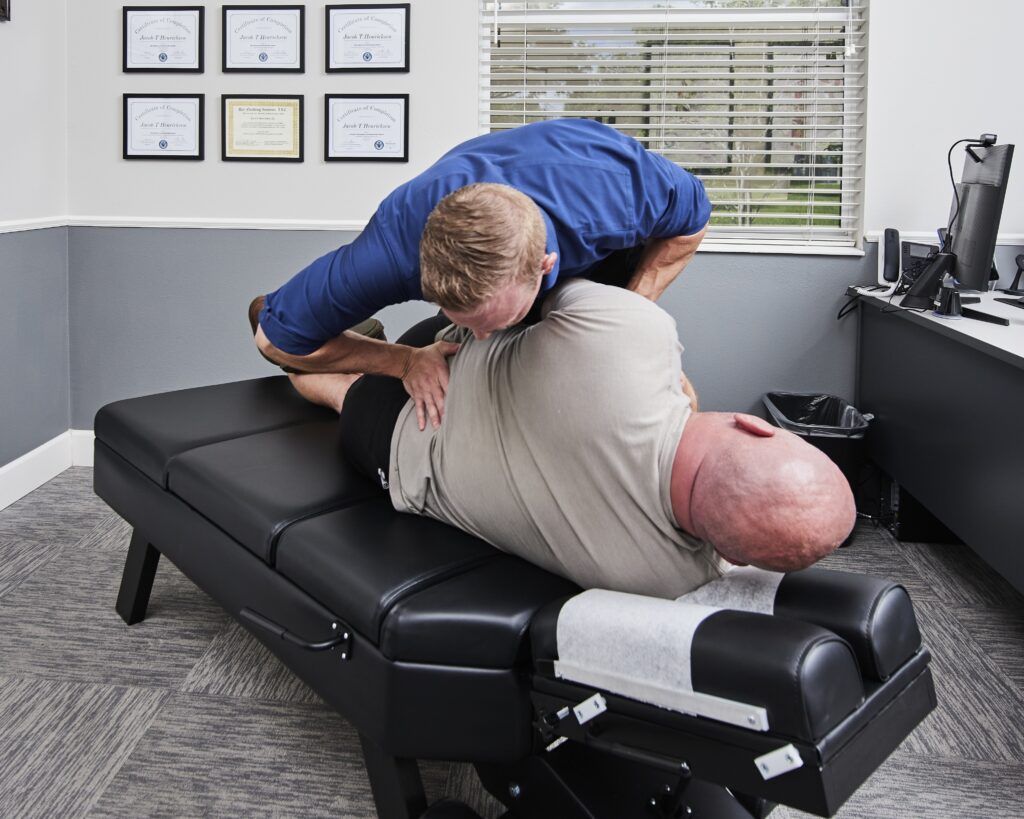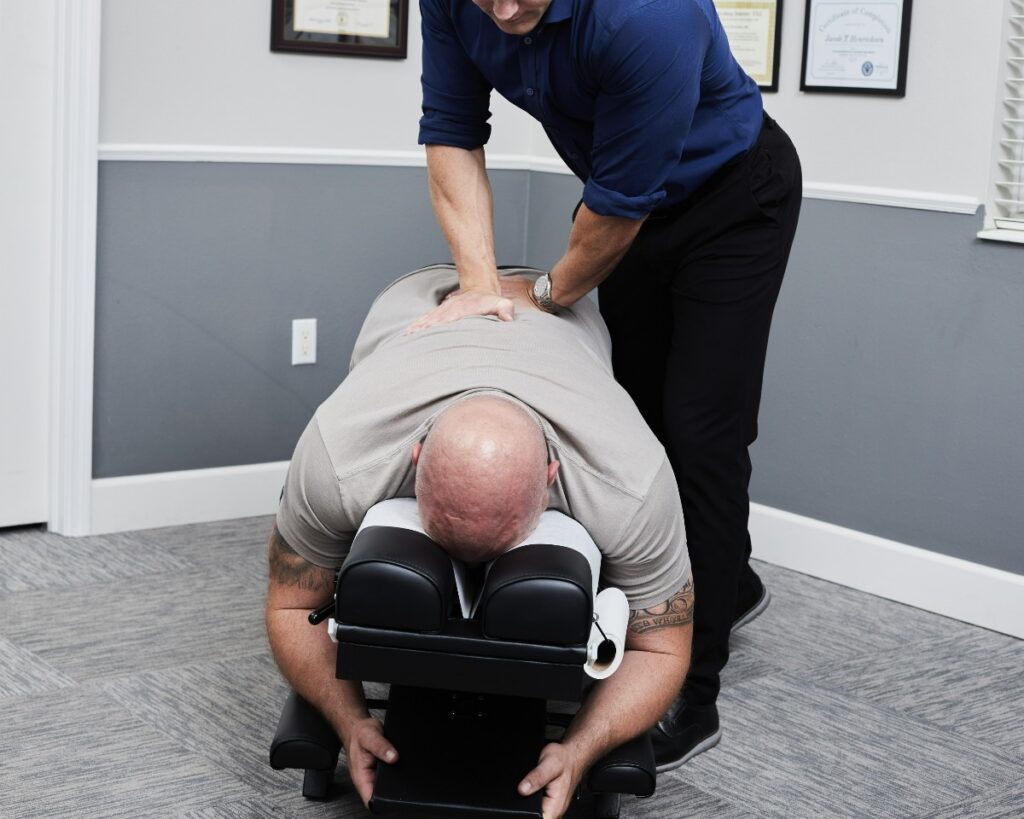

As a local chiropractor, I often see patients who experience that all-too-familiar tension in their backs, leading them to instinctively want to crack it for relief. However, it's important to understand that these quick fixes can sometimes result in more discomfort or even increased stress in the long run. Instead of relying on those immediate solutions, I encourage you to explore mindful movement and gentle stretching as a way to promote not only your back health but also your overall well-being.
By focusing on proper posture and incorporating breathing exercises into your daily routine, you can create a positive shift in your mindset. Imagine developing a consistent routine that not only alleviates your back pain but also boosts your mental clarity. Chiropractic care emphasizes the importance of a holistic approach to health, and I'm here to guide you on this journey toward a more balanced and pain-free life. Let's work together to find the best methods that suit you and foster lasting relief.
Understanding Back Tension
As a local chiropractor, I want to help you understand back tension and how it affects your overall well-being. Many of my patients describe it as a heavy weight on their shoulders, and recognizing this tension is the first step toward finding relief. You may experience tightness, discomfort, or even pain in your back, and these sensations can arise from a variety of sources. Common contributors include stress, poor posture, and long hours spent sitting at a desk.
Ignoring the signals your body sends can lead to chronic issues that disrupt daily life. To start addressing back tension, I encourage you to pay close attention to your daily habits. Evaluate how you sit, stand, and move throughout the day. If you find yourself hunched over your phone or slouched in your chair, you may be worsening the problem. Prolonged tension can cause your muscles to tighten and fatigue, resulting in discomfort.
Breathing techniques are also essential in managing back tension. Shallow breathing can amplify stress and lead to increased tension in your upper back. I recommend focusing on deep, diaphragmatic breaths to promote relaxation in your body.
Additionally, incorporating stretching into your routine can help release the built-up tension in your muscles. Gentle movements like walking or yoga can encourage blood flow and further contribute to relaxation.
Understanding back tension isn't just about pinpointing the pain; it's also about recognizing the habits and lifestyle choices that contribute to it. By becoming more aware of these factors, you can make informed changes that lead to a more comfortable and balanced life.
As your chiropractor, I'm here to guide you on this journey toward natural healing and improved well-being.
Benefits of Mindful Movement
As a local chiropractor, I want to highlight the importance of mindful movement beyond just simple stretching.
This practice not only contributes to your physical well-being but also sharpens your mental clarity. By paying close attention to each movement, you create a deeper connection between your body and mind.
This connection can lead to improved health outcomes and enhanced cognitive function. By incorporating mindful movement into your routine, you can experience a transformation in how you feel both physically and mentally, supporting your overall wellness journey with natural healing methods.
Enhanced Physical Well-being
How often do you take a moment to check in with your body? As a chiropractor, I want to emphasize the importance of mindful movement for your physical well-being. Engaging in activities like yoga, tai chi, or even simple stretches isn't just about moving; it's about tuning into your body's needs. This awareness allows you to recognize areas of tension or discomfort early on, enabling you to address them before they develop into more significant issues.
Incorporating mindful movement into your routine can greatly enhance your flexibility, strength, and balance. You may find that reaching for items on high shelves becomes easier or navigating stairs feels more confident. Regular practice contributes to better posture, which can alleviate back pain and lower the risk of injury—two common issues I see in my practice.
Moreover, embracing mindful movement can boost your overall energy levels. Many patients report feeling more invigorated throughout the day as a result of improved blood flow and oxygen delivery to the muscles.
Improved Mental Clarity
As a chiropractor, I want to share how engaging in mindful movement can significantly enhance your overall well-being, both physically and mentally.
When you participate in activities such as yoga, tai chi, or even a mindful walk, you're doing more than just exercising your body; you're also fostering a deeper connection with yourself and the present moment. This increased awareness can effectively clear away mental fog and distractions, allowing your thoughts to flow more freely.
Incorporating mindful movement into your daily routine can lead to noticeable improvements in focus and concentration. By training your mind to be fully present, you may find that your problem-solving and decision-making abilities become sharper. Tasks that once felt daunting can become more manageable when approached with a clear and focused mind.
Additionally, the deep breathing techniques often used in these practices can help reduce stress and anxiety, further enhancing your mental clarity.
Simple Stretching Techniques
As a chiropractor, I want to emphasize the importance of incorporating stretching into your daily routine to maintain a healthy back. You don't have to set aside a lot of time; dedicating just a few minutes each day can yield remarkable benefits for your spinal health.
Let's start with a fundamental stretch known as the cat-cow stretch. Position yourself on all fours, with your hands directly under your shoulders and your knees under your hips. As you inhale, arch your back, lifting your head and tailbone towards the ceiling. Then, as you exhale, gently round your spine, tucking your chin to your chest. This dynamic movement helps to warm up your spine and enhances flexibility, which is crucial for overall back health.
Next, I recommend the seated forward bend. Sit comfortably on the floor with your legs extended straight in front of you. As you take a deep breath in, reach your arms overhead. Then, as you exhale, hinge at your hips and reach toward your toes. This stretch effectively targets your lower back and hamstrings, alleviating tension and promoting a sense of relaxation.
Another beneficial technique is the spinal twist. While seated in a cross-legged position, place your right hand on your left knee and gently rotate your torso to the left. Hold this position for a few breaths, allowing your spine to unwind, and then switch to the other side. This twist is excellent for maintaining spinal mobility and reducing stiffness, which can often lead to discomfort.
Finally, I encourage you to try the child's pose. Kneel on the floor, sit back on your heels, and stretch your arms forward on the ground. This restorative pose not only promotes relaxation but also provides a gentle stretch for your lower back.
Incorporating Breathing Exercises
As a chiropractor, I often find that breathing exercises are an essential yet frequently overlooked component of maintaining back health and promoting overall relaxation. Incorporating these simple exercises into your daily routine can significantly alleviate tension and improve posture, which are key aspects of your spinal health.
When you focus on your breath, you aren't just increasing your oxygen intake; you're also calming both your mind and body, which can greatly enhance your healing process.
To get started, find a comfortable position—whether sitting or standing. Begin by taking a deep breath in through your nose, allowing your abdomen to expand completely. Hold that breath for a moment, and then exhale slowly through your mouth. Repeat this process several times, and you may find that your body starts to relax, easing any tightness you might be feeling in your back.
I recommend trying the 4-7-8 breathing technique as well. Inhale for a count of four, hold your breath for seven seconds, and then exhale completely for eight counts. This method not only promotes relaxation but also helps to release any built-up tension in your body, which can be particularly beneficial for those of you who may experience discomfort.
Additionally, consider pairing these breathing exercises with your stretching routines. As you stretch, keep your breath in mind to deepen your movements. Inhale as you expand and exhale as you release. This connection between breath and movement won't only enhance your flexibility but also support your spinal health, which is crucial for your overall well-being.
Remember, incorporating these practices into your routine can be a powerful way to support your body's natural healing abilities and improve your overall quality of life.
If you have any questions or need guidance on how to integrate these exercises effectively, please feel free to reach out!
Creating a Relaxation Routine
As a local chiropractor, I want to share with you the importance of establishing a relaxation routine for your back health and overall wellness. Many of my patients are often surprised by how effective simple practices can be in reducing tension and stress, which are common culprits of discomfort and pain.
I recommend setting aside a specific time each day solely for unwinding. Whether you choose to do this in the morning to set a positive tone for your day or in the evening to help you relax before bed, consistency is key.
Incorporating breathing exercises, gentle stretches, and even mindfulness or meditation into your daily routine can be incredibly beneficial. Focus on deep breathing—inhale slowly through your nose and exhale gently through your mouth. This not only calms your mind but also helps relax the muscles in your back and neck, areas that often hold tension.
As you practice these breathing techniques, consider adding light stretches that emphasize your back, neck, and shoulders. This can help alleviate tightness and improve your flexibility, which is crucial for maintaining good spinal health.
Additionally, I encourage you to spend a few minutes in mindfulness or meditation. Find a quiet space, sit comfortably, and focus on the present moment. Allow yourself to release the worries of the day; even a short period of mindfulness can lead to a clearer mind and a more relaxed body.
Lastly, don't underestimate the importance of your environment. Creating a soothing atmosphere—by dimming the lights, playing soft music, or using essential oils—can significantly enhance your relaxation experience. A calming setting makes it much easier to unwind and stick to your routine.
Seeking Professional Help
When back pain continues despite your best efforts at home, it might be the right moment to explore professional care, particularly chiropractic treatment. Many individuals try at-home remedies—such as stretching, heat therapy, or over-the-counter pain relievers—but when discomfort persists, it's essential to seek guidance from a trained expert.
As a chiropractor, I encourage you to begin by consulting with your primary care physician. They can evaluate your condition, discuss your symptoms, and may suggest imaging tests like X-rays or MRIs to accurately identify the underlying issue. This initial step is crucial, as it helps eliminate serious conditions that could be causing your pain, such as herniated discs or spinal stenosis.
If your doctor believes chiropractic care could be beneficial, they may refer you to a chiropractor like myself. Chiropractors specialize in the management of back pain and can develop a personalized treatment plan tailored to your specific needs. Our approach often involves spinal adjustments that help realign your spine, which can alleviate pain and enhance overall body function.
Additionally, we may incorporate exercises that strengthen your back, improve flexibility, and teach you about proper posture to prevent future issues.
I also encourage open discussions about any concerns you may have regarding medications or alternative treatments, such as acupuncture or massage therapy. It's vital to find a healing method that not only relieves your pain but also aligns with your lifestyle.
Conclusion
As a local chiropractor, I want to share with you some effective ways to manage back tension while maintaining your peace of mind. By embracing mindful practices, you can significantly improve your back health. Start by paying attention to your posture, as it plays a crucial role in preventing discomfort. Incorporating simple stretches into your daily routine can also be beneficial. Additionally, engaging in breathing exercises can enhance your overall well-being.
Establishing a consistent relaxation routine is essential; it not only supports your back but also helps clear your mind, allowing you to tackle daily challenges more effectively. If you find that your discomfort persists, I encourage you to seek professional help. Remember, taking care of your back is vital for achieving both physical and mental balance. As your chiropractor, I'm here to guide you on your journey towards better health!