As a local chiropractor, I understand how discouraging it can be when sports-related back pain interrupts your athletic performance. It's crucial to grasp the underlying causes of this discomfort and recognize the significance of proper technique in your sport. By focusing on tailored recovery strategies and integrating strength and flexibility exercises into your routine, you can bolster your body's resilience against injuries.
However, it's important to remember that effective pain management goes beyond just physical adjustments. The guidance of a chiropractic professional can play a vital role in your healing process. We can help identify specific issues and recommend preventive measures to keep you in peak condition. So, how can you seamlessly incorporate these elements into your daily activities for long-lasting relief? Let's work together to create a personalized plan that addresses your unique needs and helps you perform at your best!
Understanding Back Pain Causes
As a local chiropractor, I want to help you understand the various causes of sports-related back pain, especially if you're not familiar with chiropractic care and natural healing methods. Many athletes and active individuals experience discomfort in their backs, and it's often due to a combination of several factors.
First, let's talk about the physical demands of your sport. Engaging in high-impact activities, such as soccer or basketball, can lead to strains and sprains in your back muscles. If you participate in sports that involve repetitive motions—like swimming or tennis—you may also be at risk for overuse injuries, which can significantly contribute to your back pain.
It's also important to evaluate your body mechanics. Poor posture during training or competition can place unnecessary stress on your spine. For instance, if you're lifting weights without proper form, it could be detrimental to your back health. Additionally, muscle imbalances—where some muscles are stronger than others—can lead to misalignment of the spine, causing discomfort.
Don't underestimate the importance of proper warm-ups and cool-downs. Neglecting these essential routines can lead to stiffness, making you more prone to injury. Fatigue plays a role as well; when you're tired, your body may not function optimally, increasing the likelihood of strains.
Lastly, psychological factors shouldn't be overlooked. Stress and anxiety can lead to muscle tension, which may worsen your back pain. By recognizing these causes, you can take proactive steps to minimize your risk of injury.
As your chiropractor, I can provide guidance on how to maintain your back health and enjoy your sport without the burden of pain. Understanding these aspects is the first step toward effectively managing and overcoming sports-related back pain through chiropractic care.
Importance of Proper Technique
As a local chiropractor, I want to emphasize the importance of proper technique when engaging in any sport.
Using the right body mechanics is crucial for preventing back pain and maintaining a healthy spine. Incorporating strength training and flexibility exercises into your routine can significantly contribute to your overall well-being.
By paying attention to these fundamental practices, not only can you enhance your athletic performance, but you can also reduce the risk of injury.
Correct Body Mechanics
As a local chiropractor, I want to share with you the importance of proper body mechanics in preventing sports-related back pain. Even slight misalignments in your posture can lead to significant discomfort over time. When participating in any sport, being mindful of how your body moves can make a substantial difference in your overall well-being.
It's crucial to maintain a neutral spine and avoid hunching or overextending your body during activities. This means keeping your shoulders relaxed yet engaged, while also focusing on strengthening your core. By doing so, you create a stable foundation that supports your back.
Paying attention to your posture is key, whether you're running, lifting weights, or playing a game. When lifting, for example, always bend at the knees rather than at the waist. This small adjustment can greatly reduce the strain on your back.
Also, when engaging in sports, strive for movements that are fluid and controlled, avoiding any abrupt or jerky motions.
Warming up properly before any physical activity is essential as well. This practice prepares your muscles and joints, significantly lowering your risk of injury. Incorporating flexibility exercises into your routine can enhance your range of motion and promote better body mechanics overall.
Remember, using the right technique not only boosts your athletic performance but also keeps your back healthy and free from pain.
Prioritizing proper body mechanics is a vital step in maintaining your active lifestyle and staying in the game. As your chiropractor, I'm here to support you in understanding and implementing these principles for your natural healing journey.
Strength Training Essentials
As a local chiropractor, I want to emphasize the importance of strength training for enhancing your athletic performance and overall well-being. However, it's crucial to approach it with the right technique to avoid injuries, especially to your back. Many people overlook proper form, which can lead to complications down the road.
When engaging in strength training—whether lifting weights or doing resistance exercises—always prioritize your alignment and stability. It's essential to engage your core muscles to support your spine and maintain controlled movements to minimize unnecessary strain on your body.
I recommend starting with lighter weights to master your technique before progressing to heavier loads. This allows you to concentrate on the mechanics of each exercise, ensuring you're executing them correctly. Pay attention to your posture; keeping your back straight and shoulders back not only helps maximize your strength gains but also protects your back from injury.
Breathing is another crucial aspect to be mindful of. Exhale during the exertion phase of your exercise and inhale during the recovery phase. While it may seem like a small detail, it can significantly impact your performance and safety.
If you're new to strength training or unsure about your technique, consider working with a personal trainer or a knowledgeable partner who can provide guidance and feedback. By committing to proper form and technique, you can build a solid foundation for your strength training journey.
This commitment will lead to improved athletic performance and a reduced risk of back pain—something I see all too often in patients who've neglected these fundamentals. Remember, taking care of your body now will pay off in the long run, and as a chiropractor, I'm here to support you on that journey to natural healing and wellness.
Flexibility and Mobility
As your local chiropractor, I want to emphasize the vital role that flexibility and mobility training plays in your overall health and well-being. Many people often focus solely on strength training, but incorporating flexibility and mobility exercises into your routine is equally important for enhancing athletic performance and preventing injuries.
When your muscles and joints are flexible, they can move through their full range of motion, significantly reducing the risk of sports-related back pain and other injuries. By improving your flexibility, you can perform physical activities with better efficiency and less strain on your body.
To enhance your flexibility, I recommend focusing on dynamic stretches before your workouts to prepare your body for movement, followed by static stretches after your workouts to aid in recovery. Additionally, mobility exercises, such as hip openers and thoracic spine rotations, are essential for enhancing joint function, which supports balance and stability.
I can't stress enough the importance of proper technique during these exercises. Using incorrect form can lead to injuries, which would counteract the benefits of your training efforts. If you're unsure about your form or how to start, please don't hesitate to reach out to me or a qualified professional for guidance.
By prioritizing flexibility and mobility in your training regimen, you not only improve your athletic performance but also build a strong foundation for long-term health and injury prevention.
Effective Recovery Strategies
As a local chiropractor, I want to share some valuable insights on recovering from sports-related back pain.
It's crucial to focus on customized stretching and strengthening exercises that cater to your specific needs. These movements not only help alleviate pain but also promote overall spinal health.
Equally important is ensuring you get adequate rest. Rest allows your body to heal and regain strength, which is essential for a successful recovery.
By combining these natural healing strategies with chiropractic care, you can enhance your recovery process and return to the activities you love with confidence.
Stretching and Strengthening Exercises
As a local chiropractor, I want to emphasize the importance of incorporating targeted stretching and strengthening exercises into your recovery plan, especially if you're dealing with sports-related back pain. These exercises are crucial for enhancing flexibility, building muscle support, and minimizing the risk of future injuries.
To begin, focus on gentle stretches that concentrate on the lower back, hamstrings, and hips. These areas are often significant contributors to back discomfort, so alleviating tension here is vital for your recovery. Dynamic stretches such as pelvic tilts and cat-cow stretches can help promote mobility, making your movements smoother and more comfortable.
As you become more familiar with these movements, it's beneficial to integrate strengthening exercises that emphasize your core. Exercises like planks and bridges play a key role in stabilizing your spine and supporting proper posture—critical elements for anyone active in sports.
It's essential to listen to your body throughout this process. Avoid pushing through any pain, and gradually increase the intensity and duration of your workouts while ensuring you maintain proper form to prevent any further injury.
If you're uncertain about how to start or progress with these exercises, consider consulting with a physical therapist or a chiropractor who can provide a personalized program tailored to your needs.
Proper Rest and Recovery
As a local chiropractor, I want to emphasize the importance of proper rest and recovery when it comes to managing sports-related back pain. Many people underestimate how crucial it's to allow their bodies the time they need to heal. Without adequate recovery, you not only risk extending your discomfort but also impede your overall progress toward wellness.
It's essential to pay attention to your body's signals and recognize when it's time to take a break. Here are some effective recovery strategies I recommend:
- Prioritize Sleep: Strive for 7-9 hours of quality sleep each night. This is when your body does most of its healing and muscle repair, allowing you to wake up feeling rejuvenated.
- Hydrate: Staying well-hydrated is vital. Drinking plenty of water helps keep your muscles functioning properly and can aid in the recovery process.
- Active Recovery: Consider incorporating low-impact activities, such as walking or swimming, into your routine. These activities promote blood circulation and can help relieve tension in your back without putting additional strain on it.
- Use Ice and Heat: Applying ice can help reduce inflammation, while heat can relax tightened muscles. Both methods are effective for alleviating pain and discomfort you may be experiencing.
- Scheduled Breaks: It's important to plan regular rest days in your training schedule. This not only helps prevent overuse injuries but also gives your body the necessary time to recuperate.
At our chiropractic office, we believe that understanding these recovery techniques is just as important as any treatment plan. By incorporating these strategies into your routine, you can support your body's natural healing processes and work towards a pain-free lifestyle.
Role of Physical Therapy
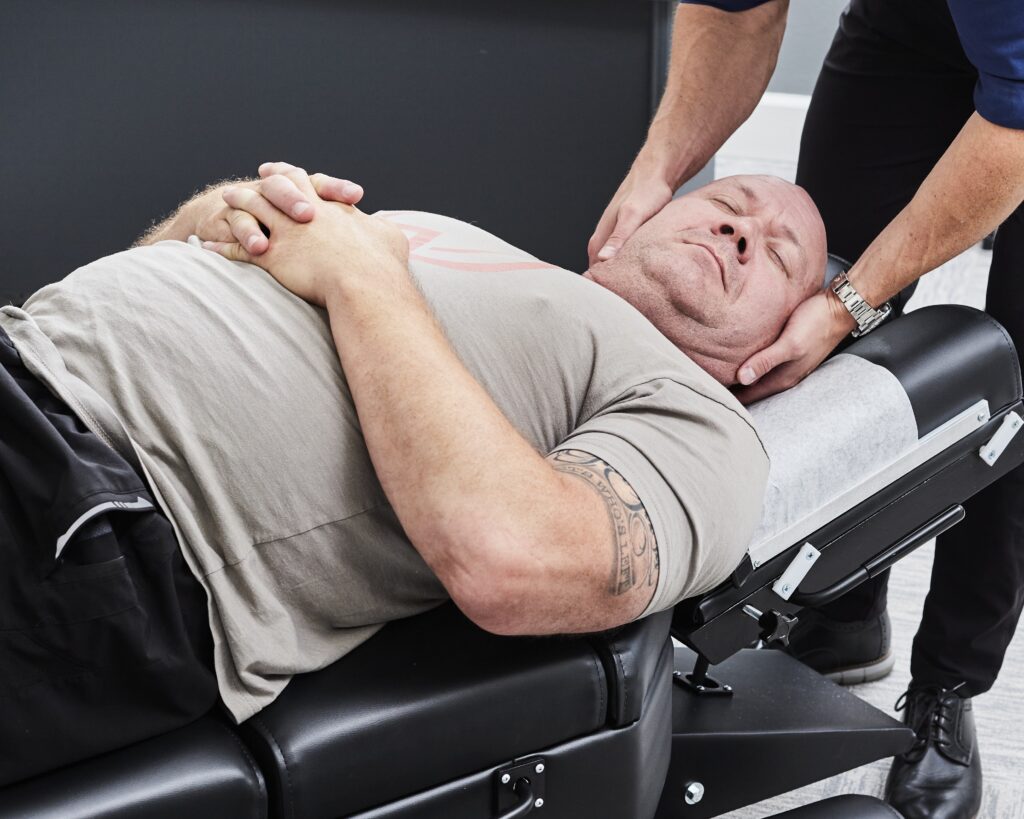
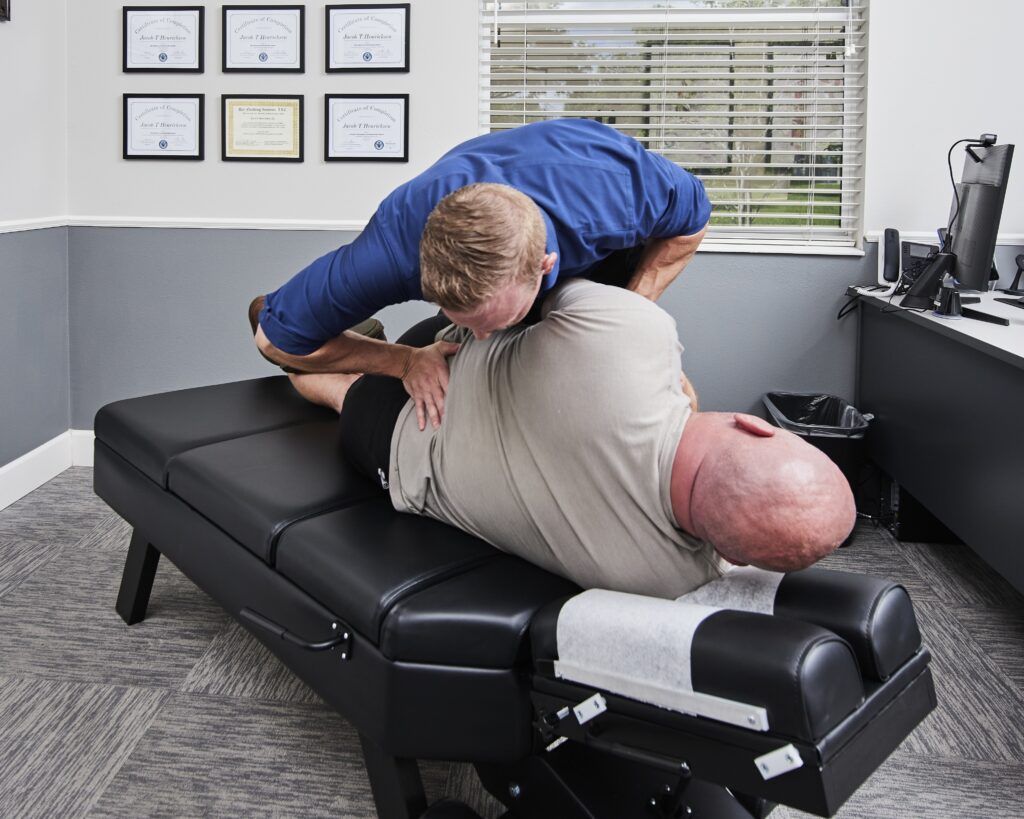
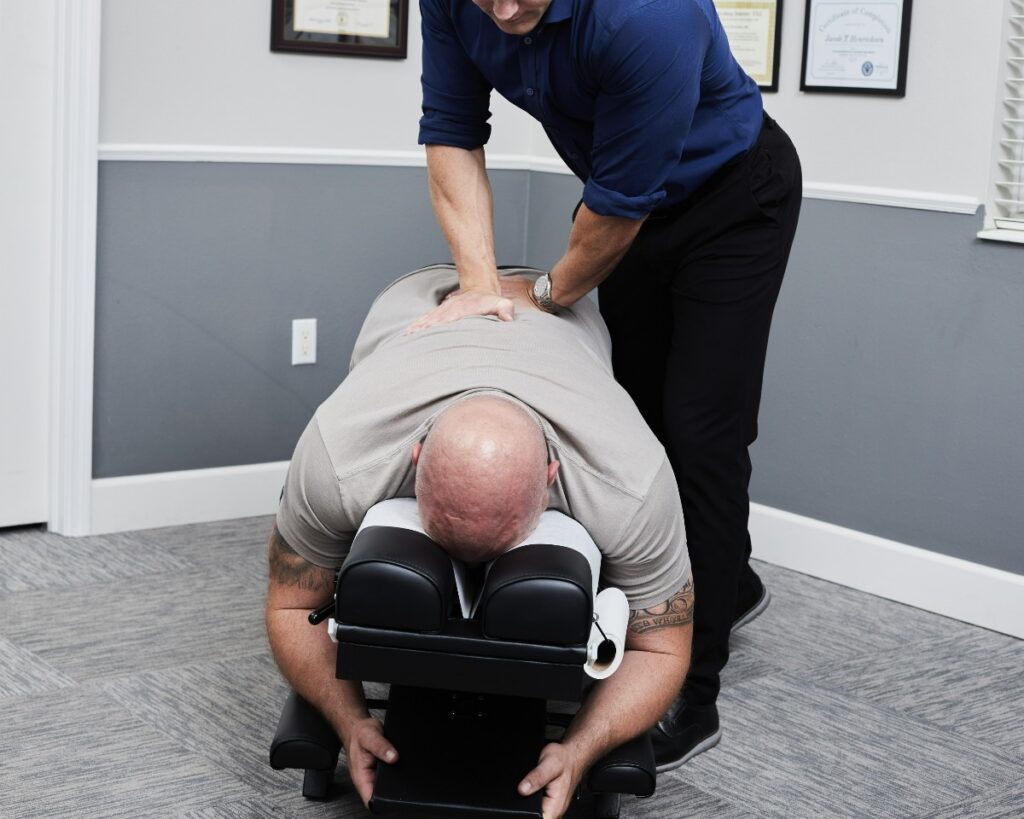
Chiropractic care plays a vital role in managing sports-related back pain by addressing the root causes of discomfort and limitations in mobility. When you visit a chiropractor, you can expect a thorough evaluation of your condition to identify specific issues, such as muscle imbalances, improper posture, or dysfunctional movement patterns. This focused approach enables us to create effective treatment plans tailored to your individual needs.
During your visits, I'll guide you through a variety of techniques designed to alleviate pain and enhance circulation. This may include spinal adjustments, soft tissue therapies, and the application of modalities such as heat or ice.
An important aspect of our sessions is educating you about proper body mechanics and posture, helping you understand how to move correctly to prevent future injuries. This understanding is crucial for your recovery journey.
Additionally, chiropractic care emphasizes a gradual rehabilitation process, ensuring you regain strength and mobility safely. I'll develop a personalized treatment plan specifically for your condition, carefully increasing the intensity as you progress.
This structured method not only aids in reducing pain but also helps restore function, allowing you to return to your favorite activities with confidence and reduced risk of re-injury.
Regular check-ins are an important part of your treatment, as they provide accountability and motivation, keeping you committed to your recovery. Through chiropractic care, you'll acquire valuable tools to manage your back pain and maintain a healthier, more active lifestyle.
Exercises for Strengthening Back
As a local chiropractor, I want to share with you how simply incorporating a few targeted exercises into your daily routine can significantly strengthen your back and help alleviate any sports-related pain you might be experiencing.
A strong back is essential not only for enhancing your athletic performance but also for preventing injuries that could keep you from doing the activities you love.
Here are some effective exercises that I recommend for strengthening your back:
- Bird-Dog: This exercise is fantastic for improving balance and stability. Start on all fours, then extend one arm forward while extending the opposite leg backward. Alternate sides to engage your core and back muscles.
- Bridges: While lying on your back with your knees bent, gently lift your hips off the ground. This movement engages your glutes and lower back. Hold this position for a few seconds before lowering back down.
- Superman: For this exercise, lie face down on the ground and lift both your arms and legs simultaneously. This is an excellent way to strengthen your lower back, glutes, and shoulders.
- Plank: The plank is a great core-strengthening exercise that stabilizes your entire body, including your back. Keep your body in a straight line from head to heels as you hold this position.
- Cat-Cow Stretch: Begin on all fours and alternate between arching your back (the 'cat' position) and rounding it (the 'cow' position). This stretch is great for increasing flexibility and reducing stiffness in your spine.
As you begin to integrate these exercises into your routine, it's important to be mindful of your form and to avoid any movements that lead to discomfort.
Consistency is key here; I recommend performing these exercises several times a week. Over time, you'll likely notice not just improvements in your back strength, but also an overall enhancement in your athletic performance.
By focusing on these targeted exercises, you're taking a proactive step toward a healthier, pain-free back.
If you have any concerns or need further guidance, please don't hesitate to reach out. Your journey to better back health is important, and I'm here to help!
Preventive Measures for Athletes
As a local chiropractor, I want to emphasize the importance of preparing your body for the demands of sports to help prevent injuries, especially when it comes to your back. One of the first steps you can take is to ensure you always warm up properly before engaging in any intense physical activity. Warming up is crucial; it increases blood flow to your muscles, enhances flexibility, and readies your body for the physical challenges ahead.
Another key area to focus on is your posture during training and competition. Whether you're running, lifting weights, or participating in sports, maintaining a neutral spine is essential. Poor posture, such as slouching or twisting your back, can place unnecessary strain on your spine and significantly raise your risk of injury.
Incorporating core-strengthening exercises into your routine is also vital. A strong core supports your spine and helps distribute forces evenly throughout your body. Exercises like planks, bridges, and rotational movements can enhance your trunk stability and protect your back.
Don't overlook the importance of recovery, either. Allowing your body time to heal and adapt after strenuous workouts is essential for long-term health. Be sure to include rest days in your training schedule, and consider incorporating recovery practices such as stretching, foam rolling, or yoga to facilitate healing.
Lastly, it's crucial to listen to your body. If you experience pain or discomfort, please don't ignore it. Addressing these issues early on can prevent them from escalating into more serious problems later.
Conclusion
As a local chiropractor, I want to emphasize the importance of addressing sports-related back pain with a proactive mindset. Many individuals may not be aware of how crucial proper technique is in their athletic pursuits. By focusing on this and incorporating a balanced routine of strength training alongside flexibility exercises, you can effectively protect your spine and boost your overall performance.
Regular chiropractic evaluations are incredibly valuable, and I encourage you to consider them as part of your routine. Listening to your body is essential; it will often give you signals when something isn't quite right, and being attentive to these signals can help prevent injuries before they occur.
Additionally, implementing effective recovery strategies is vital to keeping you engaged in your favorite sports without the burden of pain. Remember, a strong and healthy back is not just about comfort—it's the foundation for your athletic success. Let's work together to ensure that you can enjoy your activities to the fullest!