When you're grappling with back pain, it's essential to explore various relief options tailored to your unique situation. You might find that over-the-counter medications provide quick fixes, but what about the long-term benefits of physical therapy or alternative therapies like acupuncture? Each solution has its own set of advantages and drawbacks, and understanding these can greatly impact your recovery. As you weigh these choices, you'll want to take into account not just what alleviates your pain but what promotes lasting health. What will your ideal approach look like?
Over-the-Counter Medications
When it comes to managing back pain, many people find relief through over-the-counter medications. These medications can help reduce inflammation, alleviate pain, and improve your overall comfort.
Two common types are nonsteroidal anti-inflammatory drugs (NSAIDs) and acetaminophen. NSAIDs, like ibuprofen and naproxen, work by reducing swelling and pain. Acetaminophen, on the other hand, focuses on pain relief without addressing inflammation.
Before you start taking any medication, it's important to read the labels and follow the recommended dosages. Overusing these drugs can lead to side effects or complications, so knowing your limits is vital. If you have any pre-existing conditions, such as liver disease or stomach ulcers, consult your doctor before using these medications.
While over-the-counter options can provide temporary relief, they mightn't address the root cause of your back pain. It's wise to combine these medications with other strategies such as physical therapy, stretching, or applying heat and ice to the affected area. Doing so can enhance your overall recovery and promote long-term relief.
If you don't experience improvement within a few days or if your symptoms worsen, it's important to seek professional medical advice. Your healthcare provider can help determine the underlying issue and recommend a more tailored approach to managing your back pain.
Prescription Medications
If over-the-counter medications aren't providing the relief you need, prescription medications might be the next step in managing your back pain. Your doctor can evaluate your condition and determine if stronger medications are appropriate for you. These often include nonsteroidal anti-inflammatory drugs (NSAIDs), muscle relaxants, or even opioids, depending on the severity of your pain.
NSAIDs, like prescription-strength ibuprofen or naproxen, can help reduce inflammation and alleviate pain. They're often prescribed for acute injuries or flare-ups of chronic back pain.
On the other hand, muscle relaxants may be suggested if you're dealing with muscle spasms. These medications work by calming the muscles, allowing you to move more freely without discomfort.
Opioids may be considered for severe pain that doesn't respond to other treatments. However, they come with risks, including dependency and side effects, so they're typically prescribed with caution. Your doctor will discuss these risks and monitor your use closely.
Additionally, some patients find relief with antidepressants or anticonvulsants, as these medications can help manage chronic pain signals. It's important to communicate openly with your healthcare provider about your pain levels and any side effects you experience.
Ultimately, prescription medications can be an effective tool in your back pain management strategy, but they should be part of a thorough approach that includes lifestyle changes and possibly other treatments.
Always follow your doctor's advice and take medications as directed.
Physical Therapy Options
When it comes to managing back pain, physical therapy offers effective options that can help you regain mobility and strength.
You'll explore manual therapy techniques, engage in tailored exercises, and learn valuable self-management strategies.
These approaches not only address your pain but empower you to take charge of your recovery.
Manual Therapy Techniques
For anyone struggling with back pain, manual therapy techniques can offer immediate relief and promote long-term healing.
These hands-on approaches focus on manipulating muscles and joints to alleviate discomfort and improve mobility. Here are four effective manual therapy techniques you might consider:
- Massage Therapy: This technique involves the application of pressure to your muscles and soft tissues, helping to reduce tension and improve circulation.
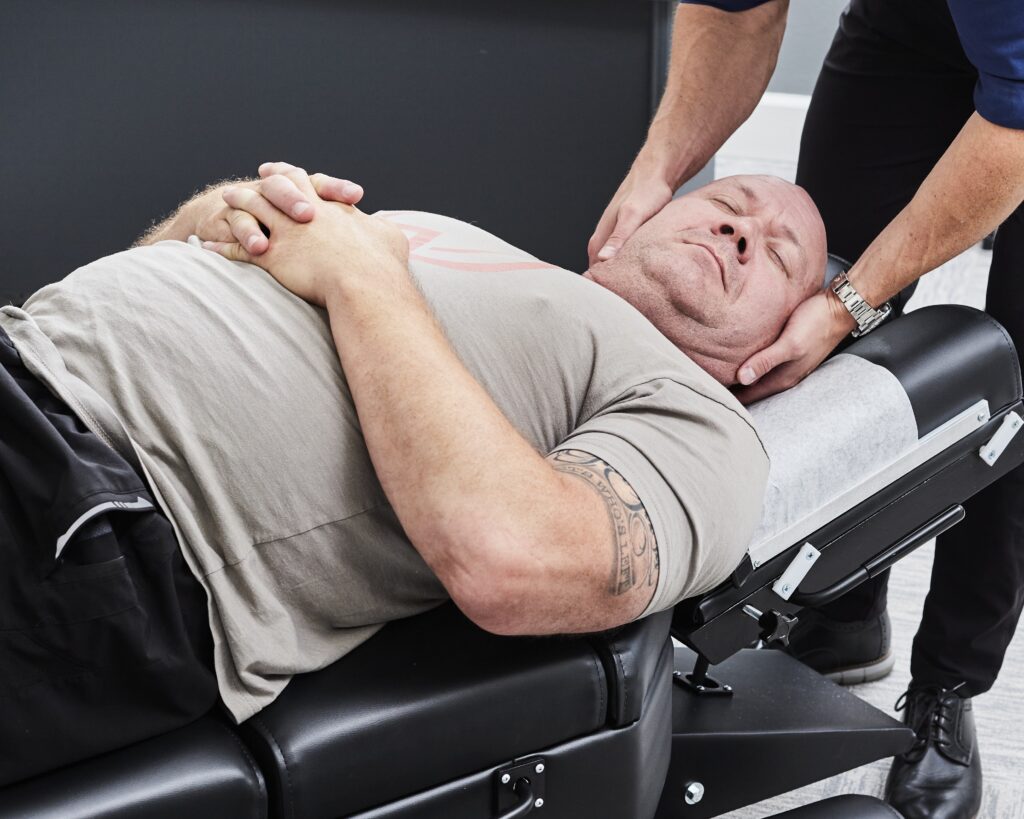
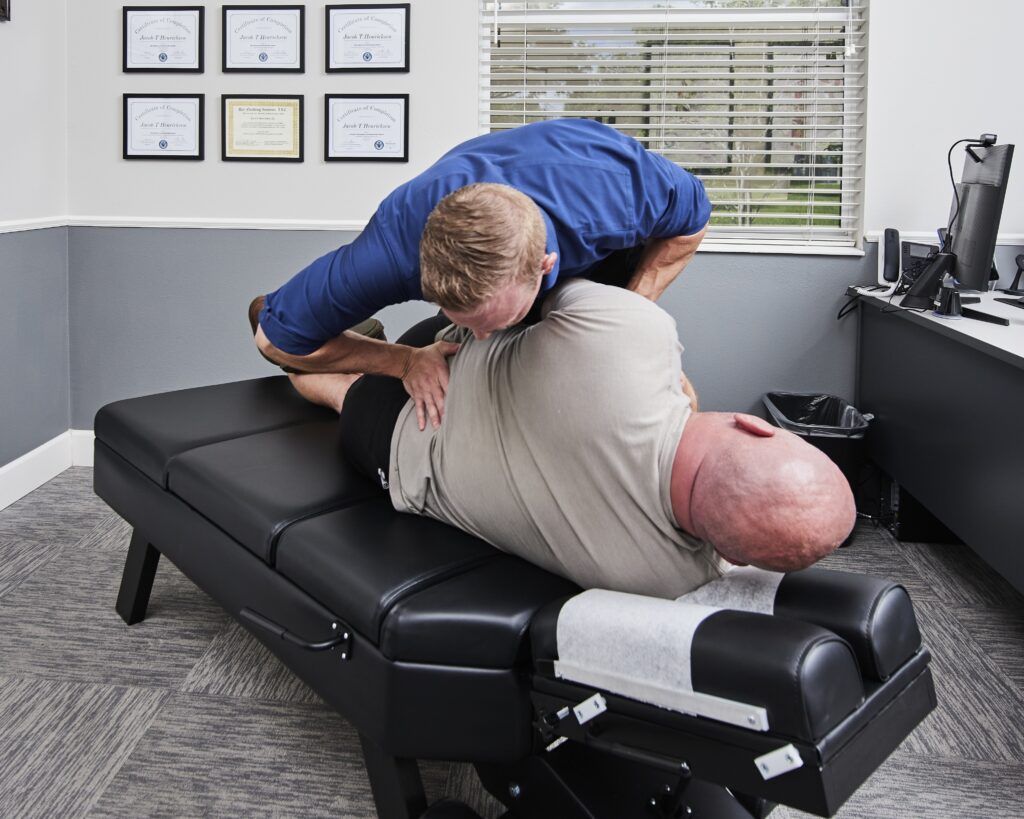
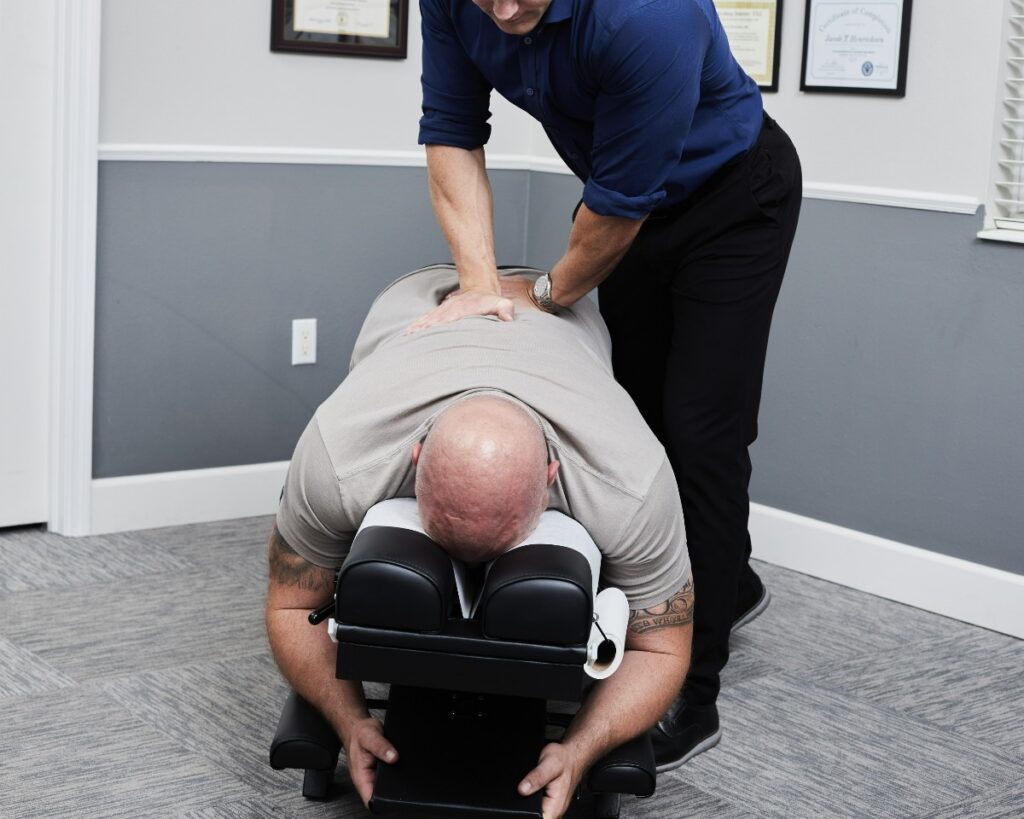
- Chiropractic Adjustments: Chiropractors use precise techniques to realign your spine, which can relieve pain and enhance overall function.
- Myofascial Release: This gentle technique targets the fascia, the connective tissue surrounding your muscles, releasing tightness and promoting relaxation.
- Trigger Point Therapy: By focusing on specific points in your muscles, this therapy helps to release knots and alleviate referred pain in other areas.
Each of these techniques can be tailored to your unique needs, providing a personalized approach to managing your back pain.
As you explore manual therapy, always consult with a qualified professional to guarantee you receive the best care possible.
Exercise and Rehabilitation
Exercise and rehabilitation play an essential role in managing back pain and restoring functionality. When you incorporate physical therapy into your routine, you're not just alleviating pain; you're also strengthening the muscles that support your spine.
A tailored exercise program can help improve flexibility, stability, and strength, which are vital for preventing future issues. Your physical therapist will assess your condition and create a personalized plan focused on your specific needs.
This might include stretching exercises to enhance mobility, strengthening exercises for core stability, and low-impact aerobic activities to boost overall fitness. You'll likely find that even simple movements, when performed correctly, can lead to significant improvements.
As you progress, your therapist will adjust your program to guarantee you're challenged without risking further injury. Consistency is key, so committing to your rehabilitation plan can make a real difference.
Additionally, engaging in regular exercise not only aids in pain relief but also promotes a healthier lifestyle overall. By prioritizing exercise and rehabilitation, you're taking an active role in your recovery, empowering yourself to manage back pain effectively and regain control of your life.
Education and Self-Management
Understanding your condition is a key part of managing back pain effectively. Education empowers you to make informed decisions about your treatment and self-care strategies.
Physical therapy options can play a significant role in your journey towards relief.
Here are some essential self-management strategies you can adopt:
- Learn proper body mechanics: Understanding how to lift, bend, and sit correctly can prevent further injuries and reduce pain.
- Incorporate stretching and strengthening exercises: A physical therapist can tailor exercises that focus on your specific needs, enhancing flexibility and core strength.
- Practice mindfulness and relaxation techniques: Stress can exacerbate pain, so techniques like meditation or deep breathing can help you manage your symptoms better.
- Keep a pain journal: Documenting your pain levels, triggers, and relief strategies can help you identify patterns and communicate effectively with healthcare providers.
Alternative Therapies
Many people are turning to alternative therapies for back pain relief, seeking options beyond traditional medicine. You might find that these therapies offer a holistic approach, addressing not just the symptoms but also the underlying causes of your discomfort.
Acupuncture, for example, involves inserting thin needles into specific points on your body to promote healing and reduce pain. Many individuals report significant relief after just a few sessions.
Chiropractic care is another popular alternative. Chiropractors use manual adjustments to realign your spine, which can help alleviate pressure on nerves and improve overall function. If you haven't tried it yet, you may be surprised at how effective it can be for managing back pain.
Massage therapy is also worth considering. By manipulating soft tissues, massage can improve circulation and release tension, providing immediate relief. Whether you opt for a deep tissue massage or a more gentle approach, finding a qualified therapist is key to getting the most benefit.
Yoga and Pilates focus on strengthening your core and improving flexibility, which can contribute to long-term back health. These practices can help you develop better posture and body awareness, reducing the likelihood of future pain episodes.
Additionally, herbal remedies and supplements, like turmeric or omega-3 fatty acids, may offer anti-inflammatory benefits. However, it's crucial to consult with a healthcare provider before starting any new treatment.
Exploring these alternative therapies could be the key to finding the relief you've been searching for.
Lifestyle Changes
To effectively manage your back pain, making lifestyle changes is key.
Incorporating regular exercise and focusing on proper posture can greatly improve your comfort and mobility.
Exercise and Movement
Incorporating regular movement and targeted exercises into your daily routine can be a game-changer for managing back pain.
By focusing on strengthening your core and improving flexibility, you can reduce discomfort and enhance your overall well-being.
Here are four effective strategies to get you started:
- Stretch Daily: Incorporate gentle stretches into your morning routine to improve flexibility and relieve tension in your back muscles.
- Strengthen Your Core: Engage in exercises like planks and bridges to build core strength, which supports your spine and reduces strain on your back.
- Stay Active: Aim for at least 30 minutes of moderate activity most days, such as walking, swimming, or cycling. Regular movement keeps your muscles engaged and can alleviate pain.
- Practice Low-Impact Activities: Consider yoga or Pilates, which focus on controlled movements, balance, and flexibility, all of which can help in managing back pain effectively.
Posture and Ergonomics
Good posture and proper ergonomics are essential for preventing and managing back pain in your daily life. When you sit, stand, or move, maintaining alignment helps reduce strain on your spine.
Be mindful of your posture by keeping your shoulders back, your head aligned with your spine, and your feet flat on the ground when sitting. If you work at a desk, invest in an ergonomic chair that supports your lower back and allows your feet to rest comfortably on the floor.
Adjust your workstation to guarantee your computer screen is at eye level, so you're not straining your neck. Use a keyboard and mouse that encourage a relaxed arm position. Taking regular breaks to stretch and move around can also help alleviate tension.
When lifting objects, bend your knees and keep your back straight, engaging your core muscles for support.
Practicing good posture and ergonomics not only protects your back but also boosts your overall health, energy levels, and productivity. By making these simple adjustments to your daily routines, you can considerably reduce the risk of back pain and improve your quality of life.
Surgical Interventions
Surgical interventions can offer significant relief for those struggling with chronic back pain when conservative treatments fail. If you've tried physical therapy, medications, or chiropractic adjustments without success, it might be time to contemplate surgical options.
However, it's crucial to understand the various types of surgeries available and what each entails.
Here are four common surgical interventions for back pain:
- Discectomy: This procedure involves removing a portion of a herniated disc to relieve pressure on spinal nerves, which can alleviate pain and improve mobility.
- Laminectomy: During this surgery, a small section of the vertebra is removed to widen the spinal canal, providing more space for the spinal cord and nerves. It's particularly useful for those with spinal stenosis.
- Spinal Fusion: This technique involves joining two or more vertebrae to stabilize the spine and reduce pain. It's often recommended for conditions like degenerative disc disease.
- Artificial Disc Replacement: In this procedure, a damaged disc is replaced with an artificial one, allowing for more natural movement and reducing pain.
Before opting for surgery, consult with your healthcare provider to weigh the risks and benefits.
While surgical interventions can provide significant relief, they also come with potential complications and recovery time. Always reflect on your specific condition and lifestyle when making this important decision.
Conclusion
To sum up, finding the right solution for back pain relief involves exploring various options tailored to your needs. Over-the-counter and prescription medications can offer quick relief, while physical therapy and alternative therapies support long-term healing. Don't forget the importance of lifestyle changes, like maintaining good posture and staying active. If your pain persists, consult a healthcare professional to discuss surgical interventions. By combining these approaches, you can achieve effective and lasting relief from back pain.