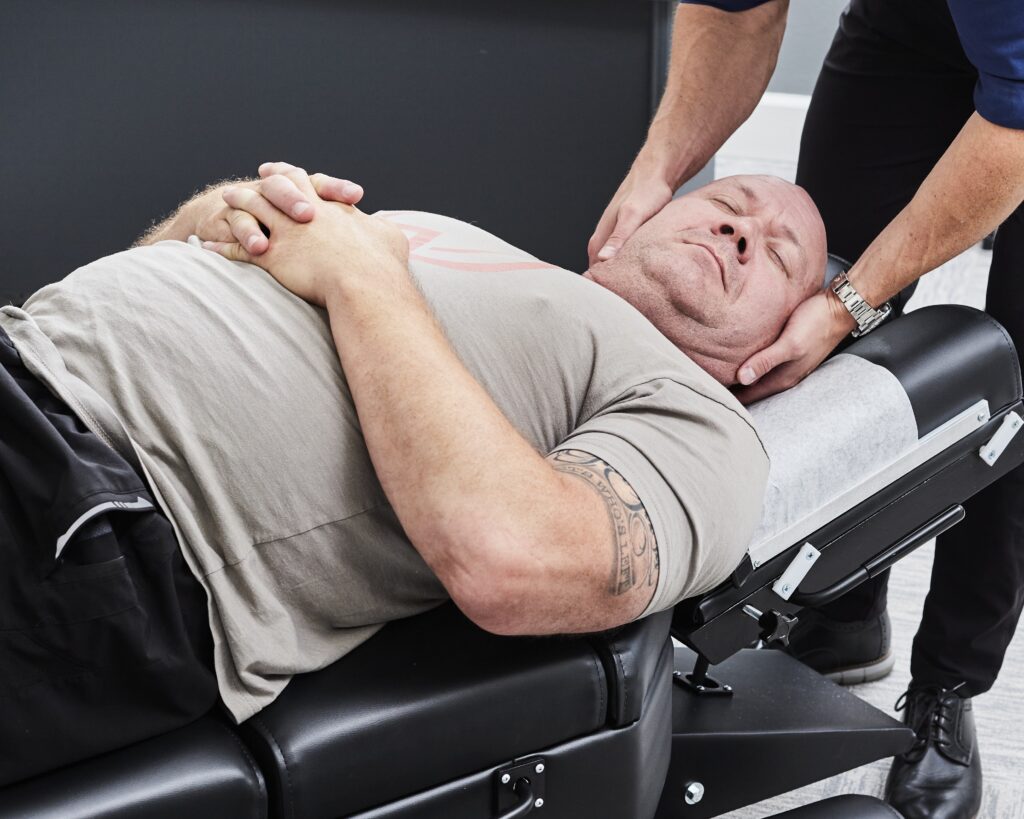
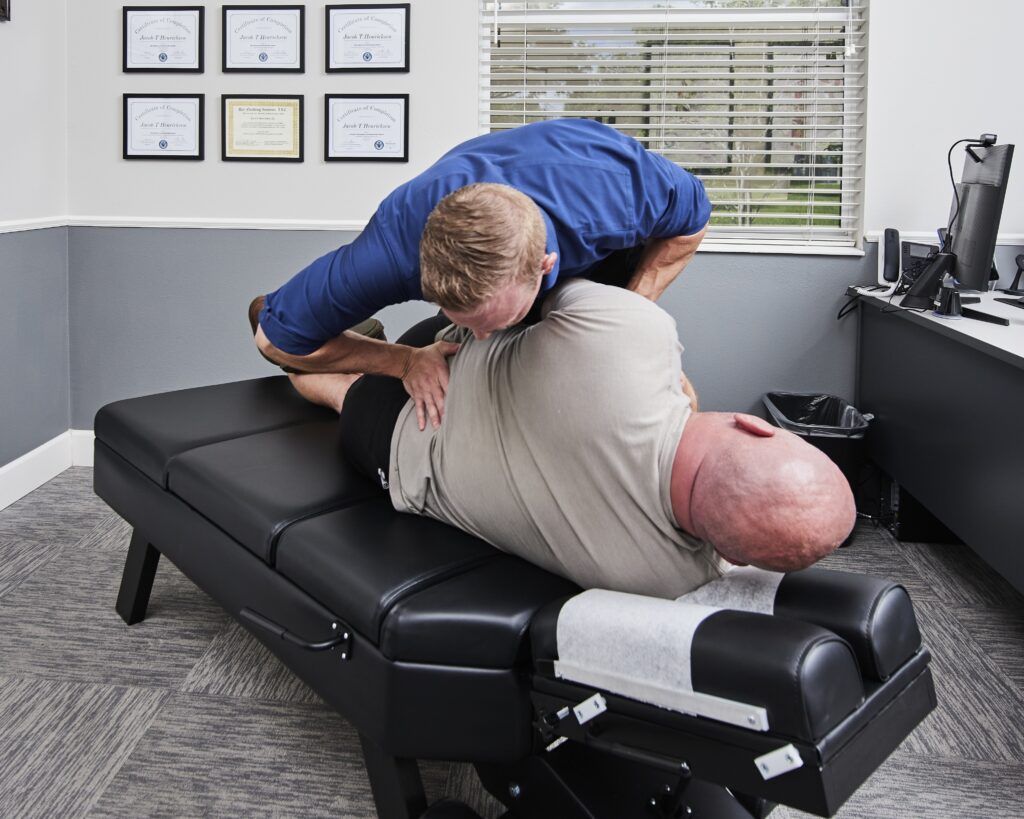
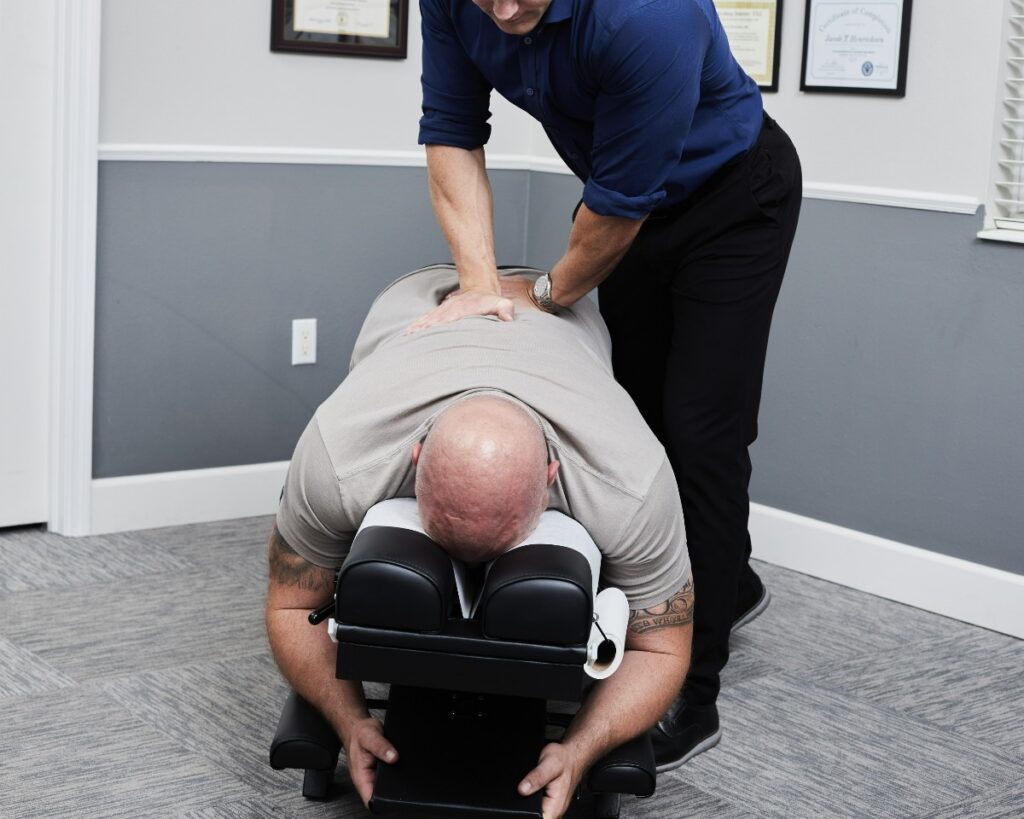
As a local chiropractor dedicated to helping you recover from sports injuries, I want to share how chiropractic techniques can play a vital role in your healing journey. Many people are unaware that spinal adjustments can help realign your body, which is crucial for proper movement and function. Additionally, soft tissue therapies can effectively release tension in tight muscles, promoting not only healing but also improved performance in your sport.
It's fascinating to see how various techniques, such as active release and kinesiology taping, can be seamlessly integrated into a comprehensive recovery plan tailored to your specific needs. My goal is to empower you with knowledge about these natural healing methods, so together we can find the best approach to keep you at the top of your game. If you have any questions about how chiropractic care can support your recovery, I'm here to help!
Understanding Sports Injuries
As a local chiropractor, I want to emphasize the importance of understanding sports injuries for anyone involved in physical activities, whether you're a seasoned athlete or just enjoy recreational sports.
It's crucial to recognize that when you push your body, the likelihood of injury rises significantly. Common injuries like sprains, strains, fractures, and tendonitis can affect various parts of your body, and being aware of their signs and symptoms can help you catch potential issues early.
If you experience pain, swelling, or a restricted range of motion, it's essential to pay attention to what your body is telling you. Ignoring these warning signs can lead to more serious injuries, which can extend your recovery time.
Additionally, it's important to consider factors that contribute to sports injuries, such as overtraining, insufficient warm-up routines, and improper technique. By addressing these elements, you can significantly reduce your risk of injury.
Nutrition and hydration are also vital components in supporting your overall performance and preventing injuries. Consuming the right nutrients aids in muscle recovery and helps maintain your energy.
Incorporating strength and flexibility exercises into your regimen can further bolster your body's resilience against injuries.
Moreover, never underestimate the value of rest. Giving your body time to recover after intense training is fundamental for long-term success.
As a chiropractor, I can help you understand sports injuries better and guide you in taking proactive steps toward prevention and recovery.
Role of Chiropractic Care
As a local chiropractor, I want to share how chiropractic care can play a vital role in your recovery from sports injuries. Many people aren't familiar with the incredible benefits of chiropractic treatment, so let's break it down.
When you experience an injury, your body may become imbalanced, leading to pain and a decrease in your performance level. This is where chiropractic care comes in. My role is to identify and correct misalignments and dysfunctions in your musculoskeletal system, helping you restore that balance and heal more effectively.
You may not realize just how interconnected your body is—every joint and muscle contributes to your overall function. By receiving chiropractic care, you can experience several key benefits:
- Reduced Pain: Chiropractic adjustments can help alleviate discomfort, allowing you to return to your favorite activities much faster.
- Improved Mobility: Regaining your range of motion is essential for peak performance in sports and daily life.
- Enhanced Recovery: Chiropractic care can accelerate your healing process, helping you get back to doing what you love sooner.
- Injury Prevention: By addressing underlying issues, we can help prevent future injuries from occurring.
- Holistic Healing: Our approach supports your body's natural ability to heal itself, promoting overall wellness and vitality.
If you have any questions about how chiropractic care can benefit you, I'm here to help guide you on your journey to recovery and optimal health.
Spinal Adjustments
As your local chiropractor, I want to share with you the valuable role spinal adjustments play in recovering from sports injuries. Many people may not be familiar with how chiropractic care works, so let me explain. Spinal adjustments are crucial for restoring proper alignment in your spine, which is essential for optimal function and healing.
When your spine is misaligned, it can lead to pain and discomfort, hindering your performance and delaying your recovery. By addressing these misalignments, we can enhance your mobility and lower the risk of future injuries.
During a spinal adjustment, I use precise and controlled force to realign your vertebrae. This process not only helps relieve pain but also boosts your nervous system's ability to communicate with your muscles and tissues more effectively. Many patients report reduced muscle tension and an increased range of motion following adjustments.
This newfound freedom of movement is vital for anyone eager to get back to their sport. Additionally, spinal adjustments can help decrease inflammation and improve blood flow to the areas affected by your injury, which can significantly speed up your healing process.
This means you won't just feel better; you'll actually recover faster, allowing you to return to your favorite activities sooner. It's important to remember that every individual's body responds differently, so I'll tailor the adjustments specifically to your needs.
Incorporating spinal adjustments into your recovery plan can make a remarkable difference. Not only will we address your current injuries, but we'll also establish a foundation for long-term health and peak performance.
Soft Tissue Therapy
As a local chiropractor, I want to emphasize the importance of soft tissue therapy in your recovery from sports injuries. This type of therapy specifically targets the muscles and connective tissues in your body, which are often impacted during physical activities.
Techniques such as myofascial release and trigger point therapy are key methods we use to alleviate pain and enhance your range of motion.
By focusing on these specific areas, soft tissue therapy not only helps relieve your discomfort but also accelerates your overall healing process. This means you can return to your favorite activities and sports more quickly and effectively.
Understanding these natural healing approaches can empower you to take charge of your recovery and well-being. Let's work together to get you back in the game!
Myofascial Release Techniques
As a local chiropractor, I want to share the importance of myofascial release techniques in the journey of sports injury recovery. This hands-on therapy is pivotal in alleviating pain and restoring mobility, especially for those who mightn't be familiar with chiropractic care and natural healing methods.
Myofascial release focuses on the fascia, the connective tissue that envelops our muscles and organs. Sometimes, due to injury or overuse, this tissue can become tight or restricted. By using gentle, sustained pressure, we can release that tension in the fascia, which not only promotes healing but also enhances overall function.
Here are some emotional and physical benefits you might experience from myofascial release:
- Relief from chronic pain: Many patients report a significant reduction in discomfort after just a few sessions.
- Increased flexibility: You may find that your range of motion improves, helping you return to activities you love.
- Enhanced performance: Many athletes notice boosts in their performance and stamina, helping them reach their goals.
- Stress reduction: The calming effects of this therapy can help ease tension and anxiety, contributing to overall well-being.
- Empowerment: You'll feel more in control of your body's healing process, fostering a sense of ownership over your health.
Integrating myofascial release into your recovery routine can be a transformative experience.
Whether you're a competitive athlete or someone who enjoys recreational activities, this technique not only alleviates pain but also helps you cultivate a deeper connection between your mind and body.
You'll likely feel more in tune with your physical self, which is a vital aspect of holistic health.
If you're curious about how myofascial release can benefit you, I'm here to help guide you on your journey to recovery.
Trigger Point Therapy
As a local chiropractor, I want to share with you the benefits of trigger point therapy, especially for those of you who lead active lifestyles or are looking to enhance your recovery. This therapy is a powerful technique that focuses on identifying and releasing tight knots in your muscles, known as trigger points. These points can lead to pain and restricted movement, which may impede your performance and slow down your recovery process.
During a trigger point therapy session, I'll apply targeted pressure to these specific areas. This process helps to increase blood flow and promote healing in your muscles. While you might experience some discomfort during the treatment, it's often a sign that the therapy is effectively working to release tension. As those knots begin to dissolve, you'll likely experience greater flexibility and a reduction in pain.
Incorporating trigger point therapy into your recovery routine can be particularly beneficial for alleviating both acute injuries and chronic muscle tension. This technique is especially effective for those who push their physical limits through rigorous training, as it directly addresses the tight areas that develop over time.
Moreover, I can teach you some self-release techniques that you can practice at home, allowing you to manage muscle tightness more easily. By taking the time to address these trigger points, you'll not only enhance your recovery but also get back to enjoying your favorite activities sooner.
If you have any questions about how trigger point therapy can fit into your wellness journey, feel free to ask!
Active Release Techniques
Active Release Techniques (ART) can significantly support your recovery from sports injuries by focusing on specific muscle and soft tissue concerns. As a local chiropractor, I want to introduce you to this hands-on therapy that's designed to identify and release tight areas in muscles, tendons, ligaments, and fascia.
Through precise movements, ART aims to restore your mobility and functionality, enabling you to get back to your favorite activities more swiftly.
When you engage in ART, you may experience several benefits, such as:
- Reduced pain: Say goodbye to discomfort and enjoy your daily activities once again.
- Increased flexibility: Recover the range of motion you might've thought was permanently lost.
- Improved performance: Elevate your athletic abilities and thrive in your sport.
- Faster recovery: Heal more quickly, allowing you to spend less time away from training and competition.
- Enhanced blood flow: Foster healing through improved circulation in the affected areas.
What makes ART unique is its individualized approach. During your visit, I'll assess your specific situation and identify the areas that require attention.
This isn't a generic treatment; it's tailored to meet your personal needs. You'll feel the difference as tension is released and your body gradually returns to its natural alignment.
Incorporating ART into your recovery plan not only addresses current injuries but also aids in preventing future ones. By learning how to better care for your body, you can maintain peak performance in your sport.
If you're committed to getting back in the game and experiencing the benefits of natural healing, I encourage you to consider adding Active Release Techniques to your recovery strategy.
Rehabilitation Exercises
Incorporating rehabilitation exercises into your recovery plan is essential for regaining strength and stability after a sports injury. As a chiropractor, I want to emphasize how these exercises can help restore function, improve mobility, and prevent future injuries. A personalized program, designed specifically for your condition, can significantly impact your healing journey.
We often start with gentle range-of-motion exercises to maintain flexibility in the affected area. These initial movements are crucial as they help prevent stiffness. As you progress and gain strength, we'll gradually increase the intensity of your exercises. It's important to focus on controlled movements that don't cause pain, allowing your body the time it needs to adapt and heal without unnecessary strain. Always listen to your body; if something feels uncomfortable, we can modify or skip it.
Once you're ready, we'll move on to strengthening exercises. These are vital as they help build muscle around your injury site, providing the necessary support and stability. We may incorporate resistance bands, light weights, or body-weight exercises to target the specific muscles that support your injured area.
It's also important to ensure balanced development throughout your body, including strengthening your core, since a strong core enhances overall stability and can help prevent future injuries.
Balance and proprioception exercises are another key component of your recovery. Activities like standing on one leg or using a balance board can significantly improve your body awareness and coordination. This is particularly important for athletes, as it prepares you for the dynamic movements required in sports.
Before you start any rehabilitation exercises, I encourage you to consult with me or another qualified healthcare professional. We can help you create a personalized plan that meets your unique needs and ensures a safe recovery.
Graston Technique
As a local chiropractor, I want to introduce you to a powerful method that can significantly enhance your recovery from sports injuries: the Graston Technique. This innovative approach utilizes specially designed stainless steel instruments to identify and treat soft tissue restrictions and scar tissue. By breaking down these adhesions, we can greatly accelerate your healing process, allowing you to return to the activities you enjoy much sooner.
You may be curious about how the Graston Technique can positively influence your recovery. Here's what you can anticipate:
- Faster healing: This technique promotes increased blood flow to your tissues, providing them with essential nutrients for a quicker recovery.
- Reduced pain: The targeted nature of the treatment can help alleviate discomfort and improve your mobility almost right away.
- Improved range of motion: You'll likely experience significant gains in flexibility, making it easier to resume your favorite sports and activities.
- Long-lasting benefits: Regular sessions can help prevent future injuries by maintaining the health of your muscles and tissues.
- Personalized care: Each treatment is tailored specifically to your individual needs, ensuring the best possible outcomes.
The Graston Technique isn't just about finding immediate relief; it's also an investment in your long-term athletic performance and overall well-being.
Whether you're a weekend warrior or a competitive athlete, this technique can help you overcome the challenges of injury and stay on track.
Don't let injuries hinder your progress any longer—consider exploring the Graston Technique with me, and see how it can make a meaningful difference in your recovery journey.
Kinesiology Taping
As a local chiropractor, I want to introduce you to the benefits of kinesiology taping, a versatile technique that can significantly aid your recovery from sports injuries. This method involves applying elastic therapeutic tape directly onto your skin, designed to support and stabilize your muscles and joints without limiting your range of motion.
When applied correctly, kinesiology tape gently lifts the skin, which can help reduce swelling and enhance blood circulation in the affected area. Many of my patients experience immediate relief from pain while engaging in their activities after using kinesiology tape.
Additionally, the tape enhances your proprioception, which is your body's awareness of its position and movement. This heightened awareness can be instrumental in preventing further injuries as you recover. Whether you're dealing with a sprain, strain, or overuse injury, kinesiology taping can be tailored to meet your specific needs, providing targeted support where it's most needed.
To maximize the benefits of kinesiology taping, it's essential to learn the proper application techniques. I encourage you to consult with a trained professional, like myself, who can guide you through the process.
I'll ensure that the tape is applied correctly, allowing you to fully experience its advantages for your recovery. As you heal, combining kinesiology taping with other therapeutic methods can significantly enhance your progress.
It's important to regularly assess how your body responds to the tape and be open to adjusting your approach as necessary. With the right application and support, kinesiology taping can become a powerful tool in your recovery journey from sports injuries.
Together, we can explore a natural healing path that works best for you.
Nutritional Support
As a local chiropractor, I want to emphasize the crucial role that nutrition plays in your recovery from sports injuries. Many people may not realize that what you eat can significantly influence your healing process. By providing your body with the right nutrients, you can enhance your recovery time, minimize inflammation, and rebuild strength more effectively.
Here are some essential dietary components to consider:
- Protein: This nutrient is vital for muscle repair and recovery. Focus on lean sources like chicken, fish, beans, and legumes to support your healing process.
- Omega-3 Fatty Acids: These healthy fats, found in fish, walnuts, and flaxseeds, are known for their anti-inflammatory properties and can help support joint health.
- Vitamins and Minerals: Nutrients like Vitamin C, which is abundant in citrus fruits, and Zinc found in nuts and seeds, are essential for tissue repair and boosting your immune system.
- Hydration: Staying properly hydrated is key to ensuring that nutrients are transported throughout your body and can help mitigate fatigue during your recovery.
- Antioxidants: Foods that are rich in antioxidants, such as berries and leafy greens, combat oxidative stress and support your body's natural healing mechanisms.
Incorporating these nutritional elements into your diet can lay a strong foundation for your recovery. You may notice increased energy levels, reduced pain, and improved mobility as you make these changes.
Remember, every meal is an opportunity to nourish your body and support your healing journey. It's essential to make mindful choices about what you eat—this is an investment in not just your recovery, but also your future performance.
As your chiropractor, I encourage you to take charge of your nutritional habits. By understanding the impact of food on your healing, you can transform your recovery experience.
Let's work together to ensure you're fueling your body effectively for optimal health!
Preventive Strategies
As a local chiropractor dedicated to your health and well-being, I want to emphasize the importance of incorporating preventive strategies into your training routine to help reduce the risk of sports injuries. One of the fundamental aspects of injury prevention is proper warm-up and cool-down exercises.
Warming up is crucial as it increases blood flow to your muscles, enhances flexibility, and reduces strain on your body. I recommend taking at least 10 minutes to perform dynamic stretches related to your specific sport before engaging in any intense physical activity. After your workout, remember to cool down with static stretches to maintain flexibility and prevent stiffness.
Another key factor to consider is your technique. Whether you're running, lifting weights, or participating in a sport, using the correct form is vital to prevent unnecessary stress on your muscles and joints. If you're unsure about your technique, working with a coach or trainer can be beneficial. They can provide guidance and help you refine your movements to ensure you're performing exercises correctly.
Additionally, I encourage you not to underestimate the value of cross-training. Engaging in a variety of exercises can lead to balanced muscle development and significantly reduce the risk of overuse injuries. Plus, mixing up your routine can keep your workouts fresh and enjoyable.
Lastly, it's essential to listen to your body. If you experience any pain or discomfort, it's important to not just push through it. Taking the time to rest and recover is crucial before returning to your routine.
Conclusion
As a local chiropractor, I want to share how incorporating chiropractic techniques into your sports injury recovery can truly enhance your healing journey. Many of you may not be familiar with the various methods we use, such as spinal adjustments and soft tissue therapies. These approaches not only focus on resolving current injuries but also play a crucial role in preventing future ones.
By prioritizing your recovery and overall health through chiropractic care, you can improve your athletic performance and maintain a competitive edge in your sport. It's important to recognize the benefits of natural healing and how chiropractic care can be a vital part of your training routine. Don't overlook the positive impact that these techniques can have—consider making chiropractic care an essential component of your recovery strategy for optimal results.