
You might be wondering how spinal care can play a role in enhancing your flexibility. When your spine is properly aligned, it sets the stage for better muscle function and joint mobility. Regular chiropractic adjustments can help address misalignments that restrict movement, potentially leading to a greater range of motion. But is spinal care the only factor in achieving improved flexibility, or are there other elements at play? The answer may surprise you as we explore the intricate relationship between spinal health and your overall physical performance.
Understanding Spinal Care
Understanding spinal care is fundamental for maintaining overall health and well-being. Your spine plays an important role in supporting your body and protecting your nervous system. When you prioritize spinal care, you're not just focusing on back pain; you're investing in your entire body's functionality.
Regular check-ups with a chiropractor or physical therapist can help you identify potential issues before they escalate. These professionals can assess your posture, alignment, and overall spinal health. By addressing any imbalances early on, you can prevent discomfort and enhance your mobility.
Practicing good ergonomics at work and at home also contributes to spinal health. Make sure your workstation is set up to keep your spine in a neutral position, and take breaks to stretch your body throughout the day.
Incorporating activities that promote spinal health is important as well. Exercises like yoga, pilates, or swimming can strengthen your core and improve your flexibility. These activities help maintain proper spinal alignment and support your overall posture.
Additionally, staying active and maintaining a healthy weight can alleviate unnecessary pressure on your spine.
Finally, don't underestimate the power of good sleep. Using a supportive mattress and pillow can make a significant difference in how your spine rests overnight.
Prioritizing spinal care isn't just about alleviating pain; it's about creating a strong foundation for a healthy, active life. When you take care of your spine, you're setting yourself up for long-term success in flexibility and overall health.
The Anatomy of Flexibility
To understand flexibility, you need to look at both muscle and joint structure as well as the role of the nervous system.
These elements work together to determine how far and easily you can move.
Muscle and Joint Structure
Flexibility hinges on the intricate interplay between muscle and joint structure, shaping how well you can move and bend. Your muscles are made up of fibers that can stretch and contract, allowing for a range of motion. The more adaptable your muscle fibers are, the easier it's for you to achieve greater flexibility.
When you engage in regular stretching, you encourage these fibers to lengthen, which can enhance your overall flexibility.
Joints, on the other hand, play a significant role in how your body moves. They connect bones and allow for various types of movement, from rotation to gliding. The structure of your joints, including ligaments and cartilage, determines how flexible they can be.
For example, a joint with healthy cartilage will provide smoother movement, while tight ligaments may restrict your range of motion.
To maximize your flexibility, consider a balanced approach that includes strengthening your muscles and maintaining the health of your joints.
This way, you'll create an ideal environment for flexibility, allowing you to move more freely and comfortably in your daily life.
Nervous System Role
The nervous system plays an essential role in your ability to achieve and maintain flexibility. It acts as the control center, sending signals between your brain and muscles, allowing you to move smoothly and efficiently.
When you stretch, your nervous system helps determine how far your muscles can stretch without injury. This balance is vital for preventing strains or tears.
Proprioceptors, specialized sensors located in your muscles and joints, send information about your body's position to your brain. When you push your limits, these sensors help your brain assess if it's safe to go further.
If your nervous system perceives a risk, it may activate a reflex that tightens your muscles, limiting your range of motion.
How Alignment Affects Movement
Your spinal alignment plays an essential role in how well you move.
When your spine is properly aligned, it enhances muscle function and boosts joint mobility, making it easier to stay flexible.
If misaligned, you might notice restrictions in your movement and discomfort in your daily activities.
Importance of Spinal Alignment
Maintaining proper spinal alignment plays an essential role in how well you move throughout your daily activities. When your spine is aligned, it allows for ideal movement patterns, which can enhance your overall performance in everything from exercising to simple tasks like bending or reaching.
If your spine is misaligned, you may experience restrictions in your range of motion, leading to discomfort and inefficiencies in movement.
Good spinal alignment guarantees that your body functions as a cohesive unit. It helps distribute forces evenly across your muscles and joints, reducing the risk of strain or injury.
With proper alignment, you'll notice that movements feel smoother and require less effort, allowing you to engage fully in physical activities without fatigue.
Additionally, spinal alignment affects your posture, which can greatly impact how you carry yourself throughout the day. A well-aligned spine promotes confidence and can improve your overall well-being.
Impact on Muscle Function
Proper alignment is essential for ideal muscle function, as it directly influences how effectively your muscles engage during movement. When your spine is aligned correctly, your muscles can work in harmony, allowing for coordinated, efficient movements. Misalignment can create tension and strain, leading to muscle fatigue and decreased performance.
When you're out of alignment, certain muscle groups may overcompensate for others. This overcompensation can lead to imbalances, limiting your range of motion and increasing the risk of injury. For instance, if your pelvis is tilted, your hip flexors and lower back muscles might tighten up, reducing their ability to function properly.
By addressing spinal alignment, you can help restore balance among muscle groups, enhancing their overall function. Incorporating spinal care techniques, such as chiropractic adjustments or targeted exercises, can optimize your muscle engagement. Improved alignment doesn't just contribute to better posture; it can also enhance your strength and endurance.
As your muscles learn to work together more effectively, you'll notice a smoother, more fluid range of motion in your daily activities and workouts. Prioritizing spinal alignment can be a game-changer for your overall muscle function and physical performance.
Joint Mobility and Flexibility
Alignment plays an essential role in joint mobility and flexibility, directly impacting how freely you can move. When your spine and joints are properly aligned, they function more efficiently, allowing for smoother movements and greater range of motion. Misalignment, on the other hand, can lead to stiffness and discomfort, limiting your ability to perform daily activities or engage in physical exercise.
Consider how your posture affects your joints. Poor posture can create tension in your muscles and restrict your joints' natural movement patterns. When your body is aligned, the forces acting on your joints are distributed evenly, reducing wear and tear. This can lead to improved flexibility, enabling you to bend, twist, and stretch more easily.
Incorporating spinal care into your routine can enhance your alignment, ultimately boosting your joint mobility and flexibility. Regular chiropractic adjustments, stretching, and strengthening exercises can help maintain proper alignment.
Benefits of Chiropractic Adjustments
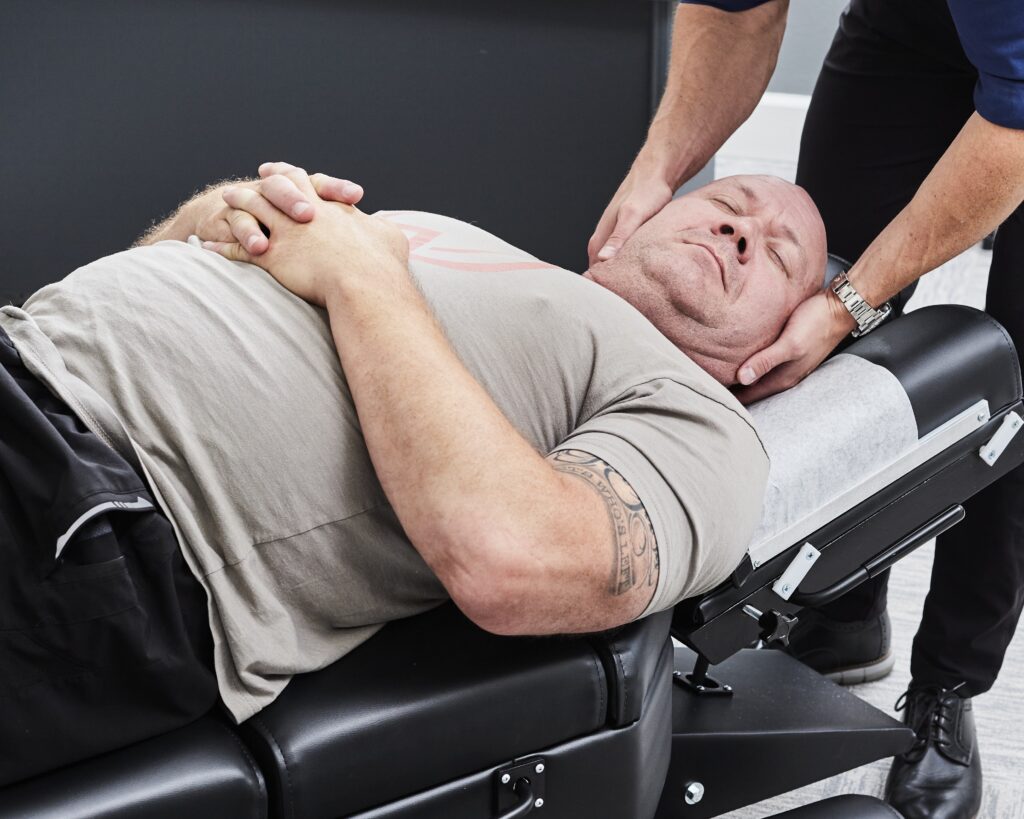
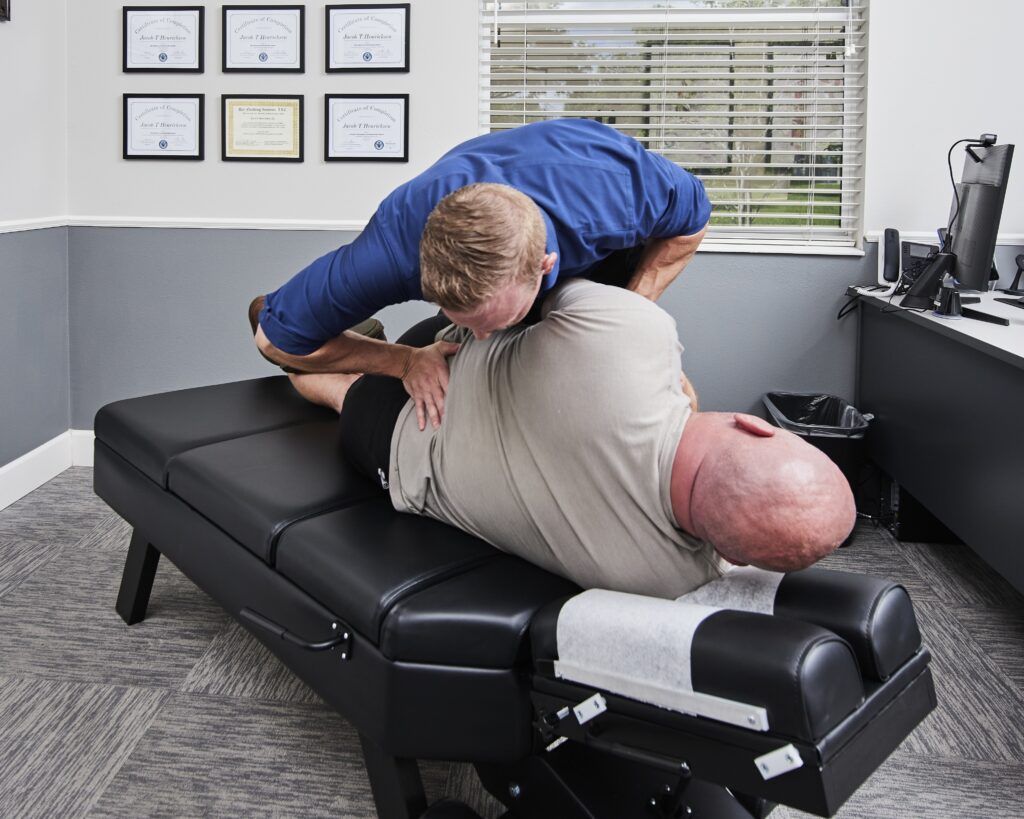
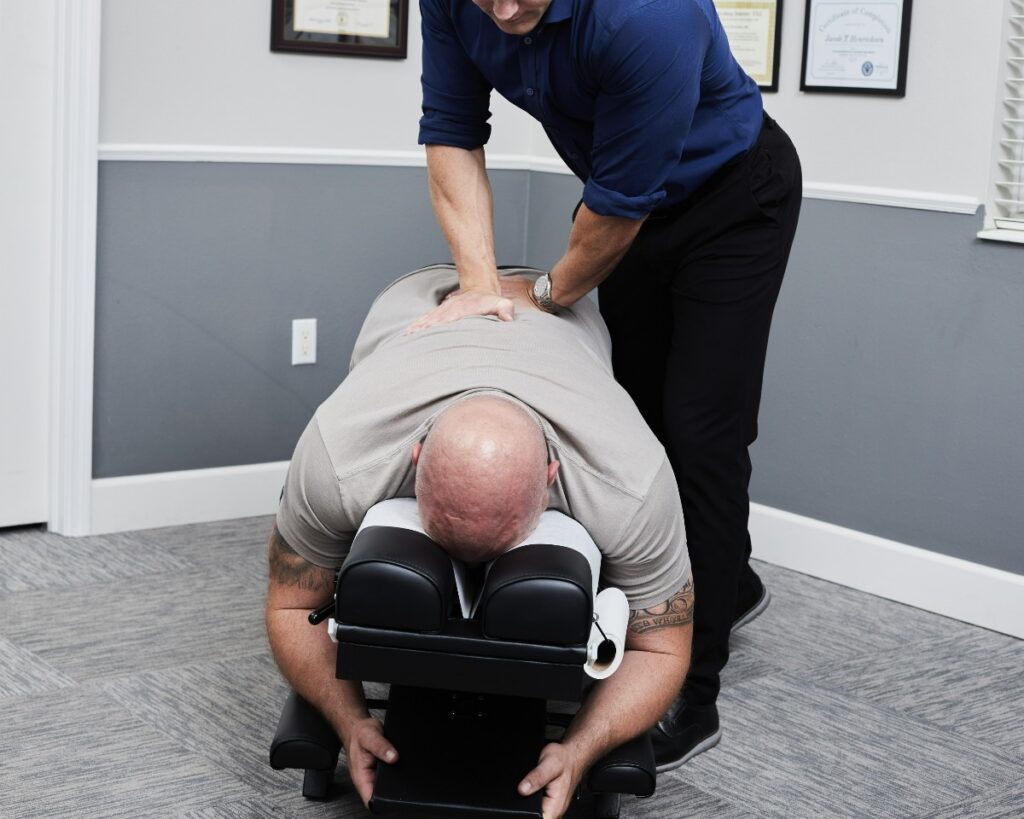
Chiropractic adjustments offer a range of benefits that can enhance your overall well-being. When you receive these adjustments, you're not just addressing pain; you're also promoting a healthier body. Here are some key benefits you might experience:
- Improved Mobility: Regular adjustments can help restore joint function and increase your range of motion. This means you'll move more freely, making everyday activities easier and more enjoyable.
- Pain Relief: Chiropractic care is well-known for alleviating discomfort, particularly in the back, neck, and joints. By realigning your spine, you may find significant relief from chronic pain.
- Enhanced Posture: Adjustments can help correct misalignments that contribute to poor posture. Improved posture not only makes you look better but can also reduce strain on your muscles and joints.
- Stress Reduction: Chiropractic adjustments can lower tension in the body, leading to a decrease in stress levels. When your body is aligned, it functions more efficiently, which can promote a sense of calm and well-being.
Incorporating chiropractic adjustments into your routine can lead to a more balanced and flexible lifestyle.
Whether you're an athlete looking to enhance performance or someone seeking relief from everyday aches, these adjustments can play an essential role in your health journey.
Take the first step towards better flexibility and overall health today!
Complementary Therapies for Flexibility
To achieve ideal flexibility, exploring complementary therapies can be incredibly beneficial. These therapies can enhance your overall mobility and support your spinal care efforts.
One effective option is yoga, which not only promotes flexibility but also helps improve your balance and strength. By incorporating various poses and stretches, you can gradually increase your range of motion and reduce muscle tension.
Another great complementary therapy is Pilates. This method focuses on core strength and alignment, which can help you achieve greater flexibility. The controlled movements emphasize proper posture and stretching, making it an excellent choice for those looking to enhance their flexibility while also supporting spinal health.
Massage therapy is another complementary approach you might consider. Regular massages can alleviate tight muscles and improve circulation, which can lead to enhanced flexibility. By targeting specific muscle groups, a skilled massage therapist can help you release tension and increase your overall mobility.
Additionally, incorporating foam rolling into your routine can be beneficial. This self-myofascial release technique helps break down muscle knots and improves tissue elasticity, making it easier for you to stretch and move freely.
Lastly, don't underestimate the power of good hydration and nutrition. Staying well-hydrated and consuming a balanced diet rich in vitamins and minerals can support your muscles and joints, making it easier for you to maintain flexibility.
Real-Life Success Stories
How do real-life success stories inspire you to pursue better spinal care and flexibility? Hearing about others who've transformed their lives through targeted spinal care can motivate you to take action. Many individuals have experienced remarkable changes in their flexibility and overall well-being. These stories highlight the potential benefits of prioritizing spinal health.
Consider the following success stories:
- John, a 45-year-old office worker: After months of back pain and tightness, John sought chiropractic care. He committed to a personalized regimen of adjustments and stretching exercises. Within weeks, he regained mobility and improved his flexibility, allowing him to enjoy weekend hikes again.
- Maria, a dedicated yoga instructor: Maria struggled with stiffness that hindered her teaching. By integrating spinal care with her practice, she noticed a significant increase in her range of motion. Now, she not only feels better but also inspires her students with her newfound flexibility.
- Sam, an avid runner: Sam faced recurring injuries due to tight hamstrings and lower back issues. After working with a physical therapist, he learned how spinal alignment plays an essential role in running efficiency. Today, he runs longer distances without discomfort.
- Linda, a retiree: Linda experienced chronic pain that limited her daily activities. Through spinal care and gentle stretching, she regained her freedom and now enjoys gardening and playing with her grandchildren.
These stories remind you that with the right care, you can enhance your flexibility and quality of life.
Conclusion
Incorporating spinal care into your routine can truly enhance your flexibility. By focusing on proper alignment, you release your body's potential for improved movement and reduced injury risk. Chiropractic adjustments not only alleviate misalignments but also boost your overall physical performance. With a holistic approach that includes complementary therapies, you can experience remarkable benefits. So, if you're looking to enhance your flexibility, prioritizing spinal health is a smart step toward achieving your fitness goals.