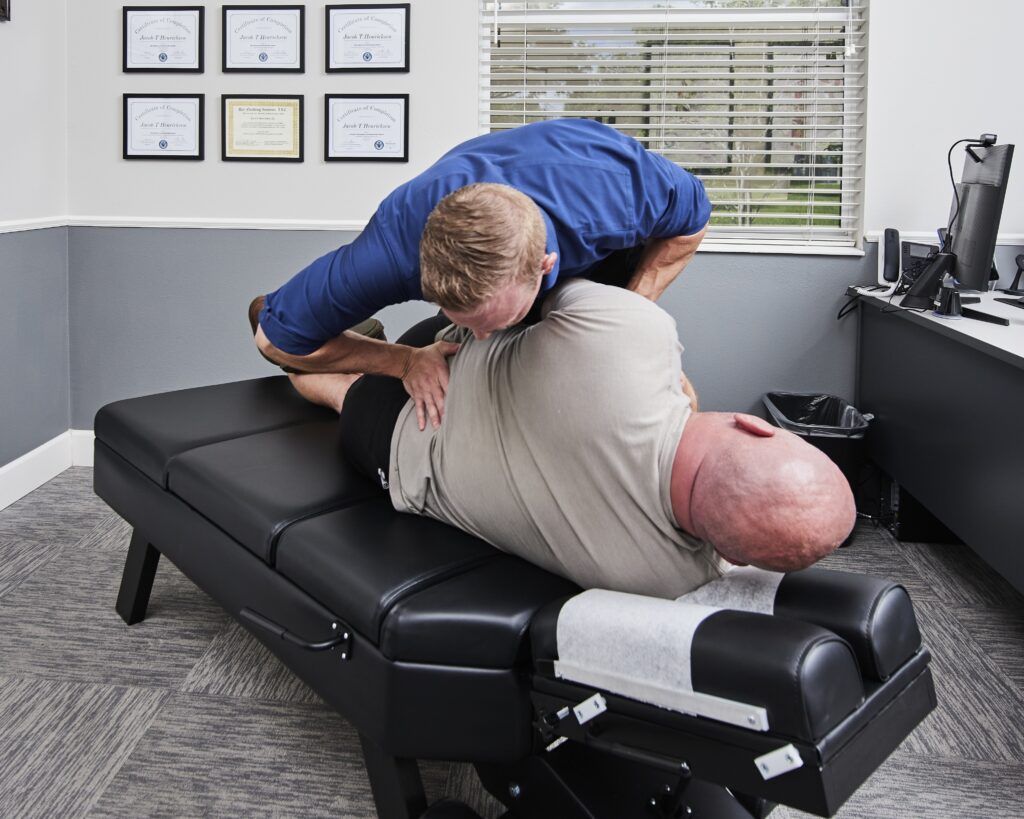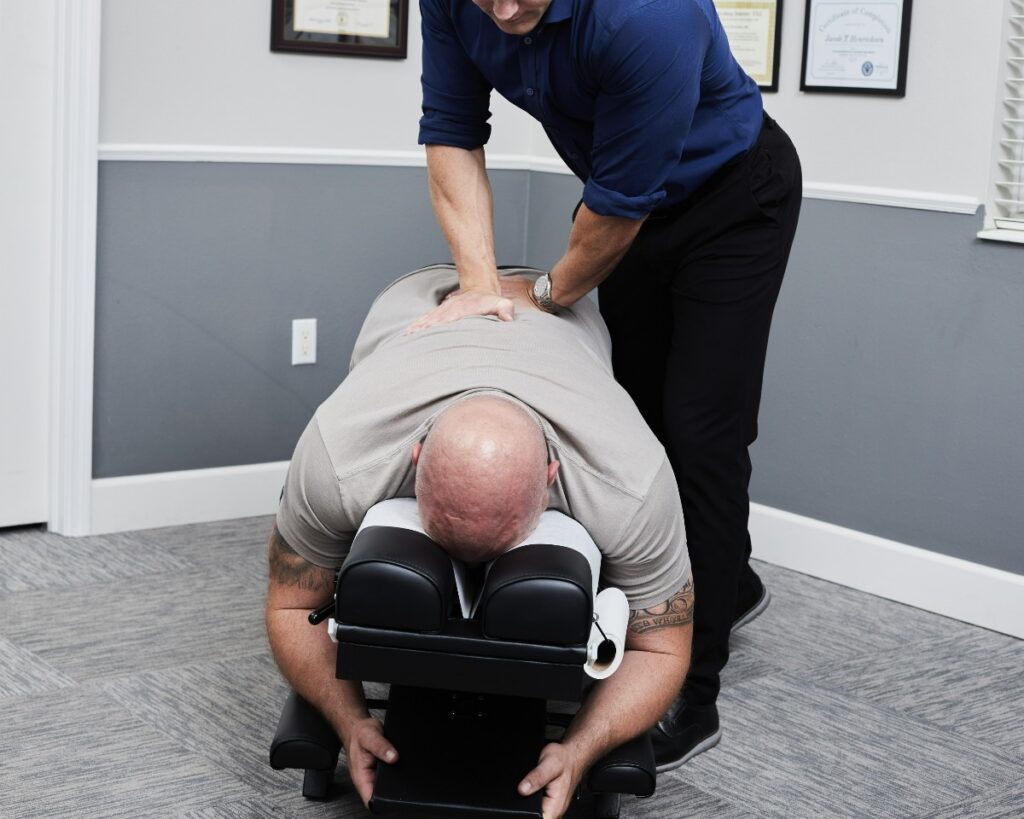

You might be surprised to learn that spinal adjustments could play a role in easing your stress. By realigning your spine, these adjustments may enhance communication between your brain and body, potentially reducing muscle tension and promoting relaxation. Some studies suggest that regular chiropractic care can lower stress levels, but does that mean it's a viable option for everyone? Understanding the connection between spinal health and stress relief might just change how you approach your well-being. What other benefits could you discover along the way?
Understanding Stress and Its Effects
Stress is something many people experience, and it can have significant effects on both mental and physical health. You might notice that when stress creeps into your life, it can affect how you think, feel, and act. It's not just about feeling overwhelmed; stress can lead to anxiety, irritability, and even depression.
You may find yourself struggling to concentrate or making decisions that normally come easy to you.
On the physical side, stress manifests in various ways. You might've headaches, fatigue, or muscle tension. Sometimes, stress can even lead to more severe health issues, such as heart disease or digestive problems.
Your body's response to stress can be quite powerful, activating the "fight or flight" response, which prepares you to deal with threats but can be harmful if triggered too often.
Moreover, the way you manage stress plays a critical role in how it affects you. If you're proactive about finding stress-relief strategies, you can mitigate its negative impact. This could involve physical activities, relaxation techniques, or simply taking time for yourself.
The Role of Spinal Health
Your spine plays a significant role in your overall health and well-being. It's more than just a structure that supports your body; it's the central hub for your nervous system. When your spine is healthy, your body functions effectively. This means better communication between your brain and the rest of your body, which can greatly impact how you feel both physically and mentally.
Maintaining good spinal health is essential for managing stress. Stress can manifest in various ways, including tension in your muscles and pain in your back. If your spine is misaligned or not functioning properly, it can exacerbate these issues, leading to a cycle of discomfort and increased stress levels.
When you're in pain, it's hard to stay focused or relaxed, making it even more challenging to cope with everyday stressors.
You mightn't realize it, but your posture also plays a role in your spinal health. Poor posture can lead to spinal misalignments, causing discomfort and promoting stress. By being mindful of how you sit, stand, and move, you can help maintain a healthier spine.
Incorporating regular exercise, proper ergonomics, and stretching into your routine can also support spinal health. These practices not only prevent discomfort but can also enhance your overall well-being, making it easier for you to manage stress.
How Spinal Adjustments Work
When you receive a spinal adjustment, it connects directly to your nervous system, helping to improve communication between your brain and body.
This process can lead to significant pain relief by addressing misalignments that cause discomfort.
Additionally, it helps reduce muscle tension, allowing you to feel more relaxed and at ease.
Nervous System Connection
Through a delicate interplay between the spine and the nervous system, spinal adjustments can greatly influence overall health. Your spine houses and protects the spinal cord, a vital component of your nervous system. When spinal misalignments occur, they can disrupt communication between the brain and the body. This disruption may lead to increased stress levels, affecting how you respond to everyday challenges.
By receiving spinal adjustments, you help realign your vertebrae, restoring proper function to your nervous system. This process enhances the flow of information between your brain and body, which can promote relaxation and a sense of well-being. Improved spinal alignment can also boost your body's ability to manage stress effectively, reducing the physiological effects that accompany it.
When your nervous system operates efficiently, your body can better respond to stressors, helping you maintain emotional balance. Spinal adjustments create a foundation for a healthier nervous system, which can lead to improved stress resilience.
Pain Relief Mechanism
Understanding how spinal adjustments work can reveal their powerful pain relief mechanisms. When a chiropractor performs an adjustment, they target misalignments in your spine, which can disrupt nerve signals and lead to pain.
By realigning the vertebrae, you restore proper communication between your brain and body, reducing discomfort and enhancing mobility.
The adjustments can also influence your body's release of pain-relieving hormones, such as endorphins. When these hormones flood your system, you may feel an immediate sense of relief and well-being.
Additionally, spinal adjustments can improve blood circulation, allowing essential nutrients to reach your tissues more effectively, further aiding in pain relief.
Here are some key benefits you can experience from spinal adjustments:
- Reduced nerve irritation: Alleviating pressure on nerves can greatly decrease pain.
- Enhanced endorphin release: Your body naturally responds to adjustments with a surge of these feel-good hormones.
- Improved blood flow: Better circulation means quicker healing and less discomfort.
Muscle Tension Reduction
Spinal adjustments can considerably reduce muscle tension, helping you feel more relaxed and flexible. When your spine is misaligned, it can create tension in the surrounding muscles, leading to discomfort and stress. By realigning your spine, a chiropractor helps restore proper function and balance, which in turn eases the tension in your muscles.
As your spine aligns, nerve function improves, allowing your body to communicate more effectively. This enhanced communication can lead to a reduction in muscle tightness, as your body responds more efficiently to stressors. You might notice that after a session, your shoulders feel lighter, or your back isn't as stiff.
Moreover, spinal adjustments often promote better circulation, which can help deliver oxygen and nutrients to your muscles. Improved blood flow can aid in muscle recovery and relaxation, making it easier for you to let go of built-up tension.
Regular adjustments can create a cycle of relief, where reduced muscle tension contributes to less stress overall.
Scientific Studies on Stress Relief
How do various interventions impact stress relief? Research shows that spinal adjustments can greatly influence your stress levels. Multiple studies have explored the connection between chiropractic care and stress reduction.
One study published in the *Journal of Manipulative and Physiological Therapeutics* revealed that individuals receiving regular spinal adjustments reported lower levels of perceived stress. The adjustments appeared to improve the body's ability to manage stress responses, contributing to an overall sense of well-being.
Another research effort highlighted the importance of the body's nervous system in stress management. Spinal adjustments can enhance nervous system function, leading to a decrease in the stress hormone cortisol. By improving spinal alignment, chiropractors help your body communicate more effectively, which can lead to a more balanced emotional state.
Also, studies indicate that the relaxation response triggered by spinal adjustments can lead to reduced muscle tension and improved mood. This physiological response is essential in combating the daily stressors we all face.
- Regular spinal adjustments may lower cortisol levels.
- Improved nervous system function can enhance your overall well-being.
- Many patients experience reduced muscle tension and enhanced mood after treatments.
Understanding the science behind these interventions can empower you to take control of your stress. By considering spinal adjustments as part of your stress management toolkit, you might discover a holistic approach to feeling better and living more fully.
Benefits Beyond Stress Reduction
What other advantages can you gain from chiropractic care beyond stress relief? Well, you might be surprised by the array of benefits that come with regular spinal adjustments.
First off, many people report improved mobility and flexibility. As your spine aligns properly, your overall range of motion can increase, making daily activities easier and more enjoyable.
Additionally, chiropractic care can enhance your immune system function. When your spine is aligned, it helps guarantee excellent communication between your brain and body, which can lead to a stronger immune response. You may find yourself getting sick less often and feeling more vibrant overall.
Chiropractic adjustments can also alleviate pain in various parts of your body, not just your back. Many individuals experience relief from headaches, neck pain, and even joint discomfort after receiving regular adjustments. This can greatly improve your quality of life, allowing you to engage in activities you love without constant pain.
Lastly, improved posture is another perk of chiropractic care. By correcting spinal misalignments, you can develop better posture, which may further reduce physical strain and fatigue.
With better posture, you'll likely feel more confident in your appearance, which can positively impact your mental well-being.
Finding a Qualified Chiropractor
Finding a qualified chiropractor can feel overwhelming, especially with so many options available. You want someone who not only understands your needs but also has the expertise to help you manage stress and improve your overall well-being.
Start by asking for recommendations from friends, family, or healthcare providers. Personal experiences can guide you toward a trusted professional.
Next, check online reviews and testimonials to gauge patient satisfaction. Look for someone who's positive feedback regarding their approach to stress relief and spinal adjustments. A chiropractor's website can also offer valuable insights into their philosophy, techniques, and specific areas of focus.
When you've narrowed down your choices, consider scheduling a consultation. This initial meeting lets you ask questions and assess the chiropractor's communication style. You'll want someone who listens to your concerns and makes you feel comfortable.
Here are some key factors to keep in mind:
- Qualifications and Licensing: Verify your chiropractor is licensed and has the necessary credentials.
- Specialization: Some chiropractors specialize in stress relief and related techniques, so find one that aligns with your needs.
- Treatment Approach: Discuss their methods and verify they match your preferences, whether you prefer a hands-on approach or a more holistic perspective.
Conclusion
Incorporating spinal adjustments into your routine can be a game changer for managing stress. By improving spinal health, you enhance communication between your brain and body, leading to reduced tension and a greater sense of relaxation. Plus, the benefits extend beyond just stress relief, promoting overall well-being. If you're looking for a way to support your mental and physical health, consider finding a qualified chiropractor to help you on your journey to a more balanced life.