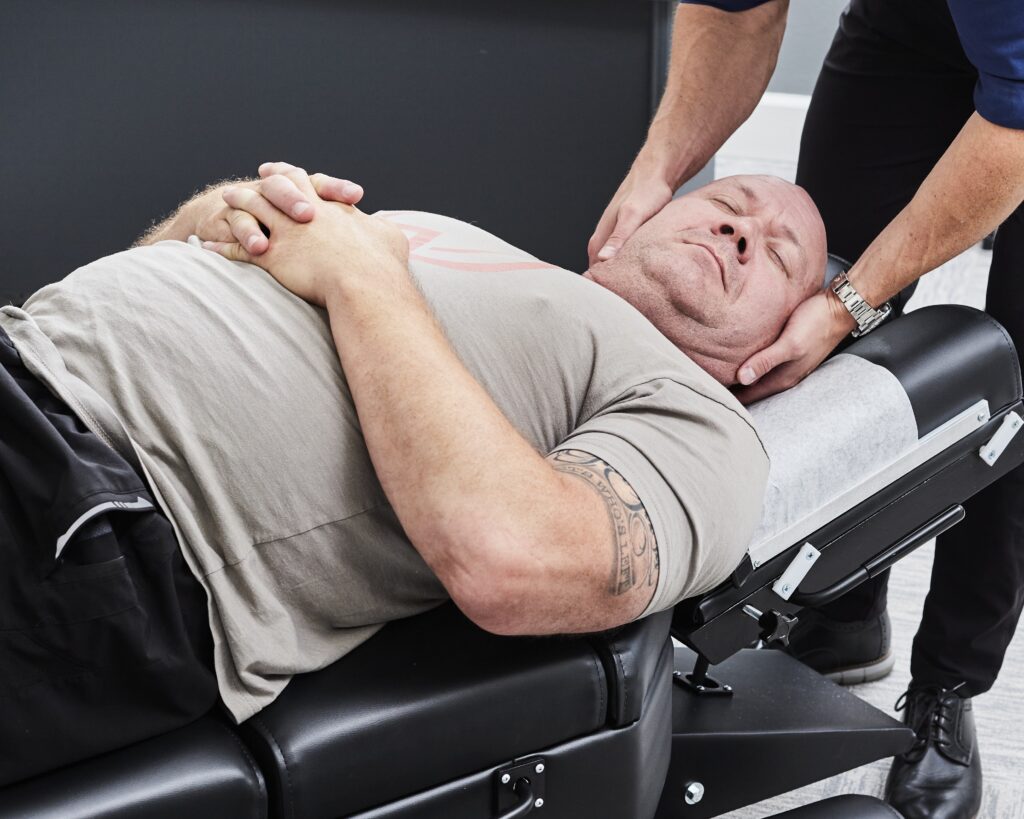
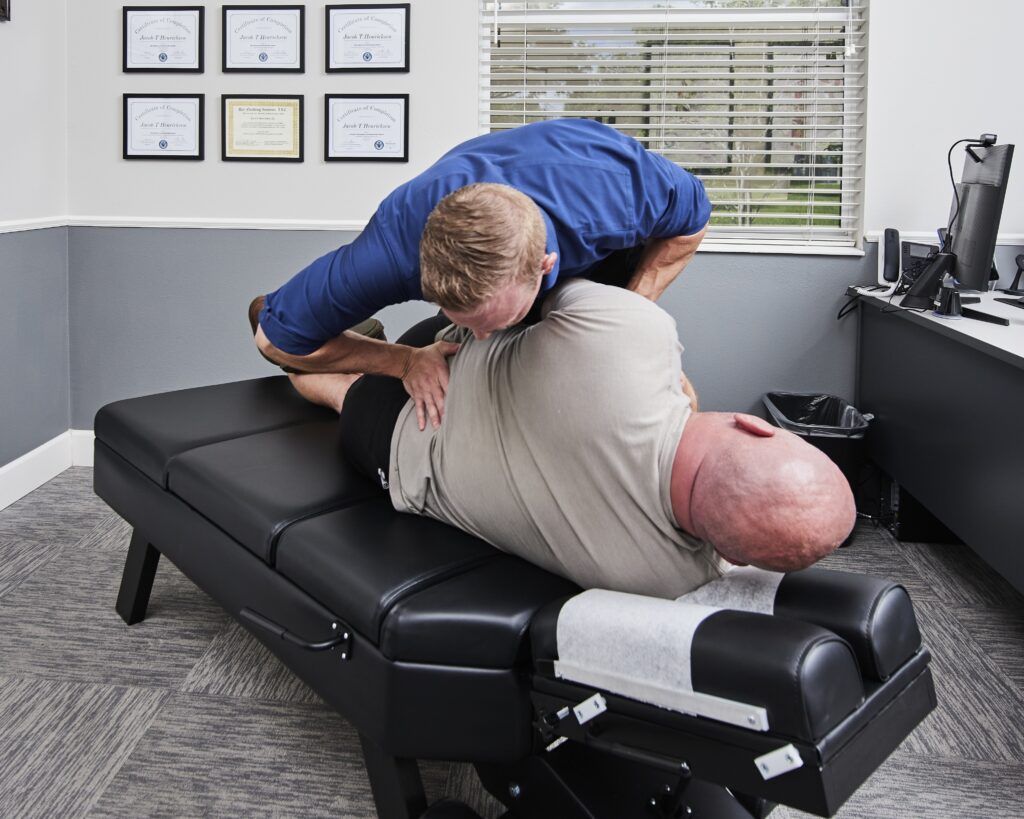
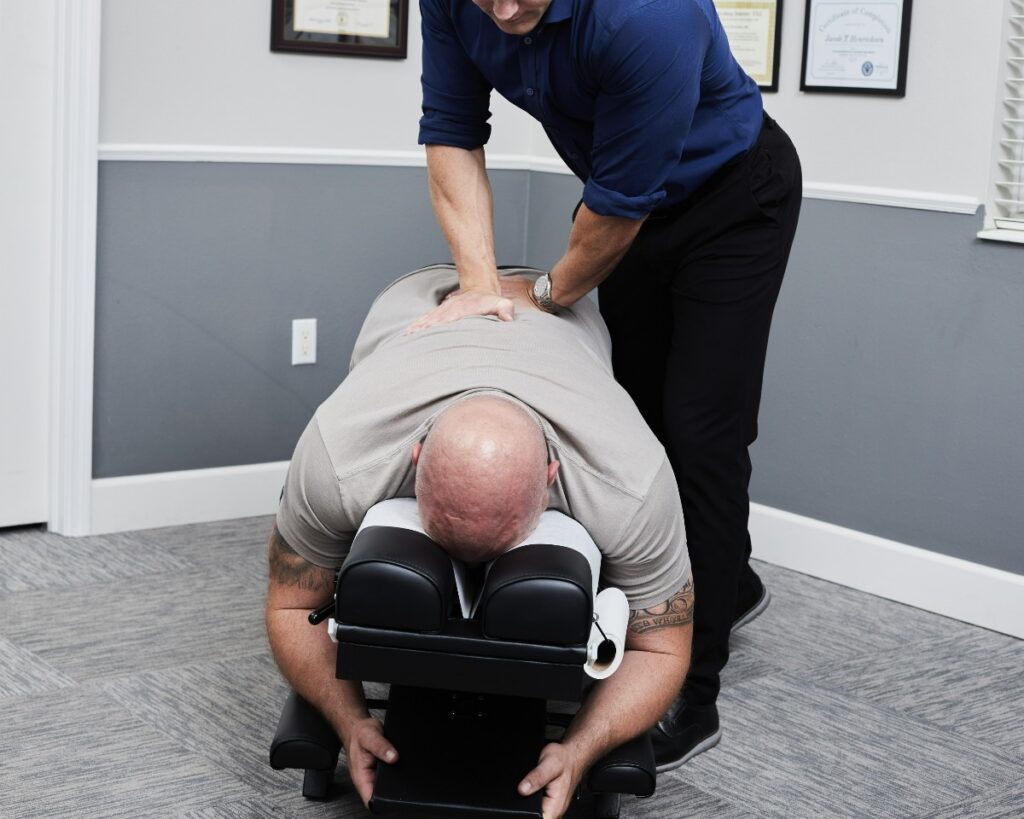
When considering the recovery process from a sports injury, it's important to understand the role of manual therapy, a cornerstone of chiropractic care. Many athletes have experienced firsthand the benefits of techniques such as massage and joint mobilization, which can significantly enhance healing and alleviate pain. However, the science behind these methods can be intricate, and their effectiveness can vary from person to person.
As a local chiropractor, I want to help you navigate these nuances so you can make informed decisions about your recovery strategy. While manual therapy can be a powerful tool, it's essential to recognize that it may not work the same way for everyone. There are also limitations to consider, and understanding these can lead to a more tailored and effective approach to your recovery. By exploring the various aspects of manual therapy, we can uncover how it fits into your overall healing journey.
Understanding Manual Therapy
As a local chiropractor, I want to share with you the benefits of manual therapy, a hands-on approach that can significantly support your recovery from sports injuries. This technique involves various physical manipulations designed to enhance your body's function and alleviate pain.
When you sustain an injury, it's common for your body to develop tightness, stiffness, or restricted movement. Manual therapy directly addresses these issues, helping you regain mobility and comfort more efficiently.
Many of my patients find that manual therapy not only alleviates pain but also improves circulation, which is essential for healing. By applying targeted pressure and movement to your muscles and joints, I can stimulate blood flow, ensuring that vital nutrients reach the injured area. This may accelerate your recovery, making your return to sports smoother and faster.
Moreover, manual therapy can foster greater body awareness. Throughout your treatment, you'll gain insights into your physical limitations and learn how to manage them effectively. You'll come to understand the importance of maintaining good posture, employing proper movement patterns, and achieving muscle balance—all of which can empower you to prevent future injuries.
It's essential to remember that while manual therapy is incredibly beneficial, it works best when integrated with other rehabilitation strategies. I encourage you to consult with a qualified therapist who can customize a plan tailored to your specific needs, ensuring a comprehensive approach to your recovery.
If you're navigating the challenges of a sports injury, consider exploring manual therapy as a valuable tool on your healing journey. Together, we can work towards a healthier, more resilient you!
Types of Manual Therapy
As a local chiropractor, I want to introduce you to the world of manual therapy and how it can play a vital role in your recovery. There are various techniques designed to address specific needs, and understanding these methods is crucial for choosing the right one for your situation.
One widely recognized technique is massage therapy, which involves manipulating soft tissues to alleviate tension and enhance circulation. Whether you opt for deep tissue or sports massage, both styles can effectively reduce pain and promote healing, addressing the underlying issues in your muscles.
Another valuable technique is joint mobilization. This involves gentle movements of your joints within their normal range of motion. By increasing flexibility and decreasing stiffness, joint mobilization can help you regain mobility more efficiently and comfortably.
Myofascial release is another method I often recommend. This technique focuses on the connective tissue surrounding your muscles. If you're experiencing tightness or discomfort in specific areas, myofascial release can help alleviate that tension and improve blood flow, supporting your overall recovery process.
We also utilize craniosacral therapy, which works on the central nervous system. By applying gentle pressure to the skull and spine, this method can be particularly effective for addressing headaches or neck pain that may arise from various activities, including sports.
Lastly, there's trigger point therapy, which targets tight knots in your muscles. By applying pressure to these specific points, you can experience significant pain relief and improved function, helping you feel better faster.
Choosing the right type of manual therapy is essential for enhancing your recovery journey. I encourage you to discuss your options with me or any qualified therapist to find the best approach tailored to your needs.
Your path to wellness can be more effective with the right support and techniques.
The Science Behind Healing
As a local chiropractor, it's important for me to help you understand the science behind healing, especially if you're recovering from a sports injury. When you sustain an injury, your body kicks off a remarkable healing process that involves inflammation, tissue repair, and regeneration. While the specifics can vary based on the type and severity of your injury, the fundamental principles remain consistent.
Initially, your body reacts to an injury by sending inflammatory cells to the damaged area. This inflammation is a crucial step in your recovery as it helps clean up the injured tissues and signals that repair is underway. You might experience symptoms like pain, swelling, and warmth—these are all part of your body's natural healing response. During this phase, your body also releases growth factors that aid in the healing process.
After the inflammation begins to subside, your body transitions into the repair phase. This is where special cells called fibroblasts start generating collagen, which forms new connective tissues. This collagen matrix is vital for restoring strength and stability to the injured area. As your body remodels the tissue, you may notice an improvement in function, making the area stronger and more resilient.
Manual therapy, a key component of chiropractic care, can greatly assist during these healing phases. Techniques such as soft tissue mobilization and joint manipulation can improve circulation, reduce stiffness, and enhance your range of motion.
By boosting blood flow to the injured area, manual therapy ensures that essential nutrients and oxygen are delivered right where they're needed, which can promote faster healing.
Benefits for Athletes
As a local chiropractor, I want to share with you the incredible benefits of manual therapy and how it can enhance your performance as an athlete. Many people aren't familiar with chiropractic care, but it plays a crucial role in improving your overall well-being.
Manual therapy focuses on techniques that can improve blood circulation, relieve pain, and increase your range of motion. These benefits are essential for athletes, as they can lead to quicker recovery times and allow you to return to your sport with greater ease.
By incorporating chiropractic care into your routine, you can stay at the top of your game and prevent injuries.
Let's explore how these natural healing techniques can support your athletic journey and help you achieve your personal best.
Enhanced Blood Circulation
As a local chiropractor, I want to share with you the incredible benefits of enhanced blood circulation, especially for those of you who may be active in sports or fitness. Many people aren't aware of how vital good blood flow is for recovery and performance.
When you engage in therapies like chiropractic adjustments or manual therapy, you're not only easing tension in your muscles but also promoting better circulation throughout your entire body.
This improved blood flow is essential as it delivers important nutrients and oxygen to your muscles and tissues, helping your body heal more quickly and efficiently after strenuous activities or injuries. For athletes and active individuals, faster recovery times mean you can return to your training routines sooner and with greater readiness.
Moreover, enhanced circulation aids in the removal of metabolic waste products, which can contribute to fatigue and soreness. By ensuring your muscles receive a steady supply of fresh blood, you're setting yourself up for peak performance during workouts and competitions.
Another significant benefit of improved circulation is the maintenance of optimal muscle temperature. This is crucial for flexibility and minimizing the risk of injuries.
By incorporating chiropractic care and manual therapy into your wellness routine, you're not only addressing any current discomforts but also laying the groundwork for better overall athletic performance.
If you're interested in learning more about how enhanced blood circulation through chiropractic care can help you, I'm here to guide you on your journey to better health and performance.
Pain Relief Techniques
As a local chiropractor, I want to share with you how effective pain relief techniques can significantly enhance your recovery from sports injuries. One of the key approaches we utilize is manual therapy, which encompasses methods such as massage and myofascial release. These techniques specifically target the soft tissues in your body, alleviating muscle tension and promoting relaxation, ultimately helping you feel more at ease during your healing process.
Through skilled hands-on techniques, we can stimulate the release of endorphins—your body's natural painkillers. This means you may experience less discomfort as you recover, allowing you to concentrate on getting back to your favorite sport.
What's more, chiropractic care can help you manage pain effectively without relying heavily on medications, which often come with unwanted side effects.
Moreover, regular chiropractic sessions can have a positive impact on your mental well-being. Dealing with pain can be quite challenging and disheartening, but the relief you gain through these techniques can help lift your spirits and strengthen your motivation to adhere to your rehabilitation program.
By incorporating these pain relief strategies into your recovery plan, you're not only alleviating discomfort but also paving the way for a quicker and more effective return to the field or court.
Embrace chiropractic care and take control of your recovery journey with us!
Improved Range of Motion
As a local chiropractor, I want to emphasize the importance of improving your range of motion, especially if you're an athlete looking to enhance your performance and avoid injuries. Many people don't realize that incorporating manual therapy into your recovery routine can significantly alleviate stiffness and tension that may be limiting your mobility.
Techniques such as stretching, joint mobilization, and myofascial release are designed to target tight muscles and connective tissues. By addressing these issues, your body can move more freely, which is crucial for anyone involved in physical activities.
As you work on regaining flexibility, you may start to notice remarkable improvements in your overall athletic performance. A better range of motion not only helps you execute techniques more effectively but also boosts your efficiency during workouts. This means you'll find it easier to perform complex movements and maintain proper form, ultimately lowering your chances of getting injured again.
Additionally, enhancing your range of motion can lead to improved coordination and balance, both of which are vital in any sport. Manual therapy can also help speed up your recovery times, allowing you to return to your training sooner.
By prioritizing flexibility and mobility through chiropractic care, you're making a valuable investment in your long-term athletic success.
Limitations of Manual Therapy
As a local chiropractor, I want to take a moment to educate you about the benefits and limitations of manual therapy in the context of sports injury recovery. While many patients find relief and healing through manual techniques, it's essential to understand that there are some limitations we should consider.
First and foremost, manual therapy often focuses on alleviating symptoms rather than addressing the underlying causes of your injuries. If we only treat the symptoms without incorporating strengthening and conditioning exercises into your recovery plan, you might find that the same issues resurface after treatment. That's why we emphasize a holistic approach that includes rehabilitation exercises alongside manual therapy.
Another important point to note is that the effectiveness of manual therapy can vary significantly from one person to another. Every individual is unique, and factors such as age, overall health, and the specific nature of your injury can all influence how well manual therapy works for you. What provides great relief for one patient may not have the same effect on another, which is why we take the time to personalize your treatment plan.
Time is also a factor to consider. Achieving the desired results with manual therapy often requires multiple sessions. If you have a busy schedule or are unable to commit to a series of appointments, it may limit the benefits you can gain from this type of treatment. We understand that your time is valuable, and we aim to make your visits as effective as possible.
Furthermore, it's essential to recognize that manual therapy may not be suitable for every type of injury. For instance, acute injuries like fractures or severe sprains might need more intensive medical treatment before we can safely apply manual techniques. We always prioritize your safety and recovery, and we'll guide you to the appropriate care.
Lastly, I want to emphasize the importance of choosing a qualified therapist. Not all practitioners have the same level of expertise, and the quality of care you receive can significantly influence your recovery journey. As your chiropractor, I'm dedicated to providing you with the highest standard of care tailored to your individual needs.
Comparing Treatment Options
As a local chiropractor, I want to help you understand the various treatment options available for sports injury recovery, especially the benefits of chiropractic care and natural healing.
When navigating your recovery journey, it's important to consider a range of methods to find what resonates with you. Chiropractic care is an excellent avenue to explore. It focuses on diagnosing and treating musculoskeletal issues, primarily through spinal adjustments and manual therapy.
By addressing misalignments in the spine, chiropractic care can enhance your body's natural healing processes, improve mobility, and alleviate pain. This hands-on approach often complements other treatment methods, providing a well-rounded recovery plan.
In addition to chiropractic adjustments, physical therapy is another option to consider. Physical therapists create individualized programs that combine exercises and hands-on techniques, which can significantly enhance your recovery. Depending on your injury, a tailored program may be more effective than chiropractic care alone.
Acupuncture is another alternative treatment that many athletes have found beneficial. It involves the insertion of fine needles at specific points on the body to relieve pain and reduce inflammation. If you're open to trying holistic approaches, acupuncture could be a worthwhile addition to your recovery plan.
Let's not forget the importance of rest and rehabilitation exercises. Sometimes, allowing your body some time to recover and gradually reintroducing movement is the best course of action. This method can help prevent further injuries and ensure a more complete recovery.
Ultimately, the most effective treatment plan often involves a combination of these approaches. By weighing the pros and cons of each option, you can make an informed decision that aligns with your specific injury and recovery goals.
I encourage you to reach out for personalized recommendations and to learn how chiropractic care can support your healing journey. Together, we can put you on the right path to recovery.
Testimonials and Case Studies
As a local chiropractor, I want to share some inspiring success stories from athletes who've experienced remarkable recoveries through manual therapy.
One such story is about Sarah, a competitive runner who faced a challenging setback due to a severe hamstring injury. After struggling for weeks with limited mobility and frustration, she turned to manual therapy for help. Through targeted soft tissue work and mobilization techniques, Sarah not only found relief from her pain but also enhanced her overall performance. In just a few weeks, she was back on the track, stronger and more capable than ever.
Another case is Mike, a dedicated soccer player who was dealing with chronic knee pain that traditional treatments couldn't alleviate. After hearing positive experiences from his teammates about manual therapy, Mike decided to give it a try. His therapist utilized a combination of joint manipulation and stretching, which resulted in significant pain reduction. Before he knew it, Mike was back on the field, scoring goals and enjoying the sport he loves.
These testimonials illustrate the effectiveness of manual therapy in the recovery process. By targeting specific injuries and improving overall function, many athletes report feeling more connected to their bodies after treatment, which helps in preventing future injuries.
Research indicates that athletes who include manual therapy in their recovery plans often experience quicker healing times and enhanced flexibility.
If you're considering manual therapy, let these stories inspire you. Recovery isn't only possible; it can also lead to improved athletic performance and overall well-being. Your journey could become the next success story, demonstrating the incredible benefits of chiropractic care and natural healing in overcoming sports injuries.
Conclusion
As a local chiropractor, I want to share how incorporating manual therapy into your recovery plan can significantly impact your healing from sports injuries. This natural approach can help alleviate pain, improve circulation, and enhance flexibility, ultimately speeding up your return to the game. While it's essential to recognize that manual therapy has its limitations, the benefits often outweigh them, especially when used alongside other treatment options. If you're interested in optimizing your recovery and enhancing your performance, I encourage you to consider adding manual therapy to your routine. It could be a game-changer for you!