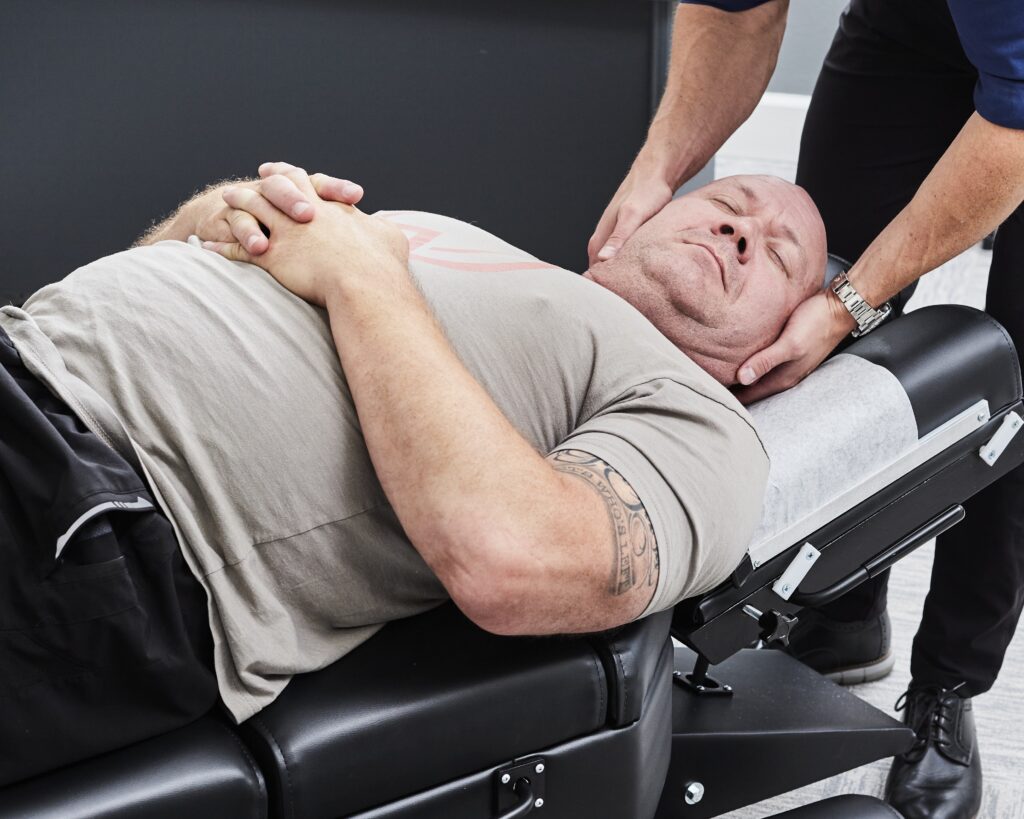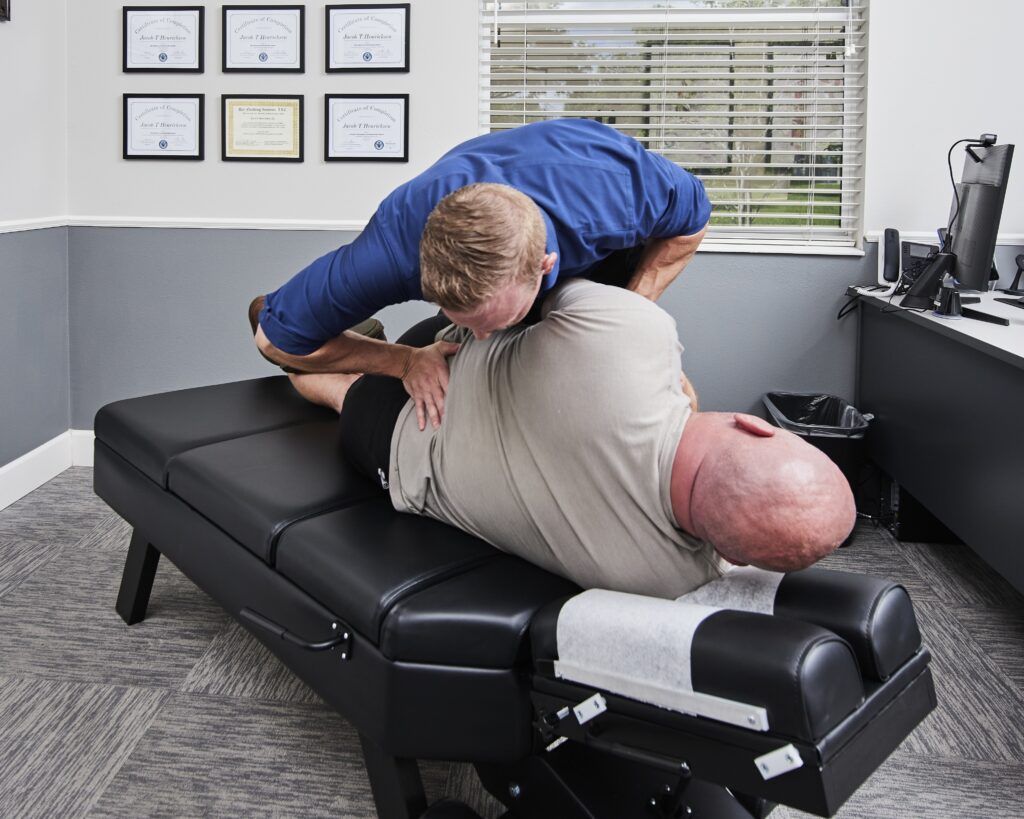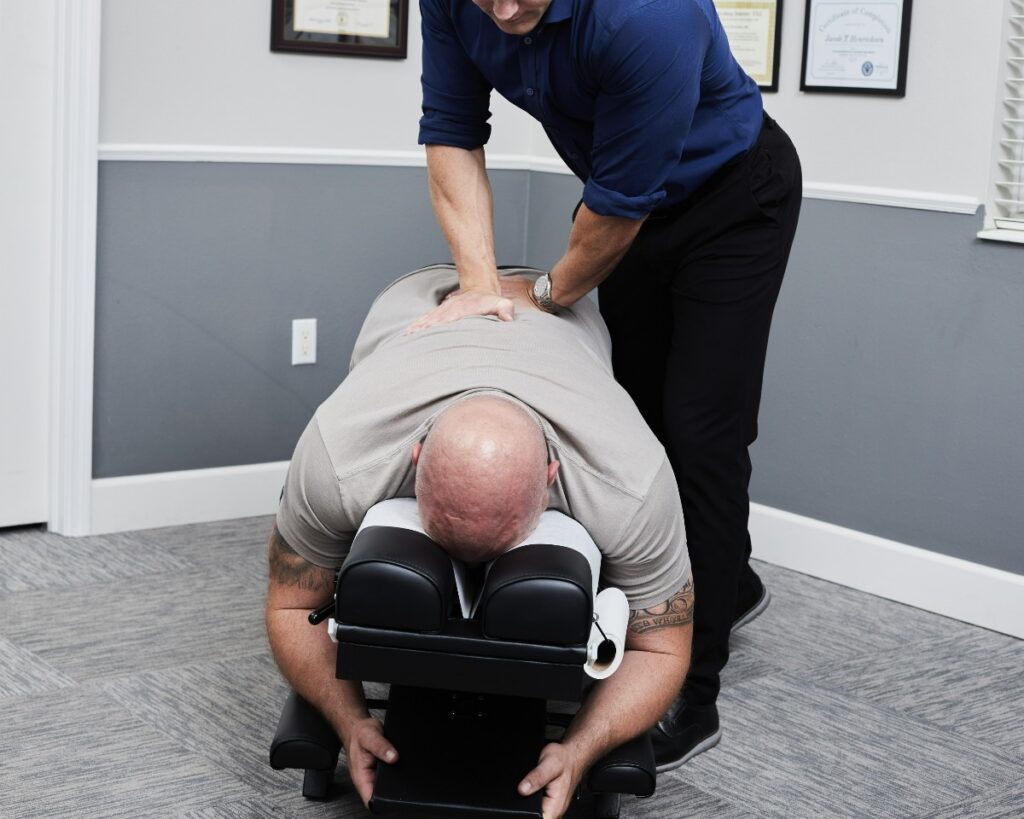

When we think about athlete injuries, it's common to see them as just a setback. However, what if I told you that these injuries could actually be transformed into valuable opportunities for growth? As a local chiropractor, I want to share how advancements in recovery techniques, particularly within the realm of chiropractic care, can empower your healing journey.
Chiropractic care focuses on optimizing your body's natural ability to heal itself. By developing personalized rehabilitation plans tailored to your specific needs, we can enhance your recovery process. Additionally, incorporating natural healing techniques, such as soft tissue therapy and spinal adjustments, can significantly improve your mobility and reduce pain.
But recovery isn't just about physical treatments. It's about adopting a holistic approach that considers your overall well-being. This includes proper nutrition, mental health support, and lifestyle adjustments that can foster resilience and expedite your recovery.
Let's work together to redefine your approach to healing, turning setbacks into comebacks. With the right mindset and the support of chiropractic care, you can bounce back faster and stronger than ever.
Understanding Common Athlete Injuries
As a local chiropractor, I want to share some important insights about common athlete injuries and how understanding them can aid in both prevention and recovery. When you engage in sports, whether it's on the field or the court, you're often putting your body under significant stress, which can lead to various injuries.
One of the most common injuries you might encounter are sprains. These occur when ligaments—the strong bands of tissue that connect your bones—are either stretched or torn. This is particularly prevalent in sports that require quick changes in direction, such as basketball or soccer.
Then we've strains, which involve injuries to your muscles or tendons—the tissues that connect your muscles to your bones. A strain can happen if you overexert yourself during a sprint or if you're not using proper form while lifting weights.
Fractures, or broken bones, are another serious concern. They can result from high-impact collisions or falls, and they need immediate medical attention to prevent complications.
Another injury that many people face is tendonitis, which is the inflammation of your tendons, typically caused by repetitive motions. This is quite common in sports like tennis and swimming, where the same movements are performed repeatedly.
Additionally, overuse injuries can develop gradually from repetitive stress on your body, leading to pain and discomfort.
As a chiropractor, I encourage you to recognize the early signs of these injuries. If you feel something is off, it's crucial to address it before it sidelines you.
Chiropractic care offers a natural approach to healing and maintaining your body's alignment, which can help prevent these injuries and enhance your overall athletic performance.
Innovative Recovery Techniques
As a local chiropractor, I want to share some innovative recovery techniques that can significantly enhance your healing and overall performance, whether you're an athlete or just someone looking to feel better.
One effective method I often recommend is active recovery. This involves engaging in low-intensity exercises after strenuous workouts or long days. Instead of opting for complete rest, keeping your body in motion can enhance blood circulation and expedite the healing process.
Another technique that has gained popularity is contrast water therapy. This involves alternating between hot and cold water baths, which can help reduce muscle soreness, improve circulation, and assist your body in flushing out toxins. It's a straightforward yet powerful way to rejuvenate fatigued muscles and can be easily integrated into your recovery routine.
Additionally, I encourage my patients to explore mindfulness and mental recovery strategies. Practices such as meditation and visualization can help alleviate stress and foster a positive mindset. This mental focus is crucial, as a healthy mental state can influence physical recovery significantly.
Foam rolling, also known as self-myofascial release, is another method that many find beneficial. By using a foam roller, you can relieve muscle tightness, enhance flexibility, and support your overall recovery process. It's an excellent tool for taking charge of your body's healing journey.
Lastly, let's not overlook the importance of nutrition in recovery. Eating nutrient-rich foods that aid in muscle repair—such as lean proteins, healthy fats, and antioxidants—can greatly influence how quickly and effectively you recover.
By incorporating these techniques into your routine, you can support your body's natural healing processes and promote a healthier, more balanced life.
If you have any questions or would like more personalized advice, feel free to reach out!
Cutting-Edge Technologies in Rehabilitation
As a local chiropractor, I want to share how cutting-edge technologies can significantly improve your recovery from an injury.
Innovations such as wearable recovery devices, virtual reality therapy, and biomechanical analysis tools are transforming the rehabilitation landscape. These tools not only help track your progress but also enhance your overall performance.
By incorporating these advancements into your treatment plan, you can experience a more effective and efficient recovery journey.
Embracing these technologies alongside natural healing methods can truly make a difference in your path to wellness.
Wearable Recovery Devices
In today's fast-paced world, many athletes are discovering the benefits of wearable recovery devices to complement their rehabilitation efforts, and as your local chiropractor, I want to help you understand how these tools can enhance your healing journey.
These innovative devices can monitor your body's response to both training and recovery, providing you with valuable insights to help you recover more effectively and safely.
Here are four key benefits of using wearable recovery devices, especially when integrated with chiropractic care:
- Real-time Monitoring: These devices track essential metrics like heart rate, muscle strain, and body temperature, giving you and your chiropractor a clearer picture of your recovery status. This information can guide our chiropractic adjustments and therapies.
- Data Analysis: With advanced algorithms, wearable devices analyze your performance trends. This analysis can highlight areas that may need extra attention, allowing us to tailor our treatment approach for optimal results.
- Custom Recovery Plans: Based on the unique data collected by these devices, you can receive personalized rehabilitation suggestions. This ensures that your recovery plan aligns with your specific needs, complementing the adjustments and therapies I provide at the clinic.
- Injury Prevention: By better understanding your body's signals, you can reduce the risk of re-injury and overtraining. This proactive approach to recovery, combined with chiropractic care, can help you stay in peak condition.
These wearable recovery devices aren't just about recovery; they can give you a significant advantage in your overall health and performance.
Embracing this technology, alongside natural healing methods like chiropractic care, could be the key to enhancing your physical abilities and returning to your best self more quickly.
I'm here to help you navigate this journey towards optimal wellness!
Virtual Reality Therapy
As a local chiropractor, I want to introduce you to an exciting development in rehabilitation that combines technology with natural healing: Virtual Reality (VR) therapy. This innovative approach allows you to step into a virtual environment specifically designed to support your recovery.
Imagine engaging in simulations that replicate the movements and scenarios you encounter in daily life or your favorite sports. When you put on the VR headset, you'll be immersed in interactive exercises aimed at enhancing your strength, coordination, and range of motion.
Unlike traditional rehabilitation, where you might feel passive, VR therapy empowers you to actively participate in your recovery. You'll receive instant feedback on your performance, enabling you to track your progress as you work on movements that are crucial for your well-being and athletic performance. This not only helps you regain your confidence but also minimizes the risk of re-injury.
Additionally, VR therapy can significantly benefit your mental health. The immersive nature of this technology can help divert your attention from pain and anxiety, making your recovery journey more pleasant.
Biomechanical Analysis Tools
As a local chiropractor, I want to introduce you to the remarkable benefits of biomechanical analysis tools in your recovery journey. These advanced technologies are designed to help you gain a deeper understanding of your body's mechanics, which is crucial for effective rehabilitation.
By analyzing your movements, we can identify specific issues and create personalized recovery strategies that cater to your unique needs.
Here are four key benefits of utilizing biomechanical analysis in your rehabilitation:
- Enhanced Movement Assessment: You'll receive detailed feedback on your gait, posture, and overall biomechanics. This insight is essential for pinpointing areas that may need attention and improvement.
- Personalized Recovery Plans: The information gathered from these analyses enables us to develop tailored rehabilitation programs that align with your specific requirements, ultimately accelerating your recovery process.
- Injury Prevention: By identifying potential weaknesses in your biomechanics, we can focus on strengthening those areas. This proactive approach helps to reduce the likelihood of future injuries, keeping you active and engaged in your daily life.
- Performance Optimization: Analyzing your movement patterns not only supports your recovery but also enhances your overall performance. With targeted adjustments, you can return to your activities feeling stronger and more capable than ever.
Integrating biomechanical analysis into your rehabilitation can significantly enhance your recovery experience.
As your chiropractor, I encourage you to embrace these innovative tools—together, we can help you bounce back faster and stronger!
Personalized Approaches to Healing
Healing from sports injuries requires a personalized approach that takes into account your unique needs and circumstances. As a local chiropractor, I believe that every athlete is different, and so are the injuries they encounter. A generic recovery plan simply won't suffice. It's essential to collaborate with healthcare professionals who understand your specific sport, body mechanics, and personal health history. This partnership enables us to develop a recovery plan that truly suits you.
First, let's assess the type and severity of your injury. Whether you're dealing with a sprain, strain, or something more complex, comprehending the specifics of your injury is crucial for effective treatment. As a chiropractor, I can help you understand how your body responds to various therapies. Some athletes find relief and improvement through chiropractic adjustments, while others may benefit from therapeutic exercises or specific strength training.
It's also vital to consider your mental well-being during recovery. Are you feeling anxious about getting back on the field? Incorporating mental conditioning into your healing process can help build your confidence and resilience, which are essential for a successful comeback.
Furthermore, don't underestimate the importance of customized rehabilitation exercises. Tailored routines not only strengthen the injured area but also enhance your overall performance.
As you move forward in your recovery, I encourage you to keep a close record of your progress and communicate any concerns with me or your healthcare team. Adjustments to your treatment plan may be necessary as you heal, and staying actively engaged in your recovery is key to getting back to your best self.
Nutritional Support for Recovery
As a local chiropractor, I want to emphasize the importance of proper nutrition in your recovery journey after an injury.
The right nutrients play a crucial role in healing your body. It's essential to focus on essential vitamins and minerals that support your recovery, as well as ensure you're staying well-hydrated.
Timing your meals can also enhance your healing process. By understanding these key aspects of nutrition, you'll not only aid your recovery but also strengthen your body for the future.
Essential Nutrients for Healing
As a local chiropractor, I want to emphasize the vital role that proper nutrition plays in your recovery process, especially if you're healing from an injury.
Essential nutrients are crucial in aiding tissue repair, reducing inflammation, and restoring strength. Here are some key nutrients to focus on during your healing journey:
- Protein: This nutrient is fundamental for repairing muscles and rebuilding tissues. I recommend incorporating high-quality sources into your diet, such as lean meats, fish, eggs, and legumes. These foods can significantly enhance your recovery.
- Omega-3 Fatty Acids: Known for their anti-inflammatory properties, omega-3s can facilitate healing. I suggest adding fatty fish, flaxseeds, and walnuts to your meals to harness their benefits.
- Vitamins C and E: These vitamins act as powerful antioxidants, helping protect your cells from damage during recovery. Foods rich in these vitamins, like citrus fruits, bell peppers, nuts, and seeds, should be staples in your diet.
- Zinc: This essential mineral plays a vital role in supporting your immune system and assisting with tissue repair. You'll find zinc in foods such as meat, shellfish, and whole grains, which can contribute significantly to your healing process.
By prioritizing these nutrients, you can optimize your recovery and support your body's natural healing capabilities.
Hydration's Role in Recovery
As a local chiropractor, I want to emphasize the often-overlooked importance of hydration during your recovery process. Proper hydration is crucial for healing, as it helps maintain optimal blood circulation. This circulation is vital for delivering essential nutrients and oxygen to your injured tissues. When your body is dehydrated, it struggles to perform these critical functions, which can slow down your recovery.
In addition to aiding circulation, staying hydrated plays a significant role in reducing inflammation and flushing out toxins that can build up after an injury. This is especially important if you're experiencing swelling or soreness. It's important to know that even a minor decrease in your fluid levels can hinder your body's natural healing processes.
Remember, hydration isn't just about drinking plain water. Electrolytes—like sodium and potassium—are vital for maintaining fluid balance and ensuring proper muscle function. I encourage you to consider incorporating electrolyte-rich beverages, such as coconut water or certain sports drinks, into your daily routine while you recover.
Pay attention to your body's signals; if you start feeling fatigued or lightheaded, it could be a sign that you need to increase your fluid intake.
Timing Nutritional Intake Matters
As a local chiropractor dedicated to your healing and recovery, I want to share how important the timing of your nutritional intake is for your body's healing process, especially after an injury. Proper nutrition can significantly enhance your recovery and overall health.
Here are some strategies to consider:
- Post-Workout Nutrition: It's crucial to nourish your body within 30 minutes after any physical activity. Focus on consuming a combination of protein and carbohydrates. This not only kickstarts muscle repair but also helps replenish glycogen stores, which are vital for energy.
- Hydration is Key: Staying hydrated is essential, particularly during your recovery. Water plays a crucial role in transporting nutrients throughout your body and supporting cellular repair. Make it a habit to drink water consistently throughout the day.
- Regular Balanced Meals: I recommend eating balanced meals every 3-4 hours. Incorporate lean proteins, healthy fats, and complex carbohydrates into your diet. This will ensure your body has a consistent supply of the nutrients it needs to heal effectively.
- Pre-Sleep Snack: Don't overlook the importance of a light, protein-rich snack before bed. This can aid in muscle recovery while you sleep and promote the release of growth hormones, facilitating healing.
By tuning into your nutritional timing, you can significantly enhance your recovery journey and support your body's natural healing processes.
As your chiropractor, I'm here to guide you on this path towards optimal health and wellness!
Mental Resilience and Injury Management
As a local chiropractor, I often see athletes navigating the challenging journey of recovery from injuries. It's important to understand that cultivating mental resilience plays a crucial role in this process.
First and foremost, it's vital to acknowledge your feelings. Accepting emotions such as frustration, sadness, or anger is an integral part of healing. Rather than suppressing these feelings, confront them directly. One effective method is journaling, which can help you articulate your thoughts and monitor your emotional journey through recovery.
Setting realistic goals is another key aspect of recovery. I encourage you to break down your recovery process into smaller, manageable milestones. This not only keeps you motivated but also provides a sense of accomplishment as you achieve each goal. Remember to celebrate every bit of progress, no matter how small it may seem; every step forward is a victory worth recognizing.
Visualization is a powerful technique that can aid in your recovery. Take time to picture yourself performing at your best—fully recovered and thriving. This mental imagery can enhance your confidence and reinforce the belief that you'll return to peak performance.
Don't forget the importance of leaning on your support system. Surrounding yourself with encouraging family, friends, and teammates can make a significant difference in your emotional well-being. Sharing your struggles with those who care about you can help lighten the emotional burden, making it easier to cope.
Incorporating mindfulness and relaxation techniques into your routine can also help reduce stress during this tumultuous time. Practices like meditation or controlled breathing exercises can keep you focused and calm, allowing you to navigate your recovery with greater ease.
Lastly, it's essential to understand that setbacks are a normal part of the healing process. Stay adaptable and be ready to adjust your mindset as needed. Embrace the journey of recovery, and you may find that you emerge stronger than before.
Your mental resilience is a vital asset in overcoming injury and returning to your sport with renewed energy and enthusiasm. As your chiropractor, my goal is to support you not just physically, but also mentally, as you embark on this healing journey.
Conclusion
Injuries can feel like a significant setback, but as a local chiropractor, I want to share how natural healing and chiropractic care can help you recover more effectively. By incorporating innovative recovery techniques and utilizing advanced chiropractic methods, we can create a personalized rehabilitation plan tailored just for you.
It's essential to recognize the role of nutrition and mental well-being in your recovery process. A balanced diet and a positive mindset can significantly enhance your healing journey. With dedication and the right support from chiropractic care, you can not only recover from your injury but also emerge stronger than before. Together, we'll ensure you're ready to face your next challenge with renewed confidence.