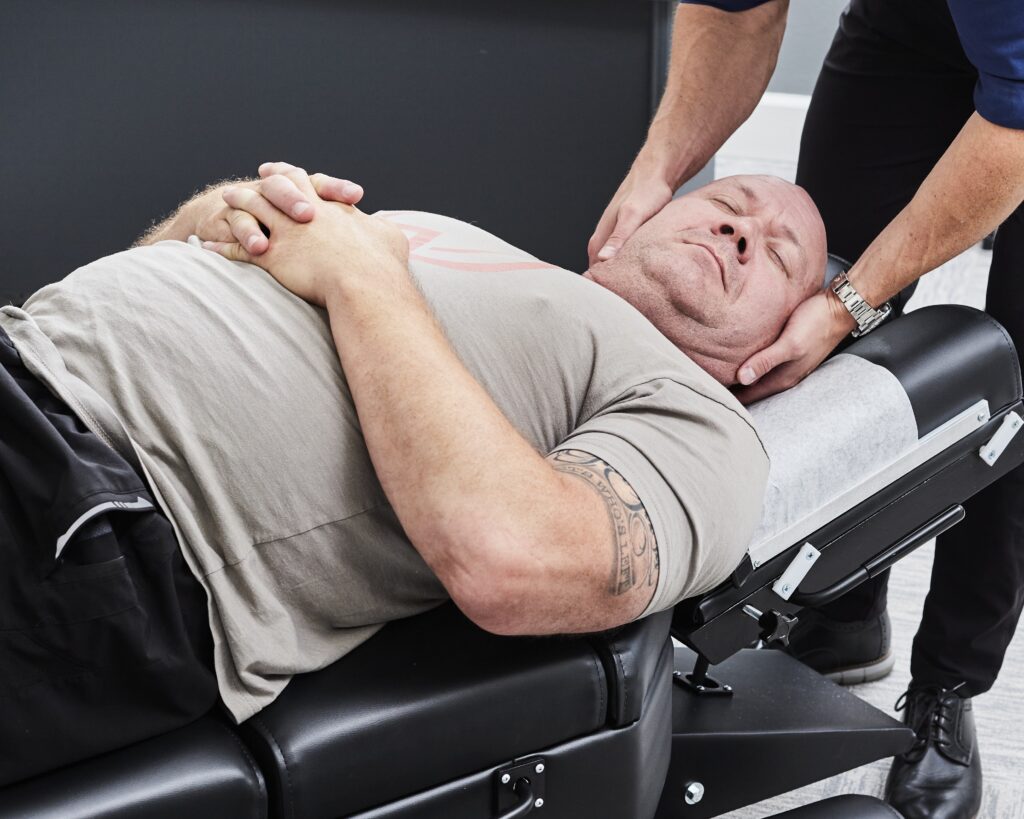
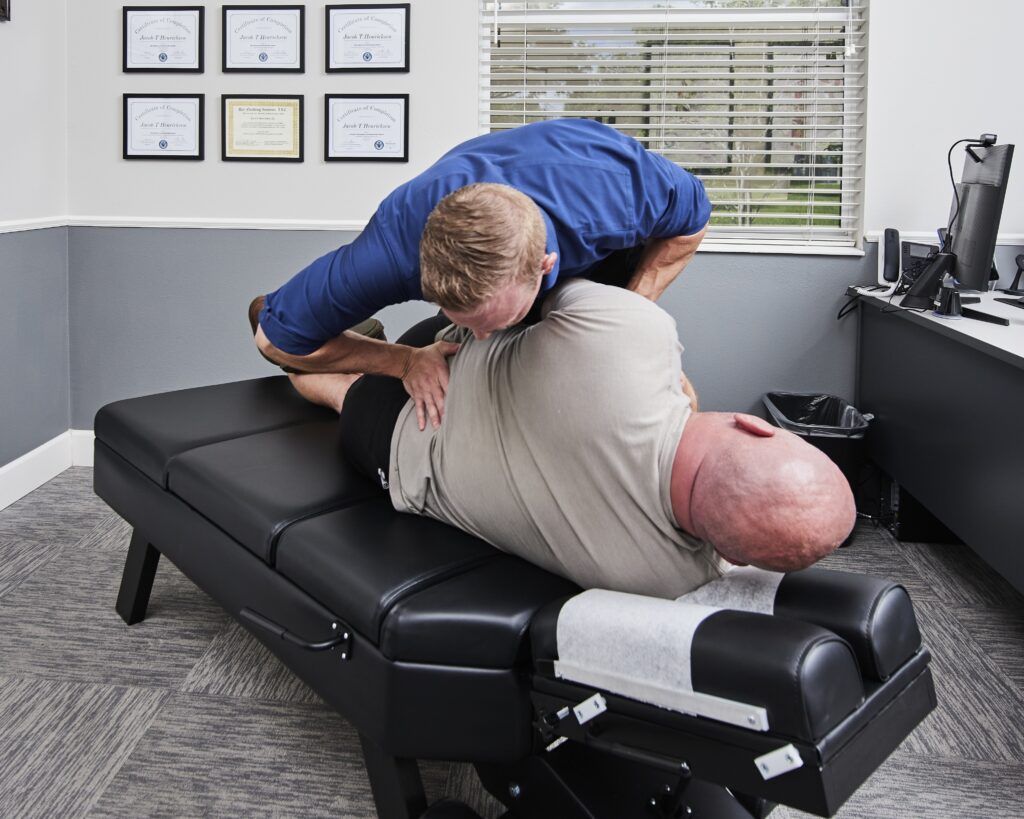
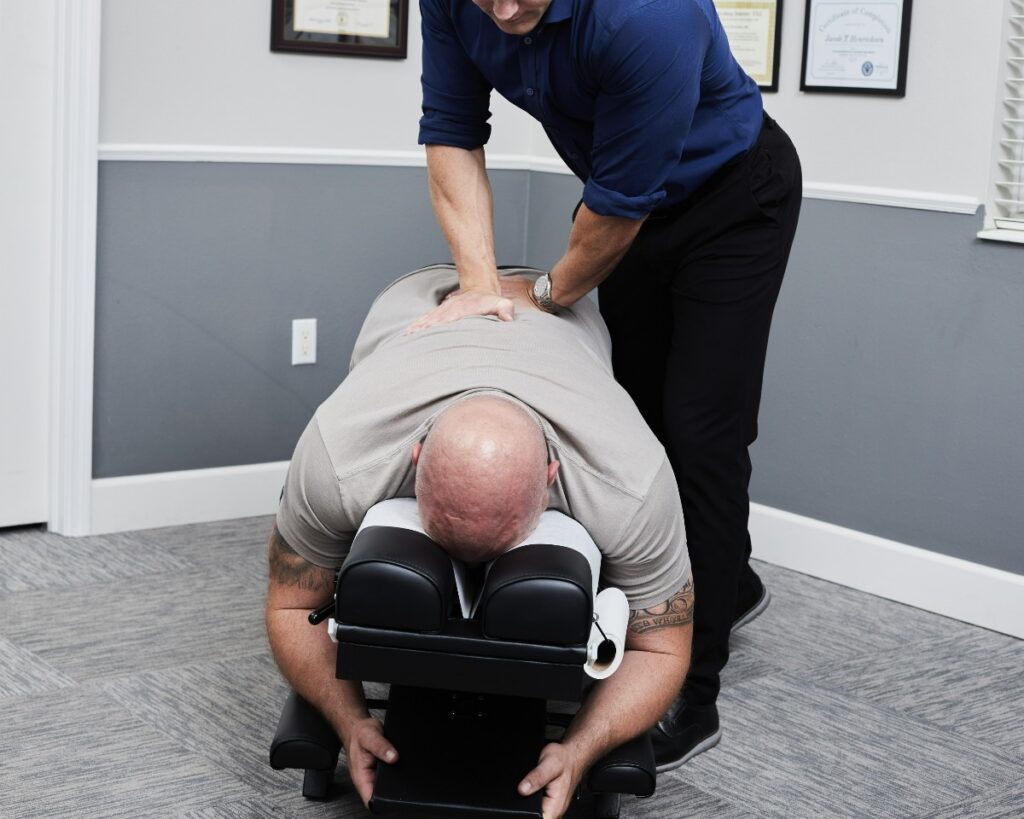
You might not realize just how much boosting your mobility and flexibility can transform your everyday life. Enhanced athletic performance, reduced risk of injury, and improved posture are just a few of the benefits that come with regular mobility exercises. Not to mention, you could alleviate chronic pain and manage stress more effectively. As you explore these advantages, you'll likely discover how they intertwine to create a more balanced and active lifestyle. So, what are the specific strategies you can implement to start reaping these benefits?
Enhanced Athletic Performance
When you boost your mobility and flexibility, you release your true athletic potential. Enhanced mobility allows your joints to move through their full range, enabling you to perform movements with greater efficiency and power. This means when you sprint, jump, or change direction, your body can respond quickly and effectively, giving you an edge over your competition.
Flexibility plays an essential role in your athletic performance as well. When your muscles can stretch and contract freely, you'll notice improved speed and agility. You'll find that executing complex maneuvers becomes easier, and your overall coordination improves.
Whether you're lifting weights, playing a team sport, or engaging in individual activities, being flexible helps you adapt your body to varying physical demands.
Incorporating mobility and flexibility training into your routine can directly enhance your performance. Dynamic stretching, yoga, and mobility drills can increase blood flow to your muscles, improving their function during workouts and competitions.
You'll also notice that your recovery time decreases, allowing you to train harder and more frequently.
Ultimately, when you prioritize mobility and flexibility, you're not just improving your physical capabilities; you're also boosting your confidence. You'll feel more in control of your body, which translates to better performance under pressure.
Reduced Risk of Injury
When you improve your muscle flexibility, you lower the chances of strains and sprains.
Enhanced joint stability and better balance control also play an essential role in keeping you injury-free during activities.
Enhanced Muscle Flexibility
Enhanced muscle flexibility plays an essential role in reducing the risk of injury during physical activities. When your muscles are flexible, they can stretch more easily without tearing or straining. This means you're less likely to experience pulls or tears, especially during high-intensity workouts or sudden movements.
Regular stretching and flexibility exercises help lengthen your muscles and improve their elasticity. Incorporating these practices into your routine can enhance your overall performance and endurance. You'll find that your body can move more freely, allowing for better execution of various movements, whether you're running, jumping, or lifting weights.
Moreover, enhanced muscle flexibility contributes to better posture and alignment, which can prevent overuse injuries. When your muscles are balanced and flexible, they work together more effectively, reducing the strain on joints and connective tissues.
In essence, by prioritizing muscle flexibility, you're not just preparing your body for physical challenges but also safeguarding it against potential injuries.
Improved Joint Stability
Improved joint stability is essential for maintaining mobility and reducing the risk of injury during physical activities. When your joints are stable, they can better support your body's movements, helping you perform exercises and daily tasks with confidence. This stability comes from a combination of strong muscles, tendons, and ligaments surrounding your joints, working together to keep everything in place.
By focusing on strength training and flexibility exercises, you can enhance your joint stability. For instance, incorporating resistance exercises for your core and leg muscles will fortify the structures that support your knees, hips, and ankles. Likewise, stretching can improve flexibility in these areas, ensuring your joints move smoothly without undue stress.
When your joints are stable, you'll experience less pain and discomfort, which empowers you to stay active and engaged in various physical pursuits.
Plus, better joint stability can help you avoid common injuries like sprains and strains that often occur during sudden movements or awkward positions.
Better Balance Control
Achieving better balance control is essential for reducing the risk of injury in everyday activities and sports. When you can maintain your balance effectively, you're less likely to fall or strain muscles during physical activities. This control doesn't just benefit athletes; it's vital for everyone, especially as we age.
To improve your balance, incorporate exercises that challenge your stability. Simple activities like standing on one leg or practicing yoga can greatly enhance your balance skills. Additionally, integrating balance-specific workouts, such as tai chi or stability ball exercises, can train your body to respond better to unexpected movements.
As you develop better balance control, you'll notice increased confidence in your movements, whether you're traversing uneven surfaces or participating in high-impact sports. This confidence helps you push your limits safely, knowing your body can handle the demands placed on it.
Moreover, strong balance control contributes to better coordination and agility, making everyday tasks like climbing stairs or carrying groceries easier. By prioritizing balance training, you're not just reducing your risk of injury; you're also enhancing your overall mobility and flexibility, leading to a more active and fulfilling lifestyle.
Improved Posture and Alignment
Good posture and proper alignment can markedly impact your overall health and well-being. When you maintain good posture, your body functions more efficiently, allowing you to perform daily activities with ease. You may not realize it, but the way you sit, stand, and move affects everything from your energy levels to your mood.
When you align your body correctly, it reduces the strain on your muscles and joints. This helps you avoid unnecessary tension and fatigue, making it easier to stay active throughout the day. You'll find that you can engage in various physical activities without feeling worn out or uncomfortable.
Plus, good posture enhances your breathing by allowing your lungs to expand fully, which improves oxygen flow and can boost your energy.
Improving your posture also contributes to greater confidence. When you stand tall and carry yourself well, you project a sense of self-assuredness. This not only influences how others perceive you but can also positively affect your self-esteem.
Incorporating exercises that promote flexibility and mobility can markedly enhance your posture and alignment. Stretching routines, yoga, and strength training can help you develop the necessary muscle support to maintain proper alignment.
As you become more aware of your body mechanics, you'll naturally adopt better posture in your everyday life.
Alleviation of Chronic Pain
Chronic pain can hold you back, but addressing muscle tension and joint functionality can make a real difference.
By incorporating targeted exercises and stretches, you can reduce tightness and improve your body's movement.
Let's explore how these changes can alleviate discomfort and enhance your overall well-being.
Reduced Muscle Tension
When it comes to alleviating chronic pain, reducing muscle tension plays an essential role. Tight muscles can lead to discomfort, limiting your movement and affecting your daily life. By focusing on relaxation techniques and gentle stretching, you can effectively ease muscle tension and relieve pain.
Incorporating practices like yoga or tai chi encourages your muscles to lengthen and relax, promoting a sense of calm. As you engage in these activities, you're not just reducing tension but also increasing circulation, which helps deliver nutrients to your muscles and aids in recovery.
You might also consider incorporating foam rolling or massage into your routine. These methods can target specific areas of tightness, breaking down knots and promoting relaxation.
As you release that tension, you'll likely find that your pain diminishes, allowing you to move more freely.
Enhanced Joint Functionality
Reducing muscle tension not only eases discomfort but also paves the way for enhanced joint functionality. When your muscles are relaxed, they allow your joints to move more freely. This improved range of motion can greatly alleviate chronic pain, making everyday activities more manageable.
You'll notice that simple movements, like bending or reaching, become easier and less painful.
By focusing on flexibility and mobility exercises, you can strengthen the muscles around your joints, providing better support and stability. This reduction in strain helps to prevent further injury and can lead to a more active lifestyle.
Incorporating stretching and low-impact activities into your routine not only targets muscle tension but also encourages synovial fluid production, which lubricates your joints.
As a result, you'll experience less stiffness and discomfort, enhancing your overall joint functionality.
Increased Range of Motion
A significant increase in your range of motion can transform your physical capabilities and overall well-being. When you enhance your flexibility, you're not just improving your ability to stretch; you're also revealing a host of benefits that directly impact your daily life.
You'll find that movement becomes easier, allowing you to perform tasks with less effort and discomfort.
Here are three key advantages of increased range of motion:
- Improved Performance: Whether you're an athlete or enjoy recreational activities, a greater range of motion can elevate your performance. You'll find it easier to execute complex movements, from running to dancing.
- Reduced Risk of Injury: When your joints and muscles are more flexible, the chances of strains and sprains decrease. You'll protect yourself during physical activities and everyday tasks, which means fewer setbacks and more time enjoying what you love.
- Enhanced Posture: A flexible body supports better alignment, leading to improved posture. You'll notice a difference in how you stand and sit, which can alleviate discomfort and promote better health overall.
As you work on increasing your range of motion through stretching, yoga, or other mobility exercises, you'll not only feel more agile but also gain confidence in your body's abilities.
With this newfound freedom of movement, daily activities become less of a chore and more of a joy, enhancing your quality of life. Embrace the journey to a more flexible you!
Better Stress Management
Incorporating mobility and flexibility exercises into your routine can greatly enhance your ability to manage stress. When you engage in these exercises, you're not just improving your physical health; you're also fostering a mental state that's more resilient to stressors. Stretching and dynamic movements release endorphins, which are natural mood lifters. This hormonal boost can help alleviate feelings of anxiety and tension.
Moreover, mobility and flexibility exercises promote mindfulness. As you focus on your breath and body movements, you're cultivating a meditative state. This helps you disconnect from daily distractions and stressors, allowing you to center your thoughts. Techniques like yoga or tai chi encourage you to be present, which can be particularly effective in combating overwhelming feelings.
Additionally, these exercises can improve your posture and alignment, reducing physical discomfort that might be contributing to your stress. When you feel good physically, it's easier to maintain a positive mental outlook. A flexible body can lead to a more flexible mind, making you better equipped to handle life's challenges.
To get the most from your routine, try to incorporate mobility and flexibility exercises several times a week. Even short sessions can yield significant benefits. Whether it's a quick stretch during a break or a more extended yoga practice, you'll find that prioritizing these movements can transform your approach to stress management.
Conclusion
Incorporating mobility and flexibility exercises into your routine can transform your physical health and athletic performance. By enhancing your range of motion, you reduce the risk of injury and improve your posture. Plus, these exercises can alleviate chronic pain and help manage stress effectively. Embracing this approach not only empowers you to move better but also enriches your overall well-being, allowing you to lead an active, fulfilling life. So, why not start today?