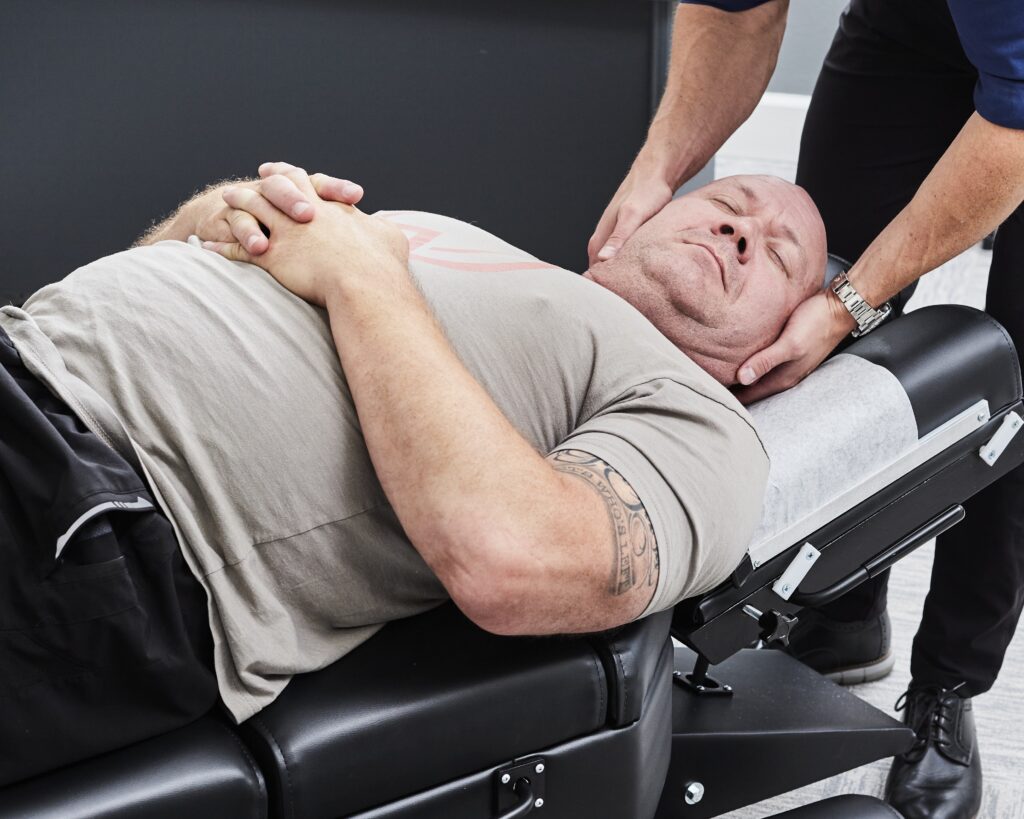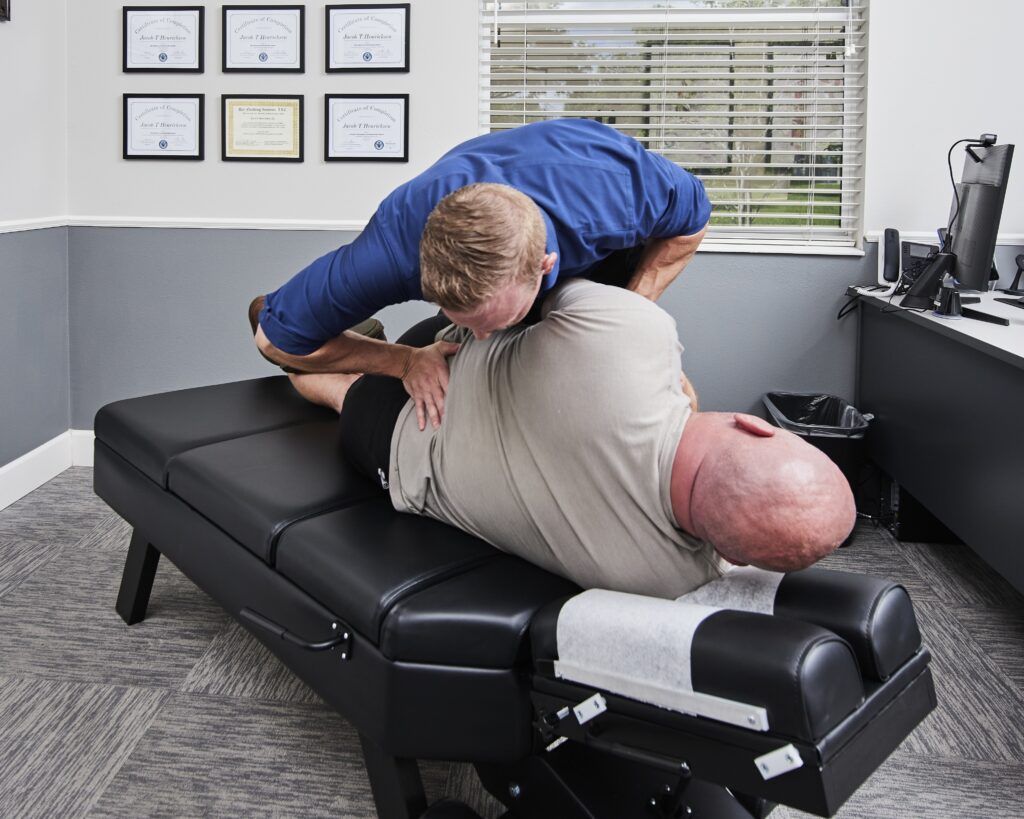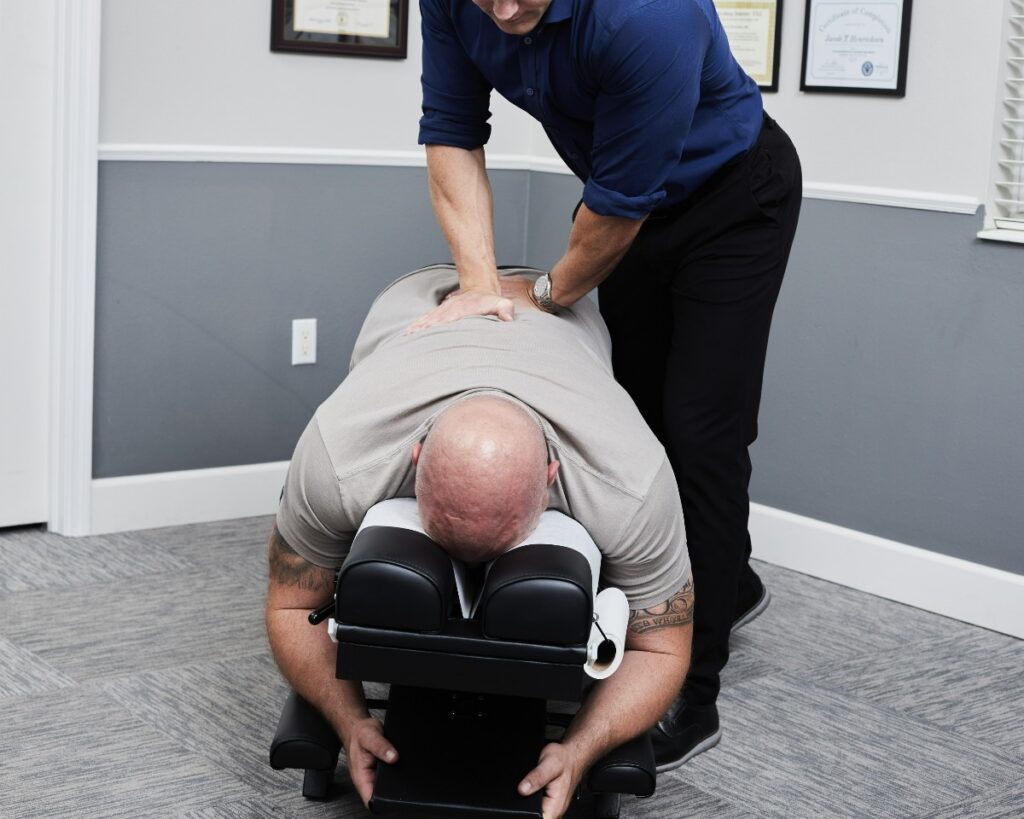

As a local chiropractor dedicated to helping you achieve optimal health, I invite you to take our flexibility quiz. This simple assessment will help you understand your current range of motion and how it relates to your overall well-being. By considering factors such as your daily activities and any previous injuries, you'll uncover insights that highlight both your strengths and areas that may need improvement.
This personalized approach not only lays the groundwork for your flexibility goals but also piques your interest in how even minor adjustments in your routine can lead to significant improvements. Enhanced flexibility can contribute to better posture, reduced pain, and a lower risk of injury, all of which are essential for maintaining a healthy lifestyle.
Are you curious about what your results might reveal? Let's delve into the many benefits of improved flexibility and discuss how chiropractic care and natural healing can support you on this journey towards greater health and vitality.
Understanding Flexibility
As a local chiropractor, I want to share some insights about flexibility that go beyond the common understanding of simply being able to touch your toes. Flexibility is fundamentally about the range of motion in your joints and muscles, and it plays a crucial role in your overall health and wellbeing.
While many may associate flexibility with athletes like gymnasts or dancers, it's vital for everyone, regardless of how active you are. Understanding flexibility begins with recognizing how it affects your body and your daily movements. Factors such as age, genetics, and your physical activities all impact your flexibility.
The good news is that by incorporating stretching and specific flexibility exercises into your routine, you can enhance your range of motion. This adaptability not only improves your physical capabilities but also helps prevent injuries by enabling your muscles and joints to better manage stress.
In our practice, we often discuss the difference between static and dynamic flexibility. Static flexibility is your ability to hold a stretch without any movement, while dynamic flexibility involves moving your joints through their full range of motion during activities.
Both types are essential for optimal physical performance and comfort in everyday tasks, such as bending down to tie your shoes or reaching for something on a high shelf.
To truly appreciate your flexibility, it's beneficial to assess your current level and identify areas for improvement. Regular monitoring can help you set realistic goals and track your progress.
By prioritizing flexibility in your life, you can enhance your physical capabilities and gain a greater awareness of your body, which can significantly contribute to your overall health journey.
Incorporating chiropractic care into your routine can also support your flexibility goals. Our approach focuses on natural healing and promoting proper alignment, which can further enhance your range of motion and overall physical function.
Let's work together to improve your flexibility and elevate your health!
Benefits of Enhanced Flexibility
As a local chiropractor, I want to share with you the remarkable benefits of enhanced flexibility and how it can significantly improve your overall quality of life. When you prioritize increasing your flexibility, one of the first changes you may notice is an improvement in your range of motion. This enhanced mobility can make everyday activities—like bending down to tie your shoes or reaching for something on a high shelf—much easier and more comfortable.
Improved flexibility isn't just about convenience; it also plays a crucial role in preventing injuries. By incorporating stretching and flexibility exercises into your routine, you increase your muscle elasticity, which reduces the risk of strains and pulls during physical activities. Whether you're hitting the gym, participating in sports, or simply taking a stroll, having better flexibility can help keep you safe and active.
Furthermore, I often see that patients who focus on flexibility experience enhanced athletic performance. Many sports require a balance of strength and flexibility, and those who work on both aspects tend to notice significant improvements in their abilities. You'll likely feel more agile, and you may also benefit from quicker recovery times after your workouts, allowing you to maintain your fitness journey without setbacks.
In addition to the physical advantages, increased flexibility can positively impact your mental well-being. Many stretching and flexibility exercises promote relaxation, which can help reduce stress and anxiety levels. I've seen firsthand how patients who incorporate flexibility training into their routines often report feeling more centered and calm.
As your chiropractor, I encourage you to consider the importance of flexibility not only for your physical health but also for your overall mental wellness. Embracing a holistic approach to your health can lead to a happier, healthier life.
Common Flexibility Myths
As a local chiropractor dedicated to promoting natural healing and overall wellness, I often encounter patients who hold common misconceptions about flexibility that can steer them off course in their fitness journeys.
One prevalent myth is that flexibility is merely about the ability to touch your toes or perform the splits. While these activities can be impressive, true flexibility encompasses the range of motion in various joints and can differ significantly from one individual to another.
Another misconception is that daily stretching is necessary for improving flexibility. While incorporating regular stretching into your routine is beneficial, it doesn't have to be a daily obligation. The key lies in consistency rather than intensity. Overstretching without adequate recovery can actually lead to injuries instead of enhancing flexibility.
Additionally, many people believe that flexibility training is exclusively for athletes or dancers. However, I want to emphasize that everyone—regardless of fitness level or activity—can gain from improving their flexibility. Enhanced flexibility can lead to better overall movement, a reduced risk of injury, and improved posture, which are crucial for everyone's daily activities.
Some individuals think that once they reach a certain level of flexibility, they can stop working on it. It's important to understand that flexibility can fluctuate over time due to factors such as age, activity level, and muscle tightness. Therefore, it's essential to incorporate flexibility exercises into your routine continuously for lasting benefits.
Lastly, there's a common belief that static stretching before workouts is the most effective approach. In reality, dynamic stretching tends to be more beneficial for preparing your muscles for physical activity.
Preparing for the Quiz
As you prepare for your upcoming quiz, I'd like to offer some valuable insights from a chiropractic perspective.
It's crucial to understand the importance of proper stretching techniques, as these can greatly enhance your overall wellness and readiness. By familiarizing yourself with the fundamentals of stretching, you can improve your flexibility and reduce the risk of injury, which is essential for maintaining a healthy spine and nervous system.
Embracing these natural healing practices not only prepares you for the quiz but also empowers you to feel confident and energized on the day of the exam.
Quiz Preparation Tips
When you're preparing to explore the benefits of chiropractic care, effective understanding can make all the difference. Start by familiarizing yourself with the basics of how chiropractic works. Break down the information into manageable sections, such as the principles of spinal health, the role of the nervous system, and the techniques involved in treatment. This approach helps you grasp the concepts better and prevents you from feeling overwhelmed.
Next, consider creating a schedule for your learning. Allocate specific times to read articles, watch informative videos, or attend workshops about chiropractic care. Consistency is key; having a routine will help you stay engaged with the material. Remember to include regular breaks to allow your mind to absorb the information.
Practice is also essential. Engage with your chiropractor by asking questions or participating in discussions about your health. This active involvement will reinforce your understanding and highlight areas where you might need more clarity.
Don't forget to ensure you're comfortable in your learning environment. Find a quiet, well-lit space where you can focus without distractions. Gather all the resources you need before you begin to keep your learning process smooth.
Finally, prioritize your well-being leading up to your chiropractic appointment. A well-rested body and mind will help you be more receptive to the benefits of treatment.
With these tips, you'll be well-prepared to embrace chiropractic care and enhance your journey toward natural healing!
Stretching Techniques Overview
As a local chiropractor, I want to share some essential insights about stretching techniques that can greatly enhance your flexibility and overall well-being. Understanding these methods can empower you to engage in natural healing practices that support your body's movement and health.
Stretching can primarily be divided into two types: static and dynamic. Static stretching involves gently extending a muscle to its maximum point and holding that position for about 15-60 seconds. This technique is fantastic for improving your overall flexibility and is most effective when performed after your workout, as your muscles will be warm and more pliable.
On the flip side, dynamic stretching involves actively moving your body parts through their full range of motion. This method is perfect for warming up your muscles and joints before any physical activity. Examples include leg swings and arm circles, which help prepare your body for movement.
In addition to these techniques, I recommend considering PNF (Proprioceptive Neuromuscular Facilitation) stretching. This advanced approach combines both stretching and contracting the targeted muscle group, leading to impressive gains in flexibility. However, it's often most effective when done with a partner who can assist you.
Always remember to listen to your body during stretching. It's important not to push yourself to the point of pain; instead, focus on gradual improvement and consistency.
Taking the Flexibility Quiz
As your local chiropractor, I'm excited to introduce you to the Flexibility Quiz, a valuable tool to help you understand the significance of flexibility in your overall health.
This assessment not only highlights how flexibility impacts your well-being but also outlines the structure of the quiz and explains the benefits of your results.
By gaining insight into where you currently stand in terms of flexibility, you can take informed steps toward improving your mobility and overall wellness.
Understanding your body's flexibility can play a crucial role in enhancing your chiropractic care and promoting natural healing.
Let's embark on this journey together!
Importance of Flexibility
As a local chiropractor, I want to emphasize the importance of flexibility in your overall fitness and well-being. Many people aren't aware of how crucial flexibility is for their physical health, so let's explore it together.
Having good flexibility allows you to move more easily and efficiently, which can significantly enhance your performance in various activities, whether you're running, dancing, or practicing yoga. Improved flexibility helps you execute movements with better form and decreases your risk of injury.
In addition to enhancing performance, flexibility is essential for everyday tasks. Simple movements, like bending down to tie your shoes or reaching for something on a high shelf, become much easier when your muscles and joints are limber. You may also notice that with improved flexibility, your body can recover more quickly after workouts, reducing soreness and stiffness.
Incorporating flexibility training into your routine can also have a positive impact on your posture. When your muscles are flexible, it promotes better alignment, which minimizes strain on your body.
Furthermore, a flexible body often correlates with a flexible mind, contributing to a greater sense of well-being overall.
As your chiropractor, I encourage you to assess your current level of flexibility. Understanding where you stand is the first step toward unlocking these numerous benefits.
Let's work together to improve your flexibility and enhance your overall health!
Quiz Structure Explained
As a local chiropractor, I want to emphasize the importance of understanding your body's flexibility, which can significantly impact your overall health and well-being. Taking a flexibility quiz is an excellent first step toward recognizing your current range of motion and pinpointing areas that may need improvement. This quiz is designed to evaluate your flexibility across various muscle groups through a series of targeted questions and movements.
Initially, you'll answer questions regarding your activity level, any past injuries, and your specific flexibility goals. This information helps create a personalized assessment tailored to your unique needs.
Following that, you'll engage in a series of simple stretches or movements, often illustrated with images or videos for clarity. These exercises will concentrate on key areas such as your hamstrings, hips, shoulders, and back. As you perform each movement, you'll assess how easy or challenging it feels, which is instrumental in identifying your flexibility limits.
After completing the quiz, you'll receive feedback based on your answers and performance. The results will outline your strengths and weaknesses, providing you with valuable insights on where to focus your efforts for improvement.
It's essential to remember that enhancing flexibility is a gradual process; the goal isn't to achieve perfect flexibility overnight but to gain a deeper understanding of your body's capabilities.
Benefits of Assessment
As your local chiropractor, I want to share with you the vital role that understanding your flexibility plays in enhancing your overall health. By taking a flexibility assessment, you can gain valuable insights into your body's strengths and weaknesses, allowing you to customize your fitness routine to better suit your needs. This tailored approach not only improves your flexibility but also boosts your overall physical performance.
Here are some key benefits of completing a flexibility evaluation:
- Targeted Improvement: Knowing your specific limitations enables you to focus your efforts on areas that require more attention. This targeted approach fosters quicker and more effective progress in your flexibility journey.
- Injury Prevention: A deeper understanding of your flexibility can significantly reduce the risk of injuries. When your body is properly prepared for physical activities, you're less likely to experience strains and sprains.
- Enhanced Well-being: Increased flexibility contributes to better posture and reduces muscle tension, leading to improved comfort and quality of life.
By integrating the insights from your flexibility assessment into your daily routine, you empower yourself to set realistic goals and effectively monitor your progress. Evaluating your flexibility is a crucial step toward achieving a healthier, more active lifestyle.
Interpreting Your Results
As you reflect on your flexibility results, it's important to understand what these numbers really mean for your body. Your scores represent your current range of motion and provide valuable insight into your flexibility. If you received a high score, congratulations! This suggests that you possess a good level of flexibility, which can significantly enhance your performance in various physical activities.
However, it's crucial to recognize that flexibility isn't uniform across all muscle groups; some areas may be more flexible than others. If your results indicate lower scores, don't be discouraged. These scores merely highlight areas that may benefit from targeted stretching and mobility exercises. Each flexibility test measures different aspects, such as static versus dynamic range, so take note of the areas where you feel at ease and those that may require some extra attention.
Remember, flexibility isn't solely about the numbers. It's also about how these figures impact your daily life and physical activities. For example, if you find it challenging to bend down to tie your shoes or struggle with specific exercises, these are clear indicators that it may be time to focus on improving your flexibility.
Consider your personal goals as well. Are you looking to boost your athletic performance, reduce your risk of injury, or simply enhance your overall well-being? Your results can help guide you in determining your next steps, allowing you to customize your approach to flexibility training.
Embrace the insights from your results, and use them as a foundation for developing a more flexible and functional body, which is essential for maintaining good health and preventing discomfort in the long run.
Tips for Improving Flexibility
As a local chiropractor, I understand that improving your flexibility can seem daunting, but it doesn't have to be! With a consistent approach and a few effective techniques, you can experience notable improvements in just a few weeks. Here are some insights to help you enhance your flexibility naturally.
First and foremost, I recommend making stretching a part of your daily routine. Devote at least 10-15 minutes each day to stretching. Start with dynamic stretches to warm up your muscles before engaging in physical activities, and follow up with static stretches to work on your flexibility afterward. This routine not only helps your muscles but also supports overall spinal health, which is crucial for mobility.
In addition to daily stretching, consider incorporating practices like yoga or Pilates into your weekly schedule. These disciplines are specifically designed to enhance flexibility and increase body awareness, which can greatly benefit your overall well-being. You don't need to be a seasoned practitioner; simply find a class or online video that matches your skill level and commit to it.
It's also essential to listen to your body throughout this process. Flexibility improvements take time, and it's vital to avoid pushing yourself too hard, as this can lead to injuries. Focus on gradual progress and remember to enjoy the journey of enhancing your flexibility.
Here are a few additional tips for you:
- Always warm up before stretching to prepare your muscles effectively.
- Hold each stretch for at least 20-30 seconds to maximize its benefits.
- Stay hydrated! Proper hydration is key to supporting muscle function and recovery.
Conclusion
As a local chiropractor, I believe that enhancing your flexibility is an important aspect of maintaining overall health and wellness. It's a journey that can greatly benefit you, and I encourage you to take our quiz to gain valuable insights into your current range of motion. This assessment can help identify areas where improvement is needed.
Flexibility plays a crucial role not just in physical performance, but also in your everyday well-being. By understanding your unique flexibility profile, you can develop a personalized stretching routine that targets your specific needs. This routine can help prevent injuries, alleviate pain, and improve your overall mobility.
I invite you to start this journey toward better flexibility today. By focusing on your flexibility, you not only enhance your physical capabilities but also nurture your confidence and overall health. Let's work together to unlock your full potential!