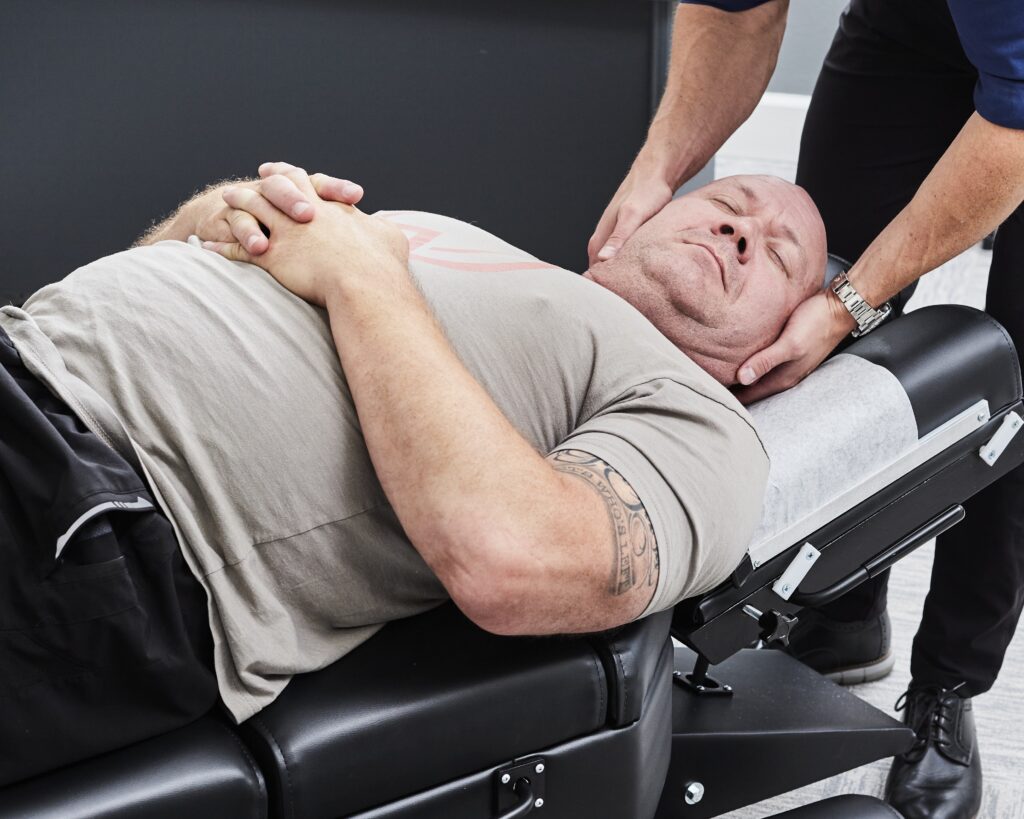
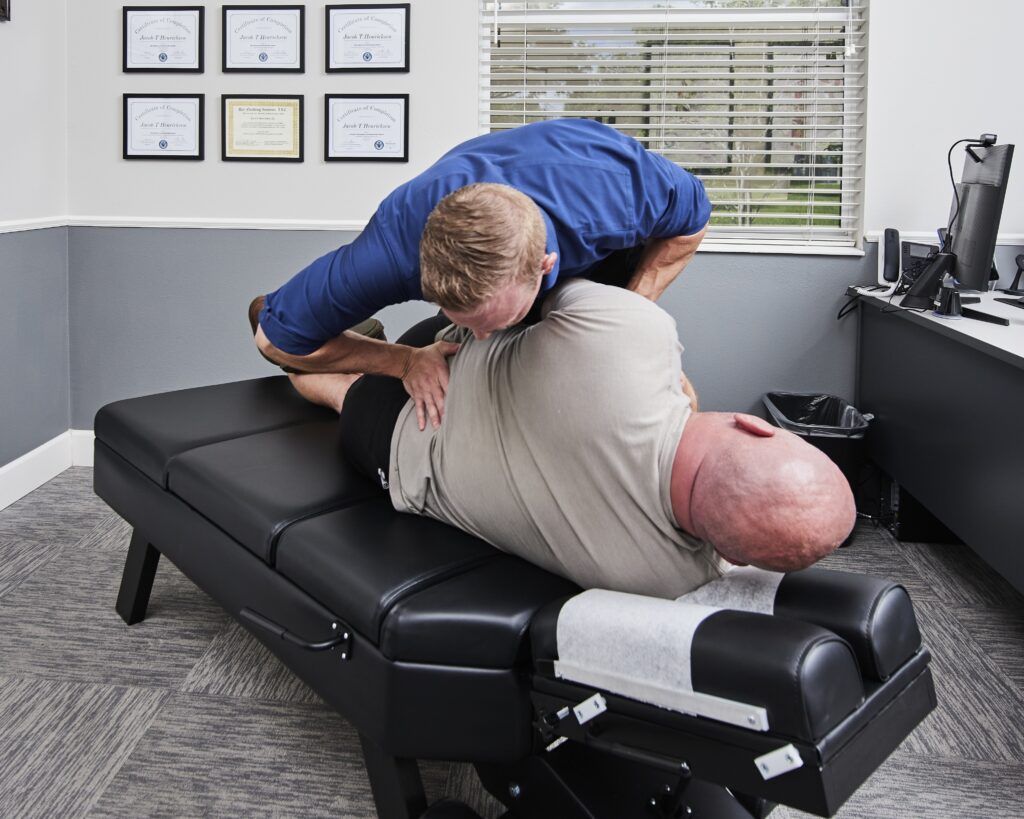
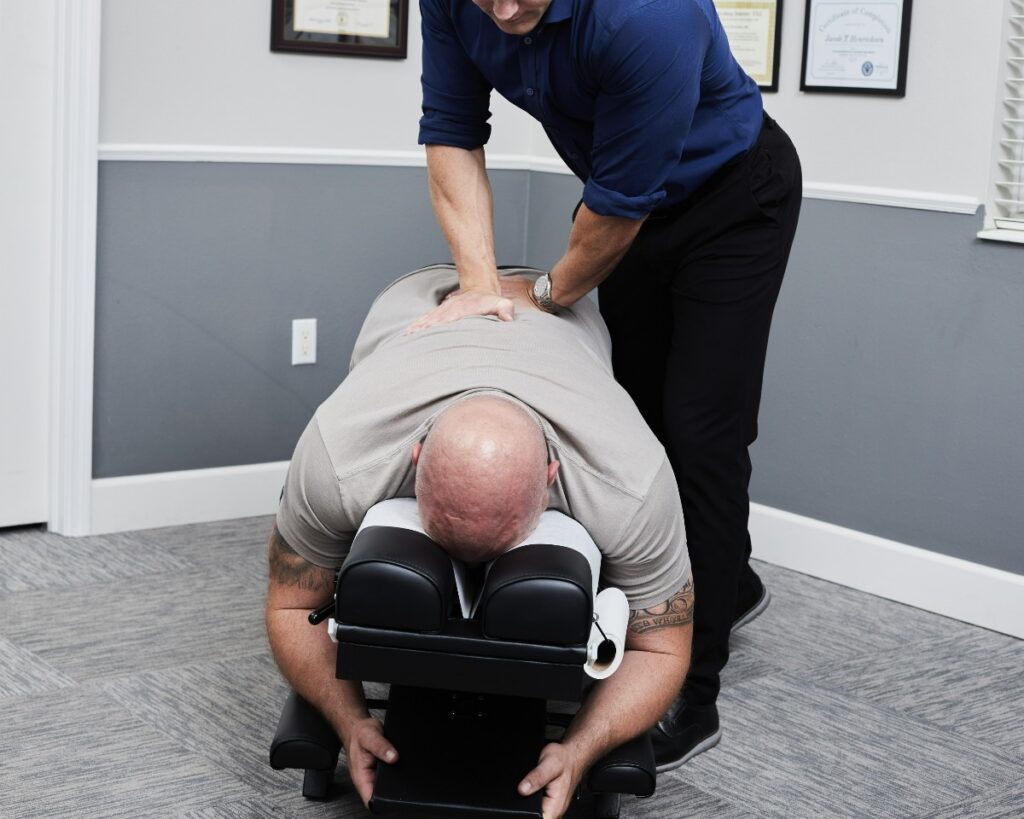
As a local chiropractor, I want to share with you the significant role that simple adjustments can play in enhancing mobility for seniors. Many people may not realize that by making their home environment more accessible and incorporating customized exercise routines, we can greatly increase their independence and overall quality of life.
For instance, installing grab bars in key areas can provide support and safety, while tailored exercises can strengthen muscles and improve balance. Every small change contributes to greater mobility. But what specific strategies can we implement to ensure these adjustments are genuinely effective?
Let's explore some practical solutions that can lead to meaningful improvements in mobility, such as regular chiropractic adjustments that can alleviate pain and enhance joint function. By understanding the connection between chiropractic care and natural healing, we can work together to create a comprehensive plan that promotes better movement and a healthier lifestyle for our senior community.
Importance of Senior Mobility
As a local chiropractor, I want to emphasize the vital role that mobility plays in the lives of seniors. Mobility isn't just about movement; it's essential for maintaining independence and enhancing overall quality of life. When you can move freely, you can engage in activities that bring joy and fulfillment—whether that's taking a stroll in the park, visiting friends, or running errands. Staying mobile is key to nurturing connections and enjoying life to the fullest.
However, as we age, our bodies undergo physical changes that can impact mobility. You may notice decreased muscle strength, joint stiffness, or balance issues, which can lead to a more sedentary lifestyle. This decrease in activity can further weaken your body and negatively affect your well-being. Addressing these mobility challenges is crucial for staying active and vibrant.
One of the most effective ways to enhance your mobility is through regular physical activity. Simple exercises, such as stretching, walking, or even dancing, can significantly improve your strength, flexibility, and balance. As a chiropractor, I often encourage my patients to incorporate these activities into their daily routines. It doesn't have to be overwhelming—start at a comfortable pace and gradually increase your activity level.
Moreover, social interaction is a powerful motivator for maintaining mobility. Participating in group activities, classes, or community events not only keeps you active but also helps you build meaningful connections with others. These relationships can provide the encouragement and support you need on your journey to stay mobile.
As your chiropractor, I'm here to help you navigate these changes and promote natural healing. Through targeted chiropractic adjustments, we can address any musculoskeletal issues that may be hindering your mobility. Together, we can create a plan that enhances your physical health and keeps you moving freely, allowing you to enjoy all that life has to offer.
Home Modifications for Accessibility
As you strive to maintain your mobility and overall well-being, it's essential to consider how your living environment can aid in your healing journey. Home modifications can play a significant role in enhancing your daily life, promoting accessibility, and fostering independence.
Begin by assessing your entryways. Installing ramps or ensuring wider doorways can make it easier for you to navigate your home, especially if you're using mobility aids like walkers or wheelchairs. This step not only makes movement easier but can also contribute to better spinal alignment and reduce strain on your body.
Next, let's focus on safety. Reducing tripping hazards is crucial for preventing falls, which can lead to injuries that may affect your spine and overall health. Clear away loose rugs, clutter, and any furniture that may obstruct your path.
Ensuring adequate lighting in all areas of your home, particularly in hallways and staircases, is also vital for avoiding accidents. Consider replacing traditional light switches with easy-to-reach rocker switches or motion sensors to enhance convenience and safety.
In the kitchen and bathroom, think about adjustable countertops or sinks that cater to your height and mobility needs. Non-slip mats in the bathroom are a great addition for safety while bathing, and installing grab bars near the toilet and in the shower can provide essential support as you move, helping you maintain your balance and stability.
Additionally, consider your furniture arrangement. Positioning essential items within easy reach can help minimize the need to stretch or bend excessively, reducing strain on your back and promoting better posture.
If your home has stairs, explore options such as stairlifts or ensure that handrails are securely installed on both sides for added support and safety.
Assistive Devices for Daily Living
As a local chiropractor, I want to emphasize the importance of assistive devices in enhancing your daily living and overall well-being.
These devices, ranging from mobility aids like walkers and canes to adaptive kitchen tools, can significantly improve your mobility and independence. By choosing the right equipment tailored to your unique needs, you can't only boost your quality of life but also support your natural healing process.
Types of Assistive Devices
As a local chiropractor, I understand the importance of maintaining independence and safety as we age. Incorporating assistive devices into your daily routine can significantly enhance your quality of life.
Here are four types of assistive devices that I recommend to help you navigate daily tasks more comfortably and efficiently:
- Mobility Aids: Devices such as canes, walkers, and wheelchairs are vital for providing stability and support. They can help prevent falls and ensure safe movement around your home and community, reducing strain on your joints and spine.
- Adaptive Kitchen Tools: Tools like grabbers, ergonomic utensils, and jar openers can make cooking and food preparation tasks much simpler. These devices are designed to minimize the strain on your hands and wrists, which can be especially beneficial for those experiencing pain or discomfort.
- Bathing Aids: Safety in the bathroom is crucial. Grab bars, shower chairs, and non-slip mats can significantly reduce the risk of slips and falls, allowing you to bathe with confidence. This is important not only for physical safety but also for maintaining your overall well-being.
- Dressing Aids: Items such as long-handled shoehorns, button hooks, and dressing sticks can simplify the process of getting dressed. These tools make it easier to put on clothes without straining your body, which can be particularly helpful for those with limited mobility or chronic pain.
By integrating these assistive devices into your daily life, you can enhance your independence, improve your safety, and promote natural healing.
If you have any questions about how these tools can fit into your lifestyle or how chiropractic care can further support your health, feel free to reach out!
Benefits of Mobility Aids
As a local chiropractor, I want to emphasize the significant role mobility aids can play in enhancing your overall well-being. These devices, like walkers, canes, and wheelchairs, are more than just tools; they provide essential support and stability, allowing you to move around your home and community with increased ease. By using mobility aids, you can regain confidence and independence in your daily activities.
In my practice, I often see how mobility aids can help you tackle everyday tasks that may have become daunting. Activities such as navigating your house, grocery shopping, or enjoying a leisurely walk in the park can become much more manageable. This newfound freedom isn't only beneficial for your physical health but also greatly enhances your mental well-being. By reducing feelings of isolation and encouraging social interaction, you can find joy in being active within your community.
Moreover, incorporating mobility aids into your routine can significantly lower your risk of falls, which is crucial for maintaining health, especially as we age. These aids provide the physical support necessary to maintain balance and posture, allowing you to focus on your environment rather than worrying about stability.
It's also important to note that many mobility aids are designed with user-friendliness in mind and can be tailored to meet your specific needs. This means you can select options that not only fit comfortably but also align with your lifestyle.
Choosing the Right Equipment
Choosing the right equipment for daily living is crucial for maintaining your independence and overall well-being, especially when considering how it can impact your spine health and posture.
As a local chiropractor, I understand that navigating the array of options can be daunting, but selecting the right assistive devices can significantly enhance your daily routine and comfort. Here are four essential types of equipment to consider:
- Mobility Aids: Devices like canes, walkers, and wheelchairs aren't just about movement; they can also help maintain proper alignment and reduce strain on your back. Ensuring you have the right mobility aid can improve your stability and prevent unnecessary injuries.
- Bathroom Assistants: Safety is paramount in the bathroom. Installing grab bars, using shower chairs, and opting for raised toilet seats can help prevent falls and support your body in maintaining a healthy posture during daily activities.
- Kitchen Tools: Cooking should be an enjoyable experience, not a strain on your body. Adaptive utensils, jar openers, and easy-grip handles can lessen the physical demands of meal preparation, allowing you to cook comfortably without compromising your spinal health.
- Communication Devices: For those with hearing or vision impairments, utilizing amplified phones or visual alert systems can help you stay engaged with your loved ones. Staying connected is essential for emotional well-being, which in turn supports your overall health.
By evaluating these types of assistive devices, you can make informed decisions that support your independence, comfort, and spinal health.
Exercise Routines for Seniors
As a local chiropractor, I want to emphasize the importance of incorporating regular exercise into your daily routine for enhancing strength, balance, and overall well-being, especially as we age. You don't need to spend hours at the gym; there are simple yet effective routines that can easily fit into your lifestyle.
Starting with activities that promote flexibility and strength, such as gentle stretching or yoga, can significantly improve your range of motion and help prevent injuries. These practices not only feel good but also align with the principles of natural healing that we advocate in chiropractic care.
I highly recommend adding strength training to your weekly schedule. Utilizing resistance bands or light weights can help build muscle, which is crucial for maintaining mobility as you get older. Focus on the major muscle groups and aim for two to three sessions a week.
Additionally, incorporating balance exercises, such as standing on one leg or practicing tai chi, can greatly reduce the risk of falls, a common concern among seniors.
Don't overlook the importance of cardiovascular workouts as well. Engaging in activities like walking, swimming, or cycling can elevate your heart rate and improve circulation. Aim for at least 150 minutes of moderate aerobic activity each week, which can be broken down into manageable sessions that suit your schedule.
Always listen to your body and make modifications to exercises as needed. It's essential to start slowly and gradually increase the intensity to avoid injury. I encourage you to consider joining a local class or group; exercising with others can boost your motivation and make the experience more enjoyable.
Nutrition's Role in Mobility
As a local chiropractor, I want to emphasize the crucial role nutrition plays in maintaining your mobility.
The right balance of nutrients is essential for supporting your muscles and joints, which are vital for movement. Proper hydration is equally important, as it helps everything function smoothly.
By focusing on what you eat, you can significantly enhance your mobility and overall health.
Let's dive into how nutrition can complement your chiropractic care and contribute to a more active lifestyle.
Key Nutrients for Mobility
As a local chiropractor, I want to emphasize the significant impact that nutrition has on your mobility, particularly if you're a senior. A well-rounded diet, packed with essential nutrients, can greatly enhance your strength, flexibility, and overall wellness.
Here are four key nutrients I recommend focusing on to improve your mobility:
- Calcium: This vital mineral is essential for maintaining strong bones. Ensuring you get enough calcium can help prevent osteoporosis, which is a condition that can lead to fractures and hinder your mobility.
- Vitamin D: This nutrient plays a crucial role in calcium absorption and overall bone health. You can boost your vitamin D levels through safe sun exposure and by consuming fortified foods. It's important for your bones to be well-supported!
- Protein: Your muscles need protein to thrive. It's important for building and repairing muscle tissue, which supports your body's movement. Incorporate sources like lean meats, beans, and dairy into your meals to keep your muscles strong.
- Omega-3 Fatty Acids: Found in foods like fish, flaxseeds, and walnuts, these healthy fats are known for their anti-inflammatory properties. They can help reduce joint pain and support overall joint health, making it easier for you to move comfortably.
By focusing on these nutrients, you can take significant steps toward enhancing your mobility and overall health.
Hydration and Joint Health
As a local chiropractor, I want to emphasize the vital role hydration plays in maintaining your joint health—something that often gets overlooked. When you're adequately hydrated, your joints benefit from the lubrication provided by synovial fluid, which reduces friction and protects the cartilage from wear and tear.
However, if you're not drinking enough water, your joints can become stiff and painful, making it difficult for you to move freely.
To support your mobility and overall joint health, I encourage you to drink water consistently throughout the day. Don't wait until you feel thirsty; by that time, you may already be experiencing dehydration.
Additionally, incorporating hydrating foods into your diet—like fruits and vegetables—can significantly contribute to your overall fluid intake.
It's important to recognize that the amount of water you need can vary based on individual factors such as your activity level, the climate you're in, and your personal health status.
Listen to your body's signals; if you're feeling fatigued or have persistent headaches, these could be signs of dehydration that might be affecting your joint health.
By making proper hydration a priority in your daily routine, you can enhance your mobility and support your body's natural healing processes.
Transportation Options for Seniors
Getting around can be a challenge for seniors, and as a chiropractor, I understand how important it's to maintain mobility and independence for your overall well-being.
Staying active and connected with loved ones can significantly enhance your quality of life. Here are four transportation options that I recommend considering to help you navigate your community effectively:
1. Public Transit: Many cities offer discounted fares for seniors on buses and trains. Utilizing public transit not only provides a cost-effective way to travel but also encourages you to remain active.
Walking to and from transit stops can contribute positively to your physical health and mobility.
2. Ride-Sharing Services: Apps like Uber and Lyft can be incredibly convenient for seniors. With just a few taps on your smartphone, you can schedule a ride when needed.
Some services even provide assistance getting in and out of the vehicle, which can be beneficial for maintaining proper posture and avoiding strain.
3. Community Shuttles: Many communities have shuttle services tailored specifically for seniors. These shuttles often offer door-to-door service, making it easy to attend medical appointments, go grocery shopping, or participate in social activities.
Staying engaged in community activities is essential for both mental and physical health.
4. Senior Transportation Programs: Local organizations frequently provide volunteer-driven transportation services designed for seniors.
These programs can help you access appointments, social events, and more, often at little or no cost. Maintaining social connections is vital for holistic health and can positively impact your chiropractic care journey.
Community Resources and Support
As a local chiropractor, I want to emphasize how accessing community resources and support can significantly improve your quality of life, especially as a senior. Many communities offer programs designed to keep you active and engaged, which is essential for maintaining overall wellness.
Local senior centers often host exercise classes and workshops that not only help keep your body flexible and strong but also promote mental clarity and social interaction. Participating in these activities can enhance your physical health and foster valuable connections with others, which is vital for emotional wellbeing.
Transportation services are another key resource for seniors. Many communities offer shuttle services or volunteer drivers who can assist you in getting to your chiropractic appointments, grocery stores, or social events. Utilizing these services can help you maintain your mobility and independence, allowing you to stick to your wellness routine and stay proactive about your health.
Additionally, don't overlook the importance of local health services. Many health departments provide free or low-cost screenings and wellness programs specifically tailored for seniors. These services can be a great complement to chiropractic care, helping you stay informed about your health needs and allowing us to work together on a comprehensive care plan.
I also encourage you to reach out to local nonprofits and advocacy groups dedicated to supporting seniors. They can provide valuable information about resources such as financial assistance programs, meal delivery services, and home modifications to enhance accessibility—all of which can improve your overall quality of life.
Lastly, consider utilizing online platforms and community forums. These resources allow you to connect with peers, share experiences, and find additional support.
Safety Tips for Active Seniors
As a local chiropractor, I want to emphasize the importance of safety as you embrace an active lifestyle in your senior years. Staying active can significantly enhance your quality of life, but it's crucial to approach this with care to prevent injuries and ensure your overall well-being.
Here are some essential safety tips that I recommend for my patients:
- Wear Proper Footwear: It's vital to choose shoes that offer excellent support, grip, and cushioning. Avoid footwear with slippery soles or high heels, as they can increase your risk of falls. Proper footwear can help maintain your balance and alignment, reducing strain on your body.
- Stay Hydrated: Dehydration can lead to dizziness and fatigue, which are especially concerning when engaging in physical activities. I encourage you to drink plenty of water before, during, and after your workouts to keep your body functioning optimally.
- Know Your Limits: While staying active is beneficial, it's essential to listen to your body. If you experience pain or discomfort, it's a signal to stop and rest. Gradually increasing your activity level is crucial—pushing too hard too fast can lead to injuries that chiropractic care may be needed to address.
- Use Assistive Devices if Needed: Don't hesitate to utilize canes, walkers, or other mobility aids if they help you feel more secure while moving. These devices can enhance your stability and confidence, allowing you to stay active safely.
By following these tips, you can enjoy an active lifestyle while prioritizing your safety and well-being.
Encouraging Independence at Home
As a local chiropractor, I want to emphasize how maintaining an active lifestyle is essential not only for your physical health but also for fostering your independence at home. Engaging in regular physical activity enhances your strength, flexibility, and balance—all vital components for performing daily tasks with ease.
It's important to incorporate activities that you find enjoyable, such as walking, gardening, or gentle yoga. Staying active not only keeps your body moving but also helps to keep your mind sharp, which is crucial for overall well-being.
To promote independence in your home environment, consider making some simple adjustments. Ensure that the items you use most frequently are within easy reach to avoid unnecessary strain. Installing grab bars in the bathroom or a shower chair can significantly enhance safety and comfort during bathing.
Additionally, keeping pathways clear of clutter can minimize the risk of falls, and using non-slip mats can provide better traction.
Technology can also be a significant ally in your journey toward independence. Smart home devices allow you to manage tasks like turning on lights or adjusting the thermostat with ease, reducing the need for excessive movement.
Furthermore, a medical alert system can enhance your peace of mind and ensure you feel secure at home.
Lastly, remember that it's perfectly okay to ask for help when you need it. Involving family members or friends in planning and implementing these modifications not only strengthens your support network but also empowers you to live independently.
By taking these proactive steps, you're not just preserving your mobility; you're actively creating an environment that supports your well-being and enhances your ability to thrive at home.
As your chiropractor, I'm here to support you in this journey towards a healthier, more independent lifestyle.
Conclusion
As a local chiropractor, I'm here to emphasize the importance of boosting your mobility as a senior to maintain your independence and enhance your quality of life. Through natural healing methods and chiropractic care, we can help you achieve greater safety and accessibility.
Simple home modifications can make a significant difference in your daily activities, and when combined with regular chiropractic adjustments, you can improve your physical capabilities. Incorporating gentle exercises tailored to your needs can also support your mobility and overall well-being.
Moreover, don't underestimate the role of nutrition in your health journey. A balanced diet can aid in recovery and energy levels. Community support is equally vital; engaging with others can keep you motivated and connected.
Remember, embracing these natural adjustments not only enhances your mobility but also allows you to stay active and engaged in your daily life. Let's work together to improve your health and ensure you enjoy every moment!