As a local chiropractor, I understand that dealing with lower back pain can be a daunting experience. Many patients are often uncertain about their treatment options, but I’m here to assure you that there are several effective techniques that can significantly alleviate your discomfort and enhance your overall well-being.
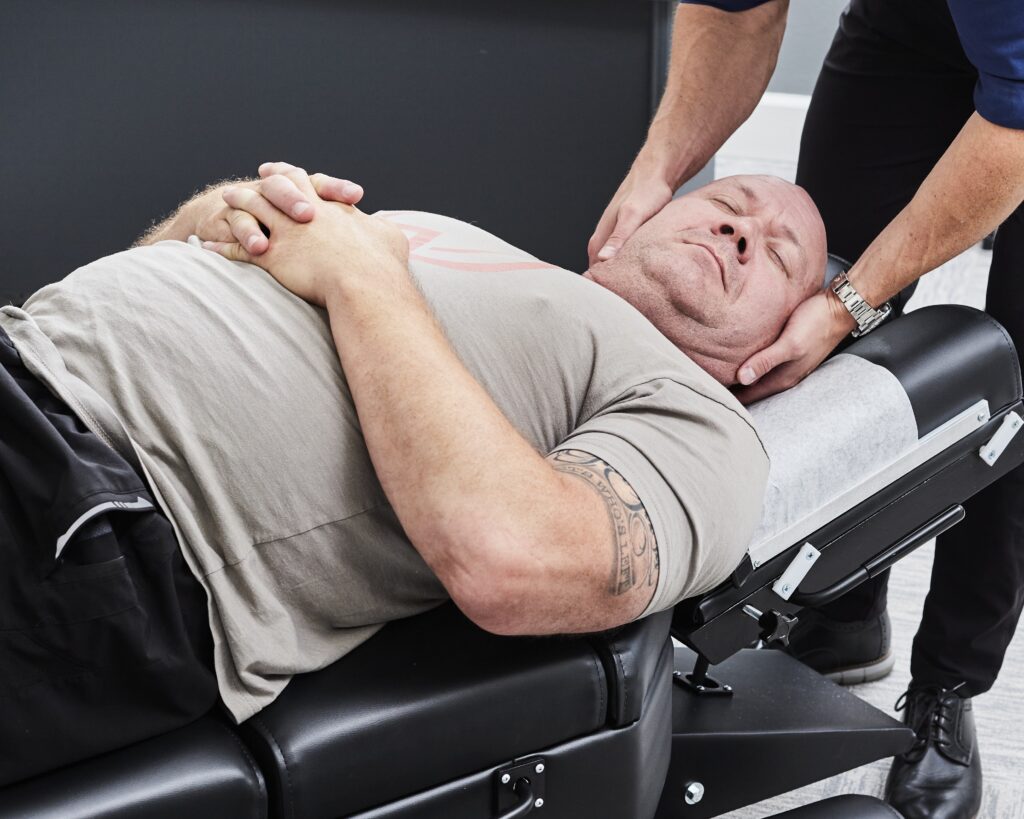
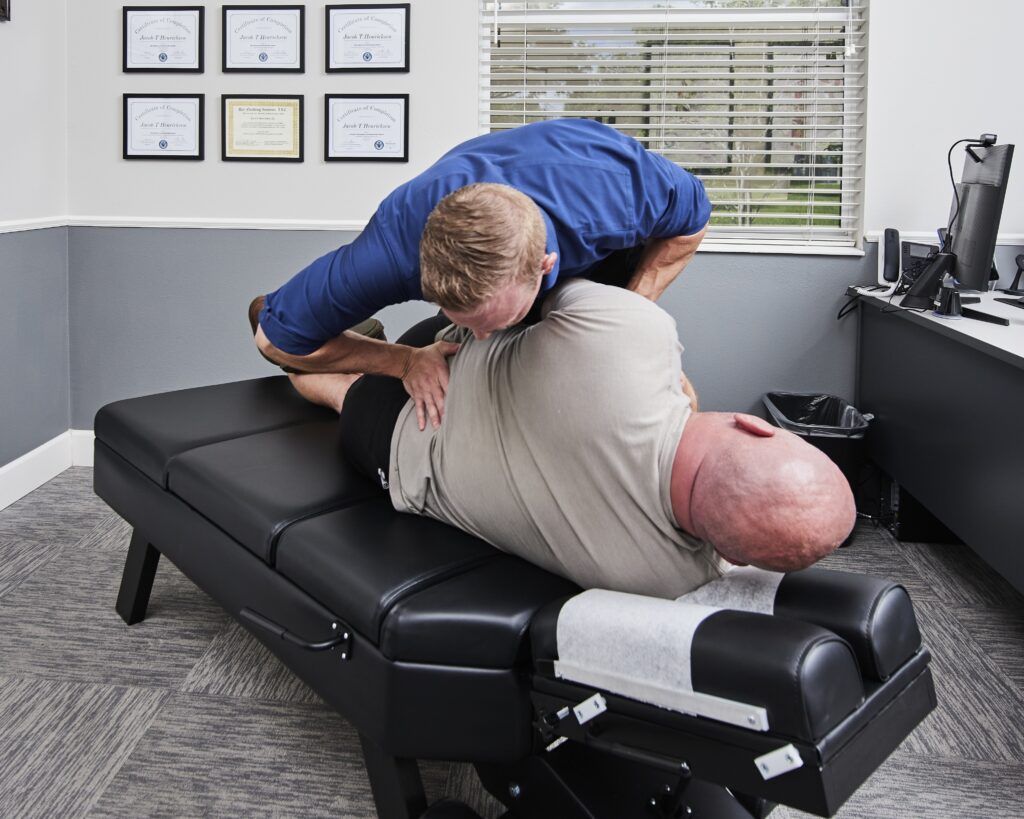
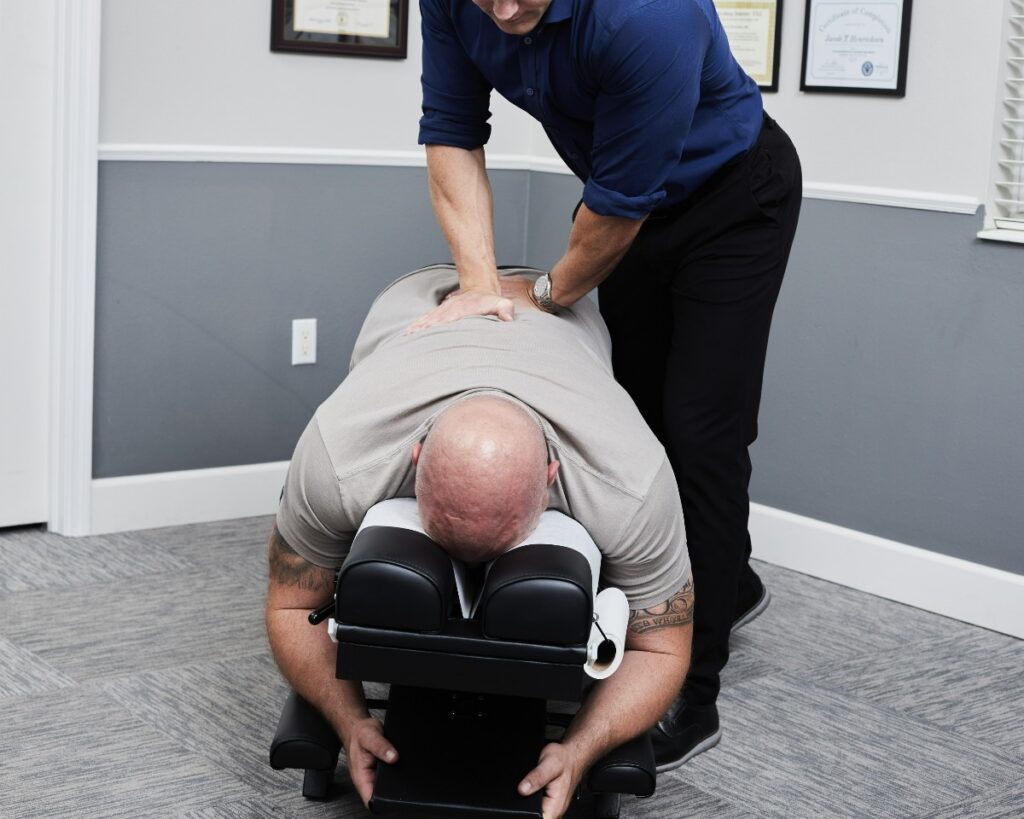
Chiropractic care is one of the leading methods we utilize to address lower back pain. It involves hands-on adjustments that help realign the spine and improve your body’s natural ability to heal itself. In addition to chiropractic adjustments, I also recommend personalized exercise regimens tailored to your specific needs. These exercises can strengthen your core and improve flexibility, which are essential for maintaining a healthy back.
Together, these methods form a holistic approach to recovery. Let’s delve into how each of these techniques works and how they can be integrated into your journey to regain control over your pain and improve your quality of life. Remember, knowledge is power, and I’m here to guide you every step of the way!
Physical Therapy
Chiropractic care can be a transformative approach for managing lower back pain. When you begin a treatment plan designed specifically for your needs, you’ll likely notice improvements in mobility and a decrease in discomfort.
As a chiropractor, my role is to assess your condition and help you understand the underlying causes of your pain. Through spinal adjustments and hands-on techniques, I aim to provide immediate relief by reducing muscle tension and improving blood circulation.
I will also educate you on proper posture and body mechanics, which are crucial for preventing future injuries. By integrating natural healing methods, such as heat or cold therapy, we can further reduce pain and inflammation.
Together, we’ll explore lifestyle changes that support your spinal health and overall well-being. This combination of personalized chiropractic treatment and education empowers you to take charge of your recovery, making chiropractic care an essential part of your journey toward a pain-free life.
Exercise and Stretching
As a local Chiropractor, I want to emphasize the importance of exercise and stretching in managing lower back pain. Many of my patients are surprised to learn that these practices can significantly enhance their recovery and overall well-being.
Focusing on building core strength is essential, as a strong core supports your spine and helps alleviate discomfort. Additionally, practicing effective stretching techniques can improve your flexibility and reduce tension in your back muscles.
Don’t forget to incorporate low-impact aerobic exercises into your routine, such as walking or swimming; these activities promote circulation and further aid in pain relief.
By integrating these elements into your daily life, you can take an active role in your healing journey, improve your mobility, and ultimately enjoy a pain-free lifestyle.
If you have any questions about specific exercises or stretches, feel free to ask during your next visit!
Importance of Core Strength
As a local chiropractor, I want to emphasize the vital importance of core strength for maintaining a healthy back and preventing lower back pain. Many patients may not realize that strong core muscles play a crucial role in supporting your spine and alleviating strain on your lower back.
Here are three key benefits of enhancing your core strength that I often share with my patients:
- Enhanced Stability: When your core muscles are strong, they provide stability to your pelvis and spine, ensuring a solid foundation for all your movements. This stability is essential for everything from everyday activities to more strenuous exercises.
- Injury Prevention: A robust core acts like a natural shock absorber, helping to reduce the risk of injuries during physical activities. By investing in your core strength, you can help protect your body from strains and sprains that can lead to discomfort and pain.
- Improved Posture: Strengthening your core contributes significantly to better posture. Good posture not only enhances your appearance but also minimizes undue stress on your back during daily tasks, helping you feel more comfortable and aligned throughout the day.
Effective Stretching Techniques
As a local chiropractor, I understand that many of you may not be familiar with the importance of both strengthening and stretching in the prevention of lower back pain. While building your core strength is vital, incorporating effective stretching techniques is equally crucial for maintaining flexibility and alleviating muscle tension.
I recommend adding stretches such as the cat-cow, child’s pose, and hamstring stretch to your daily routine. These stretches are designed to elongate tight muscles and enhance your overall range of motion.
It’s also important to pay attention to your hip flexors and glutes, as tightness in these areas can significantly contribute to discomfort in your lower back.
As you engage in these stretches, aim to hold each position for at least 20-30 seconds, and remember to breathe deeply to promote relaxation. Always listen to your body; if a stretch feels uncomfortable, please ease off and modify your approach.
Regular stretching can be a powerful tool in achieving a healthier, pain-free lower back, and I encourage you to make it a part of your wellness journey.
Low-Impact Aerobic Exercises
As a local chiropractor, I want to emphasize the importance of incorporating low-impact aerobic exercises into your daily routine, especially for maintaining a healthy lower back.
These exercises not only promote blood flow but also strengthen your muscles and enhance flexibility—all while minimizing strain on your back. If you’re new to chiropractic care and natural healing, consider these three fantastic options:
1. Walking: This is a straightforward and effective way to get your body moving.
Walking not only strengthens your core and back muscles but is also gentle on your joints, making it an ideal choice for anyone looking to improve their overall health.
2. Swimming: The buoyancy of water can be incredibly therapeutic.
It supports your body, allows for a full range of motion, and significantly reduces stress on your back. Swimming is a fantastic low-impact workout that can help alleviate discomfort while promoting healing.
3. Cycling: Whether you choose a stationary bike or enjoy a ride outdoors, cycling is beneficial for building endurance and strengthening your lower body.
It’s a great way to stay active without the excessive impact that can exacerbate back issues.
By integrating these low-impact aerobic exercises into your routine, you’ll be taking proactive steps towards better back health.
Heat and Cold Therapy
As your local chiropractor, I want to share the benefits of heat and cold therapy in managing lower back pain, especially if you’re new to chiropractic care and natural healing methods. These therapies can serve as effective tools to alleviate discomfort and promote healing.
When you apply heat to your lower back, it increases blood circulation to the affected area, which helps to relax tight muscles and alleviate stiffness. You might find comfort using a heating pad, a warm towel, or even enjoying a warm bath. Just remember to limit the heat exposure to about 20 minutes at a time to prevent any risk of burns.
Conversely, cold therapy can be incredibly beneficial as well. It works by numbing the area and reducing inflammation, which is crucial when dealing with pain. You can utilize ice packs, frozen peas, or a cold compress for this purpose. Aim to apply cold therapy for 15-20 minutes per session, allowing your skin to warm up in between applications.
Both heat and cold therapies can be effective in managing pain, so I encourage you to consider alternating between the two based on what feels best for your body and your pain levels.
Always pay attention to how your body responds, and don’t hesitate to reach out to me or another healthcare professional if your pain continues or worsens. Remember, your journey to recovery is important, and I’m here to support you every step of the way.
Chiropractic Care
As a local chiropractor, I want to share with you how chiropractic care can significantly help in managing lower back pain. Many people are unaware of the benefits of this natural healing approach, so let me explain what you can expect when you come to see me for your recovery.
- Spinal Adjustments: One of the main techniques I use involves spinal adjustments. These are gentle, precise movements aimed at realigning your spine, which can help relieve pressure on surrounding nerves and alleviate pain.
- Personalized Treatment Plans: During your initial visit, I’ll conduct a thorough assessment of your condition. Based on my findings, I’ll create a personalized treatment plan just for you. This may include specific exercises, stretches, and lifestyle changes that can aid in your healing process.
- Holistic Approach: Chiropractic care goes beyond just treating the pain; it considers your overall health and well-being. My goal is to not only help you manage your pain but also to support you in achieving long-term health improvements.
If you’re struggling with lower back pain, consider exploring the benefits of chiropractic care. I’m here to guide you on your journey to recovery and better health.
Massage Therapy
As a local chiropractor, I want to share the benefits of massage therapy as a complementary approach to managing lower back pain. This natural healing method can significantly alleviate discomfort by targeting tense muscles and enhancing circulation, which is crucial for recovery.
During your visit, a skilled therapist may utilize various techniques, including Swedish or trigger point massage, to focus on specific areas of pain. Many of my patients report feeling less stiffness and improved blood flow after a session, which can accelerate the healing process.
One of the key advantages of regular massage is that it helps you become more in tune with your body. By identifying areas of tension, you can develop effective strategies for managing everyday stress.
Incorporating massage therapy into your wellness routine not only provides immediate relief but also supports your long-term health goals.
I encourage you to consider scheduling regular appointments to maintain a healthy back and improve your overall quality of life. Together, we can create a personalized plan that combines chiropractic care and massage to achieve optimal results.
Acupuncture
As a local chiropractor, I want to introduce you to an effective method for managing your lower back pain: acupuncture. This ancient practice focuses on stimulating specific points in your body, and it can complement the chiropractic care I provide.
By reducing discomfort and enhancing mobility, acupuncture serves as a valuable tool in your journey toward recovery.
Let’s delve into how acupuncture functions, its benefits in addressing back pain, and how often you might want to consider incorporating it into your overall treatment plan.
Understanding these aspects can greatly enhance your experience and help you achieve optimal health through natural healing methods.
How Acupuncture Works
As a local chiropractor, I understand that many of you may not be familiar with the principles behind acupuncture, but it’s a valuable technique that can complement chiropractic care, especially for alleviating lower back pain.
At its essence, acupuncture involves the insertion of fine needles into specific points on the body to promote healing and restore balance. Here’s a breakdown of how it works:
- Stimulates Nerve Endings: The fine needles activate your nervous system, which leads to the release of endorphins—your body’s natural painkillers. This can significantly help in reducing discomfort.
- Improves Blood Flow: By enhancing circulation, acupuncture nourishes your tissues and aids the healing process by delivering vital nutrients to the affected areas.
- Balances Energy Flow: This technique focuses on energy pathways, known as meridians, within your body. By targeting these pathways, acupuncture helps restore harmony and alleviate pain, supporting the overall benefits of chiropractic adjustments.
Incorporating acupuncture into your treatment plan can enhance your recovery and overall well-being, making it a great addition to the chiropractic care you receive.
Benefits for Back Pain
As a local chiropractor, I want to share with you the remarkable benefits of acupuncture in managing lower back pain, especially if you’re new to chiropractic care and natural healing.
One of the key advantages of acupuncture is its ability to significantly reduce pain levels by activating your body’s own natural pain-relieving mechanisms. This can be a game-changer for those struggling with discomfort.
In addition to pain relief, acupuncture promotes better blood circulation, which is essential for healing the affected areas in your back. It also works wonders in relaxing tight muscles, helping to ease tension and stiffness that can make everyday activities challenging.
Many of my patients have reported improved sleep quality after incorporating acupuncture into their treatment; less pain typically translates to a more restful night.
Furthermore, acupuncture offers valuable support in managing stress and anxiety, both of which often accompany chronic pain conditions.
By integrating acupuncture into your overall treatment plan, you can adopt a more holistic approach to relieving your lower back pain.
If you have any questions or would like to learn more about how chiropractic care and acupuncture can work together, feel free to reach out!
Treatment Frequency Recommendations
As a local chiropractor, I want to help you understand the best approach for managing lower back pain through natural healing methods like chiropractic care.
It’s important to recognize that the frequency of treatments can vary based on your unique situation and the severity of your pain. Here are some recommendations to consider:
- Acute Pain: If you’re dealing with severe pain, I generally suggest starting with 1-2 chiropractic sessions per week during the initial phase. This will help alleviate your discomfort more effectively.
- Chronic Pain: For those experiencing ongoing issues, scheduling a visit once a week can provide consistent relief and help keep your symptoms in check.
- Maintenance: Once you start feeling better, I recommend transitioning to monthly appointments. This can help you maintain your progress and prevent any future flare-ups.
Mindfulness and Relaxation Techniques
As a local chiropractor, I want to emphasize how mindfulness and relaxation techniques can significantly alleviate lower back pain. Many of my patients find that managing stress and tension is crucial to their recovery. When you learn to focus your mind on the present moment, you can effectively reduce anxiety and enhance your overall well-being.
I encourage you to dedicate a few minutes each day to practice mindfulness. Find a quiet space where you can sit comfortably and concentrate on your breath. Take deep breaths: inhale deeply, hold for a moment, and then exhale slowly. This simple exercise can help release muscle tension in your back, contributing to your healing process.
Additionally, incorporating gentle stretches or yoga into your routine can further promote relaxation. These practices not only improve flexibility but also play a role in reducing pain. The key to success is consistency. By making mindfulness a regular part of your daily routine, you’ll likely find it easier to manage discomfort and cultivate a more positive mindset towards your lower back health.
As your chiropractor, I’m here to support you on your journey to recovery. Together, we can explore how these natural healing methods can complement your chiropractic care and lead to a healthier, pain-free life.
Ergonomic Adjustments
As a local chiropractor dedicated to helping you achieve optimal health, I want to emphasize the importance of mindfulness and relaxation techniques as a foundation for making ergonomic adjustments in your daily routine.
By increasing your awareness of your body and posture, you can pinpoint simple changes that can significantly alleviate lower back pain. Here are three crucial adjustments I recommend considering:
- Chair Height: It’s essential to ensure that your chair provides adequate support for your lower back. Your feet should comfortably rest flat on the floor. Aim to adjust the height of your chair so that your knees are at or slightly below hip level. This positioning helps maintain the natural curvature of your spine.
- Desk Setup: Your workspace plays a vital role in your overall comfort. Position your monitor at eye level to avoid straining your neck. When typing, your arms should form a 90-degree angle, with your wrists remaining straight. This alignment helps reduce tension in your upper body and promotes better posture.
- Movement Breaks: Remember to take short breaks every hour to stand, stretch, or walk around. These brief pauses are crucial for relieving pressure on your back and enhancing circulation. Incorporating movement into your day can significantly improve your overall well-being.
By implementing these ergonomic adjustments, you can complement the benefits of chiropractic care and enhance your overall health.
Taking proactive steps to improve your posture and comfort is key to reducing pain and promoting a healthier lifestyle.
Medication Management
As a local chiropractor, I want to emphasize the importance of a holistic approach when managing lower back pain. Medication can certainly have its place in recovery, but it’s not the only option available to you.
While over-the-counter pain relievers and prescription medications may provide temporary relief, they often don’t address the root cause of your pain.
At our practice, we focus on natural healing methods that can promote long-term wellness. These may include spinal adjustments, physical therapy, and lifestyle modifications tailored to your needs.
By understanding these alternatives, you can make informed decisions about your treatment and discover effective ways to alleviate your pain without solely relying on medication.
Together, we can work towards a healthier, pain-free life.
Over-the-Counter Pain Relievers
As a local chiropractor, I understand that lower back pain can significantly impact your daily life. While you may be considering over-the-counter (OTC) pain relievers as a quick fix, it’s essential to recognize that they can serve as a temporary measure rather than a long-term solution.
These medications can help reduce inflammation and alleviate pain, providing some immediate relief and enabling you to regain mobility. Here are three common OTC options that you might come across:
- Ibuprofen: This nonsteroidal anti-inflammatory drug (NSAID) is effective at minimizing both pain and inflammation, making it a popular choice for many individuals experiencing discomfort.
- Acetaminophen: If you find NSAIDs hard on your stomach, acetaminophen is a gentler alternative that can still deliver pain relief without the gastrointestinal side effects.
- Naproxen: Similar to ibuprofen, naproxen is another NSAID that offers a longer duration of action, which might be beneficial for extended relief from persistent pain.
While these medications can provide temporary respite, I encourage you to explore chiropractic care and natural healing methods for a more holistic approach to managing your lower back pain.
Chiropractic adjustments can help address the underlying causes of your pain, promote healing, and restore proper function to your spine and nervous system.
Always remember to follow the recommended dosages for any medications you choose and consult with your healthcare provider if you have any pre-existing health conditions.
Together, we can create a comprehensive pain management strategy that prioritizes your overall well-being and long-term health.
Prescription Medications Overview
If you’ve been relying on over-the-counter pain relievers without finding the relief you need for your lower back pain, it might be time to consider a more holistic approach. As a chiropractor, I focus on natural healing methods that can help alleviate discomfort without the use of prescription medications.
While some individuals may turn to stronger nonsteroidal anti-inflammatory drugs (NSAIDs) or muscle relaxants prescribed by their doctor, these options can come with unwanted side effects and potential dependency issues, especially with opioids that are sometimes recommended for severe pain.
Instead, I encourage exploring chiropractic adjustments, which can help align the spine and improve function, potentially reducing inflammation and pain.
Corticosteroids are another option some may consider for short-term relief, but they also carry risks. By working with a chiropractor, you can explore natural therapies such as spinal manipulation, physical therapy, and lifestyle changes that address the root cause of your pain.
It’s essential to communicate openly about your symptoms and any concerns you might have. Regular visits to your chiropractor allow us to monitor your progress, adjust your treatment plan as needed, and find the best natural methods to support your health.
Alternative Medication Options
As a local chiropractor, I want to share some valuable insights into alternative medication options for managing lower back pain. Many of my patients are seeking ways to alleviate discomfort without the potential side effects of conventional medications.
Here are three holistic approaches that I often recommend:
- Herbal Remedies: Natural ingredients such as turmeric, ginger, and willow bark have been shown to possess anti-inflammatory properties. These herbs can be a great addition to your pain management plan, offering relief in a gentle, natural way.
- Essential Oils: Incorporating essential oils like peppermint and eucalyptus into your wellness routine can be quite beneficial. These oils can be used during massages or in aromatherapy to help ease pain and promote relaxation.
- Acupuncture: This ancient practice, which involves the insertion of thin needles at specific points in the body, can stimulate healing and provide significant pain relief. Many of my patients have found acupuncture to be an effective complement to their chiropractic care.
By integrating these alternative therapies into your routine, you can promote overall well-being and take a more balanced approach to managing lower back pain.
It’s essential to consult with a healthcare professional before starting any new treatment to ensure it aligns with your individual health needs.
Lifestyle Changes and Prevention Strategies
As a local chiropractor, I often emphasize the importance of making small yet impactful lifestyle changes to help reduce your risk of experiencing lower back pain. One of the best ways to start is by incorporating regular physical activity into your daily routine. Simple activities like taking a daily walk can significantly strengthen your muscles and enhance your flexibility.
It’s also crucial to be mindful of your posture in various situations—whether you’re seated at your desk, standing in line, or lifting objects. Remember to always lift with your legs rather than your back to avoid unnecessary strain.
Maintaining a healthy weight is another vital aspect, as excess weight can place additional pressure on your spine. I recommend investing in a supportive mattress and ergonomic furniture to create a more comfortable environment, which can be beneficial for your back health.
Incorporating stretching exercises into your routine, such as yoga or Pilates, can also be extremely helpful in keeping your back flexible and strong.
Lastly, managing stress is key. Stress can lead to muscle tension, which may contribute to back pain. Using relaxation techniques can help alleviate this tension.
Conclusion
As a local chiropractor dedicated to your well-being, I want to share with you 10 effective techniques that can significantly reduce lower back pain and enhance your overall quality of life. By integrating chiropractic care with physical therapy, tailored exercises, and mindfulness practices, along with ergonomic adjustments and appropriate medication management, you can take proactive steps toward managing your discomfort.
It’s essential to listen to your body and seek guidance from healthcare professionals, including chiropractors, who can create a personalized plan that suits your individual needs. With a commitment to these natural healing methods and consistency in your routine, you can experience relief and embrace a more active, pain-free lifestyle. Let’s work together to help you regain control over your health and well-being!