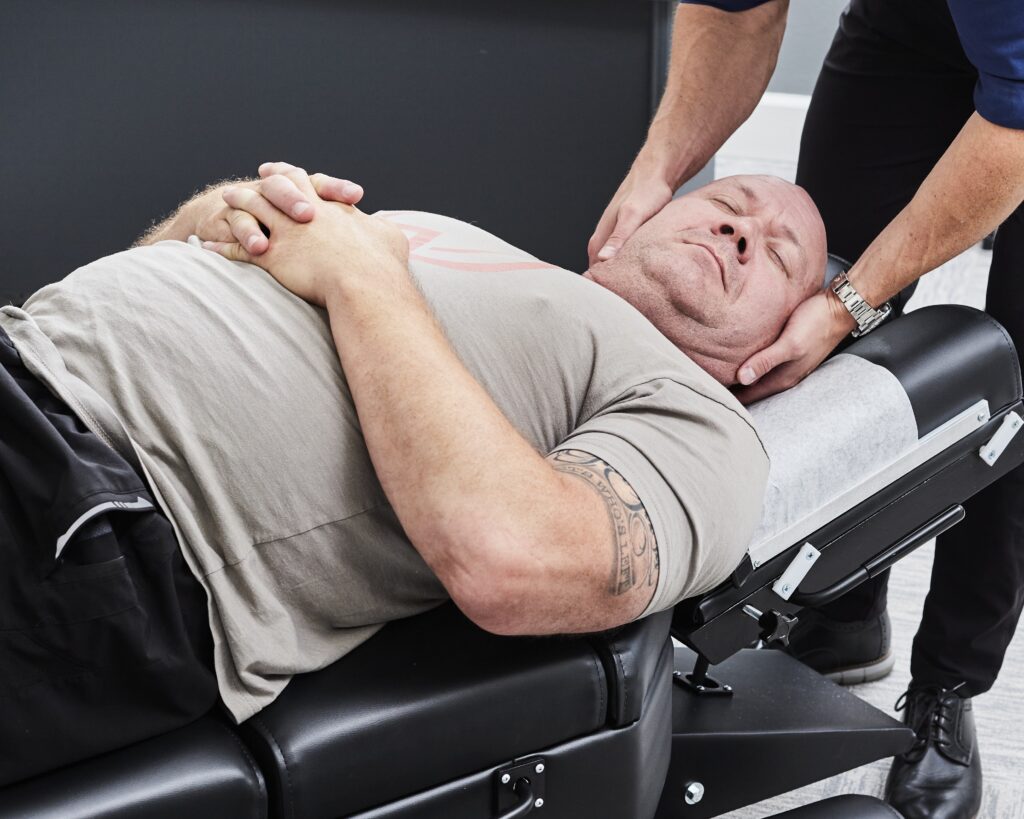
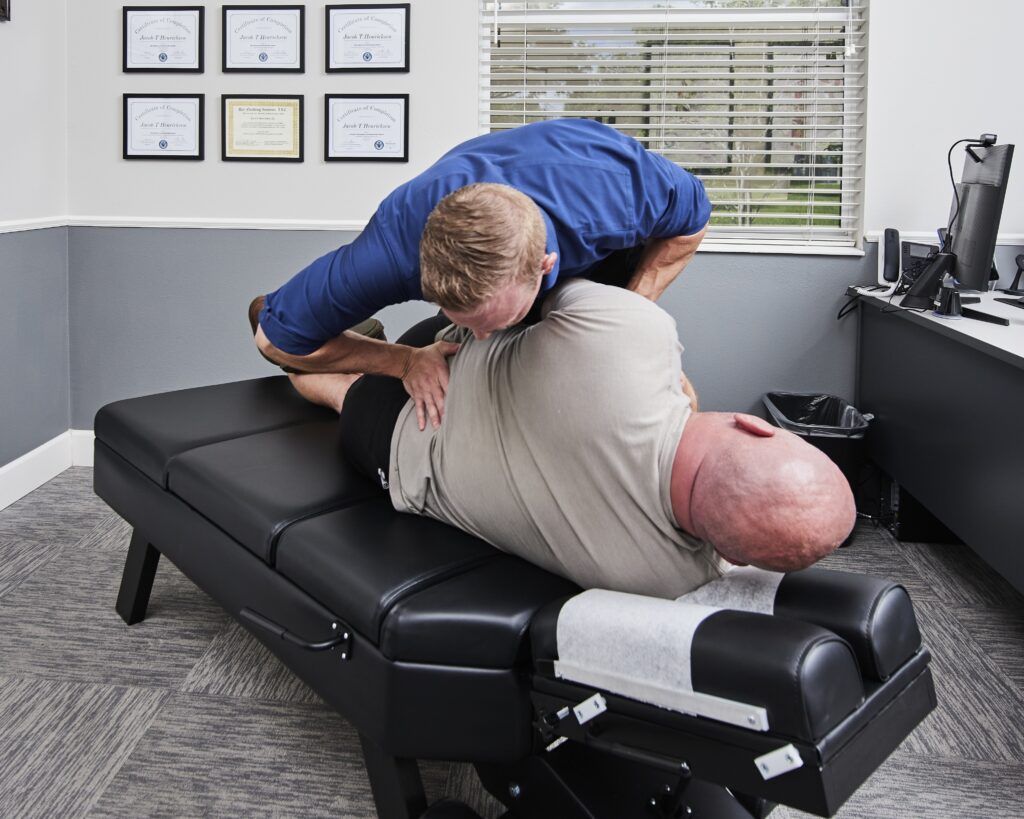
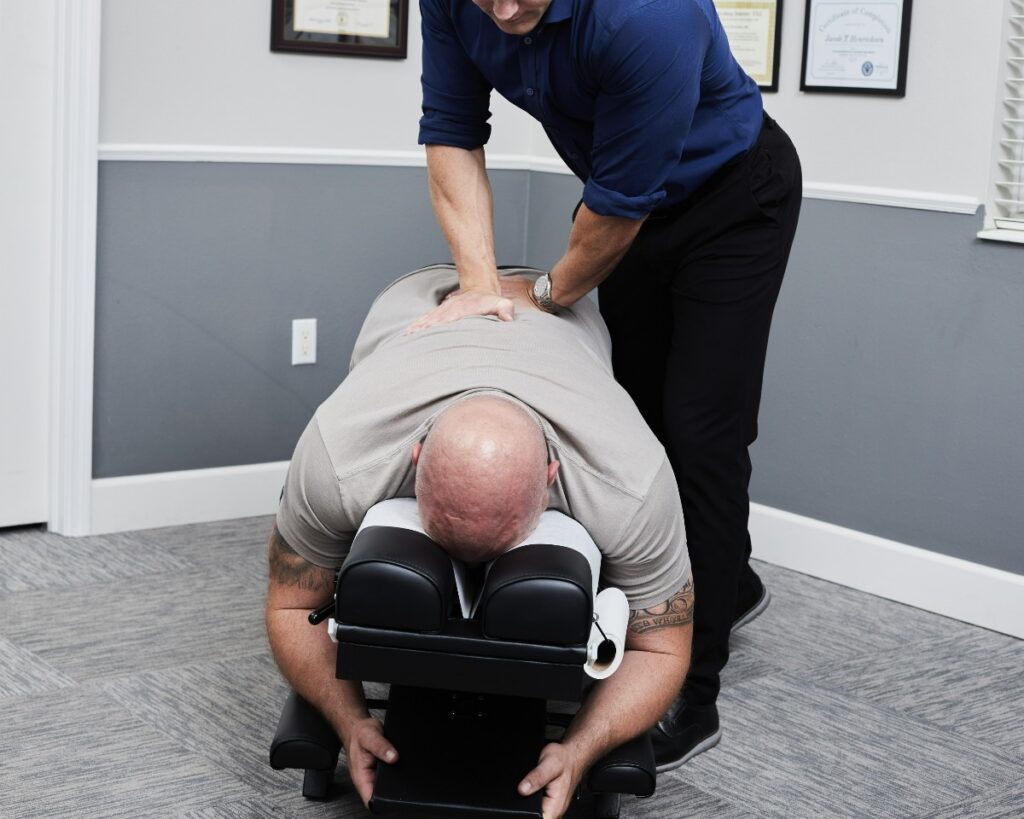
If you’re dealing with lower back pain, I want you to know that you’re not alone in this journey. Many individuals experience similar discomfort, but the good news is that relief is within reach. As a local chiropractor, I believe it’s essential to understand the underlying causes of your pain and how natural healing techniques can aid in your recovery.
In chiropractic care, we emphasize the importance of a holistic approach to managing lower back pain. By incorporating targeted stretching and strengthening exercises, you can enhance your flexibility and build support for your spine. Additionally, techniques like heat therapy can provide soothing relief to tight muscles and promote circulation.
Let’s explore these strategies further, as they can be instrumental in helping you regain both comfort and mobility. Together, we can work towards alleviating your pain and improving your overall quality of life through natural healing methods.
Understanding the Causes of Lower Back Pain
As a local chiropractor, I want to help you understand lower back pain and its common causes, so we can work together towards your relief.
Many people don’t realize that poor posture is a significant contributor to back pain. Sitting or standing in the wrong position can put unnecessary strain on your muscles and ligaments, leading to discomfort.
Furthermore, a sedentary lifestyle can weaken your core and back muscles, increasing your risk of injury. When you engage in heavy lifting or make sudden movements without proper technique, it can result in acute pain.
Chronic conditions such as arthritis or herniated discs can also lead to ongoing discomfort that affects your daily life.
It’s also important to recognize that emotional stress can manifest as physical pain in your lower back. Addressing these emotional factors is a crucial part of a holistic approach to healing.
Stretching Exercises for Relief
As a local chiropractor, I want to emphasize the importance of stretching for alleviating lower back pain. Incorporating stretching exercises into your routine can significantly enhance your flexibility and alleviate tension in your muscles.
I’ve seen many patients experience relief through these simple yet effective stretches.
To truly benefit from stretching, it’s vital to pay attention to how frequently and how long you engage in these exercises. Regular practice can lead to lasting improvements in your comfort and overall well-being.
If you’re new to chiropractic care and natural healing, I encourage you to explore these stretches as part of your journey toward better health.
Importance of Stretching
As a local chiropractor, I want to emphasize the importance of stretching, especially if you’re dealing with lower back pain. Incorporating stretching exercises into your daily routine can significantly enhance your recovery process. Stretching not only improves flexibility but also helps to alleviate tension in your muscles, which can reduce pain.
Focusing on the muscles in your back, hips, and legs is key. By doing so, you can relieve stress on your spine and promote better posture, which is crucial for long-term health. Regular stretching increases blood flow to your muscles, facilitating healing and recovery. It also helps prevent stiffness, allowing you to maintain a fuller range of motion.
Moreover, stretching isn’t just beneficial for relieving pain; it can also enhance your overall physical performance. This means that daily activities could become easier and more enjoyable for you.
I encourage you to take a few minutes each day to incorporate stretching into your routine. Your back will truly thank you for it, and you may notice a significant reduction in discomfort over time.
Effective Stretches to Try
As a local chiropractor, I often see patients struggling with lower back pain, and I want to share some simple yet effective stretches that can significantly improve your comfort and mobility.
Incorporating these stretches into your daily routine can provide relief and support your overall well-being. Here are three stretches I recommend:
- Knee-to-Chest Stretch: Begin by lying flat on your back. Gently pull one knee toward your chest and hold it there for 15 to 30 seconds, then switch to the other leg. This stretch is excellent for relieving tension in your lower back and can help increase flexibility.
- Cat-Cow Stretch: Position yourself on all fours, with your hands directly under your shoulders and knees under your hips. Start by arching your back upward (like a cat) and then slowly dip your back down (like a cow). Repeat this fluid motion for 5 to 10 cycles. This dynamic stretch enhances flexibility and improves circulation throughout your spine.
- Child’s Pose: Kneel on the floor and sit back on your heels. Reach your arms forward on the ground while lowering your torso. Hold this position for about 30 seconds. Child’s Pose is a gentle way to stretch your back and promote relaxation, which is essential for recovery.
I encourage you to try these stretches regularly. They can be a valuable part of your journey toward natural healing and relief from lower back pain.
Frequency and Duration
As a local chiropractor, I want to share some valuable insights on how to effectively incorporate stretching into your routine to support your lower back health.
It’s essential to consider both the frequency and duration of your stretching sessions. I recommend aiming to stretch your lower back at least three to four times a week. Consistency truly matters here; by making these stretches a regular part of your daily routine, you can significantly enhance your well-being.
Each stretching session should ideally last between 15 to 30 minutes, tailored to your comfort level. Start gently, holding each stretch for about 20 to 30 seconds. As you become more accustomed to the movements and notice improvements in your flexibility, you can gradually increase the duration of each stretch.
Always listen to your body—if you encounter any pain, it’s important to ease off and adjust your technique accordingly.
Regular stretching isn’t just about alleviating discomfort; it plays a crucial role in improving your overall mobility and reducing the risk of future injuries.
Strengthening Exercises to Support the Back
As a local chiropractor, I often see patients struggling with lower back pain. One of the most effective ways to alleviate this discomfort and improve your spinal stability is by strengthening the muscles that support your back. Incorporating a few simple exercises into your daily routine can lead to significant improvements.
Here are three exercises that I highly recommend:
- Planks: Begin in a push-up position, but instead of resting on your hands, place your forearms on the ground. Ensure your body forms a straight line from your head to your heels. Aim to hold this position for 20-30 seconds, and as your strength increases, gradually extend your hold time.
- Bird-Dogs: Start on all fours, with your hands directly under your shoulders and knees under your hips. Extend your right arm forward and your left leg back at the same time, maintaining balance. Hold this position for a few seconds before switching to the opposite arm and leg. This exercise is fantastic for improving your balance and core strength, both vital for spinal support.
- Bridges: Lie flat on your back with your knees bent and feet flat on the floor. Raise your hips toward the ceiling while squeezing your glutes at the peak of the movement. Hold this position for a brief moment before gently lowering your hips back down. This exercise not only strengthens your lower back but also engages your glutes and hamstrings.
By integrating these exercises into your routine, you can enhance your overall spinal health and reduce the likelihood of experiencing back pain.
Posture Improvement Techniques
As a local chiropractor, I want to emphasize the crucial role that good posture plays in preventing and alleviating lower back pain. Many of my patients are surprised to learn how much their everyday habits contribute to their discomfort. To foster better posture and overall health, it’s important to be mindful of how you sit, stand, and move throughout your day.
When you sit, ensure your feet are flat on the floor, your back is straight, and your shoulders are relaxed. Choosing a chair that provides support for your lower back is vital; if necessary, don’t hesitate to use a cushion to enhance your comfort.
When standing, strive to distribute your weight evenly across both feet and avoid locking your knees. Engaging your core muscles is essential as it helps support your spine, promoting a more aligned posture.
And remember, when lifting objects, always bend at your knees rather than your waist, keeping the item close to your body to minimize strain.
If you find yourself sitting for extended periods, I encourage you to incorporate regular breaks into your routine. Stretching is a simple yet effective way to ease tension and improve your posture.
Heat and Cold Therapy
As a local chiropractor, I want to share some valuable insights about managing lower back pain through natural methods like heat and cold therapy. These techniques can provide quick relief and are easy to incorporate into your daily routine.
Heat therapy is beneficial because it relaxes tight muscles and enhances blood circulation, which can be especially helpful when you’re experiencing discomfort.
On the other hand, cold therapy is effective in reducing inflammation and numbing sharp pain, allowing you to find some relief from acute episodes.
Understanding how to properly apply these therapies can significantly improve your comfort levels. For example, using a heating pad or warm towel can help soothe tense muscles, while an ice pack can be applied to the affected area for short intervals to help manage swelling.
By integrating these approaches into your self-care regimen, you may find a natural way to alleviate pain and support your overall healing process.
If you have any questions or would like personalized advice on using heat and cold therapy, feel free to reach out during your next visit!
Benefits of Heat Therapy
As a local chiropractor, I want to share the benefits of heat therapy, particularly for individuals dealing with lower back pain. Many may not be familiar with how natural healing techniques can support your recovery, but heat therapy is a comforting method that can make a significant difference in your daily life.
- Muscle Relaxation: Applying heat helps to soothe tight muscles, which can enhance flexibility and decrease stiffness. This is crucial for maintaining a full range of motion and avoiding further injury.
- Enhanced Blood Flow: The warmth from heat therapy promotes better blood circulation. This increased flow delivers essential nutrients to the injured areas, which not only aids in healing but also contributes to overall wellness.
- Pain Relief: Heat therapy can effectively reduce the pain signals that your body sends to the brain. This can provide both immediate and long-lasting relief, allowing you to engage in your everyday activities with less discomfort.
Incorporating heat therapy into your routine is a straightforward and effective approach to managing lower back pain.
If you’re looking to enhance your healing journey and improve your quality of life, consider how heat therapy can be a valuable addition to your self-care practices.
As your chiropractor, I’m here to guide you on this path to natural healing.
Cold Therapy Techniques
As a chiropractor dedicated to your well-being, I want to share the importance of cold therapy in managing lower back pain, especially if you’re not yet familiar with natural healing techniques.
While many people are aware of the soothing benefits of heat therapy for muscle tension, cold therapy is equally crucial for addressing inflammation and acute pain.
Applying cold packs or ice can significantly help in reducing swelling and numbing discomfort. To do this safely, simply wrap ice in a towel or use a gel pack, and place it on the affected area for about 15-20 minutes.
It’s important to take breaks between applications to protect your skin from any damage. During the first 48 hours following an injury, a cold compress can be particularly beneficial.
If you experience chronic pain, consider alternating between heat and cold therapy. This approach often provides a balanced relief that can enhance your recovery.
Always pay attention to your body’s signals; if cold therapy seems to increase your pain, please stop immediately and consult with a healthcare professional.
Alternative Therapies for Pain Management
If you’re dealing with lower back pain and are looking for relief, I want to share some insights about alternative therapies that can effectively complement conventional treatments.
As a local chiropractor, I believe in a holistic approach that addresses not just the physical symptoms but also the emotional aspects of pain. Here are three methods you might want to consider:
1. Chiropractic Care: At our practice, we specialize in spinal manipulation, which helps realign the spine and improve overall function.
Many of our patients experience significant pain relief and increased mobility following regular adjustments. It’s a natural and non-invasive way to support your body’s healing processes.
2. Acupuncture: This ancient Chinese therapy involves inserting fine needles into specific points on the body to promote healing and reduce pain.
While I primarily focus on chiropractic adjustments, I often recommend acupuncture as a complementary treatment for those suffering from lower back pain. Many of my patients have reported positive results from this method.
3. Massage Therapy: Therapeutic massage is an excellent way to relax tight muscles and enhance circulation.
I often collaborate with skilled massage therapists to provide a comprehensive approach to pain management. This combination can help release tension and foster a greater sense of overall well-being.
I encourage you to explore these alternative therapies. They could provide the relief you’ve been searching for and help you regain comfort and mobility in your daily life.
If you have any questions or would like to discuss how chiropractic care can fit into your pain management plan, feel free to reach out!
Lifestyle Changes for Long-Term Relief
As a local chiropractor, I want to emphasize that while alternative therapies can offer quick relief from lower back pain, achieving lasting comfort often requires significant lifestyle changes.
One of the first steps I recommend is to incorporate regular exercise into your daily routine. Engaging in activities like walking, swimming, or yoga can help strengthen your core muscles and enhance flexibility, which in turn reduces the strain on your back.
Another crucial aspect to consider is maintaining a healthy weight. Carrying excess weight can place additional pressure on your spine, so focusing on a balanced diet and practicing portion control is essential.
Additionally, be mindful of your posture, whether you’re sitting, standing, or lifting objects. Proper alignment is key to preventing unnecessary stress on your back.
Don’t overlook the importance of quality sleep. Investing in a supportive mattress can significantly improve your rest and help alleviate pain.
Lastly, managing stress is vital, as it can amplify your discomfort. Techniques such as mindfulness and meditation can be effective tools for relaxation.
Conclusion
As a local chiropractor, I want to share some effective techniques that can help alleviate lower back pain, especially for those who may not be familiar with chiropractic care and natural healing. It’s essential to understand the root causes of your discomfort, and I encourage you to incorporate stretching and strengthening exercises into your daily routine to support your spinal health.
Paying attention to your posture is crucial; it can make a significant difference in how your back feels. Additionally, utilizing heat and cold therapy can provide immediate relief from pain and inflammation.
I also recommend exploring alternative therapies, such as chiropractic adjustments, which can help restore proper alignment and function to your spine. Making positive lifestyle changes, like staying active and maintaining a healthy weight, will further enhance your overall well-being.
Take charge of your health today, and together, we can work towards achieving a pain-free life!