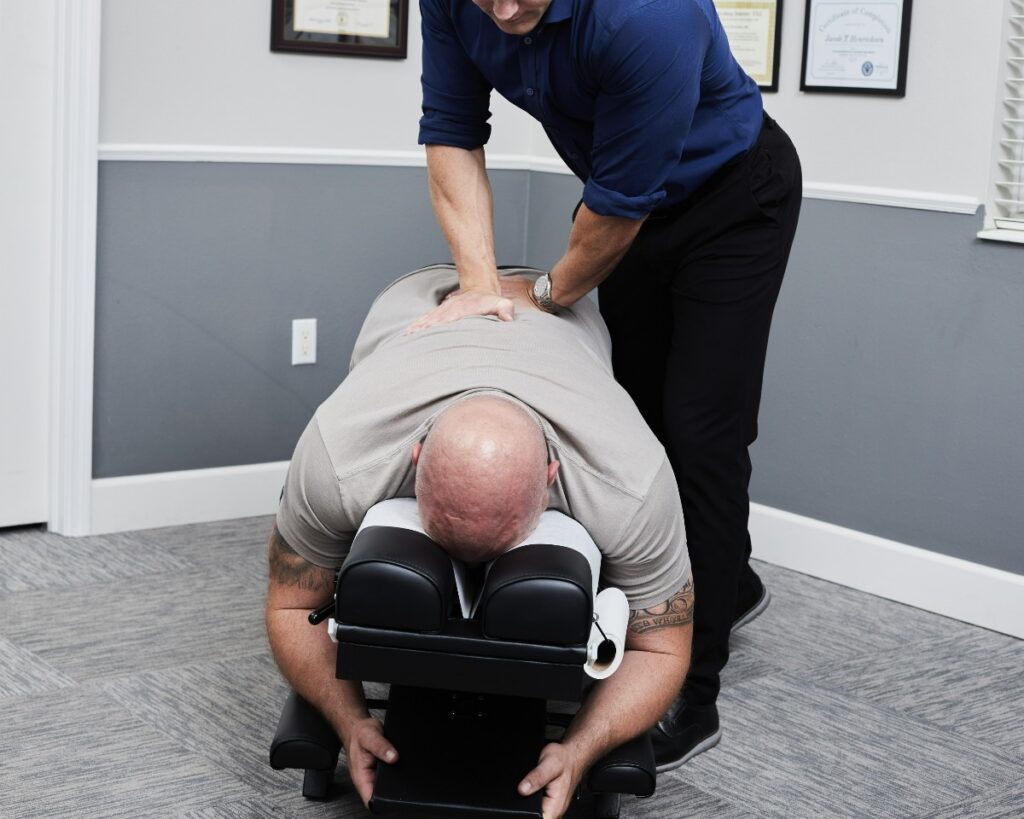

If you're struggling with chronic migraines, I want you to know that relief may be achievable within just six weeks through some thoughtful adjustments to your daily habits. As a chiropractor, I often see how identifying your specific triggers—such as certain foods or stressors—can make a significant difference in managing headache frequency and intensity.
Incorporating a healthier diet is crucial, but it's also important to consider the holistic approach of chiropractic care. This includes not only adjusting your spine to improve overall nervous system function, but also integrating mindfulness practices and ensuring you get enough restorative sleep.
By working together, we can develop a personalized plan that addresses your unique situation, helping you reclaim your well-being and enhance your quality of life. Are you ready to take the first steps towards transforming your approach to migraine management?
Understanding Chronic Migraines
As a local chiropractor, I want to shed light on chronic migraines and how our approach to natural healing can help manage them effectively. Chronic migraines can significantly disrupt your daily life, making it challenging to work, socialize, or engage in activities you once enjoyed. These aren't just ordinary headaches; they're intense, debilitating episodes that may last for hours or even days. Common symptoms include pulsating pain, sensitivity to light and sound, and nausea. Understanding the nature of chronic migraines is crucial for finding relief.
Chronic migraines are defined as occurring on 15 or more days per month and lasting for three months or longer. Many patients experience warning signs, known as aura, which can manifest as visual disturbances or tingling sensations. While the exact cause of chronic migraines remains elusive, many believe that changes in brain activity and nerve signaling play a significant role. This complexity highlights the importance of a holistic treatment approach, which is where chiropractic care comes into play.
Your experience with chronic migraines may differ from others, influenced by factors such as age, gender, and overall health. You might notice that certain times of the month, stress, or even weather changes can trigger or worsen your attacks. By recognizing these unique aspects of your migraines, you can take the first step toward finding relief through natural means.
Moreover, chronic migraines often come hand-in-hand with emotional challenges like anxiety and depression. This can create a vicious cycle where stress exacerbates your migraines. At our chiropractic practice, we address both the physical and psychological components of your condition. By understanding chronic migraines from a holistic perspective, we empower you to seek appropriate treatment options that can improve your quality of life.
Together, we can explore natural healing techniques that may help alleviate your symptoms and enhance your overall well-being. Don't let chronic migraines control your life; reach out to learn more about how chiropractic care can support you on your journey to relief.
Identifying Triggers
As your local chiropractor, I want to emphasize the importance of identifying your migraine triggers for effective pain management.
Many patients may not realize that certain foods, high levels of stress, and fluctuations in sleep patterns can significantly contribute to the onset of migraines.
To help you gain a better understanding of your unique situation, I recommend keeping a trigger journal. This tool can assist you in tracking patterns and uncovering the specific factors that may be triggering your migraines.
Common Migraine Triggers
Understanding common migraine triggers is crucial for managing your symptoms effectively, and as a chiropractor, I want to help you on your journey to relief through natural healing methods. Recognizing what might be causing your migraines is key in preventing them. Many of my patients have discovered that certain foods, such as aged cheeses, chocolate, or processed meats, can be significant triggers.
It's also important to maintain a consistent eating and hydration schedule, as skipping meals or becoming dehydrated can lead to headaches.
Environmental factors are another aspect to consider. Bright lights, loud noises, and strong scents can provoke migraines for some individuals. Additionally, be aware of weather changes, as fluctuations in temperature or barometric pressure may trigger an episode.
Stress is a major contributor to migraines; therefore, learning stress management techniques can help reduce the frequency and severity of your headaches.
For many women, hormonal changes can also play a role. If you notice a correlation between your migraines and your menstrual cycle, it may be beneficial to discuss this with your healthcare provider.
By identifying and understanding these common triggers, you're better equipped to avoid them and take proactive steps toward natural relief.
Keeping a Trigger Journal
As a chiropractor, I understand that managing migraines can be a complex journey, but keeping track of your migraine triggers can significantly improve your ability to cope with them. One of the most effective methods I've found is to encourage my patients to maintain a trigger journal. This practice involves recording the date and time of your migraines, as well as any activities, foods, or stressors you experienced prior to the onset of pain. By doing so, you can uncover patterns that may point to your specific triggers.
Consistency is key when it comes to your journal entries. I recommend that you write in your journal daily, even on days when you're not experiencing a migraine. Be sure to include details such as weather changes, sleep patterns, and menstrual cycles, as these factors can also influence the frequency and severity of your migraines.
Over time, you'll likely start to see connections between your lifestyle choices and your migraines. It's also beneficial to review your journal regularly to identify any recurring themes. If you find that certain foods or situations frequently precede your migraines, it might be wise to limit or avoid them.
Sharing your observations with me during our consultations can help us develop a more personalized treatment plan that addresses your unique needs. By keeping a trigger journal, you're taking an active role in managing your migraines and working towards reducing their frequency and intensity.
Dietary Modifications
As a local chiropractor dedicated to your overall wellness, I want to share how dietary modifications can significantly influence the frequency and intensity of chronic migraines. Many patients are often unaware that their food choices may be contributing to their headache experiences. By identifying and eliminating potential dietary triggers, you can take proactive steps toward a life with fewer migraines.
First, it's important to become aware of what you're consuming. Certain foods are known to trigger migraines, including aged cheeses, processed meats, and items containing MSG. I recommend eliminating these foods from your diet for a few weeks to see how your body reacts. If you find that your migraine episodes decrease, you may have pinpointed a key trigger.
Hydration is another critical factor in managing migraines. Dehydration is a common culprit, so it's essential to ensure you're drinking enough water throughout the day. Aim for at least eight 8-ounce glasses daily, and adjust this based on your activity level and personal needs.
Incorporating magnesium-rich foods into your meals can also be beneficial. Foods like spinach, almonds, and whole grains have been shown to help reduce the frequency of migraines for some individuals. Additionally, maintaining regular meal times can help stabilize your blood sugar levels, which may decrease the likelihood of headaches.
I also encourage you to keep a food diary to track your dietary habits and migraine occurrences. By documenting what you eat and how you feel, you can identify patterns and make informed decisions about your diet.
With these dietary adjustments, you're not just addressing the symptoms; you're laying the groundwork for a significant reduction in your migraine symptoms and enhancing your overall health. Remember, as your chiropractor, I'm here to support you on this journey to natural healing.
Lifestyle Changes
As a local chiropractor, I want to share some valuable insights on managing chronic migraines through natural healing and lifestyle changes. Many of my patients have found that adjusting their diet and incorporating effective stress management techniques can significantly lessen the frequency and intensity of their headaches.
By focusing on whole foods and staying hydrated, you can nourish your body in a way that may prevent migraine triggers.
Additionally, practices such as yoga, meditation, and regular chiropractic adjustments can help alleviate tension and improve overall well-being.
Let's take a closer look at how these natural approaches can positively impact your daily life and help you regain control over your health.
Together, we can explore a personalized plan that incorporates these lifestyle changes for better migraine management.
Dietary Modifications
As a local chiropractor dedicated to helping you achieve optimal health, I want to share how dietary modifications can significantly impact the management of chronic migraines. Many of my patients have found relief through simple changes in their eating habits. One effective strategy is to keep a food diary. This will help you identify potential migraine triggers in your diet. Common offenders often include aged cheeses, processed meats, and artificial sweeteners. Once you identify these triggers, you can begin to eliminate or limit them from your meals.
Incorporating foods rich in magnesium, such as spinach, almonds, and avocados, can also be beneficial. Research has shown that magnesium deficiency may be linked to migraines, so focusing on these foods can support your overall well-being.
Additionally, staying hydrated is crucial; I recommend aiming for at least eight glasses of water a day to help prevent dehydration, which is a frequent trigger for migraines.
Establishing a regular meal schedule is another important aspect of managing migraines. Skipping meals can lead to low blood sugar, which may provoke a headache. Eating balanced, smaller meals throughout the day can help maintain stable energy levels and reduce the risk of migraines.
Caffeine is another factor to consider. While some patients find that it alleviates their headaches, others may notice an increase in frequency. It's essential to pay attention to how your body responds to caffeine and adjust accordingly.
Lastly, omega-3 fatty acids found in fish have anti-inflammatory properties that can aid in reducing migraine symptoms.
Stress Management Techniques
As a local chiropractor dedicated to your overall well-being, I want to share how addressing stress can significantly impact your health, particularly for those who suffer from chronic migraines. Stress is a common trigger for many individuals, and learning effective stress management techniques can help reduce the frequency and intensity of migraine episodes.
First, it's essential to identify what causes your stress. I recommend keeping a journal to note your stress triggers and your reactions to them. Once you have a clearer understanding of these stressors, you can begin to implement strategies to manage them.
Practices like deep breathing exercises, mindfulness meditation, or yoga can be incredibly beneficial in calming the mind and lowering stress levels. I suggest dedicating at least 10 minutes each day to these practices.
In addition to these techniques, regular physical activity plays a crucial role in your well-being. Exercise releases endorphins, which serve as natural pain relievers and mood enhancers. Even a simple daily walk can have a positive impact on your stress levels and overall health.
It's also vital to prioritize sleep. Establishing a consistent sleep schedule and creating a soothing bedtime routine can significantly improve your sleep quality, which is essential for managing stress and migraines.
If you find that stress feels overwhelming, I encourage you to consider speaking with a therapist or counselor. They can offer personalized tools and coping strategies to help you navigate stress more effectively.
By incorporating these stress management techniques into your daily routine, you can take meaningful steps toward alleviating chronic migraines and enhancing your overall quality of life through natural healing.
Holistic Approaches
As a local chiropractor, I want to share some holistic approaches that can help you manage chronic migraines more effectively.
It's important to understand that treating migraines goes beyond just addressing the pain; it involves looking at the whole person to achieve sustainable relief.
One of the first steps we often discuss is making dietary changes. Keeping a food diary can be incredibly useful in identifying potential migraine triggers, such as aged cheeses, caffeine, or artificial sweeteners.
Once you recognize these triggers, we can work together to adjust your eating habits in a way that supports your overall health.
Regular physical activity is another key element in managing migraines. Gentle exercises, like yoga or tai chi, are excellent for reducing tension and improving circulation, both of which can alleviate migraine symptoms.
Remember that staying properly hydrated is crucial as well; dehydration is a common trigger for migraines. I recommend drinking plenty of water throughout your day.
Mindfulness practices also play a significant role in our approach. Techniques such as meditation and deep-breathing exercises can help you manage stress levels and promote relaxation.
Dedicating just a few minutes each day to these practices can greatly enhance your overall well-being.
In my practice, I also encourage patients to explore acupuncture and chiropractic care. Many individuals find that these treatments can significantly reduce the frequency and intensity of their migraines.
Chiropractic adjustments can help restore balance to your body and relieve tension that may be contributing to your headaches.
If you're struggling with chronic migraines, I invite you to consider these holistic approaches.
Together, we can develop a comprehensive plan tailored to your needs, aiming for a healthier, pain-free life.
Monitoring Progress
Tracking your progress is a vital step in effectively managing chronic migraines, and as a local chiropractor, I want to help you understand how this can transform your approach to healing. By closely monitoring your symptoms, you can uncover patterns and triggers that may be contributing to your pain, empowering you to take charge of your health.
I recommend starting with a migraine diary. This will allow you to document the frequency, intensity, and duration of your headaches. Pay attention to potential triggers like stress, specific foods, or variations in your sleep habits. This information is invaluable, as it helps us identify what might be exacerbating your migraines, enabling us to tailor a natural treatment plan that fits your lifestyle.
As you track your progress, also consider how your body responds to different treatments—whether it's chiropractic adjustments, dietary changes, or other holistic therapies. Recording your experiences can reveal which methods resonate best with your body, guiding us toward the most effective solutions.
Here are a few emotional benefits you'll gain from monitoring your progress:
- A sense of control: Understanding your migraines can diminish feelings of helplessness and give you a proactive role in your healing journey.
- Hope for improvement: Recognizing patterns in your diary may inspire you to stay dedicated to your treatment plan and lifestyle adjustments.
- Informed conversations: With detailed insights, you'll be better equipped to discuss your progress and concerns during our sessions, making our time together more productive and focused on your needs.
Together, we can navigate your path to better health through chiropractic care and natural healing strategies.
Conclusion
As your local chiropractor, I'm excited to share that in just six weeks, you can take charge of your chronic migraines. Many patients are surprised to learn that chiropractic care, along with identifying your triggers, can significantly help in managing these debilitating headaches. By making mindful dietary changes and adopting healthier lifestyle habits, you can create a solid foundation for relief.
Incorporating mindfulness practices and staying consistent with your daily routines can enhance your overall well-being and improve your response to treatment. It's essential to monitor your progress, as understanding what works uniquely for you is key to finding lasting relief. With commitment and the right strategies, including chiropractic adjustments and holistic approaches, you can reduce the frequency and intensity of your migraines. This journey not only leads to fewer headaches but also contributes to a happier, healthier life. Let's work together to help you feel your best!