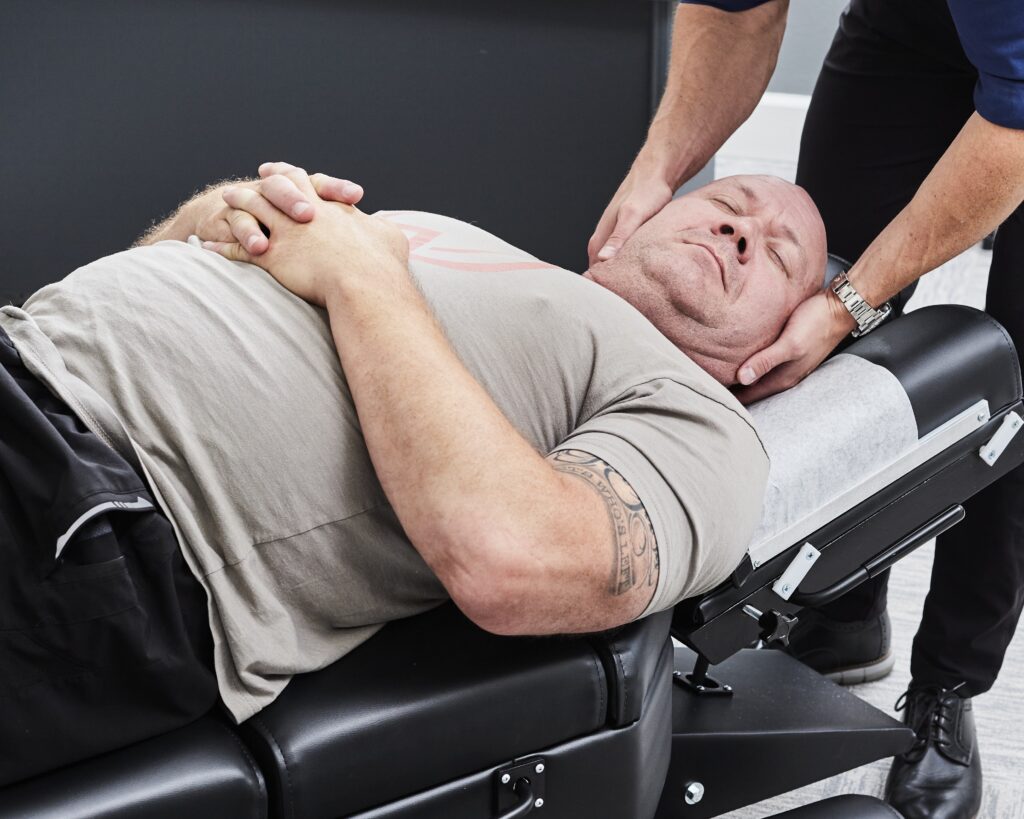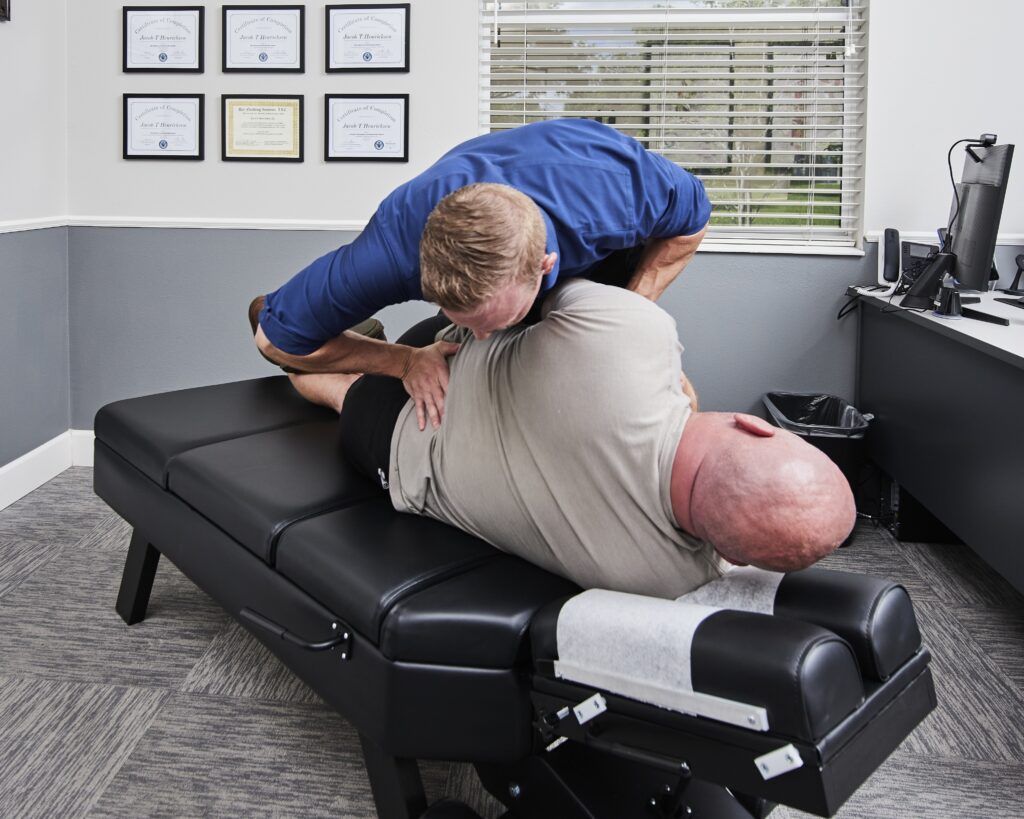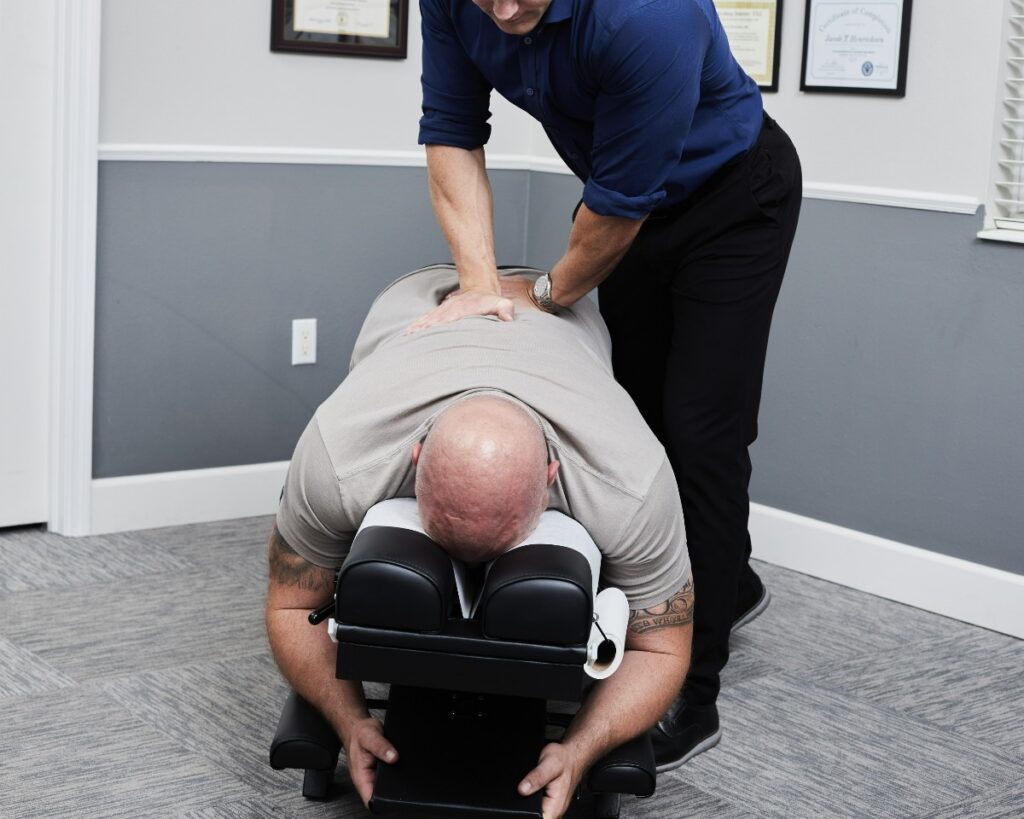

As a local chiropractor, I want to emphasize just how significantly your posture can affect your everyday life. You might not notice it now, but even small adjustments can lead to remarkable improvements in your overall well-being. One of the first steps you can take is to optimize your workspace. This means setting up your desk and chair in a way that supports your spine and encourages proper alignment.
In addition to this, incorporating regular stretching routines into your day is crucial. Stretching helps release tension in your muscles and promotes flexibility, which is essential for maintaining good posture. Strengthening your core is another vital component; a strong core supports your spine and helps you maintain proper alignment throughout your daily activities.
Mindful movement is also key to enhancing your posture. Being aware of how you sit, stand, and move can help you avoid habits that contribute to poor posture. Lastly, investing in ergonomic gear—such as chairs, desks, and tools designed to support your body—can make a significant difference.
Each of these strategies not only helps improve your posture but also promotes overall health and wellness. If you're curious about how to effectively implement these practices into your life, I would love to explore each approach with you. Together, we can work towards helping you stand taller and feel better!
Incorporate Stretching Routines
As a local chiropractor, I want to share the importance of incorporating stretching routines into your daily life for improved posture and overall well-being. Many of my patients are surprised to learn how simple stretches can significantly enhance their health. It doesn't require a lot of time, yet the benefits can be profound.
When you stretch regularly, not only do you increase your flexibility, but you also reduce muscle tension. This is particularly important if you spend long hours sitting, as it can alleviate discomfort caused by poor posture.
I recommend starting with just a few minutes of stretching each day. You might choose to do this in the morning to awaken your muscles and set a positive tone for the day, or in the evening to help unwind and relieve stress. Focus on stretches that target the areas commonly affected by bad posture, such as your neck, shoulders, and lower back. Simple yet effective stretches like neck tilts, shoulder rolls, and seated forward bends can lead to noticeable improvements.
In addition, incorporating dynamic stretches—such as arm circles and torso twists—can be particularly beneficial, especially before physical activities. These movements help enhance blood flow and prepare your body for movement, reducing the risk of injury.
While you stretch, don't overlook the importance of your breathing. Deep, intentional breaths can increase oxygen flow to your muscles and help your body relax. This not only enhances the effectiveness of your stretches but also plays a vital role in managing stress.
Consistency is vital in any health regimen. I encourage my patients to aim for daily stretching. With time, you'll likely notice improved flexibility and a more aligned posture, along with increased energy levels and decreased fatigue throughout the day.
Optimize Your Workspace
As a local chiropractor, I often emphasize the importance of a well-optimized workspace for both posture and productivity. A well-designed environment can significantly enhance your comfort and efficiency while you work.
Here are four essential tips to help you create a workspace that supports your spine and overall well-being:
- Adjust Your Chair: It's crucial to have a chair that supports your lower back properly. Ensure that the height is adjusted so your feet are flat on the floor, and your knees form a 90-degree angle. This alignment helps reduce strain on your back and promotes better spinal health.
- Position Your Monitor: Your computer screen should be at eye level, ideally about an arm's length away. This positioning helps prevent neck strain and encourages a more comfortable posture. Avoid leaning forward or looking down, as these positions can lead to discomfort and long-term issues.
- Use a Desk Organizer: Keeping essential items within easy reach minimizes the need for repetitive stretching or twisting. A clutter-free workspace not only helps you stay organized but also encourages a more natural posture, making it easier for your body to maintain proper alignment while you work.
- Incorporate a Standing Desk: If possible, consider using a standing desk or a convertible desk that allows you to alternate between sitting and standing. This flexibility can help reduce fatigue and support better posture throughout the day, ultimately contributing to your overall health.
By implementing these tips, you can create a workspace that not only boosts your productivity but also supports your spinal health.
Strengthen Core Muscles
As a local chiropractor, I want to emphasize the importance of strengthening your core muscles for maintaining good posture and overall spinal health. Many people think that core strength is just about achieving a six-pack, but it actually encompasses all the muscles surrounding your abdomen, back, and pelvis.
A robust core plays a crucial role in supporting your spine, allowing you to stand tall and significantly reducing your risk of injury.
To begin enhancing your core strength, I recommend incorporating exercises such as planks, bridges, and abdominal crunches into your regular fitness routine. Planks are particularly beneficial because they engage multiple muscle groups simultaneously.
To perform a plank, hold your body in a straight line from head to heels, ensuring your abdominals are tight. Start with holding the position for 30 seconds to a minute, and as your strength improves, gradually increase the duration.
Bridges are another excellent exercise to consider. Lie on your back with your knees bent and feet flat on the floor. As you lift your hips toward the ceiling, make sure to squeeze your glutes and engage your core.
This exercise not only fortifies your core but also strengthens your lower back and glutes, which are vital for maintaining proper posture.
Additionally, I encourage you to include rotational exercises like Russian twists in your routine. Sit on the floor with your knees bent, lean back slightly, and twist your torso from side to side.
This movement helps develop your oblique muscles, which support your spine during various activities.
By strengthening your core, you're not just working towards a more toned appearance; you're also investing in your spinal health and overall well-being.
If you have any questions about how these exercises can complement your chiropractic care, feel free to ask!
Practice Mindful Movement
As a chiropractor, I want to emphasize the importance of your body's movement patterns in maintaining good posture and preventing injuries. Practicing mindful movement can significantly enhance your awareness of how you hold and move your body throughout the day.
By integrating mindfulness into your daily activities, you can improve not only your posture but also your overall well-being. Here are four essential practices to help you get started:
1. Be Conscious of Your Alignment: It's crucial to regularly check in with your body. Are your shoulders relaxed? Is your spine in alignment?
Take a moment to adjust your posture as necessary to promote better alignment, which can help alleviate discomfort and enhance your overall health.
2. Engage Your Core: As you go about your daily activities, focus on activating your core muscles. Engaging your core provides support to your spine, helping to maintain stability and reduce strain on your back and shoulders—areas that often experience tension and pain.
3. Take Breaks to Stretch: If you find yourself sitting or standing for long periods, remember to take breaks to stretch. Simple stretches can alleviate built-up tension and help reset your posture, allowing your body to function more optimally.
4. Practice Slow, Intentional Movements: Whether you're walking, bending, or lifting, approach these movements with mindfulness and intention.
By moving slowly and purposefully, you lower your risk of injury and reinforce good posture habits, which is essential for your long-term health.
Incorporating these mindful movement practices into your daily routine can have a profound impact on your posture and overall health.
I encourage you to make them a regular part of your life for better well-being.
Invest in Supportive Gear
As a local chiropractor, I want to emphasize the importance of investing in supportive gear to maintain good posture and prevent discomfort in your daily life. The right equipment can make a substantial difference in how you feel, especially during long hours spent sitting, standing, or engaging in physical activities.
First, let's talk about your workspace. An ergonomic chair is crucial for supporting your lower back and encouraging proper alignment. Look for chairs that can be adjusted in height and have built-in lumbar support, as these features can help tailor the fit to your unique body shape.
When you're on the move, consider the footwear you choose. Shoes with proper arch support are vital for aligning your body correctly and minimizing strain on your feet, knees, and back. I advise steering clear of high heels or flat shoes that lack support, as they can contribute to posture-related issues.
If you find yourself spending a lot of time at a desk, it's essential to invest in a setup that promotes good posture. Consider using a standing desk or an adjustable desk that allows you to alternate between sitting and standing. This can help reduce the risk of slouching.
Additionally, a footrest can be beneficial in keeping your feet flat and your spine properly aligned.
Don't overlook the value of accessories like posture correctors, which can serve as gentle reminders to maintain an upright position throughout your day. Incorporating foam rollers and yoga blocks into your routine can also be advantageous for stretching and strengthening your muscles, further supporting your posture.
By making these thoughtful investments, you can greatly enhance your overall well-being and support your body in achieving optimal alignment.
Conclusion
As a local chiropractor dedicated to your well-being, I want to share how you can enhance your posture and overall health through natural methods. By incorporating simple strategies into your daily life, you can make a significant difference. Regular stretching is crucial, as it keeps your muscles flexible and reduces tension. Additionally, creating an optimized workspace can help maintain proper alignment, which is vital for your spine.
Strengthening your core is another essential step; a strong core supports your back and promotes good posture. I also encourage you to practice mindful movement—being aware of how you carry yourself can lead to lasting improvements. Lastly, investing in supportive gear, such as ergonomic chairs or proper footwear, can help alleviate strain on your body.
With consistent effort, not only will you see improvements in your posture, but you'll also experience increased productivity and better overall health. Start making these changes today, and I assure you, you'll feel the positive effects in no time! If you have any questions or need further guidance, don't hesitate to reach out. Your journey to better posture and wellness is just beginning!