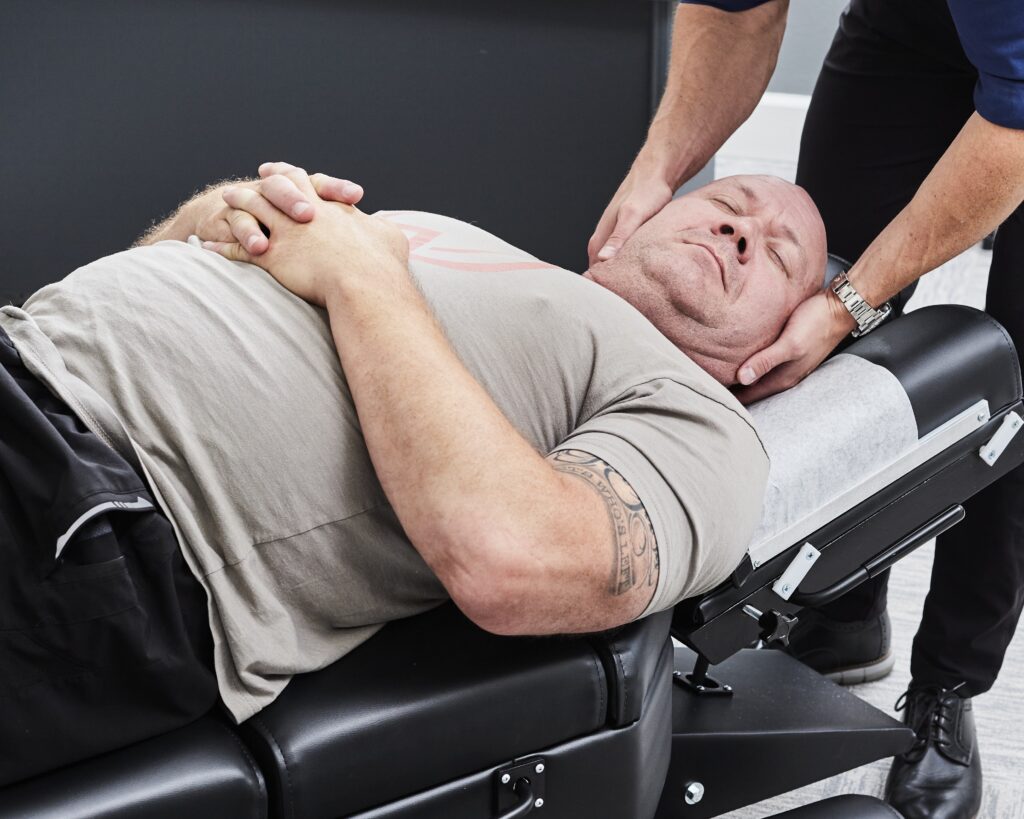
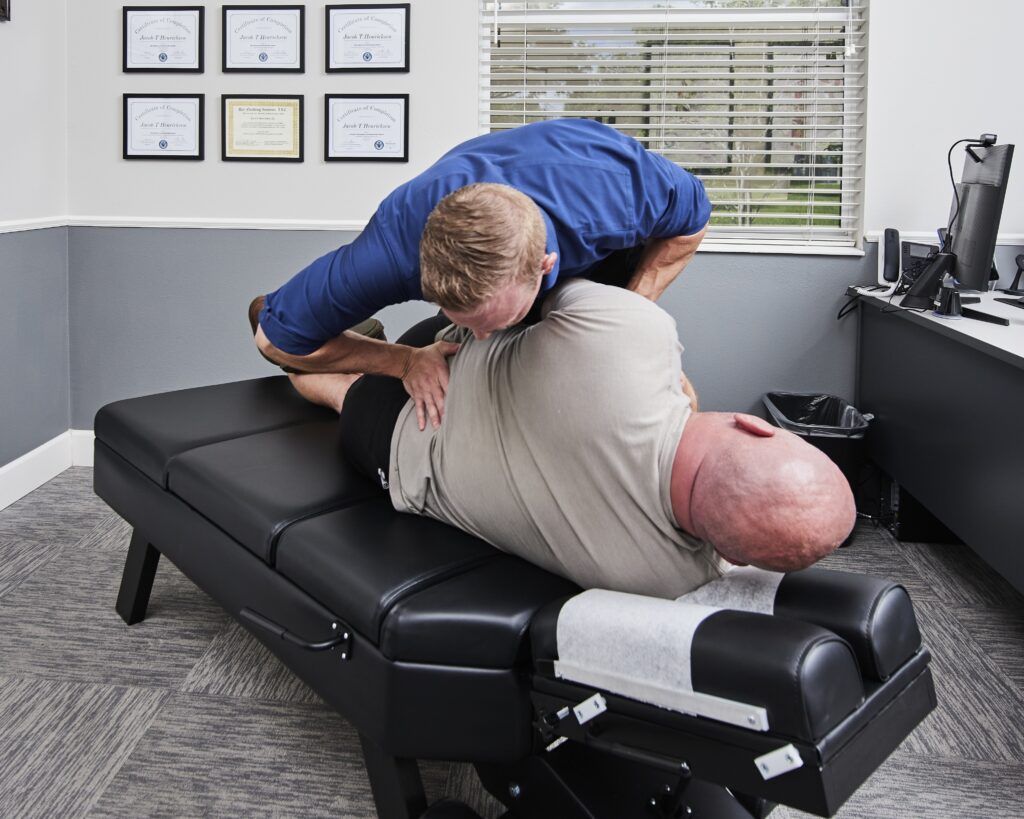
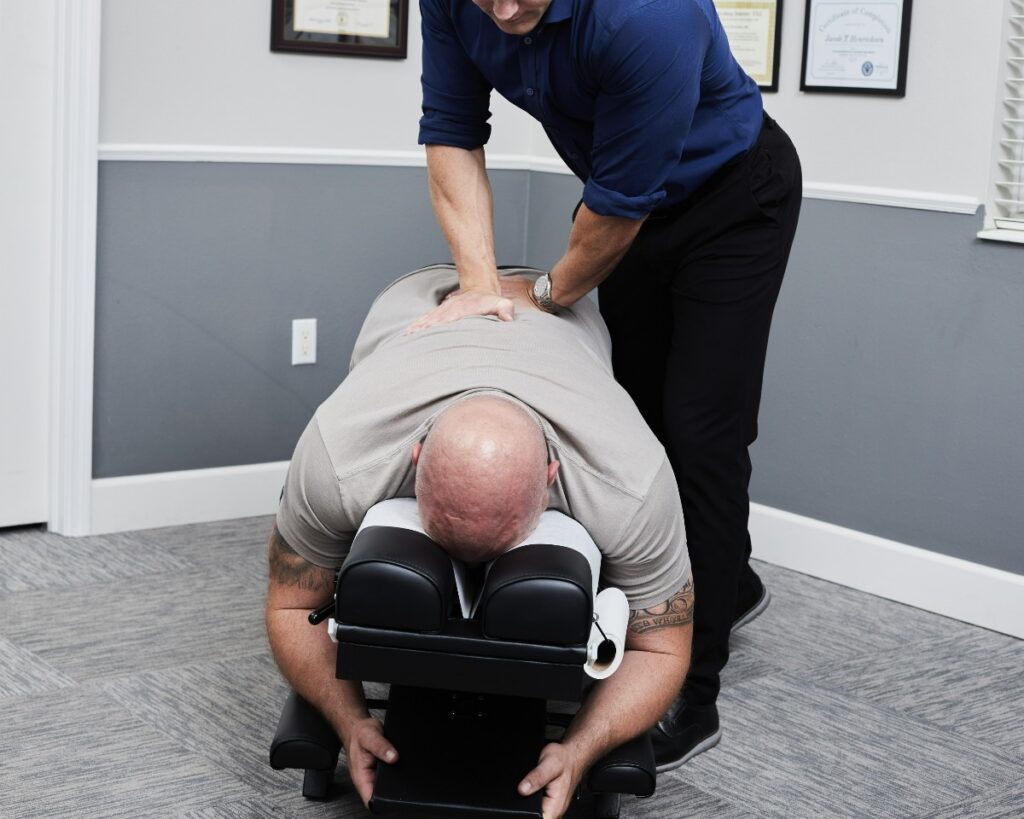
As a local chiropractor, I want to share an important insight that may surprise you: your recovery routine could be the key to unlocking your full athletic potential. Over the next six weeks, we can work together to transform how your body recovers and performs, focusing on essential elements like nutrition, sleep, and mental resilience.
Understanding your current habits is just the first step; each week, I'll introduce new strategies to help enhance your physical capabilities. As you start to incorporate these changes into your lifestyle, you may notice improvements in your strength and endurance. However, the real secret lies in maintaining these enhancements over the long term.
Chiropractic care plays a vital role in this process by ensuring your spine and nervous system are functioning optimally, which can significantly impact your recovery and performance. Let's explore how we can create a sustainable recovery routine that supports your athletic goals and overall well-being.
Week 1: Assess Your Current Routine
Before you embark on a new training regimen, it's essential to assess your current routine, especially from a chiropractic perspective. Begin by evaluating your workout schedule. Consider the exercises you're currently engaging in—are they primarily strength training, cardio, or flexibility-focused? Determine how often you're training each week. This foundational information can help identify potential areas for improvement in your overall health and wellness.
Next, take a moment to reflect on the intensity and duration of your workouts. Are you challenging yourself appropriately, or do you find your sessions too manageable? Adjusting the intensity of your workouts can't only enhance your physical performance but also contribute to your musculoskeletal health. Tracking your progress over the past few weeks can provide valuable insight; note any improvements in strength, speed, or endurance. This data is crucial for pinpointing areas that may require further attention, whether it's in your exercise routine or overall body mechanics.
It's also important to consider your recovery practices. Are you giving your muscles adequate time to recover? Insufficient recovery can impede your progress and lead to injury. Pay attention to how you feel post-workout—do you often experience fatigue or soreness? Understanding your body's responses can guide necessary adjustments in your training and recovery strategies.
Lastly, take some time to think about your fitness goals. Are they realistic and specific? Setting clear objectives is vital for maintaining focus as you navigate your training plan.
Week 2: Nutrition for Optimal Recovery
As a local chiropractor, I want to emphasize the importance of proper nutrition for optimal recovery after any physical activity.
To support your body's healing process, it's crucial to maintain a balanced intake of macronutrients: protein, carbohydrates, and fats. Each of these plays a significant role in repairing muscles and replenishing your energy stores.
Additionally, staying well-hydrated is essential, as it not only aids in recovery but also enhances your overall performance.
Macronutrients for Recovery
As a local chiropractor dedicated to your well-being, I want to emphasize the importance of optimizing your recovery for better overall health and athletic performance. A key aspect of this recovery process is understanding how macronutrients—carbohydrates, proteins, and fats—can support your body's natural healing abilities.
Let's break down these three essential macronutrients:
- Carbohydrates: After engaging in intense physical activity, your body may experience a depletion of glycogen stores. This is where carbohydrates come into play; they're crucial for replenishing those energy reserves. By consuming complex carbohydrates such as whole grains, fruits, and vegetables, you can promote faster recovery and prepare your body for future activities.
- Proteins: Protein is vital for muscle repair and growth, especially after a workout. Including high-quality protein sources in your diet—like lean meats, fish, eggs, or plant-based alternatives—can significantly enhance your body's recovery process. Generally, you should aim for about 0.7 to 1 gram of protein per pound of body weight following exercise to support muscle repair and overall recovery.
- Fats: Don't overlook the importance of healthy fats in your diet. They play a crucial role in hormone production and help your body absorb fat-soluble vitamins. Incorporating sources such as avocados, nuts, and olive oil can't only aid in recovery but also promote your overall health and wellness.
By understanding and prioritizing these macronutrients, you can support your body's natural recovery processes and enhance your overall performance.
Hydration's Critical Role
As a local chiropractor, I want to emphasize the essential role that hydration plays in your body's recovery and overall health, especially if you're active or involved in sports. Proper hydration isn't just about quenching your thirst; it significantly impacts your muscle function and can help reduce fatigue and soreness after physical activity.
When you're well-hydrated, your body is more efficient at transporting vital nutrients to your cells and eliminating toxins, both of which are crucial for recovery after intense training or chiropractic adjustments.
To enhance your hydration, it's important to drink water consistently throughout the day. Don't wait for the sensation of thirst to strike, as that can be an indicator that you're already somewhat dehydrated. A good rule of thumb is to aim for at least half your body weight in ounces of water daily.
If you engage in workouts that exceed an hour, consider incorporating electrolyte-rich beverages to help replenish the minerals lost through sweat.
Monitoring your urine color can also provide insights into your hydration status. A light yellow hue indicates that you're well-hydrated, while a darker shade may signal the need for more fluids.
Keep in mind that your hydration requirements can fluctuate based on the intensity of your activities, the climate you're in, and how much you sweat individually.
In addition to drinking plenty of water, including hydrating foods in your diet can further support your hydration efforts. Foods like watermelon, cucumber, and oranges not only help satisfy your thirst but also deliver essential vitamins and minerals that play a role in recovery.
Week 3: Importance of Sleep
As a local chiropractor, I want to emphasize the critical role that sleep plays in your recovery and overall performance, especially if you're active or an athlete.
Many people may not realize that getting the right amount of sleep each night can significantly influence how well your body recovers from physical activity and how effectively you can perform.
Quality sleep is essential for natural healing and maintaining optimal health. It allows your body to repair itself, reduces inflammation, and can even enhance your athletic capabilities.
By prioritizing ideal sleep duration, you can improve your energy levels, mental clarity, and overall well-being.
Let's take a closer look at how quality sleep can amplify your physical abilities and support your health journey.
Sleep and Recovery Connection
As a local chiropractor, I often emphasize the importance of quality rest for enhancing both athletic performance and overall recovery. Sleep isn't just a luxury; it's a crucial component of your body's natural healing process. When you sacrifice sleep, you aren't only affecting your daily performance, but you're also impeding your body's ability to recover effectively.
Here are three significant ways that sleep influences your recovery:
- Muscle Repair: During deep sleep, your body produces growth hormone, which is essential for repairing and building muscle tissue. Insufficient sleep slows down this vital process, making it harder for athletes and active individuals to recover from their workouts.
- Cognitive Function: A restful night's sleep is key to maintaining sharp focus, quick reaction times, and sound decision-making skills. When you don't get enough sleep, your performance can suffer, and you may find yourself at a greater risk of injury due to impaired judgment.
- Immune Function: Quality sleep is crucial for a robust immune system. When you're well-rested, your body is better equipped to fight off illnesses and recover from the strain of intense physical activity, allowing you to stay in optimal condition.
Integrating better sleep habits into your lifestyle is essential for enhancing your overall athletic performance and well-being.
Remember, just as you prioritize your workouts, it's important to prioritize your sleep—after all, your bed is just as important as the gym!
If you're interested in learning more about how chiropractic care can support your recovery and overall health, feel free to reach out.
Optimal Sleep Duration
As a local chiropractor dedicated to your overall health and wellness, I want to emphasize the critical role that quality sleep plays in enhancing not just your health, but also your athletic performance. Understanding the right amount of sleep you need is essential for unlocking your full potential. Most individuals, including athletes, typically require between seven to nine hours of restorative sleep each night to recover effectively and perform at their best.
However, it's important to note that it's not just about the number of hours; the quality of sleep matters just as much. Deep sleep stages are crucial for processes such as muscle recovery, hormone regulation, and cognitive function. When you consistently cut back on sleep, you may notice a decline in your performance levels, slower reaction times, and an increased risk of injury.
It's vital to listen to your body. If you find yourself feeling fatigued during the day or struggling to focus, it may be time to reassess your sleep habits. To optimize your sleep and, in turn, your overall health, I recommend establishing a consistent bedtime routine, minimizing screen time in the hour leading up to sleep, and creating a peaceful sleeping environment.
Consider factors such as room temperature, noise levels, and the comfort of your bedding. Prioritizing sleep isn't just a luxury; it's a necessity for achieving your health and wellness goals, particularly when it comes to your training and recovery.
Week 4: Incorporating Active Recovery
As a local chiropractor, I'd like to share how incorporating active recovery into your routine can significantly boost your overall health and performance.
Active recovery is a gentle approach that differs from complete rest; it involves engaging in low-intensity exercises that enhance blood flow, alleviate muscle soreness, and promote overall healing. By adding these sessions to your weekly activities, you can maintain your fitness while allowing your body the necessary time to recover.
Here are three practical strategies for effective active recovery that I recommend:
- Light Aerobic Activity: Consider engaging in enjoyable activities such as walking, cycling, or swimming at a comfortable pace. Aim for 20 to 30 minutes, keeping your heart rate in a relaxed zone. This gentle movement helps to flush out lactic acid build-up and improves circulation, which is crucial for recovery.
- Mobility and Stretching Exercises: Incorporating dynamic stretching or yoga into your routine can be highly beneficial. Focus on areas of your body that feel tense or sore. These practices not only enhance flexibility but also play a vital role in reducing the risk of injuries during more strenuous workouts.
- Foam Rolling and Self-Myofascial Release: Take some time to use a foam roller or a massage ball on any sore muscles. This self-care technique helps to break down muscle knots and improves elasticity, which contributes to quicker recovery and better overall muscle function.
By understanding and implementing these active recovery strategies, you can support your body's natural healing processes and enhance your athletic performance.
If you have any questions or need further guidance, I'm here to help!
Week 5: Strengthening Mental Resilience
As you embark on your journey to improve your physical health, it's essential to recognize the significant role that mental resilience plays in enhancing your overall well-being and performance. Mental toughness can be a crucial factor in overcoming challenges, whether you're dealing with physical discomfort or striving to achieve your fitness goals.
To cultivate this important skill, consider setting specific and attainable health goals. Break these larger goals into smaller, manageable milestones, and take the time to celebrate each achievement. This practice can help reinforce your self-confidence and commitment to your health journey.
In addition, visualization techniques can be incredibly powerful. Spend a few moments imagining yourself achieving your health objectives—be it moving with ease, feeling strong, or enjoying an active lifestyle. Visualizing success can prepare your mind and body for real-life achievements, making it more likely that you'll attain what you envision.
Integrating mindfulness and meditation into your daily routine can also be beneficial. These practices can improve your focus and reduce stress, helping you maintain a sense of calm during challenging times. Try dedicating a few minutes each day to sit quietly, breathe deeply, and clear your thoughts.
Furthermore, don't shy away from challenges. Embrace discomfort as an opportunity for growth and healing. When you encounter obstacles, remind yourself of past successes and the dedication you've shown in your health journey.
Lastly, surrounding yourself with a supportive community is invaluable. Share your health goals and experiences with friends, family, or fellow patients who can encourage you and help keep you accountable.
Building mental resilience requires time and effort, but the positive impact on your overall health and performance will be well worth it. As a chiropractor, I encourage you to take an integrated approach to your health that includes both physical and mental wellness.
Week 6: Evaluating Progress and Adjusting
As your local chiropractor, I want to take a moment to help you reflect on your journey towards better health and well-being. After six weeks of incorporating chiropractic care into your routine, it's a great time to evaluate your progress and make any necessary adjustments to your wellness plan. Understanding where you stand can enhance your overall health and athletic performance.
First, let's assess both your physical and mental improvements. Think back to the goals you set when you first began your chiropractic journey. Are you noticing increased strength, flexibility, and resilience? Here's a simple checklist to guide you through your evaluation:
- Track Your Physical Improvements: Review any notes or logs you may have kept about your activities and how you feel after treatments. Are you experiencing less pain, improved movement, or enhanced endurance? Keeping a journal can help you stay consistent in tracking these changes.
- Tune Into Your Body: Pay attention to how your body responds during daily activities and workouts. Are there any areas of discomfort or fatigue that persist? If so, it may be time to adjust your recovery strategies or consult with me about how chiropractic adjustments can facilitate healing and reduce stress on your body.
- Evaluate Your Nutrition: Consider how your diet supports your recovery and energy levels. Are you nourishing your body with the right foods? Perhaps it's time to think about increasing your intake of whole foods, staying hydrated, or incorporating more protein to aid in muscle recovery.
Once you've reflected on these aspects, it's time to adapt your health plan. If you've met your initial goals, let's set new ones to keep you motivated and progressing. If you haven't yet reached your targets, don't feel disheartened; think of this week as an opportunity for growth.
Together, we can make the necessary adjustments to your chiropractic care and wellness plan, ensuring you continue to move towards your health and athletic aspirations. Remember, my role is to support you on your journey to optimal health through natural healing and chiropractic care.
Conclusion
As a local chiropractor, I want to share how the "Recover Faster" program can greatly enhance your athletic performance through natural healing practices. Over the next six weeks, we will work together to assess your current routine and make necessary adjustments that promote optimal health.
We'll focus on optimizing your nutrition, which plays a critical role in recovery and overall performance. Prioritizing quality sleep is essential as well; it's during this time that your body heals and rejuvenates. Embracing active recovery techniques, like gentle stretches and chiropractic adjustments, can also help alleviate tension and improve mobility.
Moreover, we'll work on strengthening your mental resilience, which is just as important as physical training. As we progress, you'll be able to see the positive changes in your body and performance. Remember, consistency and a willingness to adapt are vital in reaching your fitness goals. Stay committed to your health, and you'll witness remarkable improvements in your athletic performance!