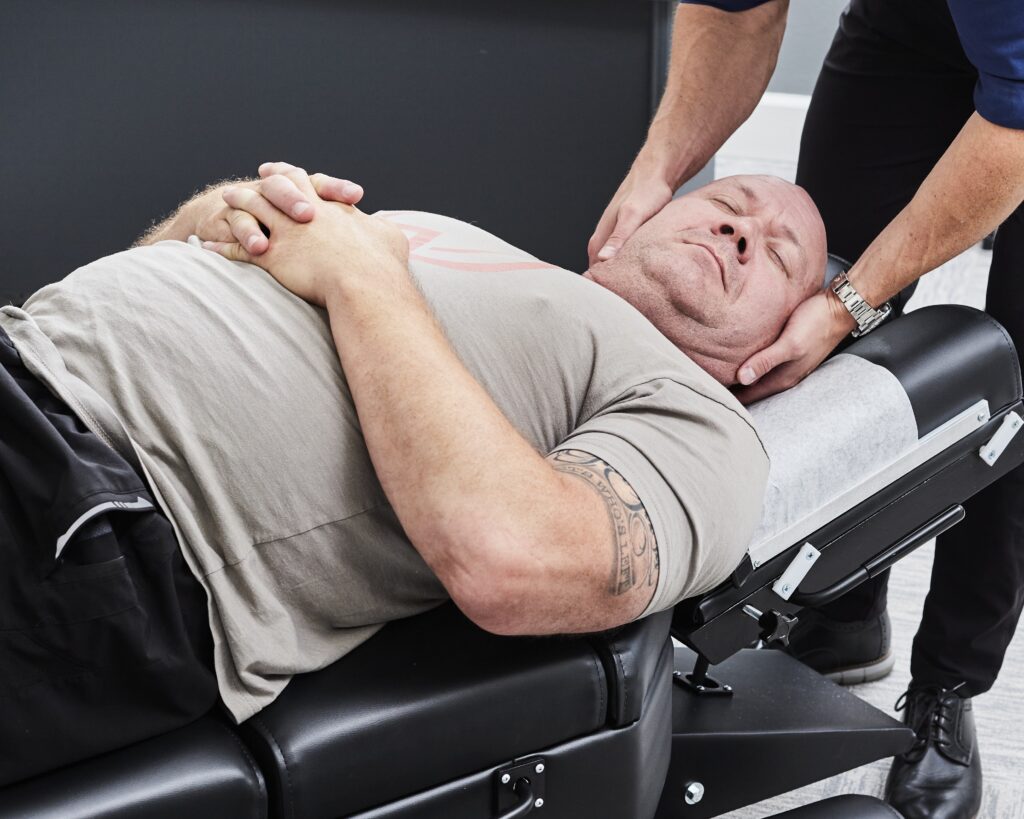
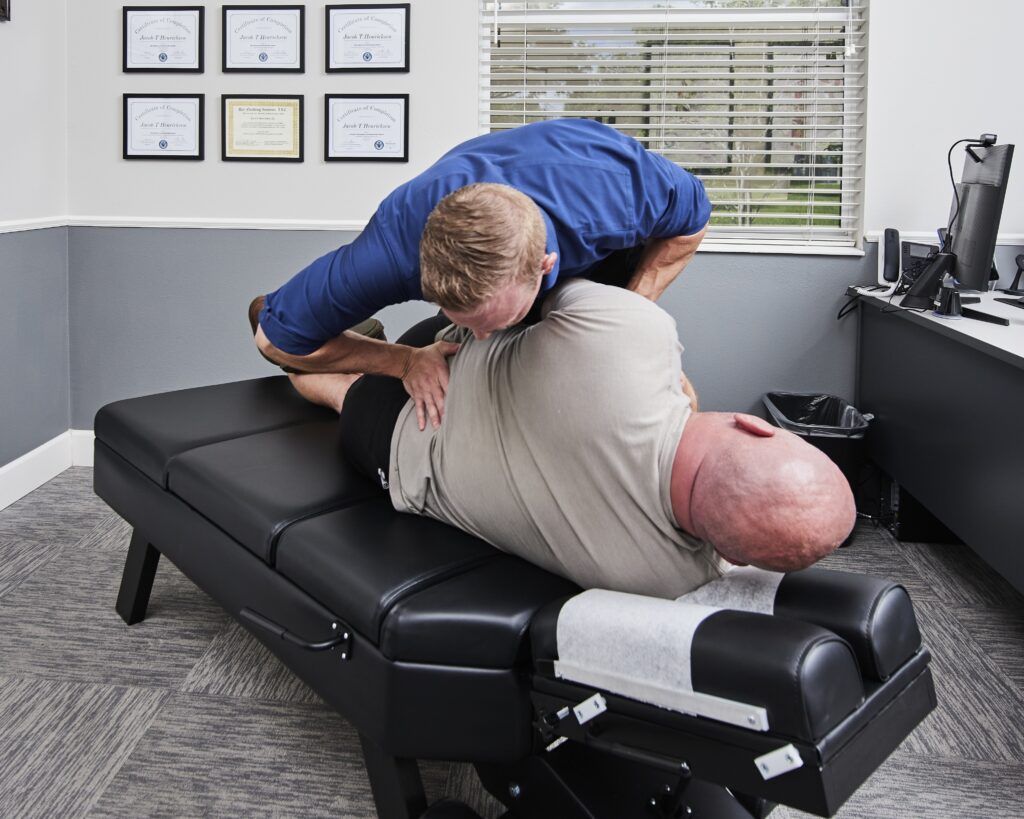
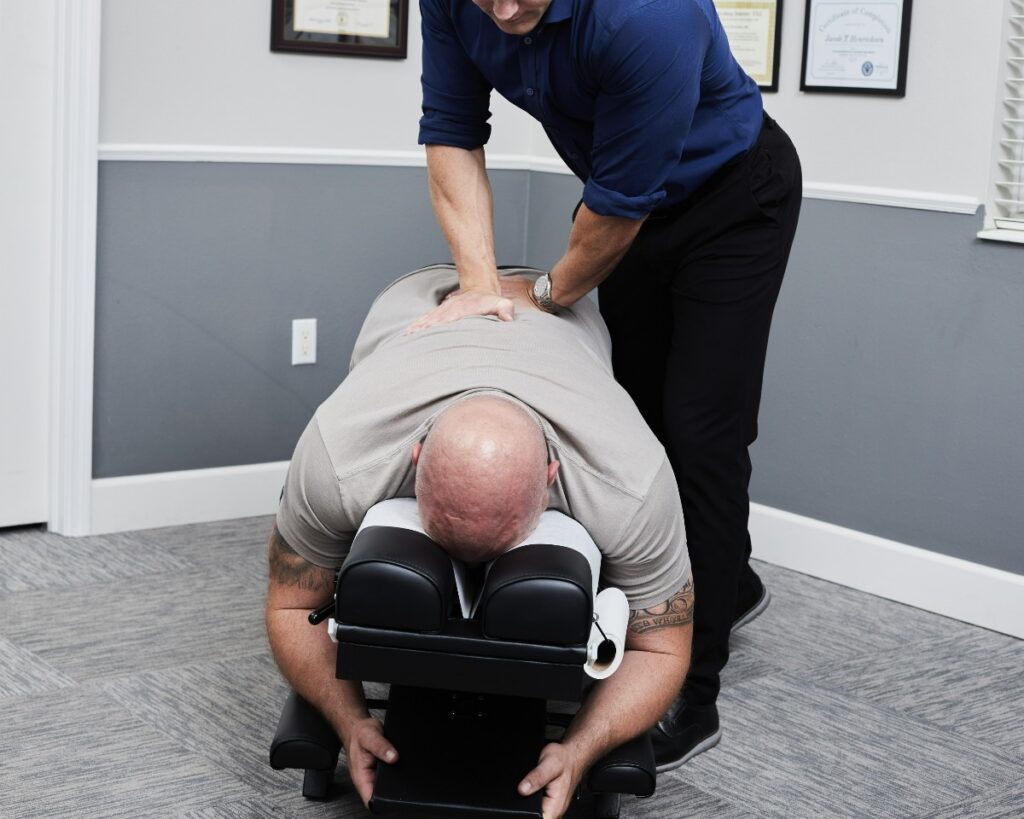
As we look ahead to 2025, it's important to consider how the world of athlete recovery is evolving, especially in the context of chiropractic care and natural healing. With advancements in wearable technology, personalized nutrition, and innovative recovery protocols, we have access to remarkable tools that can significantly enhance recovery. However, the challenge lies in how we can effectively integrate these elements into a cohesive strategy that promotes overall healing and performance.
As a local chiropractor, I believe that understanding the intersection of technology and natural healing methods can provide valuable insights into your recovery process. By exploring how these advancements can complement traditional chiropractic care, we can develop a holistic approach that not only improves your athletic performance but also supports your overall well-being.
It's essential to recognize that recovery is not just about physical performance; it encompasses mental and emotional health as well. By focusing on a comprehensive recovery strategy that includes chiropractic adjustments, nutrition guidance, and appropriate use of technology, you can achieve a more balanced and effective recovery process.
So, as we move toward this exciting future, let's discuss how we can incorporate these innovative approaches into your recovery routine. Together, we can unlock the full potential of your body and enhance your journey toward optimal health and performance. What steps can we take to begin this transformation in your recovery process?
The Role of Technology
In today's fast-paced world, technology is becoming an essential ally in supporting athlete recovery, and as a local chiropractor, I want to help you understand how this can benefit your overall well-being. You may have noticed how advancements like wearable devices and recovery apps are beginning to influence the world of sports performance. These tools enable you to monitor vital statistics, track your sleep patterns, and analyze your workout intensity, providing you with a comprehensive understanding of your body's needs.
With wearable technology, you can collect real-time data on heart rate, oxygen levels, and muscle exertion. This information is invaluable for tailoring your recovery strategies. For example, if you notice a slower heart rate recovery than usual, it might be a sign to adjust your training intensity or consider incorporating additional rest days. This is where chiropractic care can also play a role by ensuring your musculoskeletal system is functioning optimally.
Recovery apps can help you organize your training schedule and prevent overtraining, a common issue for many athletes. They often offer features like guided stretching routines and breathing exercises, which can complement the adjustments and therapies we provide in chiropractic care. Paying attention to your body and responding appropriately is crucial, and technology can facilitate this process.
Additionally, virtual reality (VR) is emerging as a powerful tool in the realm of recovery. Some athletes are using VR for mental recovery, engaging in visualization techniques that can enhance focus and reduce anxiety. This mental aspect of recovery is just as important as the physical, and it's something I often emphasize in my practice.
Nutritional Innovations
As a local chiropractor, I want to share how personalized nutrition can significantly impact your recovery and overall well-being. Many of you may not be familiar with how nutrition plays a role in chiropractic care and natural healing, but it's essential for enhancing your body's performance and recovery process.
With the advancements in supplement technologies, we can now create tailored nutrition plans that align with your unique needs. This means you can support your healing journey with the right nutrients that will complement the adjustments and therapies we provide in the office.
Let's delve into how these nutritional innovations can aid in your recovery, helping you feel your best and achieve optimal health.
Personalized Nutrition Plans
Personalized nutrition plans are transforming how we think about recovery, especially for those engaged in athletic pursuits. It's about customizing dietary strategies to meet your individual needs and preferences. By examining your unique metabolic responses, activity levels, and personal goals, we can ensure that you receive the nutrients that work best for your body. Gone are the days of one-size-fits-all diets; it's all about discovering what fuels you most effectively.
As a local chiropractor, I understand the vital role that nutrition plays in your overall health and recovery. Using advanced technology and data analytics, we can develop meal plans that align with your lifestyle and recovery phases. For example, after a workout, you might benefit from increased protein intake to help repair muscles, or specific carbohydrates to replenish your energy stores. This focused approach can significantly improve your recovery time and enhance your performance.
We also emphasize the importance of regular evaluations to fine-tune your nutrition plan as your training progresses or as you achieve your health milestones. Whether you follow a vegan or vegetarian diet, or have specific food sensitivities, we'll tailor your nutrition plan to make it not just effective but also enjoyable.
Ultimately, embracing personalized nutrition is about more than just what you eat; it's about strategically fueling your body for optimal recovery and improved performance. This customized approach will help you maximize your potential and reach your health goals more efficiently, supporting your journey toward holistic wellness.
Advanced Supplement Technologies
As a local chiropractor, I want to share how innovative advancements in supplement technologies can significantly aid your athletic recovery and overall wellness. Many people are unaware that these innovations can enhance not only your recovery process but also your performance.
For instance, thanks to breakthroughs in nanotechnology, supplements now have increased bioavailability. This means your body can absorb and utilize these nutrients more effectively, which is crucial for recovery. One such innovation involves microencapsulated nutrients, which are specially designed to release at optimal times. This ensures that your muscles receive essential support exactly when they need it most.
Moreover, there are now smart supplements available that come with real-time tracking capabilities. These can help you monitor your nutrient intake, allowing for a more customized approach to your recovery. This tailored strategy can make a big difference in how you feel and perform.
Additionally, many new supplement formulations combine traditional natural ingredients with modern compounds. This fusion creates synergistic effects that can greatly enhance your recovery. Look for options that include adaptogens, amino acids, and electrolytes, as these work together to reduce inflammation and fatigue, which are common issues for athletes.
It's important to note that while these advanced supplement technologies can support your recovery, they aren't a substitute for a balanced diet and healthy lifestyle. Instead, think of them as a complementary tool that can help you maximize your training efforts and maintain peak performance.
Personalized Recovery Protocols
When it comes to recovery, it's important to understand that there isn't a universal solution that works for everyone.
As a chiropractor, I believe in the power of personalized care. By developing tailored nutrition plans and adaptive exercise regimens, we can address your specific needs and enhance your recovery journey.
Personalized approaches can make a significant impact not just on your performance but also on your overall well-being.
Let's delve into how customizing your recovery process can lead to better health outcomes and a more fulfilling lifestyle.
Tailored Nutrition Plans
As a local chiropractor, I want to emphasize the importance of recovery in your overall health and well-being. Just like athletes, everyone can benefit from understanding how tailored nutrition plays a crucial role in the healing process.
To support your body's recovery, it's essential to nourish it with the right nutrients at the right times. A generic approach to nutrition simply won't suffice; individual needs can vary widely based on factors like your lifestyle, health conditions, and specific healing goals.
Begin by assessing your energy needs and the balance of macronutrients in your diet. It's important to focus on a well-rounded intake of carbohydrates, proteins, and fats, which can help replenish energy stores and support muscle repair. For example, after a physically demanding day, consider prioritizing protein-rich foods to aid in recovery and muscle health.
Don't overlook hydration; it's a critical component of recovery. Make sure you're drinking enough fluids and paying attention to your electrolyte levels, especially after exertion or stress.
A well-rounded nutrition plan also includes essential vitamins and minerals, which can promote overall health and help reduce inflammation in the body.
Additionally, meal timing can significantly impact your recovery. Consuming a nutritious snack shortly after physical activity can jumpstart your body's healing processes.
By customizing your nutrition to fit your individual needs, you not only enhance your recovery but also set the stage for improved overall health. Listen to your body and feel free to make adjustments to your nutrition as your needs change.
Adaptive Exercise Regimens
As a local chiropractor dedicated to your overall health and well-being, I want to emphasize that tailoring your recovery routine involves more than just focusing on nutrition; adaptive exercise regimens are vital for optimizing your healing process.
These personalized exercise plans are designed with your unique needs, injury history, and performance goals in mind. By understanding how your body responds to different exercises, we can create a regimen that not only promotes healing but also enhances your strength and flexibility.
To get started, we'll first assess your current fitness level and identify any specific injuries or areas of fatigue you may be dealing with. Based on this assessment, we can incorporate low-impact activities, such as swimming or cycling, which help maintain your cardiovascular health without putting additional strain on your body.
As you progress, we'll gradually introduce strength training exercises that target your specific weaknesses, always prioritizing proper form to prevent the risk of further injury.
Incorporating technology can also support your recovery journey. Wearable devices and recovery apps can help you monitor your progress and make real-time adjustments to your exercise regimen.
These tools provide valuable insights into your heart rate variability, sleep quality, and muscle soreness, enabling us to fine-tune your recovery strategy for optimal results.
At our practice, we're here to guide you through this process, ensuring that your path to recovery is both effective and safe. Your health is our priority, and together, we can achieve your wellness goals naturally.
Importance of Sleep
As a local chiropractor, I want to emphasize the vital role that sleep plays in your overall health and wellness, especially if you're active or involved in sports. Sleep is often the overlooked champion of recovery, and it can significantly impact your physical performance.
During sleep, your body enters a restorative state, where it repairs tissues, replenishes energy, and consolidates memories—all crucial for optimal functioning. When you achieve deep sleep, your body releases growth hormone, which is essential for muscle recovery and growth. This underscores the importance of prioritizing those hours of rest, as they're just as critical as your training sessions.
If you're not getting enough sleep, you might be hindering your recovery process and, ultimately, your athletic performance. You may believe that a few hours of sleep is sufficient, but research indicates that even slight sleep deprivation can negatively affect your cognitive function and physical abilities.
By prioritizing sleep, you allow your body to engage in its natural healing and rejuvenation processes. Aim for 7 to 9 hours of quality sleep each night to optimize your recovery.
Establishing a bedtime routine can signal to your body that it's time to relax and prepare for restorative sleep. Creating a dark, cool sleeping environment and minimizing screen time before bed can help facilitate better rest.
When you make sleep a priority, you'll likely notice improvements in focus, mood, and resilience against injuries. Remember, your best performance happens when you're well-rested, so let sleep be a fundamental aspect of your health and wellness journey.
Mental Recovery Techniques
As a local chiropractor, I want to emphasize that mental recovery is just as crucial as physical recovery for anyone looking to enhance their overall well-being, including athletes and active individuals.
It's important to understand that healing isn't solely about the body; your mind also needs its own time to rejuvenate.
One effective way to support your mental recovery is through mindfulness practices. Mindfulness helps you anchor yourself in the present moment, reducing anxiety and sharpening your focus.
Just dedicating a few minutes a day to meditation can significantly improve your mental state and overall health.
Another technique worth considering is visualization. Imagine yourself achieving your goals—feel the emotions and sensations that accompany that success.
This practice can boost your confidence and promote a positive mindset, which is essential for both mental and physical performance.
It's also vital not to overlook the importance of downtime. Allow yourself to step away from the hustle of training and competition.
Engaging in hobbies or spending quality time with loved ones can bring joy and alleviate stress, helping to clear your mind and promote healing.
Journaling is another great tool for mental recovery. Writing down your thoughts and feelings can help you process your experiences, identify sources of stress, and track your mental progress.
It's an excellent way to reflect on your journey and establish new goals for yourself.
Lastly, I encourage you to seek support if needed. Consulting with a sports psychologist or mental coach can provide you with valuable insights and coping strategies tailored to your personal needs.
These professionals can assist you in navigating the mental challenges that come with high levels of activity and competition.
Integrating these mental recovery techniques into your routine can complement the physical adjustments and care that chiropractic treatment provides, promoting a holistic approach to your health and performance.
Active Recovery Methods
As a local chiropractor, I want to share the importance of integrating active recovery methods into your routine for optimal healing and performance. Instead of simply resting on the couch after an intense workout, consider engaging in low-intensity activities that promote blood flow and alleviate muscle tension. This approach not only helps reduce soreness but also prepares your body for your next training session.
One effective method I often recommend is light aerobic exercise, such as walking, cycling, or swimming. These activities can elevate your heart rate while being gentle on your muscles. Aim for 20-30 minutes of moderate effort, and you'll notice improved circulation, which is crucial for nutrient delivery to your muscles and overall recovery.
Another fantastic option is dynamic stretching. Incorporating gentle stretches into your routine can help maintain your flexibility and range of motion. Focus on the major muscle groups you've worked hard during your training. This practice not only provides relief but also helps reduce stiffness, which is vital for preventing injuries.
Yoga is another excellent tool for active recovery. It combines gentle movement with breath control, promoting both relaxation and mental clarity. Even a brief session can rejuvenate your body and mind, making it an ideal addition to your recovery strategy.
Lastly, I encourage the use of foam rollers or massage balls. These tools can effectively target specific muscle groups, helping to release tension and prevent tightness. Spending just a few minutes rolling out sore spots after your light activity can be incredibly beneficial.
Environmental Factors
As a local chiropractor dedicated to your overall well-being, I want to highlight the significant role that environmental factors play in your recovery, especially if you're an athlete or engage in regular physical activity.
Understanding how elements like temperature, humidity, and air quality can affect your recovery can empower you to create a more conducive environment for healing.
Let's start with temperature. A cooler environment post-exercise can be beneficial in lowering your body temperature, which may help reduce muscle soreness and inflammation.
On the flip side, exercising or recovering in extreme heat can lead to dehydration and fatigue, making it harder for your body to recover effectively.
Next, let's talk about humidity. High humidity levels can hinder your body's natural cooling process through sweat, potentially leading to overheating and prolonging your recovery time.
Conversely, drier air can support better respiratory function, ensuring that oxygen is delivered efficiently to your muscles, which is vital for recovery.
Lastly, the quality of the air you breathe is crucial. Poor air quality can lead to respiratory problems and can affect your overall performance and recovery.
In contrast, clean, fresh air can enhance your breathing and contribute positively to your recovery process.
Here are three key environmental factors to keep in mind for optimal recovery:
- Temperature: Aim for a cooler, controlled environment after your workouts to aid in recovery.
- Humidity: Strive for a balanced humidity level to prevent overheating while avoiding excessive dryness.
- Air Quality: Prioritize locations with clean air for the best recovery outcomes.
Wearable Recovery Devices
Wearable recovery devices are transforming the way we approach recovery and wellness, especially for athletes, but their benefits extend to everyone seeking to improve their health. These innovative gadgets provide real-time insights into how your body is functioning, helping you become more attuned to your individual needs.
Whether you're exercising regularly or just looking to enhance your overall well-being, tracking metrics such as heart rate variability, sleep quality, and muscle recovery can significantly impact how you feel and perform.
As a chiropractor, I often emphasize the importance of understanding your body's responses to stress and fatigue. For example, heart rate variability can be a key indicator of your recovery state. If you notice a decrease in this metric, it might be a sign that your body needs a break or a modification in your physical activities. Listening to these signals can help prevent injuries and promote long-term health.
Additionally, many of these devices include sleep tracking features, which are crucial since quality sleep is vital for recovery. Knowing how well you're sleeping—whether you're achieving enough deep sleep or experiencing disturbances—can guide you in making necessary adjustments to your sleep environment and habits.
Some advanced wearable devices even offer personalized recovery techniques, such as guided breathing exercises or stretching routines tailored to your recovery status. This kind of individualized approach aligns perfectly with chiropractic care, which focuses on treating the whole person rather than just symptoms.
Incorporating wearable recovery devices into your daily routine can empower you to make informed decisions about your health and wellness. By better understanding your body's signals, you can enhance your recovery and optimize your overall performance, whether in sports or daily activities.
If you haven't explored these tools yet, I encourage you to consider investing in a wearable recovery device as part of your journey toward better health and natural healing.
Future Trends in Recovery
As a local chiropractor, I want to share some exciting trends in recovery that can truly transform your approach to wellness and healing.
Recovery isn't just about physical therapies; it encompasses a holistic blend of technology, nutrition, and personalized strategies tailored specifically for you.
One groundbreaking trend is the use of artificial intelligence (AI) in developing recovery plans. Imagine having a system that analyzes your performance data, sleep patterns, and nutritional habits to create a customized recovery strategy just for you. This targeted approach ensures that we address your unique recovery needs effectively.
Another innovative trend is the incorporation of virtual reality (VR) for mental recovery. As we know, mental health significantly influences physical performance. VR can provide immersive experiences designed for relaxation and visualization, helping you recharge your mind and refocus your energy.
Additionally, regenerative medicine is gaining momentum, with therapies such as stem cell treatments and platelet-rich plasma (PRP) injections showing promise in accelerating healing and improving recovery times. These advanced treatments can help you get back to your everyday activities and sports much faster.
As you consider your recovery journey, keep these three key trends in mind:
- AI-Driven Recovery Plans: Personalized protocols based on your unique data.
- Virtual Reality for Mental Recovery: Immersive experiences to enhance relaxation and focus.
- Regenerative Medicine: Advanced therapies to boost healing and recovery speed.
Embracing these innovative approaches can greatly enhance your recovery experience and support your overall health.
As your chiropractor, I'm here to guide you on this journey towards better wellness through natural healing and effective recovery strategies.
Conclusion
In 2025, enhancing your recovery goes beyond just hard work; it involves adopting smart, holistic strategies that can significantly benefit your overall health and athletic performance. As a chiropractor, I want to highlight the importance of integrating natural healing methods, proper nutrition, and advanced recovery techniques into your routine.
Embracing technology can help track your progress and identify areas for improvement, while tailored nutrition ensures your body receives the right fuel for optimal recovery. Additionally, innovative recovery methods, including chiropractic adjustments, can alleviate pain, improve alignment, and enhance mobility, allowing your body to recover more efficiently.
Don't underestimate the power of sleep and mental wellness techniques—these are crucial aspects of recovery that can enhance your physical performance. By prioritizing these elements and incorporating chiropractic care into your routine, you can support your body's natural healing processes.
Stay proactive in your recovery journey by integrating these natural strategies, and you'll not only recover quicker but also elevate your performance to new heights. Embrace the benefits of chiropractic care and watch how it transforms your recovery experience!