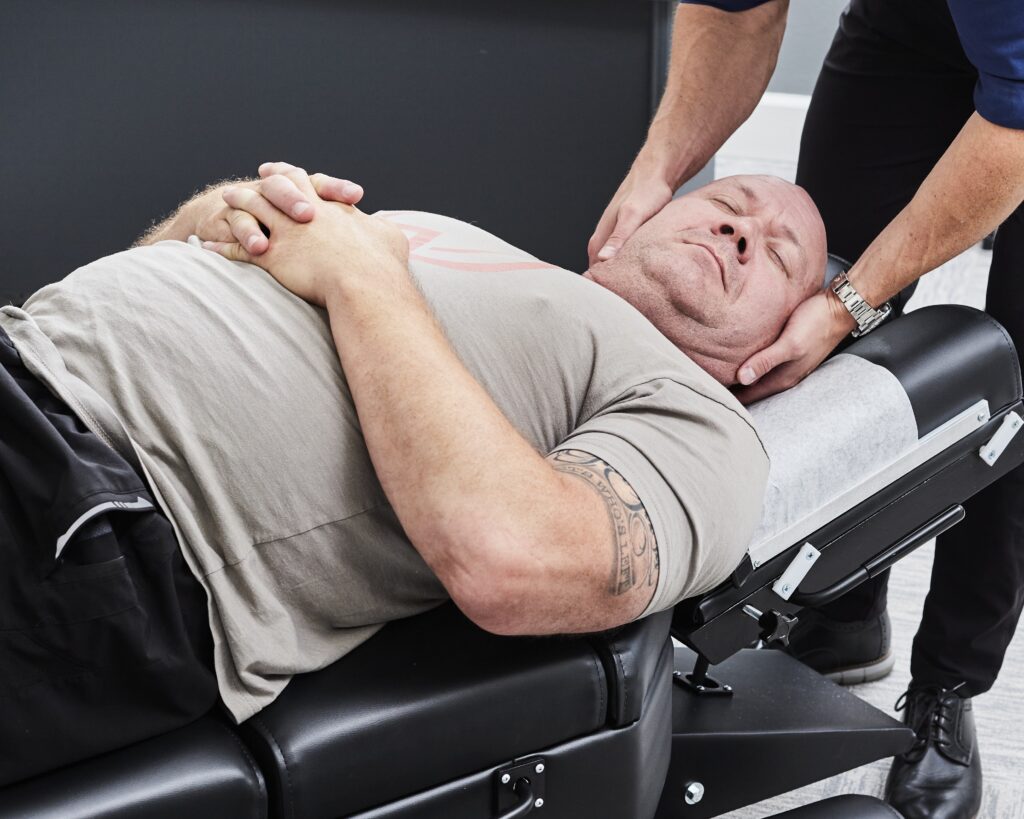
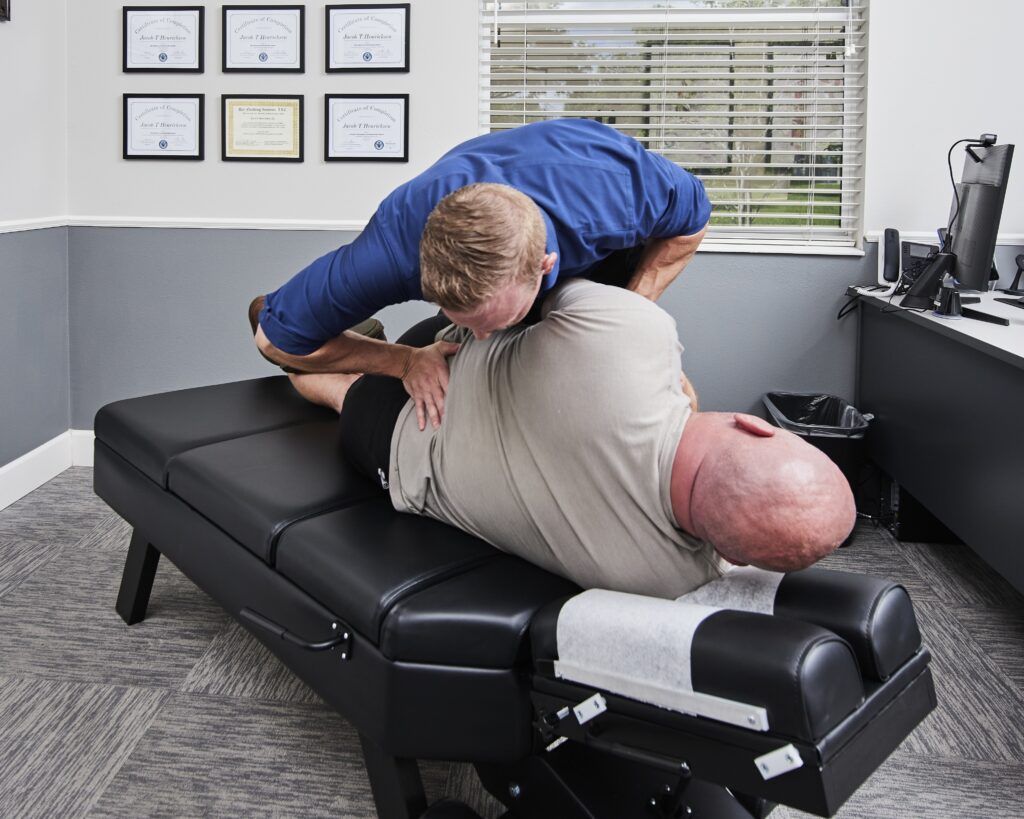
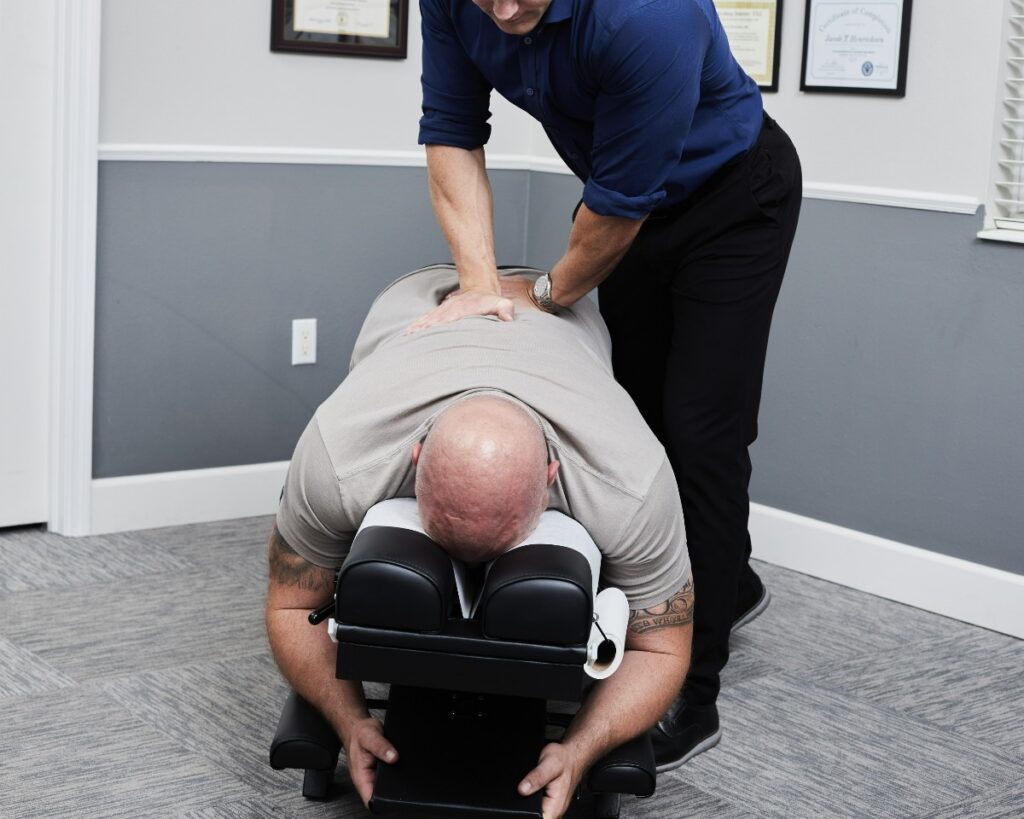
As your local chiropractor, I want to emphasize the importance of enhancing your joint flexibility and movement through various authentic techniques. It's essential to recognize that your body can benefit significantly from a comprehensive approach, incorporating methods such as dynamic and static stretching, strength training, and even yoga. Each of these practices contributes uniquely to improving your range of motion and overall joint health.
You might be surprised to learn how integrating simple and consistent practices into your daily routine can lead to extraordinary improvements in your flexibility and movement. So, what specific techniques should you consider to truly enhance your flexibility? The answer involves understanding how each technique works and how it can be tailored to your individual needs. Let's explore these methods together and find the right combination that works for you.
Understanding Joint Flexibility
As a local chiropractor, I often emphasize the importance of joint flexibility and its impact on your overall physical health. Joint flexibility refers to the range of motion in your joints, and it plays a crucial role in how well you perform in daily activities, sports, and exercise. When your joints are flexible, you can move more freely, which can lead to improved efficiency and effectiveness in everything you do.
It's important to recognize that joint flexibility isn't the same for everyone. Various factors such as age, genetics, and your level of physical activity can influence how flexible your joints are. For example, younger individuals typically enjoy greater flexibility compared to older adults, as the natural aging process can result in stiffness.
However, those who make a habit of stretching or engaging in flexibility-enhancing exercises can often maintain or even improve their range of motion.
Several key components impact joint flexibility, including muscle elasticity, the structure of the joints themselves, and the connective tissues surrounding them. Through targeted exercises, you can work to enhance your flexibility in these areas. Activities like yoga and Pilates are particularly beneficial, as they focus on both muscle elongation and joint mobility.
Additionally, understanding how your joints function can help you identify any limitations or discomfort you may experience. By being mindful of your body and recognizing any tightness, you can take proactive steps to address these concerns before they develop into more serious issues or injuries.
I encourage you to explore various techniques to improve your joint flexibility, as this won't only help maintain your range of motion but also support your overall physical well-being. Remember, chiropractic care can be an essential part of your journey toward optimal health and flexibility.
Benefits of Enhanced Movement
As a local chiropractor, I want to share how enhanced movement can significantly elevate your athletic performance and overall well-being. When your body moves efficiently, you can truly thrive in your favorite sports, whether it's running, cycling, or playing team sports.
Additionally, improved movement plays a crucial role in reducing the risk of injuries, allowing you to stay active and healthy for longer periods.
Moreover, enhanced flexibility isn't just for athletes; it benefits everyone in their daily lives. Simple tasks, from bending down to tie your shoes to reaching for items on a high shelf, become much easier and more enjoyable.
Chiropractic care focuses on aligning your spine and optimizing your body's movement patterns, which can help you experience these benefits firsthand.
Let's work together to improve your movement and enhance your quality of life!
Improved Athletic Performance
As a local chiropractor, I want to share how improved flexibility can significantly enhance your athletic performance, even if you're not familiar with chiropractic care or natural healing.
When your joints are flexible, you can move more freely and efficiently, allowing for a greater range of motion. This is crucial whether you're running, jumping, or making quick turns in your sport. Greater mobility translates to executing movements with ease and precision, which is essential for peak performance.
With enhanced flexibility, many athletes notice improvements in their speed and agility. Your body becomes better equipped to adapt to the demands of your activity, enabling you to respond quickly to opponents or obstacles. This ability to maneuver fluidly not only helps you maintain control during intense moments but also gives you a competitive edge.
Moreover, improved flexibility goes hand in hand with overall strength. When you engage in movement through a full range of motion, you activate more muscle fibers, leading to more powerful contractions. This means that your athletic performance isn't solely dependent on raw strength but also on how effectively you can apply that strength in your chosen sport.
Incorporating flexibility training into your routine can also enhance your endurance. When your movement patterns are efficient, you reduce unnecessary energy expenditure, which allows you to perform at your best for longer periods.
As a chiropractor, I encourage you to embrace flexibility training as a vital component of your athletic regimen, and you may be surprised at how much your performance can improve.
Reduced Injury Risk
As your local chiropractor, I want to emphasize the importance of flexibility in your fitness routine as a key factor in reducing the risk of injury. When your muscles and joints are flexible, they move more freely, significantly decreasing the likelihood of strains or sprains during physical activities. Enhanced flexibility is crucial for your body to adapt to various movements and stresses, particularly when participating in sports or high-intensity workouts.
Incorporating both dynamic and static stretching techniques into your routine can greatly improve your range of motion. This improvement not only makes it easier for your body to execute complex movements, but it also plays a vital role in preventing injuries. If you do push your limits, good flexibility can aid in faster recovery. When your muscles are loose and supple, they absorb shock more effectively, which helps reduce the impact on your joints, ligaments, and tendons.
Additionally, by developing a consistent flexibility practice, you enhance your body awareness. This increased awareness allows you to recognize any discomfort or tightness before it escalates into a more serious injury.
Making flexibility a priority in your routine isn't just beneficial for injury prevention; it's an investment in your overall health. It ensures that you can continue to engage in physical activities safely and effectively. If you have any questions about how to incorporate flexibility into your routine, feel free to ask during your next visit!
Enhanced Daily Activities
As your local chiropractor, I want to emphasize the vital role that flexibility plays in enhancing your daily activities and overall well-being. When your joints are flexible, you can move with greater ease and comfort, enabling you to bend, stretch, and reach without discomfort.
Imagine lifting groceries or tying your shoes feeling effortless instead of daunting—this is the power of improved flexibility.
Incorporating flexibility exercises and techniques into your routine can significantly enhance your performance in various physical activities. Whether you're playing sports, going for a leisurely walk, or just engaging in everyday movements, increased flexibility can improve your agility and coordination.
As you become more flexible, you'll likely find that you can participate in activities longer without feeling fatigued, as your body adapts more efficiently to the demands placed on it.
Additionally, enhanced flexibility supports better posture and alignment, which is crucial for reducing strain on your muscles and joints. With improved alignment, you may experience less soreness and stiffness throughout the day, allowing you to concentrate on enjoying your activities rather than managing discomfort.
Ultimately, prioritizing flexibility in your life means embracing a more active and vibrant lifestyle. When you focus on improving your movement, daily tasks transform from chores into enjoyable experiences.
As your chiropractor, I encourage you to explore the benefits of flexibility and consider how it can positively impact your life. Together, we can work towards a healthier, more fulfilling daily routine.
Dynamic Stretching Techniques
As a local chiropractor, I want to share some valuable insights about enhancing your joint flexibility through dynamic stretching techniques. Many of my patients aren't familiar with the benefits of these exercises, so let me explain how they can significantly improve your overall well-being.
Unlike static stretches, which hold a position for an extended period, dynamic stretches involve movement. This movement effectively warms up your muscles and joints, preparing your body for physical activity. By incorporating dynamic stretching into your routine, you can improve both flexibility and range of motion, which are crucial for maintaining joint health.
Let's start with a simple exercise: arm circles. Stand tall, extend your arms out to the sides, and make small circles to loosen up your shoulders. Gradually increase the size of the circles, then reverse the direction. This movement is a great way to get your shoulders ready for any activity.
Next, consider adding leg swings to your routine. Find a wall or some support to hold onto, and swing one leg forward and backward while keeping your torso stable. After about 10-15 swings on one side, switch legs. This exercise will enhance your hip mobility, which is vital for many daily activities and sports.
Walking lunges are another fantastic dynamic stretch that I often recommend. Step forward with your right leg, bend both knees to lower your body, and push off with your right foot to bring your left leg forward into the next lunge. Continue this motion for several steps. This not only engages your lower body but also improves flexibility in your hips and legs.
Lastly, don't forget about high knees. While jogging in place, lift your knees toward your chest alternately. This movement boosts flexibility and elevates your heart rate, making it an excellent warm-up exercise.
Incorporating these dynamic stretching techniques into your daily routine can significantly enhance your joint flexibility and set the stage for better performance in your activities. As your chiropractor, I'm here to support you on your journey to natural healing and improved mobility.
The Role of Static Stretching
As a local chiropractor, I want to emphasize the importance of static stretching in your recovery routine after workouts or intense physical activities. Static stretching involves holding a stretch for an extended period, usually between 15 to 60 seconds. This technique allows your muscles to relax and lengthen, playing a crucial role in your overall recovery process.
Incorporating static stretching into your routine signals your body to transition from exertion to relaxation. This practice can enhance blood flow to your muscles, promoting quicker recovery and reducing muscle tension and soreness after strenuous exercise. By holding these stretches, you can also improve your overall range of motion, which can be incredibly beneficial for your performance in future workouts.
To maximize the benefits of static stretching, focus on the major muscle groups that you worked during your session. For example, if your workout included a lot of lower body exercises, make sure to target your hamstrings, quadriceps, and calves.
Don't forget to breathe deeply while you hold each stretch; this not only aids in relaxation but also helps your muscles release tension more effectively.
As you explore the world of chiropractic care and natural healing, remember that static stretching is an excellent tool that can complement your overall wellness journey. It encourages a balanced approach to physical health and can significantly enhance your recovery and performance.
Incorporating Yoga Practices
As a local chiropractor, I want to share how incorporating yoga into your daily routine can significantly improve your joint flexibility.
Many of my patients are surprised to learn that certain yoga poses not only stretch the muscles but also enhance balance and stability.
By integrating these specific stretches into your life, you can unlock new levels of mobility and overall well-being.
This natural approach complements chiropractic care beautifully, helping you to achieve a healthier, more aligned body.
Benefits of Yoga
As a local chiropractor, I often emphasize the incredible benefits of yoga as a complementary practice to chiropractic care. Engaging in yoga provides a holistic approach that not only enhances physical flexibility but also nurtures your overall health.
It helps develop strength, balance, and coordination—all essential components for improving your movement quality and supporting your spine.
Integrating yoga into your routine can significantly alleviate tension and stress, promoting a greater sense of well-being. One of the most remarkable advantages is the increase in body awareness it fosters. As you practice various poses, you learn to tune into your body's signals, making it easier to identify areas of tightness or discomfort. This awareness is vital for adjusting your daily activities and minimizing the risk of injury, which is something we focus on in chiropractic care.
Furthermore, yoga encourages better breathing techniques that can enhance your oxygen intake and overall energy levels. With consistent practice, many individuals notice improvements in their posture, which helps reduce strain on joints and muscles—an important aspect of maintaining spinal health.
Lastly, yoga promotes mental clarity and focus, which can lead to increased productivity and emotional stability in your daily life. Embracing yoga, along with chiropractic adjustments, is a wonderful way to achieve a balanced, flexible lifestyle that supports your overall health and well-being.
I encourage you to explore how yoga can complement your chiropractic care for optimal results.
Key Poses for Flexibility
As a chiropractor, I want to emphasize the importance of flexibility for overall physical health. Incorporating specific yoga poses into your routine can significantly enhance your range of motion, which is vital for maintaining a healthy spine and preventing injuries.
Let's start with the Downward-Facing Dog pose. This position effectively stretches the hamstrings, calves, and spine, promoting a full-body extension. Hold this pose for several breaths, allowing your muscles to relax and release tension.
Next, I recommend the Cobra pose. This stretch opens up the chest and abdomen, which can enhance spinal flexibility and help alleviate back pain.
Don't forget about the Pigeon pose, which provides a deep stretch for your hips. As you sink into this pose, focus on your breath—this mindfulness practice can help ease any tension you might be holding in your body.
Another effective pose is the Butterfly pose, which targets your inner thighs and groin, facilitating hip flexibility.
Lastly, incorporate the Forward Bend into your routine. This pose stretches both your back and hamstrings while also promoting a sense of calmness. Aim to hold each pose for at least 30 seconds, breathing deeply, and pay close attention to what your body is telling you.
With regular practice, you can experience increased flexibility and mobility, which will help you move more freely in your daily life and support your chiropractic care. Remember, flexibility is key to maintaining a healthy spine and overall well-being.
Benefits of Foam Rolling
As a local chiropractor, I want to share with you the incredible benefits of foam rolling and how it can enhance your overall wellness.
Foam rolling is a simple yet effective technique that promotes muscle recovery and alleviates soreness, which is essential for maintaining an active lifestyle. By applying pressure to your muscles, foam rolling helps to release tension in the fascia—the connective tissue that surrounds your muscles. This process can improve blood flow, speeding up recovery and decreasing the risk of injuries.
When you foam roll, you're engaging in a form of self-myofascial release. This technique is designed to break down adhesions and knots in your muscles, enabling you to move more freely and efficiently. The outcome is increased range of motion and flexibility, both of which are crucial for enhancing your performance in any physical activity you enjoy.
Incorporating foam rolling into your routine is quick and easy. You can do it almost anywhere with just a foam roller in hand. I recommend dedicating a few minutes to each muscle group, paying special attention to any tight areas you might have. This brief practice can significantly influence how your body feels both during and after your workouts.
Additionally, you may find that foam rolling not only helps reduce muscle soreness but also prepares your muscles for exercise. When your muscles are relaxed and pliable, you're more likely to perform at your best and avoid injuries.
As your chiropractor, I encourage you to consider foam rolling as a valuable addition to your self-care regimen for optimal health and well-being.
Strength Training for Flexibility
As a chiropractor, I want to emphasize that strength training isn't solely about muscle development; it plays a significant role in improving your flexibility as well.
When you incorporate specific strength exercises into your routine, you can enhance your range of motion and stability, which are vital for overall joint health.
Additionally, when you combine strength training with stretching techniques, you can experience even greater benefits, promoting joint mobility and reducing the risk of injury.
Benefits of Strength Training
As a local chiropractor, I want to emphasize the incredible benefits of incorporating strength training into your wellness routine. Many people may think that strength training is solely about building muscle, but it's so much more than that. In fact, it plays a crucial role in enhancing your flexibility and overall joint health.
When you engage in strength training, you're improving your overall range of motion. This happens because stronger muscles lead to better balance and stability around your joints. When your muscles are well-developed, they provide better support for your joints, which can significantly reduce strain and lower your risk of injury.
Moreover, a variety of strength exercises naturally include stretching elements. As your muscles contract, they also lengthen, which promotes greater elasticity in both your muscles and connective tissues. This dual action allows for smoother and more fluid movements.
As you build strength, you'll find that everyday activities become easier to perform, which is essential for maintaining a healthy and active lifestyle.
In addition to physical benefits, strength training also enhances your body awareness. As you practice these exercises, you'll gain a better understanding of how your body functions, helping you identify areas of tightness or imbalance. This awareness is crucial for targeting specific muscle groups, leading to improved flexibility over time.
So, if you're looking to enhance your movement and flexibility, I encourage you to consider the powerful benefits that strength training can offer. It's an essential component of a holistic approach to health and wellness that I wholeheartedly support in my chiropractic practice.
Embrace strength training as a vital part of your journey towards better health!
Key Exercises for Flexibility
As a local chiropractor dedicated to your overall wellness, I want to emphasize the importance of flexibility in maintaining a healthy body. By incorporating specific exercises into your routine, you can enhance your flexibility while also building strength.
Let's explore some effective movements that you can easily integrate into your daily activities.
One of my favorite exercises is the dynamic lunge. When you lunge forward, remember to lower your hips while keeping your back straight. This motion not only strengthens your legs but also opens up your hip flexors, which can alleviate tension and improve mobility.
Another excellent exercise is the deep squat. Squatting down deeply engages and stretches your hips, knees, and ankles all at once. If you want to challenge yourself further, consider holding onto a weight or a barbell during this movement. The added resistance can help build strength and stability, which is essential for overall joint health.
Don't forget about the overhead press. This exercise is fantastic for stretching your shoulders and upper back while building arm strength. Just be sure to maintain proper form to prevent any injuries, as I often see patients who come in with discomfort due to improper lifting techniques.
Lastly, I recommend incorporating resistance bands into your routine for exercises like the standing hamstring stretch. This won't only improve your flexibility but also keep your muscles engaged, which is vital for a balanced body.
By consistently including these exercises in your routine, you'll likely notice significant improvements in your flexibility and overall movement capability.
And remember, it's always wise to warm up before starting any workout to minimize the risk of injury. If you have any questions or need personalized guidance, don't hesitate to reach out for a consultation! Your journey to better health is important, and I'm here to support you every step of the way.
Combining Strength and Stretching
As a local chiropractor, I want to share an important insight about flexibility and its connection to strength. Many people think of flexibility solely in terms of stretching, but it's crucial to understand that building strength alongside flexibility is essential for your overall health.
When you integrate strength training into your fitness routine, you're not just enhancing your flexibility; you're also improving your joint stability and movement efficiency. This powerful combination helps you perform everyday tasks with ease and significantly lowers your risk of injury.
To effectively combine strength and stretching, I recommend focusing on functional movements that engage multiple muscle groups. Exercises such as squats, lunges, and push-ups are fantastic for building strength.
After completing these exercises, it's beneficial to follow up with dynamic stretches or static holds that target the muscles you've just worked. For instance, after a set of lunges, consider holding a hip flexor stretch to lengthen those muscles and improve your range of motion.
Incorporating both strength and flexibility into your routine can lead to a healthier, more resilient body, which is a key principle of chiropractic care and natural healing.
Let's work together to create a balanced approach to your wellness!
The Impact of Hydration
As a local chiropractor, I often emphasize the vital role hydration plays in maintaining joint health and flexibility. Many people don't realize how crucial it's to stay well-hydrated for optimal joint function. Proper hydration allows your body to effectively lubricate your joints, which helps reduce friction and wear. The synovial fluid, which acts as a cushion and nourishes your joints, relies heavily on adequate water intake. When you don't drink enough water, this fluid can lose its effectiveness, leading to stiffness and discomfort.
Even mild dehydration can have a significant impact on how your joints function. When your body loses water, your connective tissues—such as ligaments and tendons—can become less flexible. This reduced pliability can limit your range of motion, making everyday activities and physical exercises more difficult. By prioritizing hydration, you can help maintain the elasticity of these tissues, allowing for smoother and more comfortable movements.
To promote optimal hydration, I recommend establishing a consistent fluid intake routine throughout the day. Don't wait until you feel thirsty to drink; instead, incorporate water and hydrating foods, like fruits and vegetables, into your daily meals.
Be mindful of your activity level as well; if you're exercising or spending time in hot weather, your fluid needs will increase. Additionally, consider incorporating electrolytes into your hydration strategy, especially if you're sweating frequently. Electrolytes help maintain fluid balance in your body and support overall joint function.
Consistency and Routine Building
As a local chiropractor, I want to emphasize that staying hydrated is just one piece of a larger puzzle when it comes to enhancing your joint health and overall wellness. To truly improve your joint flexibility and movement, establishing consistency and building routines are crucial.
I encourage you to set specific days and times each week dedicated to your flexibility exercises. Whether it's morning stretches or evening yoga, find a schedule that fits your lifestyle and stick with it. Consistency is vital; even short, daily sessions can lead to remarkable improvements in your flexibility and mobility. Think of it as a non-negotiable part of your day, similar to brushing your teeth.
Incorporating a variety of techniques—like dynamic stretches, static stretches, and mobility drills—into your routine won't only enhance your joint health but also keep you engaged and motivated. You're more likely to commit to your routine when you enjoy the activities.
Consider pairing your flexibility workouts with hobbies you already love, such as dancing or playing a sport. This way, you reinforce the habit while having fun.
It's also essential to listen to your body as you create your routine. Recognizing when to push yourself and when to take a break is key to a successful practice. Building a routine doesn't mean you need to be inflexible; having some flexibility in your schedule is just as important.
Tracking Progress Effectively
As your chiropractor, I want to emphasize the importance of tracking your progress in joint flexibility, especially if you're new to chiropractic care and natural healing. Understanding your improvements over time can significantly enhance your overall health and wellness journey.
Here are some effective ways to monitor your flexibility as you work toward better joint health:
1. Regular Assessments: It's beneficial to schedule consistent flexibility assessments. This can involve measuring the range of motion in specific joints or observing how well you can perform certain movements.
I encourage you to document these assessments in a journal or use a health app. This way, you can visualize your progress and identify areas that may need more attention.
2. Set Specific Goals: Establishing clear and achievable goals for your flexibility is crucial. For example, you might aim to touch your toes or hold a stretch for a longer duration than before.
By having specific targets, you can maintain your focus and motivation, making it easier to incorporate these practices into your daily routine.
3. Take Photos or Videos: Visual documentation can be an incredibly effective tool in tracking your progress. Consider recording yourself while performing stretches or exercises at different intervals.
Over time, comparing these images or videos can highlight subtle improvements in your flexibility that you mightn't notice in your day-to-day practice.
By actively tracking your flexibility, you can better understand how chiropractic adjustments and natural healing methods are benefiting your body.
Let's work together to create a plan that helps you achieve your flexibility goals!
Conclusion
As a local chiropractor, I want to share some effective techniques that can significantly improve your joint flexibility and overall movement. By integrating dynamic and static stretching, strength training, and yoga into your daily routine, you can enhance not only your flexibility but also your stability and coordination. It's essential to stay hydrated and maintain consistency in your practice to achieve the best results.
I encourage you to track your progress as it can help you stay motivated and focused on your health goals. Embracing these natural methods will help you feel more agile, allowing you to engage in daily activities with greater ease. Remember, chiropractic care can also support your journey toward improved mobility, so don't hesitate to reach out if you have questions or need assistance in your wellness path!