
When it comes to recovering from injuries, many people envision athletes simply pushing through the pain. However, as a local chiropractor, I want to emphasize that there's much more to the healing process. It's essential to consider the vital role of rest and recovery, in addition to specialized physical therapy and proper nutrition. These components come together to create a holistic approach that not only aids in healing the body but also fortifies it against future injuries.
Moreover, mental resilience is an often-overlooked aspect of recovery that can significantly impact the healing process. Understanding how these strategies interconnect can provide valuable insights into speeding up recovery. By prioritizing rest, engaging in targeted therapies, maintaining a balanced diet, and nurturing a positive mindset, you can enhance your healing journey. Let's delve deeper into how chiropractic care and these natural healing methods can support you on your path to recovery.
Importance of Rest and Recovery
As a local chiropractor, I want to emphasize the critical role that rest and recovery play in your overall health and well-being. Many individuals feel compelled to push through discomfort or fatigue, but ignoring the need for recovery can lead to more significant health issues down the road.
When you take the time to rest, your body is given the opportunity to heal, rebuild, and strengthen itself. This practice not only helps prevent injuries but also enhances your physical performance and daily function.
During periods of rest, your muscles work to repair the microscopic tears that occur during physical activity. This healing process results in stronger tissues, which can improve your resilience against future injuries.
Furthermore, allowing your body to rest helps maintain hormonal balance, which is essential for optimal energy levels and mental clarity. Without adequate rest, you may find yourself facing fatigue, burnout, or even chronic pain issues.
Incorporating rest days into your routine isn't a sign of weakness; it's a vital strategy for long-term health and success. It's important to listen to your body and recognize when you need to take a step back.
Remember, rest doesn't mean complete inactivity; engaging in low-impact activities, such as yoga or gentle walking, can keep you active without straining your body.
Prioritizing recovery also includes getting sufficient sleep, staying hydrated, and nourishing your body with wholesome foods. Taking care of yourself in these ways sets the foundation for improved performance and a healthier lifestyle.
Embracing rest and recovery isn't just about taking breaks; it's a significant phase of growth and healing in your journey to better health. Let's work together to ensure that you understand and appreciate the importance of these practices in your overall wellness.
Role of Physical Therapy
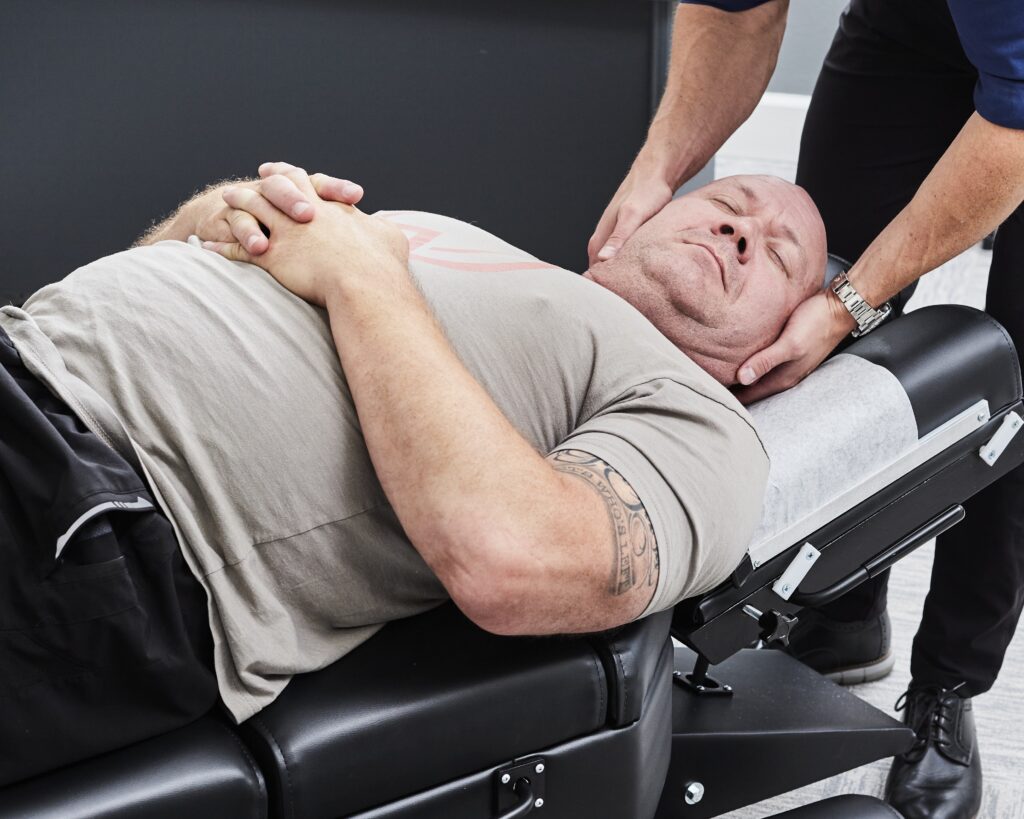
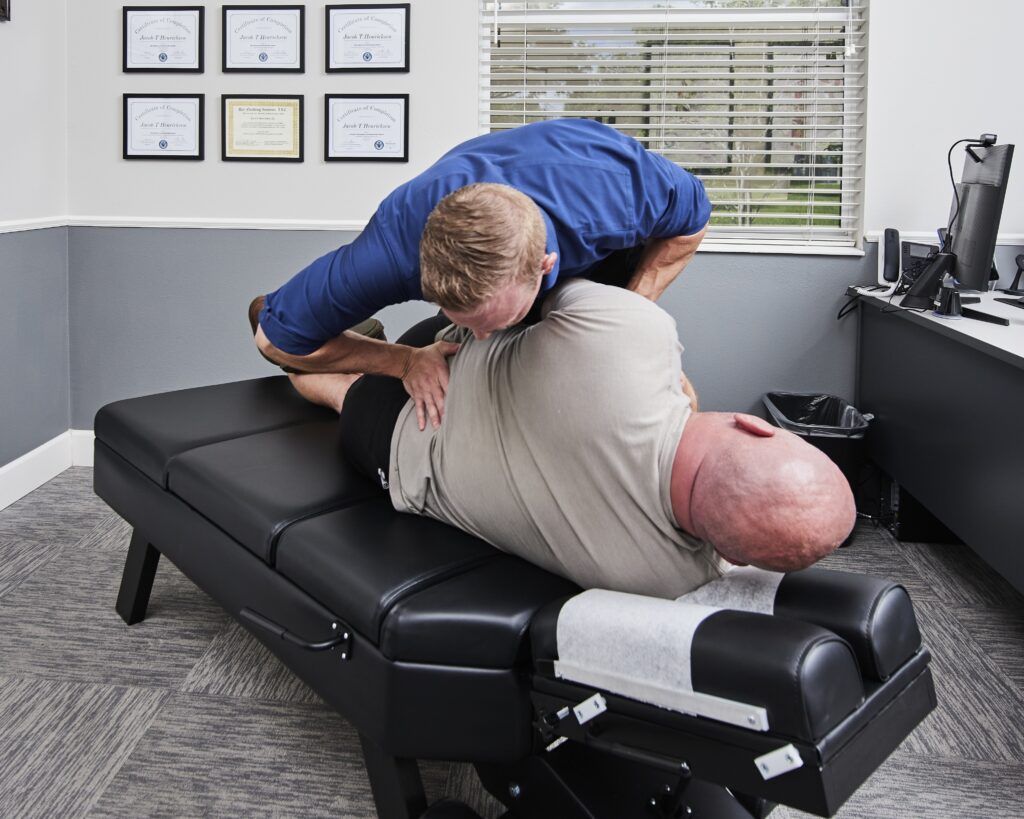
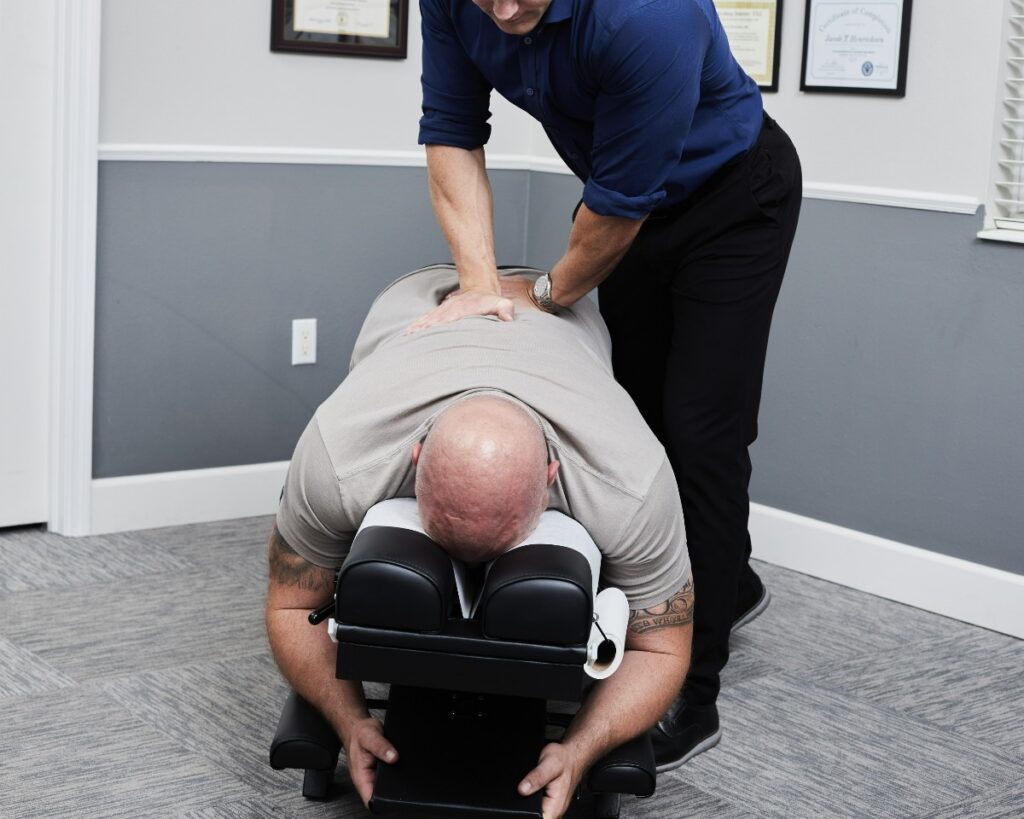
Chiropractic care plays a vital role in your recovery from injuries and in enhancing your overall well-being. When you experience pain or discomfort, chiropractors assess your condition and develop a personalized treatment plan tailored to your specific needs. We focus on aligning the spine and optimizing the function of your nervous system through gentle adjustments and various natural healing modalities.
One of the key benefits of chiropractic care is its ability to alleviate pain and reduce inflammation. By addressing misalignments in the spine, we can help relieve discomfort and promote the body's natural healing processes. Our approach involves guiding you through specific exercises and stretches that not only ease your pain but also improve your overall mobility and flexibility.
We closely monitor your progress to ensure you're safely increasing your activity levels while minimizing the risk of further injury.
In addition to physical adjustments, chiropractic care emphasizes education on proper body mechanics and strategies for injury prevention. You'll learn how to move effectively and strengthen areas that may be prone to injury. Incorporating these practices into your daily routine can help you maintain your health and perform at your best, whether you're a dedicated athlete or someone who enjoys recreational activities.
Moreover, chiropractors often work alongside other healthcare professionals to create a comprehensive recovery plan. This collaborative effort ensures that you receive holistic care that addresses not only the physical aspects of your injury but also the emotional and psychological elements of healing.
In essence, choosing chiropractic care is a proactive step toward reclaiming your health and vitality. It empowers you to take charge of your recovery and enhances your overall performance in life's activities.
Embrace the journey to wellness with chiropractic care, and discover the natural healing potential within your body.
Nutritional Support for Healing
As a local chiropractor, I want to emphasize the crucial role that nutrition plays in your recovery process alongside chiropractic care. While adjustments can help realign your body and relieve pain, the right nutrients can significantly enhance your healing journey by reducing inflammation and rebuilding tissues.
If you're recovering from an injury, paying attention to your diet can truly speed up your recovery time and improve your overall well-being.
Here are some essential nutritional components to consider incorporating into your meals:
- Protein: This macronutrient is vital for repairing damaged tissues and muscles. I recommend including sources like lean meats, fish, eggs, and legumes in your diet.
- Omega-3 Fatty Acids: These healthy fats are renowned for their anti-inflammatory properties, which can help minimize swelling. You can find omega-3s in fatty fish such as salmon, as well as walnuts and flaxseeds.
- Vitamins C and E: Both of these vitamins are essential for collagen formation, which is crucial for wound healing. You can boost your intake of these vitamins by consuming citrus fruits, berries, nuts, and green leafy vegetables.
- Zinc: This important mineral is known to play a significant role in the healing process. Look for zinc-rich foods like meat, shellfish, legumes, and seeds to support your recovery.
- Hydration: Staying well-hydrated is key to maintaining your body's optimal functions, including the transport of nutrients and overall recovery. Be sure to drink plenty of water, and consider electrolyte-rich beverages if you've been sweating a lot or engaging in physical activity.
By understanding and implementing these nutritional strategies, you can enhance the healing effects of your chiropractic care.
Together, we can work towards a healthier and faster recovery.
Mental Resilience Techniques
Injury recovery goes beyond just addressing the physical aspects; mental resilience is a crucial element in your journey back to optimal performance. As a chiropractor, I want to emphasize the importance of mental toughness during your healing process.
It can be beneficial to set realistic goals for your recovery. Break it down into smaller, achievable milestones. This approach not only provides a sense of accomplishment but also helps keep you motivated throughout your healing journey.
Visualization is a powerful technique that can aid in your recovery. Imagine yourself fully healed and back to performing at your best. This kind of mental imagery can significantly boost your confidence and serve as a reminder of your ultimate goal.
Pair this with positive self-talk—it's vital to replace any negative thoughts with affirmations that reinforce your strength and resilience. Reflect on past challenges you've successfully overcome; these memories can bolster your ability to bounce back.
Additionally, incorporating mindfulness practices, such as meditation or deep breathing exercises, can greatly enhance your mental resilience. These techniques help you stay present, reduce anxiety, and allow you to concentrate on the recovery process rather than worrying about potential setbacks.
I also encourage you to build a supportive network. Share your feelings and experiences with friends, family, or fellow athletes who understand your journey. Their encouragement can be a valuable asset in maintaining a positive outlook.
Lastly, take time to embrace the lessons that accompany an injury. Reflect on what this experience teaches you about patience, dedication, and self-awareness.
Use of Rehabilitation Equipment
As your local chiropractor, I want to emphasize how important the right rehabilitation equipment can be during your recovery from an injury.
Utilizing essential tools and advanced techniques in our clinic can significantly enhance your healing process. We carefully select rehabilitation equipment that can be tailored to meet your individual needs, ensuring that your recovery is both effective and efficient.
By incorporating personalized rehabilitation programs into your treatment plan, we can help you regain your strength and mobility, ultimately guiding you back to optimal health and performance.
Essential Rehabilitation Tools
As a local chiropractor, I want to emphasize the importance of rehabilitation tools in your recovery journey. These tools can significantly aid in restoring your strength, flexibility, and overall function after an injury.
Using the right equipment not only enhances your recovery speed but also improves its effectiveness. Here are some essential rehabilitation tools I recommend incorporating into your routine:
- Resistance Bands: These are fantastic for strength training while being gentle on your joints. They help improve flexibility and muscle strength without putting too much strain on your body.
- Foam Rollers: A must-have for anyone focusing on recovery! Foam rollers are excellent for self-myofascial release, which helps alleviate muscle tightness and soreness. By using them, you can enhance your mobility and relieve tension.
- Balance Boards: These tools are invaluable for enhancing your stability and coordination. They play a crucial role in preventing injuries by helping you regain your balance and functional movement.
- Therapy Balls: Incorporating therapy balls into your routine can significantly improve core strength and overall body mechanics. They help in developing better posture and alignment, which is vital in chiropractic care.
- Cold Packs/Heat Pads: Managing pain and inflammation is critical during your recovery. Cold packs are great for reducing swelling, while heat pads can help relax tight muscles, making them essential tools at different stages of your healing process.
Integrating these rehabilitation tools into your recovery plan can support your journey toward natural healing and overall well-being.
If you have any questions about how to use these tools effectively, please feel free to ask during your next visit!
Technology in Recovery
As a local chiropractor, I want to share how modern advancements in technology can significantly enhance your recovery process, especially if you're new to chiropractic care and natural healing. The tools we use in our practice are designed to make rehabilitation more effective and efficient, helping you heal and restore function.
For instance, specialized rehabilitation equipment, like electrical stimulation devices and ultrasound machines, can provide targeted treatment that reduces pain and promotes tissue repair. These technologies help us address your specific needs during recovery.
In addition, treatments like cryotherapy chambers and infrared saunas can play a vital role in reducing inflammation and improving circulation, which are essential for healing. If you're looking to regain strength and mobility, engaging with vibration platforms can stimulate muscle activity, aiding your rehabilitation journey.
Wearable technology, such as smart bands or motion sensors, is also becoming popular. These devices allow you to track your progress in real-time, providing valuable data to help us adjust your treatment plan effectively.
Moreover, virtual reality systems are emerging as exciting tools in rehabilitation. They can simulate physical activities while keeping you motivated and engaged in the healing process.
Overall, by incorporating these technological advancements into our chiropractic care, we not only aim to shorten your recovery time but also improve the quality of your rehabilitation. Our goal is to help you return to your daily activities or sports feeling stronger and more resilient than before.
If you have any questions about how these technologies can support your recovery, feel free to ask!
Personalized Equipment Programs
As a local chiropractor dedicated to your health and well-being, I want to share how personalized equipment programs can play a crucial role in your recovery process. Many people may not be aware of how tailored rehabilitation tools can significantly enhance healing and prevent future injuries.
Here's why integrating personalized equipment into your recovery routine can make such a difference:
- Targeted Recovery: Utilizing equipment specifically designed for your injury allows you to focus on the affected muscle groups and movements. This targeted approach can promote more effective healing.
- Improved Strength: Personalized rehabilitation programs often incorporate strength-building tools. These tools are essential for helping you regain muscle function and stability, which are vital for your overall recovery.
- Increased Mobility: Equipment tailored to your needs can improve your range of motion, making it easier to return to your daily activities and sports without fear of re-injury.
- Boosted Confidence: When you know you're using the right tools for your specific condition, it can greatly enhance your confidence throughout your recovery journey. Feeling secure in your rehabilitation process is key to a successful outcome.
- Faster Progress: Personalized equipment not only assists in your recovery but also helps you track your progress more effectively. Staying motivated and seeing improvements can make a significant difference in your healing journey.
By understanding the value of personalized equipment programs, you can take proactive steps toward a healthier, more resilient you.
If you have any questions or would like to learn more about how chiropractic care can support your recovery, feel free to reach out!
Gradual Return to Activity
Returning to activity after an injury is much like navigating a carefully mapped-out course; it requires mindfulness and patience. As a chiropractor, I often see patients who are eager to jump back into their routine, but I emphasize that rushing the process can lead to setbacks. It's crucial to adopt a gradual approach to ensure a safe return.
First and foremost, consult with your healthcare provider or physical therapist. They can offer valuable insights on when it's appropriate to start your gradual return to activity. As a chiropractor, I can also assist in evaluating your progress and addressing any underlying issues that may affect your recovery.
Start with low-impact activities—think walking or swimming. These types of exercises allow you to maintain your fitness levels without putting undue stress on your injury. As your strength and confidence build, you can gradually reintroduce more intense exercises. Pay close attention to your body; if you feel pain or discomfort, it's a clear sign to slow down.
Setting realistic goals is essential. Instead of striving for peak performance right away, concentrate on small, attainable milestones. Each achievement, no matter how minor, is worth celebrating. This not only boosts your confidence but also keeps you motivated throughout the healing process. Incorporating specific strength and flexibility exercises related to your sport can further enhance your recovery.
Keep a close eye on your progress. Maintaining a journal is a great way to track your feelings after each session and to identify any patterns that might indicate a problem. It's also important to communicate openly with your chiropractor and any trainers you work with regarding your recovery journey. We can provide the support you need and adjust your training plan as necessary.
Conclusion
Injuries can often feel overwhelming, but I want to help you understand that there are natural ways to support your healing process. As your local chiropractor, I emphasize the importance of prioritizing rest and allowing your body the time it needs to recover. Engaging in physical therapy can be beneficial, and I encourage you to consider how chiropractic care can enhance your recovery by improving your mobility and reducing pain.
It's also crucial to fuel your body with the right nutrients to promote healing. This means focusing on a balanced diet rich in vitamins and minerals that support tissue repair. Additionally, embracing mental resilience techniques—like mindfulness and positive visualization—can keep you focused and motivated during your recovery journey.
Don't overlook the benefits of using rehabilitation equipment, which can assist in your healing process. Whether it's tools for stretching or strengthening, these resources can play a significant role in your recovery.
Lastly, remember that a gradual return to activity is vital. Rushing back can lead to setbacks, so it's important to listen to your body and progress at a pace that feels right for you. By integrating these natural healing strategies, along with chiropractic care, you'll be well on your way to bouncing back stronger and ready for whatever challenges lie ahead.