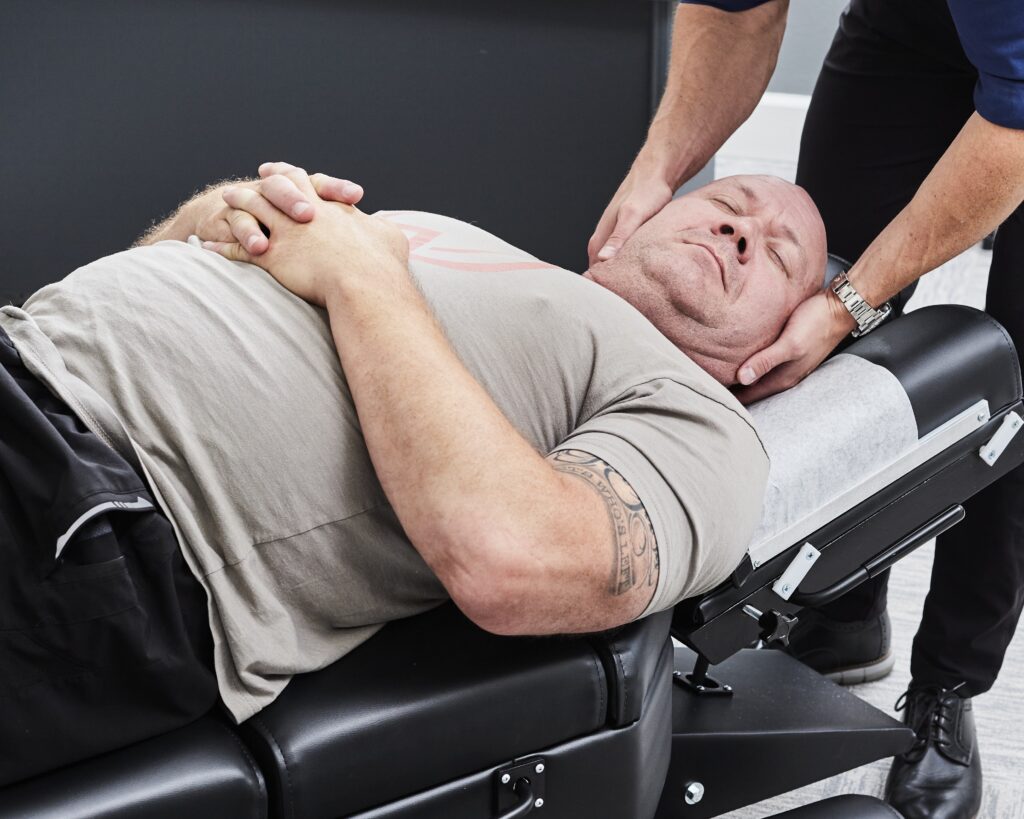
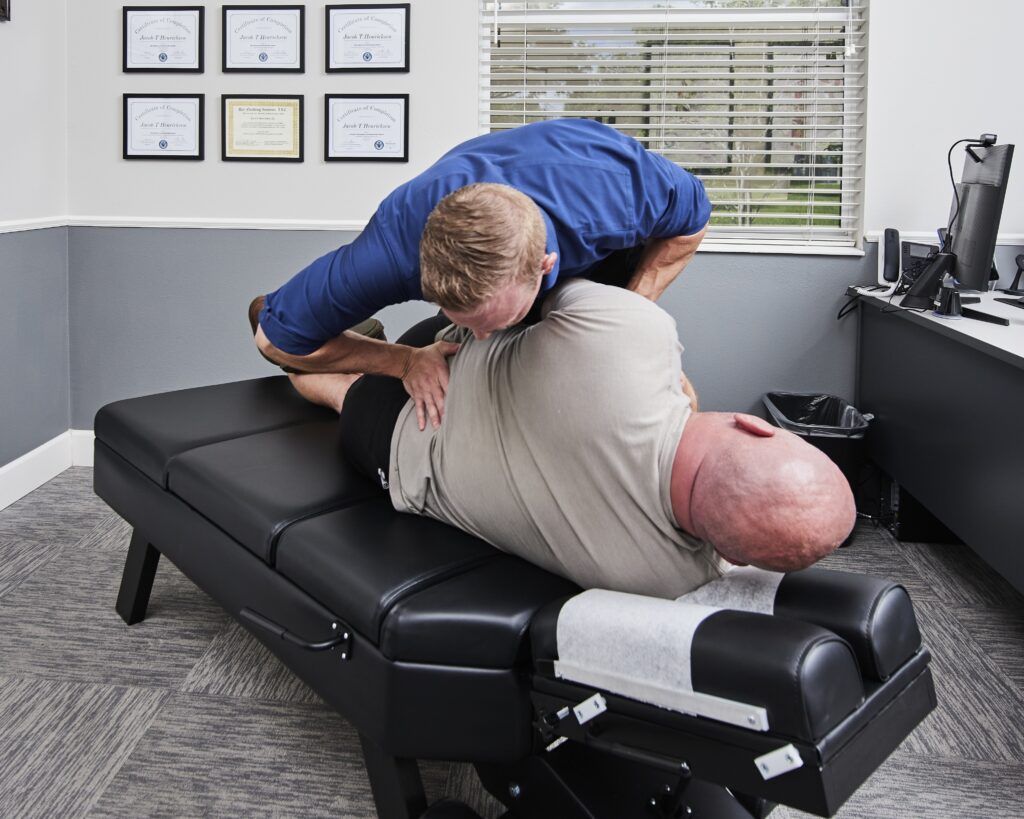
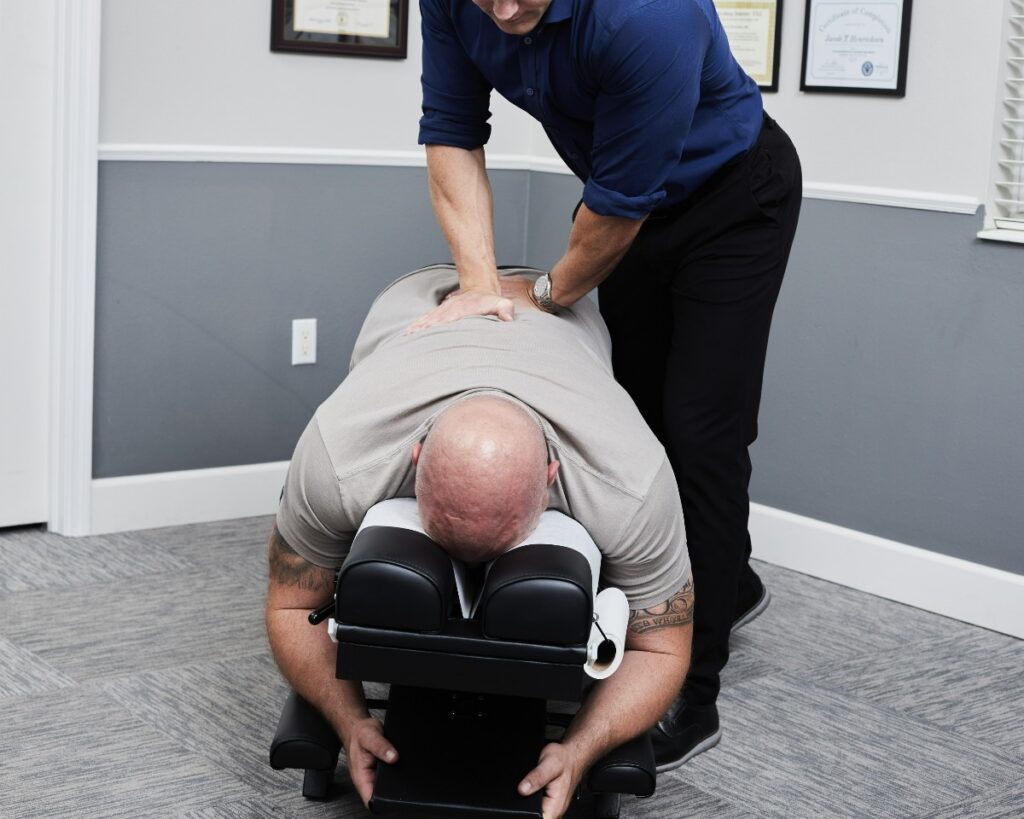
When dealing with a sports injury, chiropractic care can be a transformative part of your recovery journey. It's not solely focused on physical rehabilitation; chiropractic therapy provides essential emotional support, effective pain relief techniques, and personalized strategies to help you rebuild your strength and regain your confidence. You'll learn how setting achievable goals and fostering mental resilience can shift your perspective during recovery. Moreover, we offer coping strategies to help you manage the frustrations that often arise during this time. Are you interested in understanding how these components work together to create a comprehensive healing experience? Let's delve into the specific ways chiropractic care can assist you in returning to your peak performance.
Emotional Support and Guidance
When dealing with a sports injury, I want you to understand that emotional support and guidance are just as crucial as the physical treatment you receive. It's common to feel a mix of frustration, anxiety, or even sadness as you navigate the challenges of recovery. Recognizing these emotions is important, and I encourage you to seek the support you deserve. Surrounding yourself with caring friends, family, and coaches can significantly help you maintain a positive mindset and keep your motivation high during your rehabilitation process.
It's essential to talk about your feelings. Whether you choose to share your thoughts with loved ones or consider speaking with a mental health professional, expressing what you're going through can relieve stress and bring clarity to your situation. In therapy, you can discover coping strategies tailored to your unique experience, which can help you manage any negative thoughts and feelings while you focus on your healing journey.
Additionally, I recommend setting realistic goals in collaboration with your support system. This practice can provide you with a clear sense of direction. By breaking your recovery down into manageable milestones, you can avoid feeling overwhelmed and take the time to celebrate your small victories. This positive reinforcement can elevate your spirits and strengthen your commitment to getting back to the activities you love, whether it's on the field or court.
As a chiropractor, I can support your healing process through natural and holistic methods. Together, we can create a comprehensive plan that addresses both your physical and emotional well-being, helping you return stronger than ever.
Pain Management Techniques
As a local chiropractor, I want to share some effective pain management techniques that can significantly aid your recovery from a sports injury. Understanding how to address pain is crucial, not just for physical healing but also for enhancing your overall well-being and morale.
One of the first methods I often recommend is ice therapy. Applying ice to the injured area can effectively reduce inflammation and numb the pain. I suggest icing for about 15-20 minutes every couple of hours during the initial days following your injury. This simple step can make a noticeable difference.
Once the swelling starts to decrease, heat therapy can be incredibly beneficial. Applying heat helps to relax and soothe tight muscles, promoting blood flow and healing. You can use a warm towel or a heating pad for about 20 minutes to take advantage of these benefits.
In addition to these physical therapies, I encourage you to explore mindfulness techniques. Practices like deep breathing or meditation can shift your focus away from discomfort and help manage pain. Visualization techniques, where you imagine your injury healing, can foster a positive mindset and may reduce your pain perception.
As part of a comprehensive recovery plan, physical therapy guided by a professional, such as myself, can provide you with targeted exercises to strengthen the injured area and improve mobility. This not only alleviates pain but also helps prevent future injuries.
I may also incorporate modalities like ultrasound or electrical stimulation to enhance pain relief.
It's also important to maintain an open dialogue with your healthcare provider regarding pain-relief medications. They can recommend over-the-counter options or prescribe medications if needed.
Goal Setting for Recovery
Setting clear goals for your recovery is crucial for maintaining motivation and focus on your healing journey, especially when exploring chiropractic care and natural healing. When you establish specific, measurable, achievable, relevant, and time-bound (SMART) goals, you create a roadmap that guides your progress toward optimal health.
These goals not only help you monitor your improvements but also enhance your confidence in the recovery process.
As your chiropractor, I'd like to share some effective strategies for setting your recovery goals:
- Define Specific Objectives: Instead of a vague goal like, "I want to feel better," articulate what that means for you. For instance, aim for improved spinal alignment or reduced pain during daily activities.
- Break Down Your Goals: It's helpful to segment your main goals into smaller, manageable milestones. For example, set a target to attend a specific number of chiropractic sessions or to perform certain stretches at home consistently.
- Stay Flexible: Remember, the healing process can be unpredictable. It's important to remain open to adjusting your goals based on your progress and any challenges you may face along the way.
- Celebrate Achievements: Acknowledge and celebrate your progress, no matter how small. Recognizing these achievements can keep you motivated and engaged in your recovery journey, whether it's feeling less discomfort after an adjustment or noticing improved mobility.
Building Mental Resilience
Building mental resilience is a crucial part of your recovery journey, and as your local chiropractor, I want to help you understand its importance. Many patients face the fear of re-injury, which can be daunting, but addressing this fear head-on can lead to a stronger mindset.
It's also important to develop effective coping strategies that can complement your chiropractic care. Techniques such as mindfulness and visualization can enhance your focus and motivation, helping you stay committed to your healing process.
Overcoming Fear of Re-injury
As a local chiropractor, I understand that regaining confidence after a sports injury can be a challenging process. It's completely normal to have concerns about re-injury, but addressing those fears is vital for your recovery and overall performance.
Here are some strategies that can help you build mental resilience and reclaim your confidence:
- Visualize Your Success: Picture yourself engaging in your sport without any fear of injury. This mental exercise can help create a sense of familiarity and reduce anxiety as you prepare to return to your activities.
- Set Achievable Goals: Focus on small, manageable targets rather than overwhelming yourself with the bigger picture. Celebrate each of these milestones; acknowledging your progress can significantly enhance your confidence.
- Educate Yourself: Gain a deeper understanding of your injury and the recovery process. By learning about your condition, you can alleviate feelings of uncertainty and empower yourself to take an active role in your rehabilitation.
- Connect with Your Support System: Don't hesitate to share your feelings and concerns with your teammates, coaches, or even your healthcare provider. Their encouragement and understanding can help you feel supported and less alone in your journey.
Remember, chiropractic care can play a key role in your recovery by addressing any physical issues and helping you regain strength and flexibility.
Together, we can work towards a successful return to your sport while minimizing the risk of re-injury.
Developing Coping Strategies
Regaining your confidence after a sports injury is just one piece of the puzzle; it's equally important to focus on developing effective coping strategies that support your mental resilience.
As a chiropractor, I believe in a holistic approach to healing, which includes equipping yourself with tools to manage stress and anxiety during your recovery process.
One valuable strategy I often recommend is practicing mindfulness. This technique encourages you to focus on the present moment, which can help alleviate overwhelming thoughts related to your injury and any concerns about your future performance. Mindfulness practices, such as deep breathing or meditation, can be integrated into your daily routine to enhance mental clarity and emotional balance.
Another beneficial approach is journaling. Writing about your feelings and experiences can be a powerful way to process emotions and monitor your recovery progress. It allows you to reflect on your journey, celebrate small victories, and pinpoint areas where you might want to focus more attention.
Additionally, surrounding yourself with a supportive network is crucial. Engaging with teammates, friends, or family members who understand your situation can provide you with encouragement and positivity. Their support can make a significant difference in your outlook during recovery.
Consider also seeking guidance from a therapist who specializes in sports psychology. They can work with you to develop personalized coping mechanisms tailored to your unique needs.
Enhancing Focus and Motivation
As a local chiropractor dedicated to supporting your recovery journey, I want to share five key strategies that can significantly enhance your focus and motivation during sports injury recovery.
By nurturing your mental resilience, we can work together to make your healing process smoother and more effective. Here are some practical tips that I recommend:
- Set specific goals: It's important to break your recovery into smaller, achievable milestones. I encourage you to celebrate each accomplishment, no matter how small, as this can significantly boost your motivation and keep you engaged in your healing journey.
- Visualize success: Spend some time imagining yourself fully recovered and back to doing what you love. This mental imagery can be a powerful tool in boosting your confidence and determination, making your recovery feel more attainable.
- Stay connected: Surround yourself with supportive friends, family, and teammates. Their encouragement can play a crucial role in your recovery, helping you stay focused and motivated while you heal.
- Practice mindfulness: Techniques such as meditation or deep breathing can be incredibly beneficial. By centering your thoughts, you can clear distractions and maintain focus on your recovery process.
This mental clarity can also enhance the effectiveness of the chiropractic care you receive.
Coping Strategies for Frustration
Frustration often accompanies the journey of recovering from a sports injury, and as a chiropractor, I frequently see athletes grappling with this emotional challenge. It's essential to understand that feeling frustrated during recovery is completely normal, and there are effective ways to manage these emotions.
First and foremost, it's crucial to acknowledge your feelings. Rather than brushing aside your frustration, take a moment to sit with it. Recognizing that it's perfectly okay to experience these emotions can be a significant step towards healing.
Setting realistic expectations for your recovery timeline is another vital strategy. By establishing achievable goals, you can foster a more positive mindset. Break your recovery down into smaller milestones, and take the time to celebrate each small victory along the way. These moments of success can alleviate frustration and help you remain focused on the progress you're making.
Building a strong support system is also important. Surround yourself with friends, family, or teammates who understand your journey. Discussing your feelings can lighten your emotional burden and offer new perspectives on your situation.
Incorporating mindfulness practices, such as meditation or deep-breathing exercises, can be an excellent way to manage frustration. These techniques help center your thoughts and regain control over your emotions, allowing for a more balanced recovery process.
Lastly, engage in activities that you enjoy that won't aggravate your injury. This can provide a much-needed distraction and remind you of the joys outside of sports.
Enhancing Motivation and Commitment
Once you've recognized and addressed your feelings of frustration, the next step is to enhance your motivation and commitment to your recovery process—especially when dealing with a sports injury.
As a chiropractor, I want to emphasize how important this phase is in your healing journey. Natural healing and chiropractic care can significantly help you remain focused and driven during your rehabilitation.
In our sessions, we can work together to set realistic goals that keep you engaged in your recovery. By breaking down your healing process into smaller, manageable milestones, you'll experience a sense of accomplishment as you progress.
Here are some strategies that can enhance your motivation:
- Establish a Routine: Committing to a regular chiropractic schedule can help you build familiarity and consistency in your recovery. This routine is vital for your healing.
- Track Your Progress: Consider keeping a journal or using an app to log your improvements. Witnessing your growth over time can serve as a powerful motivator.
- Celebrate Your Achievements: It's essential to reward yourself when you reach milestones, no matter how small. Positive reinforcement can significantly boost your drive to continue.
- Stay Connected: Engage with teammates or local support groups. Sharing your journey with others can provide the encouragement and accountability you need along the way.
Remember, chiropractic care isn't just about treating injuries; it's about supporting your overall health and well-being.
Together, we can navigate this recovery process and help you return to the activities you love.
Visualization and Mental Imagery
As a local chiropractor, I want to share with you the powerful benefits of visualization and mental imagery in your recovery from sports injuries.
These techniques aren't just for elite athletes; they can be incredibly helpful for anyone looking to heal naturally and improve their performance.
By envisioning successful movements and positive outcomes, you can significantly reduce feelings of anxiety and stress, which are common during recovery.
This mental practice helps to foster a more optimistic mindset, making the healing process smoother and more effective.
Incorporating visualization into your recovery plan can't only support your healing but also enhance your overall athletic capabilities.
It's a natural, holistic approach that complements chiropractic care, allowing you to tap into the mind-body connection for improved results.
I encourage you to embrace these techniques as part of your journey to recovery and optimal health.
Enhancing Performance Through Imagery
As a local chiropractor, I want to share with you an incredible tool that can enhance your overall well-being and performance in daily activities: mental imagery. This powerful technique can complement chiropractic care by helping you visualize your body's movements, which can lead to improved physical execution, especially in sports and fitness.
Here are some ways mental imagery can support your overall health and performance:
- Skill Refinement: By visualizing specific movements or techniques, you can enhance your form and execution, which is particularly beneficial when recovering from an injury or adjusting your posture.
- Scenario Preparation: Imagining various physical challenges or scenarios can help you respond more effectively under pressure, whether it's during a workout or daily tasks.
- Injury Recovery: Utilizing mental imagery to visualize successful movements can facilitate the healing process, helping you regain strength and mobility more efficiently.
- Confidence Building: When you see yourself succeeding in your mind, it nurtures a positive mindset and boosts your belief in your own abilities, which can be crucial in overcoming physical limitations.
Incorporating mental imagery into your wellness routine can be transformative. It allows you to engage your mind even when you're unable to physically train, keeping your skills sharp and your motivation high.
The more you visualize your health and fitness goals, the closer you'll get to achieving them. I encourage you to take a moment each day to picture your aspirations and imagine yourself successfully reaching them—it's an essential step in enhancing your performance and overall health.
Reducing Anxiety and Stress
As a local chiropractor, I want to share with you an effective technique that can significantly reduce anxiety and stress during your recovery process—mental imagery. This powerful tool allows you to visualize peaceful and successful scenarios, creating a calming mental space that can help ease your worries. Instead of fixating on negative thoughts related to your injury, mental imagery encourages you to focus on positive outcomes.
When recovering from a sports injury, it's common to feel overwhelmed by concerns about your performance and healing journey. Incorporating visualization exercises into your routine can help shift these anxious thoughts. Imagine yourself fully healed, performing at your best, and enjoying your favorite activities again. This practice not only enhances your confidence but also lowers your stress levels, making your recovery feel more achievable.
Integrating mental imagery into your daily life is straightforward. Take a few moments each day to close your eyes and vividly picture your desired outcomes. Whether it's running freely or scoring a goal, immerse yourself in the details of these scenarios.
Over time, you'll likely notice a significant reduction in anxiety, allowing you to concentrate more on your rehabilitation and less on fear. By harnessing the power of your mind, you can create a more positive and effective path toward recovery.
As your chiropractor, I'm here to support you not only with physical adjustments but also with strategies that nurture your overall well-being.
Addressing Anxiety and Fear
As a local chiropractor, I understand that dealing with anxiety and fear during your recovery from a sports injury can be just as challenging as the physical rehabilitation process itself.
These overwhelming emotions can often lead to self-doubt and make you question your ability to return to the sport you love. It's crucial to acknowledge and address these feelings to ensure a smoother recovery journey.
Chiropractic care can play a significant role in managing the anxiety and fear associated with your injury. By focusing on holistic healing, I can help you develop coping strategies that empower you to confront your fears rather than avoid them.
Here are some approaches we can explore together:
- Cognitive Behavioral Techniques: As part of our sessions, I can guide you in identifying negative thought patterns and reframing them into positive, constructive ones that support your recovery.
- Mindfulness and Relaxation Practices: Incorporating techniques such as meditation and deep breathing during our appointments can help you stay grounded and reduce anxiety about your future performance.
- Visualization Exercises: Together, we can work on imagining yourself successfully returning to your sport, which can foster confidence and alleviate fears.
- Setting Achievable Goals: I can assist you in breaking down your recovery into manageable milestones, making the process feel less overwhelming and more attainable.
Improving Communication With Coaches
To effectively recover from a sports injury, enhancing communication with your coach is crucial.
As a chiropractor, I encourage you to express your thoughts and feelings openly with your coach. This transparency fosters a trusting relationship, which is vital for your healing journey.
Together, you and your coach can establish clear goals that align with your recovery process, making it smoother and more effective.
Enhancing Expressive Skills
Effective communication with your chiropractor can significantly enhance your recovery from a sports injury. When you openly share your feelings, concerns, and progress, it helps me understand your unique situation better. This understanding allows me to create tailored treatment plans that cater specifically to your needs, ensuring a more effective path to rehabilitation.
To help you improve your expressive skills and communication with me, consider focusing on the following:
- Be Honest: It's important to share your pain levels and any emotional challenges you're facing. Honesty helps me gain a clearer picture of your recovery journey.
- Ask Questions: Don't hesitate to seek clarification on chiropractic techniques or natural healing strategies. Your questions reflect your engagement and commitment to the process.
- Use "I" Statements: When discussing your experiences, frame your thoughts with statements like "I feel" or "I need." This personalizes our communication and emphasizes your unique perspective.
- Stay Open-Minded: Be receptive to feedback and suggestions I may offer. This openness fosters a collaborative atmosphere and can lead to better outcomes in your healing process.
Building Trusting Relationships
Building a strong relationship with your chiropractor is essential for your recovery from sports injuries. Open communication is key, as it creates an environment of trust and understanding. This connection can significantly influence your motivation and emotional well-being throughout the healing process.
Start by sharing your feelings about your injury and how it impacts your daily activities and training. It's important for your chiropractor to understand your experience to provide the most effective care. Regular check-ins can help foster this ongoing dialogue.
Don't hesitate to ask questions and express any concerns; doing so will enable your chiropractor to customize your treatment plan to better suit your needs.
Moreover, demonstrating commitment to your treatment plan shows your chiropractor that you're serious about your recovery. This mutual respect lays the groundwork for a trusting relationship, allowing your chiropractor to guide you appropriately while always prioritizing your health and wellness.
Embracing chiropractic care as part of your healing journey can lead to more effective recovery and a quicker return to the activities you love.
Clarifying Goals Together
Establishing clear goals with your chiropractor is vital for getting the most out of your healing journey. When you communicate openly with your chiropractor, you create a personalized plan that helps you tackle the obstacles to your recovery.
Clear goals not only steer your treatment but also keep you inspired throughout the process. Here's how to improve that communication:
- Be Specific: Share your health objectives and discuss measurable milestones that you'd like to achieve.
- Stay Flexible: Be open to adjusting your goals as you progress and encounter any challenges along the way.
- Regular Check-Ins: Schedule consistent appointments to review your goals and make necessary adjustments to your treatment plan.
- Celebrate Small Wins: Recognize and celebrate progress, no matter how small, to stay motivated on your path to wellness.
Promoting Positive Self-Talk
As a local chiropractor, I want to share with you the transformative power of positive self-talk in your recovery from sports injuries. Many people may not realize how much our mindset can influence the healing process, but it plays a crucial role in your overall recovery.
When you encounter setbacks, it's essential to be mindful of how you converse with yourself. Negative thoughts can easily creep in, making you feel discouraged. For example, saying "I'll never get back to my best" can hinder your progress. Instead, I encourage you to adopt empowering affirmations like, "I am improving every day" or "My body is healing." This simple shift in your internal dialogue can uplift your spirits and motivate your body to respond positively to the chiropractic care and rehabilitation you're receiving.
In my practice, I often guide patients through techniques that promote positive self-talk, such as visualization and mindfulness exercises. These methods can help create a mental environment that supports healing and enhances your recovery experience.
When you regularly practice these techniques, you reinforce a positive outlook that makes it easier to stay motivated on your journey to wellness.
Additionally, it's beneficial to surround yourself with a supportive network of friends and family who can help you maintain this positive mindset. Sharing your goals and affirmations with them allows you to build a community that encourages and uplifts you.
Conclusion
As a local chiropractor, I want to emphasize how incorporating chiropractic therapy into your recovery journey can significantly aid in overcoming sports injuries. Chiropractic care focuses on improving your overall physical health, which complements your healing process by addressing not just the symptoms, but also the root causes of your pain.
Through hands-on adjustments and tailored treatment plans, we can enhance your physical recovery while also providing emotional support. Chiropractic therapy can help manage pain effectively, allowing you to focus on rehabilitation. Additionally, we work together to set achievable goals for your recovery, which fosters a sense of accomplishment and mental resilience.
You will learn valuable coping strategies to handle any frustration that may arise during your recovery. We'll also address any anxiety about returning to your sport and improve your communication with coaches through strategies we develop together. Embracing techniques like positive self-talk and visualization can empower you to regain your confidence and come back to your sport stronger than ever.
Remember, you're not alone on this journey. As your chiropractor, I'm here to guide you every step of the way, ensuring that your recovery is as smooth and effective as possible. Let's work together to get you back in the game!